If you have a rental car and if you’re lucky enough to have friends to share the driving and the cost, there are great places to visit within a few hours of Progreso.
Day Trips
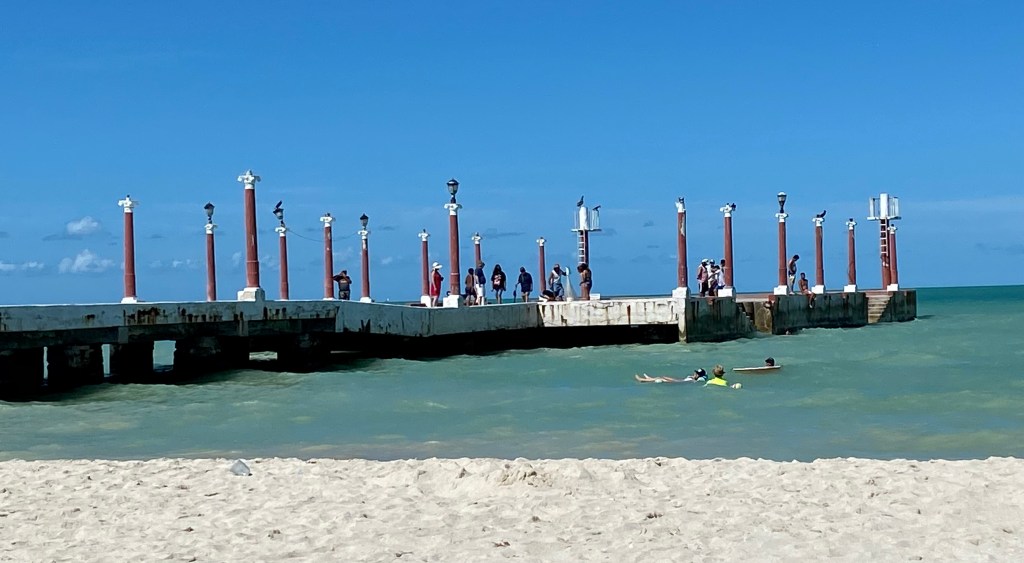
Sisal, a beachside Puebla where we understood many changes were taking place, was one of our destinations. Easily combined with a trip to Celestun to see the flamingos, Sisal has been “discovered” and real estate is reputed to be flying off the shelf. Worth the drive as the beach is pretty, there’s good swimming and several beachside restaurants serving local seafood. The history of Sisal is interesting too and was the port from which the heinequin rope was shipped to all corners of the world.
Sisal Pier
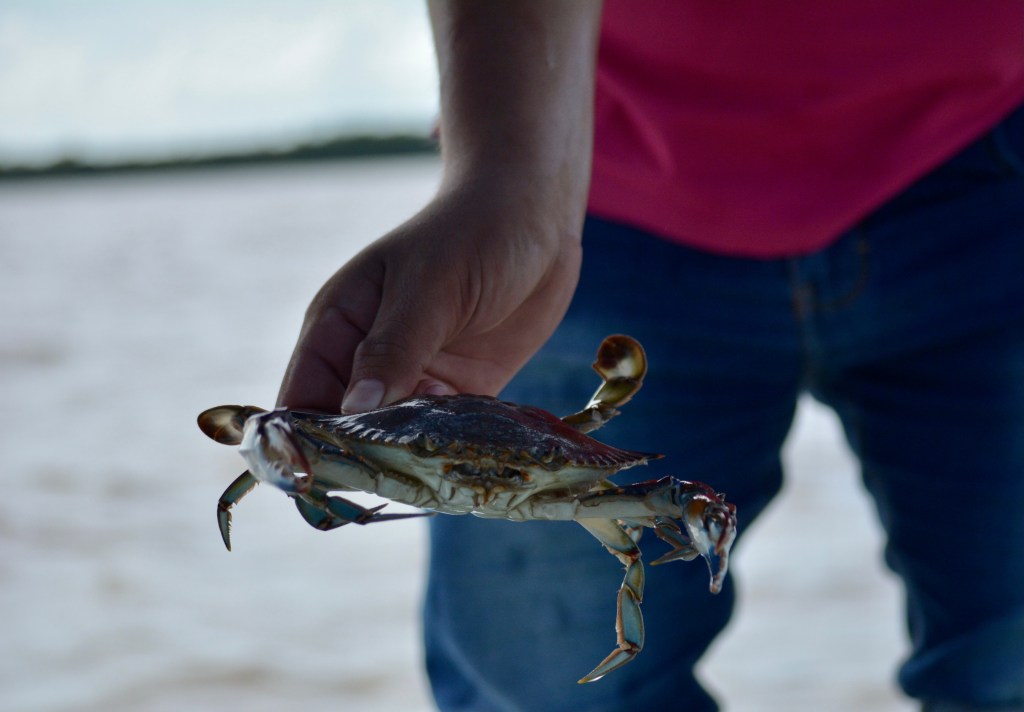
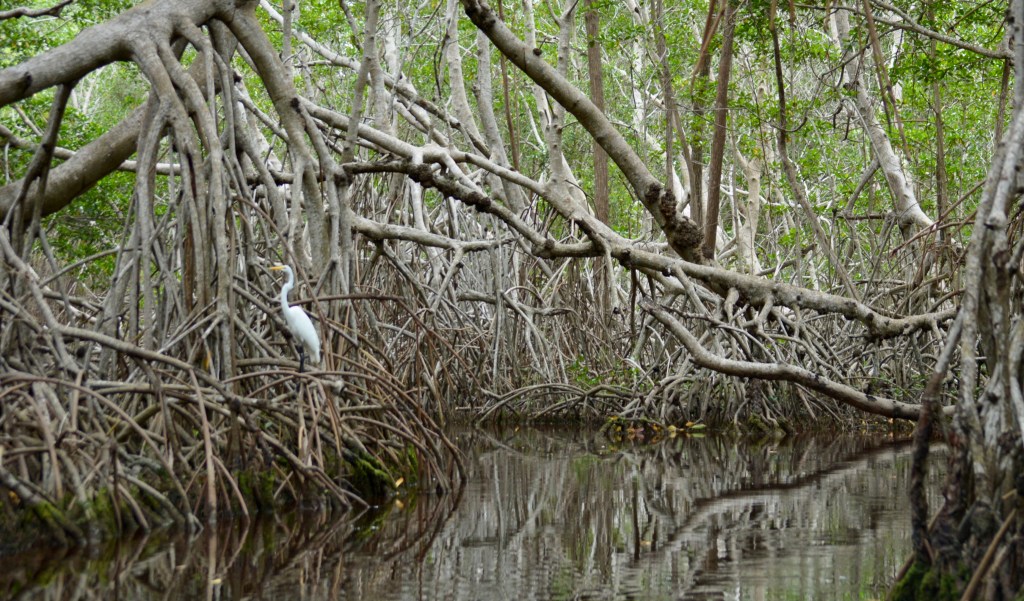
Celestún, another town easily reached from Progreso has been a favorite of mine over the years. I’ve probably been about three times to take the launcha through the mangroves to see the flamingos and other birds. Boat tours leave from the beach in the center of town, or a shorter option is to take a boat from the lagoon as you enter the town. No need to book ahead or even try to find a boat, they will find you. If you are a bird watcher I’d say this day out is a must, I have never been disappointed and have seen a variety of bird life including pink herons and lots of pink flamingos.
Pink HeronsPink from CamaronesThe boat tour includes a short hike and a swim in the cenote.
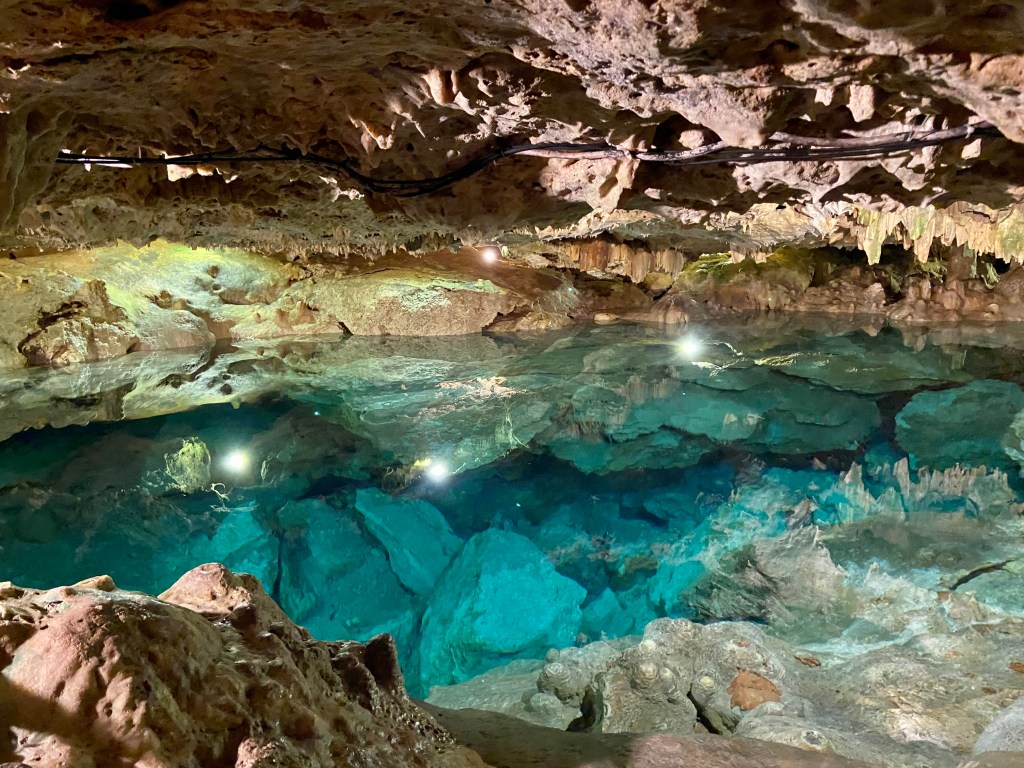
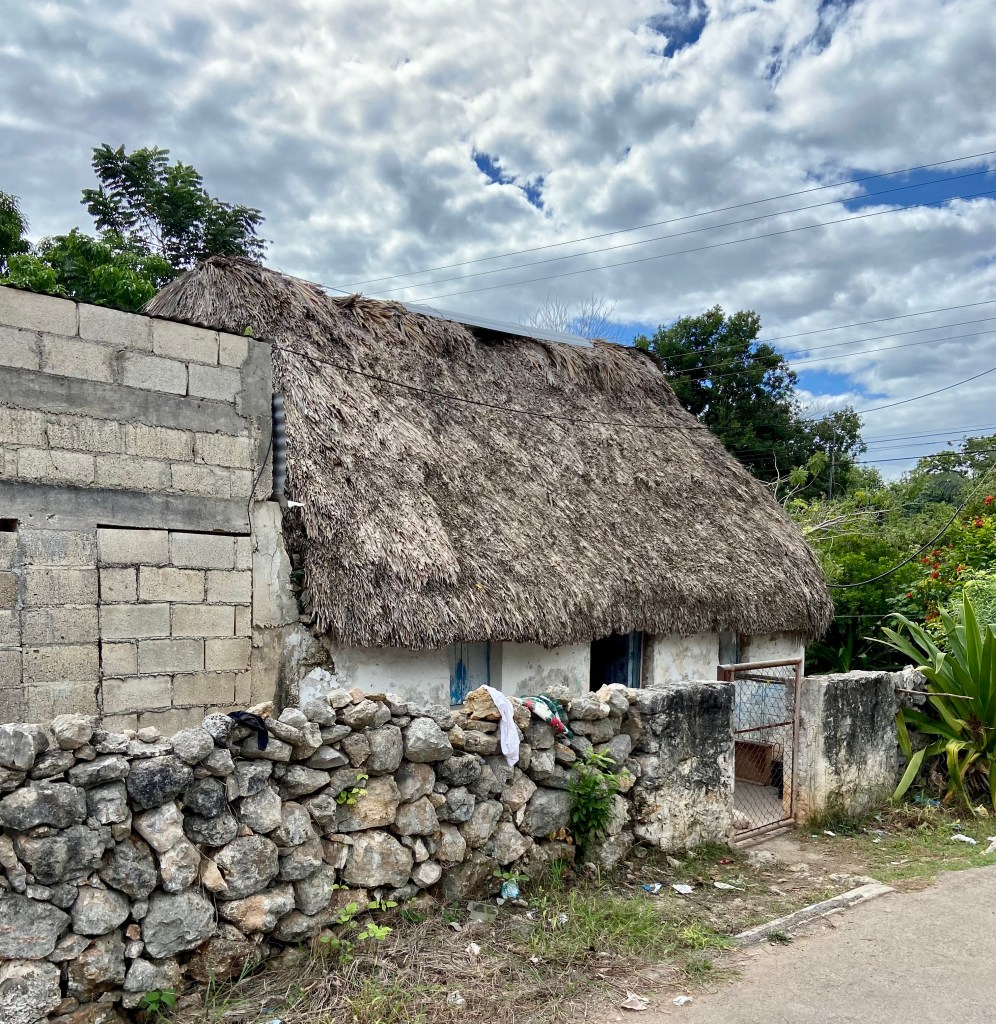
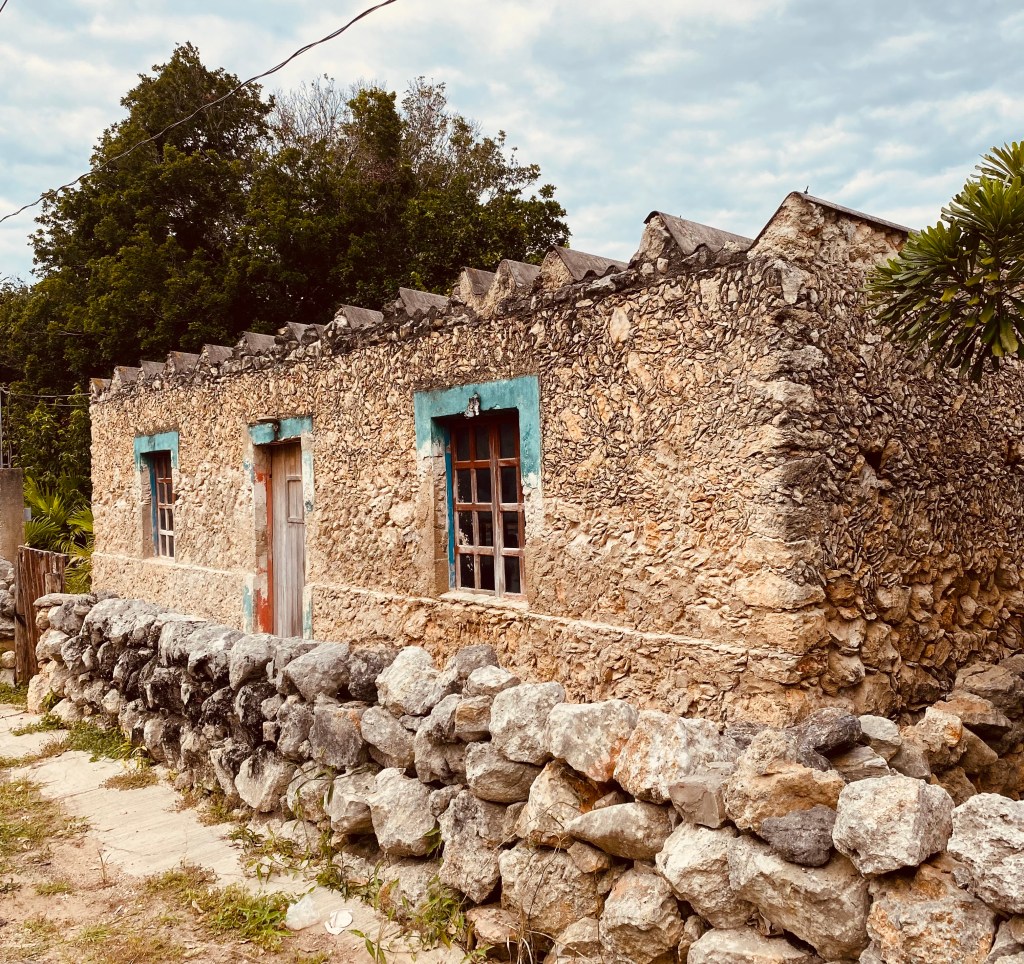
Cenote San Ignacio is a cenote with an above ground pool, gardens, a restaurant and an underground cenote that is beautiful, clear and refreshing. One of my favourite cenotes, it offers change rooms, an above ground pool, a restaurant and of course the underground cenote. A quaint little Puebla, San Ignacio is a good place to see the old style maya homes with adobe covered rock walls and palapa roofs.
San Ignacio CenoteTraditional Maya Casas
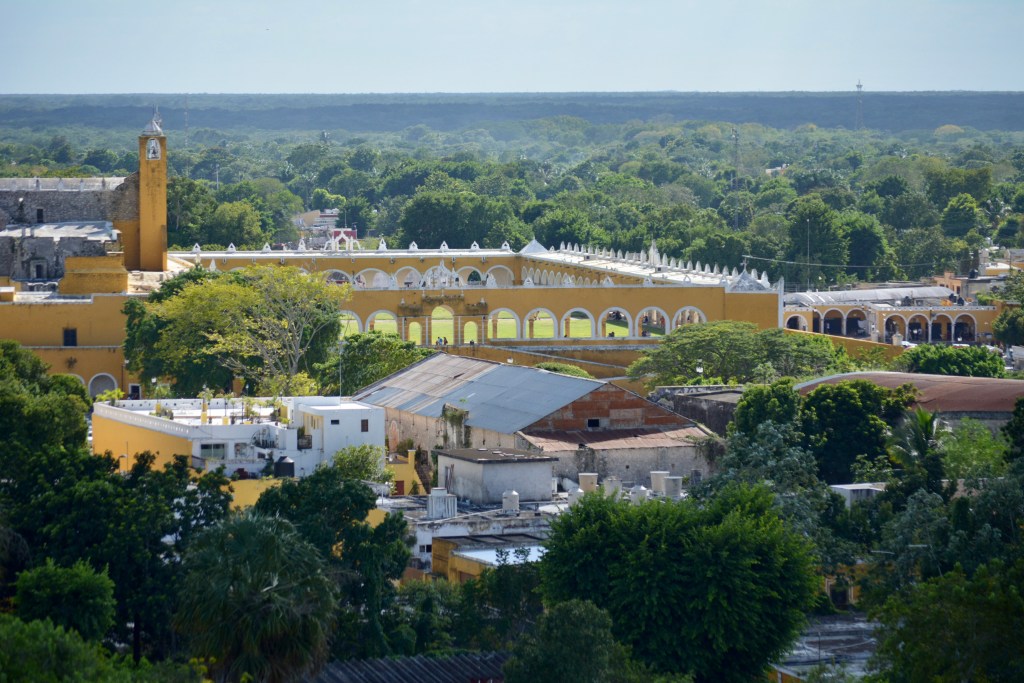
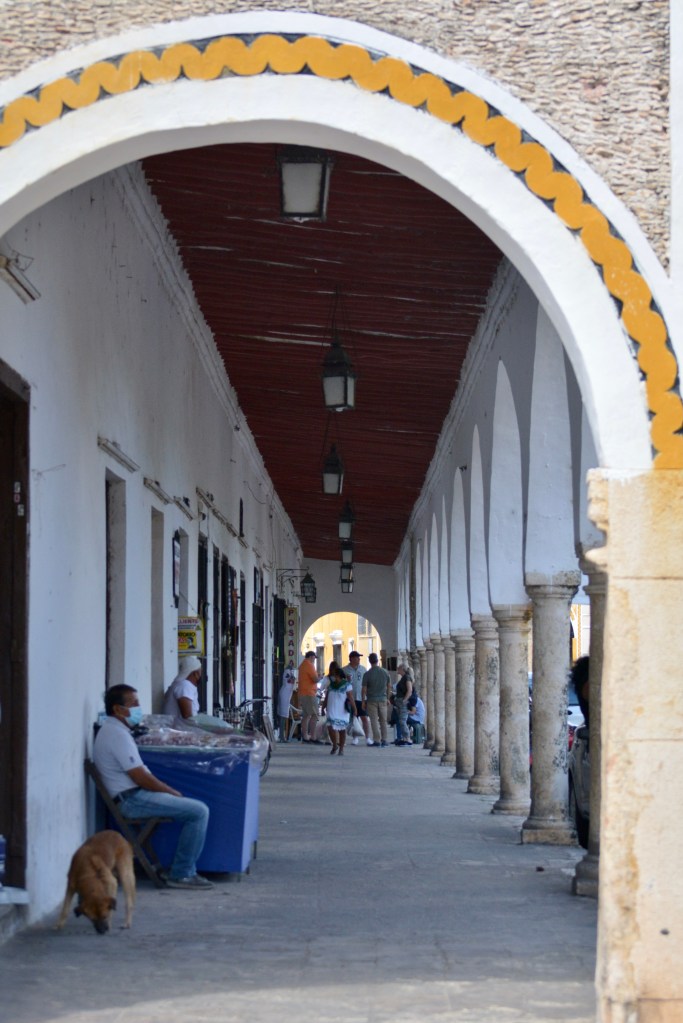
Xzamal My first visit to Xzamal and I have added this to my must do list for future visits to the Yucatan. Xzamal is notable for its profusion of yellow buildings. The Pope visited (1973) a particularly famous and sacred Franciscan Monastary here and in honour of his visit and as a sign of welcome the people painted everything yellow. The Padua Monastary is large and an interesting example of early colonial architecture built on top of the ancient Maya town that preceded the Spanish. Apparently it has the largest open atrium outside of the one at the Vatican and around the atrium are statues of Saints who are said to have performed miracles.
Franciscan MonastryThe madonna wears a crown, gift from the Pope.
From the walls of the Monastary you can look across the main square with it’s yellow arches to Kinish Kak Mo, a smaller and easily accessible Maya pyramid. The meaning of its name translates to “macaw of the solar fire face”. We were able to climb right to the top for a great view of the surrounding area. The Yucatán is as flat as the Canadian prairies so you can see quite a distance.
Main SquareKinish Kak MoEntrance to the PyramidView of the Yucatan from the Pyramid
On the recommendation from a friend we dined at a fantastic restaurant called Kinish, where they serve traditional Maya cuisine including cochinita, a pork dish marinated with sour orange juice, wrapped in plantain leaves and cooked underground.
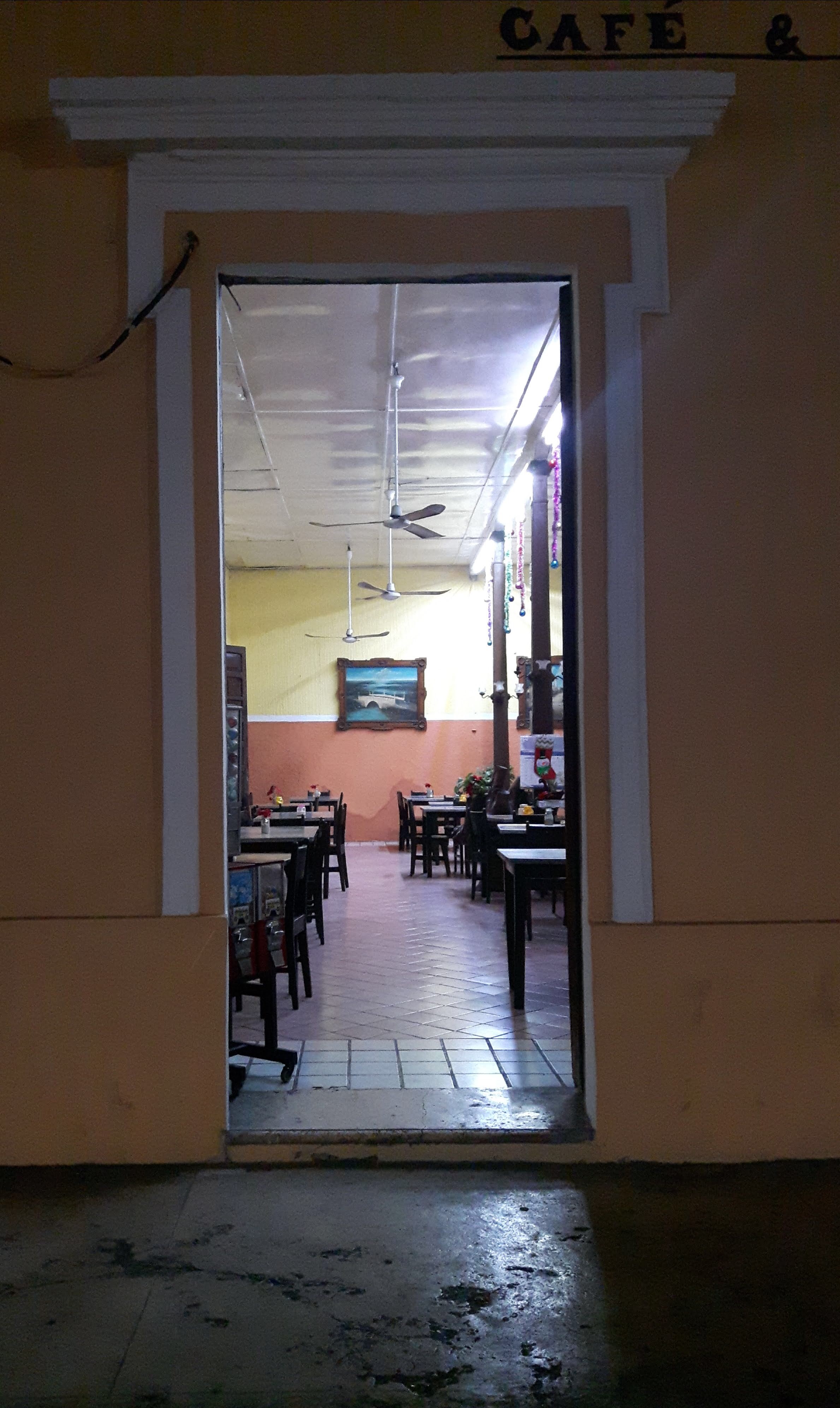
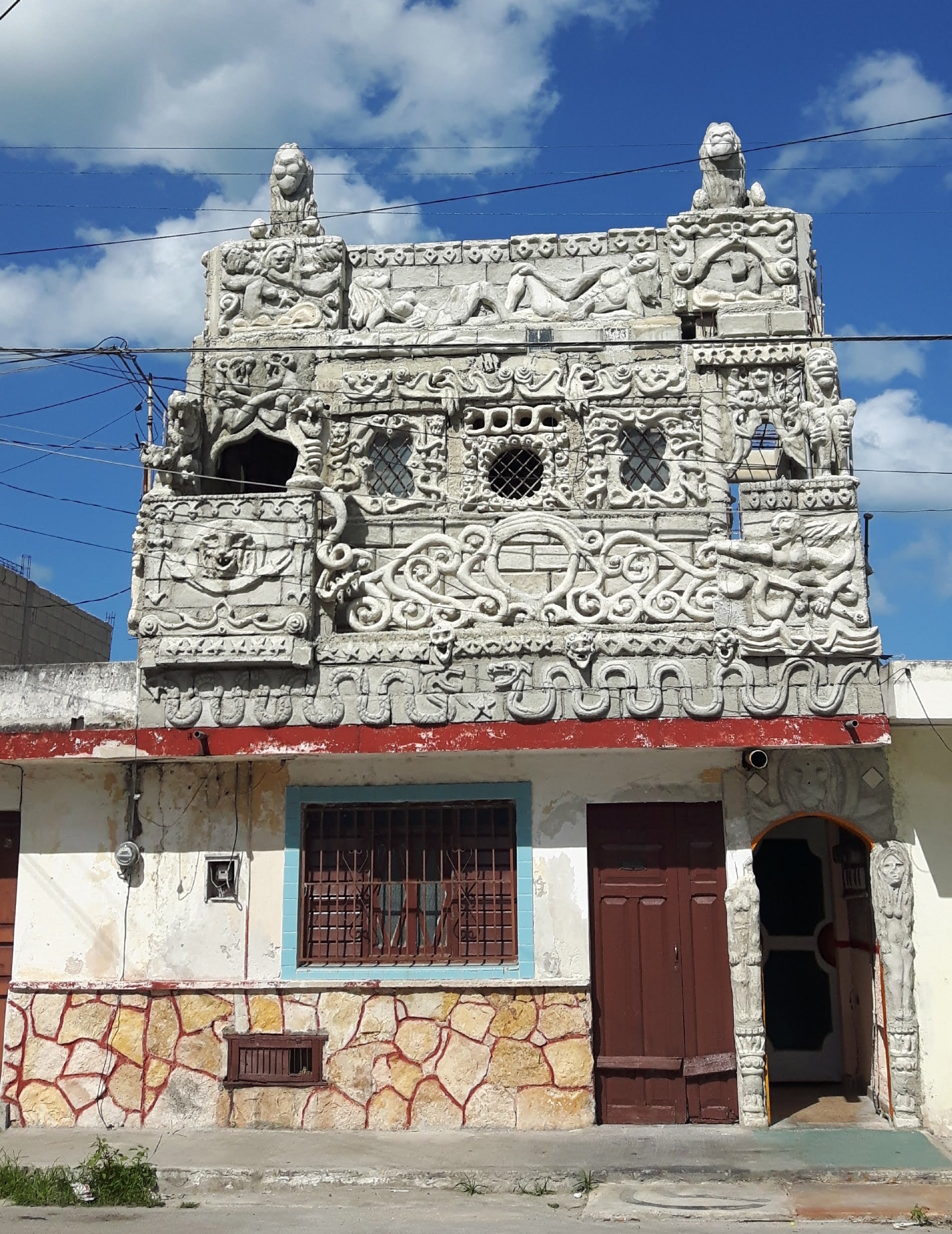
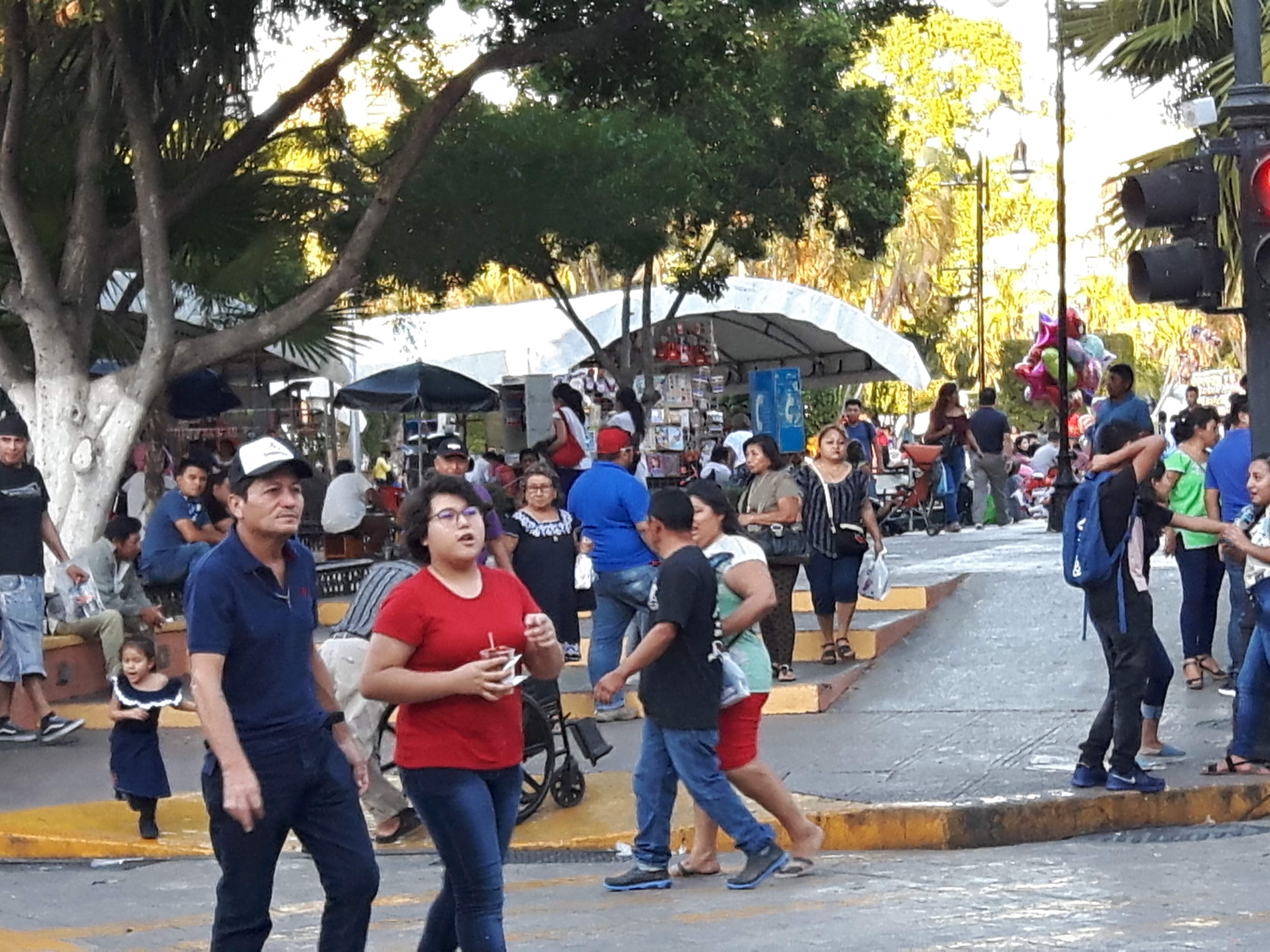
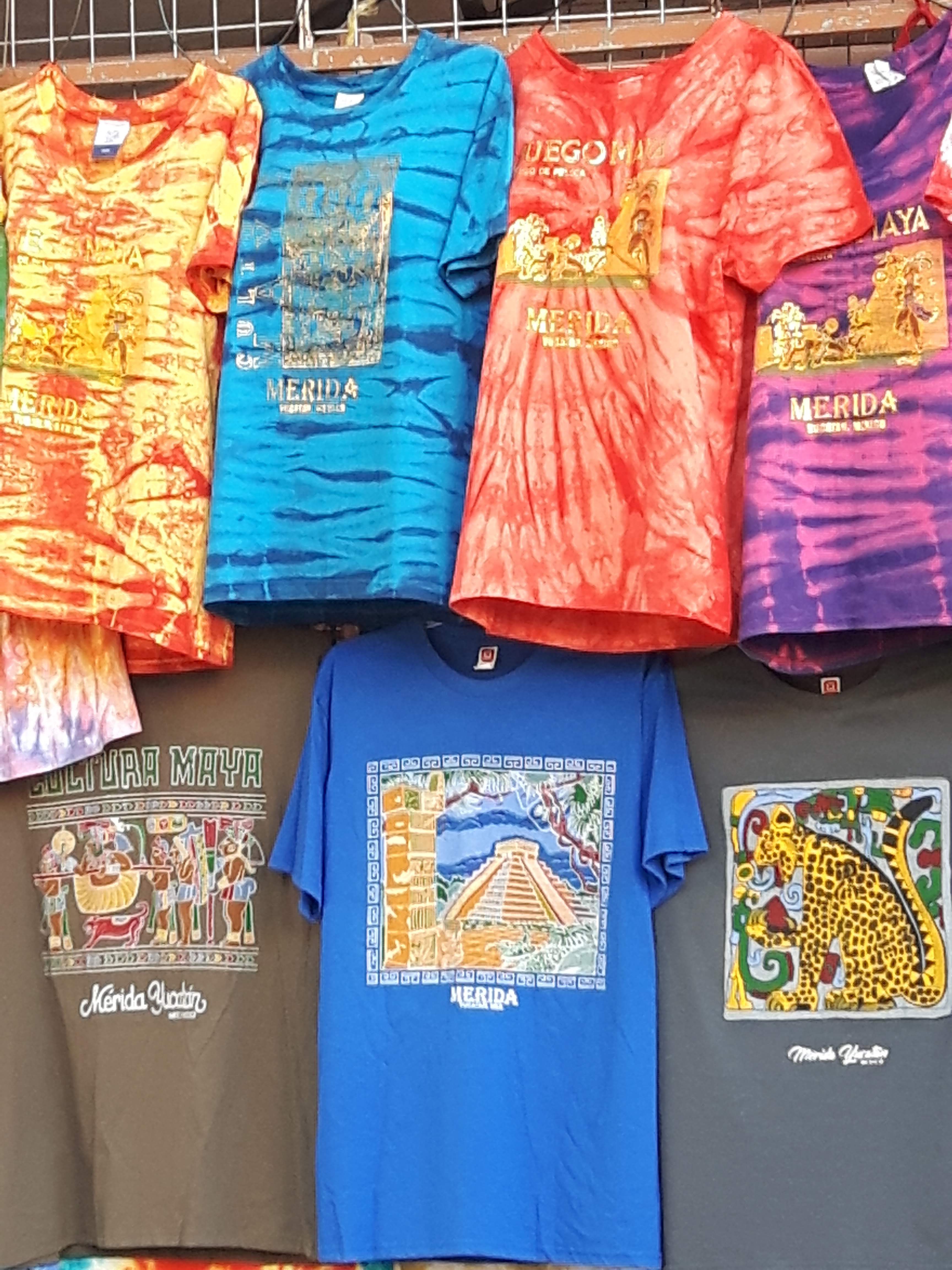
Progresoand Merida After my friends left for home I immersed myself in life in Progreso. A friend living in Chelem got me aquainted with the beaches there and in Chuburna, communities adjacent to Progreso. It was often windy but the water was warm and we all swam and enjoyed the beach in relative solitude, which of course in the time of COVID is advisable. Of course Merida is close and movies, bowling, restaurants and a jazz club rounded out my last days in Progreso. Next stop Puerto Escondido.
Day of the Dead, a colourful, festive and joyful way to show love and respect for deceased family members.
As in years past, I started my Mexican Adventure by returning to the sea side town of Progreso in the Yucatan. This year for the first time I made it to Mexico in time for Dias del Muertes, a celebration in which death and deceased loved ones are honoured. Things were scaled back somewhat due to Covid but there were still some interesting things to see and do.
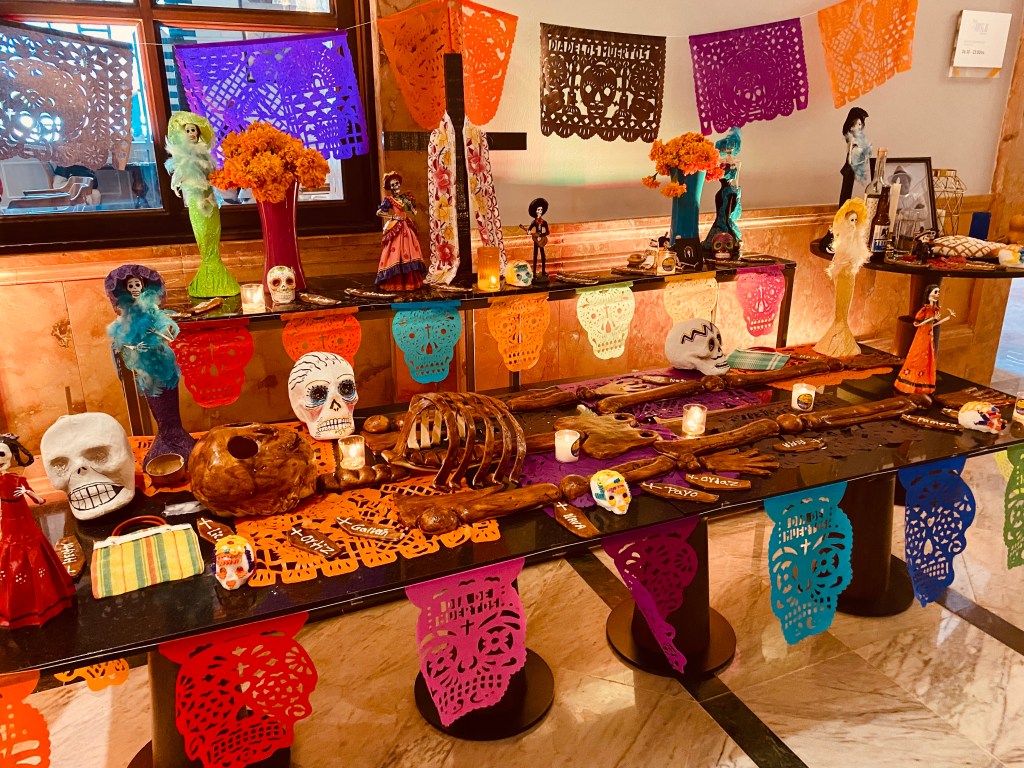
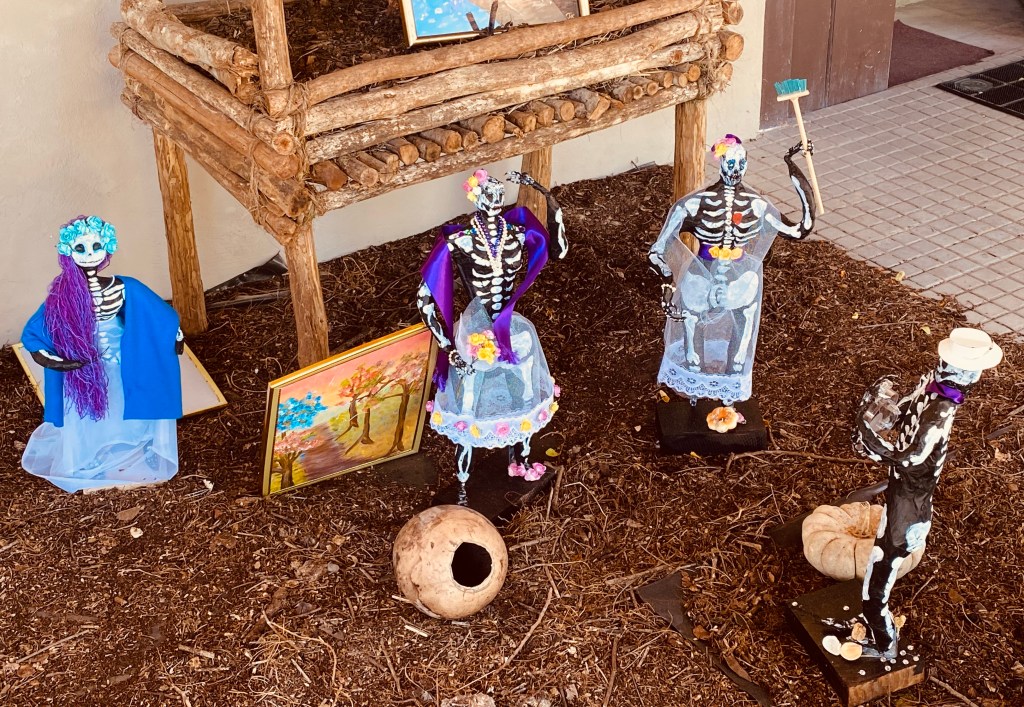
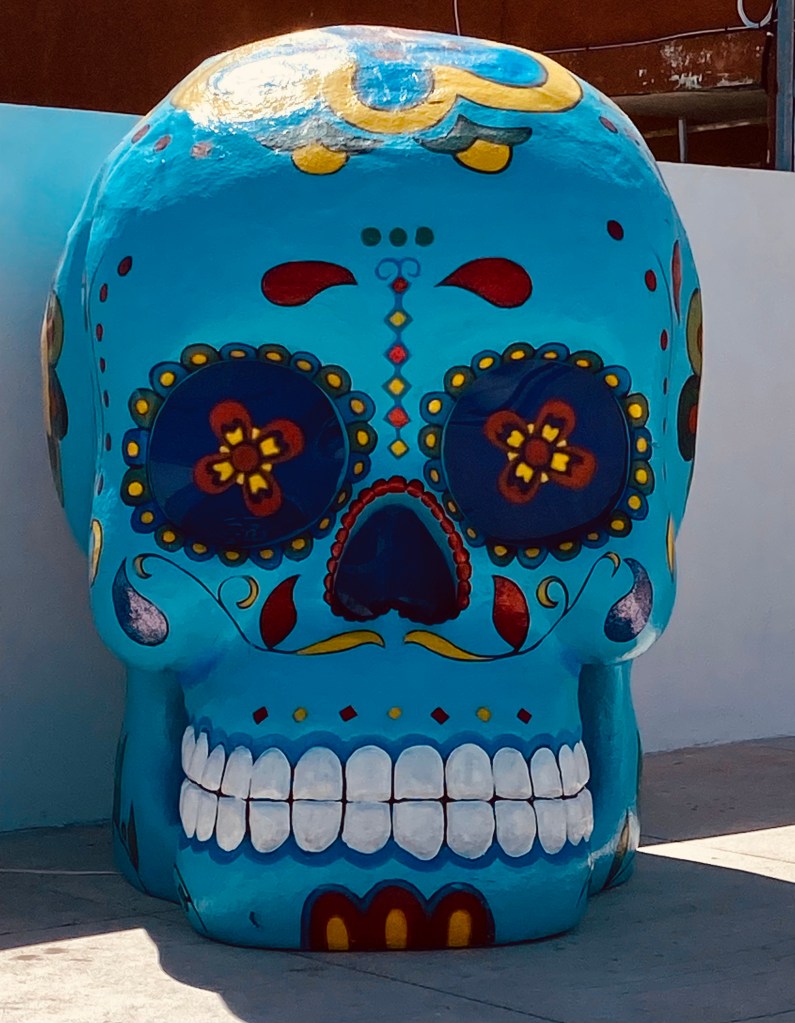
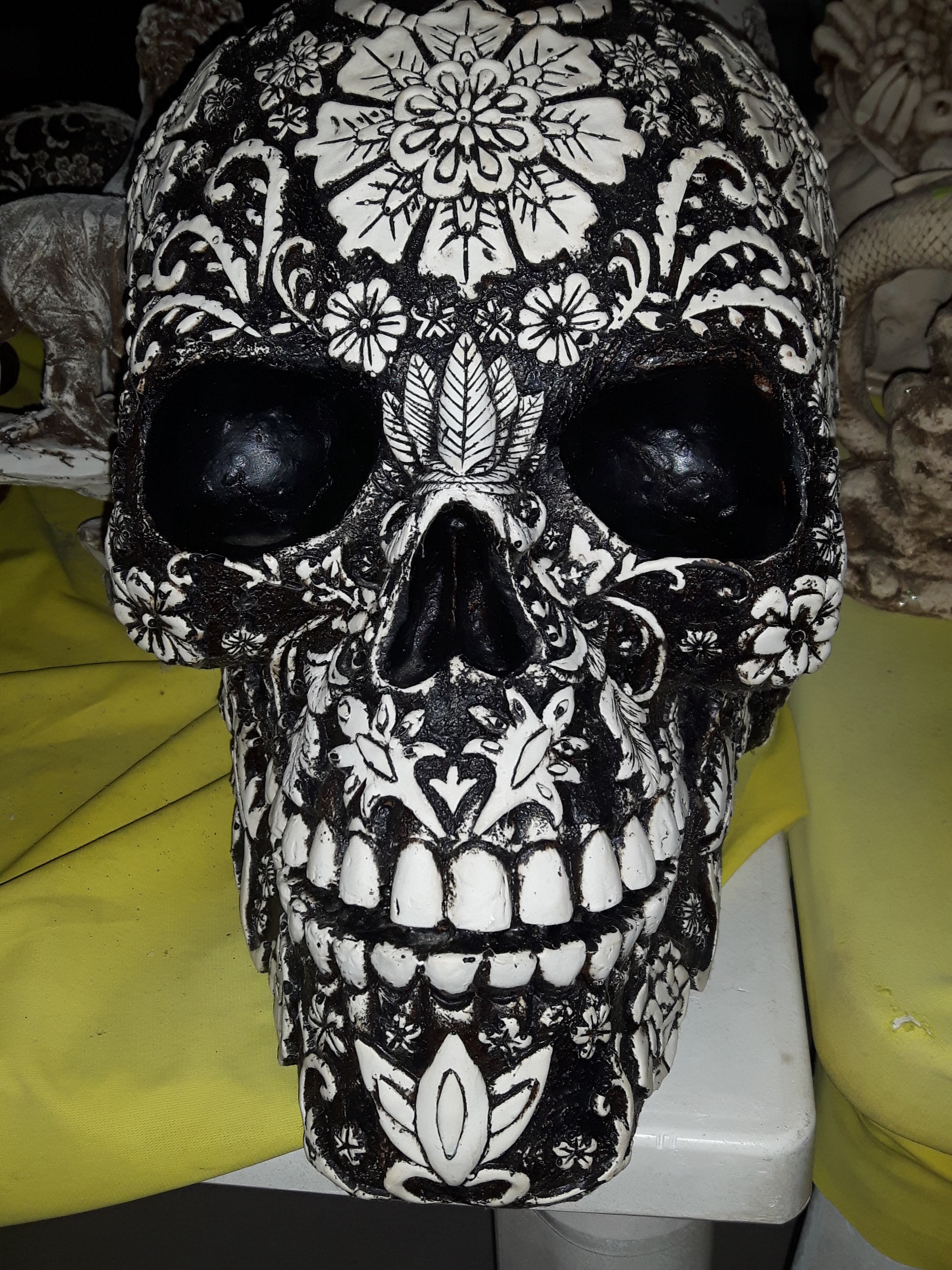
Symbols of the Day of the Dead: Skulls, Calvera Catrinas, Offerendas & Papel Picados
If you haven’t seen the movie Coco I highly recommend it as a fun and touching way to acquaint yourself with Mexican culture and especially the believes and practices around the Dias del Murertes.
Dias del Muertes is actually several days in duration with a day dedicated to children, and then one for adult relatives and ancestors. Similar to our Canadian Halloween, people dress in costume and walk the streets admiring each others costumes. Adults and children alike participate. There are generally musical & cultural events and each community celebrates in a different way but all have in common a visit to the cemetary to spruce up the graves of lost relatives and to invite them to return to this realm by offering food, drink and special treats. Elaborately decorated altars can be seen in private homes, (called offrendas) to welcome the spirits.
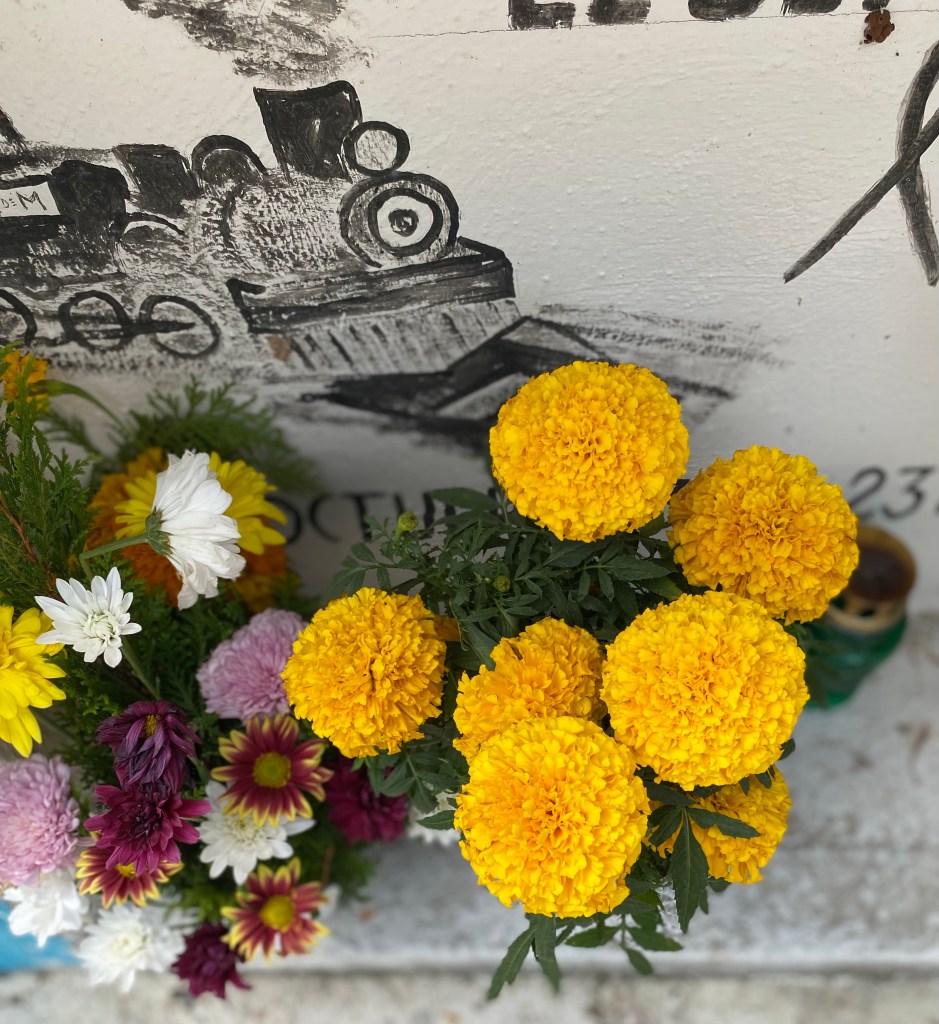
Family Home OferendaCostumes often include Marigolds
We spent a few days visiting various locations that we heard would be interesting examples of the festivities. One evening we went to Merida and sat in a restaurant to watch a pasado of costumed families followed by a cultural performance in a square at the end of Paseo de Montejo.
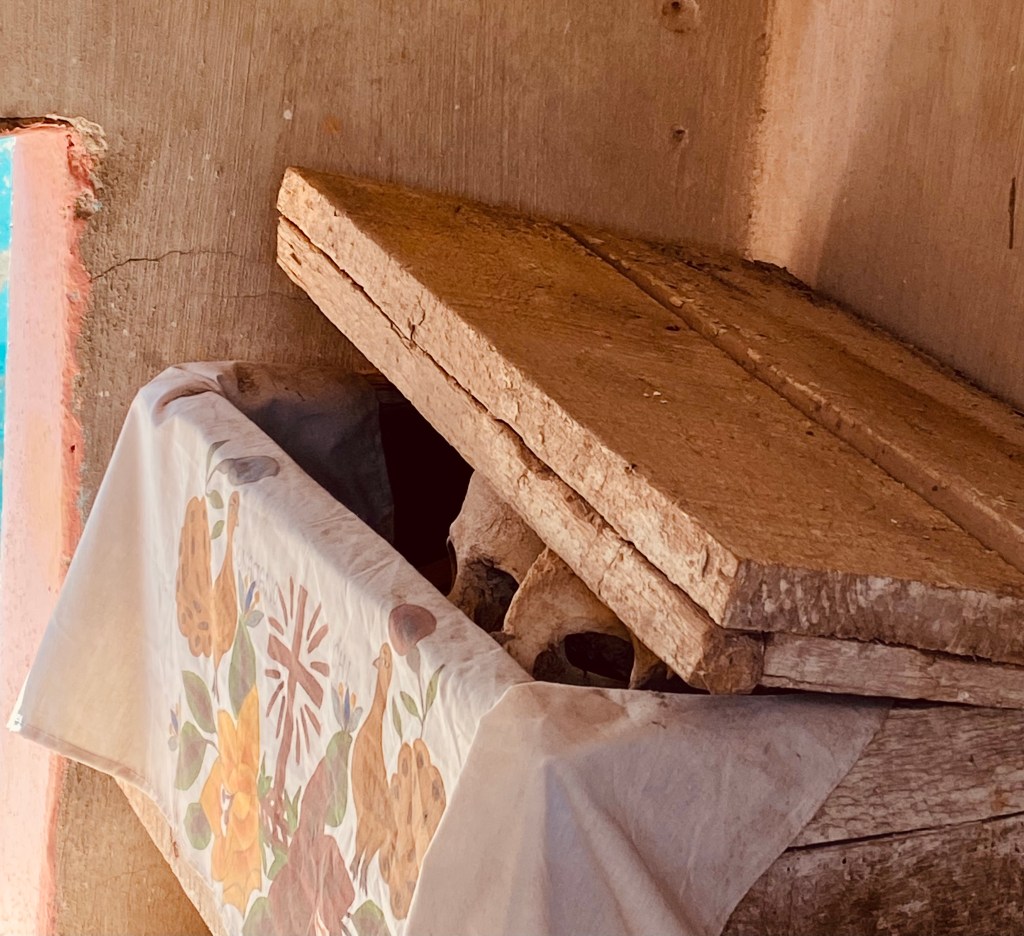
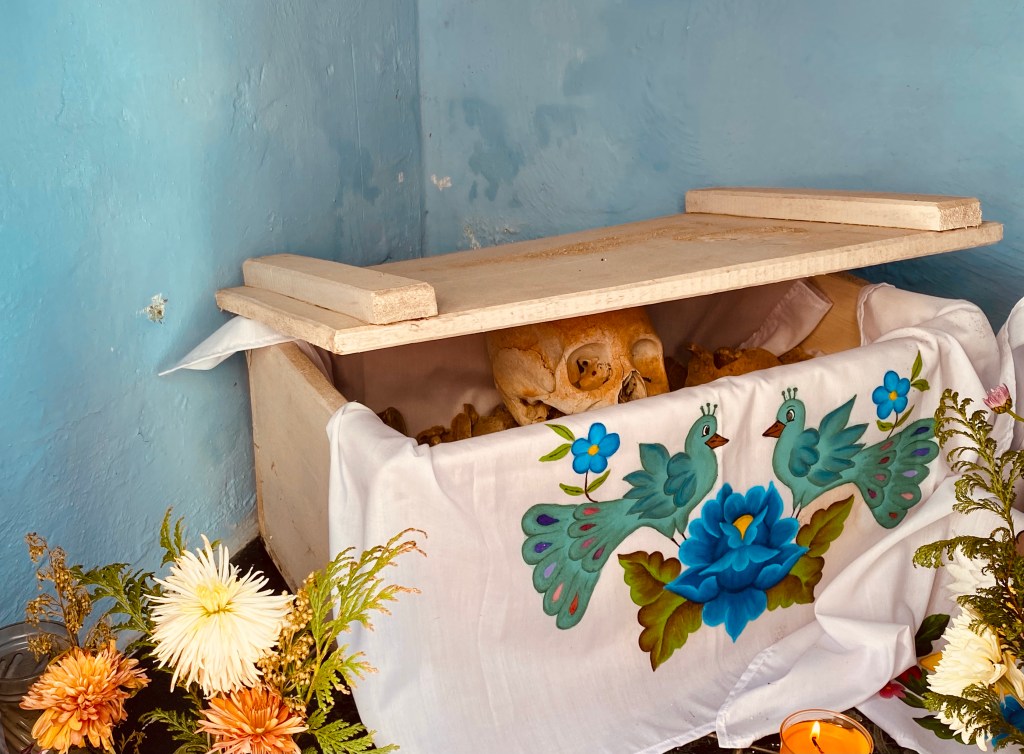
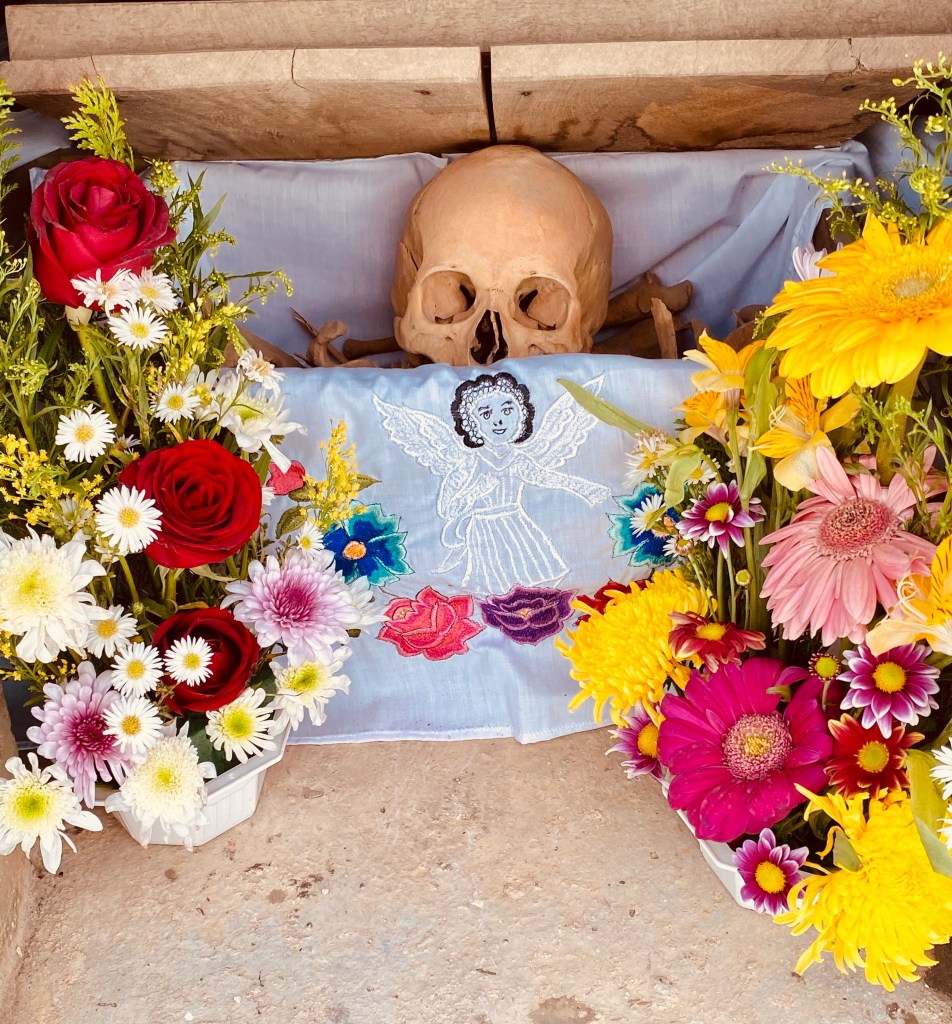
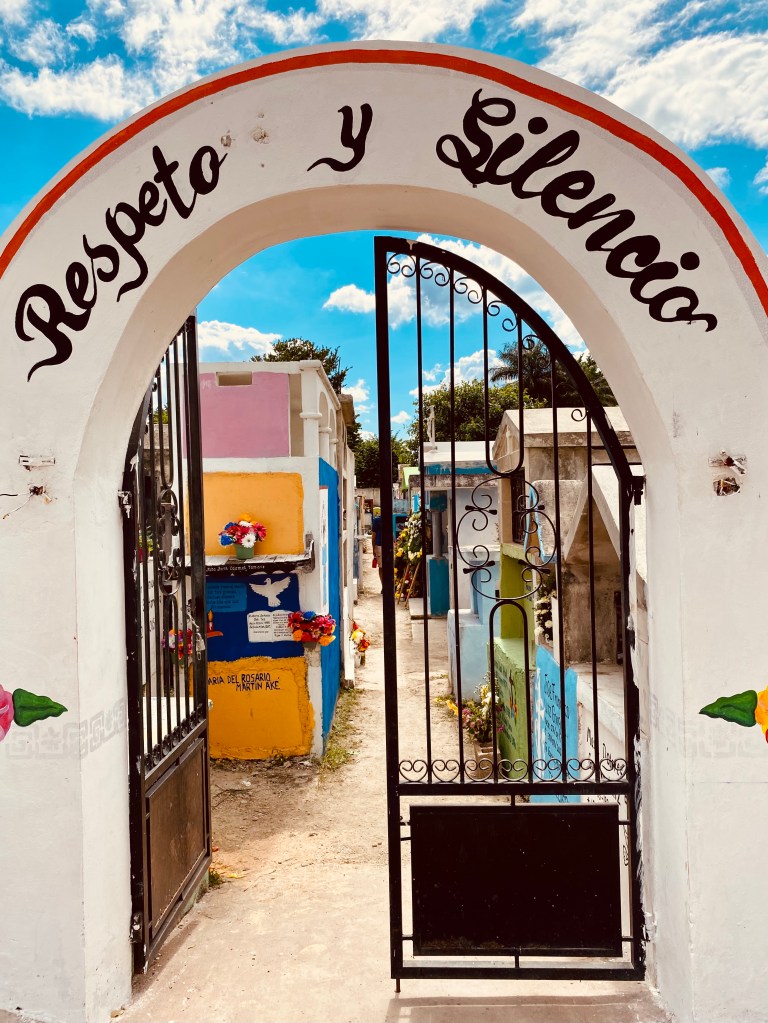
Perhaps the most interesting event for us was a visit to a pueblo called Pomuch, where we walked through the local graveyard. The tradition here is to open the boxes of the deceased and clean the bones, leaving them on display, free to roam, for a few days before they are returned to rest in peace. Unlike Halloween which is a dark night of terror and mischief, Day of the Dead festivities take place over two days and are colourful, festive and joyful, with the point being to show love and respect for deceased family members.
Cemetaries are Cleaned and Decorated
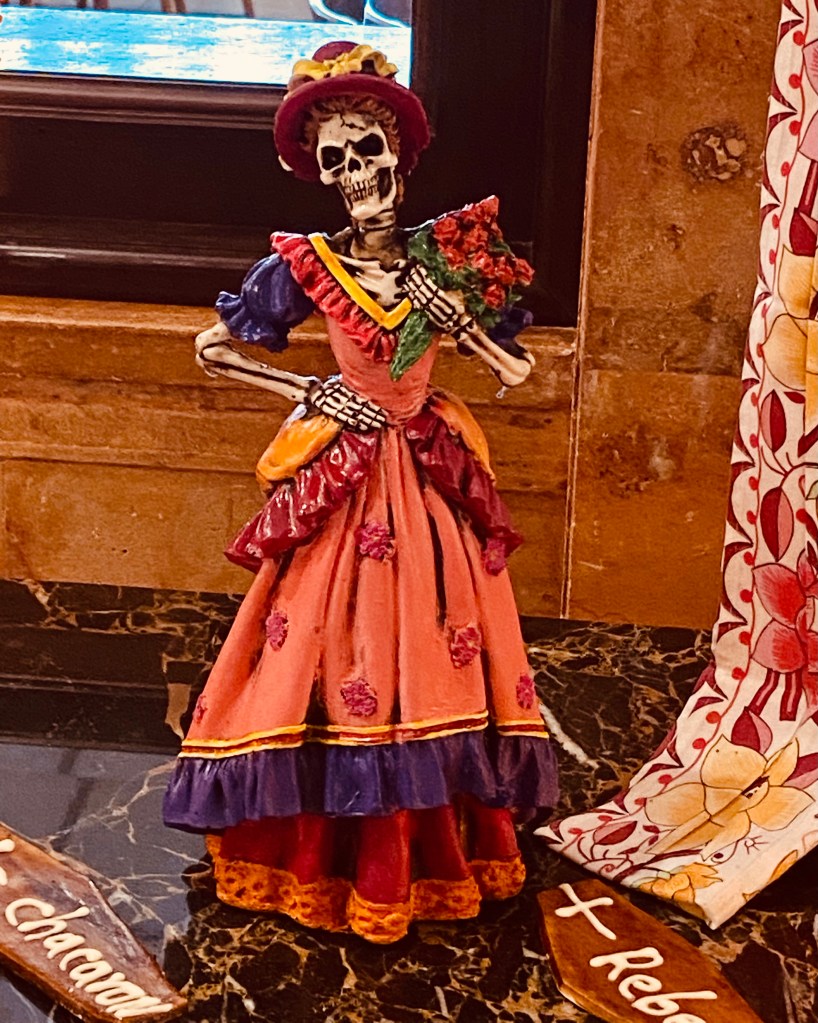
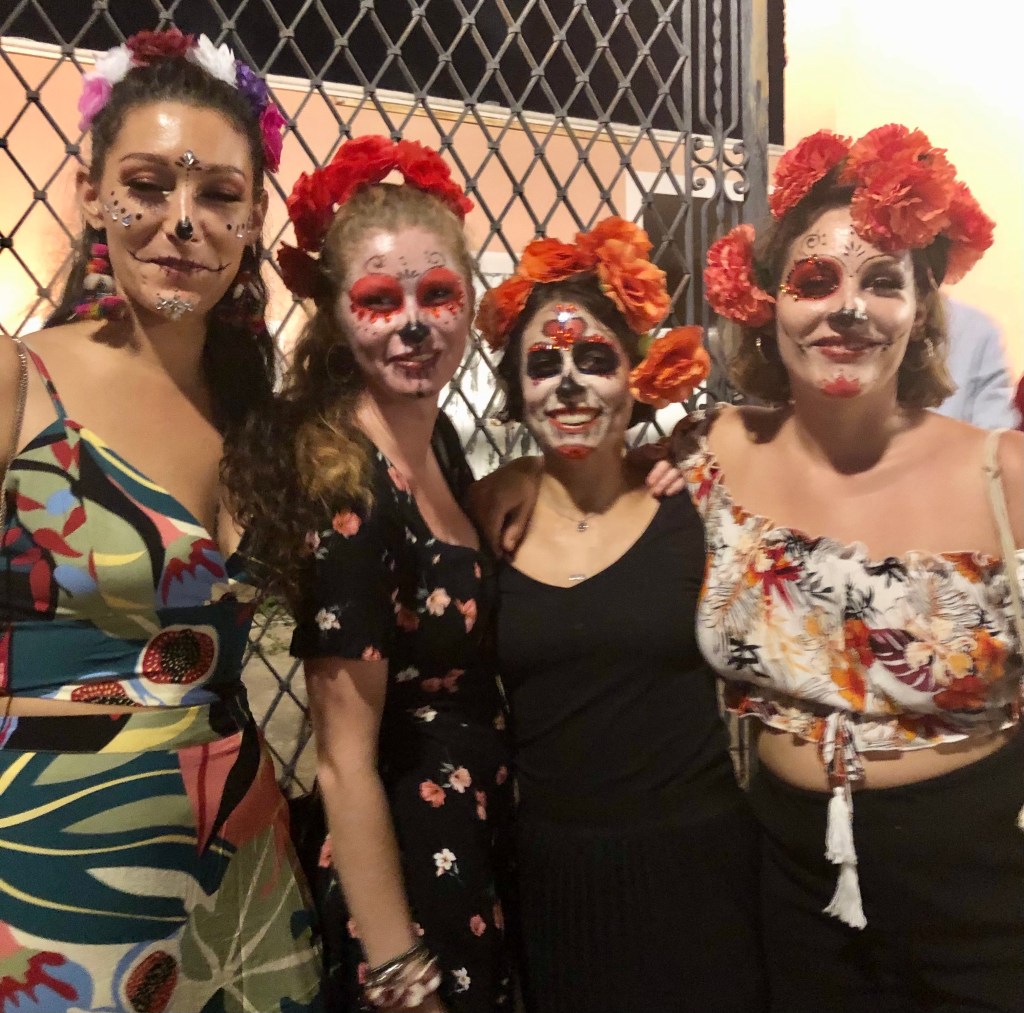
A mish-mash of indigenous and christian beliefs the symbols of the Day of the Dead are important and include calveras or skulls. One of the most ubiquitous symbols of the Day of the Dead came about when Diego Rivera, Mexicos beloved muralist, painted a stylized skeleton in one of his murals. Dressed in a large feminine hat, Rivera named her Catrina, a poke at the rich. Sugar skulls abound and food items like pan de muerto, or bread of the dead is often shaped into bones and skulls. Other sweets include tiny dough teardrops to symbolize sorrow. Of course there are drinks too including pulque, a sweet fermented drink made from the agave. Of course costumes are important as festivities normally spill into the streets and public squares at all hours of the day and night. Faces are painted to resemble skulls and the Calvera Catrina. It wouldn’t be Mexico without some noise and costumes often include shells or other noisemakers to rouse the dead and keep them close during the fun.
Calvera CatrinaReal Live Catrina’s photos from C. Gilroy
To represent the wind and the fragility of life Mexican’s use layers of paper, piercing it with a hammer and chisel points to form elaborate patterns. The Papel Picado is draped around homes, streets and restaurants and adds to the festive atmosphere that permeates the day of the dead.
Certainly this celebration of death wasn’t the same as in other years without the pandemic but Mexico being Mexico there was still lots to see and do even without the large scale celebrations and gatherings that are the norm.
Get to know this fabulous world capital in all its glory.
The first thing many people think when you say “Mexico City” is big, dirty and dangerous. In my opinion you can visit Mexico City safely and enjoyably and not sacrifice your independence if you are a solo traveller or in the company of others. The few common sense tips that follow will hopefully assuage the anxiety that might stop you from getting to know this fabulous world capital in all its glory.
Airport Arrival: Once you’ve fetched your bag, head to the taxi booths and book a taxi direct to your hotel. Just follow the signs that point to the taxi booths that are inside the airport, not out on the street. They take credit cards and will guide you to where the taxis are waiting. It costs considerably more than a taxi off the curb but it will get you where you are going swiftly and safely. My Mexico City friends assure me this is the best way to ensure personal safety. Be sure and have the name and address of your destination written out to show the taxi drivers. Study maps before you get to Mexico City to get a sense of where your hotel is and how long it should take to get there. Know at least a few basic words in Spanish, por favor and gracias go a long way.
Hotel/Accomodation: The important choice of where to stay in Mexico City is based on what you want to see and do and also on your budget. I find that most hotels in Mexico City are cheaper and just as nice as those in Canada. I haven’t used Air BnB in Mexico City so I won’t comment and I always use the same hotel booking app because it offers a free night for every ten nights you book through them. (Hotels.com) For someone headed to the city for the first time, I would recommend staying in and around La Reforma Close to the Historic Centre. Generally, highly touristed areas, like La Reforma, are the safest given you use all the usual safety precautions you would in any large city. This area is modern, lots of cafes, restaurants, great movie theatres, museums, galleries, antique stores, specialty markets, shopping and access to transportation. For first-timers the easiest way to see many sights is to use the Mexico City “Hop on Hop Off Bus”. The bus is great, has English audio, frequent stops and can be ridden for a full loop to get an overview and then used to go back to the places at the top of your list. I haven’t used it for a few years but as a Mexico City “beginner” it was my go to to get myself oriented.
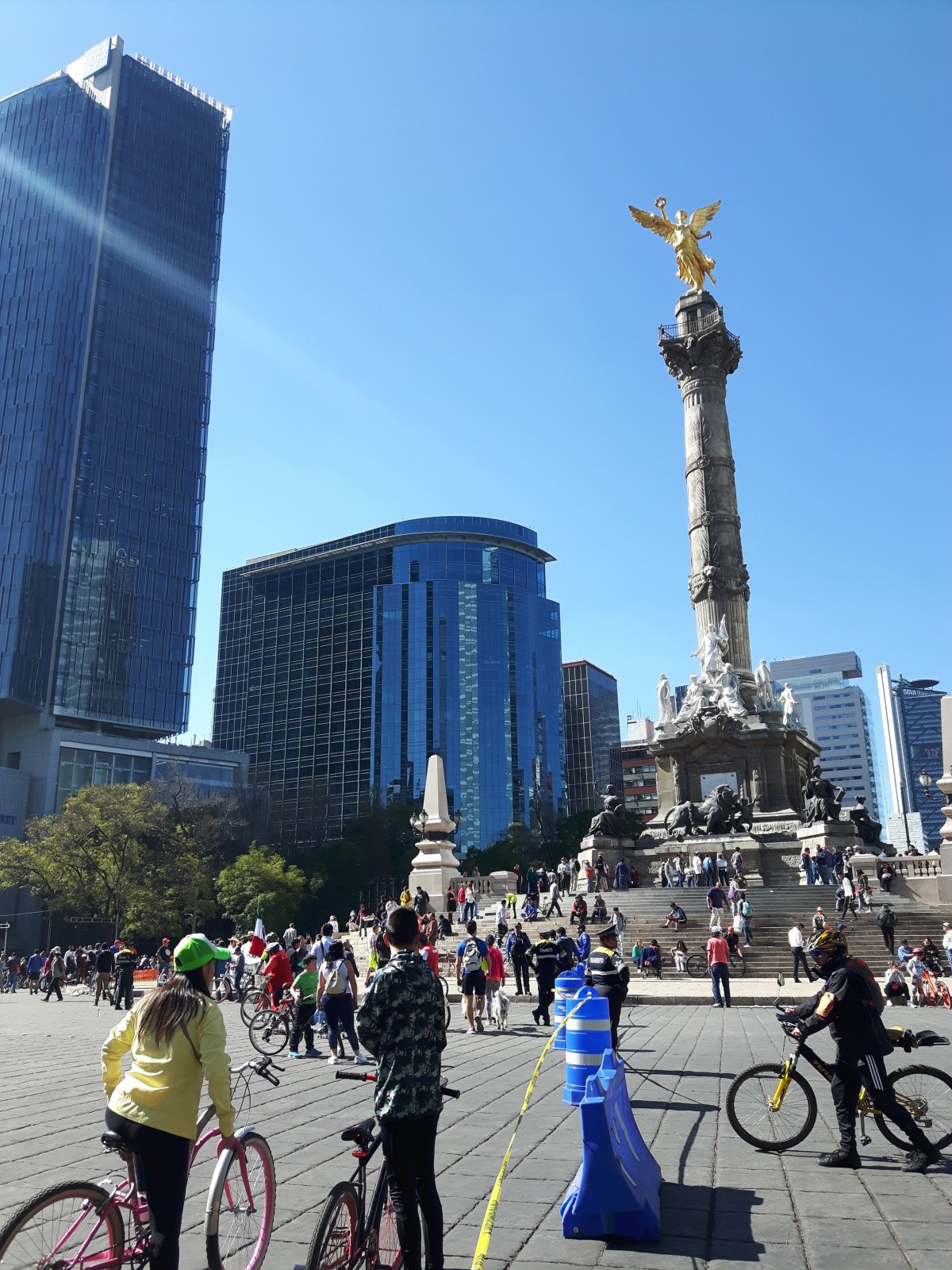
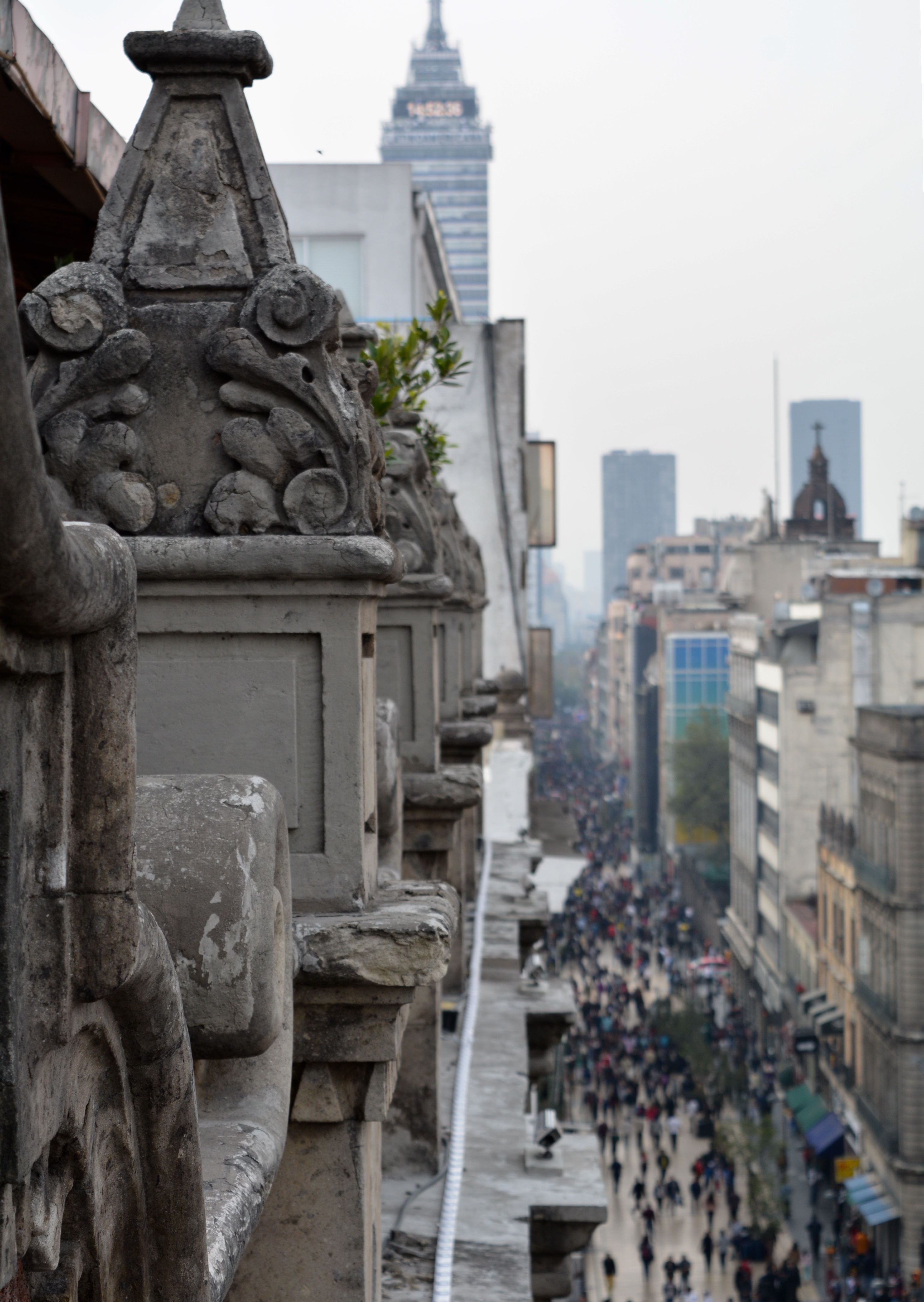
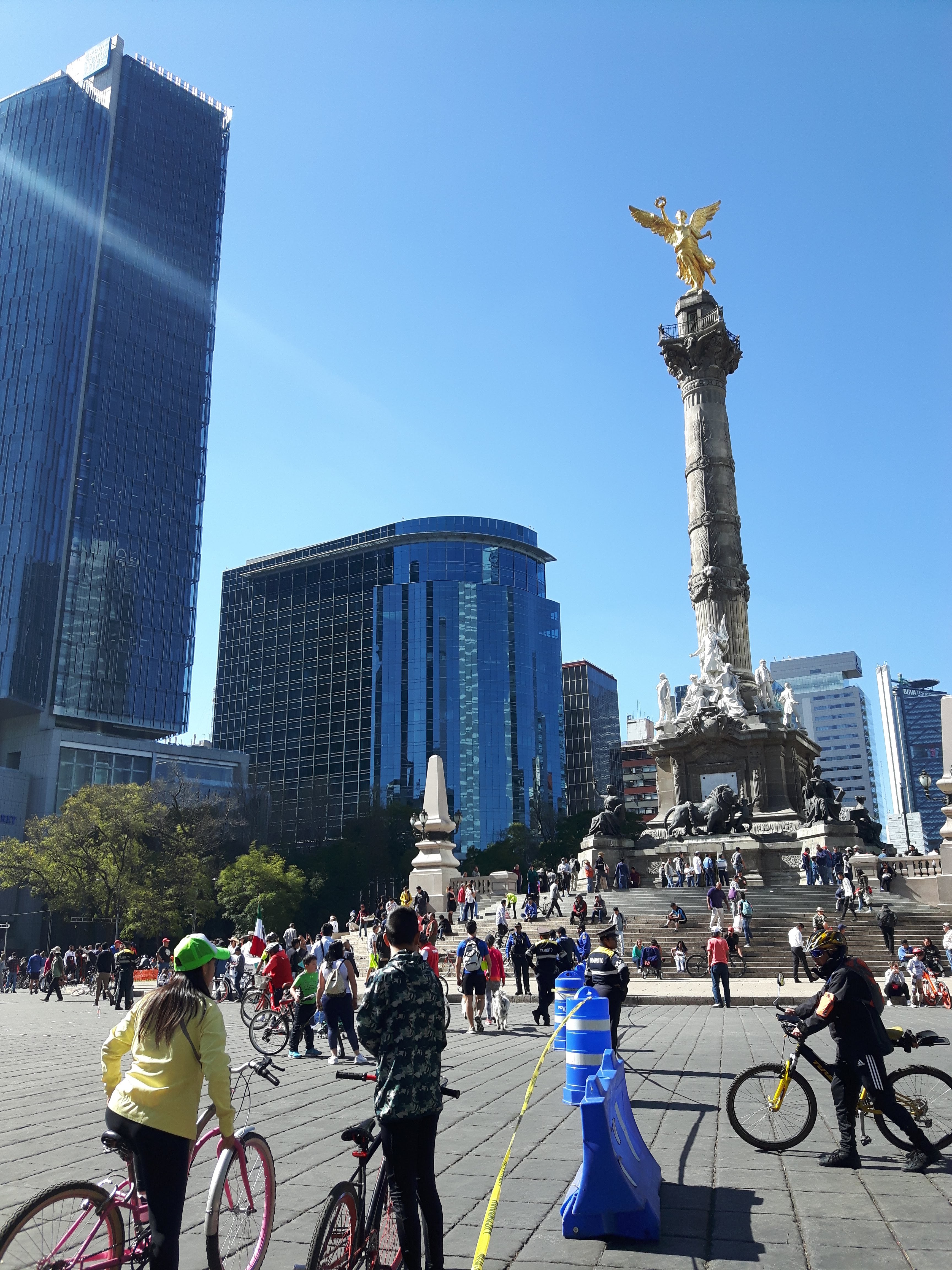
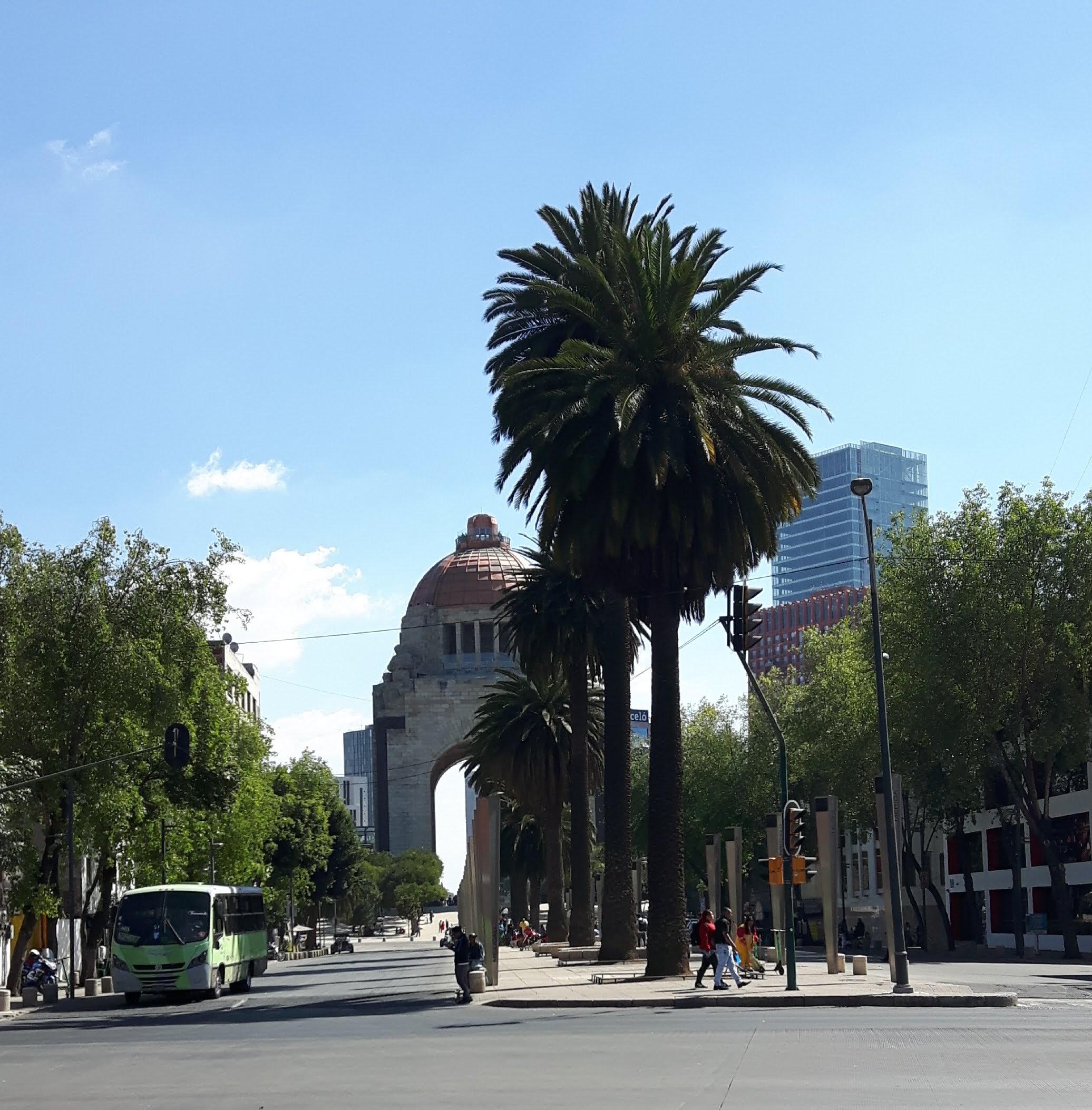
Colonias: Mexico City is divided into areas known as Colonias, some you visit and some you don’t. As a general rule the closer you are to the Historic Zone the easier it will be to get around and stay safe. Over the years I have stayed right on La Reforma in the Colonia Centro, within walk distance of the Zocalo, the Plaza Meyor de Mexico. Very busy area and fun for people watching. There is often an event or an affair taking place in the Plaza and the giant Mexican flag flying above the square reminds you of the pride of the Mexican people. Close by are many sights such as the Mexico City Catedral and the National Palace of Mexico City, not to mention prehispánic ruins.
Over the years I have also stayed in Condesa, an artistic neighbourhood with some really great Art Deco architecture and next door to “Roma” recently made famous in the award winning movie of the same name. Roma is known as a Beaux Arts neighborhood and is one of the oldest in Mexico City. Both of these Colonias are very near to Chapultepec Park where you will find the Museum of Anthropology and Modern Art amongst others. There is also a palace museum on the top of a small hill and the history of Mexico is on display there. The park is full of amusements for families who take full advantage of this green space to enjoy Sunday picnics and family outings.
TheZona Rosa, a gay friendly colonia, is fun too and has lots of funky shops, restaurants and bars as well as antique markets that are fascinating and give a glimpse into daily life for a Mexican family in days gone by.
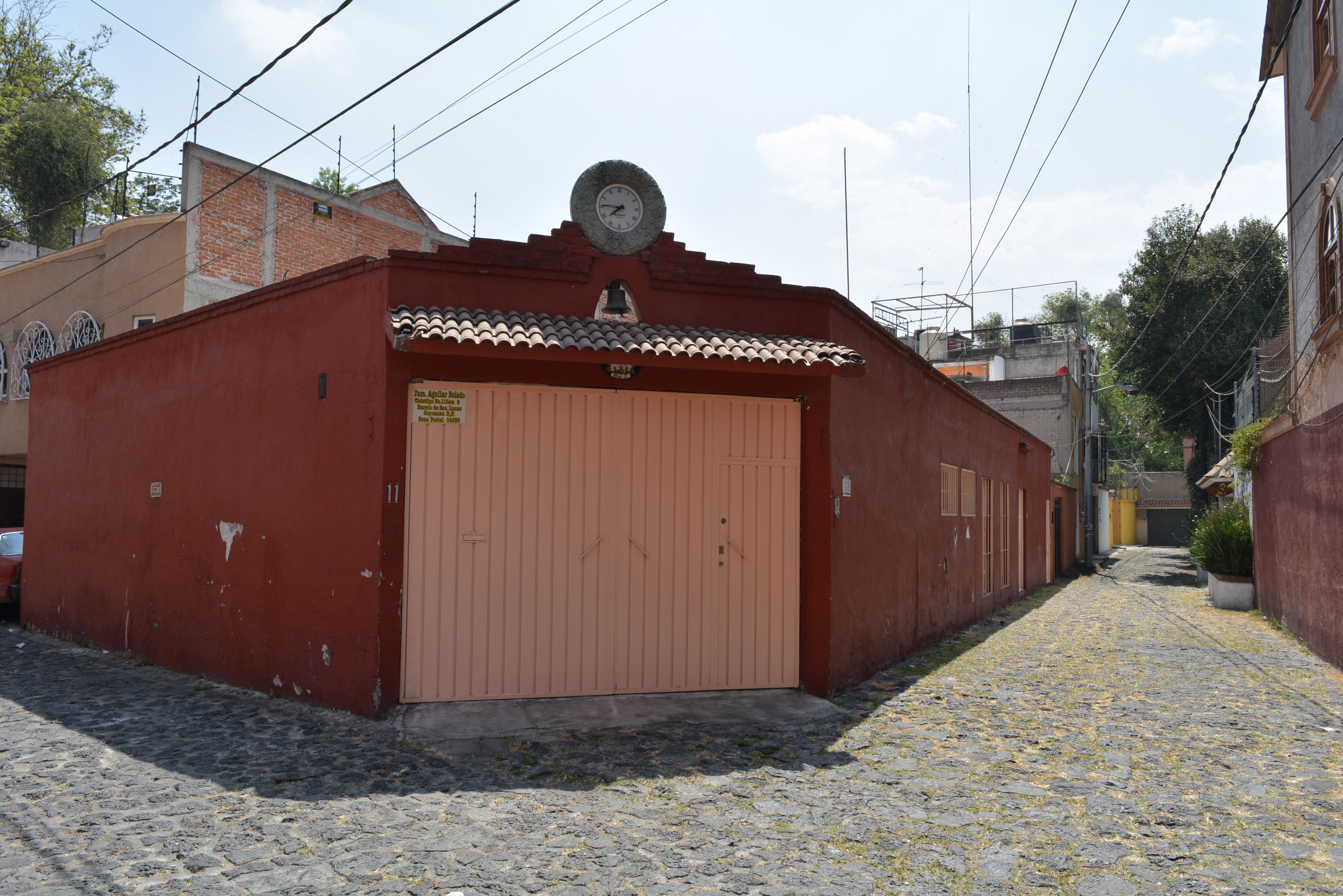
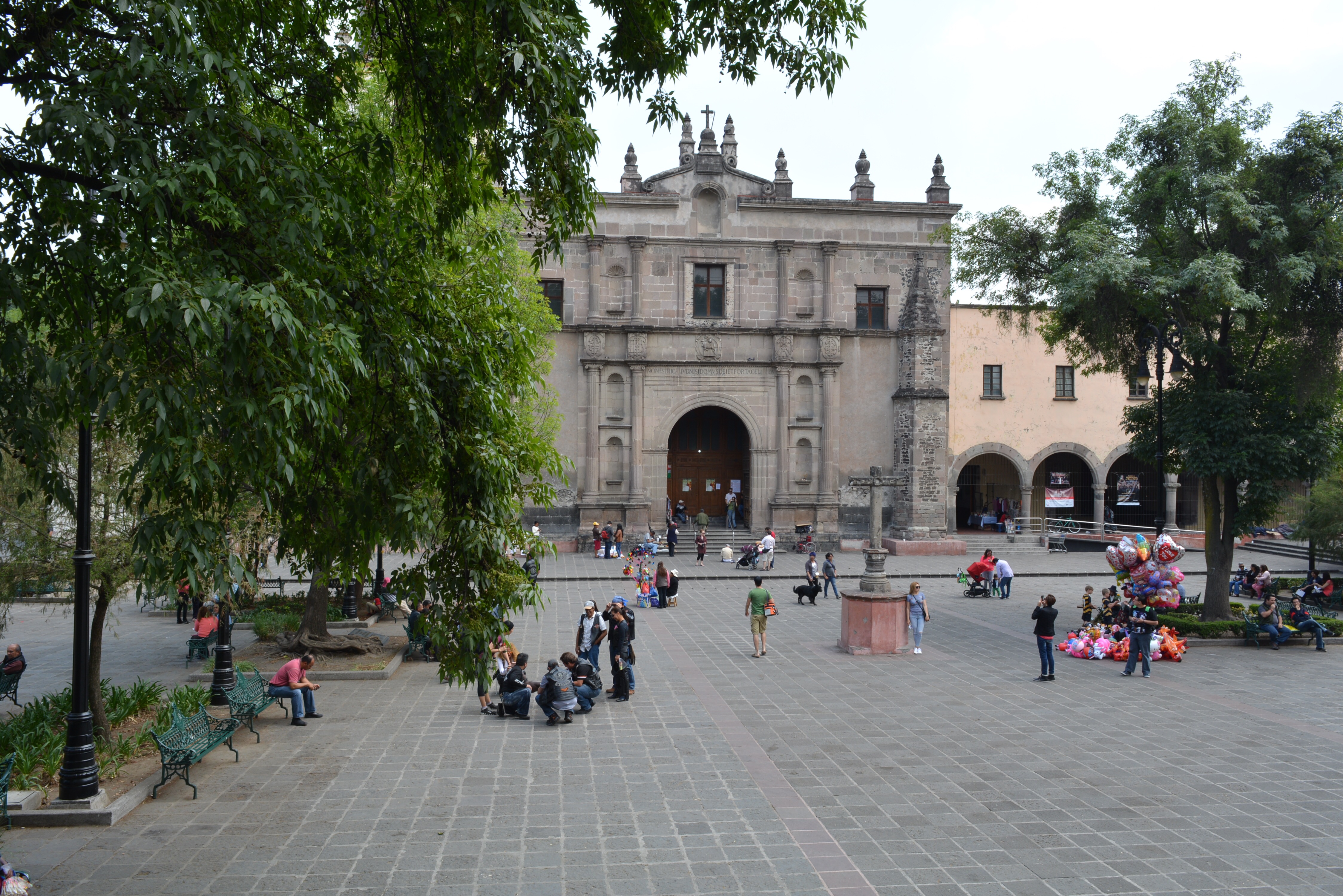
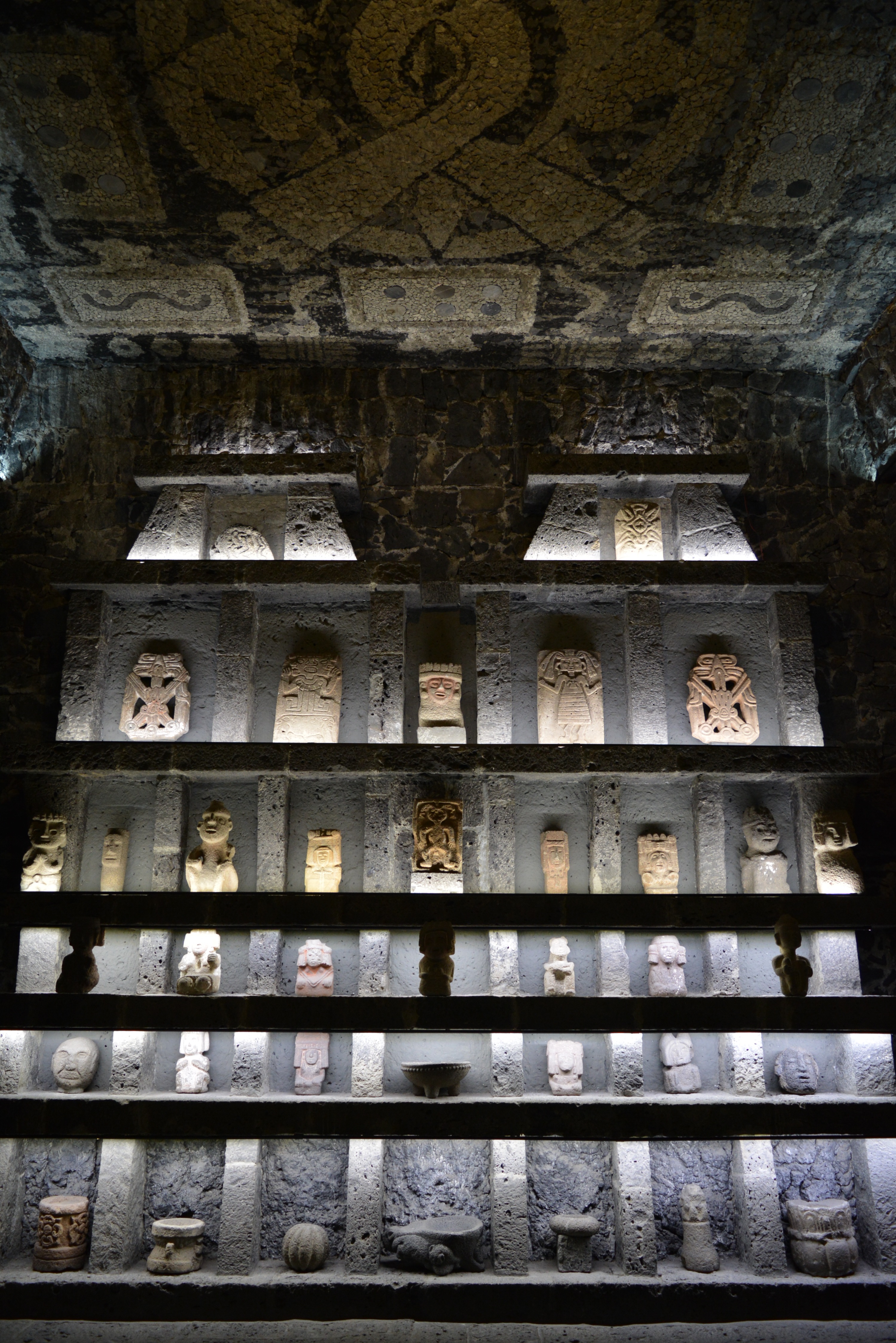
Coyoacan has been the most favourite of my colonias, but has recently gained a rival in Nápoles but they are very different places and they are favourites for very different reasons. I love Coyoacan, once a sleepy little pueblo south of the City it has long since been swallowed up but still maintains its charm and pueblo personality. Of course it is home to Freda Kahlo’s famous Blue Casa and not too far away, the house where Trotsky took refuge but still managed to be assassinated. And not to be missed is the Anahuacali Museum, conceived of and created by the famous Mexican muralist, Diego Rivera. Completed after his death this pyramid inspired building now houses his spectacular collection of more than 50,000 pre-Hispanic artifacts from various places all over Mexico.
Although I haven’t stayed in Xochimilco, it can’t be missed, at least for a day trip. City transportation goes all the way to this southern Colonia and it’s well worth the trip to hire a flat bottomed boat (trajinarás) and enjoy the Mariachis and traditional food. The shores are lined with nurseries and if you’re a plant lover this alone makes the trip worth while.
And now to my most recent stay in Mexico City in the Colonia Nápoles. One of the reasons I liked it so much was the proximity to the home of a friend and so we were able to meet frequently and I was able to learn much about the neighborhood. There is something surprisingly soothing about Nápoles once you leave the grid of the main streets and wander down the slower paced avenidas and calles where people actually live. It seems contradictory to hear birds chirp, children play and the sounds of family life seep from windows and doors given the relentless traffic noise of the main arteries. Nápoles is home to the Mexican world trade centre and was once was an area of more high-end single family dwellings which have given way to urbanization with apartments and condominiums. There are still survivors, colonial style mini mansions, tucked between their new neighbours, hinting at what Nápoles once was. My friends have lived here for 40 plus years and have watched the changes but unlike in the transformation of other large city neighbourhoods a sense of community does not seem to have been lost. Everyone seems to know their neighbours and my friends can’t take a walk without many friendly encounters. I stayed at a great little hotel (The Beverly) with friendly staff and colonial features that I really liked. I would definitely return and as a bonus the metro-bus is a block from the hotel and will take you anywhere you need to go.
Of course there are other Colonias and it’s easy to research the highlights of each of these. Some of the more lesser known and dangerous areas are now accessible on specialized tours that take you safely to markets and other points of interest. I think the Colonias present a good approach to breaking down the megalopolis that is Mexico City. Getting to know the Colonias individually overtime is perhaps the best way to have a glimpse into life for the more than 25 million inhabitants of the City.
Mexico is beginning to feel like my second home. On the 29th of December I flew direct to Cancun and stayed overnight in my favourite little Mexican hotel, El Caribe. It is right across the street from the ADO bus station and after breakfast I took the ADO bus to Merida, changed for the bus to Progreso and by the late afternoon I was once again the proud tenant of Unit 3 in Casa Sol Mar. The hotel in Cancun and the buses to and from Cancun run frequently and are very affordable and break up the trip from Vancouver if you have the time.
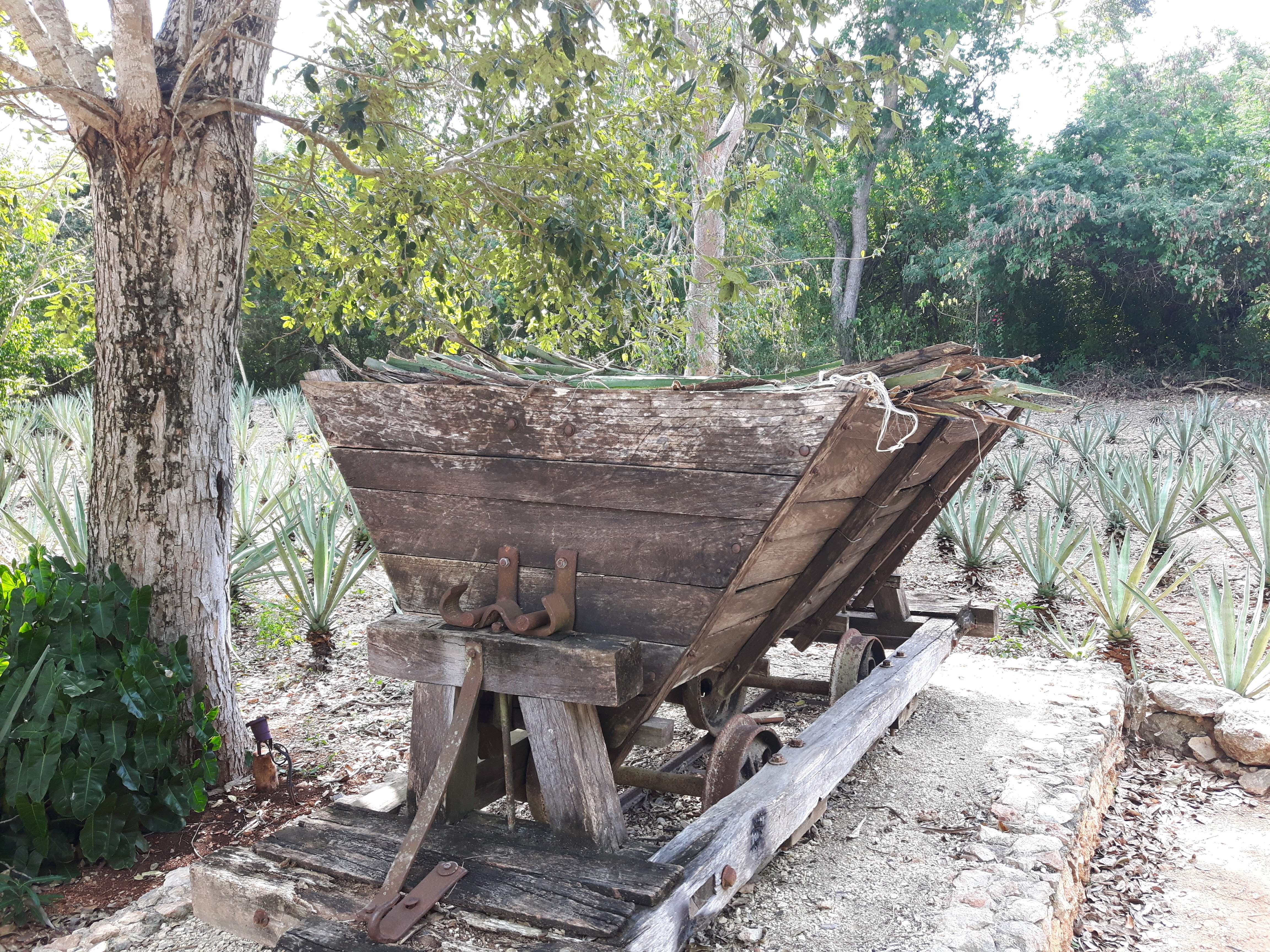
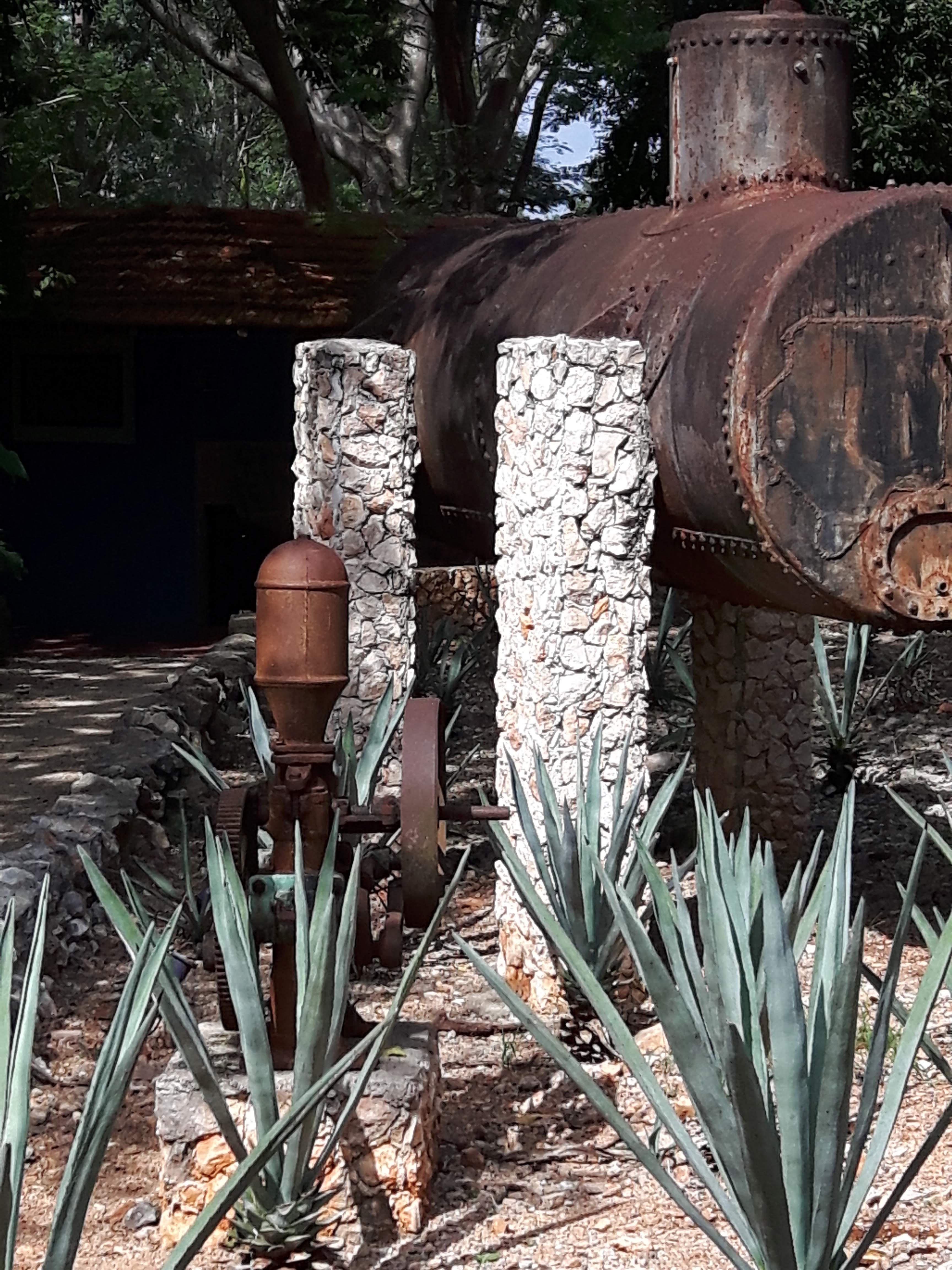
Three weeks flew by and I occupied my time in Progreso with visiting friends, trips to Merida, a soccer game, volunteering in an English class and walks on the beach, a nice way to start a New Year. It’s interesting how Progreso changes every year and yet is always the same. Return visits to a hacienda, cenote and a Mayan Ruin never go amiss. while in the Yucatan, and this year I went to two new cenotes. One just outside of Progreso in the direction of Telchac named Sinache and the other in the direction of Campeche. The great thing about Sinache was the long paddle through the mangroves and the reward of swimming in the cenote with large carp. Had a return visit to a Hacienda (Sotuta de Peon) and yes the tour had changed to a degree but my favourite parts, the specialized equipment for making heinequein rope and the cenote were the same.
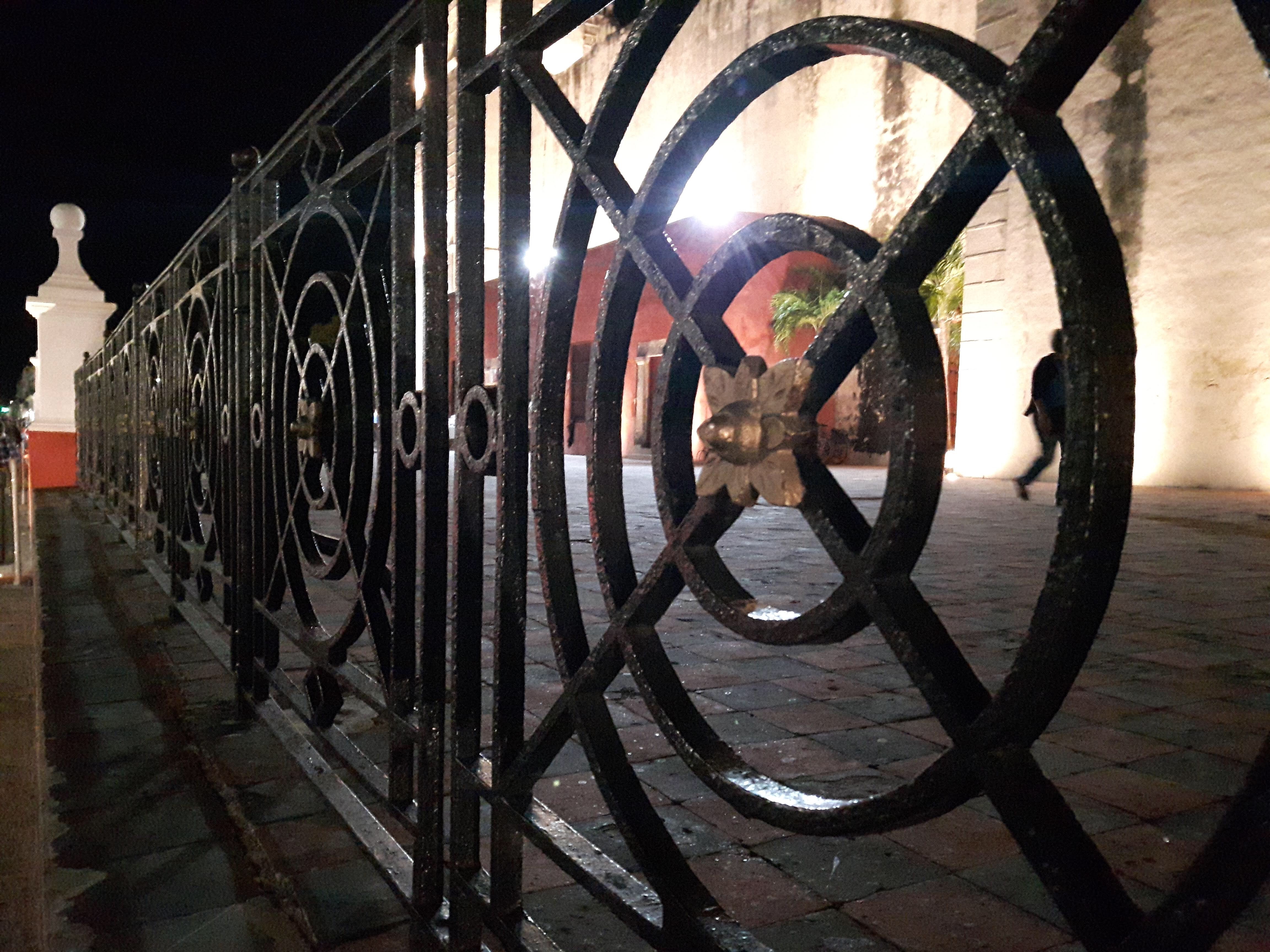
I rented a car and my neighbors and I drove to Campeche, stopping along the way at the “Chocolate Museum”. Campeche was as nice as ever and we stayed in a lovely hotel in El Centro and had dinner on a terrace overlooking the cathedral and the mainsquare. Night live in Campeche is vibrant and the outdoor bars and restaurants do a steady business with locals and tourists alike. It’s hard not to return to Campeche while I’m in Progreso because the Old City is so lovely. The malecón en Campeche is great and they had the remnants of a Christmas market just outside the walls of the city.
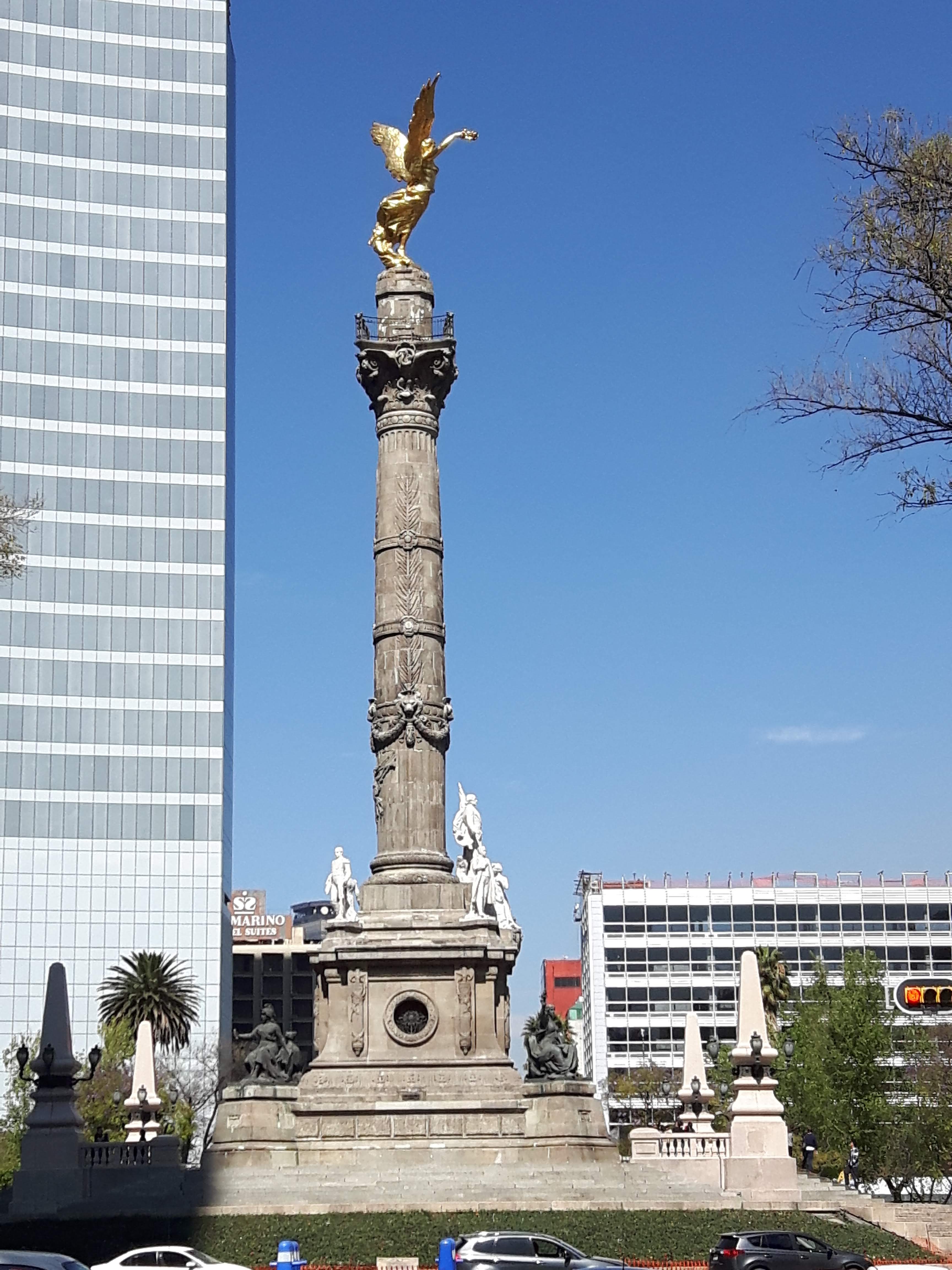
After a family wedding in Playa del Carmen I had four days in Mexico City where I was able to resume my love affair with the place and put some finishing touches on my trip to South America.
My father would talk about Sicily and what it was like during the Allied Invasion in WWII, so its no surprise that many of the place names had a familiar ring to them. Syracuse, Messina, Taormina, Palermo, Catania all those exotic sounding far away places from long ago stories have now come to life for me. Although Sicily was the launch pad for the Allied Invasion of Italy during the war, that particular chapter is tiny in the grand scale of Sicilian history that includes the Greeks, the Romans, the Normans, the Arabs etc..
Wandering the streets of Palermo was a great way to spend a day on Sicily. Two neighbourhoods not to miss are La Kalsa and Albergheria, both very old neighbourhoods with narrow streets, pretty piazzas and markets that date back to Arab times and even Phonecian times.
Palermo has great shopping, eateries and markets. The patina of the worn cobbled streets shines in the dimly lit passageways that lead to the brilliantly colourful markets.
Mt Etna – A Living, Breathing, Steaming Volcano
Mt Etna the Sicilian volcano was been active for ever and one crater steams on a daily basis. In 1971 lava buried the Etna Observatory and destroyed the original cable car, threatening villages as well. It’s a popular attraction and quite pricey but worth the money just for the views from the top. You can see for miles along the coast of Sicily and the beautiful blue ocean. You ride a cable car up the mountain and then if you want to pay more you can continue by truck to get even closer to the craters edges. We opted to hike around the station and enjoy the lava formations and the strange but colourful plants that manage to grow from the rock and lava. It was cold at the top of the mountain and we were glad to have our jackets along.
Argigenta and La Scala die Turchi
I never expected to see Greek ruins on Sicily but apparently the Greeks were a huge presence on the island and left many reminders of their civilization. You can see ruins on Sicily in many places including, Syracuse, Taormina, Catania and Selinunte but we drove from our villa to Agrigento to see the ruins there. The site itself is large and contains several structures and good descriptions.
We ended our day at an extraordinary beach with limestone cliffs that have been eroded into amazing wave like shapes. The Scala die Turchi, Stair of the Turks, as it is called, has become quite an attraction and it was busy. There are several bar/restaurants that have sprung up, providing parking and access to Scala. You can climb up the limestone cliffs for a great view of the surrounding area and after its a great cool down to dive off the lower rocks for a swim. We stayed for sunset and had a drink at one of the bars.
Collesano Villa and Ancient Cefalu
In our own neighbourhood in the town of Collesano, we were close to nice beaches, other small villages and the ancient town of Cefalu. Another pretty place with a Norman cathedral and the ruins of an ancient castle that demonstrates that Sicilians have not shied away from building as high up as humanly possible. The modern day roads that must follow ancient paths to these great heights, wend back and forth sharply and steeply in many places on the island. Great fun to drive until you meet a bus loaded with tourists on one of the hair pin curves. Our villa was great, clean, nicely decorated, big decks and of course a pool. Since we were off season we were alone there for most of our stay until a nice family from Poland came and of course they spoke English and Italian! The day we went to Cefalu I forgot my camera so I have to credit my friend Dawn with the Cefalu photos. This was our last day together on Sicily. Dawn and Craig were returning to the UK and I was staying on for a few days of solo travel before heading to Rome.
Solo Time In Taormina and Messina
I rented a Smart Car in Catania and headed north to Taormina. This city climbs from the beaches of the Mediterranean to the great heights of the mountains above. It is a maze of roads, lanes, highways and freeways and access to individual towns and villages along the shore is limited and often requires some backtracking and heading in directions that don’t make sense. The hotel I found on the internet was in the town of Letojanni, considered part of Taormina and accessible by one road only and to get to it you had to go over, under and around the highway on a combination of paved roads, potholed lanes and sharp turns. I finally figured it out on the last day. The beach is great in Letojanni and I have to admit I spent two days just enjoying quiet time. I did explore Taormina and it’s great heights and drove north to Messina for a day but sadly I did not make it back down south to Syracuse and Noto, both of which sound very interesting. Next time.















































 Palermo
 Wander With Stella