On the Road in Argentina – First Stop Salta

Salta “La Linda”

Part of a “wandering” style of travel is a rejigging of plans as you go. A major rejigging occurred for us in Cordoba and we were lucky to be granted a refund for one night of Air BnB accommodation, allowing us to leave sooner than planned with no penalty. We decided to commit to a road trip and take in as much of northern Argentina as possible.

We are headed north to Salta in our rental car as I write this. Our present route includes one long day on the road north (about 9 hours but both Javier and I are driving) to Salta where we plan to stay two nights and them on to Jujuy for a couple of more nights and then a marathon drive across much of the north of Argentina to Iguazú falls, dropping south and finally returning the car to the airport in Cordoba by the 21st of February, in time to catch our first class “cama” (bed) bus for an overnight trip to Buenos Aires. Stay with me and we’ll see if we can make good enough time both see what we want to see and still enjoy ourselves. 

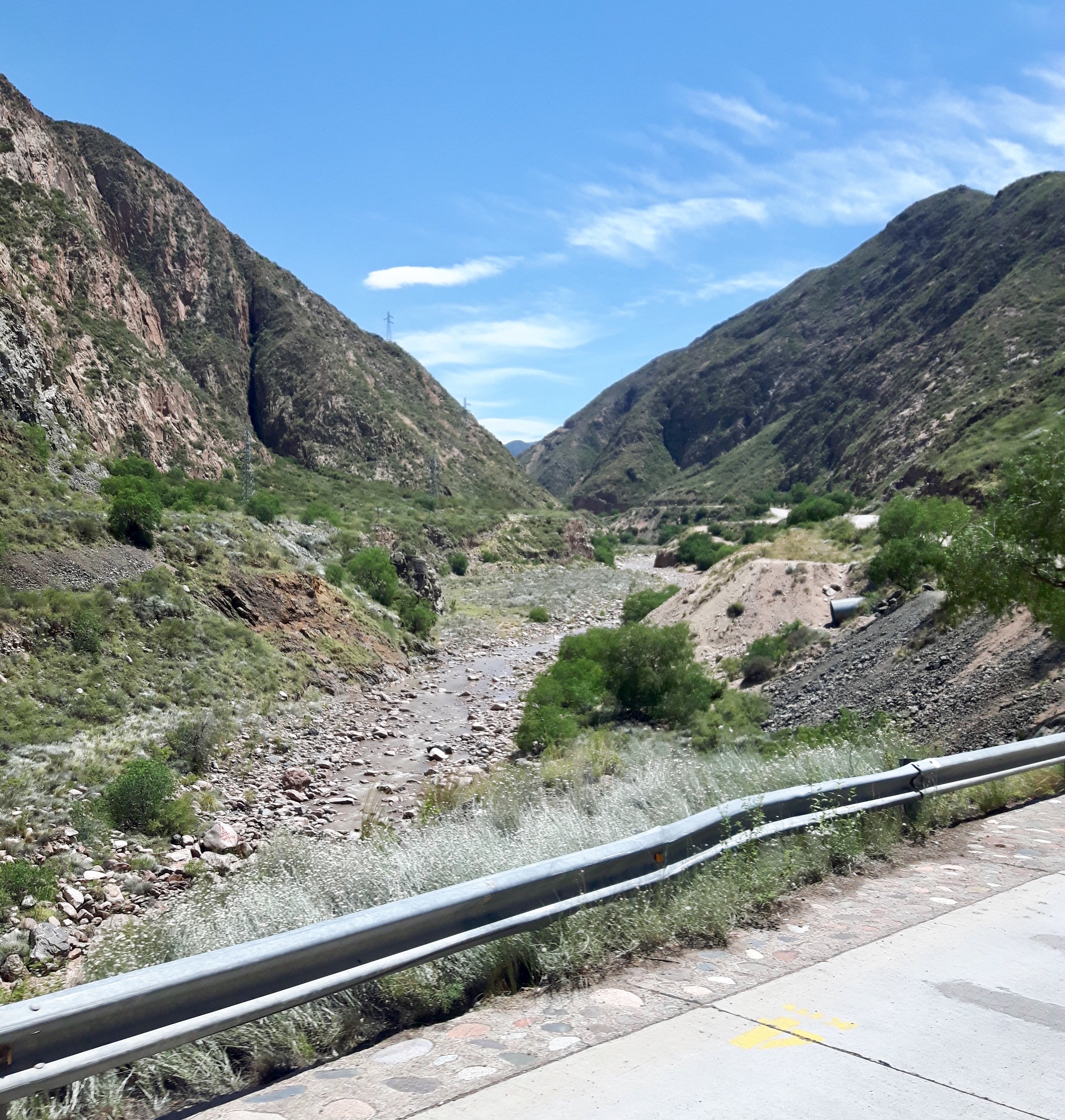
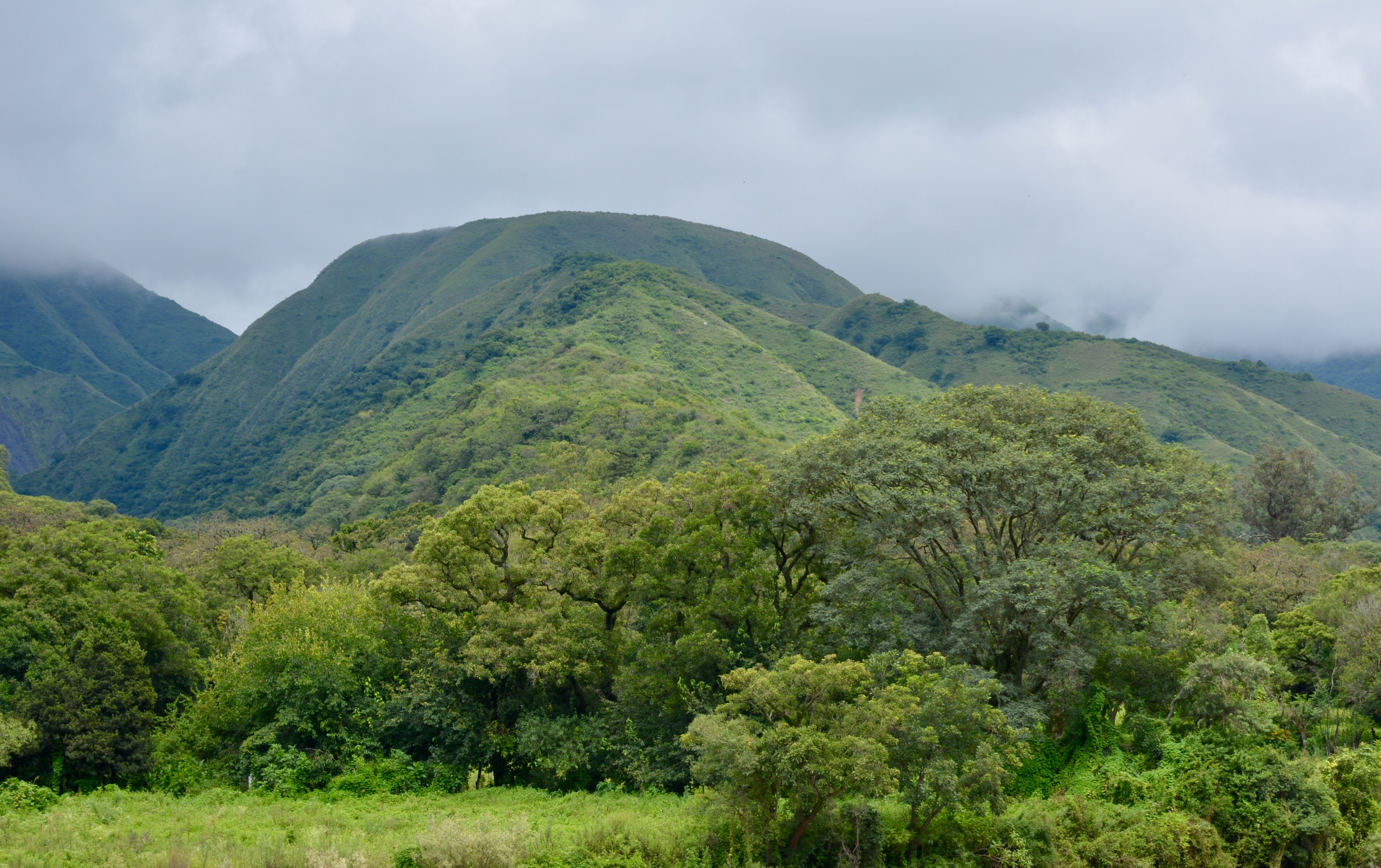
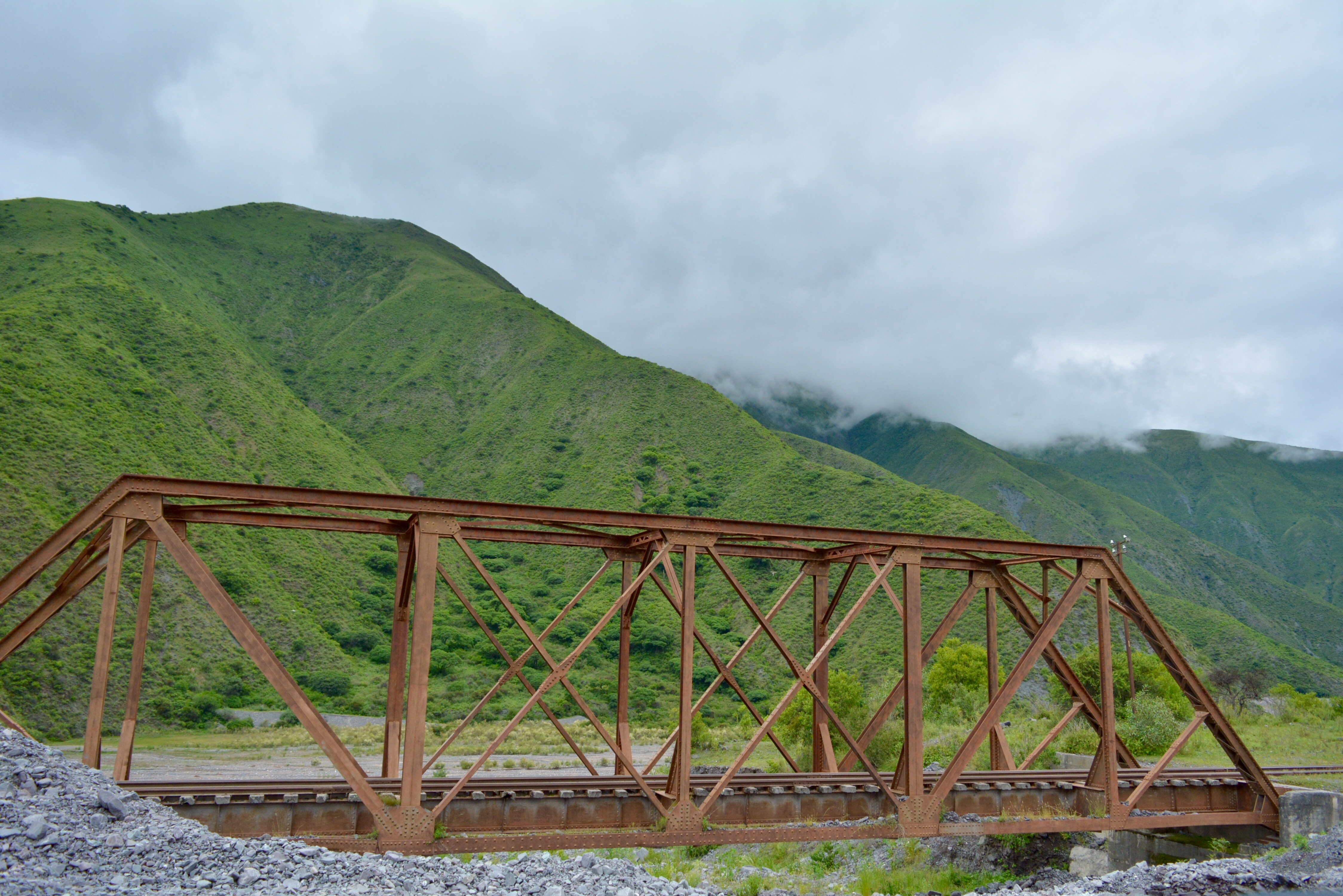
Aha!!!! We made it to Salta from Cordoba in one day. A long day of driving but we kept our bilingual car hopping the Spanglish lessons and singing and games. There were some interesting events along the way. On occasion it poured rain and made driving difficult and both Javier and I had to drive their some pretty challenging conditions. At one point, about half way to Salta there was a really bad localized windstorm that tore the serrated tin roofs off the houses in a little pueblo. We could see the people of the pueblo in the aftermath as they stood outside their homes, looking around, a little stunned and they looked to be searching the streets for family members. Emergency crews were already on hand and judging by the ambulances there were some injuries. Not long afterward, the sun came out, the air temperature rose and we were in a swarm of pale yellow butterflies for some time. Sadly we took out a few with the windshield but there were thick clouds of them and likely there were enough survivors. 
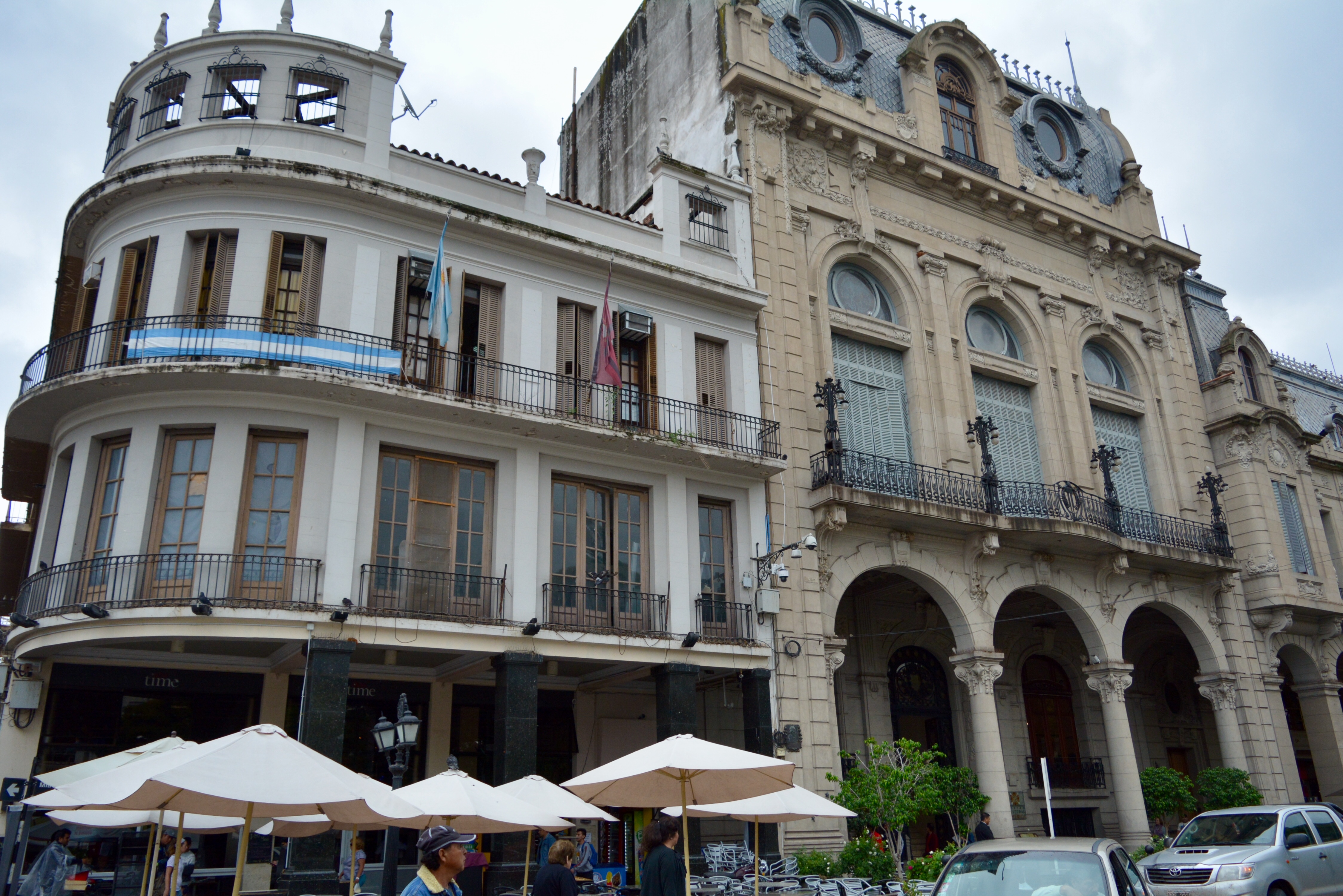
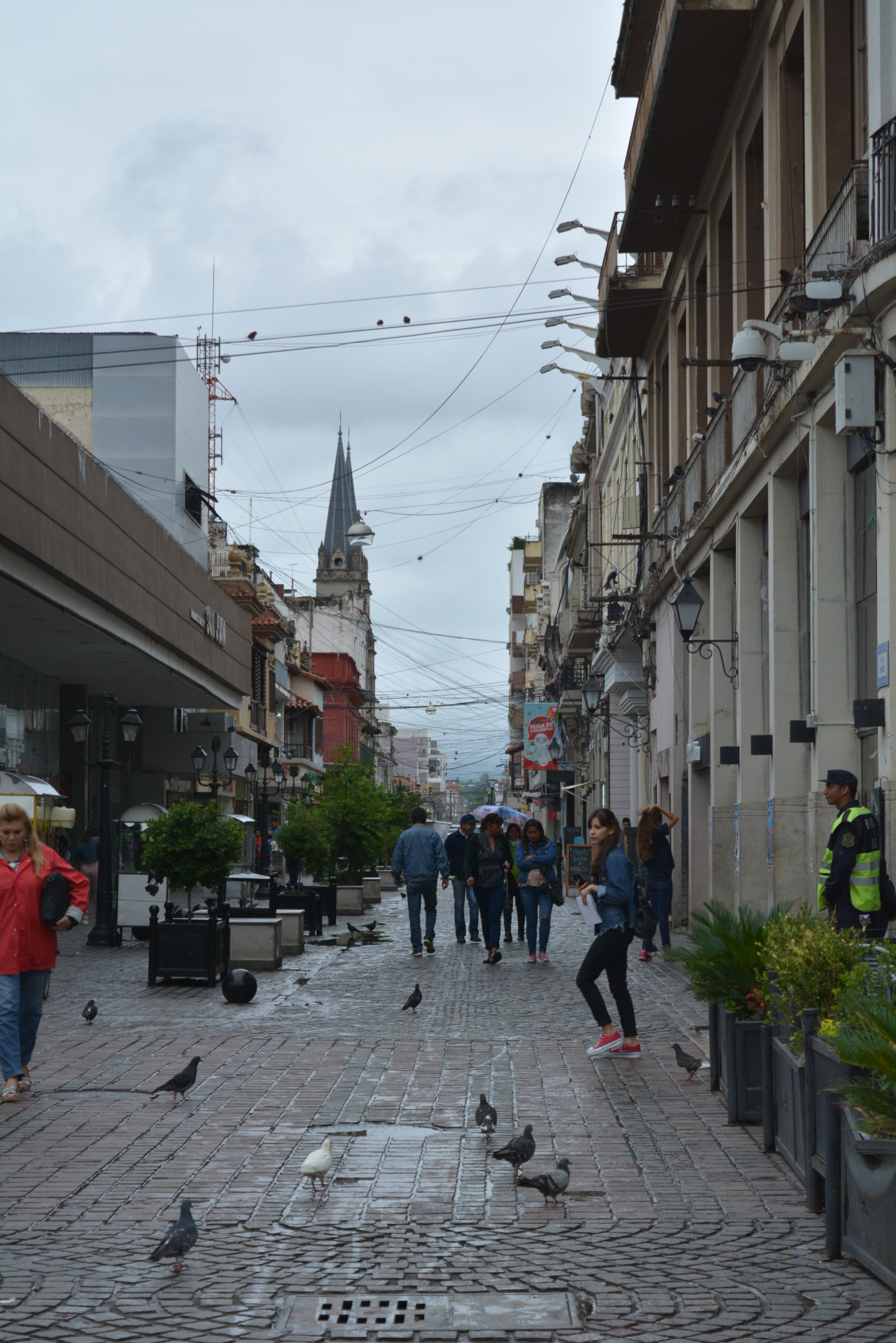
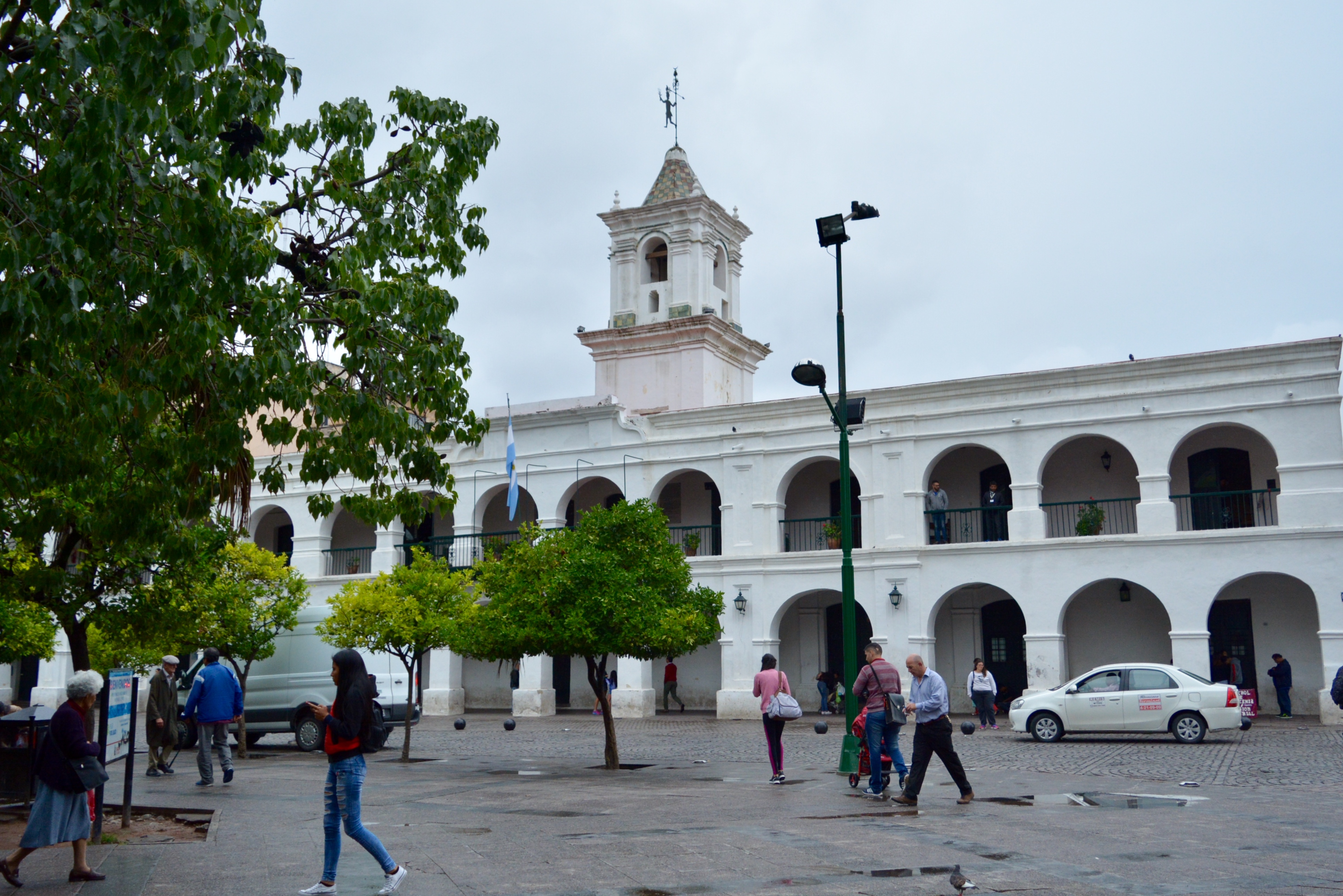
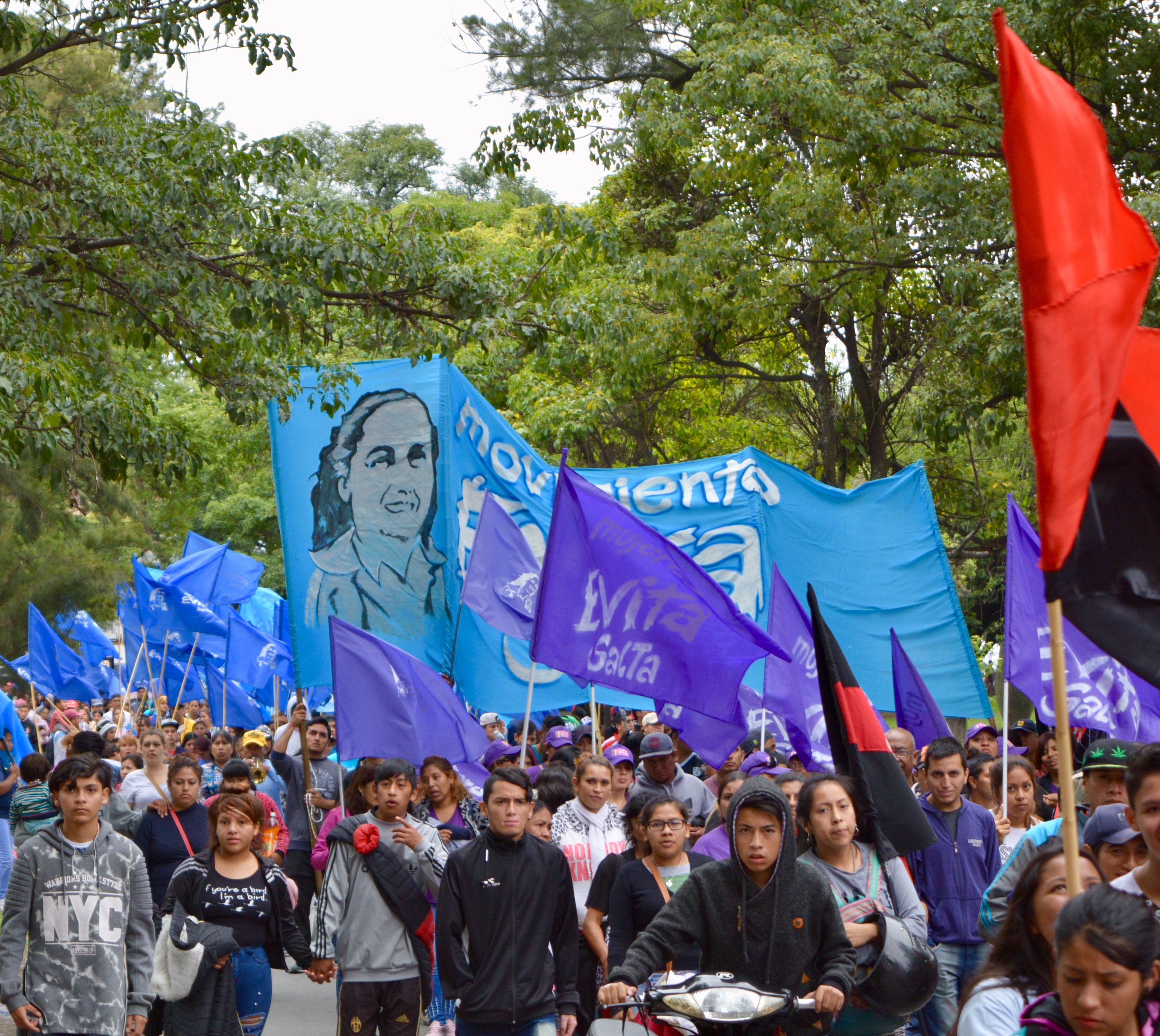
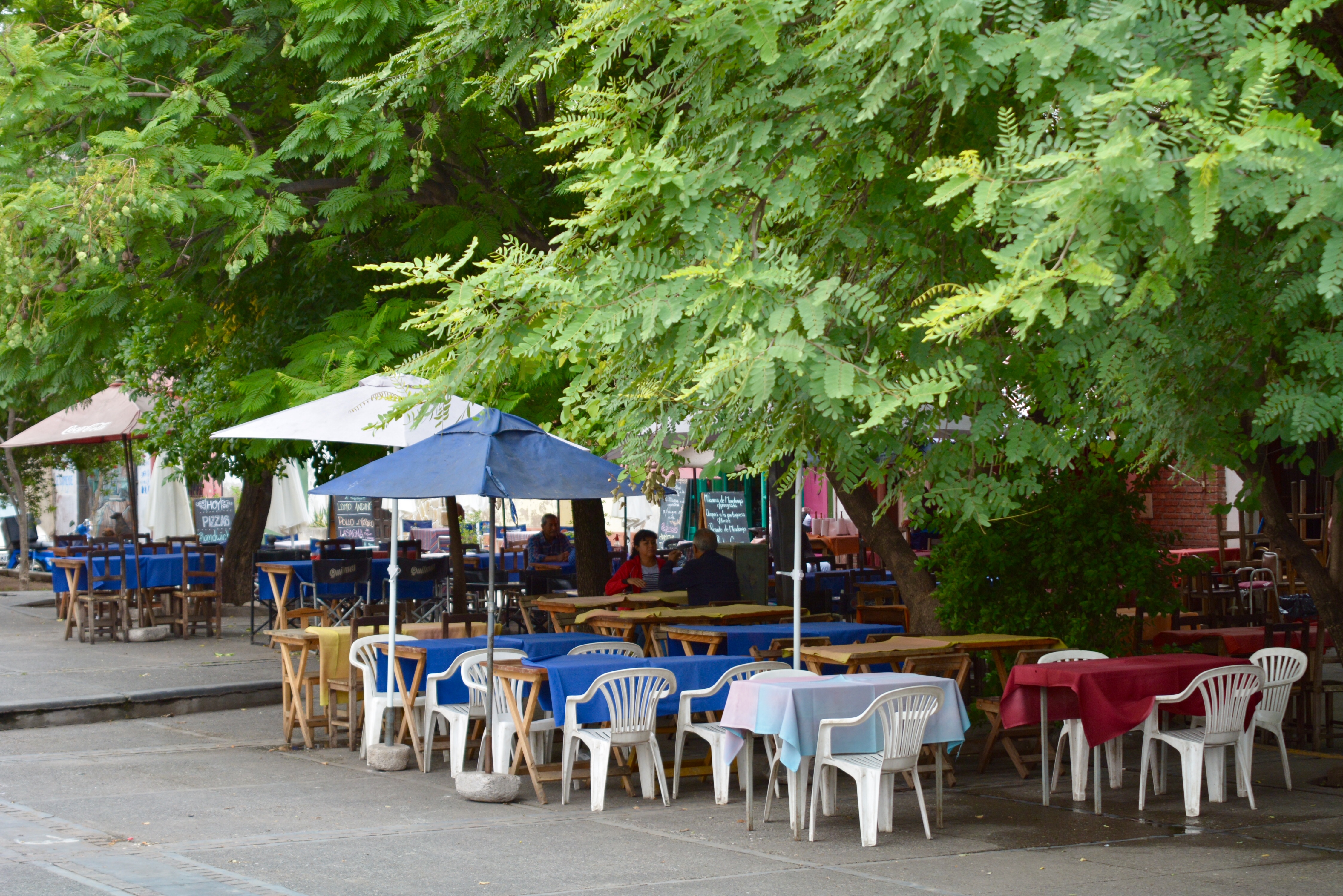
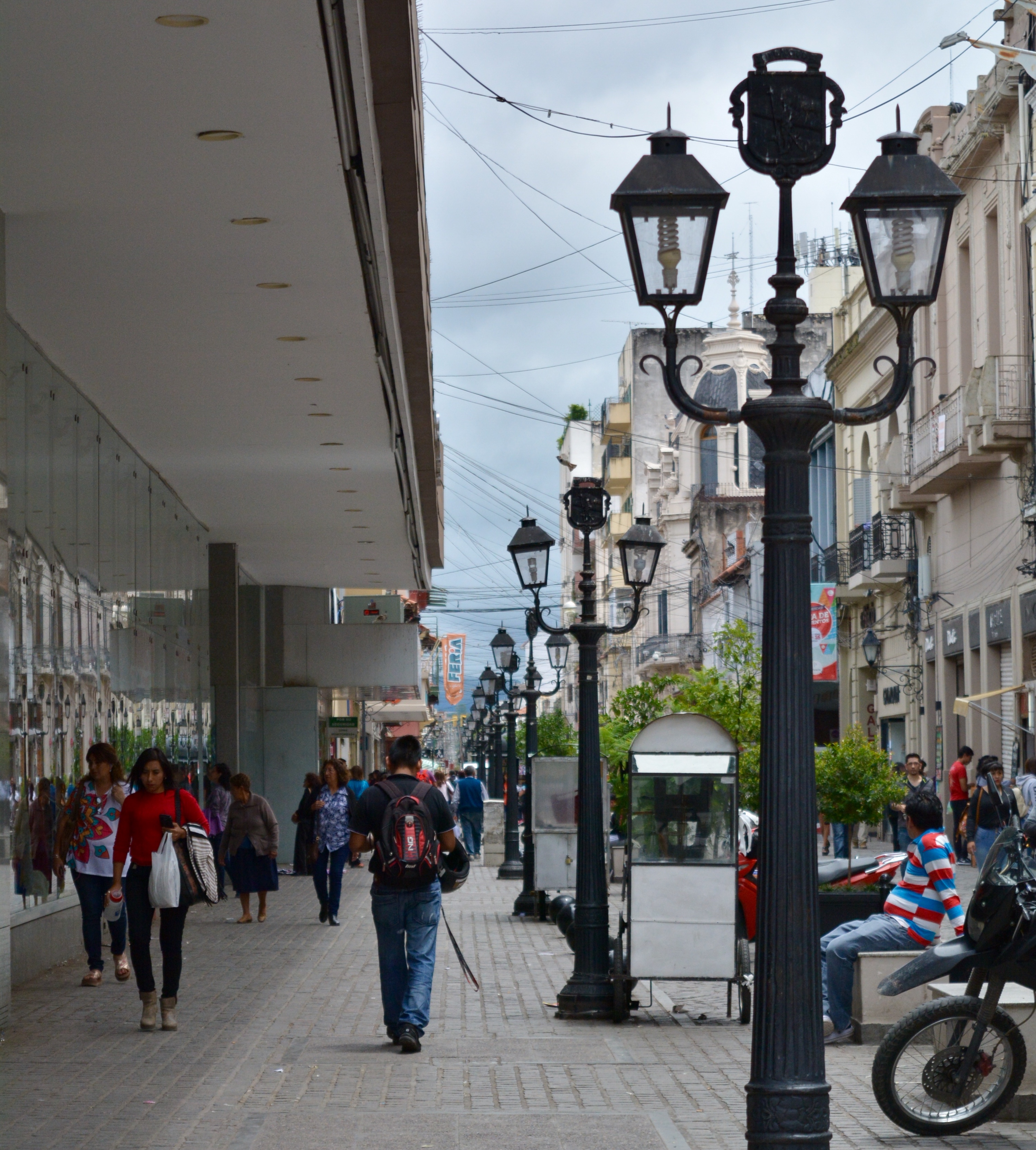
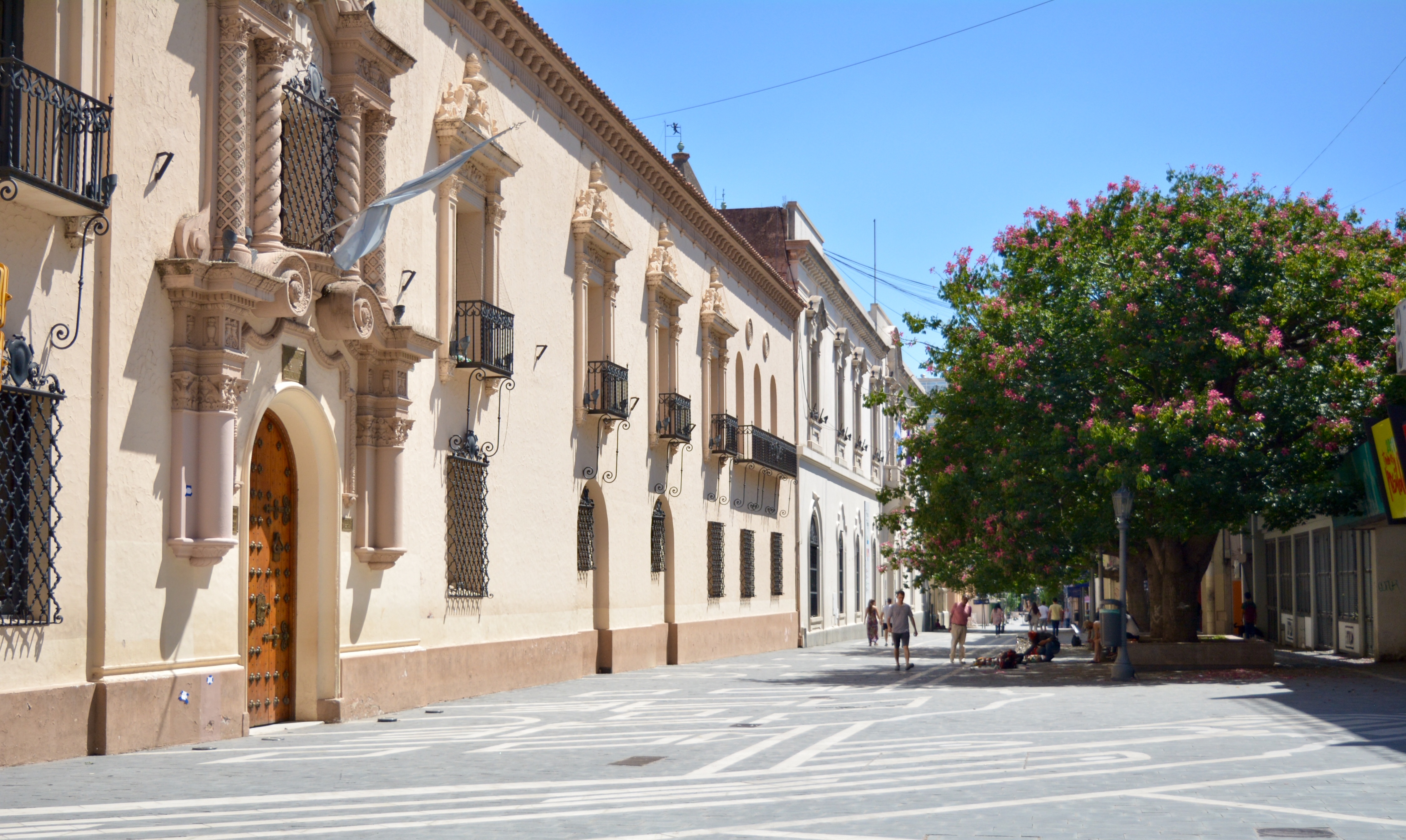
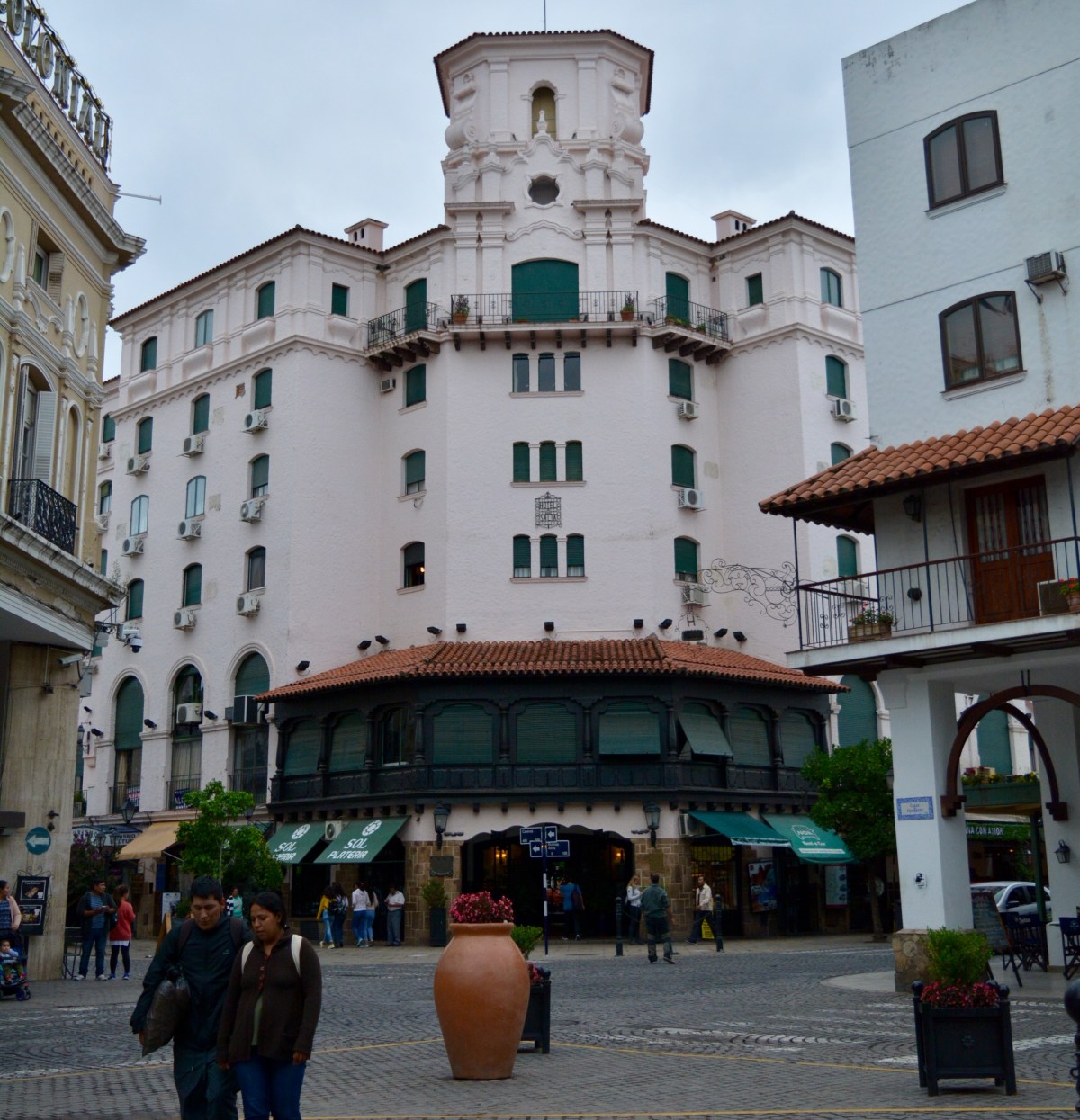
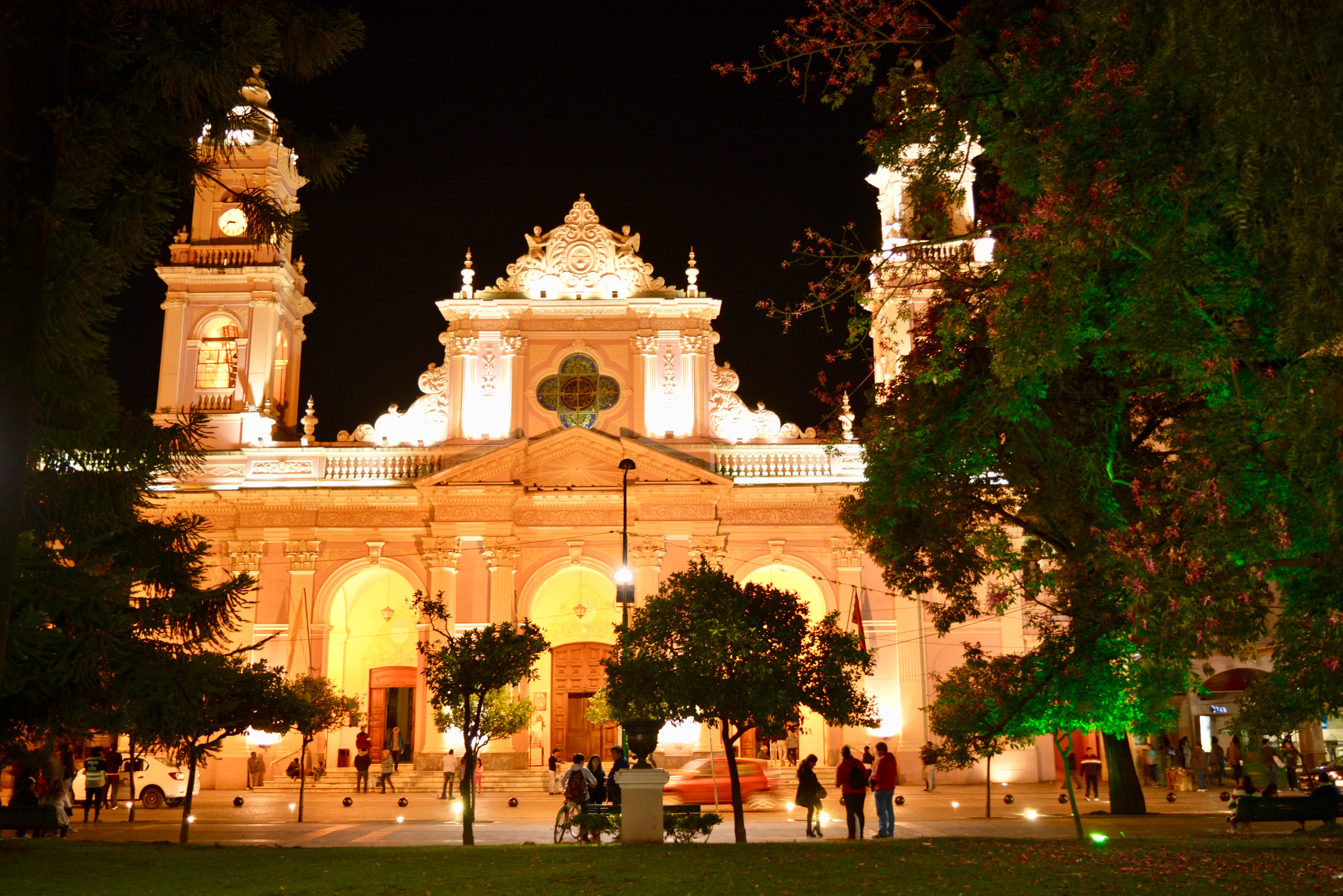
Reaching Salta late in the evening we booked ourselves into the lovely Hotel Salta, right on the main square where everything is easy to get too. I loved the hotel, it was old, colonial, clean and I had a great view of the square. We stayed three nights in Salta, one more than planned because we liked it so much, even with the cloudy weather we could understand why Argentinians call it “Salta La Linda”. The hotel manager, Geraldo is from Mexico City, a very nice man and seemingly very happy to chat with his compadres from Ciudad. He has lived in Argentina for many years and rarely gets back to Mexico. 

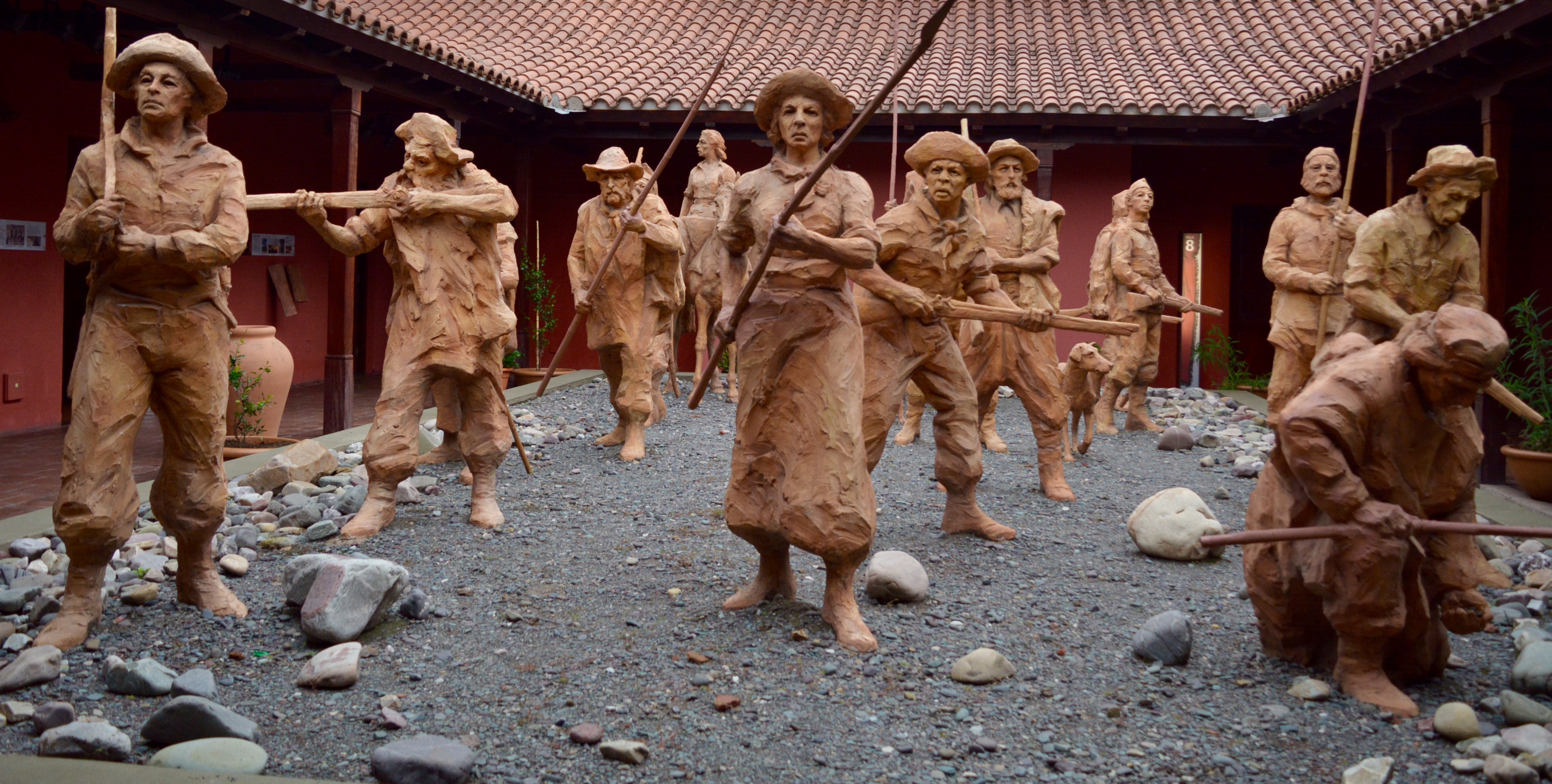
The first morning in Salta was spent wandering to get the lay of the land, and then in the afternoon, visiting first a museum of archeology and then a museum of the history dedicated to  one of the War of Independence heroes that hailed from Salta. In the archeological museum there were three perfectly preserved mummies of children who had been selected to meet their ancestors “early”. Not necessarily a sacrifice as the Incas believed that their early exit would assure prosperity for the living and happiness for the dead. There were loads of photos of the poor little things but only one was on actual display. In another part of the museum was a mummy who had made the circuit of private salons where in modern times, collectors were prone to displaying strange objects. Eventually she was repatriated to Salta from whence she came. In the big scheme of things the Incas were only in this part of the Andes a brief century a half before the Spaniards turned up. The second museum was about Guermes, the beloved son and hero of Salta who led the “Gauchos” in the war of Independence but was himself killed. A hero of the war of independence he has numerous parks, squares, roads, restaurants etc named after him. The multi-media exhibit in the museum is very entertaining and well done. Javier liked it because you only had to listen, not read. I have a tip though…..if an Argentine  woman asks you what the word equivalent of “gaucho” is in Canada, take some time to consider before you answer with “cowboy.”
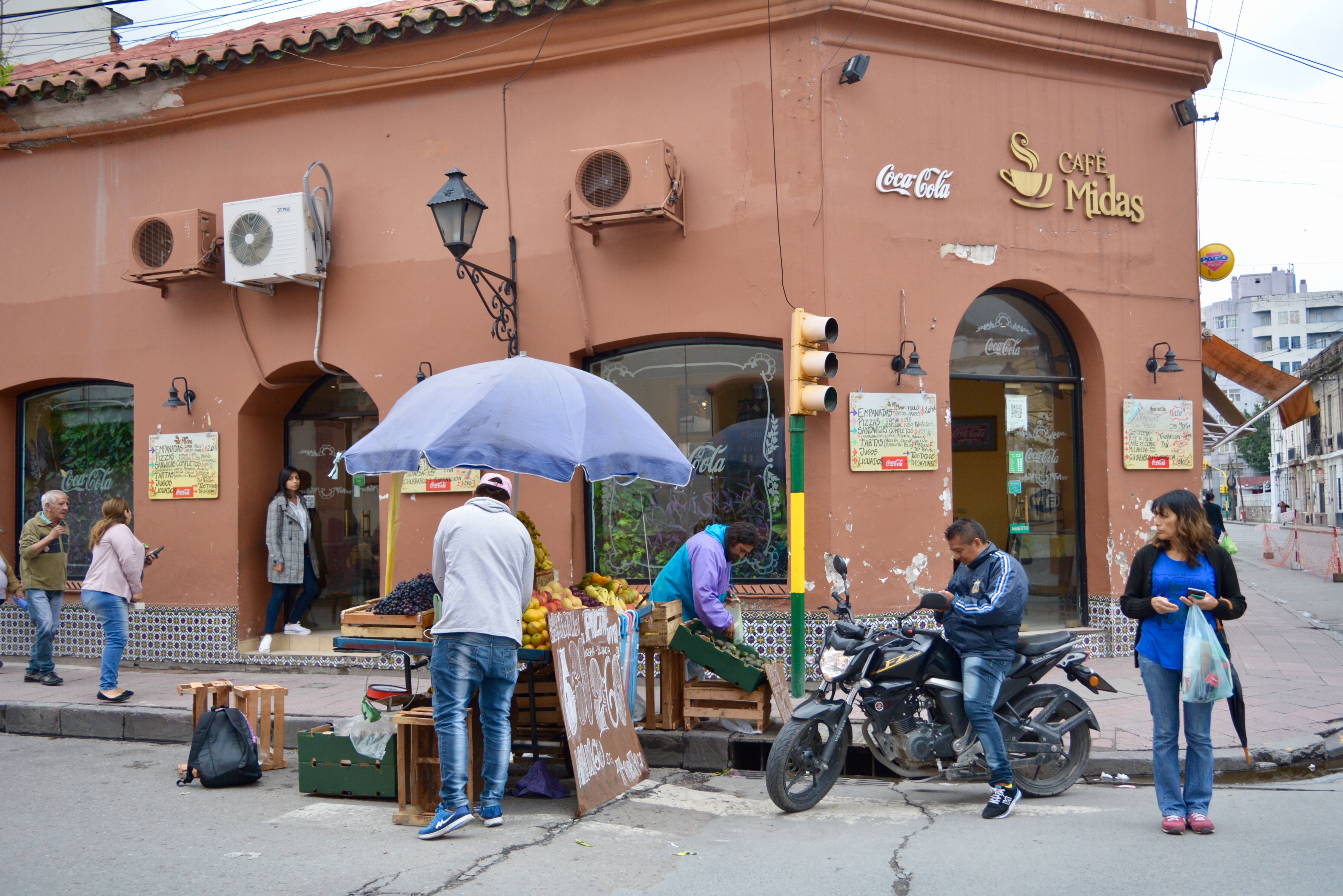
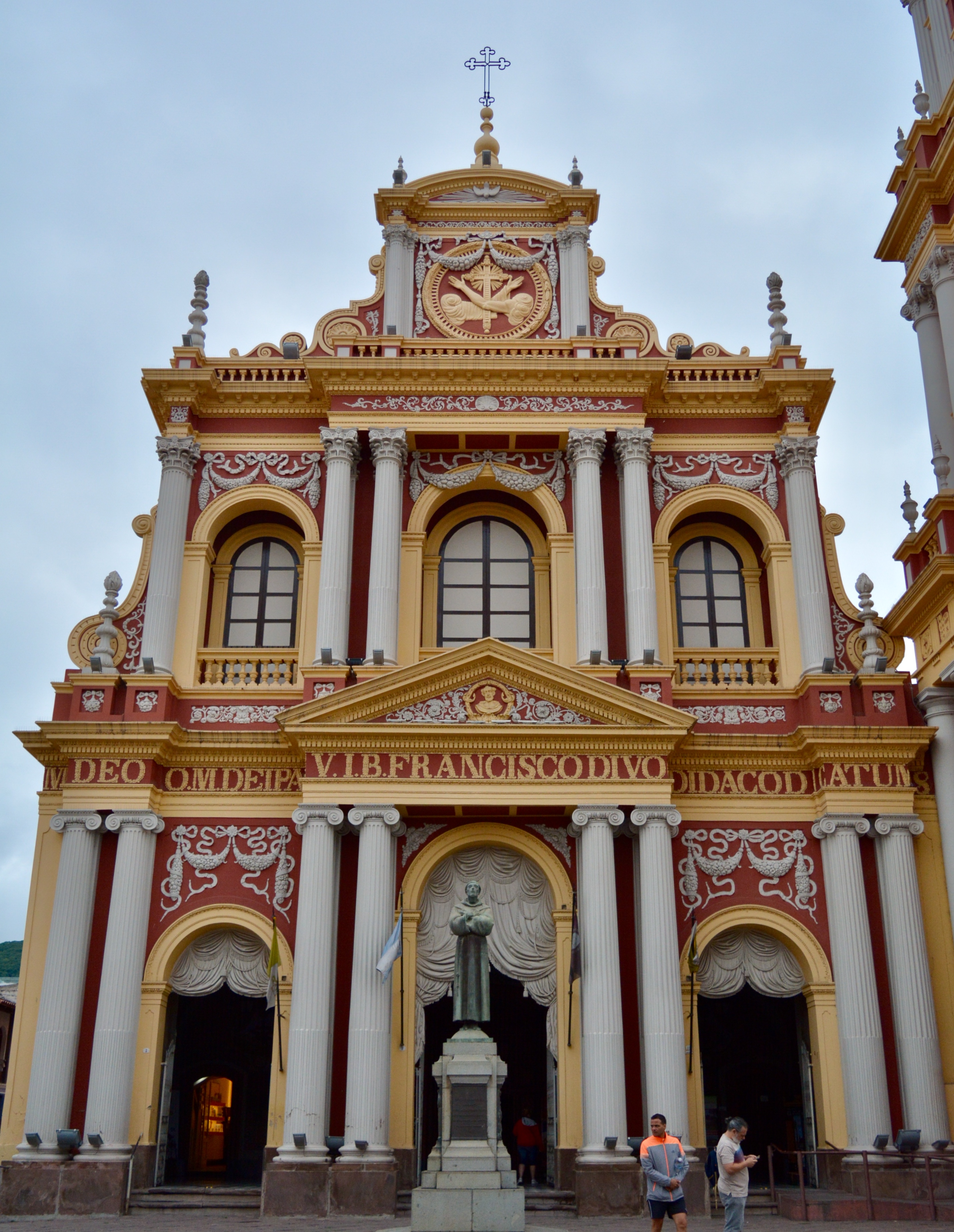
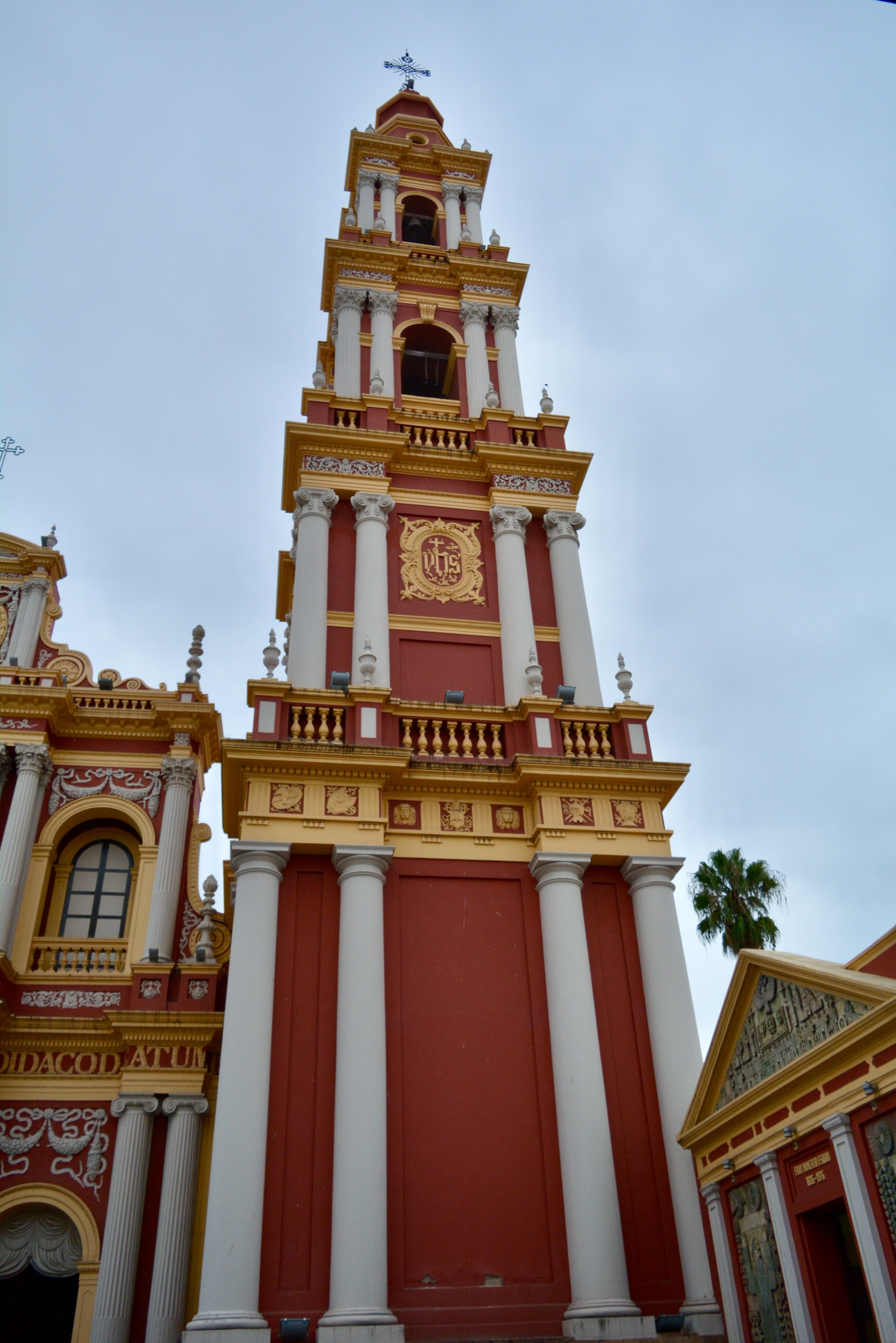
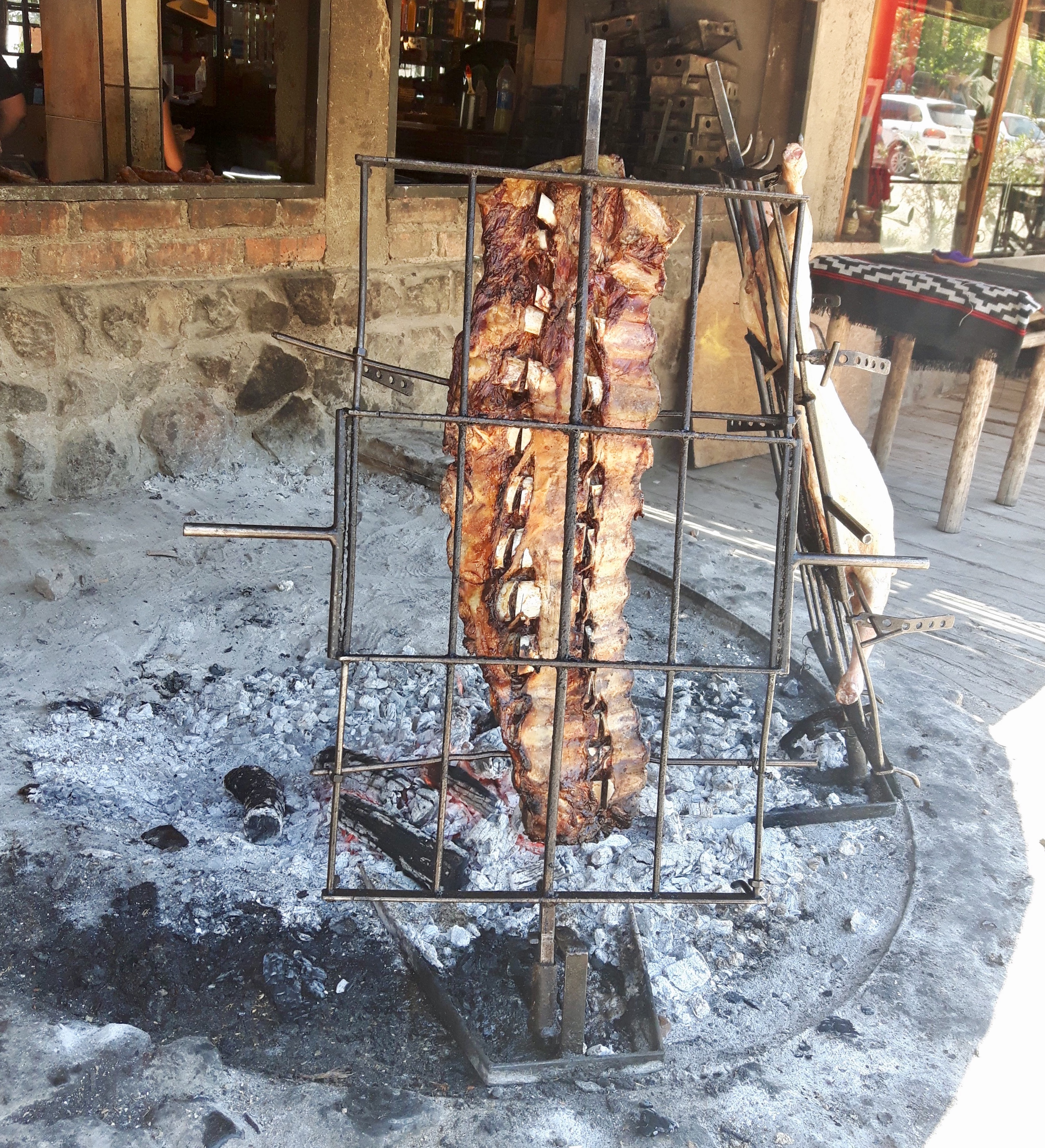
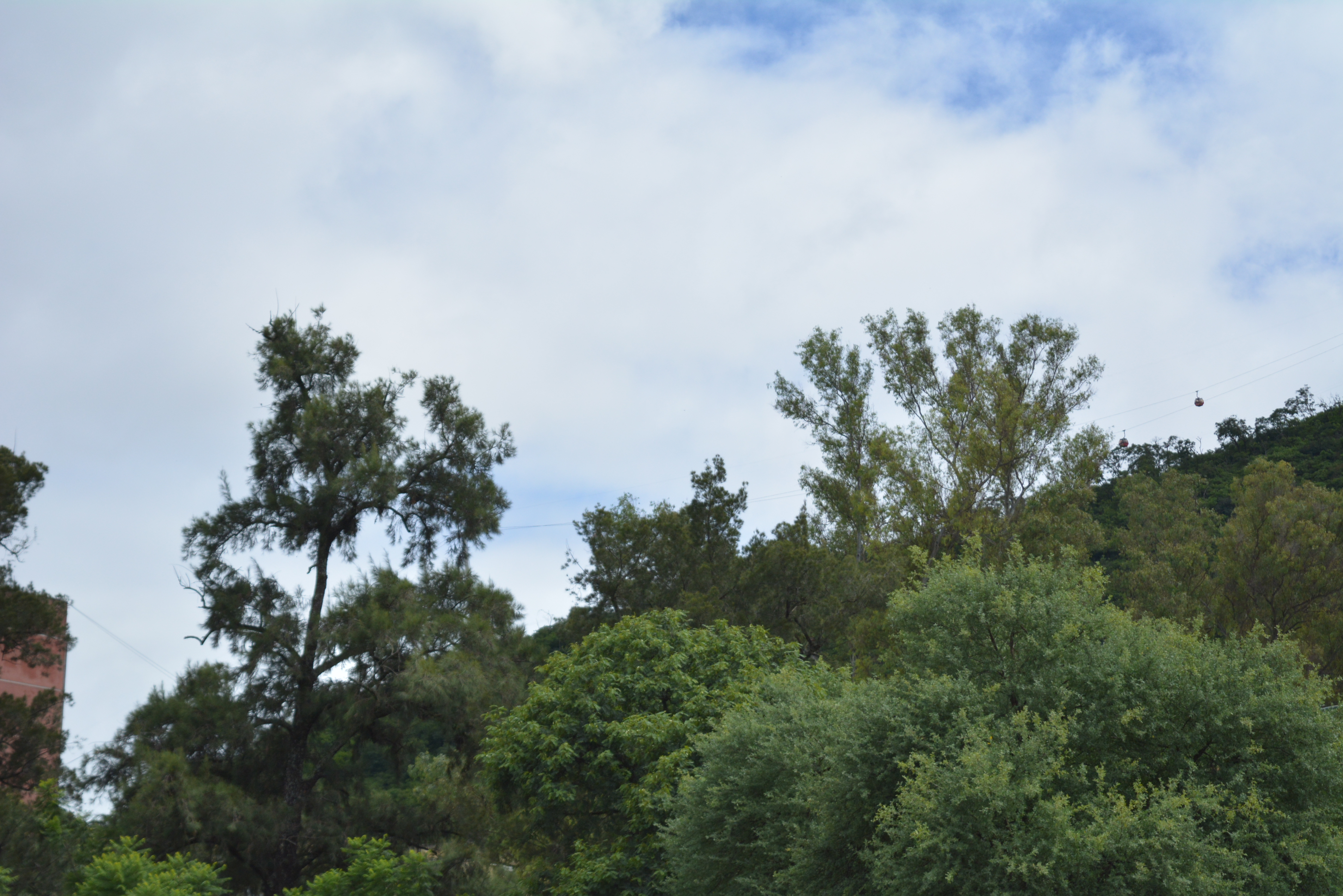
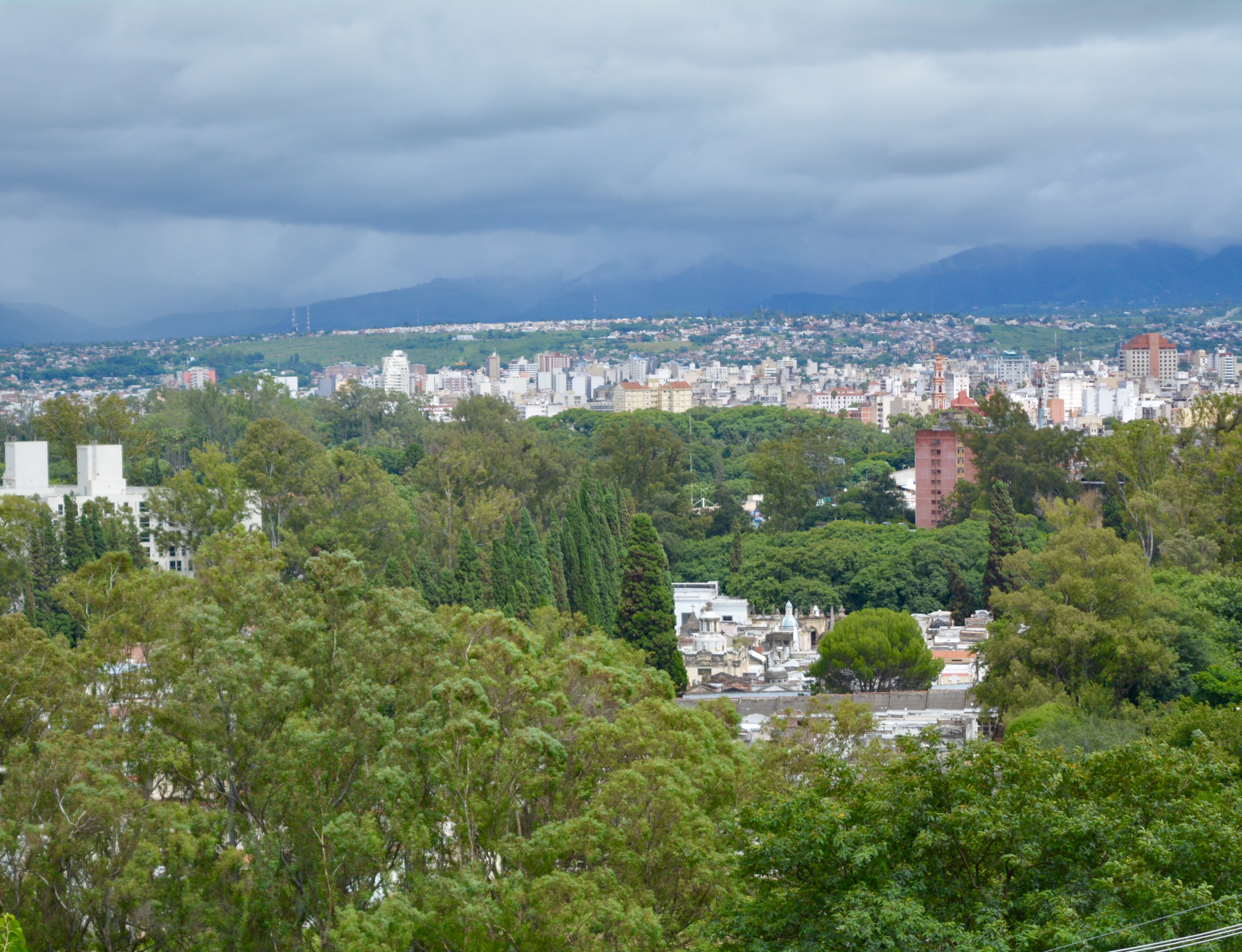
It was easy to pass three days in Salta, it is safe, clean, beautiful and has many attractions including a touribus and a gondola. On the touribus you are driven past the highlights and for my benefit the guide threw in some English an Ali filled in the rest for me. We hit all the usual types of historical, political an social reminders of Salta’s past and near the end we were driven into the hills to look back on the city and enjoy it’s beauty. The cost of these excursions is very cheap and as I said before most things we want to do are very affordable, and of course walking is free and we did plenty of that. Salta is where we really started to enjoy Bife Chorizo, which oddly enough is a steak, not a sausage. My Mexican friends are having their fill because of course in Mexico beef is expensive and the cuts are limited. Many a Malbec was sacrificed along with the vacas which added to our culinary experiences.
Another noteworthy event in Salta, was that Ale made her debut on stage in one of the “penas”, basically a friendly type of bar where you are invited to the stage to sing and dance. With very little encouragement she took up the challenge, singing a Mexican folk song, exhorting her audience to “Come on Salta”, “I love you Salta” “thank you Salta” etc. Until finally a large table of fans yelled back, “we are not from Salta”. (Video not included)

Cordoba on a Sleepy Sunday

Growing university town, some say Cordoba is the next Buenos Aires.

All good things must come to an end and with some luck and a little planning we decided to fly to our next destination, Córdoba, which as we flew over the vast patch of brown pampas, we celebrated our serendipitous decision. Córdoba itself lacked the appeal of Mendoza for us and we spent one very hot Sunday wandering the streets only to discover that many of the things we wanted to see were closed and the streets were eerily empty of traffic and walkers. A university town, we explained the absence of activity on “sleeping late” since it was Sunday morning.

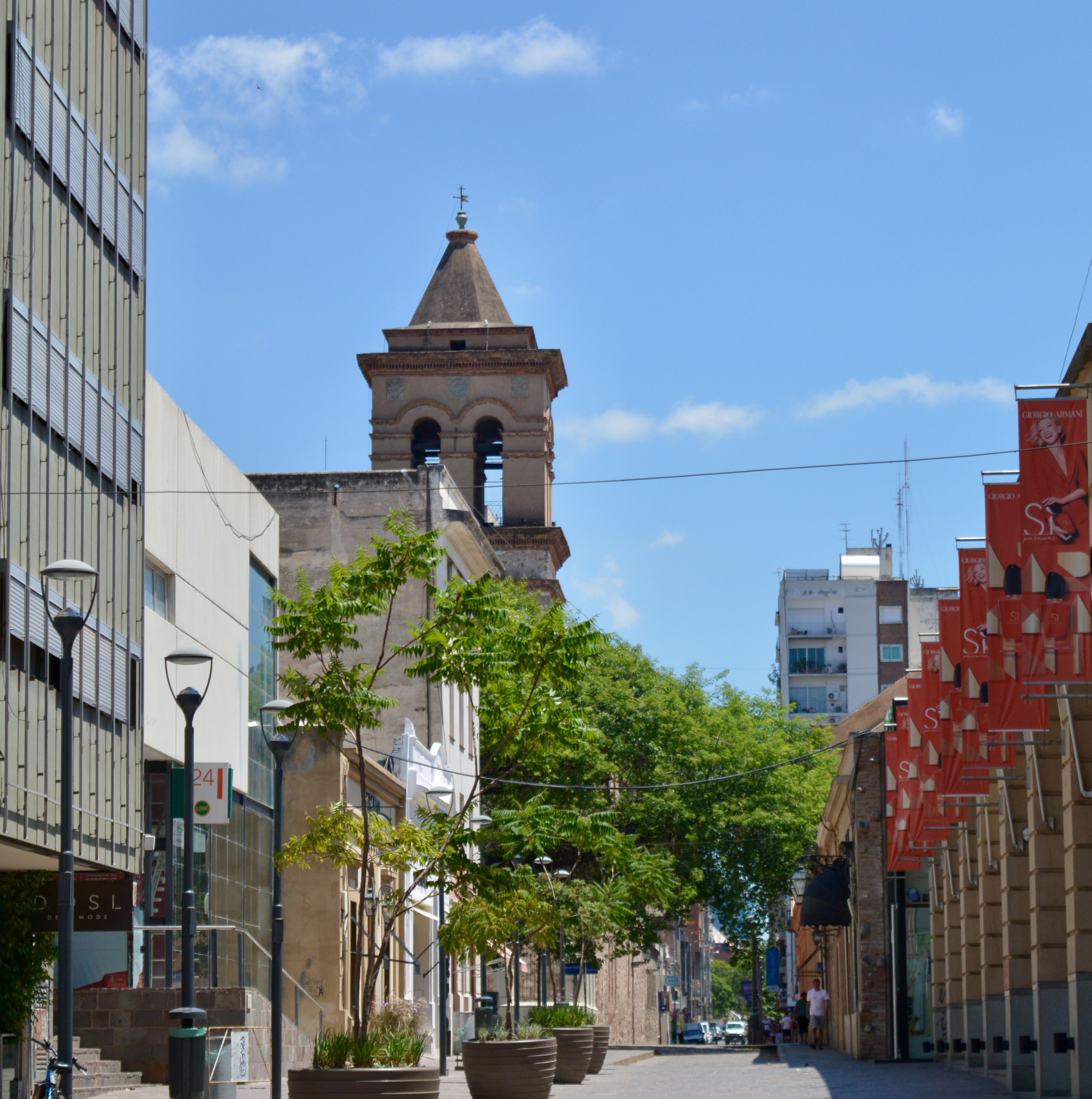
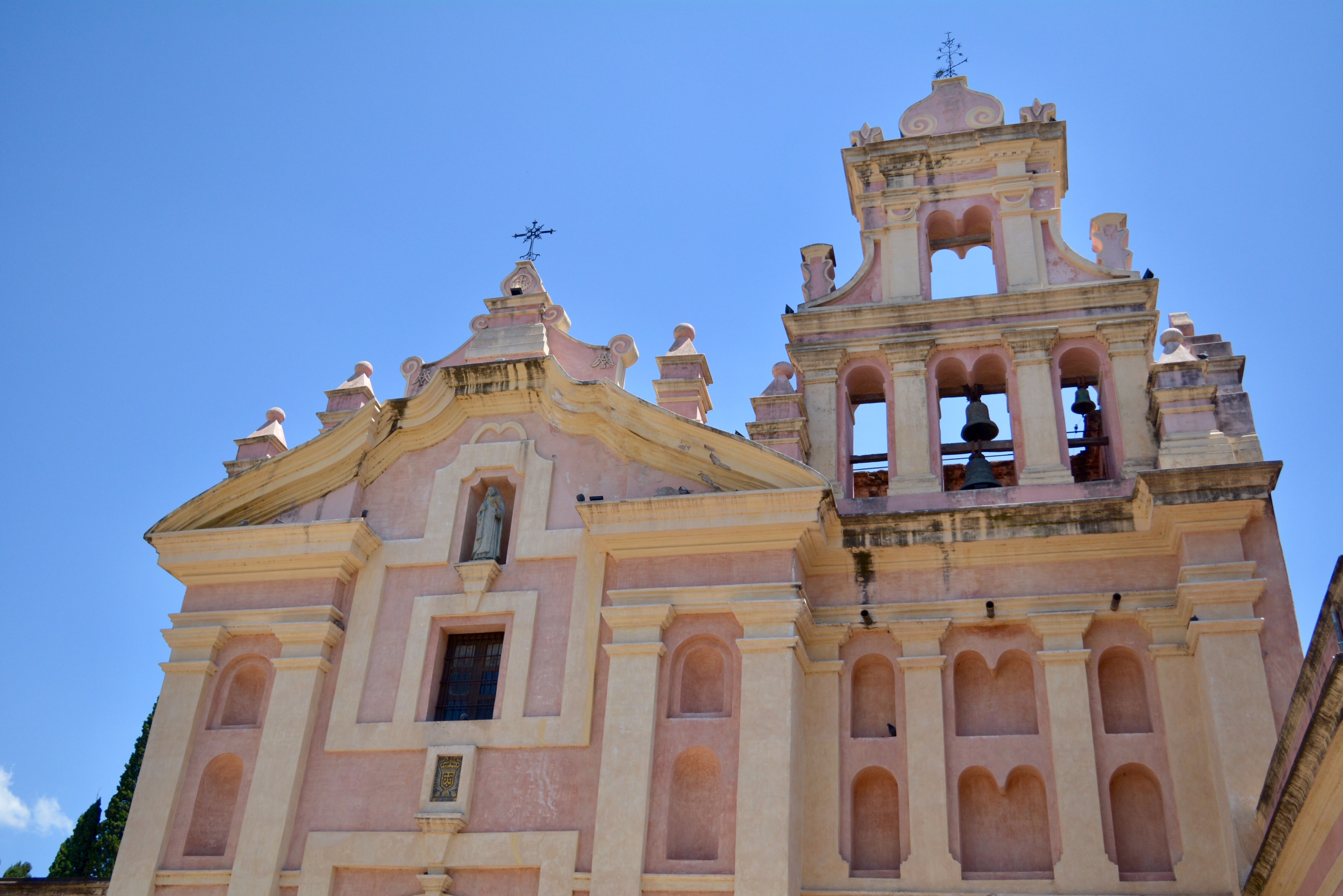
We were impressed by the number of colonial buildings and churches and the history behind these impressive reminders of the colonial era.

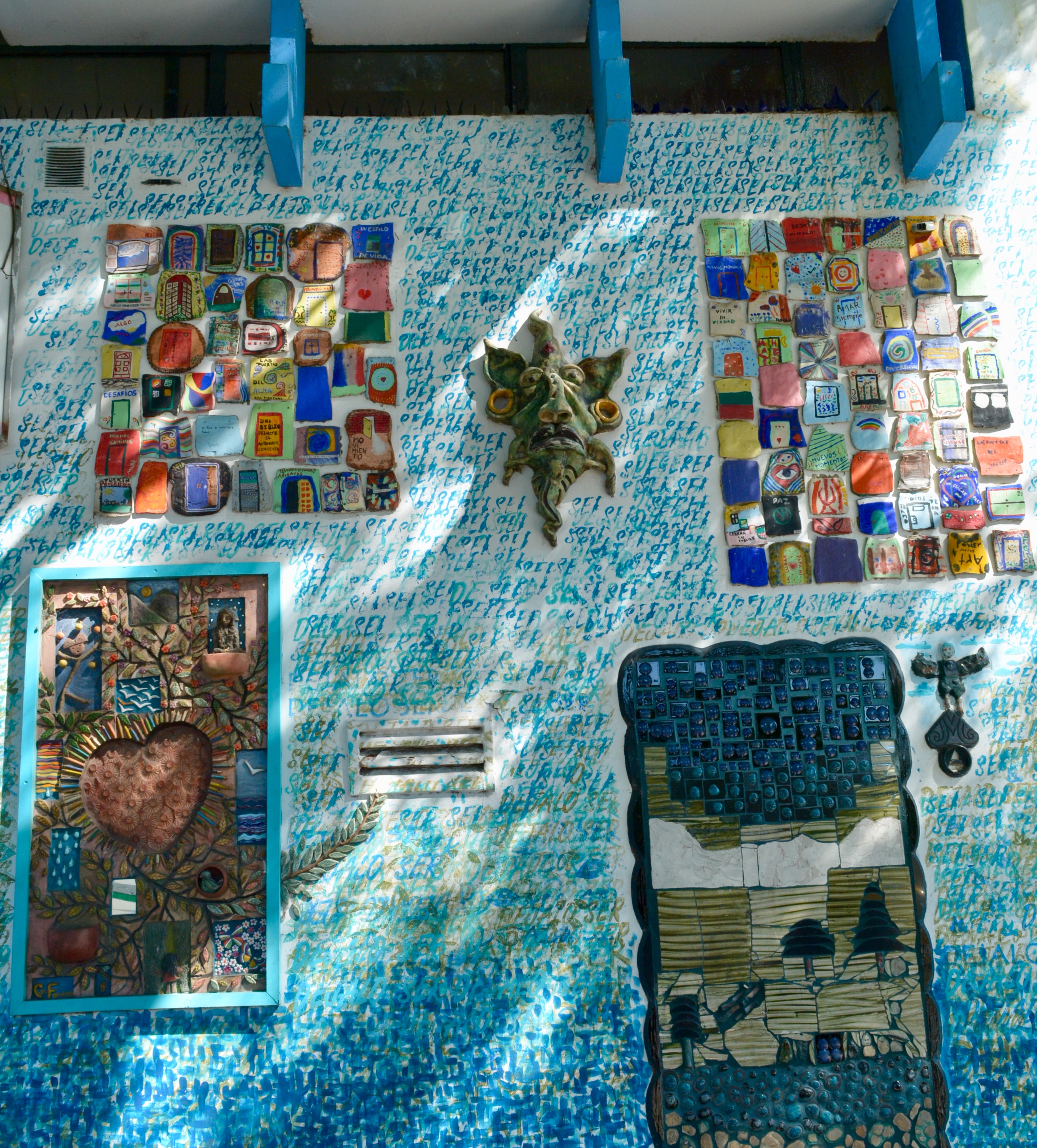
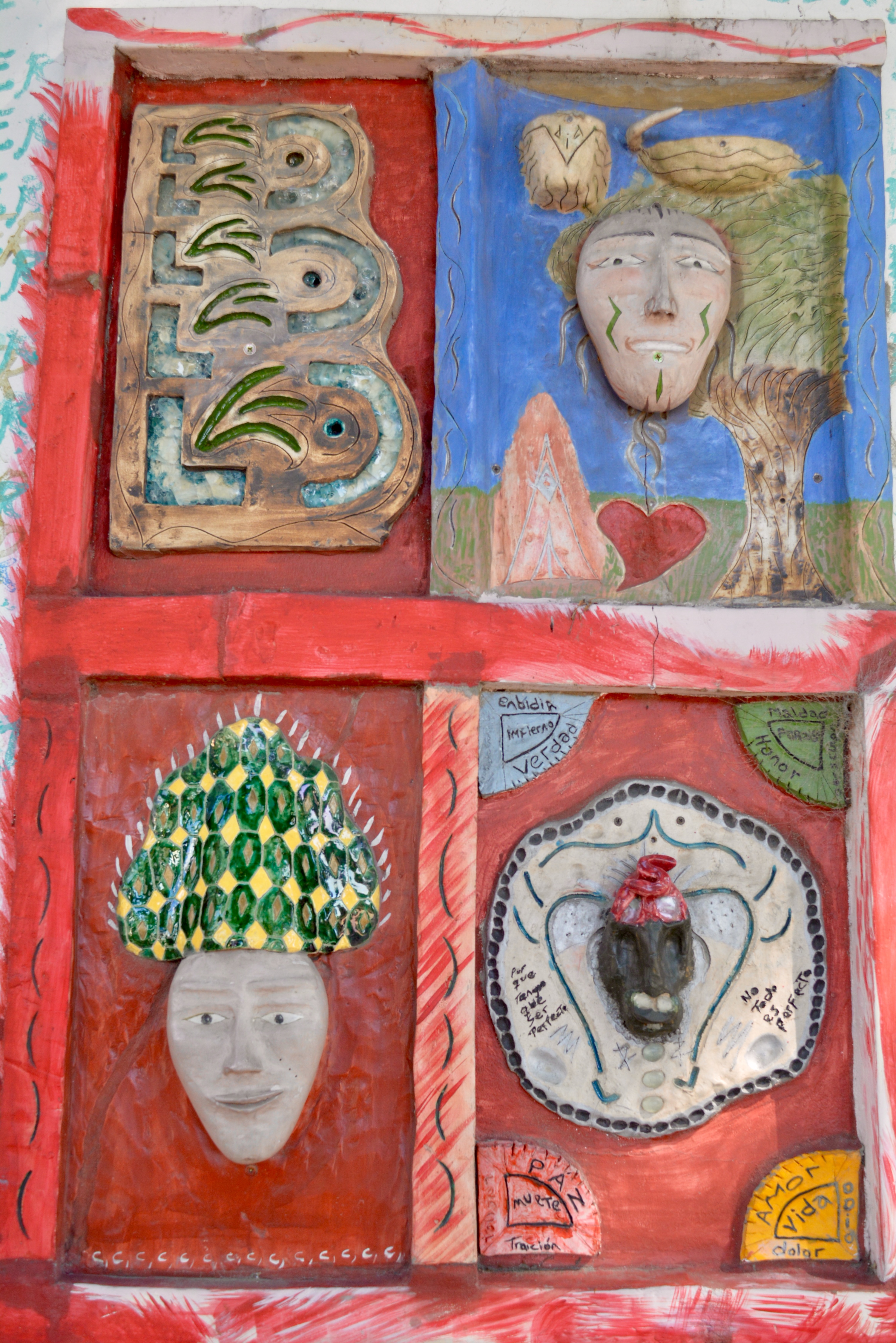
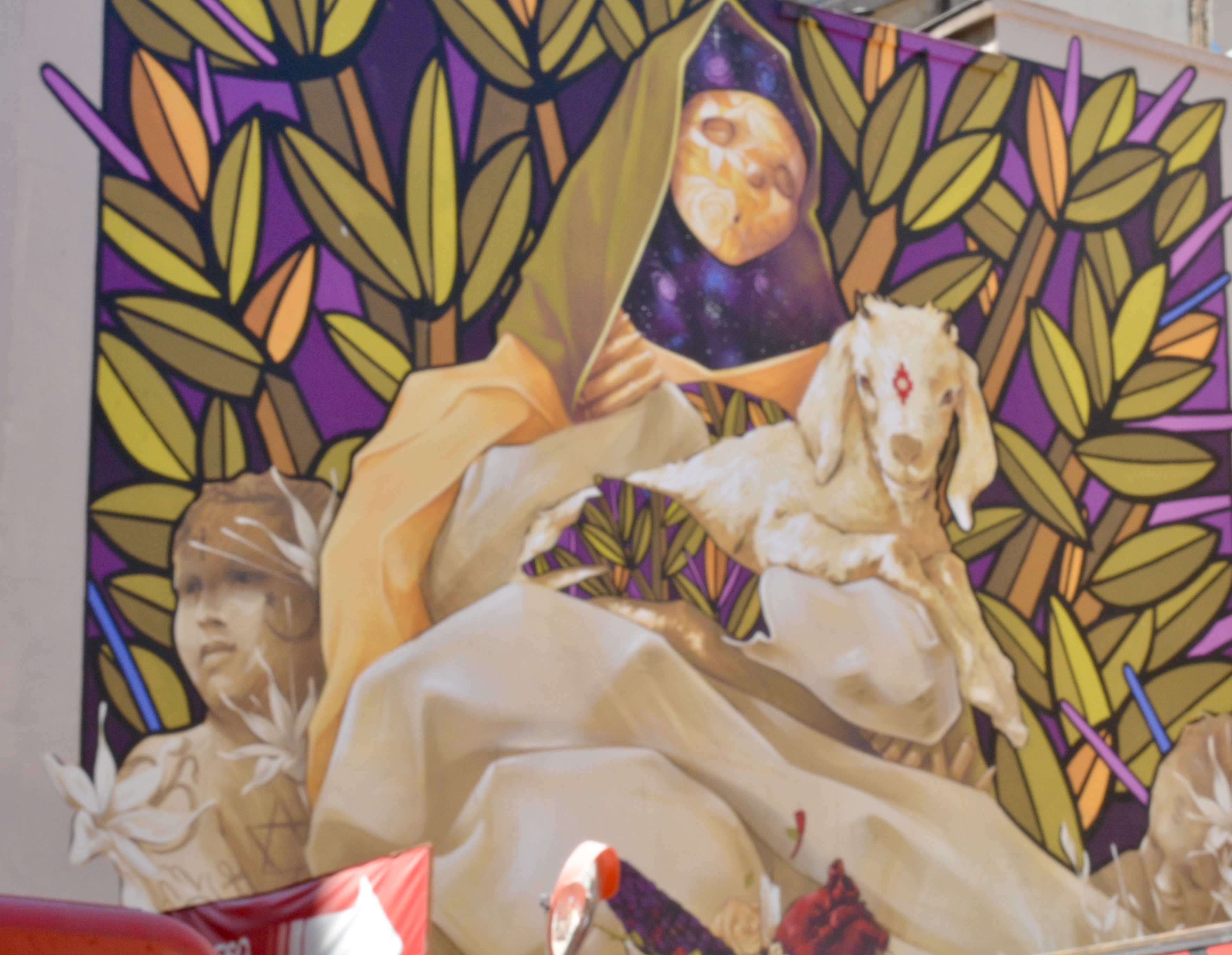
Like so much of Latin America, street art dominates the inner city and Cordoba had it’s fair share. I love the vibrant colours, the social messages and the sheer courage of public display.

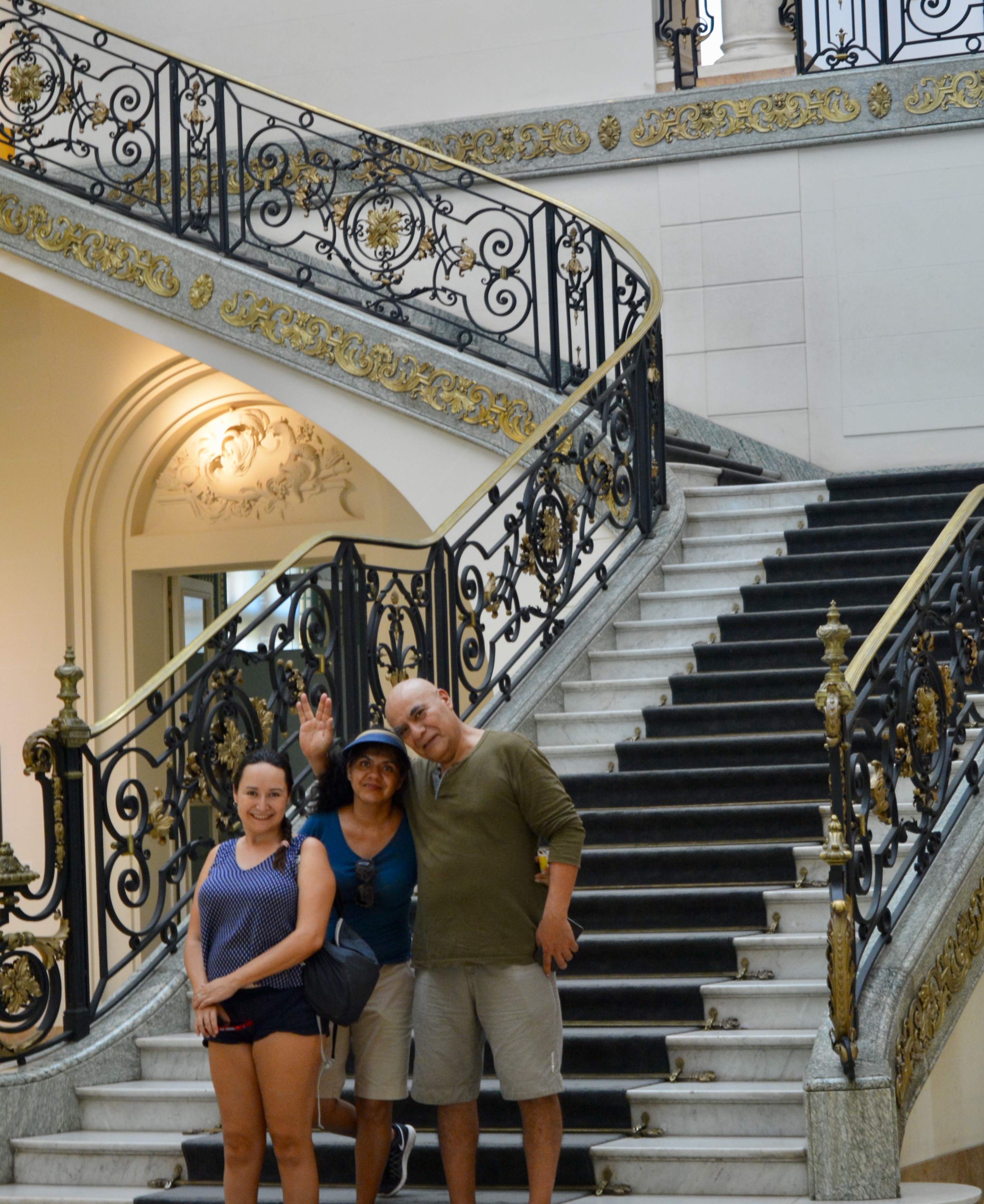
By early afternoon, we found a museum that was open in the former “palace” of the Ferreya family. The art pieces on display seemed lost and minor in the splendour of the palace but I enjoyed an exhibit of the works of local woman who were expressing their thoughts and ideas about the inequalities between the sexes. The works spoke to the violence and oppression experiences of women in Argentina, Because this was a government sponsored project it could be a hopeful sign that the consciousness around women’s rights is growing as it is in North America with the “Me Too” movement. 

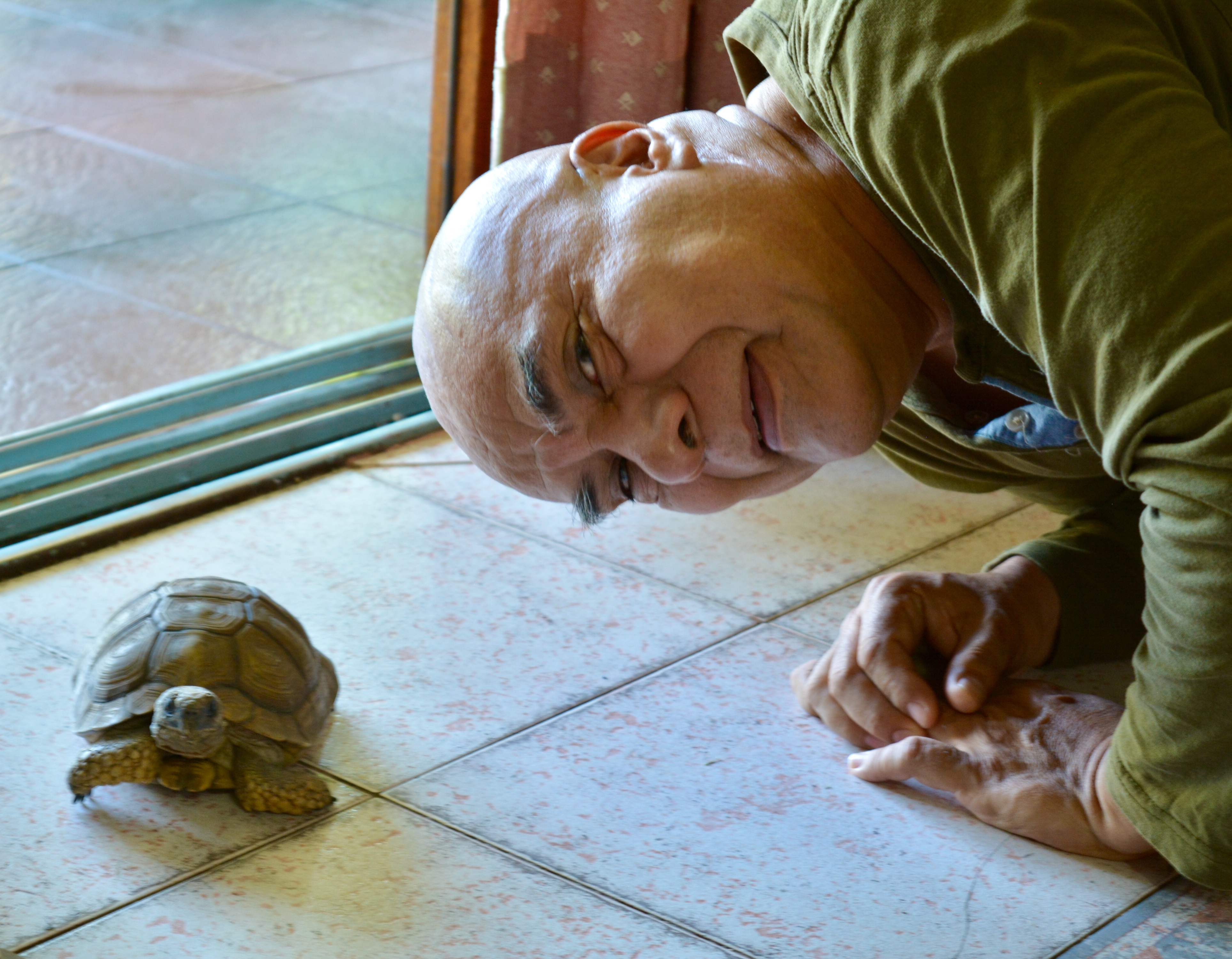
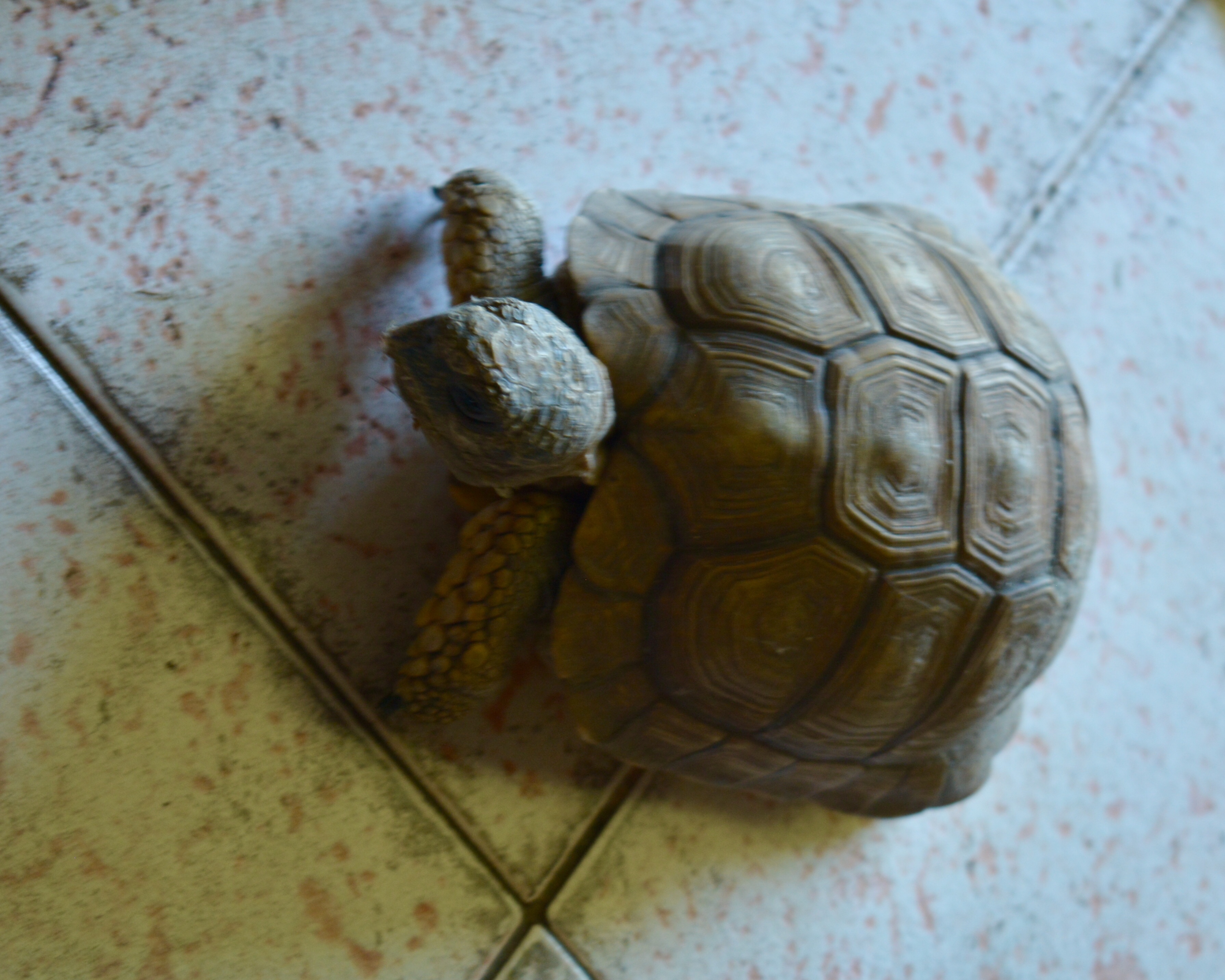
Argentina still has a discernible siesta time lasting from anywhere between 2 and 5 pm, making it difficult to find open restaurants, shops and attractions. By late afternoon we had had enough of the heat and downtown and the call of our swimming pool was strengthened by the hour and so home we went for pool time, beer and a special visit from the usually reclusive house turtle.

Mendoza – First Stop in Argentina

Malbec anyone…Mendoza a beautiful home for a beautiful wine.

Mendoza has so far been the agreed upon favourite place on our trip. Whether it was the wine, the beef steaks, the helado or the super friendly people we weren’t sure but our four days there could easily have been stretched into many more if we had the time to linger.

Highlights in Mendoza included our flat, well located near the main Parque San Martin where we were able to take a tour of the city, wine bodegas and scope out where we wanted to spend more time. The center of Mendoza is busy and vibrant and we felt safe and comfortable getting around. We definitely did not need a car in Mendoza as the city is easy for walking and taxis and buses are cheap. We stayed in an Air BnB apartment in a great location close to all the action. 

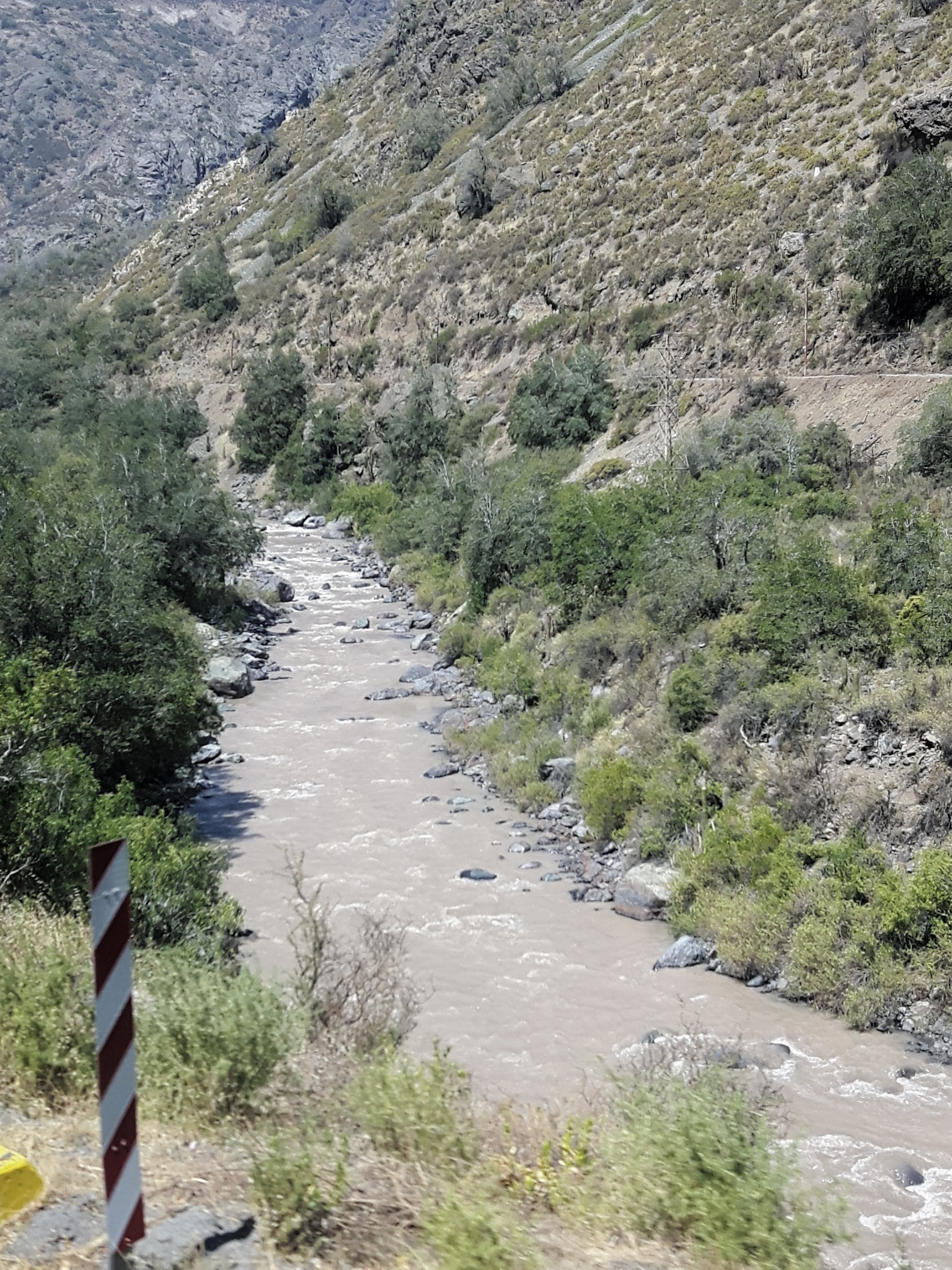
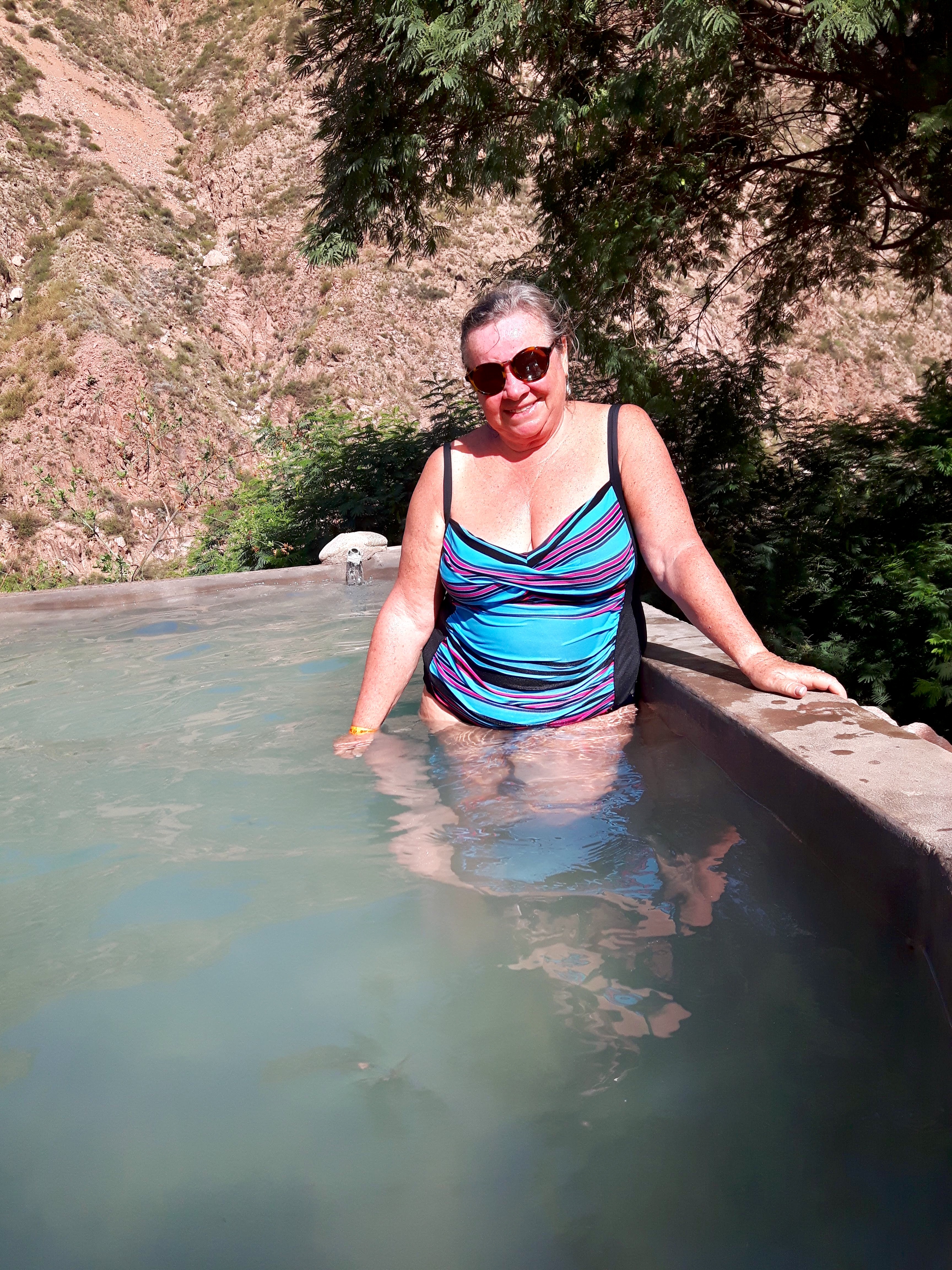
We had enough time to explore the areaaround Mendoza and to see the vineyards that make this area of Argentina world famous. We took a local bus to Cacheuta, about a forty minute ride from Mendoza, where they have hot springs or as they say “termas”. Parque de Aqua Termas is great, although crowed it has so many different pools in various terraces cut into the hillside above a river, that you can easily find a “private” spot for your weary bones. In addition their are slides and a “river” of colder water, if you enjoy being flushed around in a long circle of bobbing kids. The pools are surrounded by beautiful scenery, below a river, and above the Andes. Plenty of food is on hand at the restaurants bordering the parque and souvenir shops abound.

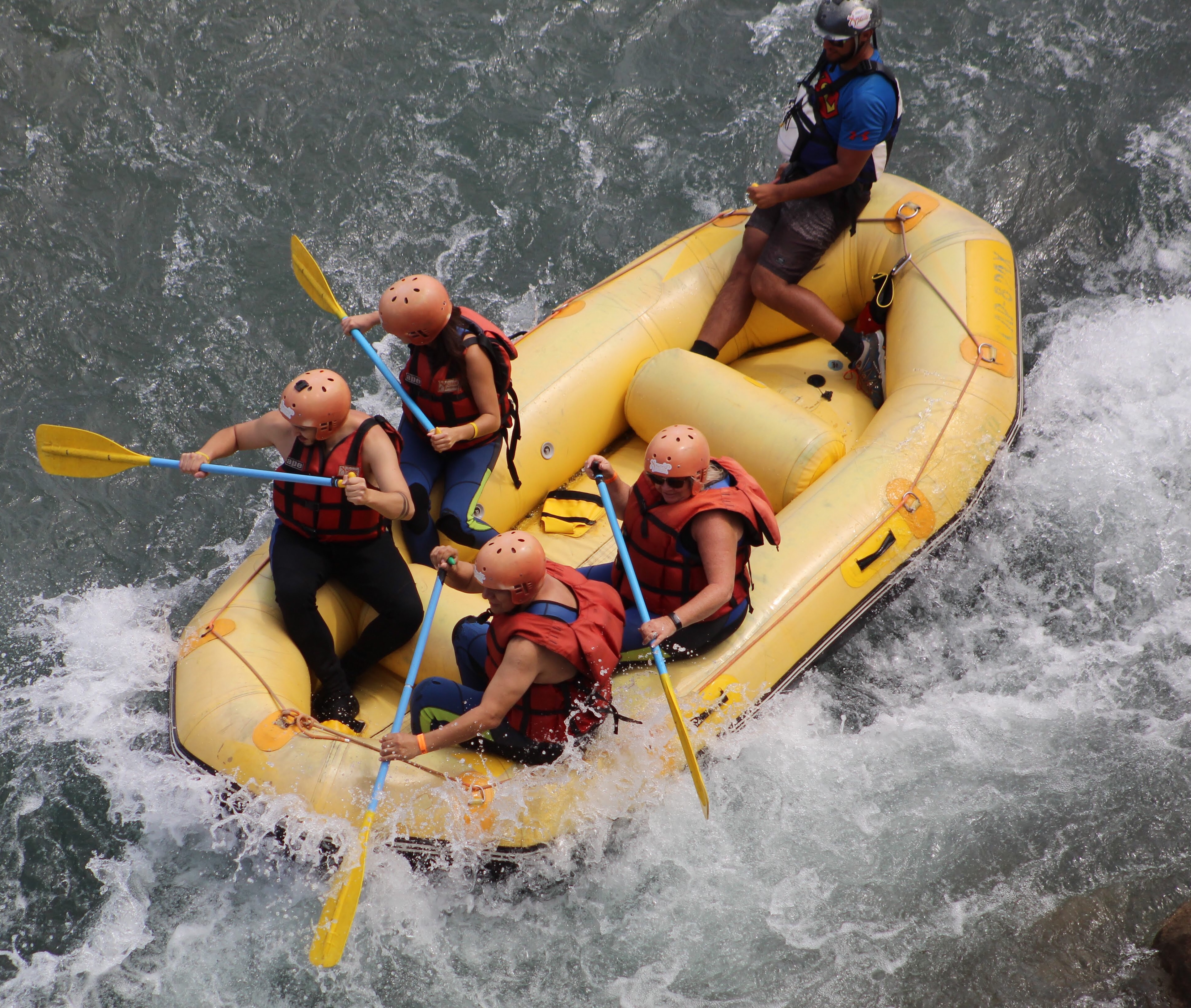
Inside the Parque there are ticket booths for other activities and Javier and I went river rafting and there was just enough white water, making it worth our $25 CAD. The whole area around Mendoza is set up for adventure tourism including climbing, rappelling, and serious white water rafting. Given the prices it would make a vacation very inexpensive if you are coming from places like Canada. Sadly for the Argentines, their peso is very depressed at the moment which means a good rate for foreign tourists coming from a stronger economy. If fact we are finding Argentina to be considerably cheaper than Chile.

There are so many things to do in and around Mendoza and tour companies abound to make sure everyone’s interests are met. Our four days in Mendoza came to an end and we packed our bags and headed to the airport, bound for Cordoba.

Crossing the Andes – Chile to Argentina

Driving back to Santiago, from the Chilean coast, we made good time on the divided freeway, left the car at the airport and took a taxi to the bus station in time for a bite to eat before we boarded a bus to Mendoza, Argentina. Originally we had planned to rent a car for the duration of our trip but decided not to based on what we understood to be a time wasting and expensive border crossing from Chile to Argentina. The buses are cheap and comfortable in Chile so other than a man who picked his nose with great concentration and coughed out great whooping clouds of germs, it was quite pleasant. (I had seen him earlier in the restaurant and had jokingly said to Ale that he was probably going to sit beside her in the bus and sure enough….Ale changed her seat!!!) 
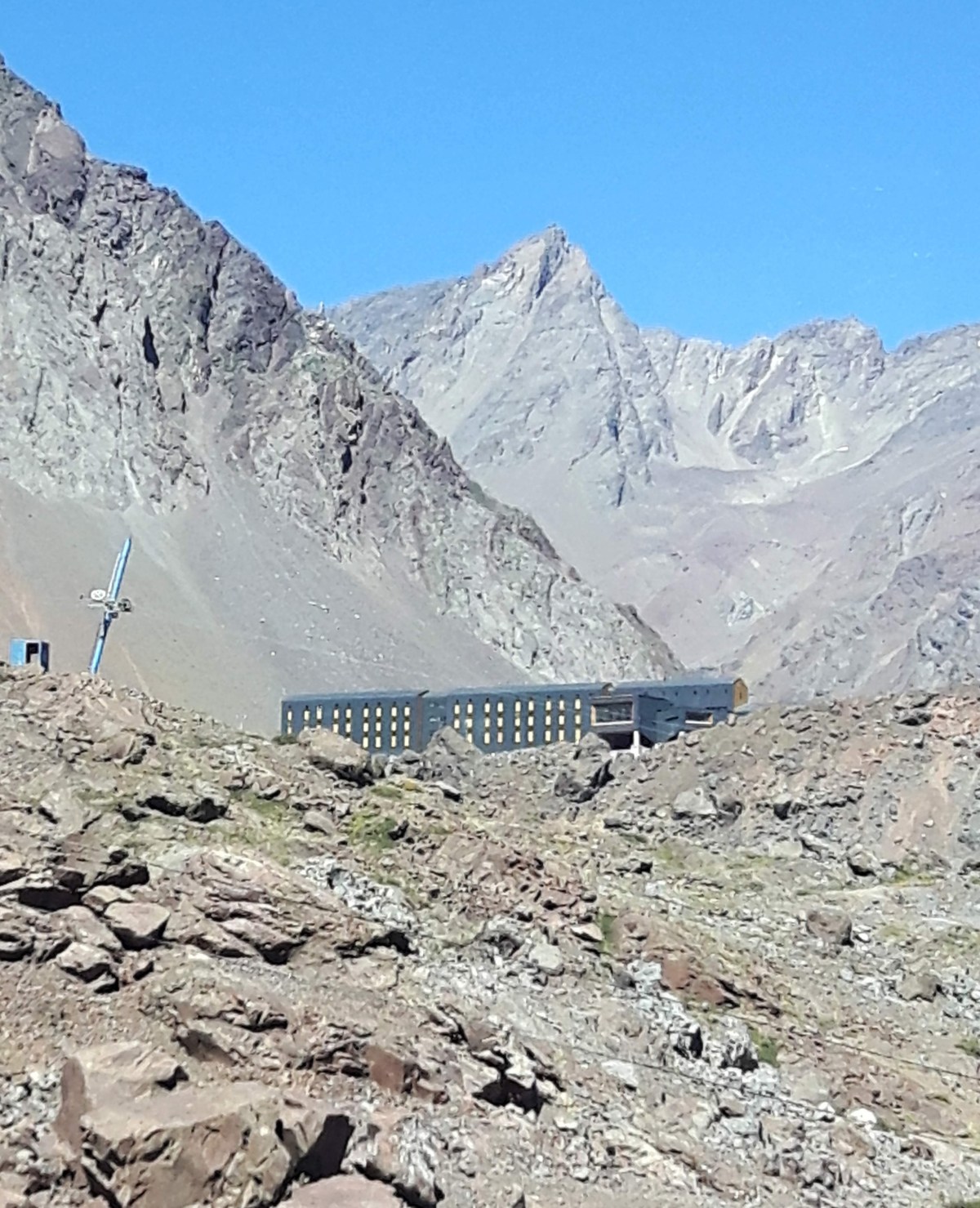
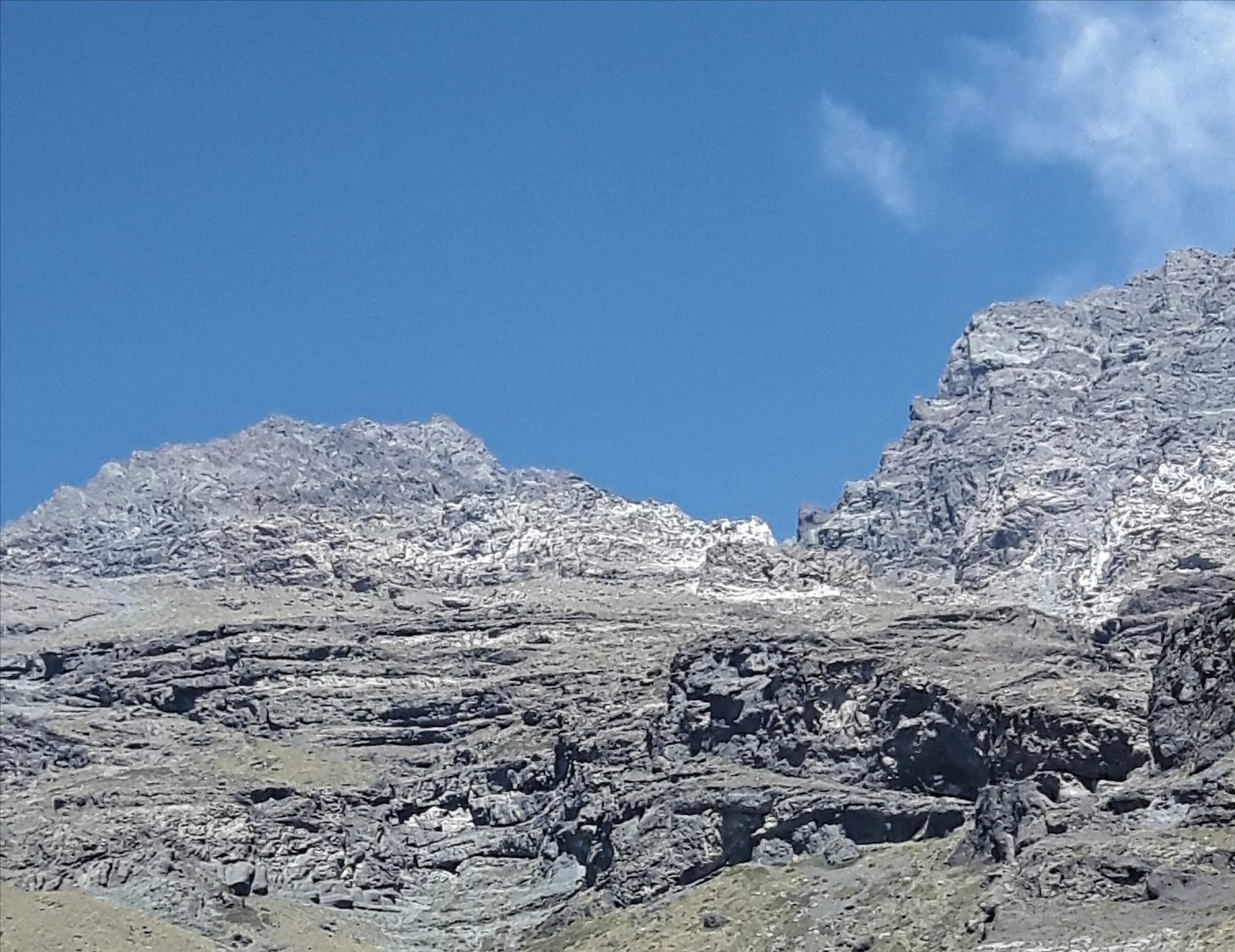
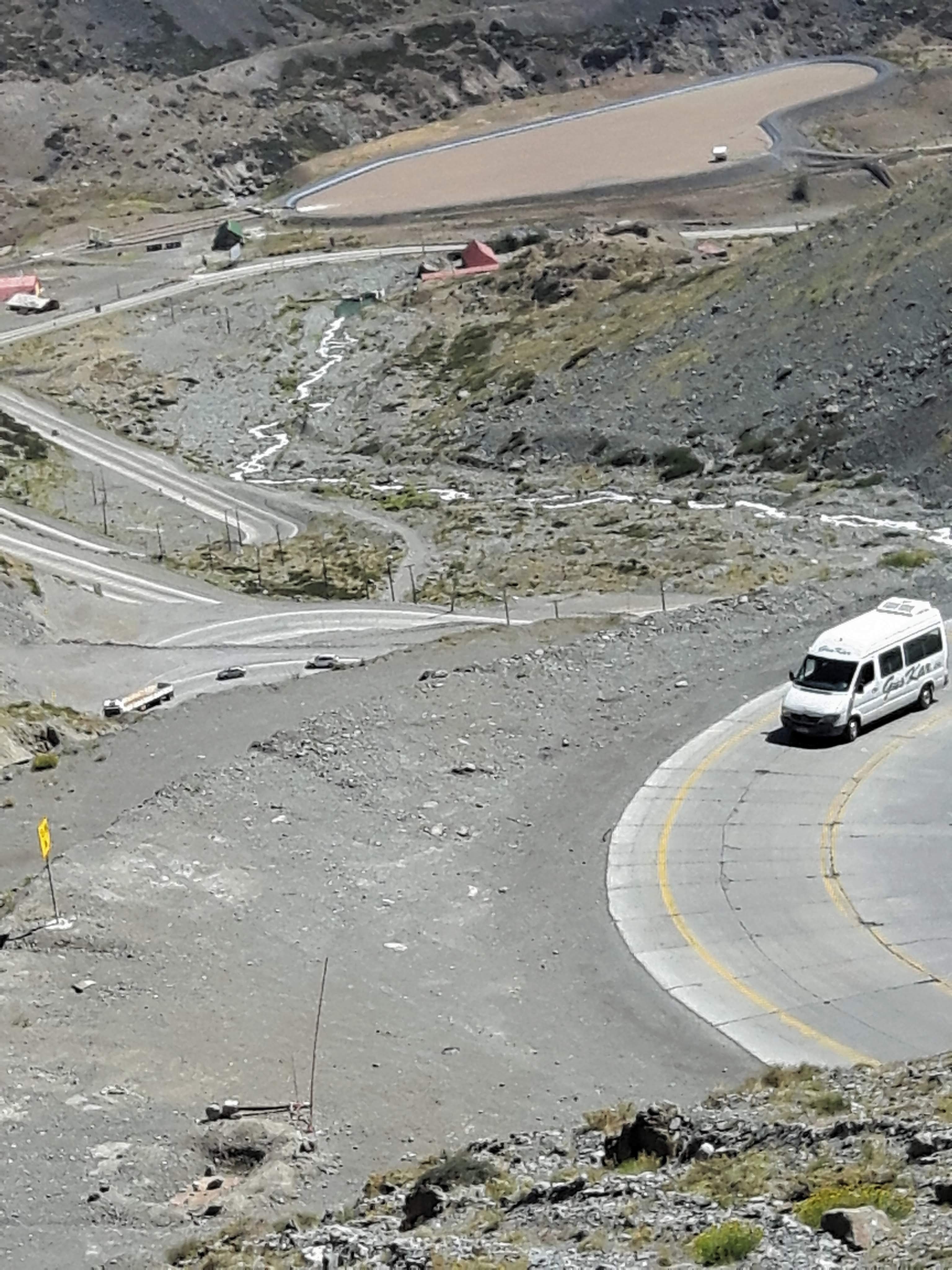
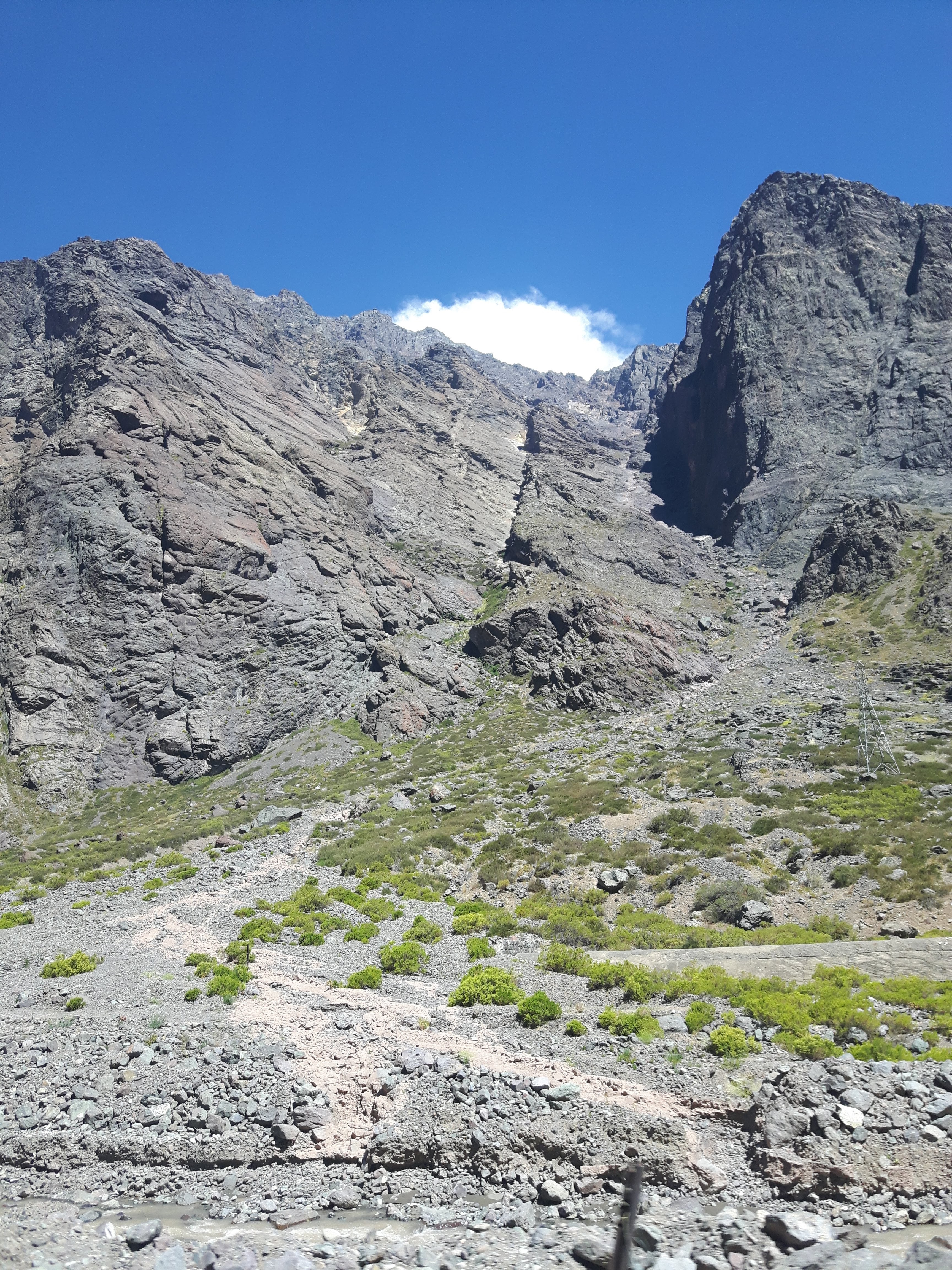
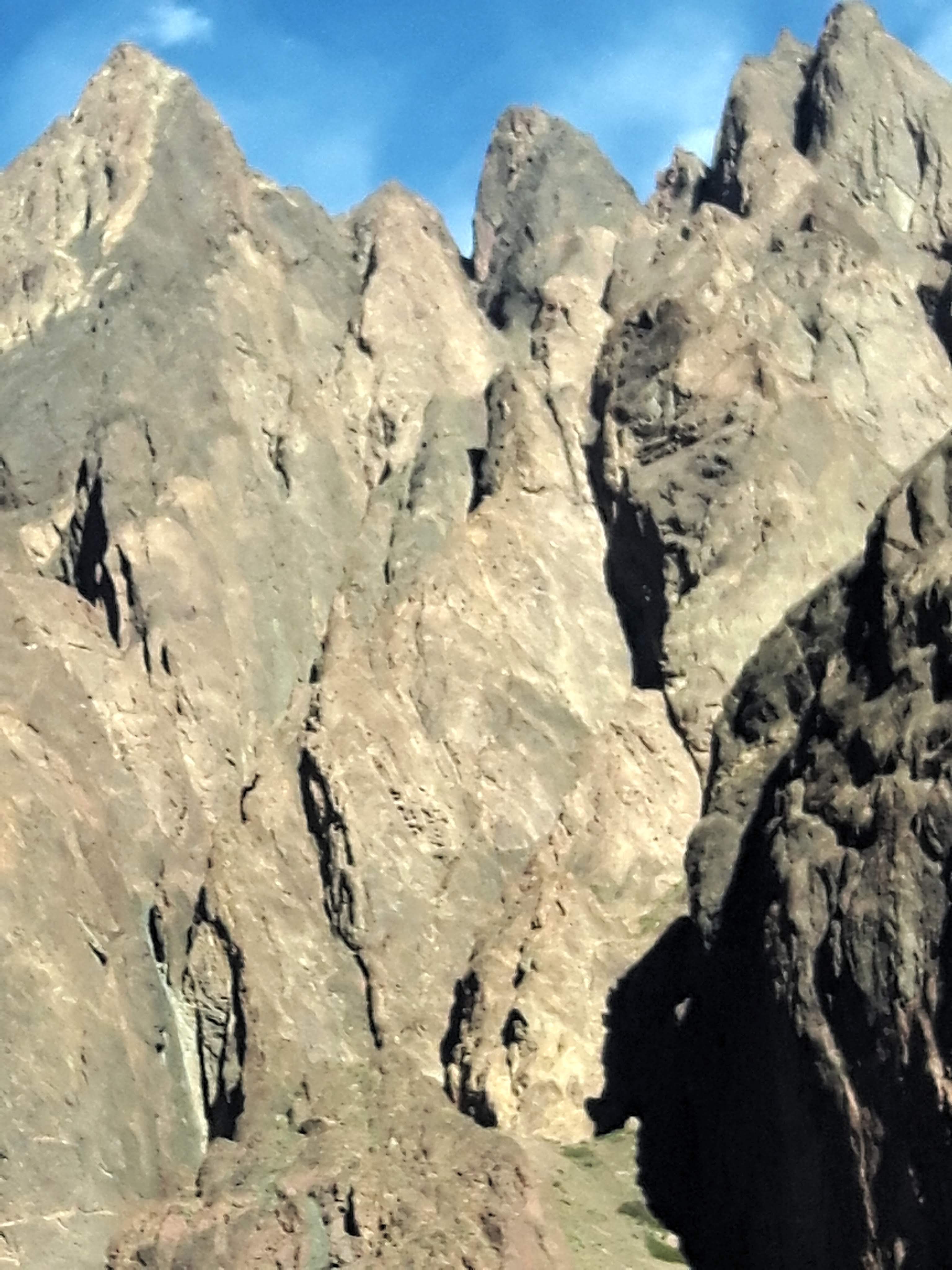
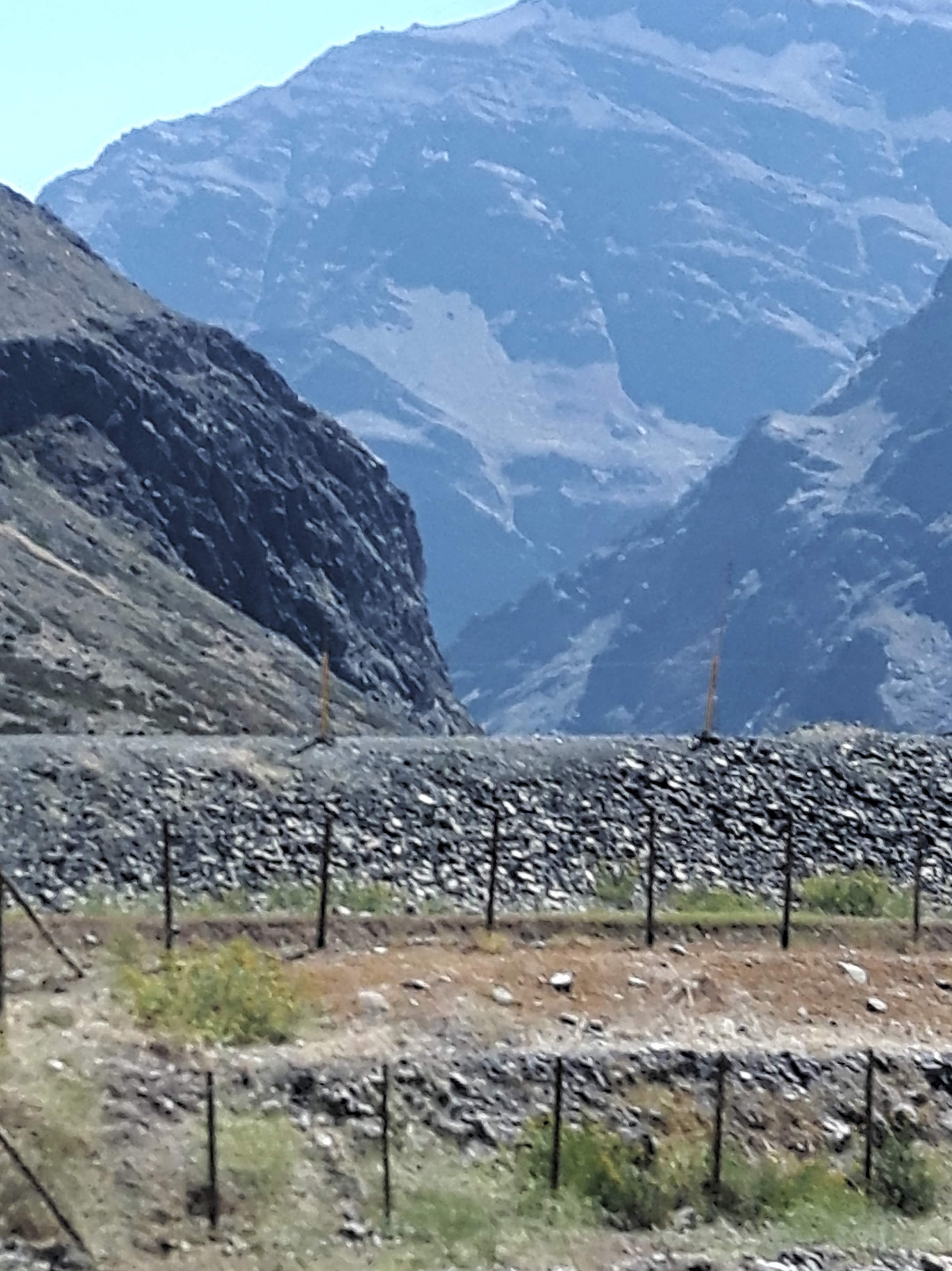
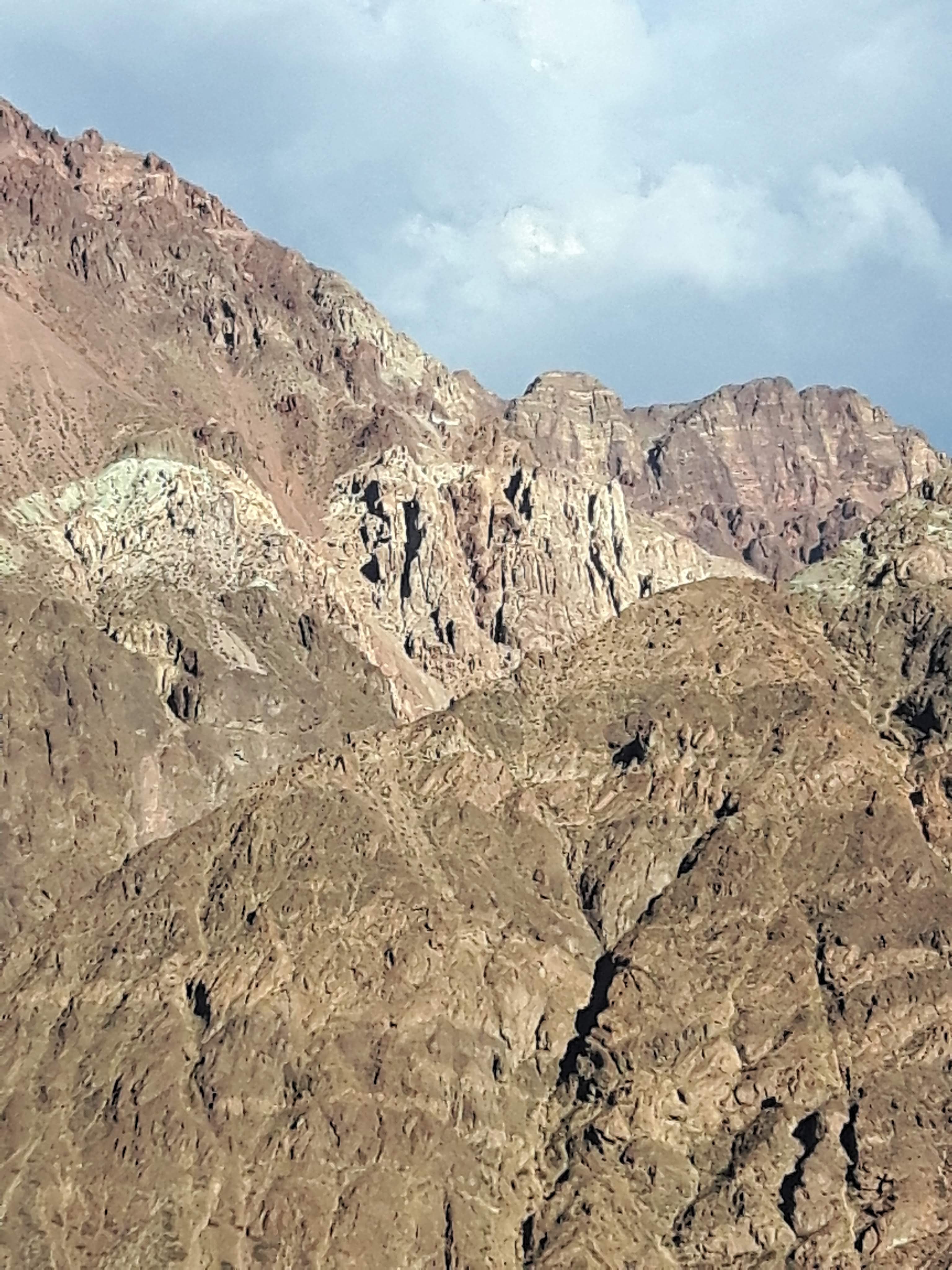
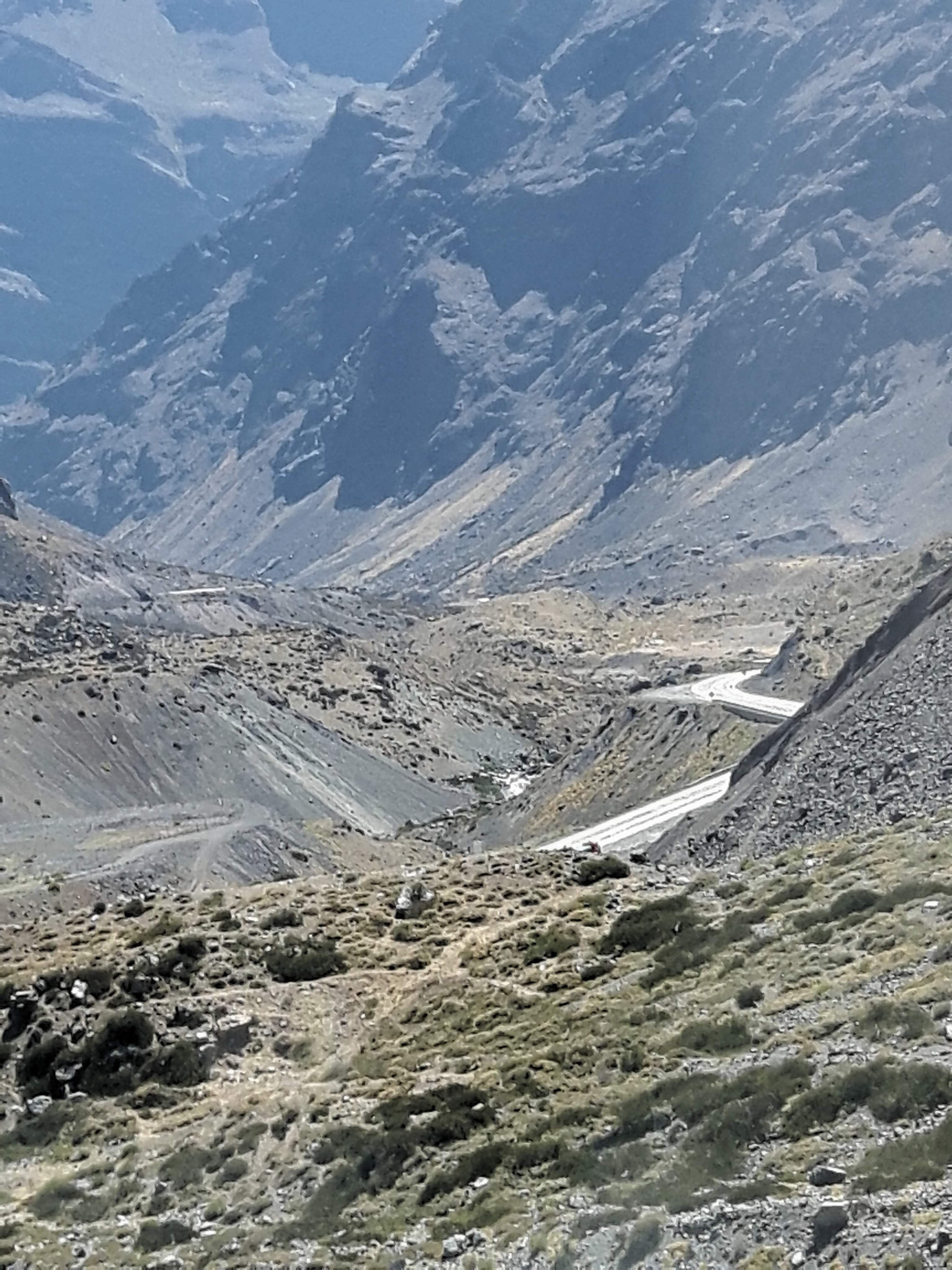
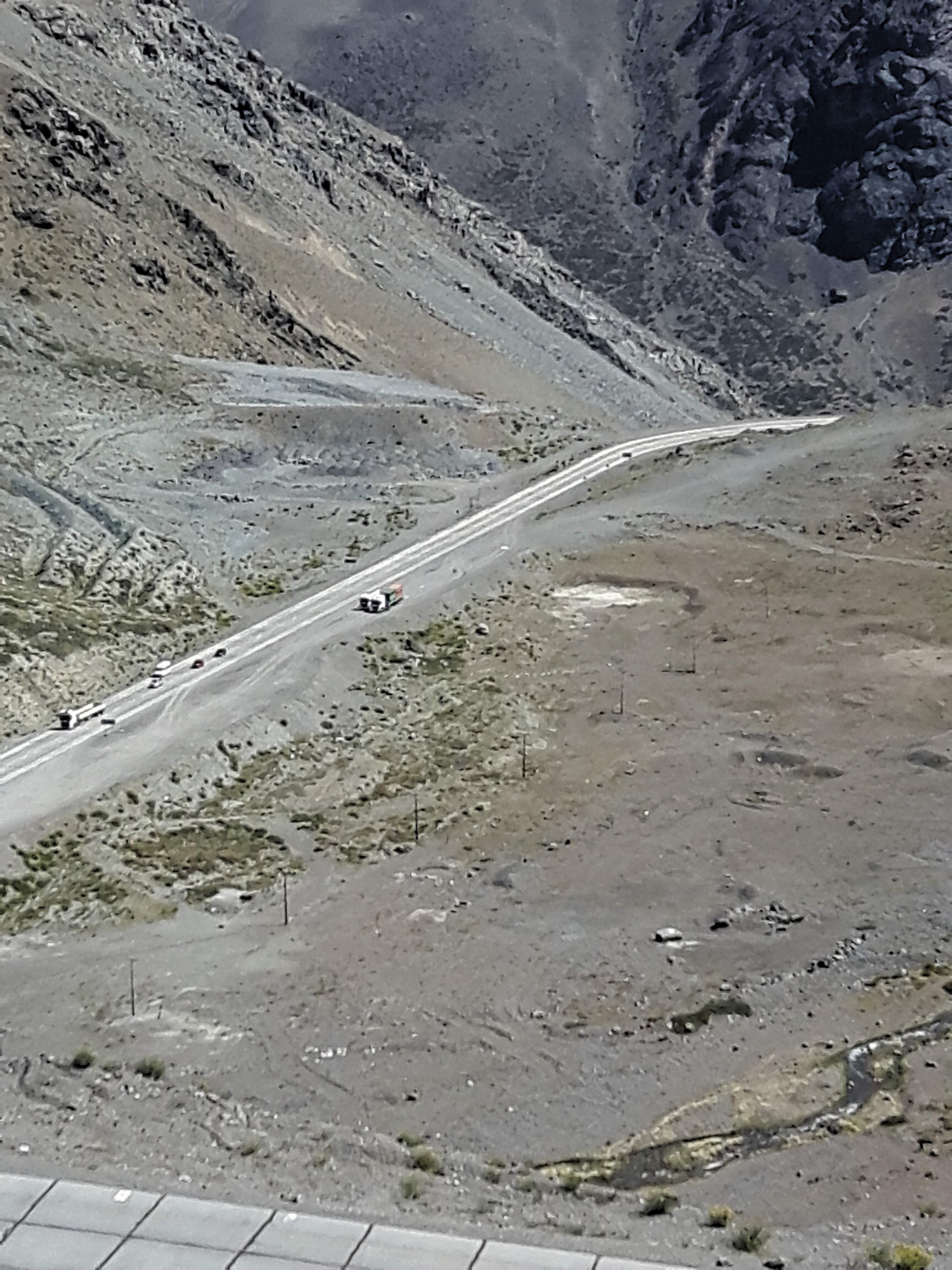
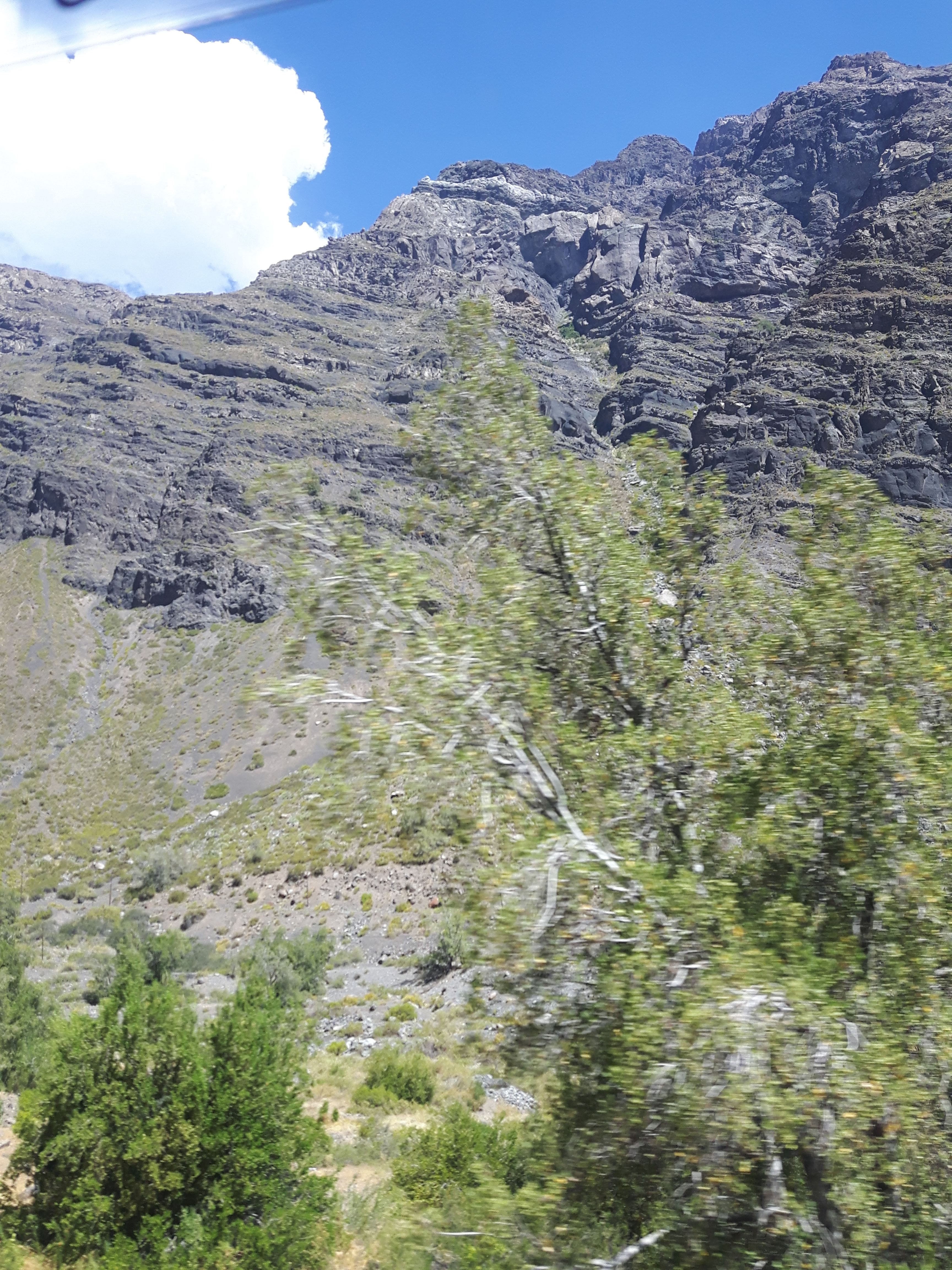
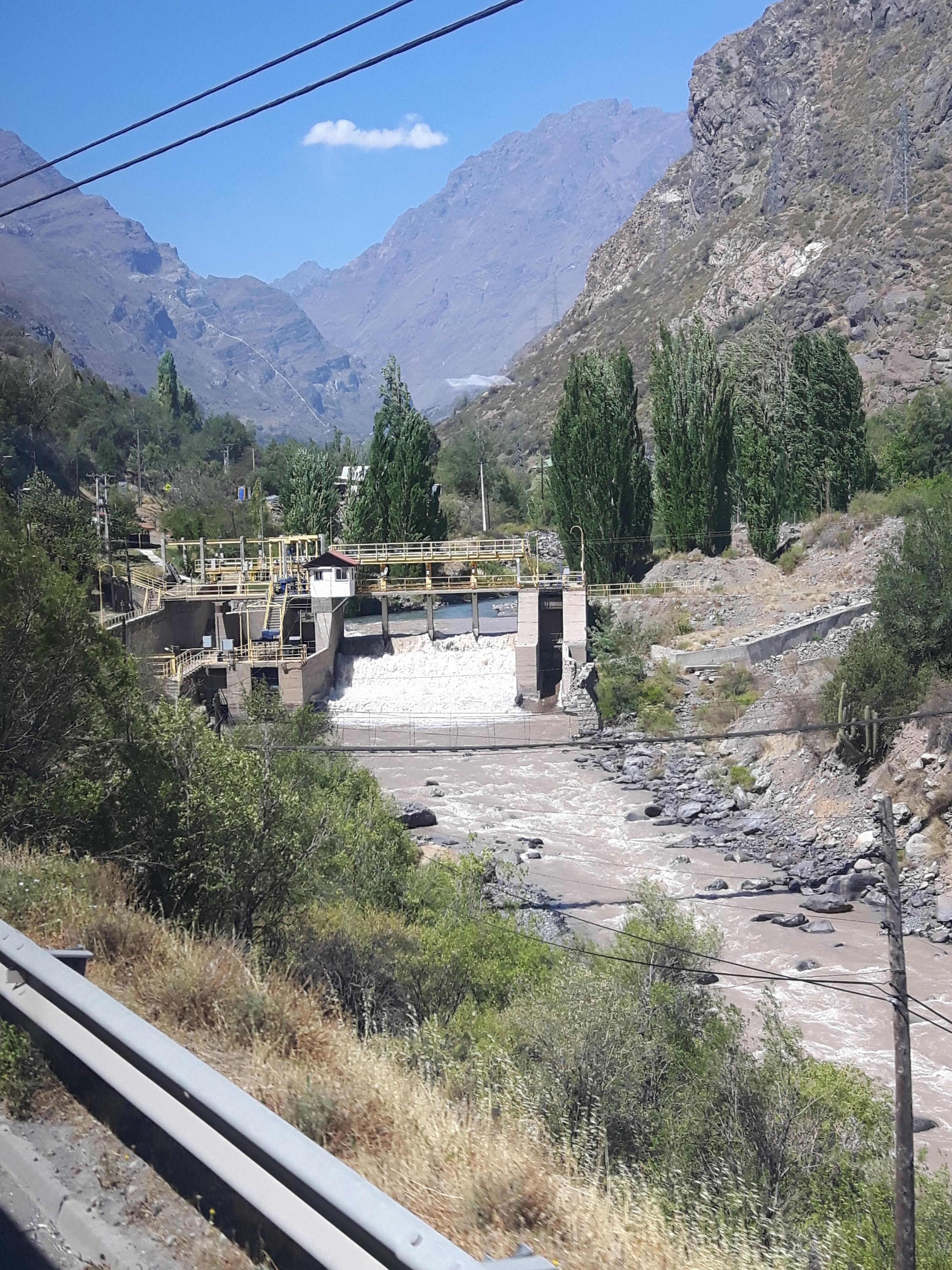
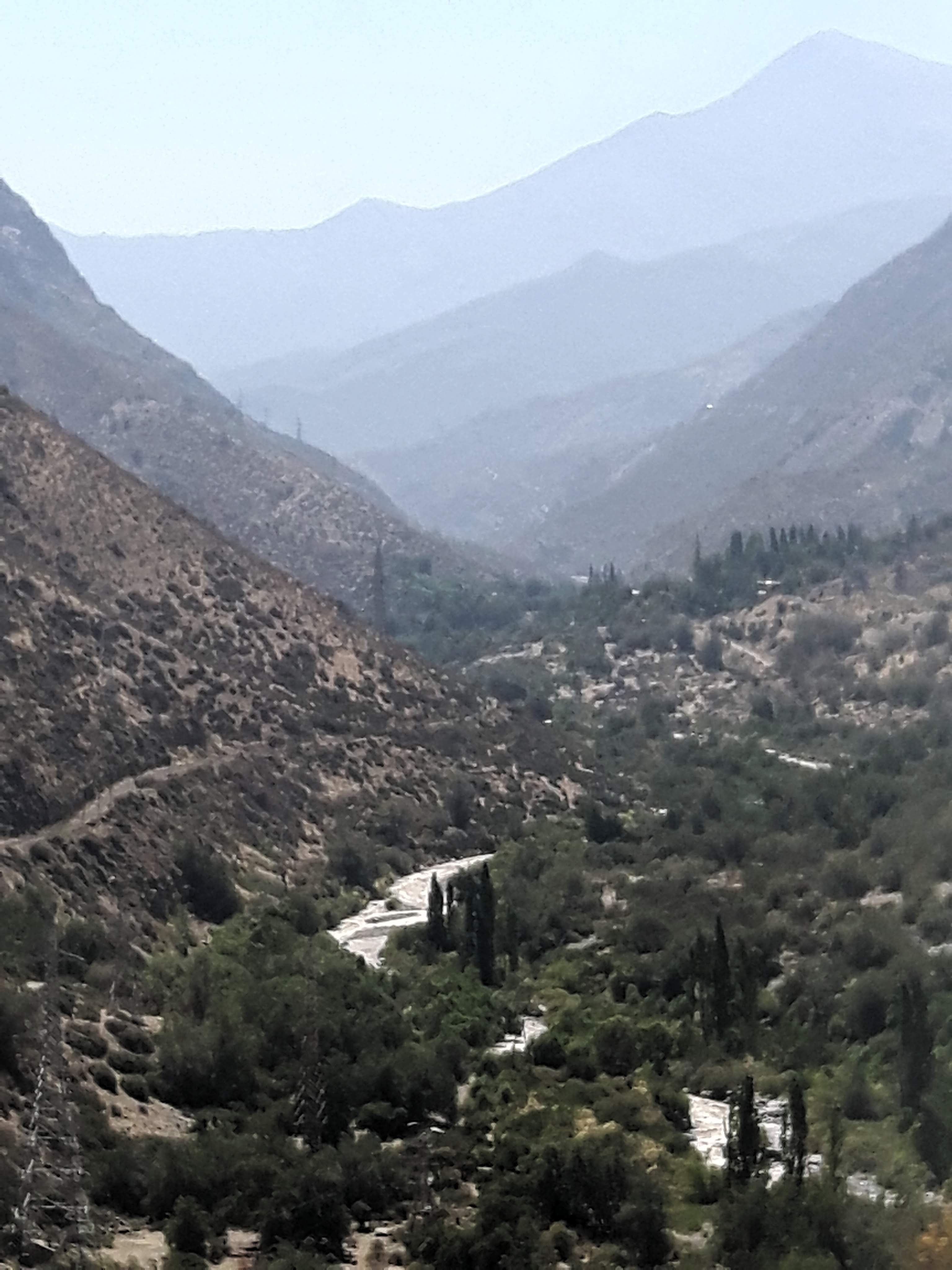
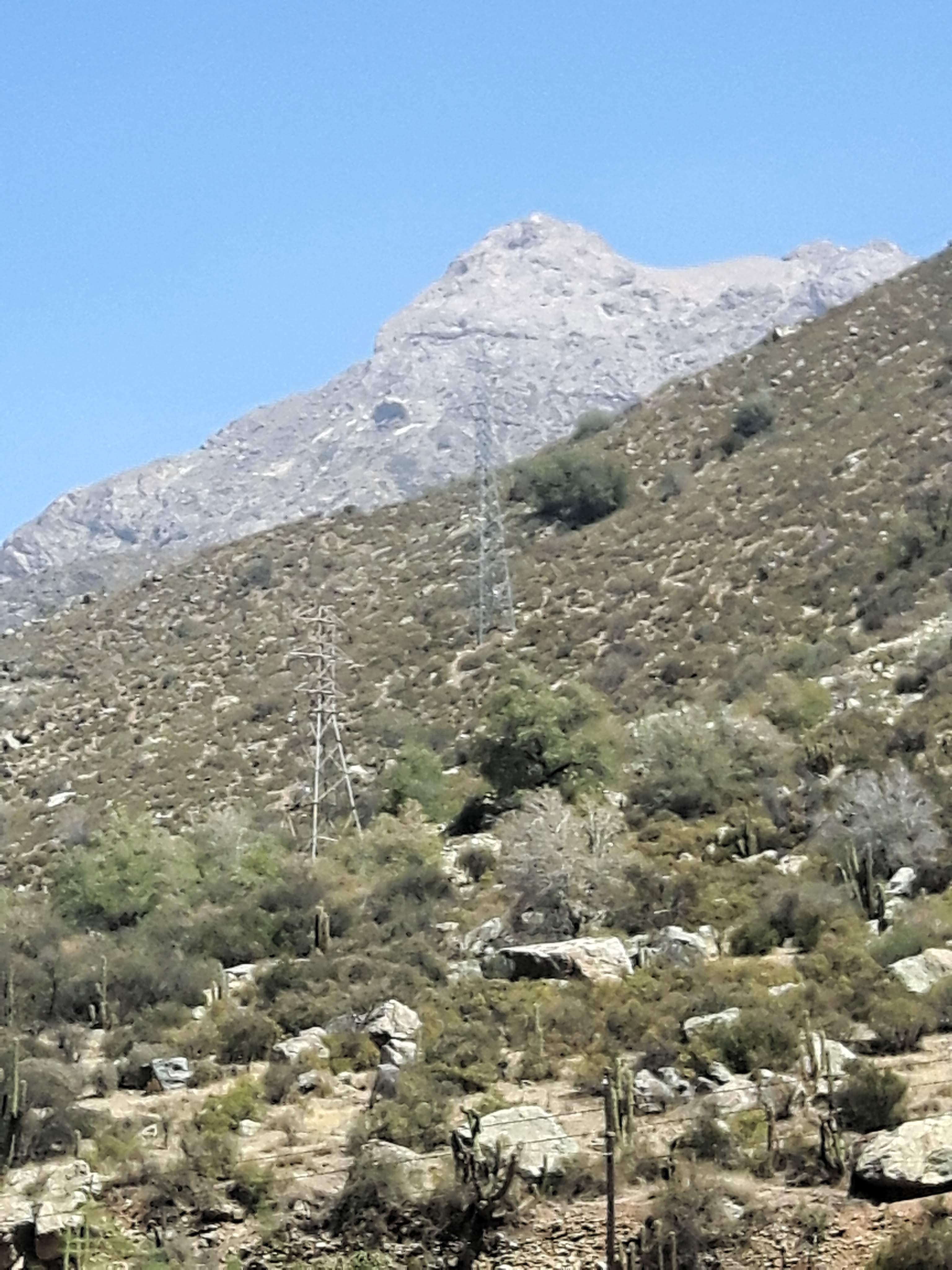
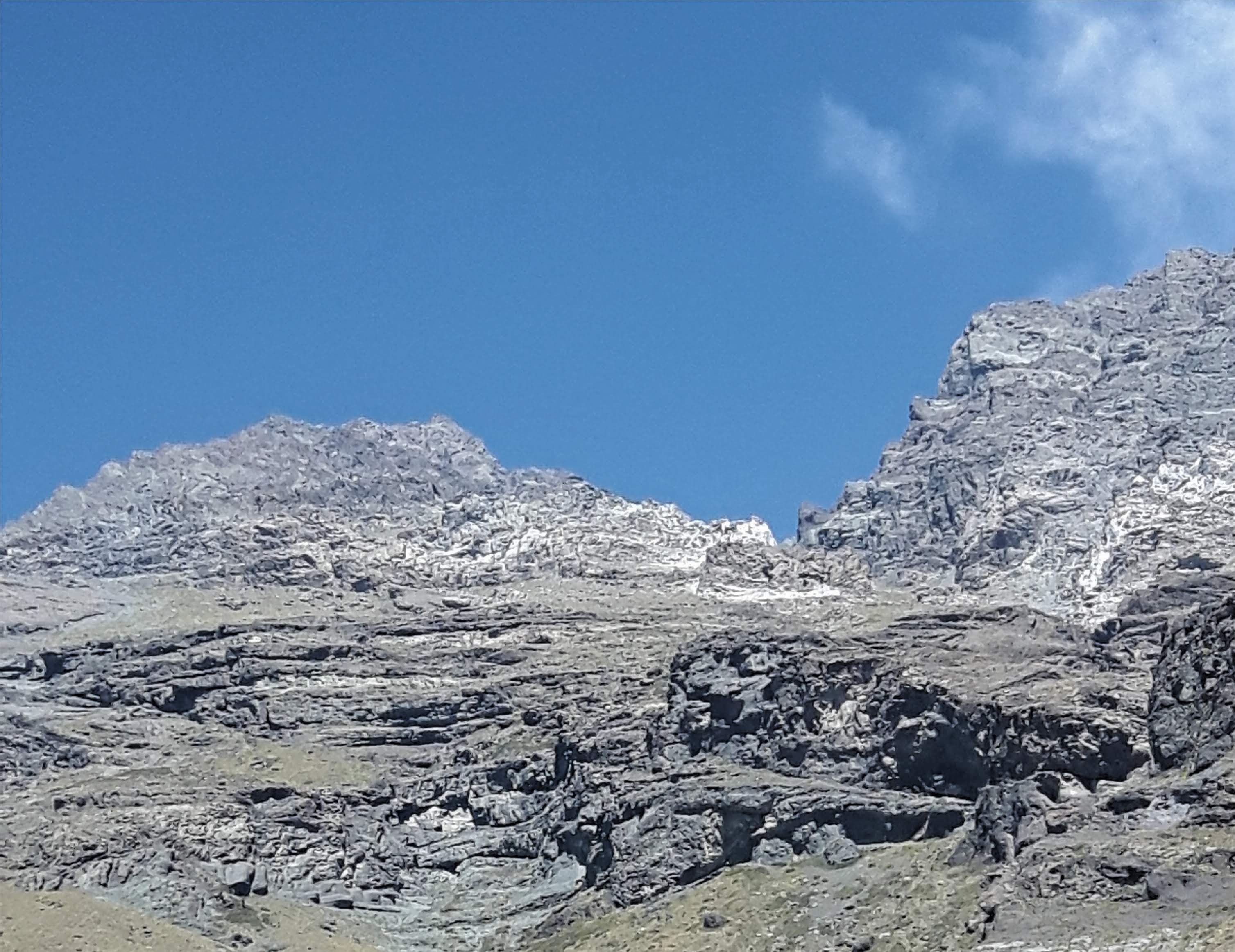
This bus trip rivalled one that I had taken in the Colombian Andes both in scope and beauty. The views were spectacular and we climbed to great heights on hair pin turn roads with steep drop offs. The sheer size of the Andes and the shape and contours of the various mountains more than make up for the somber monotony of their granite greyness. 

Finally, after 5 or so hours of steady climbing we reached the border where we were required to leave the bus and file slowly through the customs which turned out to be a nonevent. Passport handed over and stamped….no questions asked and we were on our way once more. As we got further into Argentina the bus started its decent and the valleys below reached up with green hues to meet the bus. Not too far into Argentina our friend with the cold left the bus and took his cough with him. We didn’t miss him. Another young man on the bus was from Mendoza, our destination and he had been away in Texas studying piano tuning. He was very excited about returning after months away from home.

As Mendoza approached the view outside the bus window became a friendlier landscape of rolling hills and pastoral vineyards a perfect harbinger of some wonderful wines to come.

Santiago Chile

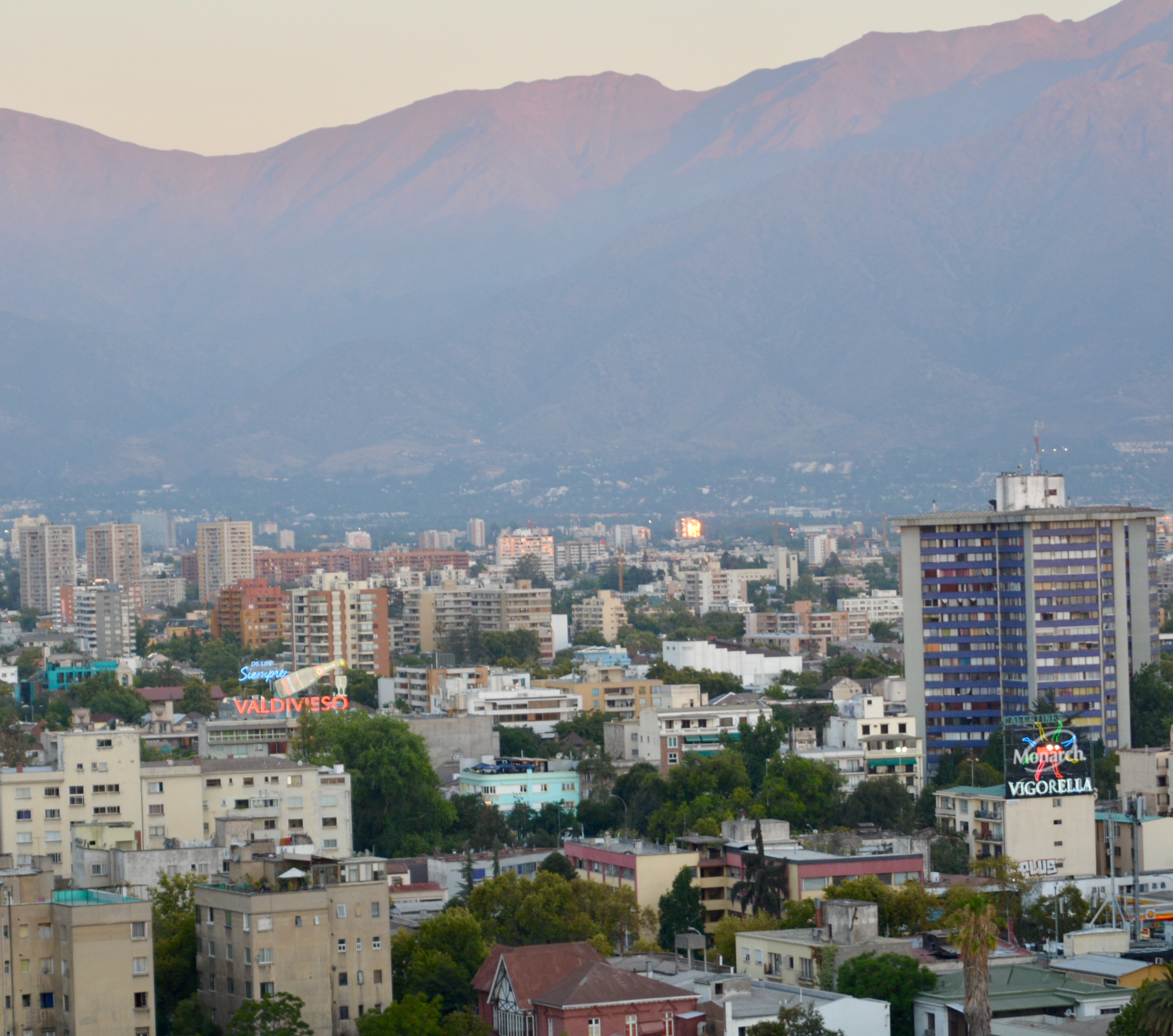
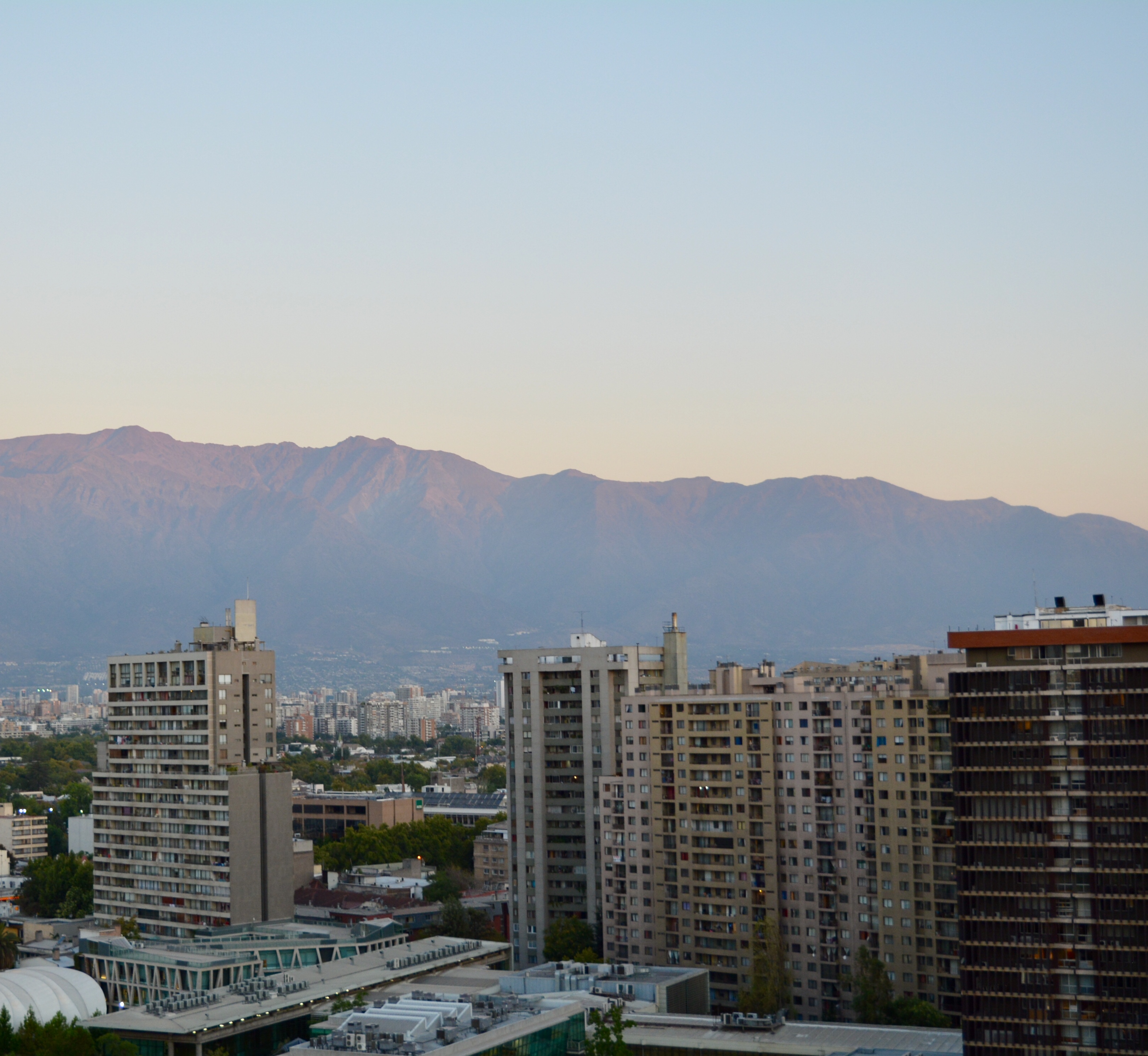
There are so many reasons to go to Chile the least of which is the Capital, Santiago. Santiago is encircled by the Andes to the east and the costal mountains to the west. On a breezy day this is a beautful setting but when the wind drops the air is grey with pollution, captured in the bowl of the mountains. I read that Chile is making an effort to clean things up and that they had signed the Paris Accord.

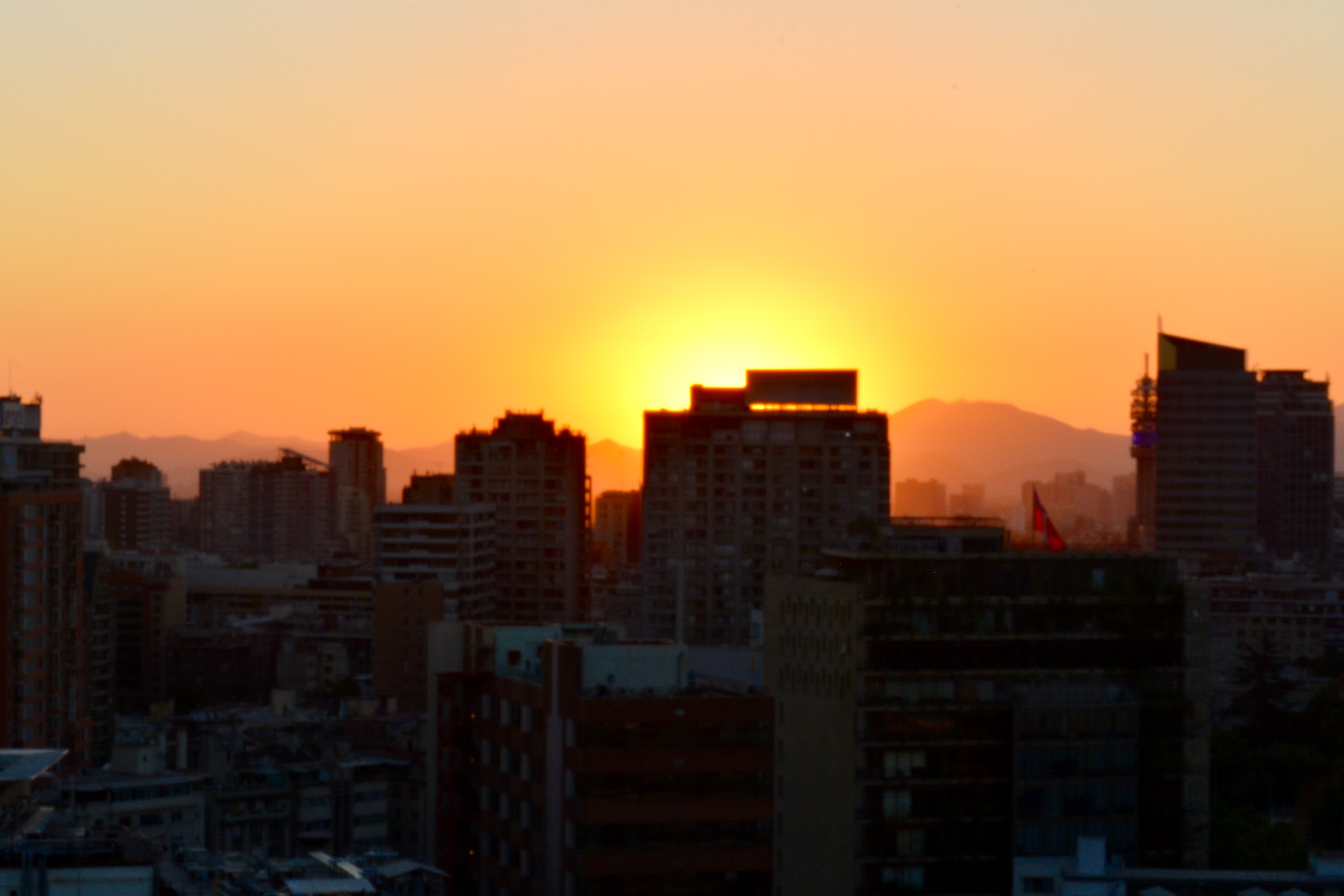
Chileno’s are warm and friendly people and we were very lucky to rent an apartment close to el centro that kept all four of us together. It was high up on the fourteenth floor and we a great view.

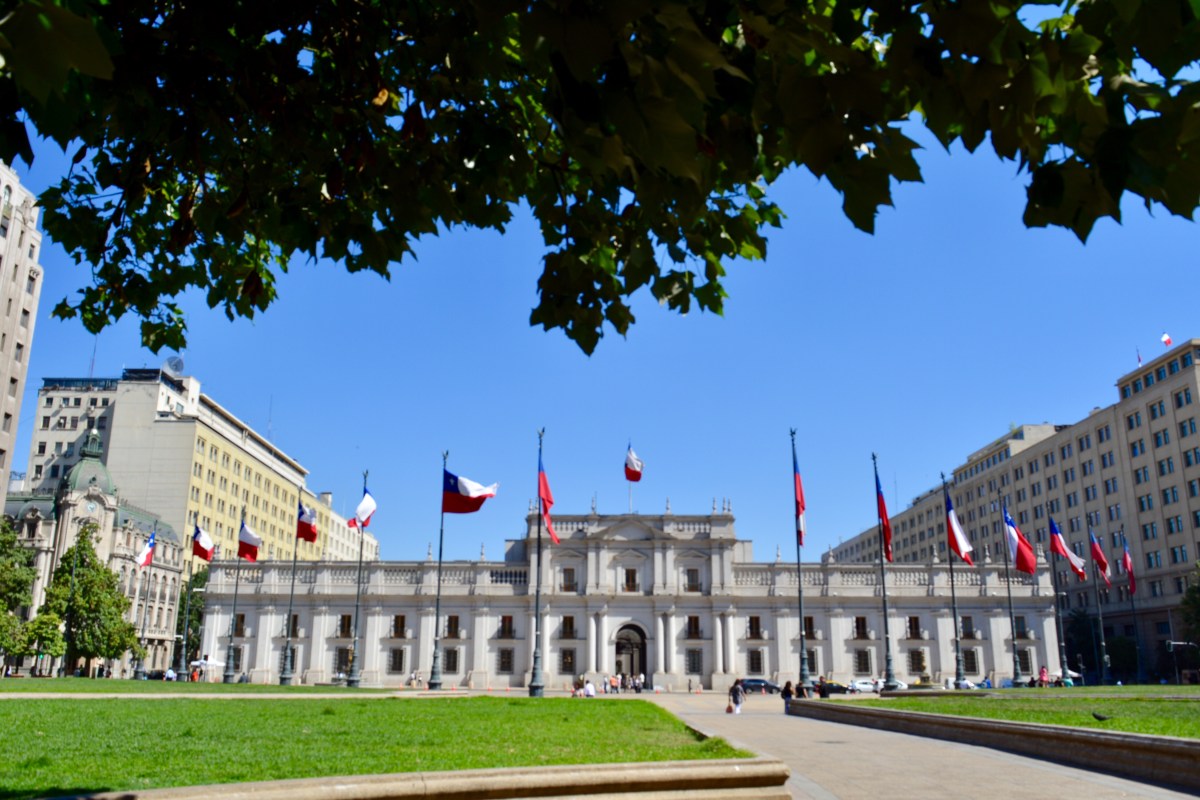
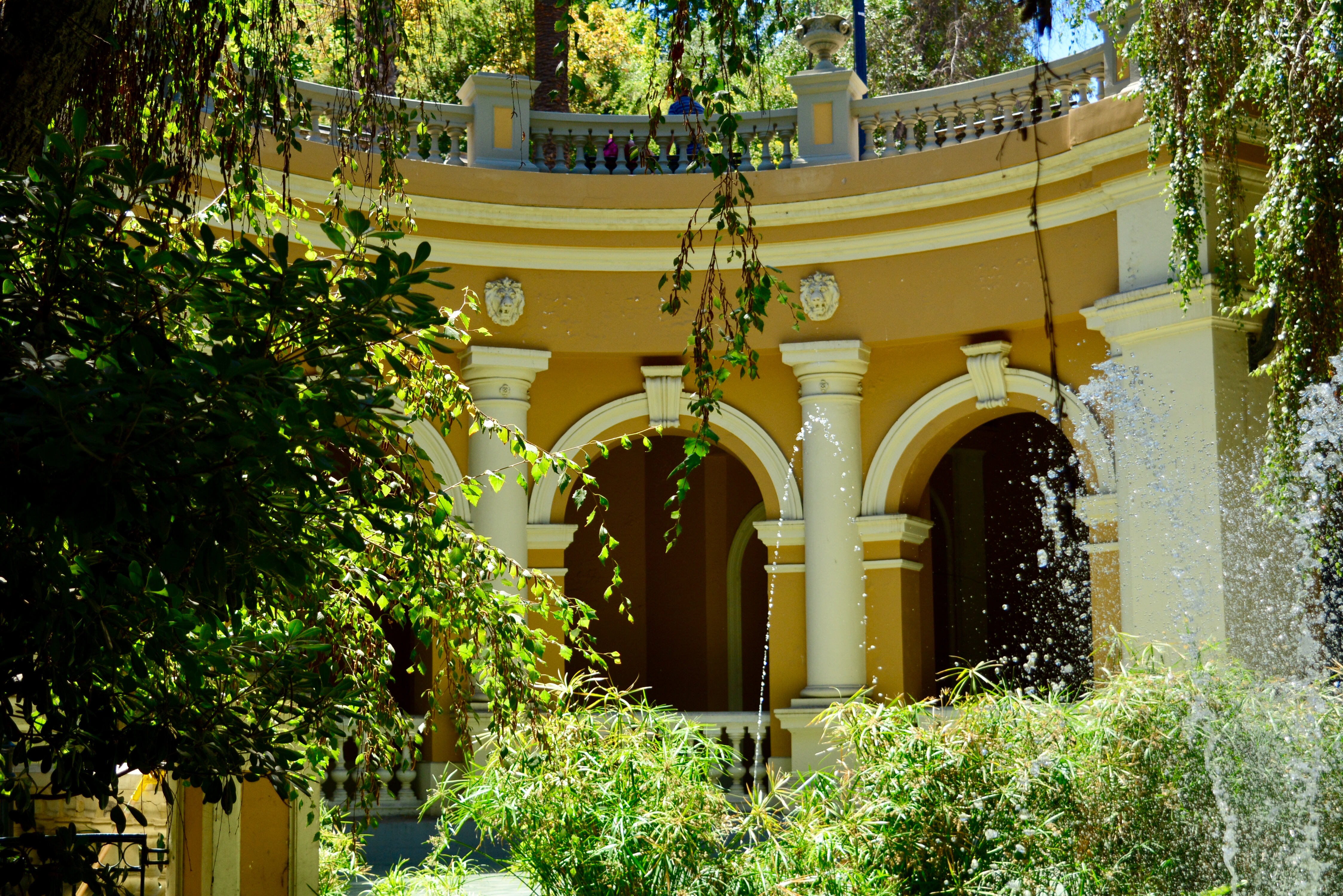
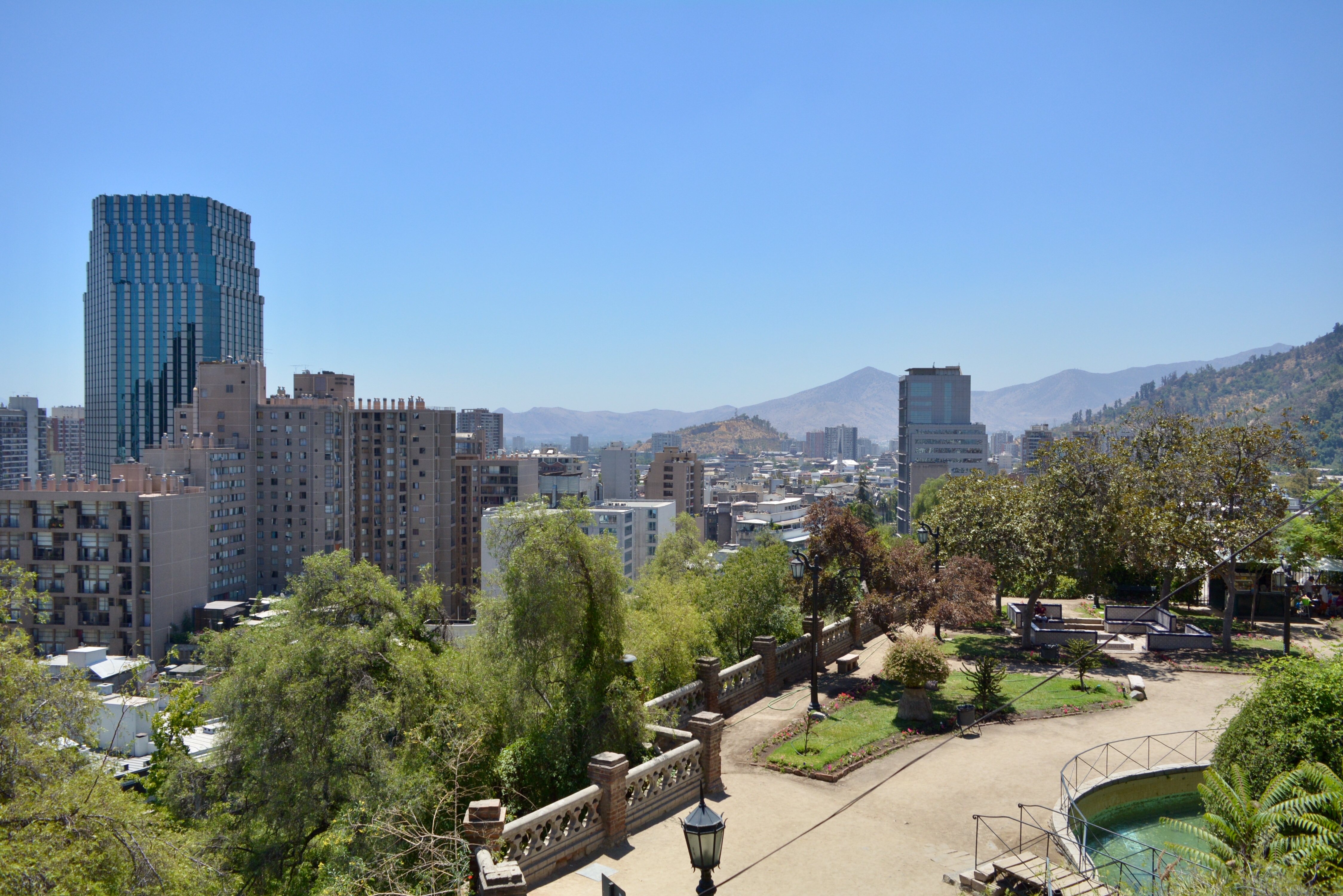
Altogether we had four days for wandering around and hitting the highlights including Santa Lucía park. A bit of a climb to the top but well worth the effort for the views. Santiago is easy to explore, a good guide book, google maps on your phone and maps from local tourist booths point the way to the main attractions.

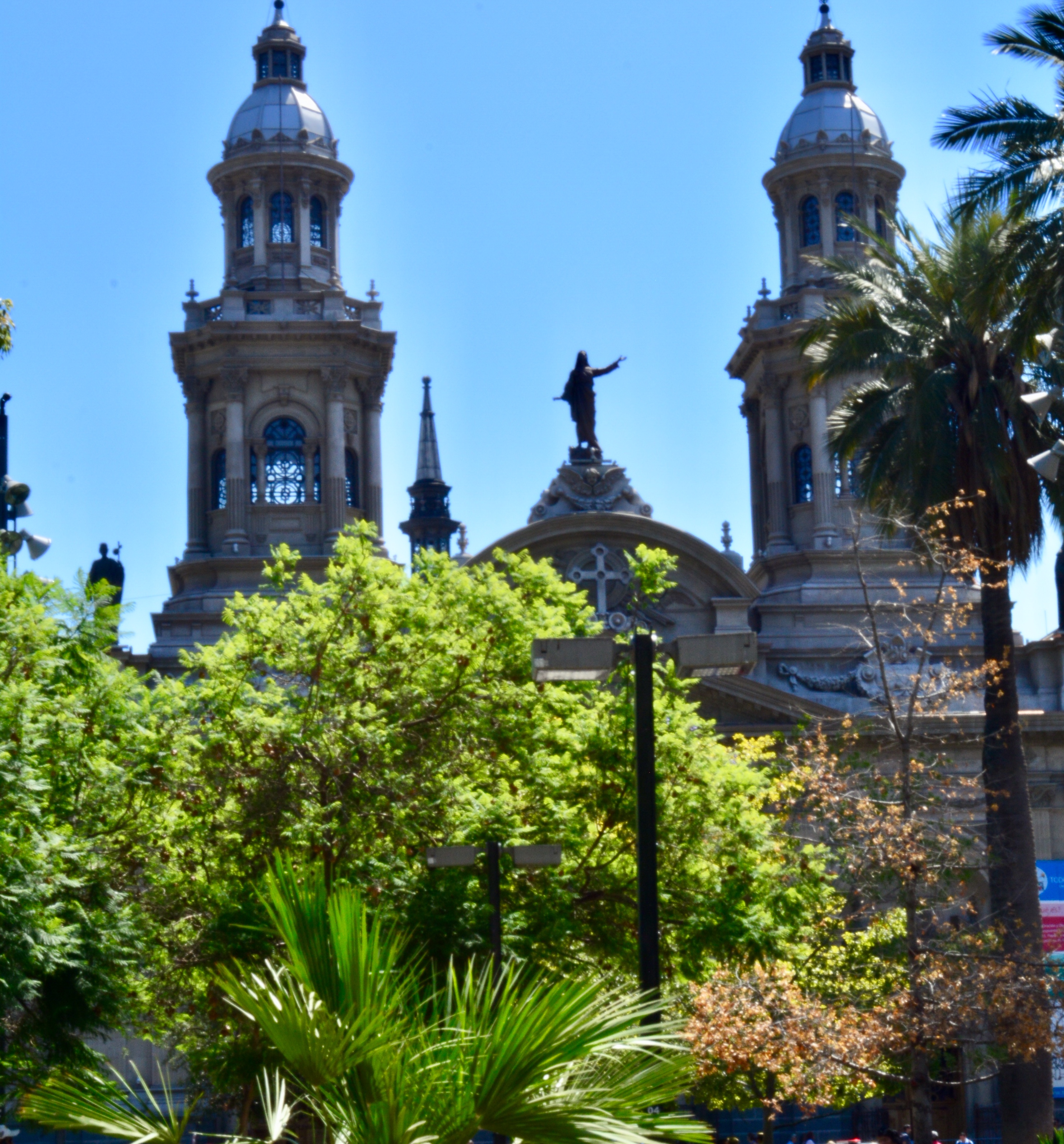
Santiago like other South American cities has been rebuilt many times after devastating earthquakes and so it is a jumble of architectural styles depending on the era, the amount of rebuilding needed and the economía of the day. The oldest building we saw was the Iglesia San Francisco which dates back to the 16th century….a while ago.

I was in Santiago briefly in 2006 or so on my way to Valparaiso to catch a cruise ship bound for Antártica. At that time I had very little time to “see” Santiago so was happy to have a longer stay this time. We weren’t able to see as much as we wanted but we have one more day as we exit South America and return to Mexico.

Food in Santiago was very good and like many places in the world restaurants are using local ingredients to prepare innovative and traditional dishes. Chile is of course no slouch when it comes to wine and we had our share of very good ones. There are lots of wine tours available we did all of our tasting with meals or relaxing in our apartment after a busy day of sightseeing. Fish and shellfish were great as were the asados (barbque) and emanadas, although my friends from Mexico felt that the food lacked spice but they carried small bottles of chile sauce to pica the food.
Our plan is to see the central part of Chile first from the Pacific to the Andes, so after leaving Santiago we took the bus to Valparaiso, a coastal port town.