Columbia – Isla San Andres

Who knew there was a beautiful island 700kms off the coast of Cartagena that is a special zona for Colombia. Although it is closer to Nicaragua than anywhere else the inhabitants opted to remain with Colombia when given a choice. As a result it has become a duty free holiday haven for Colombians and so is the Hawaii of the Colombian people.

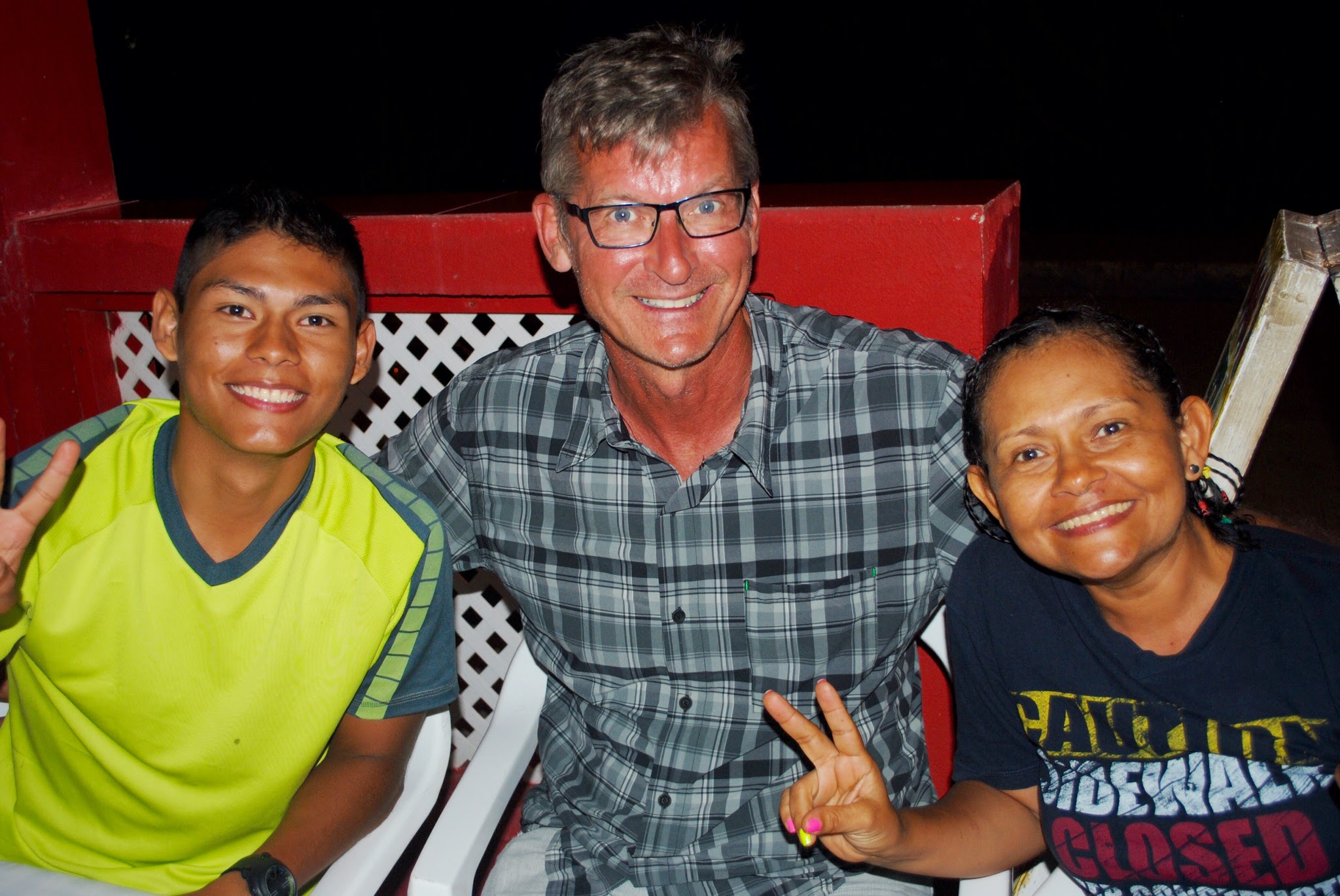
After rejecting the idea of sailing to Colon, Panama from Cartagena we opted to fly to the Isla San Andres, stay a few days and then fly on to Panama City. As we have wanted to do on this trip we stayed in a private home with private rooms for rent, giving us an opportunity to see how the locals live and to use our Spanish. Our first two nights were spent with an interesting woman, Vicentia, who spoke English, Creole and Spanish. At her home we met a woman and son travelling from southern Colombia, from a city close to the Amazon basin. She is a doctor and her eighteen year old son wants to be a veterinarian. It was fun getting to know them, but sadly she was robbed of some cash while at a resort so we took them out to dinner to cheer them up. Doctors don’t make much money in Columbia.

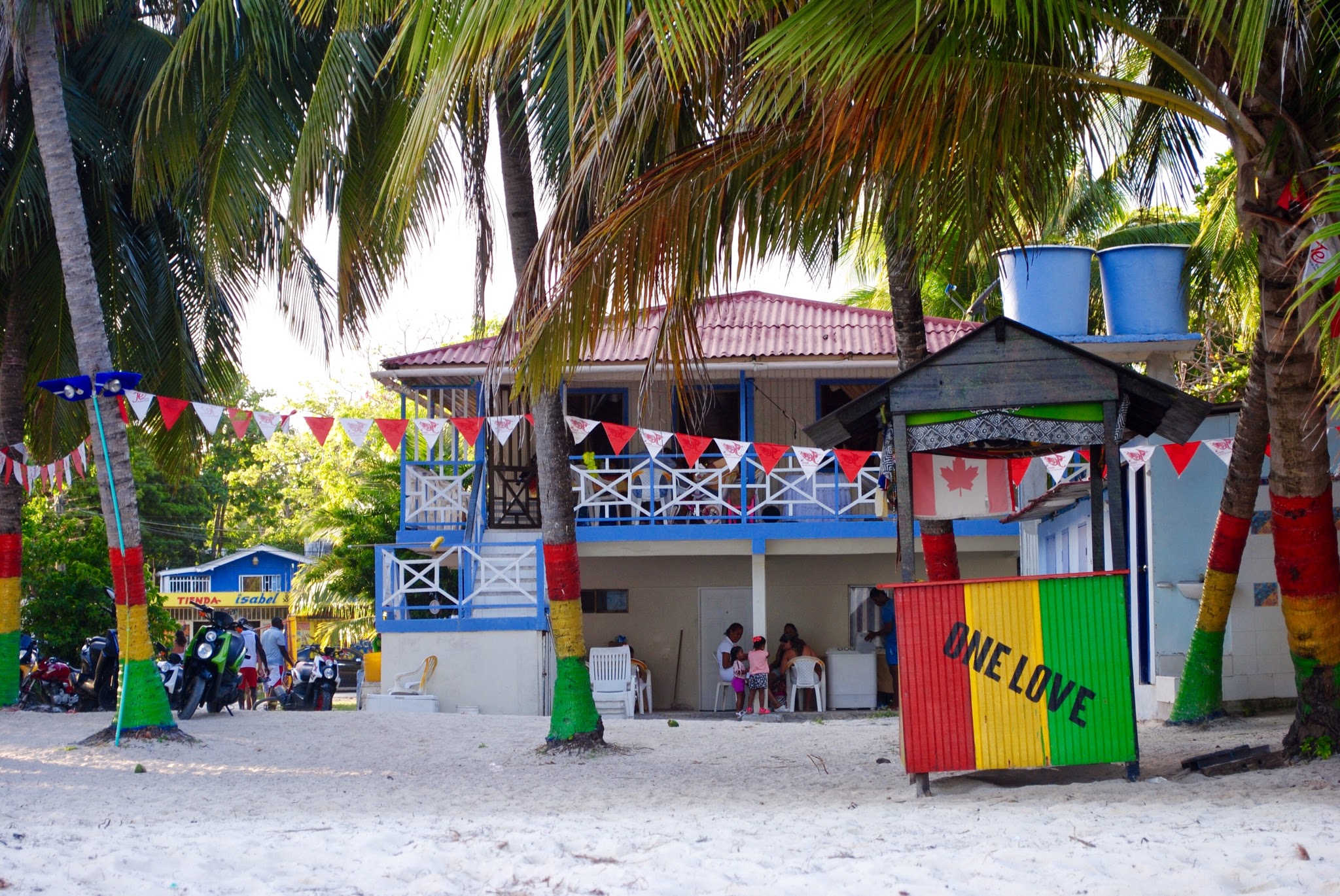
We moved to the casa of Joyce and Margie for the remaining four nights and although cheaper had a nicer setting and more security, than at Vicentias. Margie is the grandmother of the resident family and is very sociable. Our first night there she got out the wine and we all got to know each other. A young couple from Chile were the other guests and they joined in the fun. I managed to sneak off to bed at a reasonable hour, but poor Tom couldn’t escape until 1:00 AM.

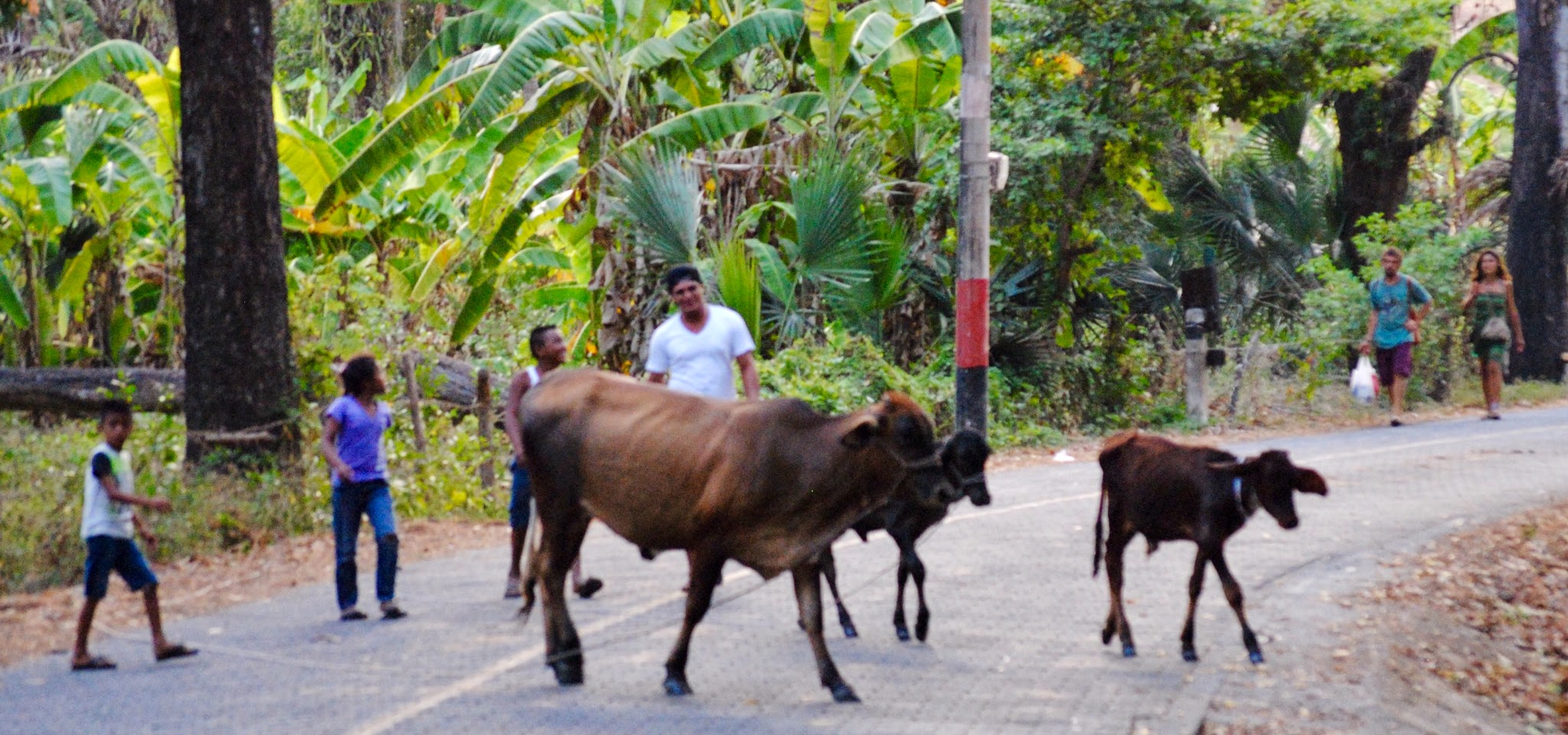
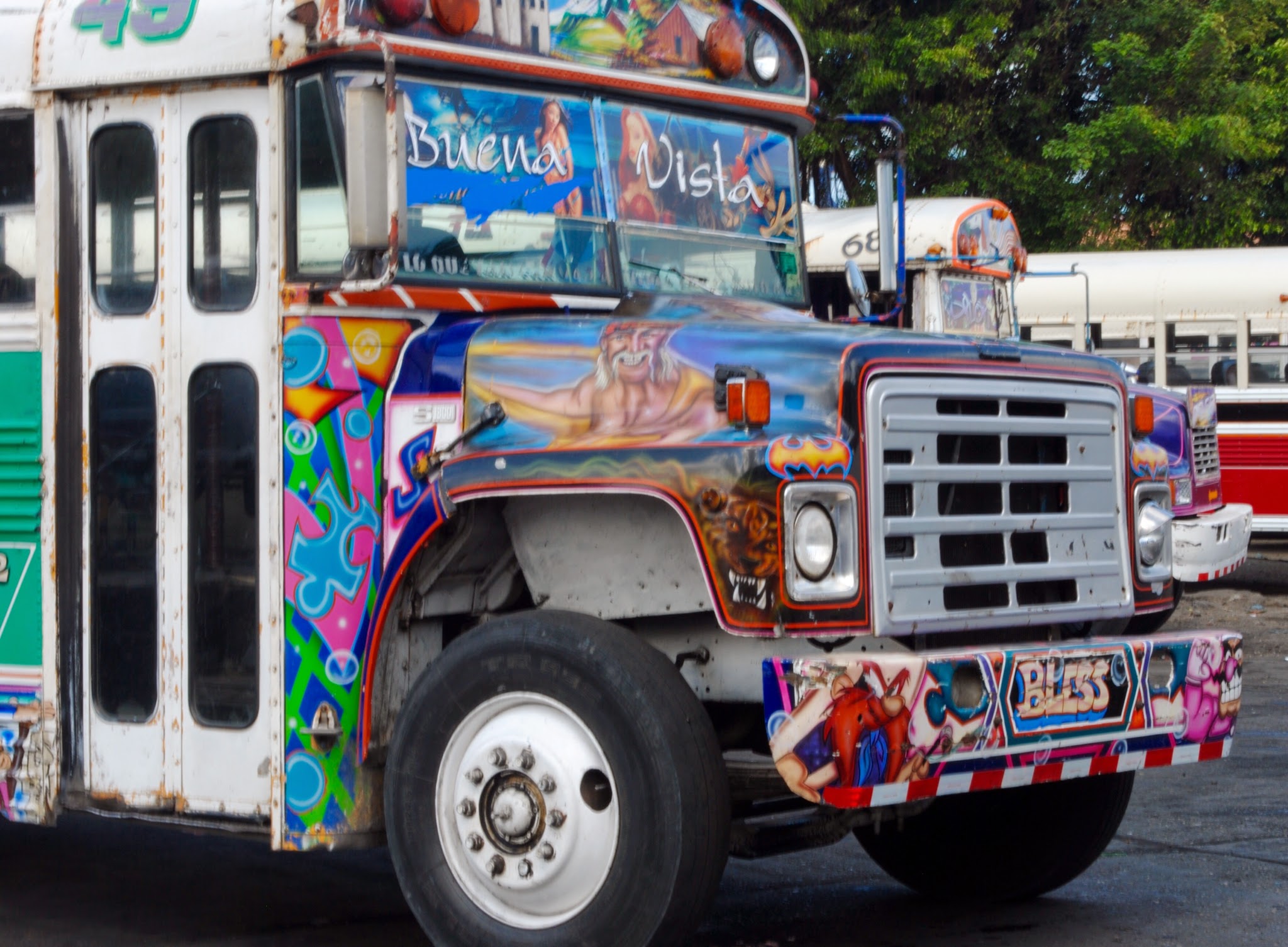
Plenty to do and see on Isla San Andres and the cheapest way to see the island is to just get on the bus and ride it around the island. Some of the rickety buses cross over from one side of the island to the other climbing a steep hill before descending to the other side. The buses are generally packed and getting a seat can be a challenge but the views are spectacular and you get to rub shoulders with locals who for the most are decendants of African slaves, Spaniards and Indigenous people.

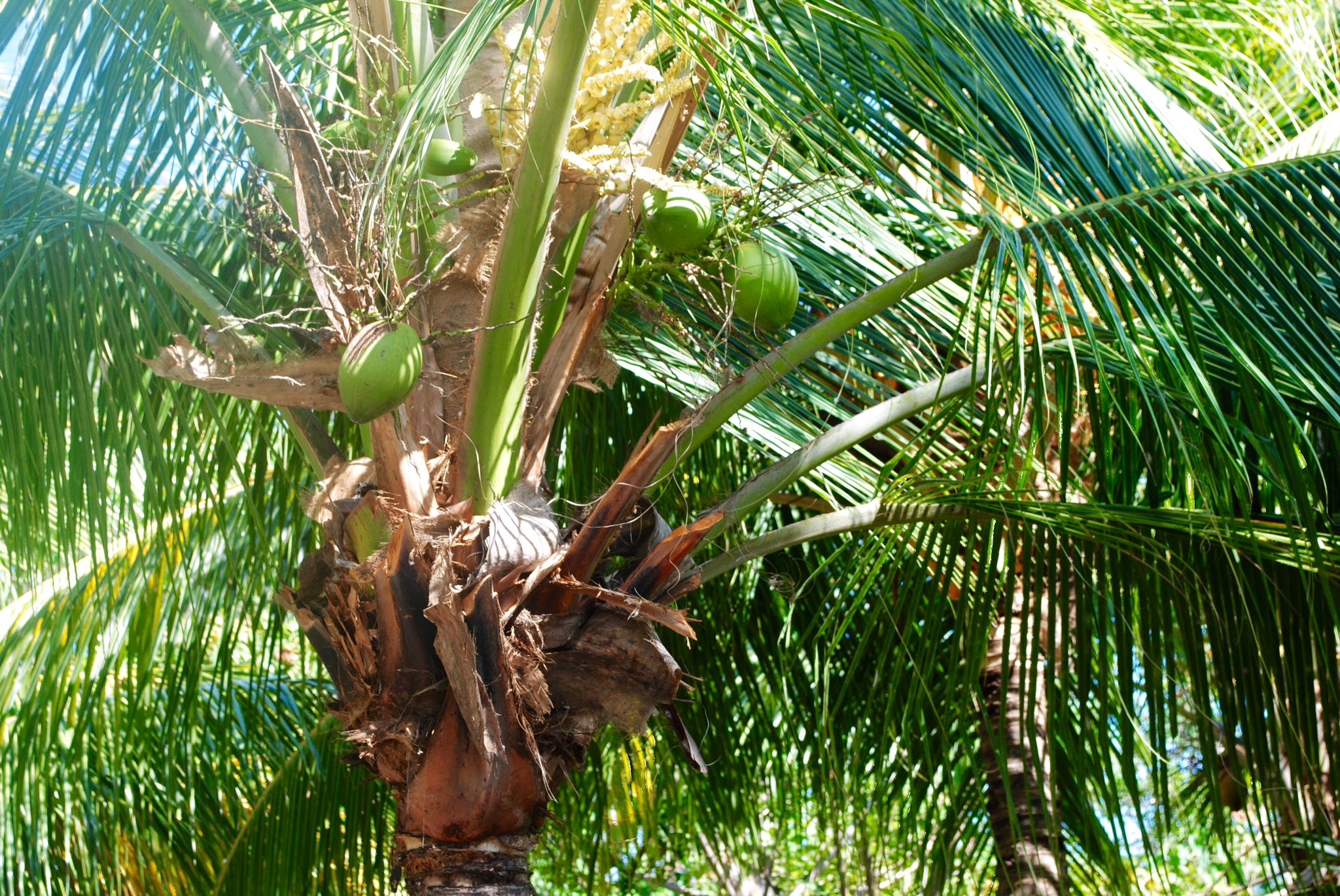
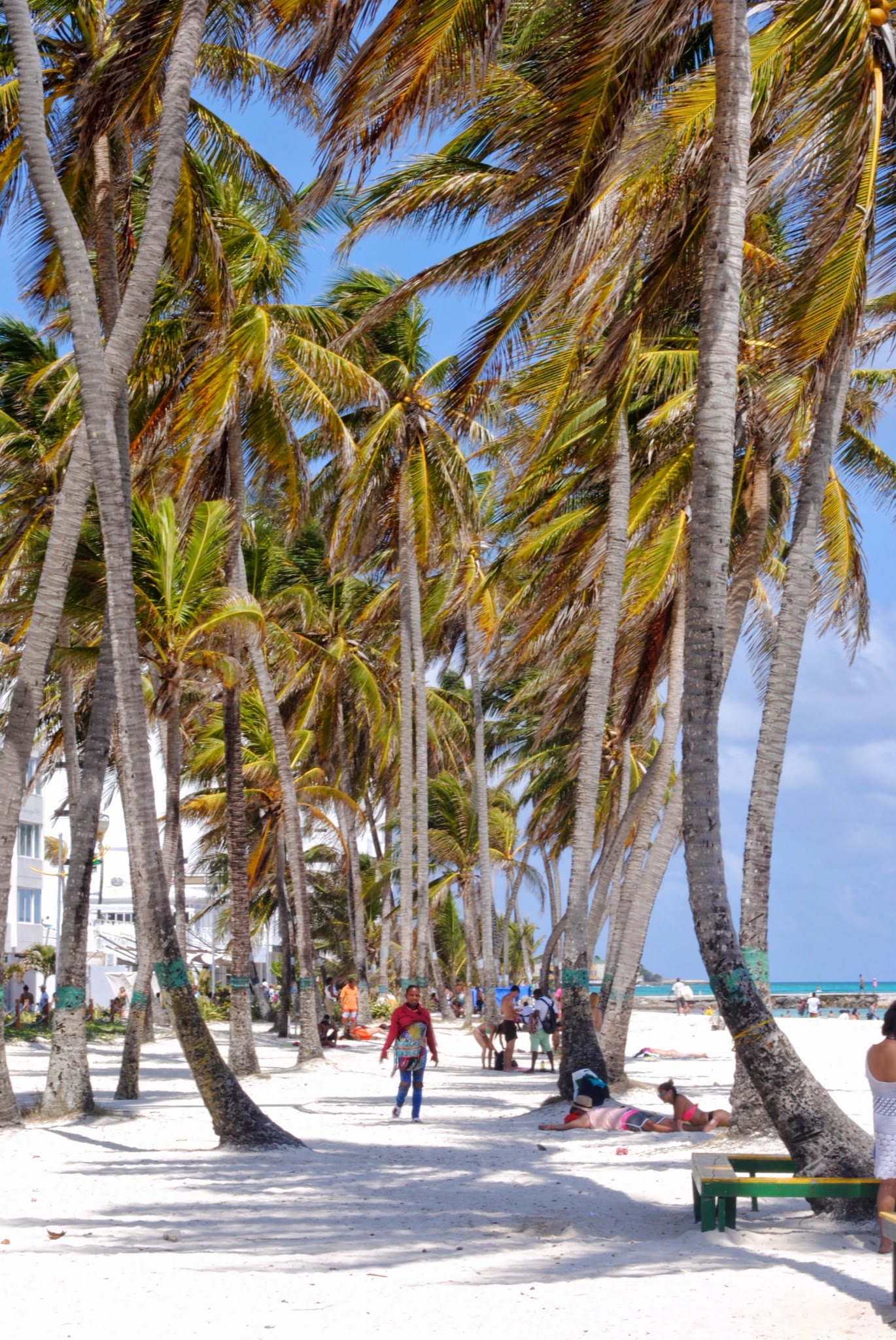
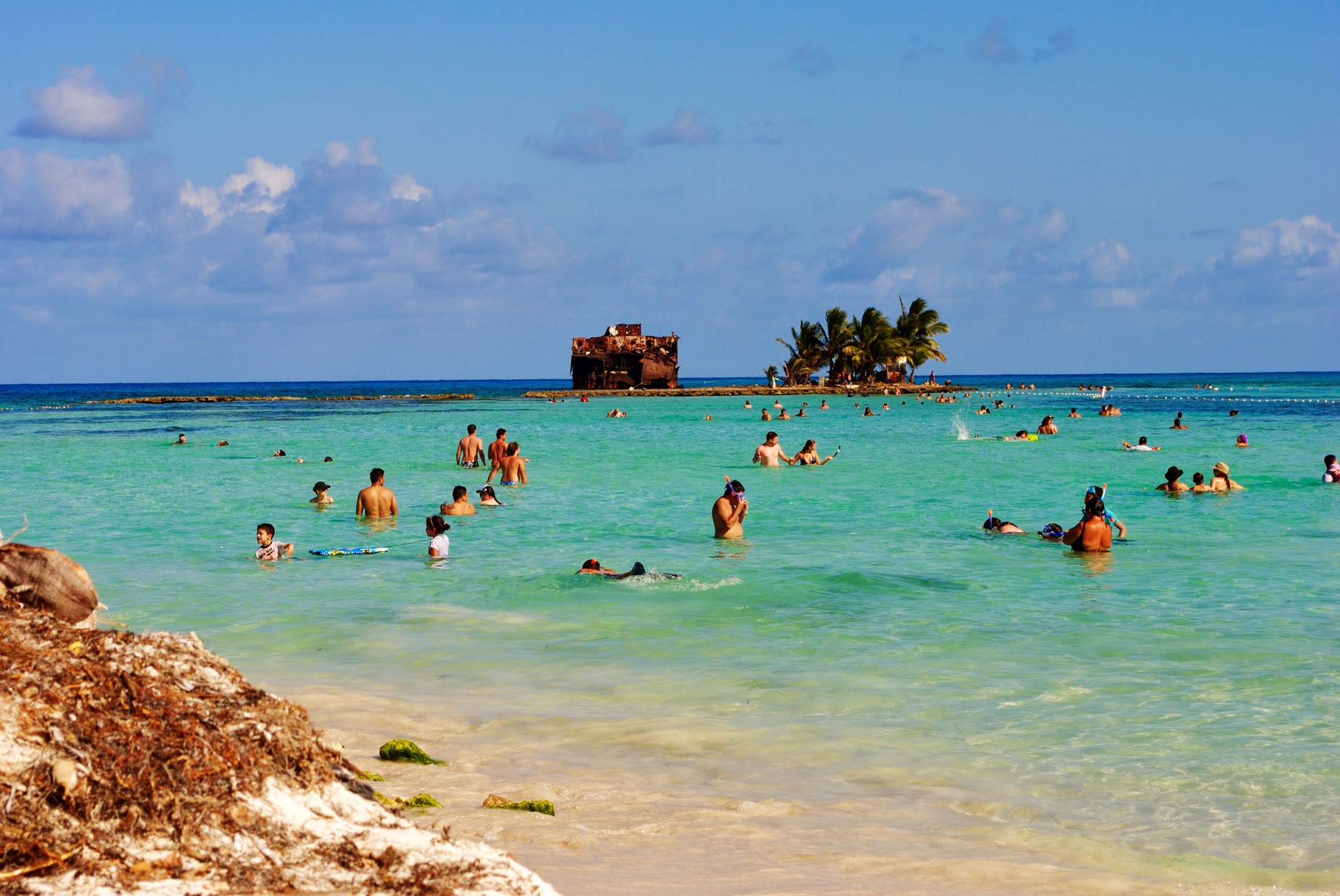
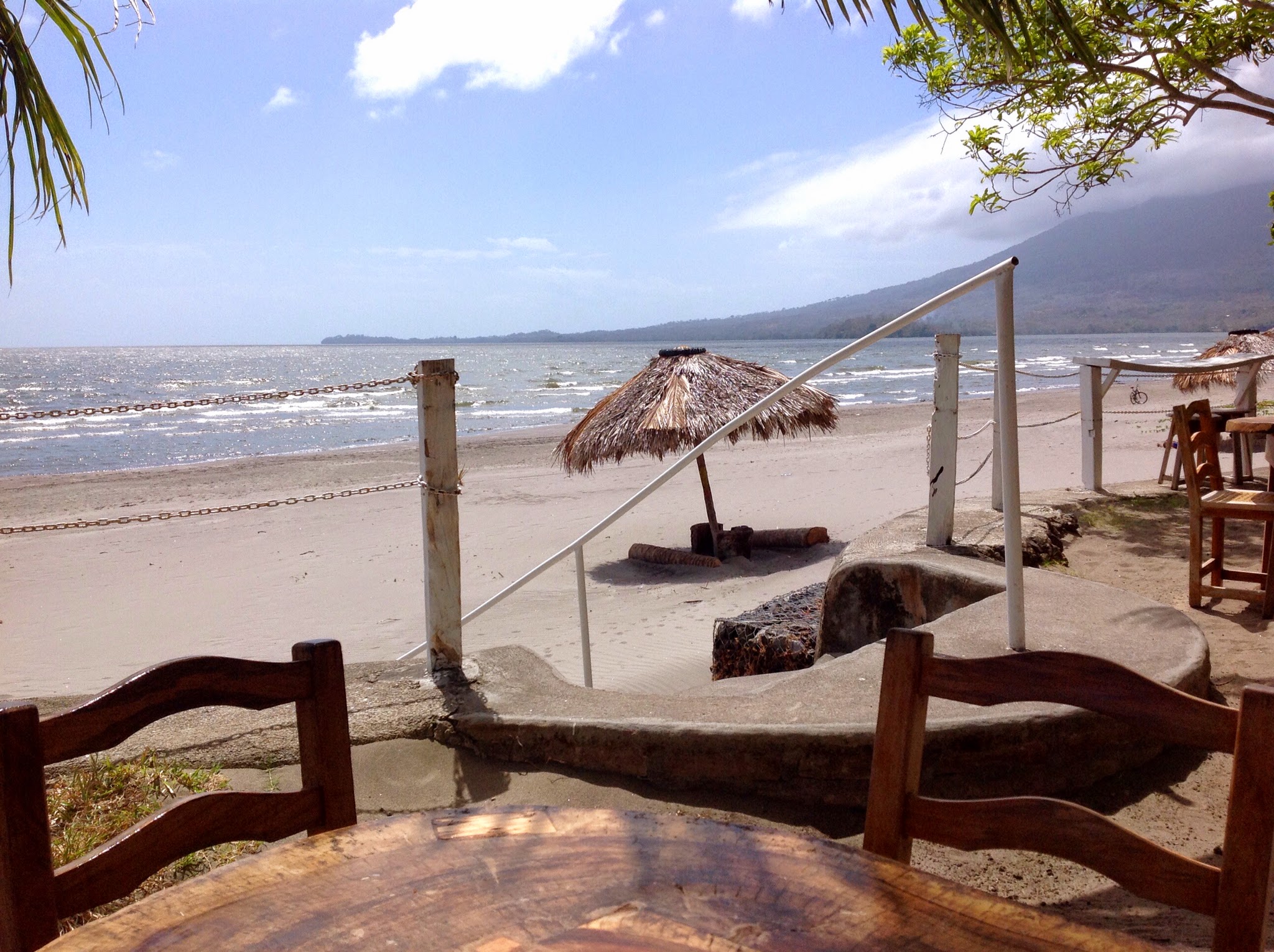
Just off shore are Cays, pronounced Kee’s by the locals and for a price you are taken in launches to these tiny islets where you snorkel and swim, enoy lunch and drinks, and lay about in the sun under palm trees. Although it is very crowded there always seems to be a palm tree with your name on it and soon you have staked out your patch of sand and shade.

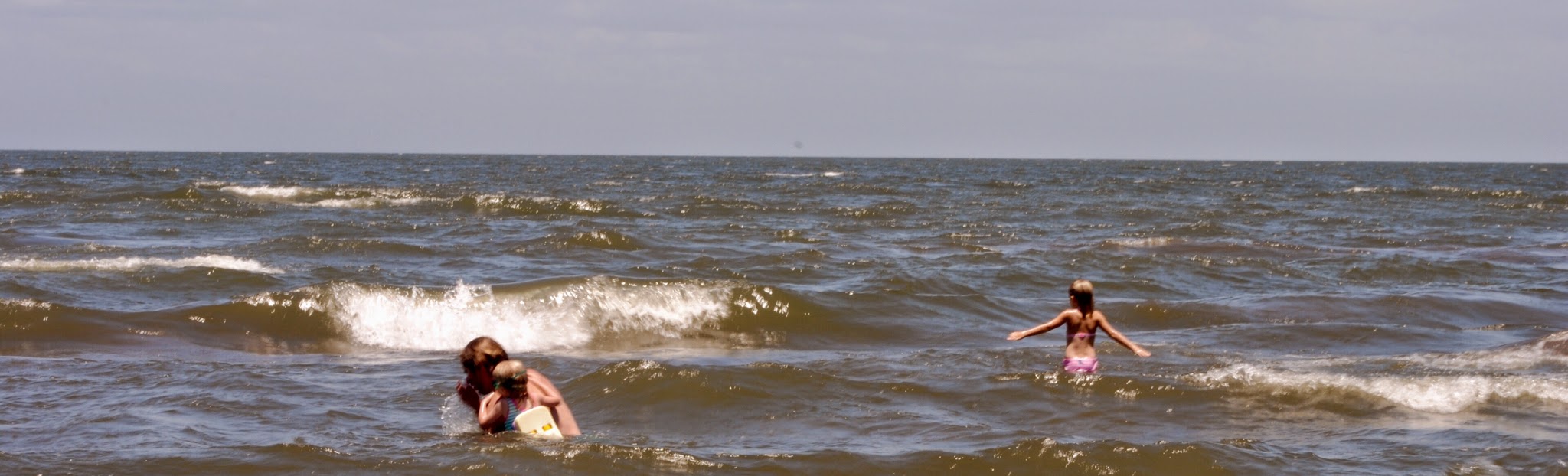
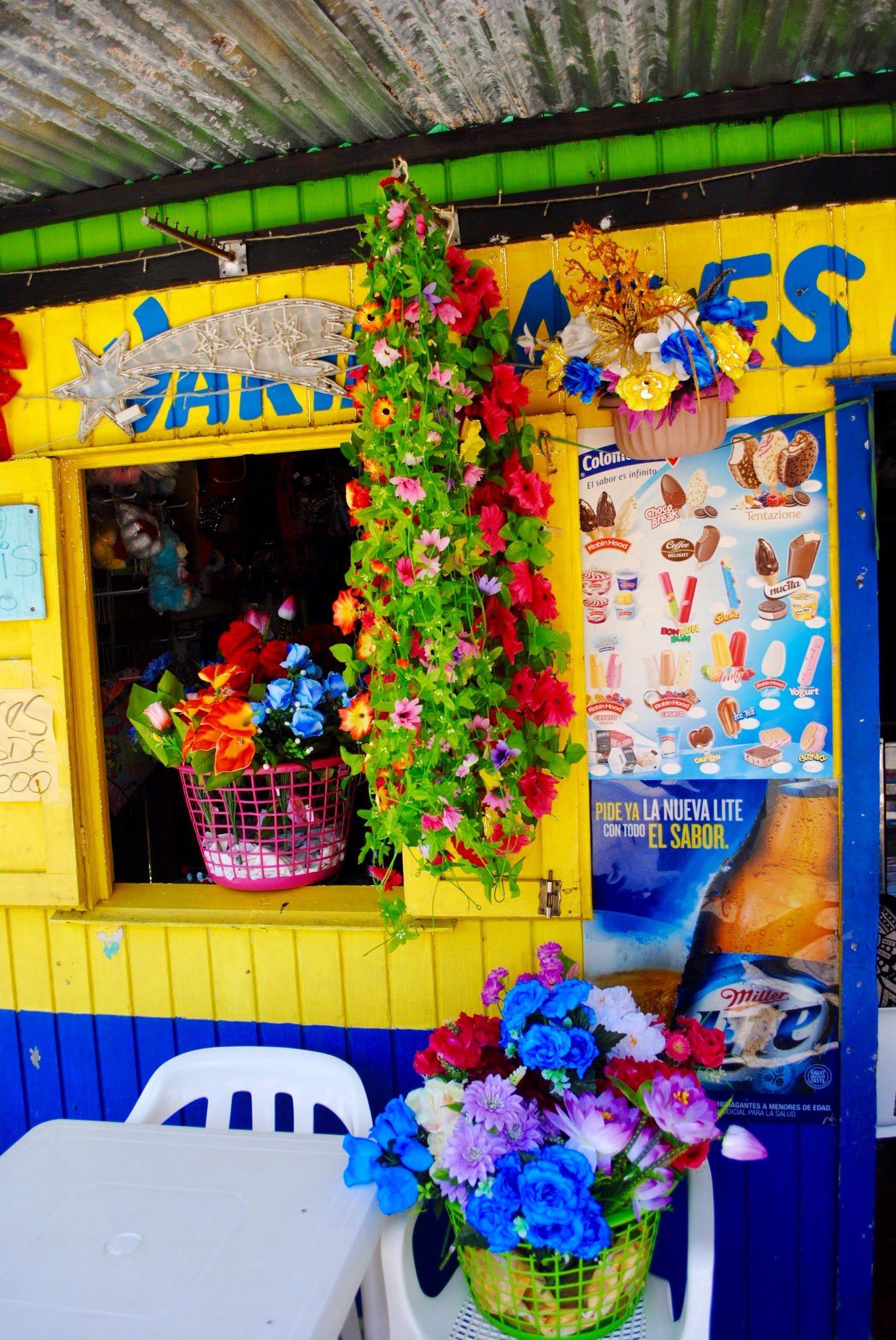
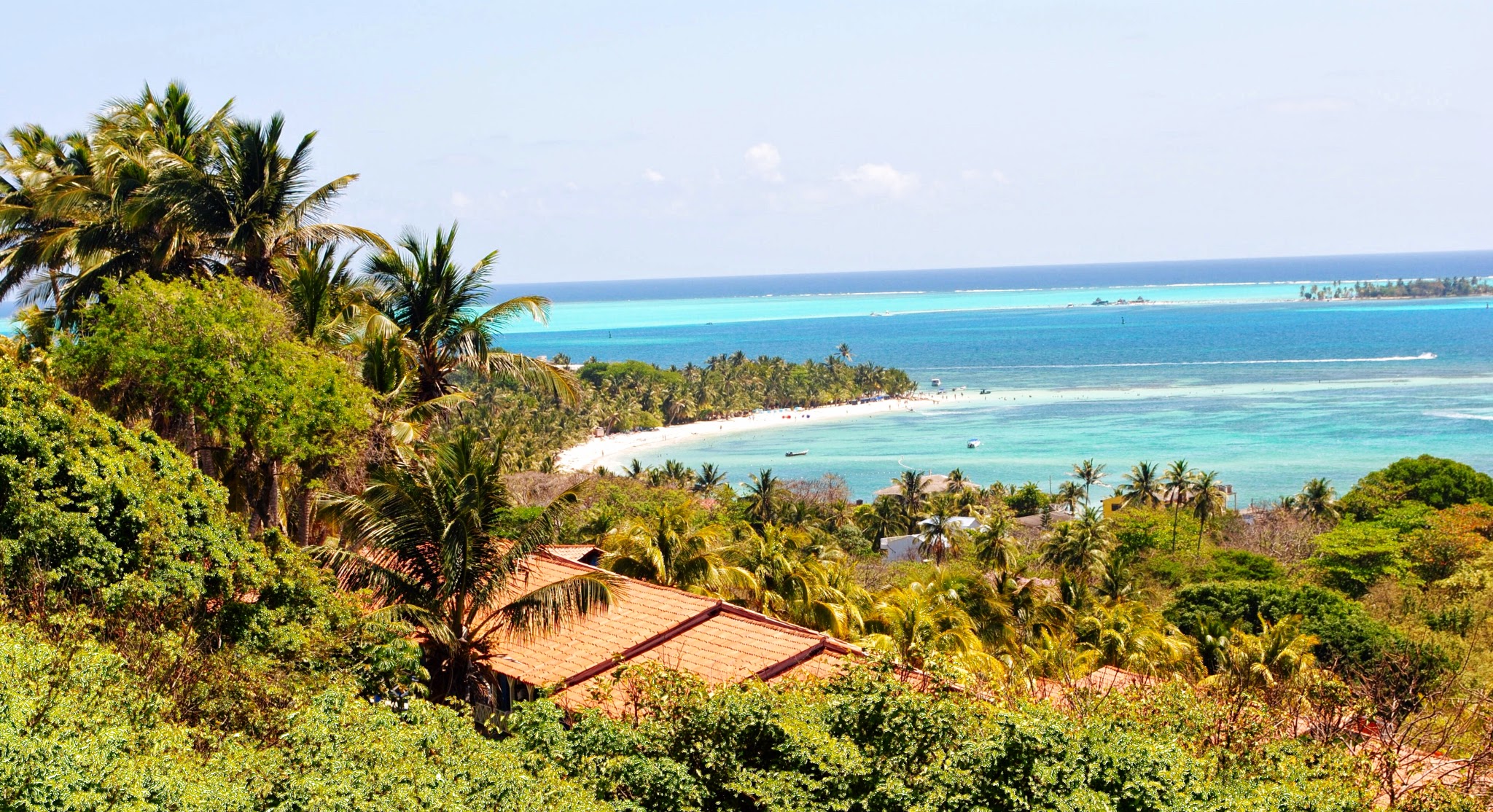
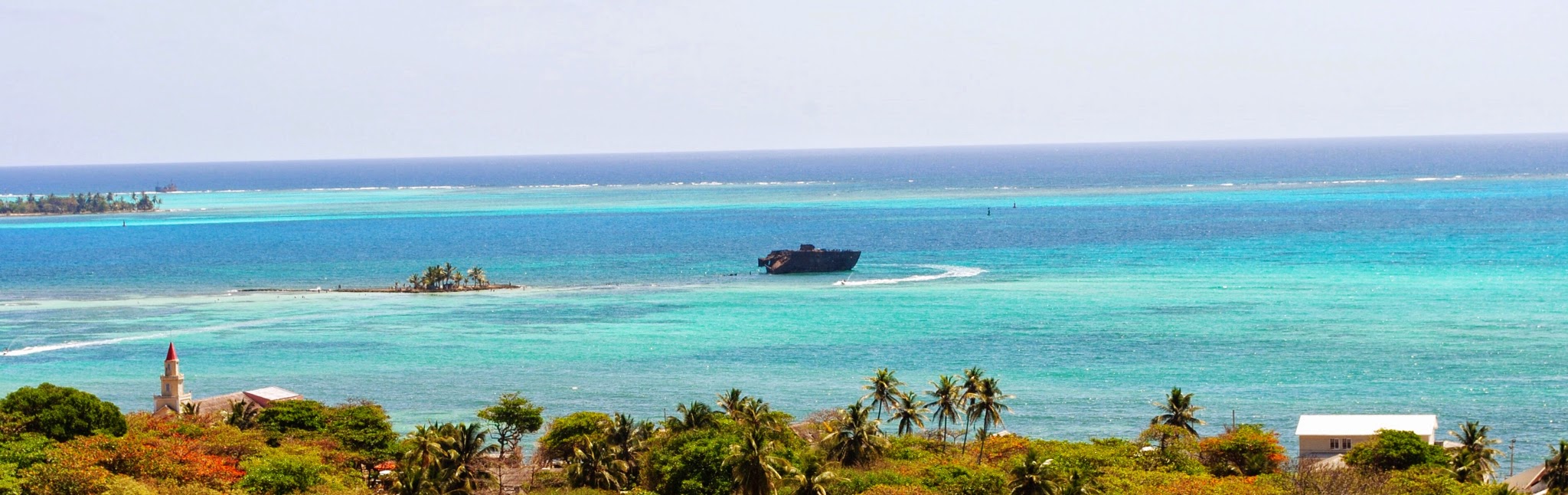
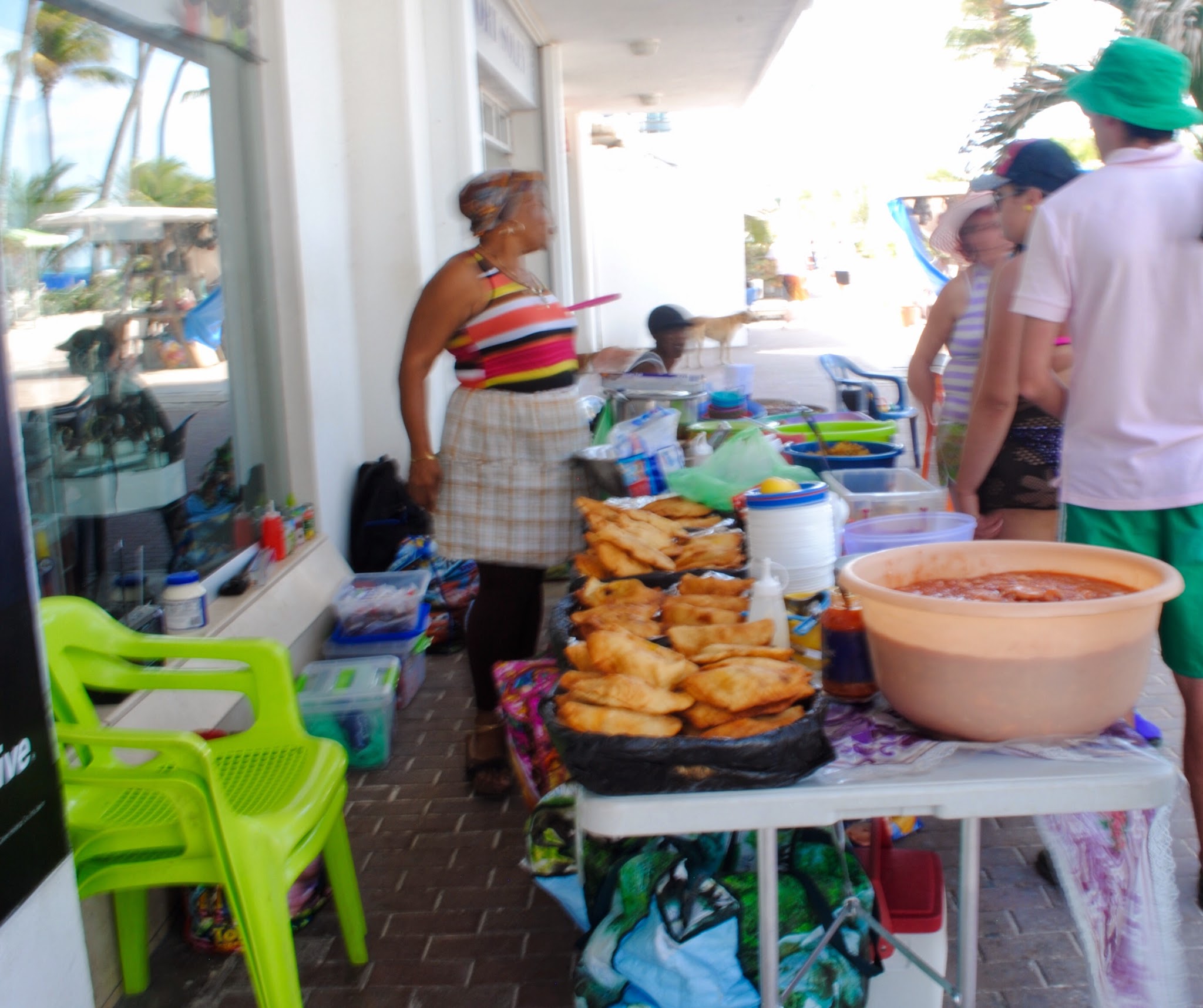
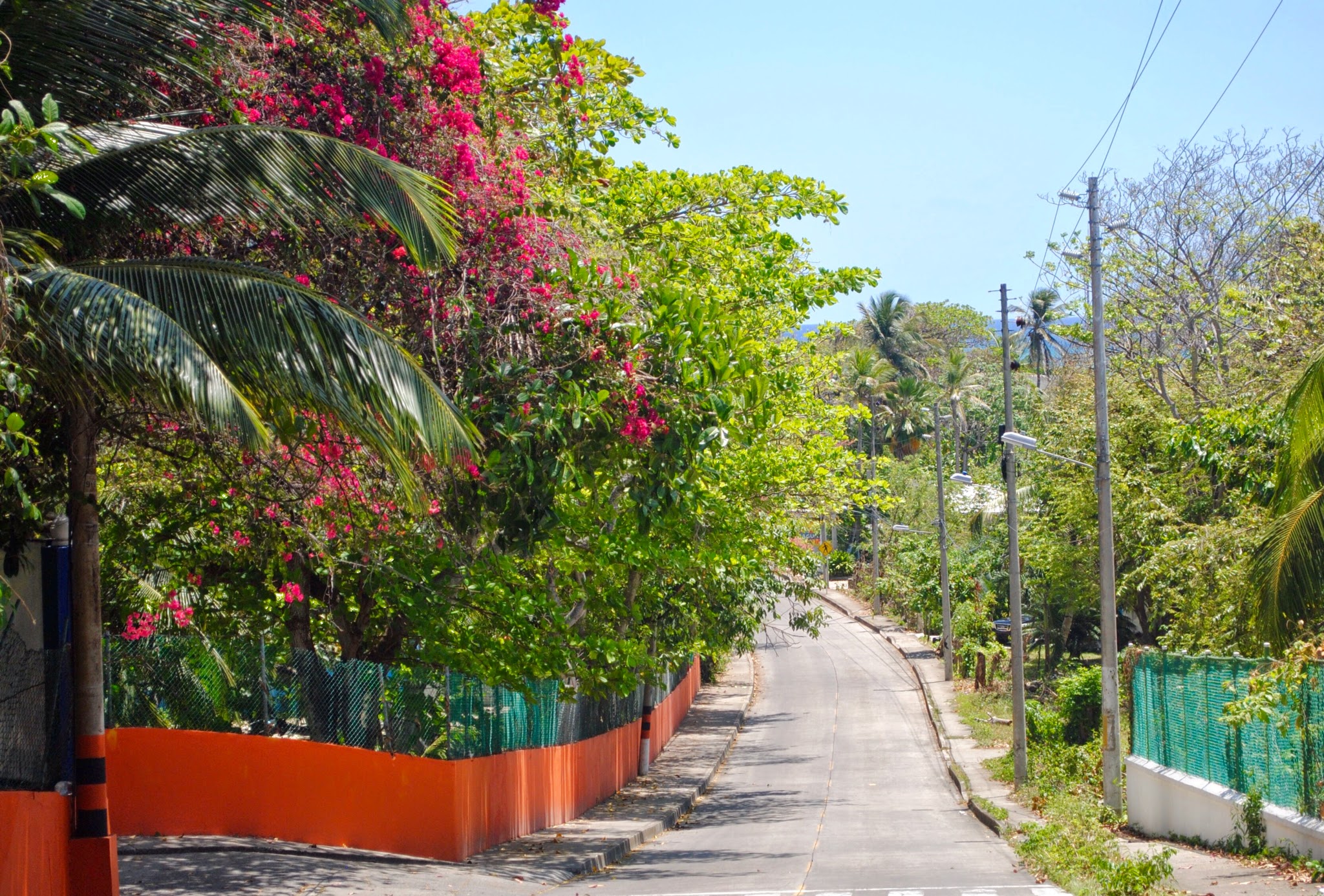
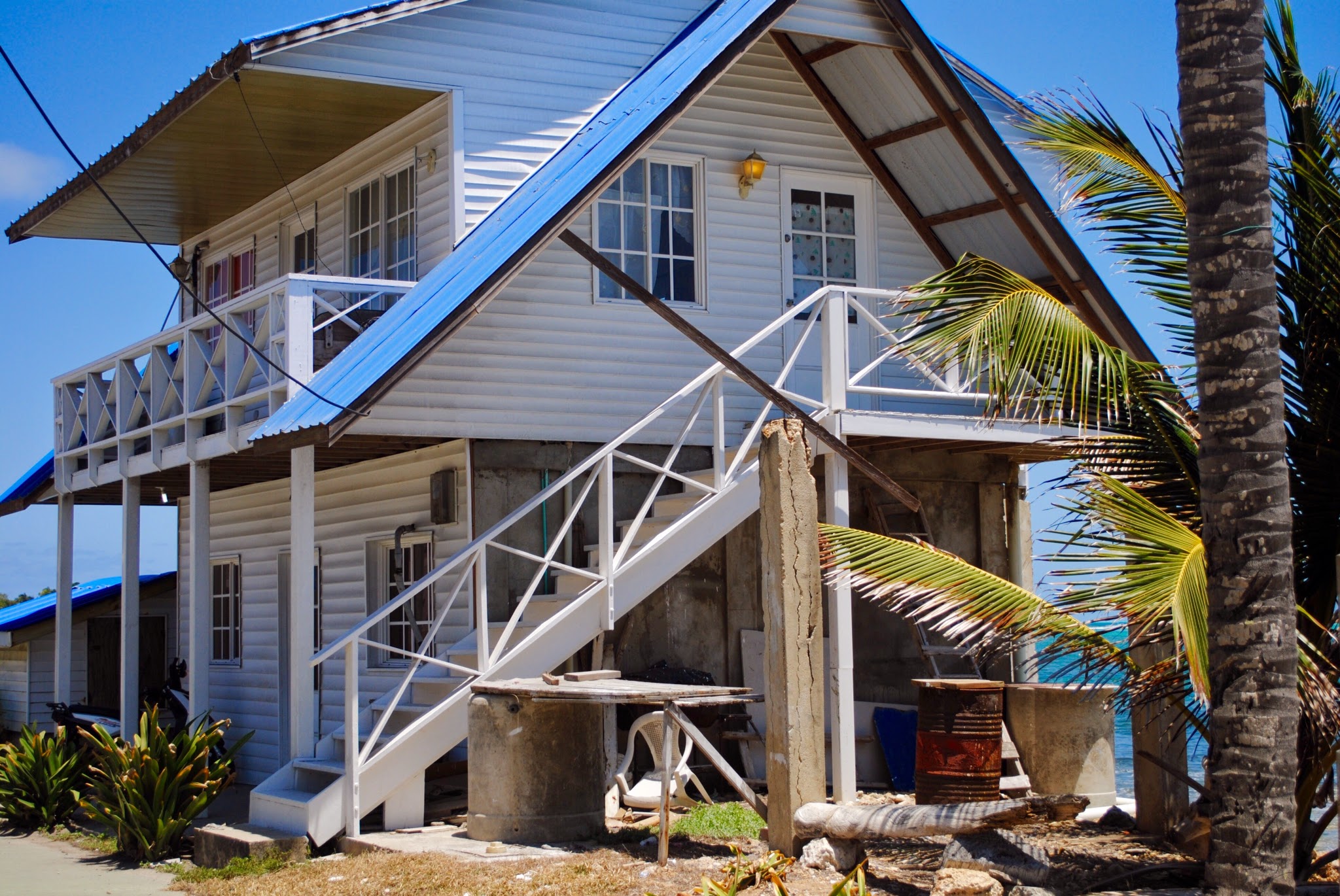
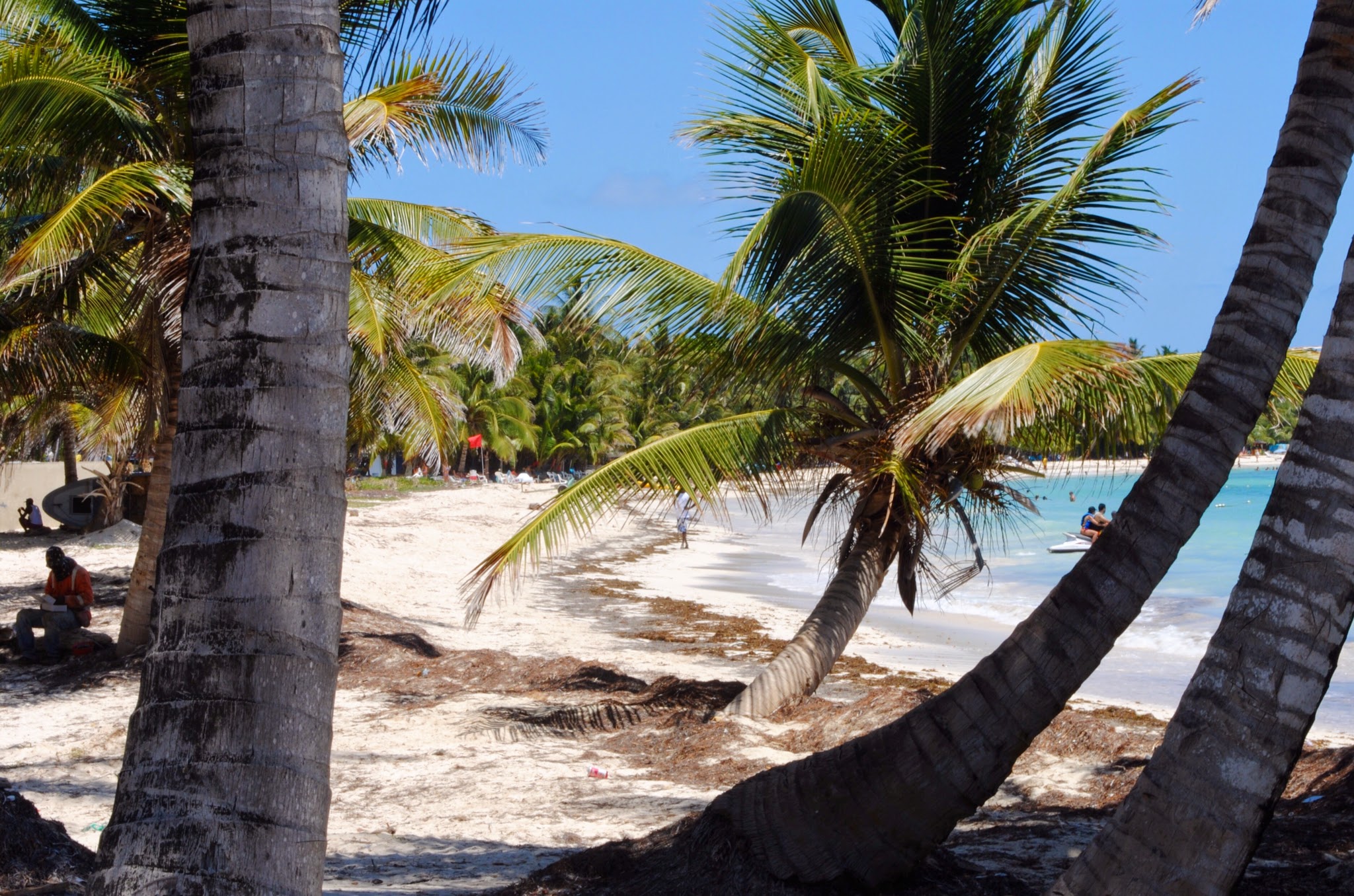
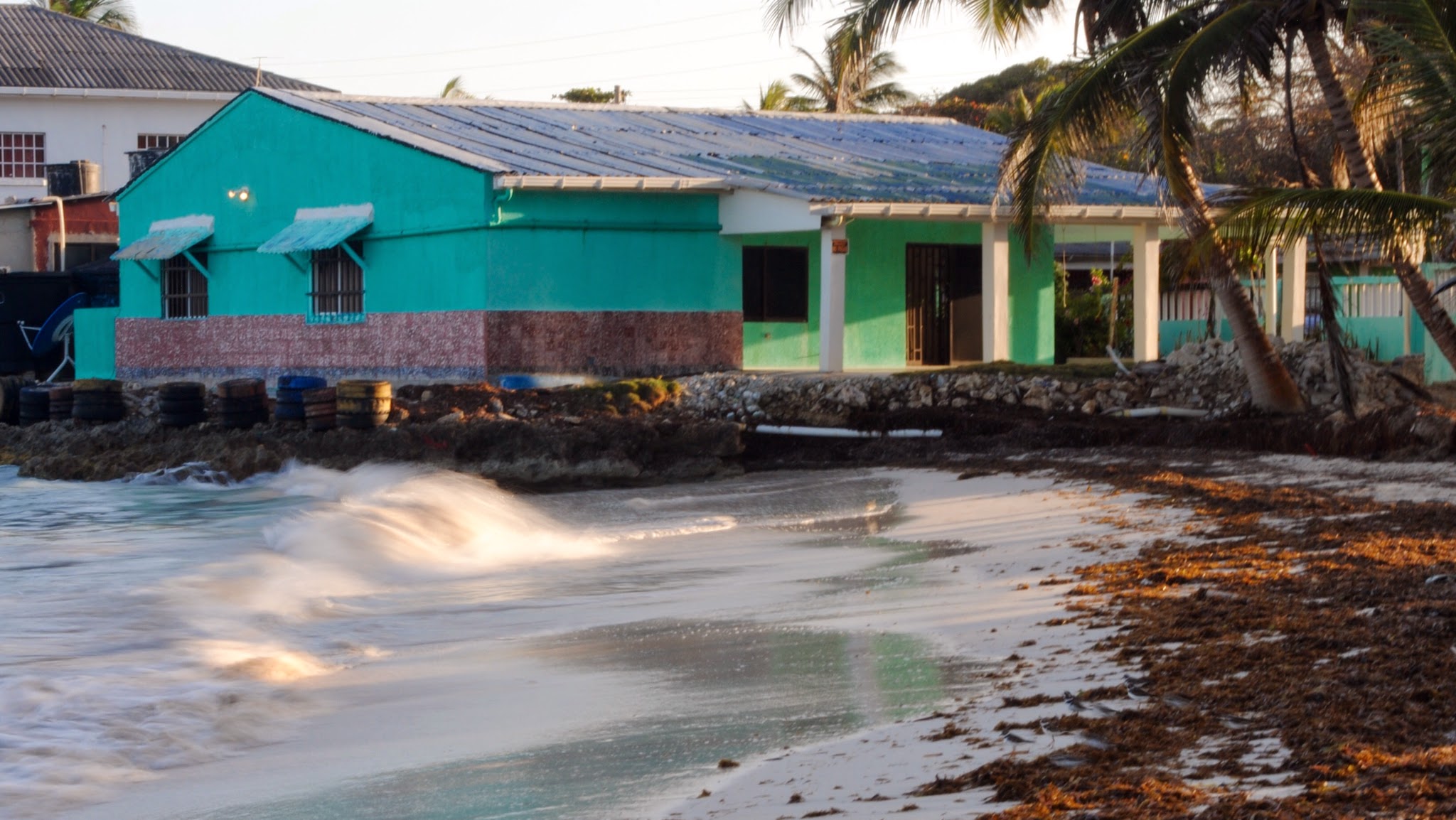
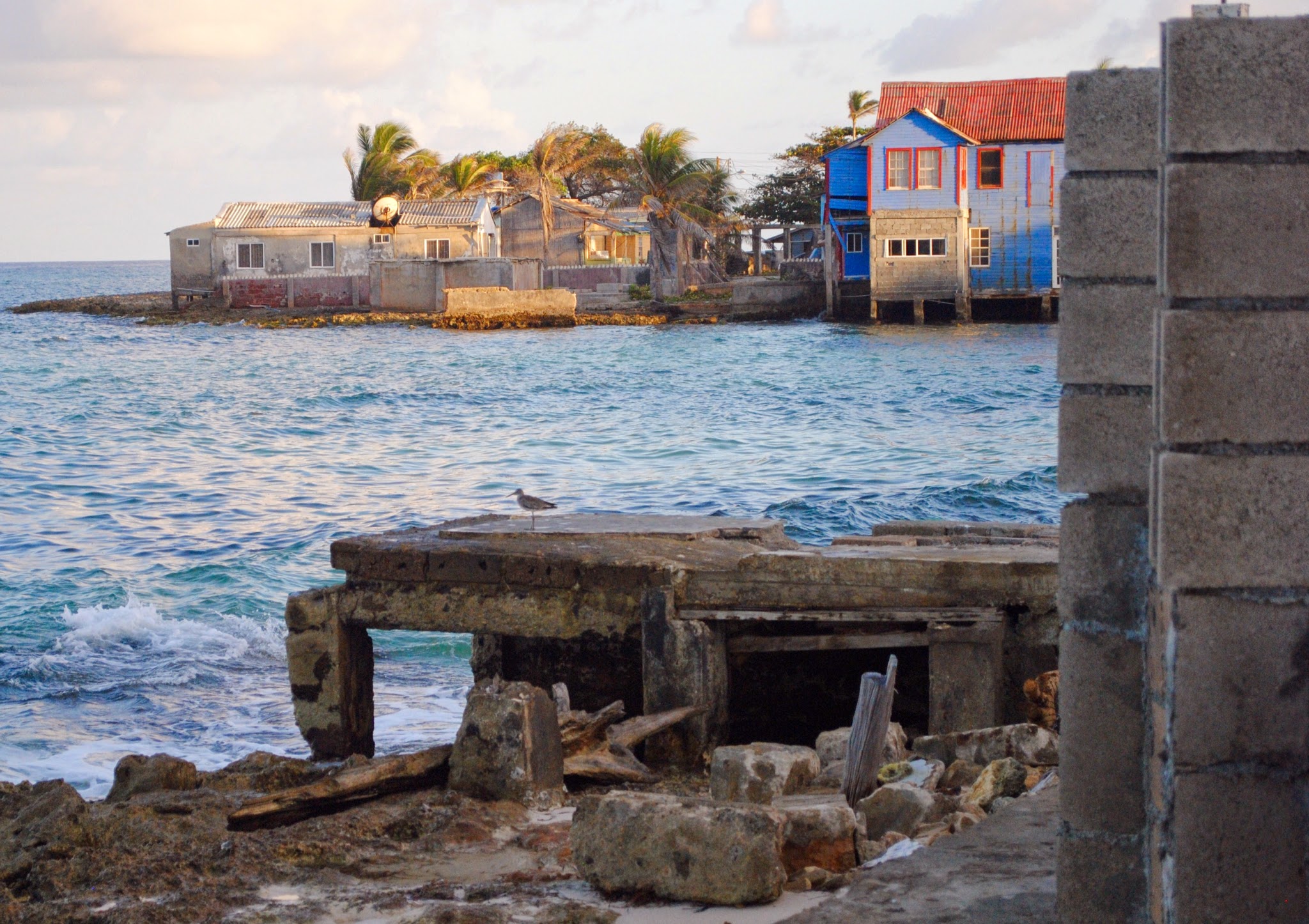
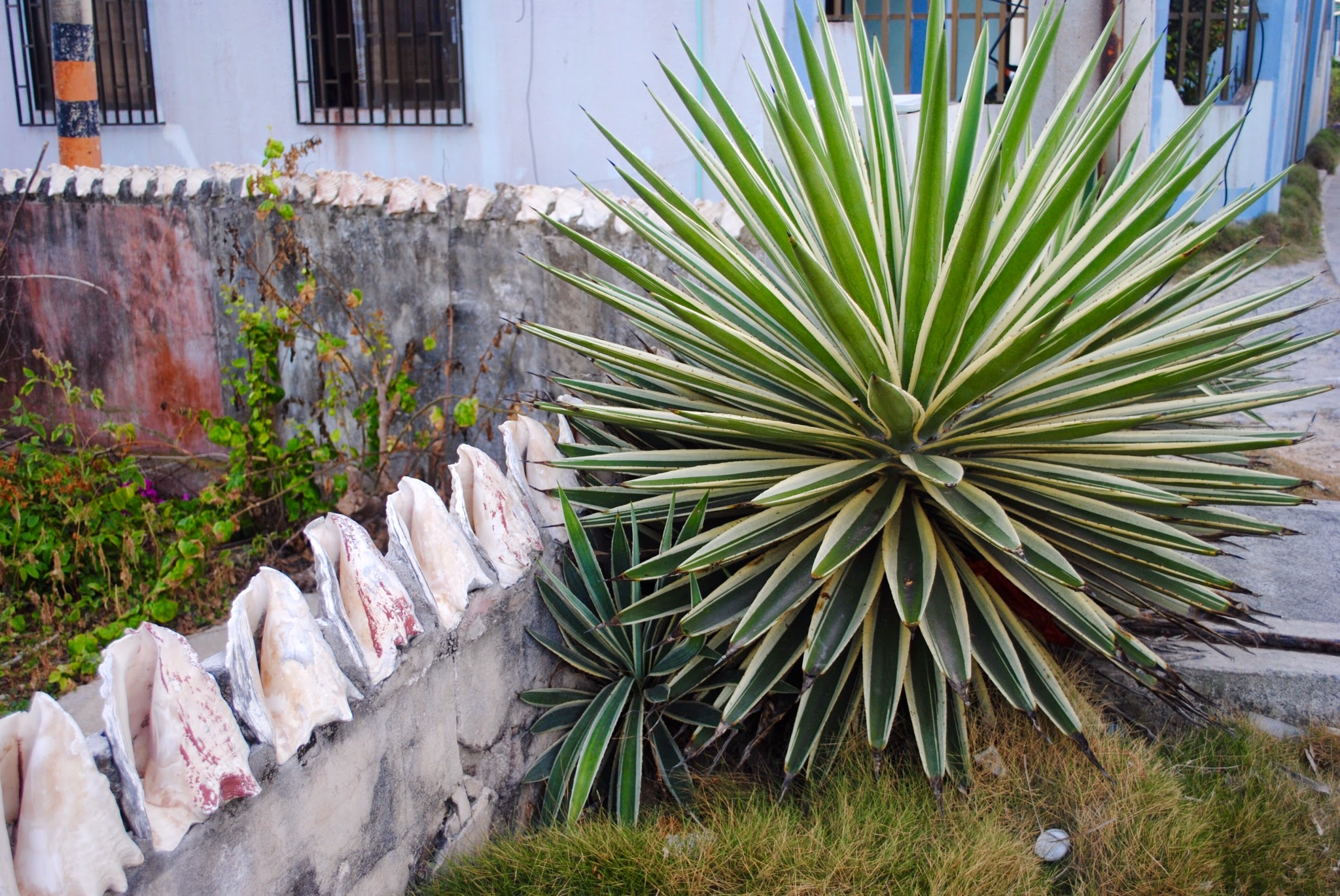
The water is known as the 7 colored sea and although my unsophisticated eye failed to discern seven separate and different shades of blue, I can tell you that the azure water around Isla San Andres range from dark laurentian blues to sparkling emerald greens and every shade of blue in between. It is a paradise of white coral beaches, palms, botanicas, sugar shacks and perfect weather. Not too hot and often a gentle breeze to cool your brow. Inexpensive and undeveloped it has the old time charm that places in Mexio had in the 70’s. Although the cuisine is not highly sophisticated, hamburgers and hotdogs being the mainstay of most menus, we had some decent meals from street stalls.

B
The main mode of transportation is the motorcycle and its not unusual to see a family of four on one bike. There is usually a child standing between the driver and the handlebars and another child tucked between mom and dad on the seat. No helmets or protective clothing and nothing to cover the feet but flip flops they fly past in clusters or alone, but rarely are the island roads quiet. Tom and I were given a ride to town by Margie’s son-in-law, Mike, and although there were only three of us on the bike it was pretty crowded what with our beach bags, snorkling gear, towels etc.. While in motion Tom’s mom tried to face time him from White Rock but he thought better of taking the call, he didn’t want her to know he was helmetless!

Leaving Isla San Andres is hard to do, we will miss the beaches crowded with holidaying Colombians, the gentle islanders and the peace that comes from relaxing without the constant harangue of touts selling jewellery, drinks, massages, hats, and various souvenirs that we have encountered elsewhere. If you’d Like to go we found out that there are flights from Montreal.

There is evidence that the challenge of keeping a remote island clean is being addressed to a certain degree but without enough government support and public education progress will be slow. Sadly without a recycling and garbage management program, anywhere can end up being a dumping grounds.

Colombia – Cartegena

Naked Babes Share a Windshield with the Virgin Mary

Seven days from Bogata and some spectacular scenery later we arrived at the Caribbean city of Cartegena having spent a night in Bucamaranga and a couple of unmemorable nights in Santa Marta. For these longer hauls we were on larger buses, the cockpits of which were decked out in velveteen drapes, swags, matching bolsters for the stick shift and assorted decorations including the Virgin and/or naked babes bouncing from springs stuck to the windshield. We had great views as we were able to sit in the front two seats of the bus and the spare driver let us climb down beside his jump seat to take pictures out the window when the views were jaw dropping. In Columbia two drivers share the job, one sleeps or visits the other and both talk with abandon on their cell phones, at the wheel or not. We wound our way up and down through the beautiful Andes and followed the narrow twisting road through passes, across plateaus and up and down and finally we were back at sea level and on the last leg to Cartegena.

U

GNCartagena is the jewel of the Colombian Caribbean. A beautiful modern and historical city it is a travellers delight. With narrow streets crowded with locals, tourists, vendors, taxis, horse and carriages and a multitude of colonial architecture it offers a banquet of things to do and see. She is a beautiful old gal with a sordid past that involved pirates, legends of gold, spaniards and indigenous people, canons and forts, wealth and loss. In spite of its past, Cartagena is relatively safe, common sense prevailing, and there are many nooks and crannies to explore. A wanderer’s paradise!

Ten Hints that You Might Be Staying in a Brothel

Arriving by bus we took a taxi to the main square, you guessed it Plaza Bolivar, and Tom searched out a hotel while I guarded the luggage in a restaurant. After settling in we noticed that only some of the guests actually stay the night at the Arthur Hotel. Most people come and on more of a short term basis. The staff was genial and good humored, laughing at our antics, including the manager and especially the muchachas who did the cleaning. We had great rooms with adjoining balconies which were accessed through tall narrow louvered doors. This was our first encounter with the legendary Colombian bathroom that doubles as the shower stall. From our balcony we had many hours of entertainment watching the comings and goings on the street below…card games, vendor disputes and brightly costumed fruit sellers and all accompanied by the clip clop of the horses and carriages that tour through the old town.

The comings and goings at the Arthur resulted in the following musing:

Top Ten Hints That You May be Staying in a Brothel!

  1. There are no blankets on the beds, only sheets.
  2. The washer and dryer are in the hall and go 24×7
  3. No one stays overnight except you
  4. The neighbors look askance as you come and go
  5. The girl on the street corner knows how to rouse the night watch when you’re out late and the main door is locked
  6. There is no wifii, facebookpage, web-site or email address for the hotel
  7. Cash only, rates not posted, but very reasonable when revealed
  8. Hourly rates available
  9. The same mujer’s are seen but never the same hombres
  10. There is a discussion in the hallway before the mujer leads her “hombre” into her room
 

House of ill repute it might have been but the staff was kind, honest and helpful and kept the place spotless and in good repair. Tom and I loved staying there and we each went about our days exploring Cartagena, meeting early in the evening for dinner or heading to the beaches together for a swim and a sunbathe. We stayed in the old part of Cartagena, exploring the new city and another older neighborhood called Getsemani. Like Havana, Cartagena is alive and vibrant from sun up until late into the evening. We had the good fortune to be there for the 55th aniversary of the largest film festival in the Americas. It featured a great program using the beautiful old theatres as venues.

Everything happens on the streets in Cartagena. Card games, vendors, cars, horse and carriages and a river of people share the narrow lanes between the old buildings.

Originally we had planned to make a complete circle of Colombia, returning to the south via Medellin and Cali, ending in Popayan for Semana Santa but since we loved Cartagena so much and stayed longer than planned we had to cut our time shorter than we’d hoped in Colombia. That combined with another temptation in the form of a Caribbean Island – Isla San Andres – we were led to make a change to our itinerary and book flights to Panama via San Andres.

Fruit sellers dressed in traditional creole costume were waiting in the small plaza near our hotel to serve us a fresh bowl of fruit everymorning and just a few steps away, a coffee vendor would pour us a heavily sugared cup to start the day.

Barrio Getsemani – Great Street Art
Not far from Old Cartagena is the barrio of Getsemani, a residential area for the most part. I arrived as most people were at home having lunch. Doors wide open to the streets it was easy to have a peak inside and to see how important the family is and how much contact they have throughout the day. The street art and the colorful beauty of wall murals are mesmerizing and spending several hours wandering the hustle and bustle of Getsemani is a lot of fun.
 
Bums yes, boobs no!
Many days of wandering Cartegena’s old streets were punctuated with some time in the modern parts of the city where you find the swimming beaches. Something interesting in Colombia is that women wear g-string bathing suits and bikinis but unlike the Europeans don’t bear their breasts. We became quite accustomed to the look of various sizes and shapes of gluteus maxima.

Fond Farewells


Not far from a square we frequented we got to know some of the vendors and servers and they were warm, friendly and helpful like the staff at our hotel. The day we departed in a taxi for the airport we felt like celebreties as street vendors, hotel staff and restaurant servers gathered around our taxi, waving goodbye and wishing us a speedy return to Cartegena.


Colombia – Villa de Leyva – A Door to the Andes

Leaving Bogata by bus was very smooth. We started at the terminale which offers riders a variety of bus companies to chose from. Not all companies go to all parts of Colombia and some of the buses are just large vans while other companies run the larger luxury type buses complete with movies and comfortable seats. Sadly for my friend Tom our first bus that would take us to Villa de Layva wanted for leg-room to accomodate his six foot plus frame.

Only a four hour trip to Villa de Leyva we encountered some beautiful scenery as we were introduced to theColombian Andes. We chose Villa de Leyva as our destination as it seemed to be the most scenic of the towns in the area which is becoming well known for adventure tourism, including white water rafting, climbing and hiking. Villa de Leyva, a well preserved colonial town, saw the Spaniards arrive and establish a city in 1572. The area enjoys a mild, dry climate and has been the setting for many historic events especially those that led to the revolution for independence.
 
he
The Plaza Bolivar is a 400 year old plaza with a Mudejan well gracing the middle. At one end is the Cathedral and surrounding the square are several restaurants, bars and coffee shops that offer great people watching especially on the weekends when the Bogatano’s flood in for a respite from the city. Like a great many people we really enjoyed our stay in Villa de Leyva, so much so we stayed for four nights. Colombia has a much stronger draw than we had anticipated and a month may not be enough to make our circle tour if we stay too long in one place.
 
It might be a small town but the streets of Villa de Leyva are busy with commerce, tourists and even school parades celebrating a sports day at the local park. Strolling along the streets, the high walls of the homes block your view but then you turn a corner and there you will see a beautiful garden or a great view of the mountains on the horizon.
 
As usual, Tom, needing to stretch his legs after the bus trip, left me to guard the luggage and he went in search of a posada. He found us a place with a family where we had rooms, wifi and breakfast included at a reasonable price. The resident family was very welcoming and in addition to letting us practice our Spanish they took us on a tour of the surrounding area. Kevin and his grandfather hiked with us to a waterfall and then drove us in a circle around Villa de Leyva, visiting a novelty house make of clay and an archeological site, Estacien El Infernto. At the Estacien there were some 115 odd stone monolithes, many of them resembling phalluses that the ancients used to determine the best time to plant crops. Essentially, Colombia’s answer to Stonehenge, it also provided some higher ground for great views of the mountains.


Columbia – Bogata

Arrived in Bogata to cold and drizzly skies, a bit of a shock from having been on the beach in Havana the day before. Bogata is yet another example of Spanish Colonialism. The wealth that passed through here on it’s way back to Spain was phenomenal. Bogata, established by the Spaniards in 1538, is a large sprawling city reaching far up and down a 2500m plateau between the Andes mountains where it is perched.
Not a particularly friendly city in many respects, Bogata takes a while to adjust to. After the gregarious energy of Havana it seemed dull and gray in comparison. But like all big cities, people have a public face and a private face, and while wearing their private face they can be warm, caring and helpful, as we came to experience. It is also a city where you need to dig a little deeper to find the gems and as it turns out it is full of treasures, lots of them housed in the museums, including the National Museum and the Gold Museum. The main square, Plaza Bolivar is the most historic location in the city where you find the Neo Classical Cathedra, (1538-1823) on the site of an older church where the first mass in the Americas was given in 1538. The modern government buildings look across the Plaza at the neoclassical Capitoal, home of the Columbian Congress. Just off the square is the Casa de Narino, the Presidente’s palace modeled after Versaille. Heavily guarded, the current President lives in the palace and like Buckingham there is even a changing of the guard.
On our walk from our apartment to Plaza Bolivar we were overtaken by a “parade” of protestors, carrying signs and using anything available to make noise. Later we saw them in the Plaza where the protest terminated. Their signs told us they were protesting their government’s lack of advances around recycling. All this in the shadow of the great Libertador himself. The statue of Bolivar, damaged by pigeon poop but wrapped in protective coating while he is restored, sits mid square where people buy and disperse food for the flocks of pigeons that make the plaza home.
We stayed in a lively area in terms of cafes and coffee shops where we met some of the nicest and welcoming people. Our neighborhood, within walking distance of the Historic Centro, was mainly residential with lots of shopping close by. Our loft apartment, like most places in Colombia, has 24 hour guards for secutiry. A good thing in Bogota. The advice given to us several times over by locals was to take taxis at night and not to go out alone.

There are pretty parks and green spaces in the urban landscape of Bogata and in spite of the chilly rainy weather there were signs of spring. Although we weren’t in Bogata long enough to explore all that it has to offer, we got a good sense of the people, the place and the history. Visiting the National Museum was particularly interesting to learn about the Indigenous people, the conquering spainairds and the famous heros, artists and political futures that punctuate the sometimes violent and tumultuous history of Coloumbia.

Tom learned that the Columbian 5000 peso can be folded to make a heart or a vase, a skill he will no doubt find useful in the future.


Cuba – La Havana – Some standing, some fallen….

Some standing, some fallen…
the buildings that is. A melting pot of military forts and castles, spanish/moorish achitecture, baroque and neoclassic styles mixing with modern architecture give Havana the look of an undecided bride who took too long to make up her mind on the dress only to discover that the wedding was off.

To describe the look of the streets in Havana is to hint at the complicated contradictory nature of Cuba. In one section, mainly Havana Viejo, you will find complete city blocks, squares, hotels, restaurants and residences that have been painstakingly restored. Turn a corner and you will encounter a mix of commercial and residential properties, most of which have been divided and subdivided into human rabbit warrens. Floors have been added between floors, ad hoc walls have been erected as needs dictated, stairs without rails have been extended from walls, windows have been sealed, doors have been boarded and sometimes all that is left is the external structure of brick and mortar with only a shadow of a reminder of the plaster that once graced the facades. People come and go and life is lived in plain view. Doors to homes are often ajar, families can be seen going about their daily activities, children play in the streets, taxis, pedicabs and pedestrians share the pot holed roads and the uneven broken down sidewalks are a hazard to all who walk on them.

To say that the revolution has granted equality to everyone is misguided at best. In fact the only change seems to have been that the socio-economic pyramid has simply been turned upside down. Instead of educated people in their chosen professions like doctors, nurses, lawyers etc earning a higher wage they earn very little. It is not unusual for a family of six or seven, multiple generations, with many university degrees among them, to be living in a small one bedroom apartment outside the centre of Havana. Although education and medical care are free, the cost of daily living and the ability to own your own home or to buy a car is impossible for most professional cubans. On the other hand, those who have close proximity to tourist dollars like owners of casa particulares, make considerably more a day. These are the people who can afford to get a passport and government permission to travel abroad, while most Cubans will tell you that you have seen more of Cuba than they ever have. The average salary for a cuban teacher is 20 CUC a day which for a young teacher means living with parents, putting off having a family and hoping that things will change. One teacher I spoke with said she doesn’t care about owning a car or any other luxury item, but would just like to be able to afford a place of her own and a chance to start a family. She is in her mid thirties! Still Cubans are proud people and they do not want you to feel sorry for them, they have survived very well and have a greater zest for life than a lot of people in bette circumstances.

Cuba: La Havana

Changes…
At this time last year I was in Havana for five days, long enough to know that I had to return. Things have changed in a year. The regulations that govern commerce have been relaxed even further and a vast number of small businesses have sprouted up, there is evidence of more to buy and more to buy it with. Generally spirited and happy in spite of political conditions, Cubans seem even more upbeat that a year ago and there is a feeling of expectancy in the air following the recent concessions made by the Americas vis a vis the embargo against Cuba. There are more new cars on the roads, people are wearing more up to date fashions, although Cubans were always well put together and proud of their look. Interestingly enough the embargo has not stopped a flow of money and goods from the US to Cuba, particularly throw expat Cubanos now living in the states. A taxi driver told Tom that most of the parts for the old cars come indirectly from Vancouver in Washington State and Portland Oregon
In spite of the continuation of the Cuban revolution as a socialist ideal there are clearly those who have and those who have not. The dividing lines seem to follow the same general rules as in other parts of the world; color, rural/urban, family connections and education. For several years the government has allowed Cubans to run what are basically bed and breakfasts where foreigners stay with the benefit of getting to know a Cuban family, a much better option that staying in one of the large and sometimes unfriendly government run hotels. I understand that at one time it was illegal for a Cuban to have a foreigner visit their home. This year the number of Casa Particulares (B&B’s) seems to have doubled and anyone who is government licensed to have a Casa is making well beyond the average salary. Clearly tourism is have a great impact on the fortunes of many Cubans and those that work in tourism share the top spot for wages with taxi drivers. With an almost 100% literacy rate Cuba has one of the most highly educated populations but professionals in education and healthcare etc. are very poorly paid as a result of socialist principles.

The tourist dollar is legendary in Cuba and where ever you go someone is trying to get if from your pocket to theirs. Generally in a warm, friendly and even sentimental manner the Cubans are very resourceful in their pitches to relieve you of your CUC’s as the tourist money is known. The Cuban government will only allow foreigners to access CUC’s from ATM’s set on par with the US dollar. Many restaurants, shops etc. provide two prices one in CUC’s and one in Cuban Pesos which is worth about 25 pesos to the US dollar. It can be confusing and many people think it is illegal for foreigners to have pesos but this is not the case and having them can be very helpful. You can change your CUC at any bank for Pesos and use them for buses, shopping in markets etc..