Sri Lanka – Part 4 Sigiriya – Cultural and Historical Heart of Sri Lanka

Sri Lanka history & Culture in the Central Highlands

Arriving in Sigiriya we were very disappointed in our home stay tree house at the Thick Forest. Having friends who recently stayed in a Tree House it did not measure up. It was a ramshackle mosquito haven, dirty and a little shaky. The mosquito sleeping nets had holes and were so old they smelled musty. To add insult to injury we paid more than the usual rate for this experience. The owner begged us not to write a bad review and brought out a book in which he has customers write “complaints” and “suggestions” It was full of unhappy customers but the last time we left a warranted bad review on a booking website we were harassed. Cutting our losses we checked out a day early and went to a lovely home stay with a pool for the same price per night and had a far better breakfast and dinner, it was spotless, had a great pool and the family was delightful. Don’t go to Thick Forest….stay at Sigiriya Peacock Homestay.

Ramshackle Tree House
Bathroom Decor

Climbing Sigiriya Rock Up To The Lion Fortress
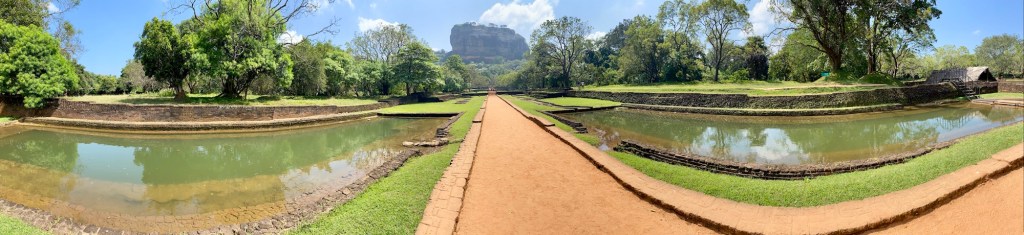
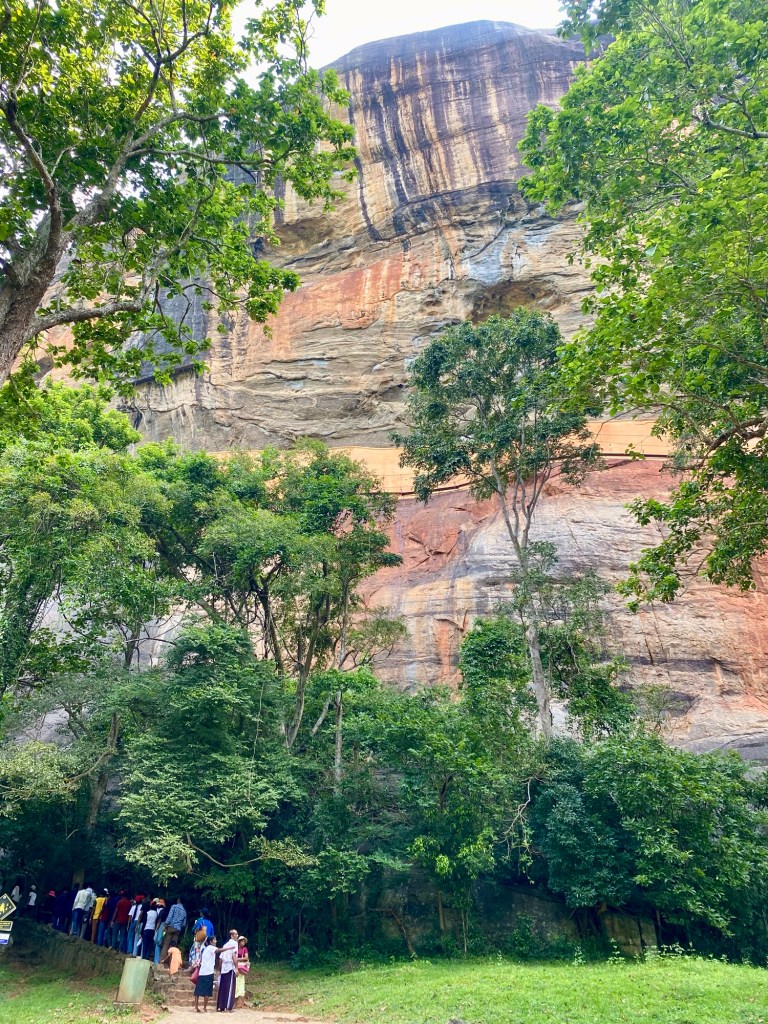
Sigiriya is a town and and ancient city located close to the town. It is awesome, it is a once in a lifetime experience to be there and to climb the great rock. It is a historical and archaeological site that is dominated by a massive column of granite about 180 meters high. As a UNESCO world heritage site is very popular with both Sri Lankans and foreigners. Would you believe that one of the ancient kings built his palace on top of this rock and decorated its sides with colourful frescoes. It is a steep 1200 step climb to the top of the rock to see the remains of the palace, but it seemed like more in the intense heat of the day.
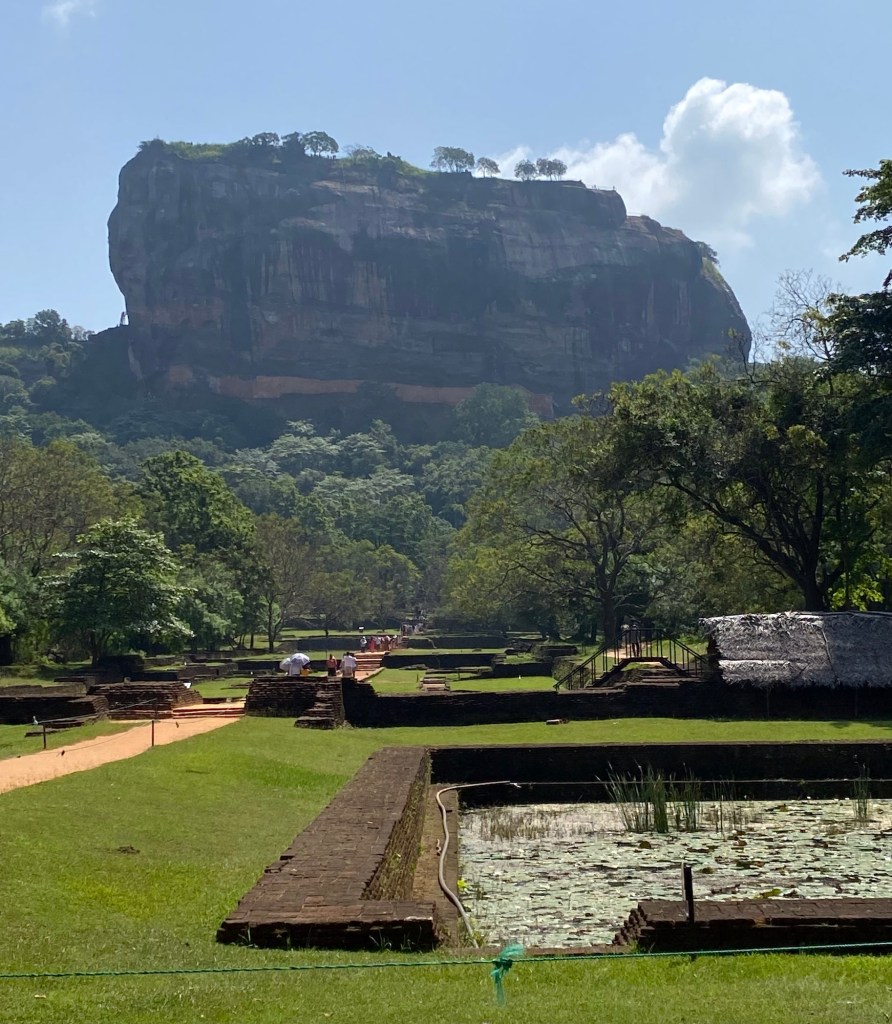
The Lion Rock….a King’s Palace

Entrance fees for foreigners are relatively high, about $35 USD, but not begrudged because the money goes to maintaining this marvellous place. You enter the Park and the first stop is a museum that details the long line of Kingdoms that existed here and the archaeological history of various digs that have taken place since the 1800’s. It is thought that Buddhist monks occupied the rock caves and shelters from as early as the 3rd Century BC. The grounds leading up to the Rock are beautiful and full of ponds and gardens and of course monkeys.

Buddhist Monk
Caves
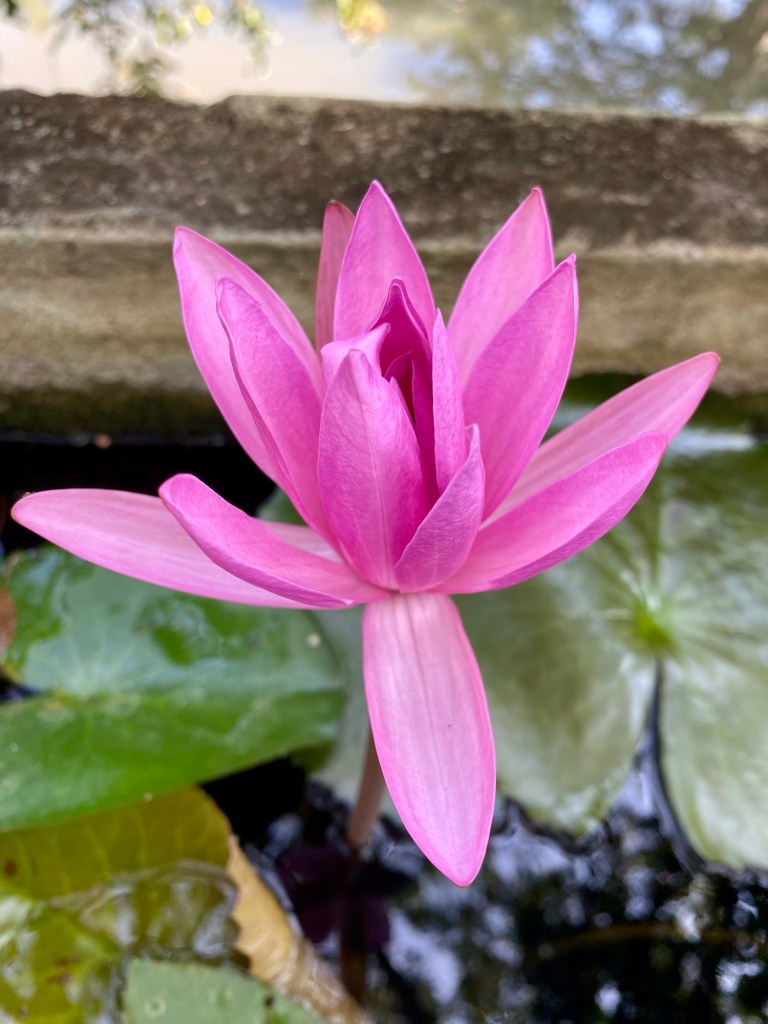
Lotus Blossom
Map of Ancient Sigiriya
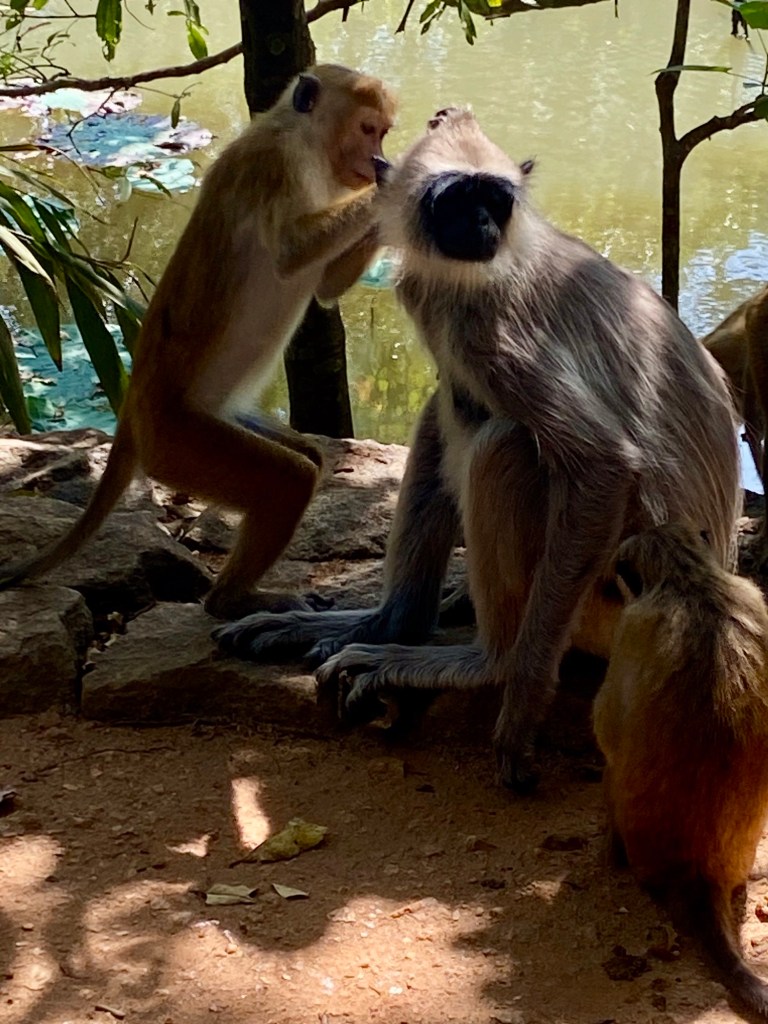
Of Course There Are Monkeys

As you start the climb you see immediate evidence of the structures that existed at the foot of the rock. The first 900 or so steps are pretty steep and several stops help make the going easier. Taking your time is essential unless you are young and fit.

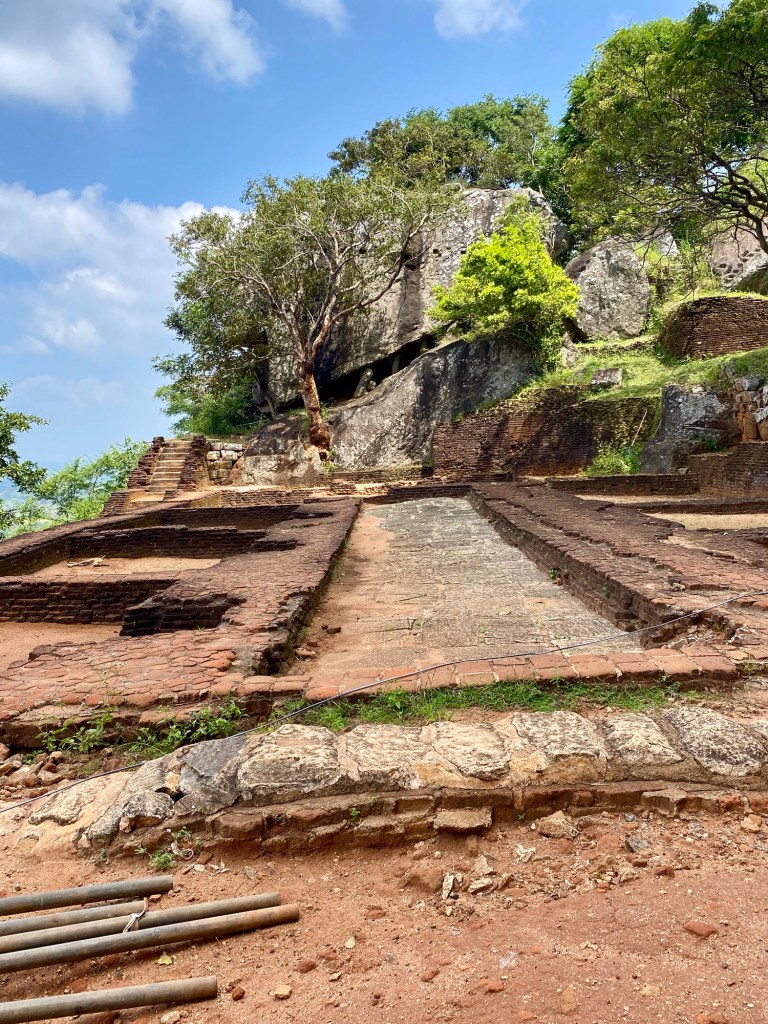
The Start of the Climb
Excavated Ruins at the Base
Resting Spot
Steep
Steeper

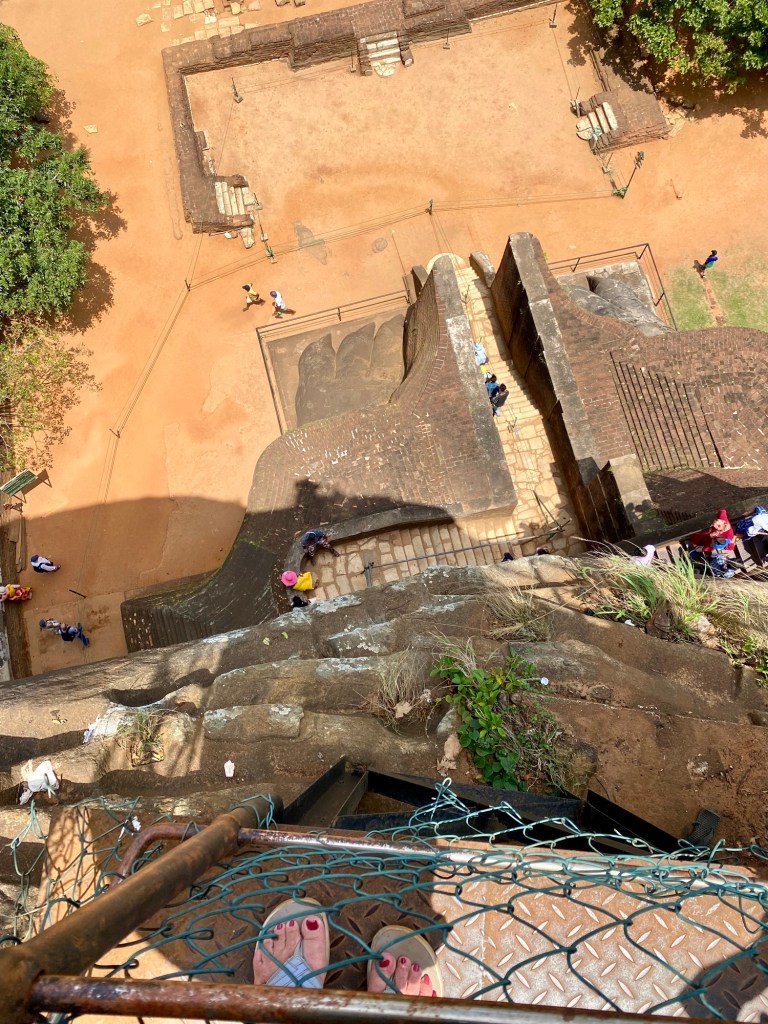
About half way up there is a gateway in the form of an enormous lion. Only the claws remain but imagine when the rest of the body and head were intact, it would have been impressive indeed. All this brick work covered with plaster and painted with frescoes is hard to imagine. The Lions paw is a rest stop for sure and there is filtered water for those who have run out. The views from this level are spectacular enough but only serve to fuel the desire to reach the top another 40 meters or so.
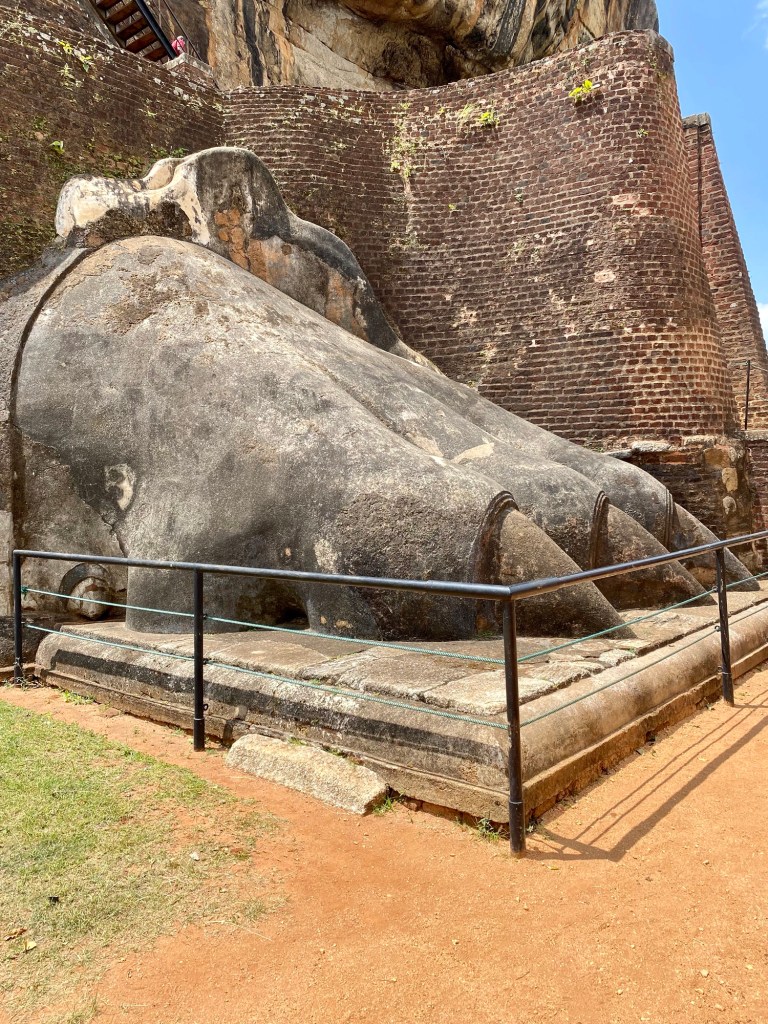
Lion Gateway

The last bit as seen below wasn’t too bad because people moved slowly up the steep steps and as you can see there was quite a crowd. There was no pushing or shoving and for the most part the crowd was Sri Lankan.

Final Ascent
The Last Few Steps

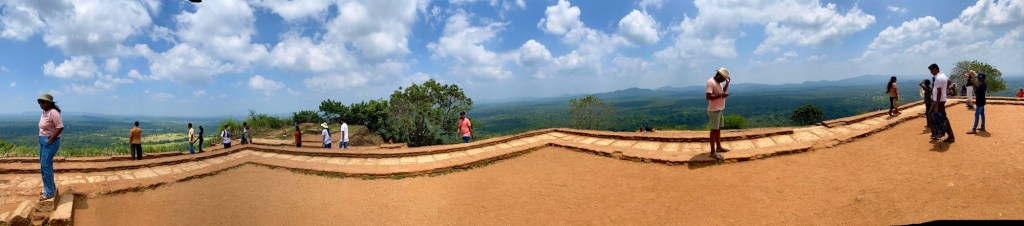
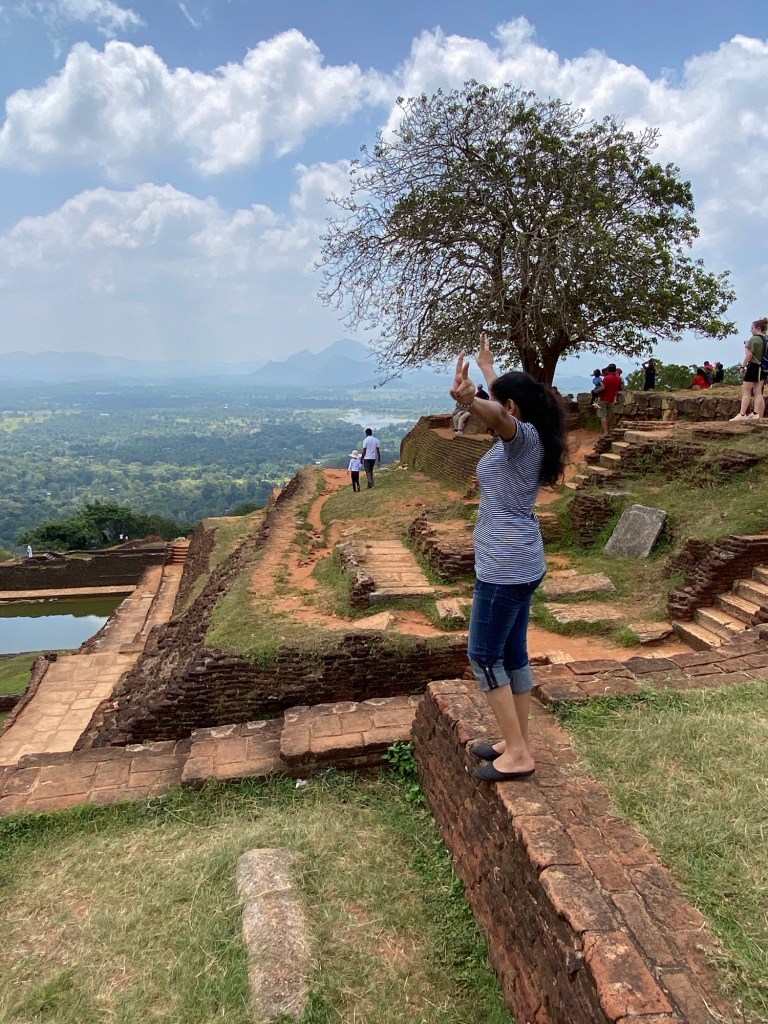
Reaching the top was epic for me. The 360 degree views were amazing and you could see that the King who had the palace built could easily survey his Kingdom for miles in every direction. Supplying the palace with the necessities of life was carried out by servants who climbed up and down the rock but the Royals who lived on top were carried up and down in a palanquin. Across from Sigiriya is another Rock, Pindurangala Rock and people with more time and energy will climb it as well.

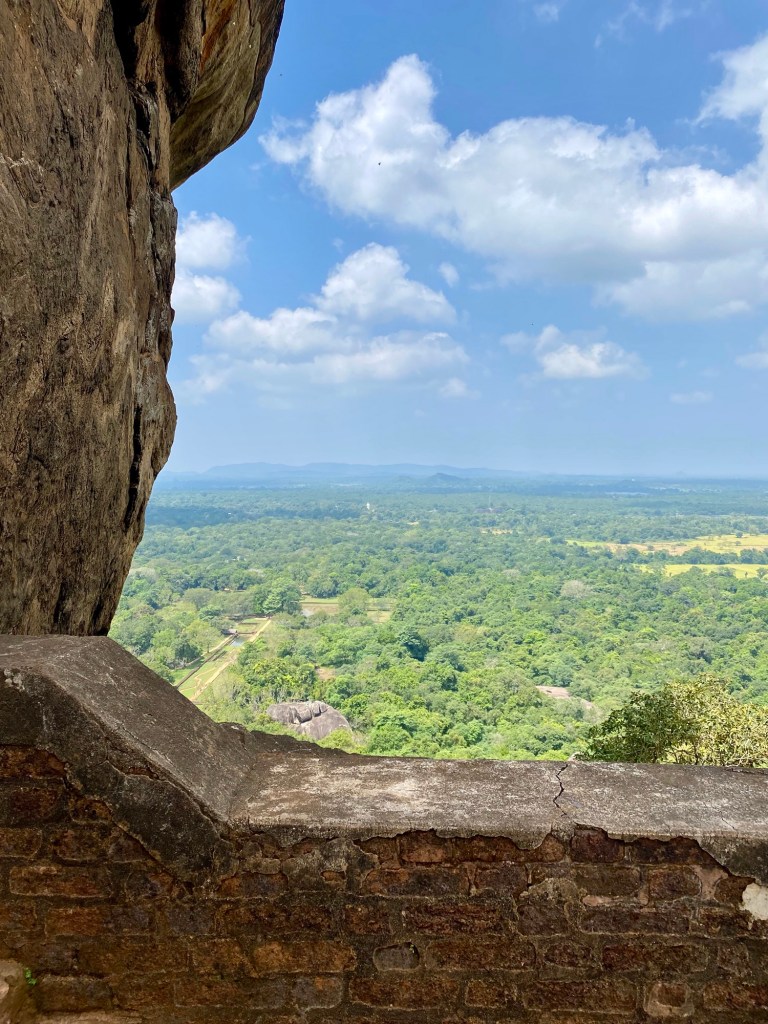
Pidurangala Rock in the Distance
Views Near the Top
At the Top
Looking Straight Down
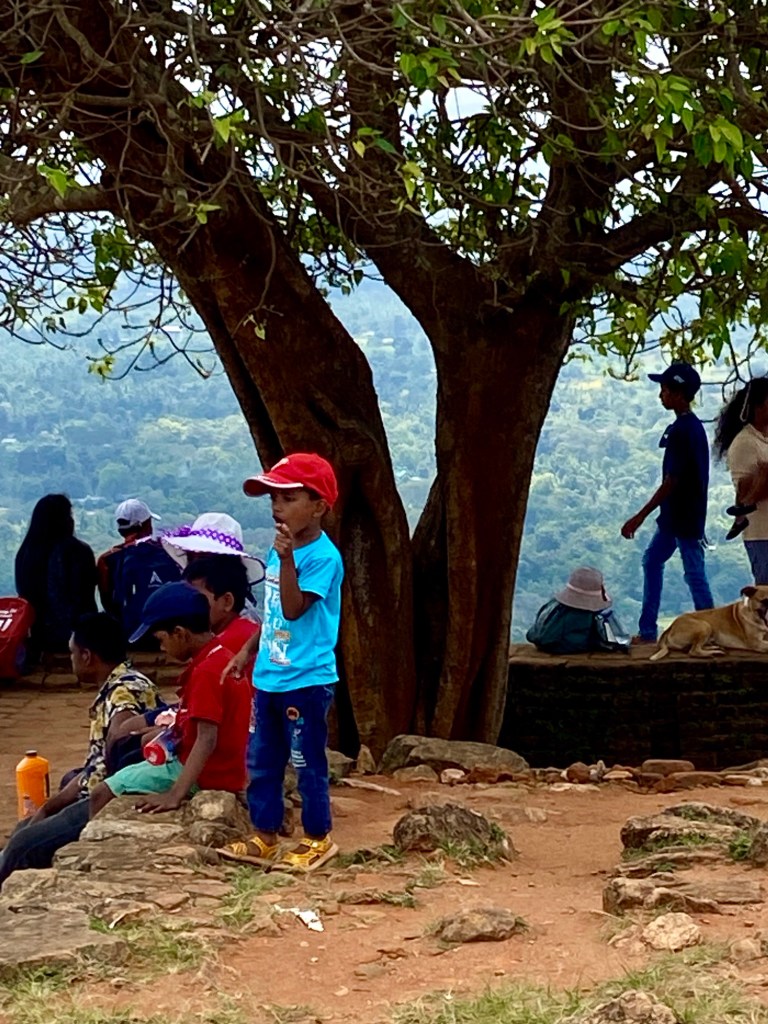
Family Outing for Sri Lankans
Everyone Celebrates Reaching the Top

I couldn’t tell you how long it took to climb Sigiriya, the trek up was so engrossing that I completely lost track of time. I felt on top of the world when I got there and on the way down there was plenty of time to enjoy the views and admire the frescoes that adorned the rock walls. You haven’t been to Sri Lanka until you’ve been to Sigiriya!

Buddhist Caves

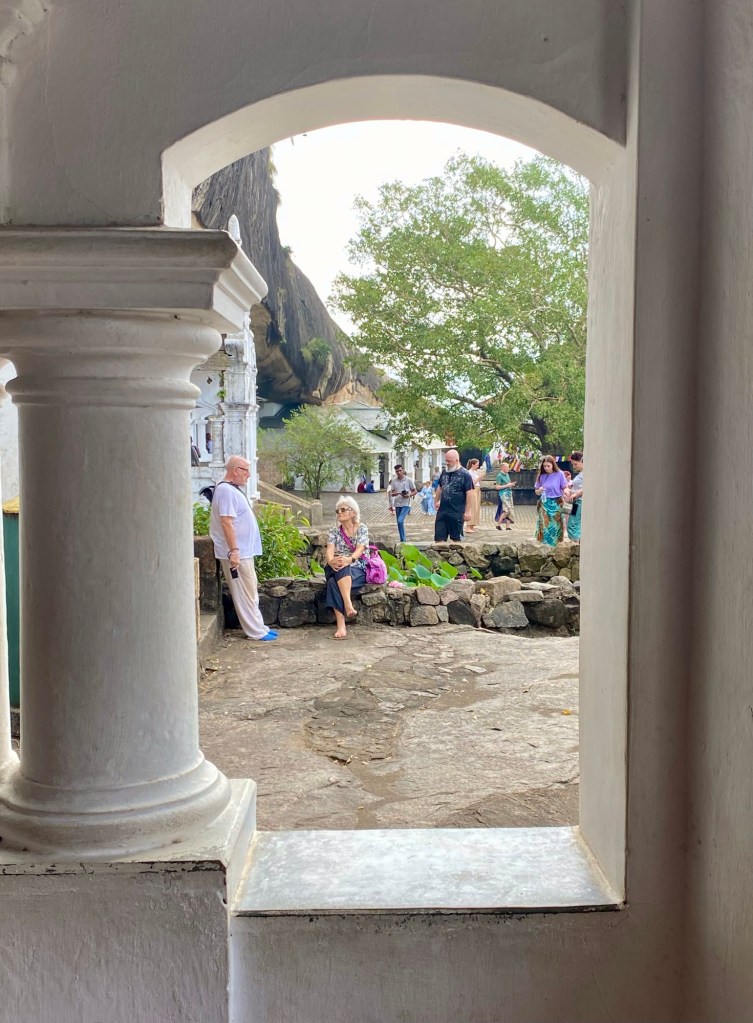
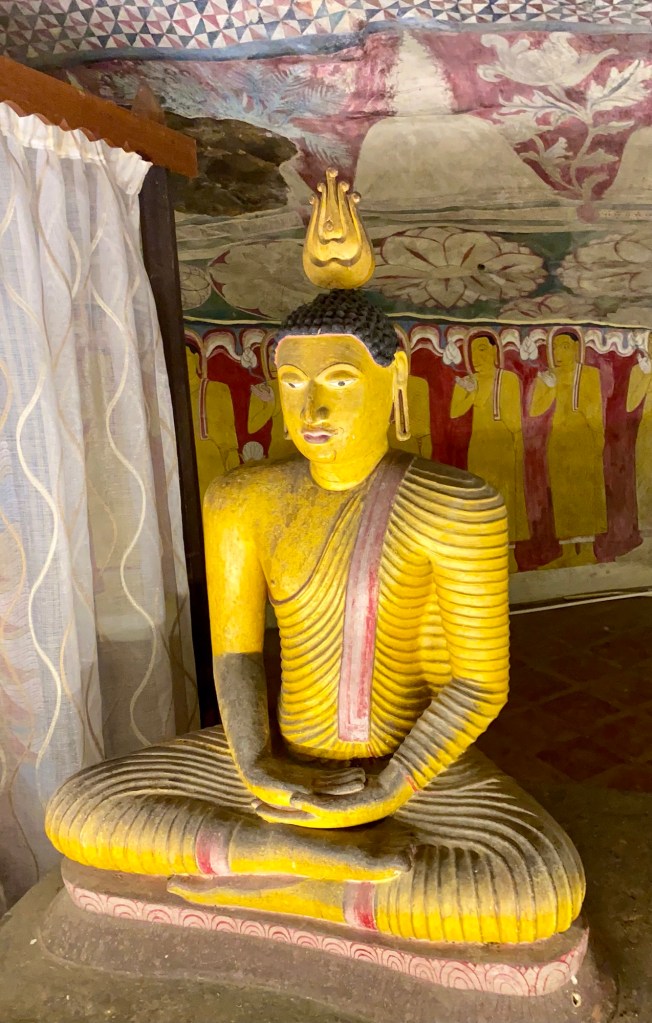
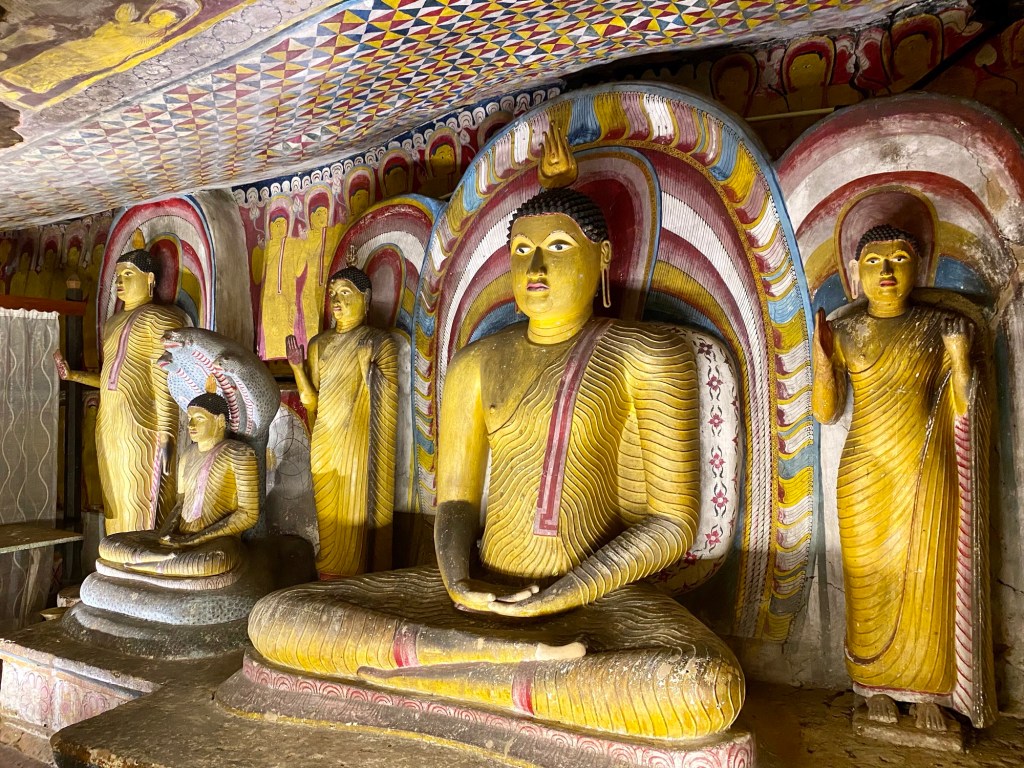
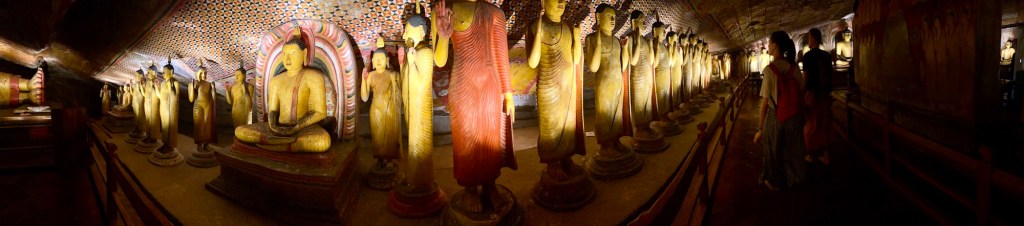
After a good night’s rest our next outing was to visit the Rangiri Dambulla Cave Temple another Unesco World Heritage Site. A pilgrimage site for 22 centuries, it is the largest and most well-preserved cave-temple in Sri Lanka. The temple is a series of five caves built into the wall of the rock mountain. The Temple has been transformed over the centuries and each of the caves or sanctuary has its own purpose and design. Altogether there are 157 statues important to the life and practice of Buddhism. It’s quite a climb to get up to the caves but nothing like Sigiriya, but like Sigiriya the rock carved stairs are uneven and sometimes very steep.

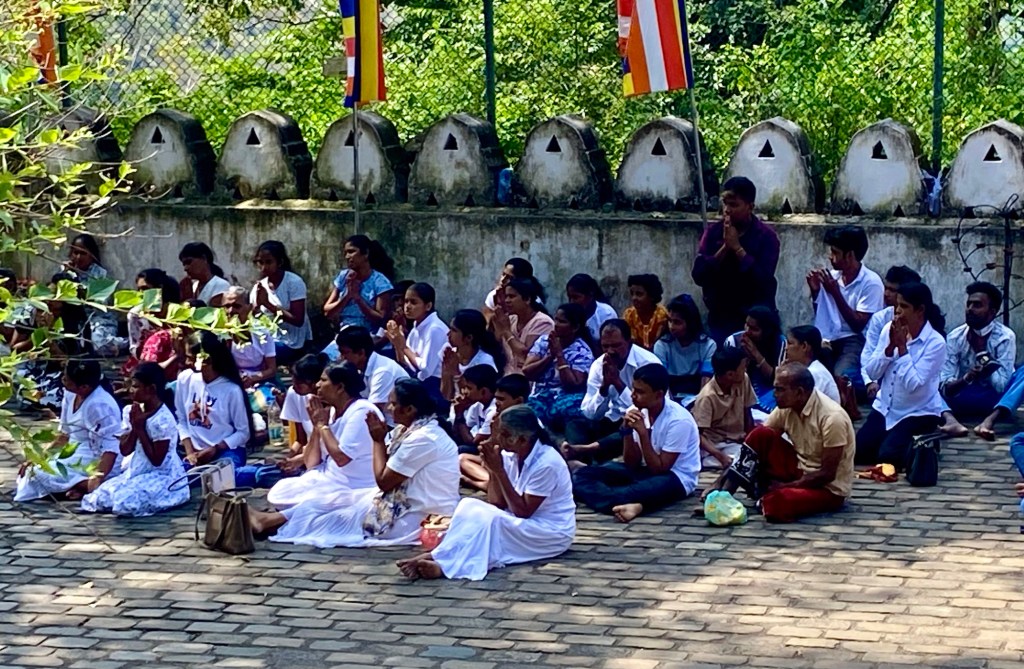
Temple Entrance
Pilgrims at Prayer
Portico Fronting the Caves
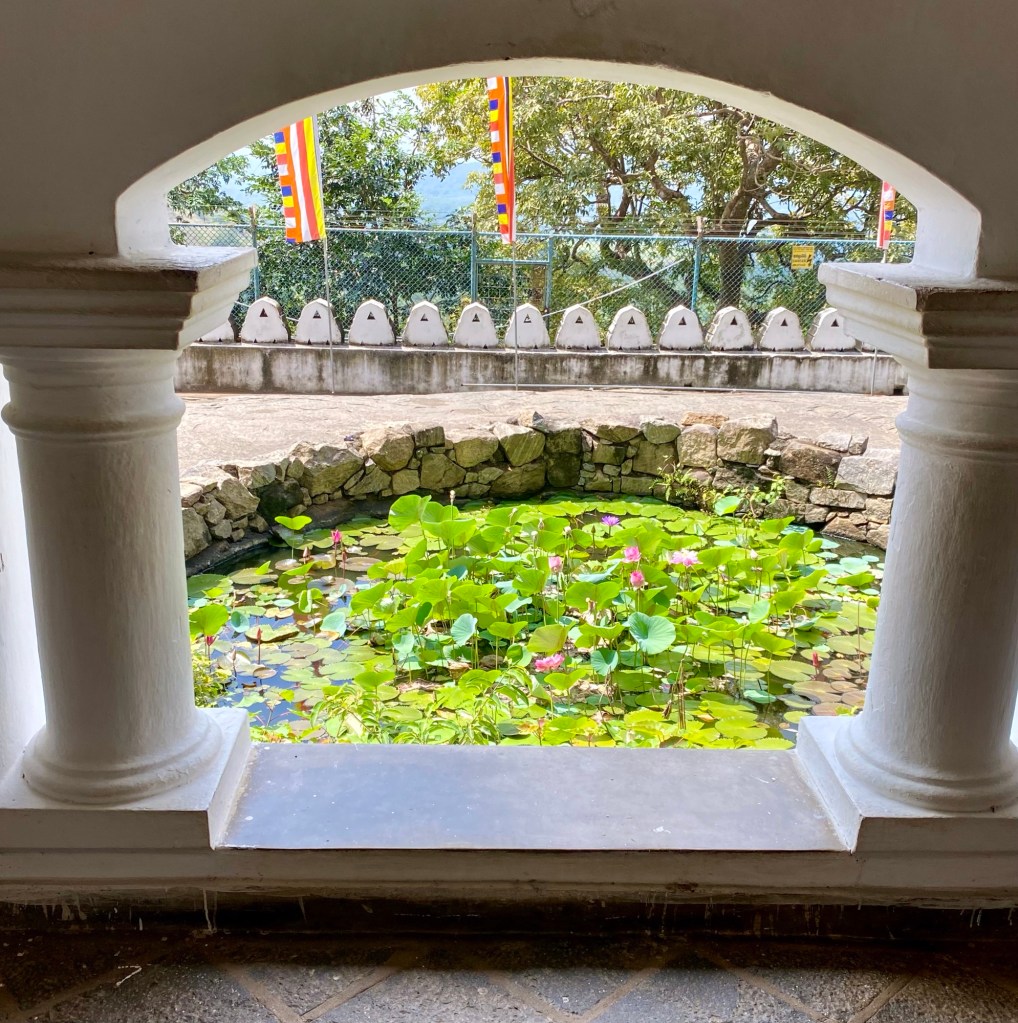
Lotus Pond
Statuary Inside the Caves

Girithale and Polonnaruwa

Staying in Girithale at the Agbo Hotel gave us quick access to Polonnaruwa another ancient city site that has undergone extensive archaeological activity.

The Agbo Hotel was one of our favourite stays and our rooms had great views of a lake and the surrounding forest and hills. It also had a large band of monkeys that frequented the property and we were asked to keep our balcony doors closed in the morning and when we were out for the day. However we decided to take our morning tea on the balcony as there was no evidence of monkeys in the vicinity. Enjoying the peaceful view we were startled to realise that some of the red faced nasty mean type macaques (remember they were entertaining in previous blogs) had snuck up on us and one of them leapt up onto our table and attacked our sugar bowl before we could even move. Greedily shovelling the sugar into his mouth with both hands and in between defending his right to it by baring his sharp pointy teeth and hissing at us, completely ignoring our attempts to shoo him away. We were forced to retreat inside but every time we moved he lunged at us, but with some sideways sidling and a chair as a means of defence we both made it safely back inside slamming the sliding door behind us. The monkey then took over the table and made short work of the sugar and the milk with the milk jug being the collateral damage in his rampage.

Mean Monkey

Polonnaruwa

We hired a Tuk Tuk through our hotel and had another great ride through the jungle and the towns on the way to Polnnuarwa.

Ancient City of Polonnaruwa

Another UNESCO World Heritage Site, Polonnaruwa is a a huge ruin dating back to the 11th Century and was the capital city until the 13th Century. The area of the city is huge and it was much easier to see the different sections by Tuk Tuk and one ticket is all you need to get into each section. With hundreds of ancient structures, tombs, temples, statues and stupas it is well worth a visit.
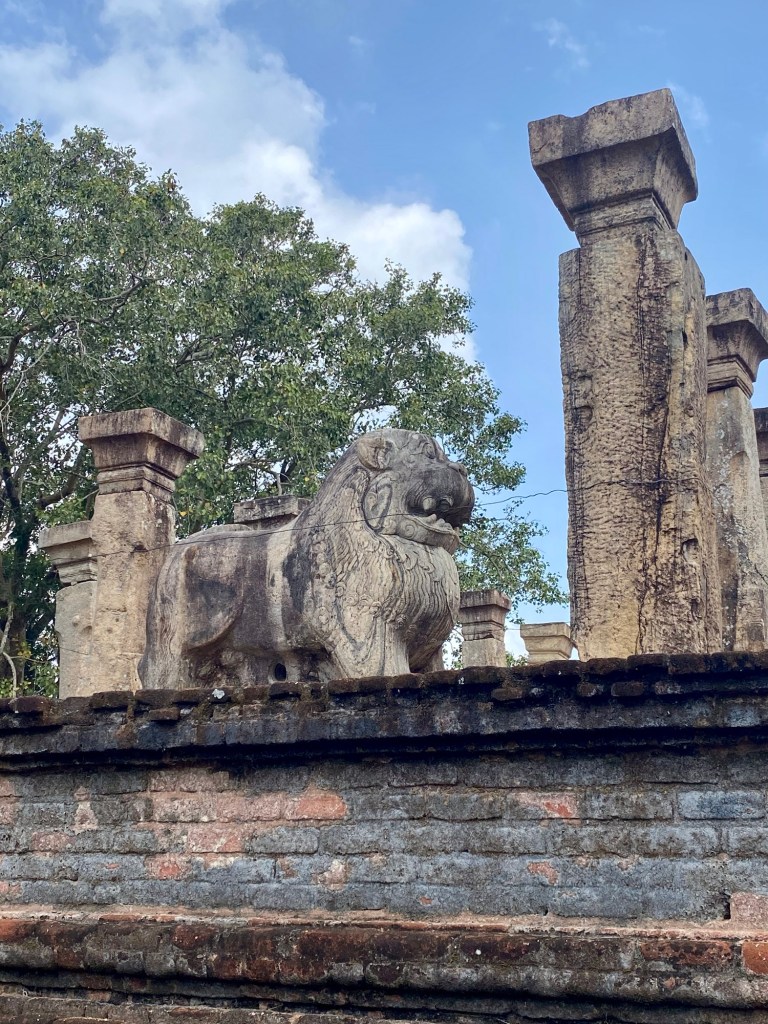
A prosperous city, well situated for trade and defence it was known as a garden-city and irrigation was used extensively in the ancient city. The city was eventually abandoned and overtaken by jungle after a series of civil wars and invasions.
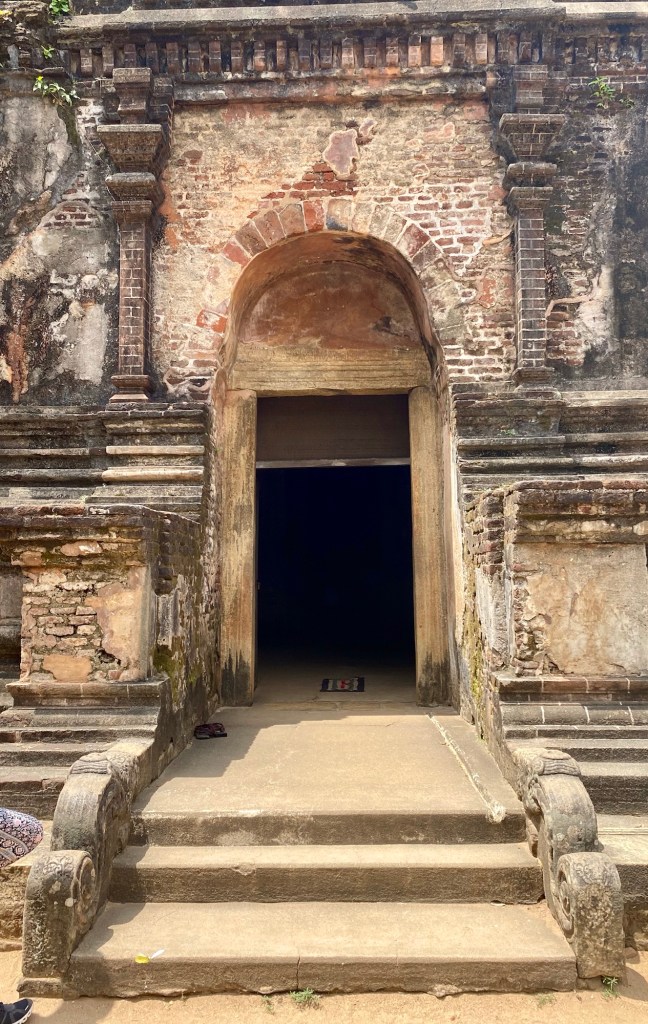
The main event seems to be the Quadrangle as it is known, a huge collection of buildings in a small area, it is considered a holy site and proper dress (no bare knees or shoulders) is required for entry.

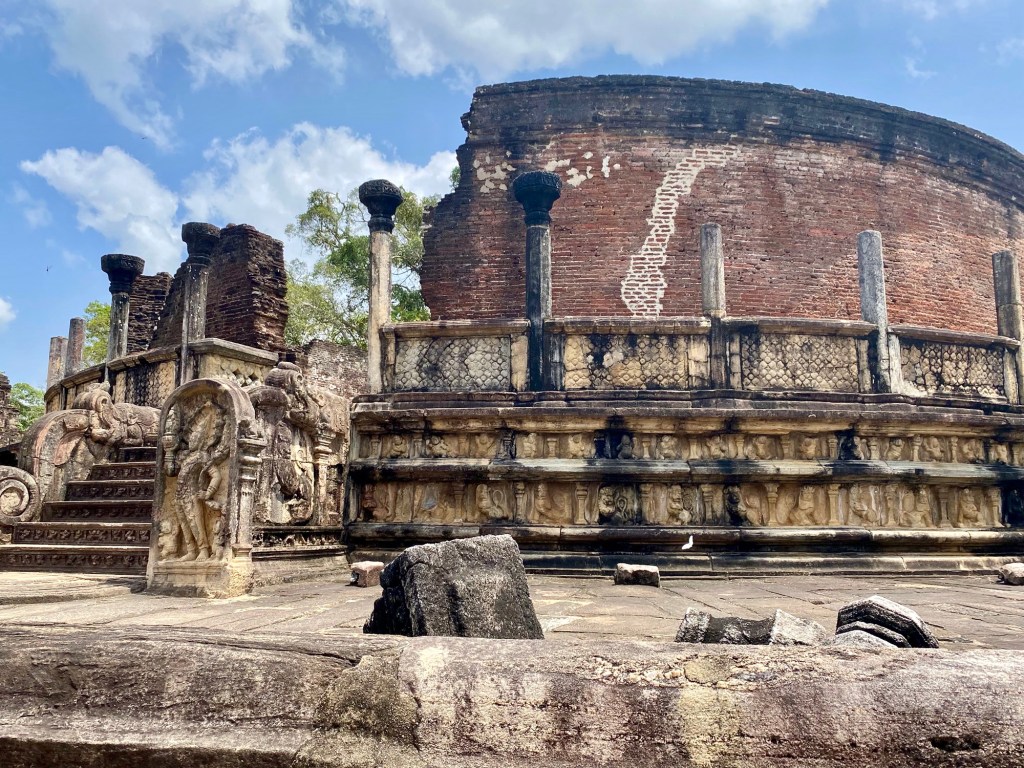
Cooking Lesson – A Definite Highlight

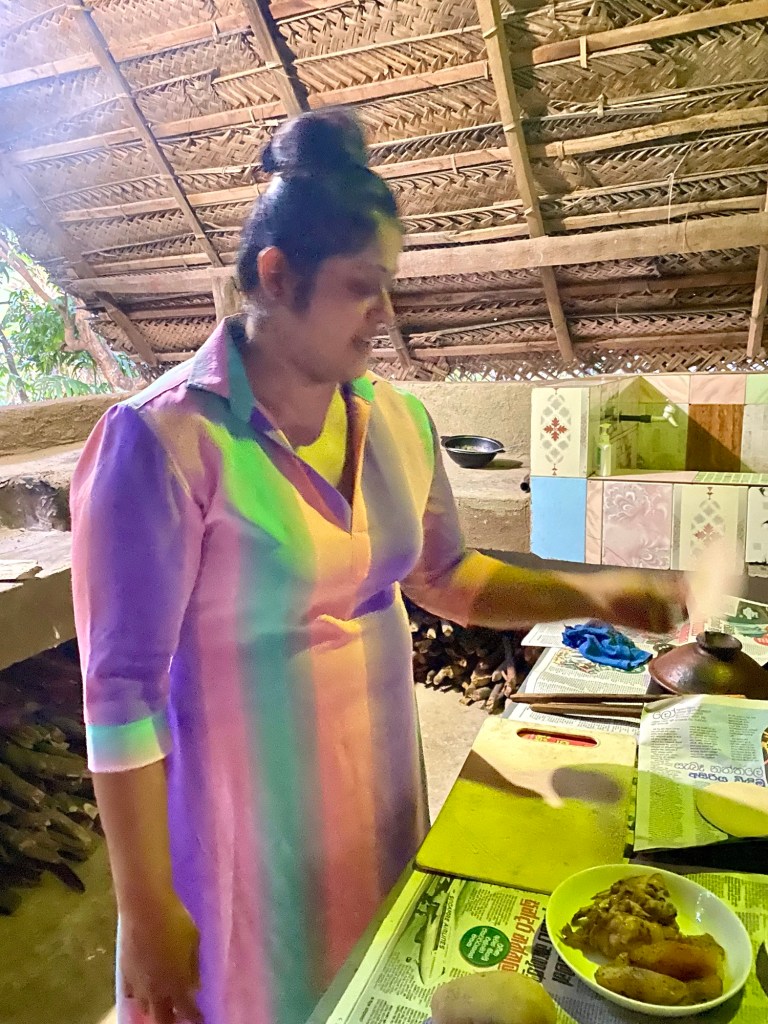
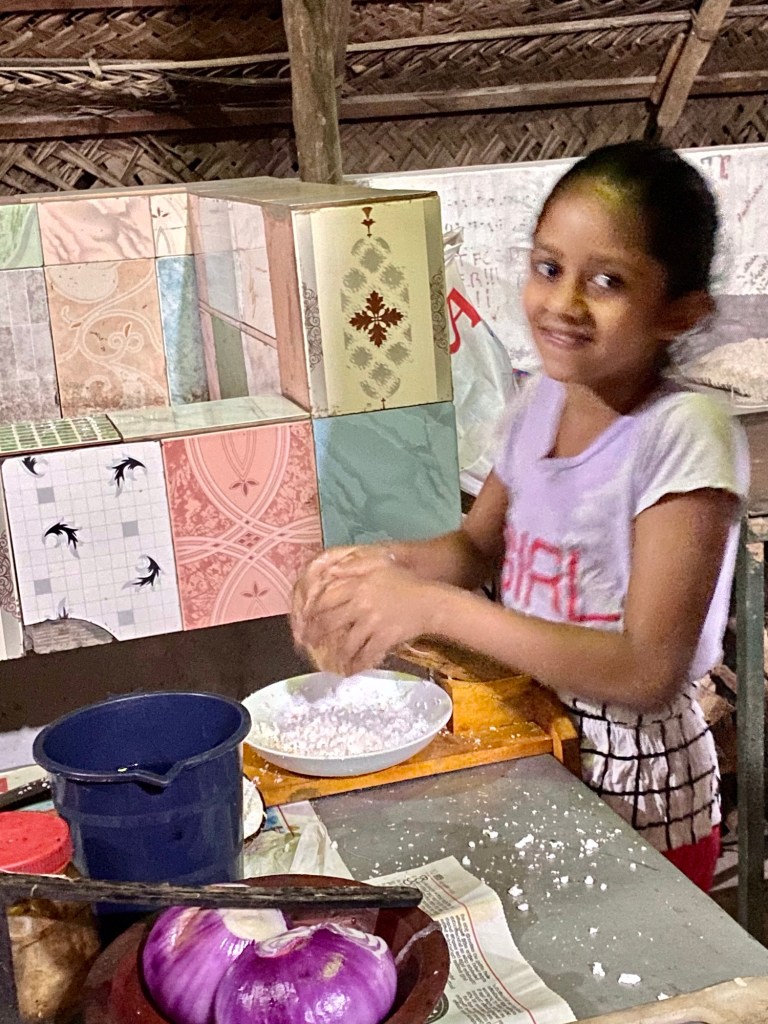
We loved our cooking lesson at Jaga Food Restaurant in Polonnaruwa. We Tuk Tukked it back to the restaurant with our now regular driver, Janaka Sudam. Our excellent teacher, Angelee, spoke English and her youngest two children were being sent to an English school so they had a pretty good grasp of what we were saying. It was a family affair with the two older sons and husband all in attendance. The second oldest son is studying Japanese and was doing his homework atone of the restaurant tables.

The clay pots that are used on the wood-fired ovens are seen all an over Sri Lanka. Roadside stands will have hundreds of pots of all sizes on display.

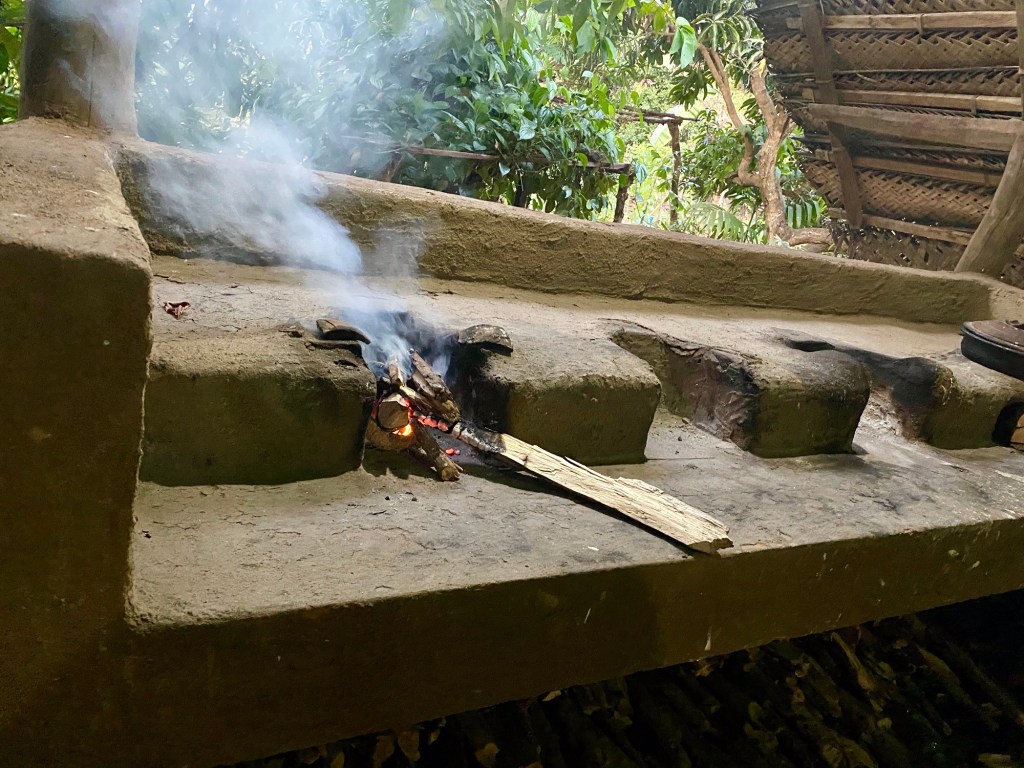
Ingredients All Laid Out
Our Cooker – Temperature Control with Positioning of Wood
Anjalee Wickramasinghe of Jaga Food Restaurant
Hand Mixing and Outdoor Cooking
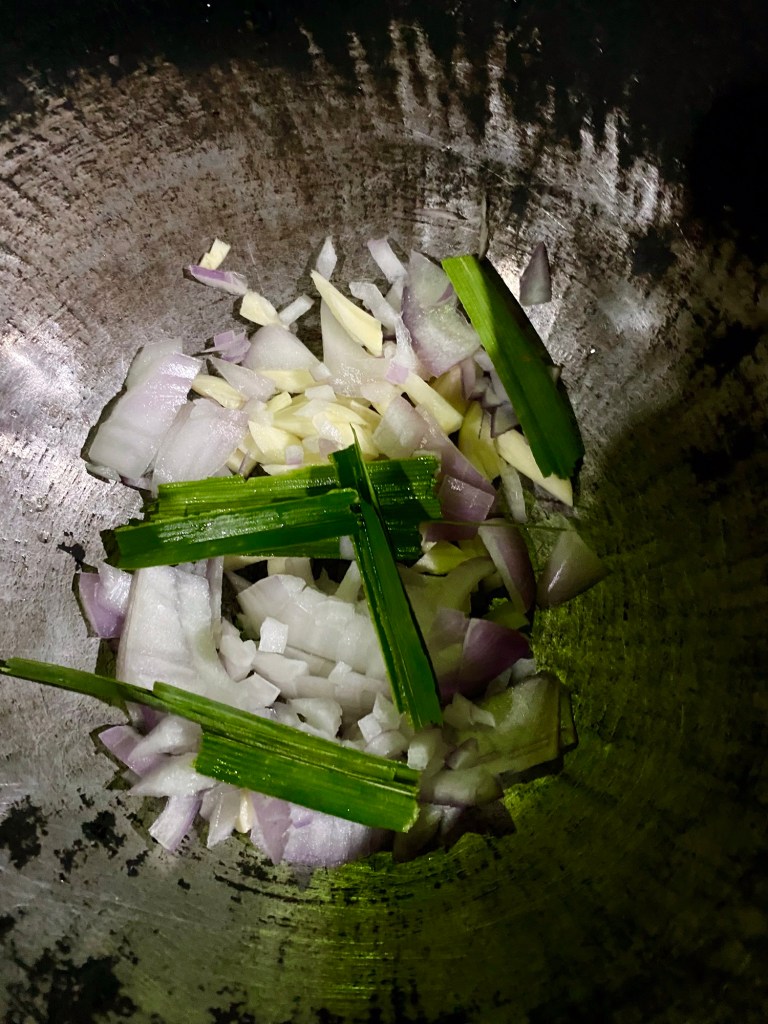
Start of a Potato Curry
Sizzling Away
Dark Curry
Lady Fingers
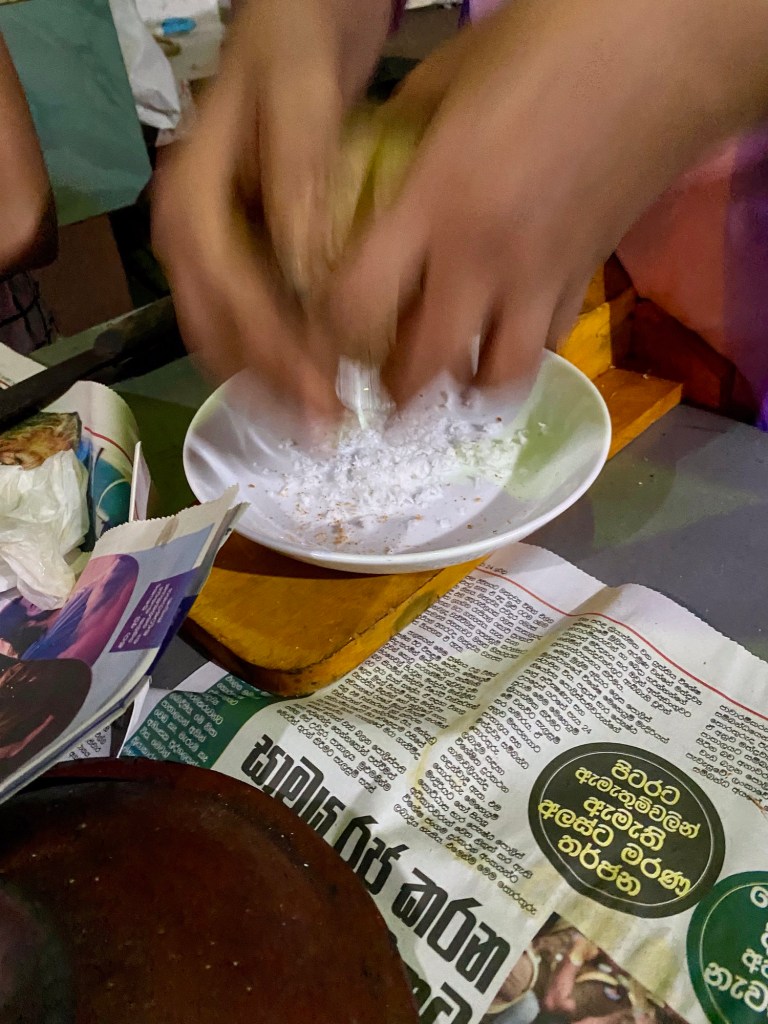
Master Coconut Grinder- Only the Freshest Ingredients
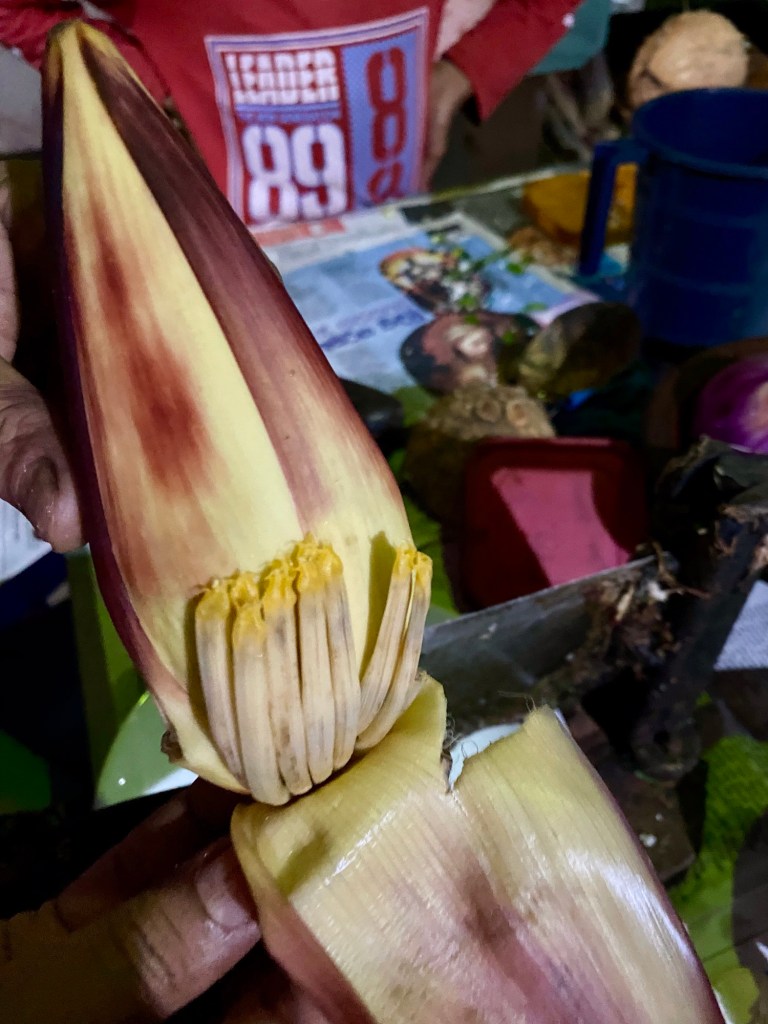
Banana Flower with Baby Bananas Inside
Heather at the Hearth
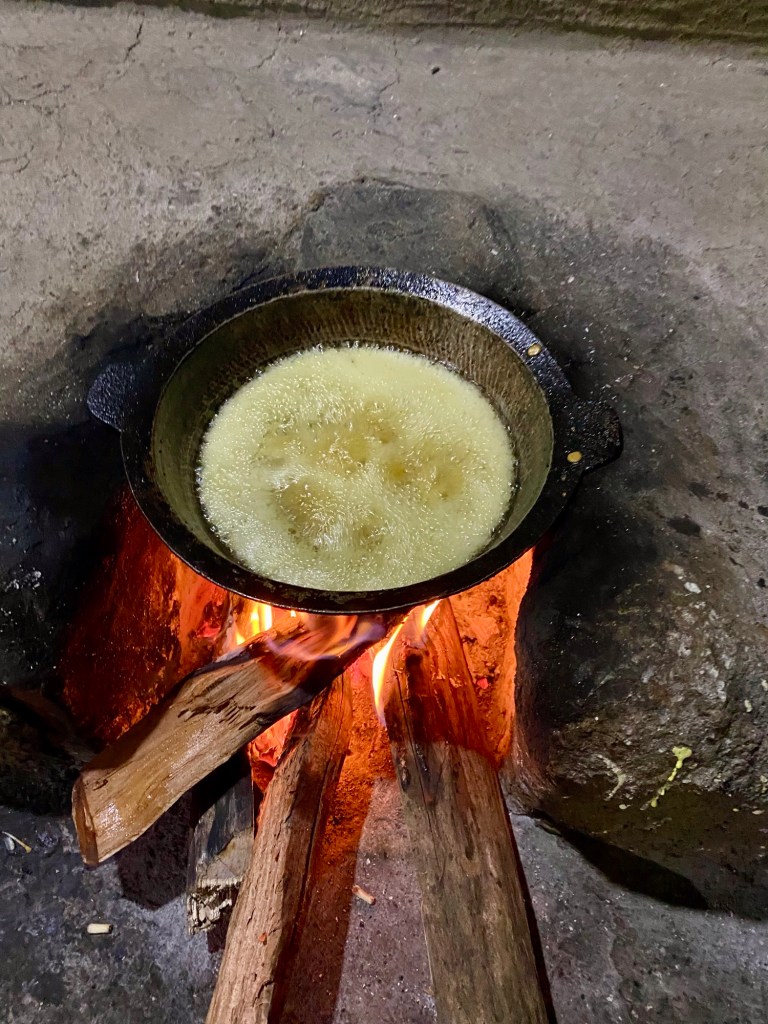
Deep Frying with Coconut Oil
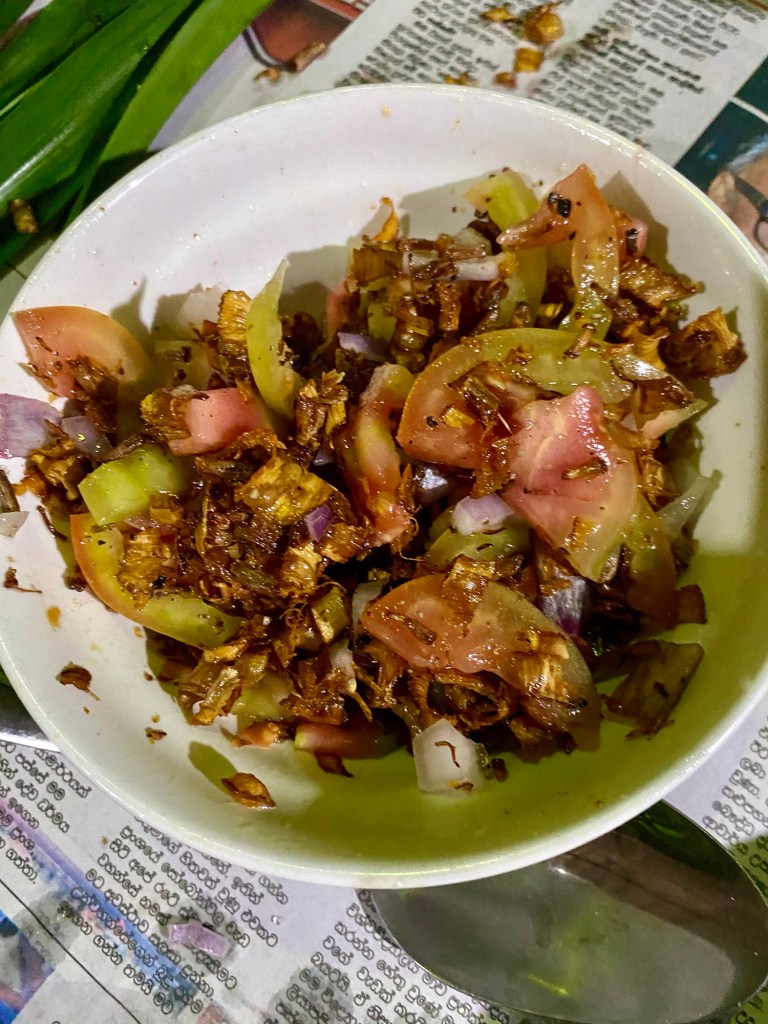
Egg Plant & Banana Flower Curry
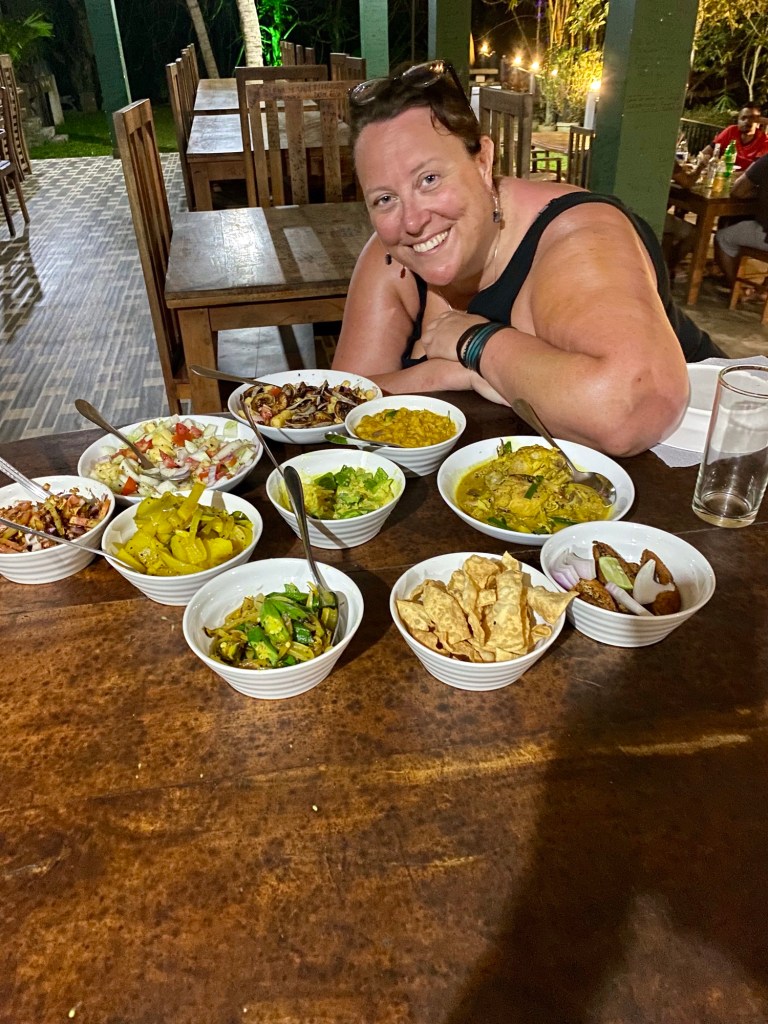
Finished Dishes

Of course when all was said and done we sat down to twelve dishes, Anjalee added rice and custard with treacle for dessert and we implored our driver to join us to help out, there were so many dishes. Another one of my favourite things to do in Sri Lanaka. Thank you Anjalee and family, we so enjoyed our time with you.

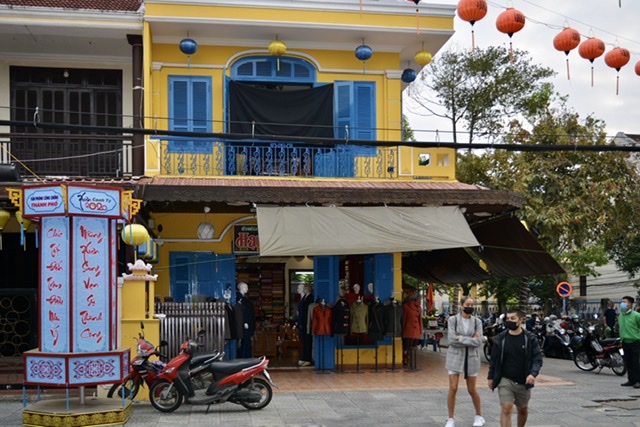
Hoi An – Ancient City of Vietnam

Beautiful, poetic Hoi An

After leaving Halong Bay we took a short flight to Da Nang, situated along the western coast of Vietnam about mid-way to Ho Chi Min City (Saigon). Da Nang is Viet Nam’s 5th largest city and for most travellers it is the entry point for both Hue and Hoi An, ancient cities that have been recognized as UNESCO Heritage Sites. With more time I would have travelled more slowly by train from the north to central Vietnam. As it was with three days to visit the area it was just enough to get to know Hoi An and enjoy some of the interesting history, diverse culture and delicious food. Da Nang and Hue will have to wait for another trip.

We stayed just outside of the ancient city which was a blessing given the hoards of tourists and the number of people who work and live in the area. The Prince Hotel is great if your there, the staff is friendly and helpful, the rooms are clean, comfortable, the service is great and the breakfast good and at $29.00 CAD the price was right too.

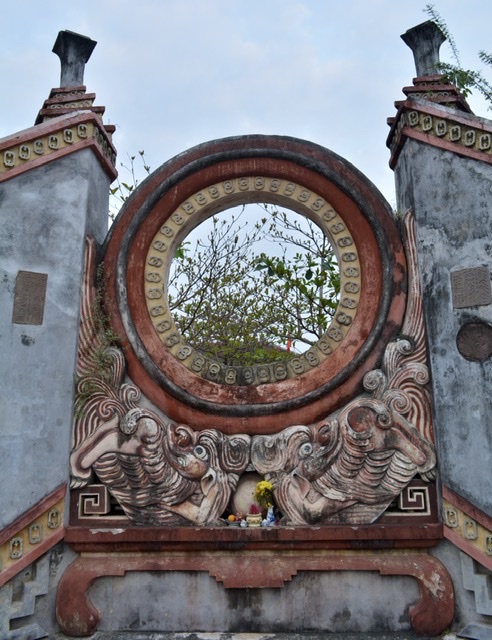
About a twenty minute walk to the edge of the old town it isn’t long before we were emersed in the interesting history of Hoi An. For a small entrance fee you receive a ticket which entitles you to visit 5 of the more famous merchant homes and private temples and gardens in the Ancient City, a rich fusion of Chinese, Vietnamese, Japanese and European influences that date back to the 16th century. A major trading port,people came and went and stayed on as merchants, building the old wooden fronted merchant homes that you see today.

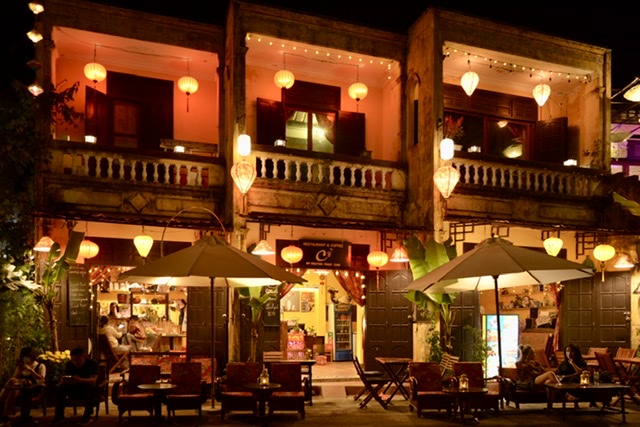
The walkways and bridges that connect the various neighbourhoods of Hoi An, were designated areas such as the Japanese or Chinese areas. The 200 year old shophouses are now home to boutiques, craft-stores, restaurants and bars, whatever brings them in to shop and to spend.

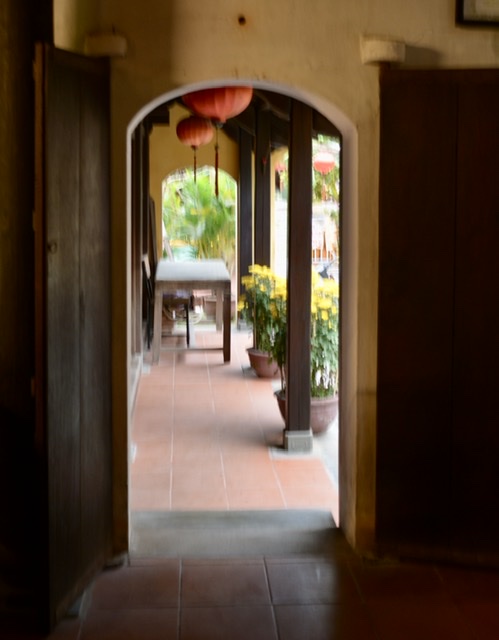
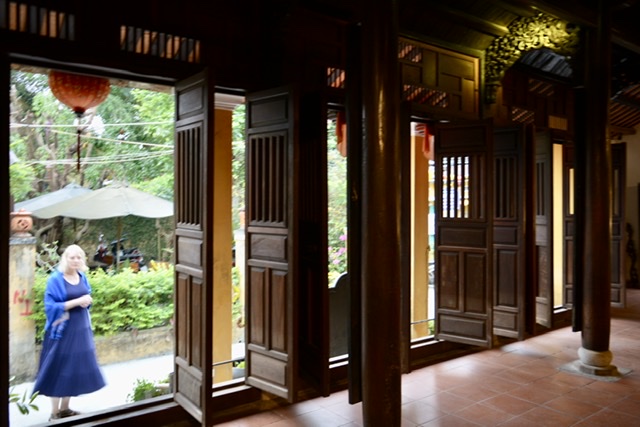
The Japanese Bridge is on of the most famous and connected the Japanese community to the Chinese community in the 16th century. Most merchants built dimly lit homes with dark wood doors and panelling with shops in the front of the house.

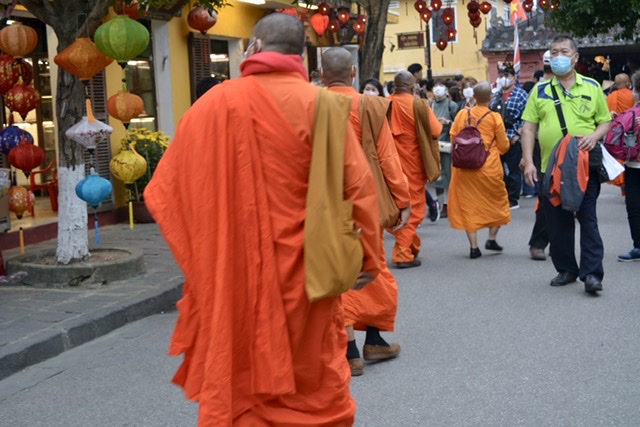
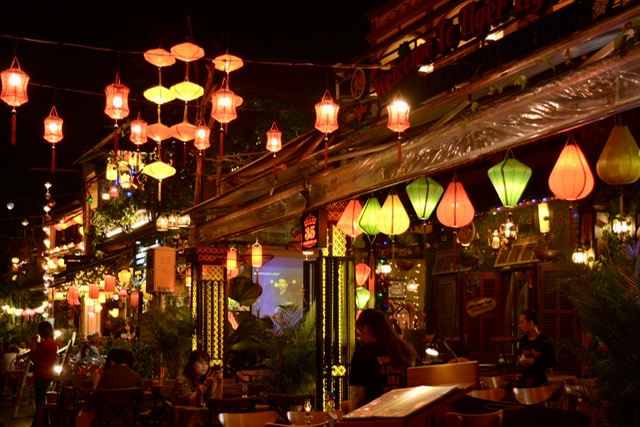
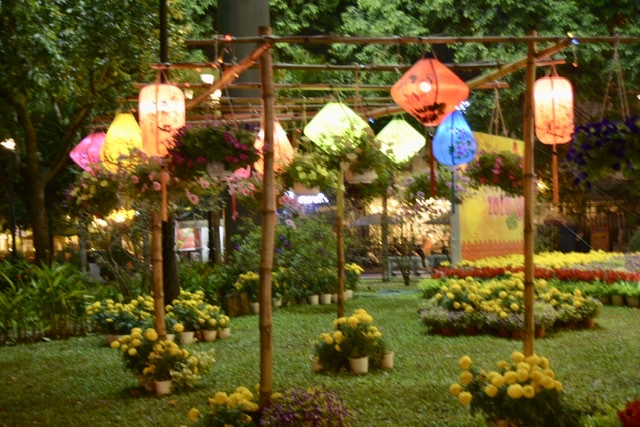
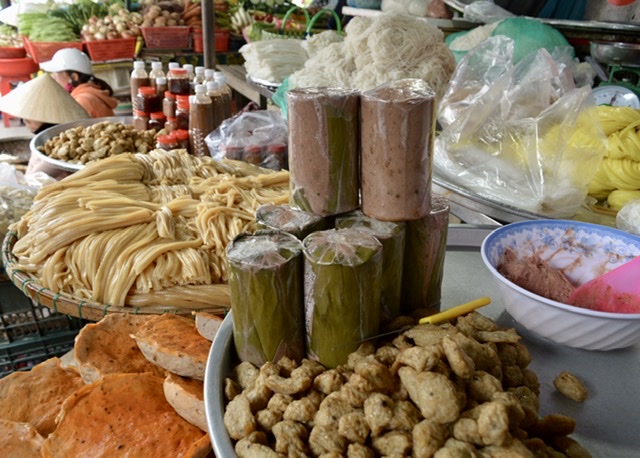
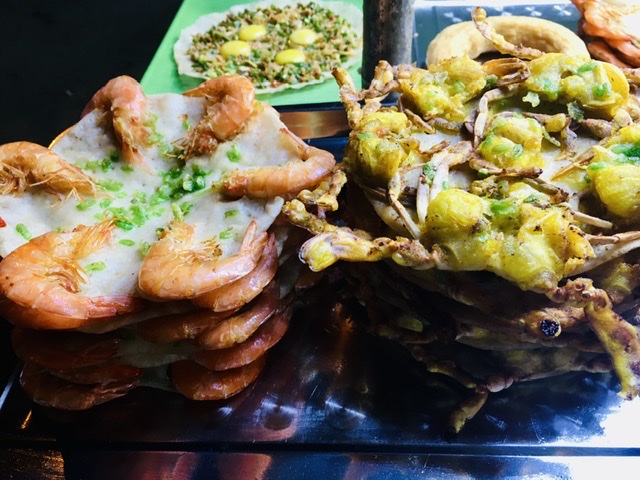
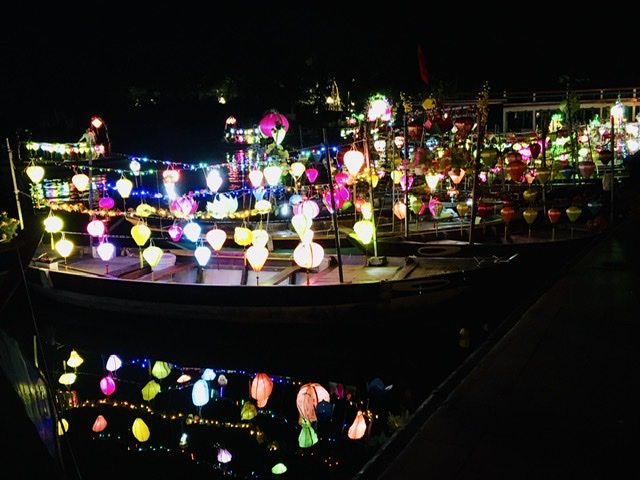
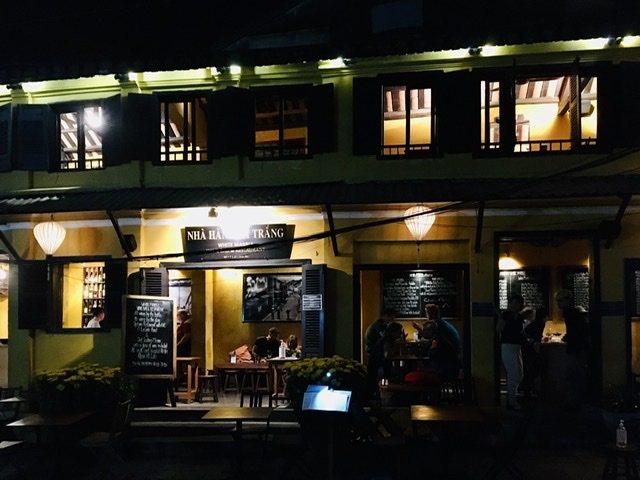
At night the shops are festooned with multi-coloured lanterns and range from souvenirs to boutique clothing stores. So fun to wander about at night and watch the dinners, shoppers and strollers enjoy the festive streets. Along the river are walkways and a favourite thing to do, after enjoying some street food, is a lantern boat ride in a sea of long boats and lanterns. The night market features many of the foods that are enjoyed by visitors and locals alike but I’m afraid that neither quail nor frog was not on my list of things to try. The lady selling the frogs told me I should “change my mind”. She’s probably right, but not when it comes to frogs. All I could think of was Kermit.

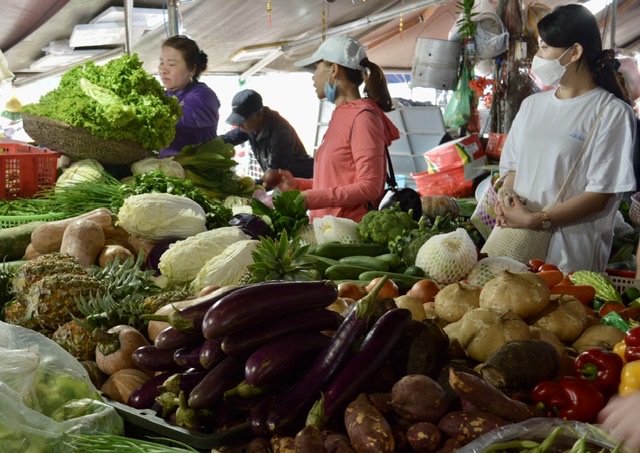
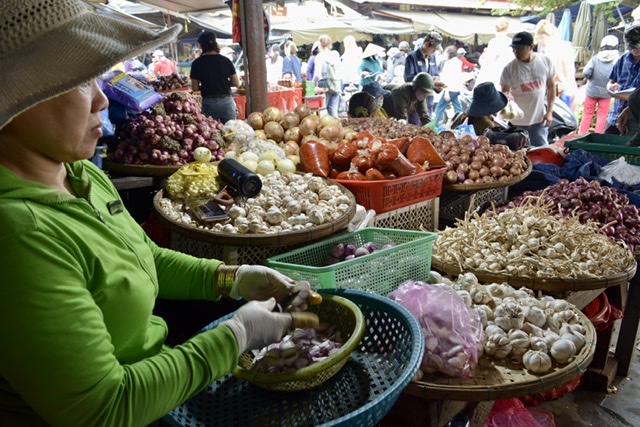
A great thing to do in Hoi An is to take a cooking class, which was actually a whole day long adventure that started with shopping for and buying the freshest ingredients at the morning market. Our guide/cooking teacher (wearing the white ball cap below) led the ten of us skillfully through the crowded market and down to the river where we caught a boat downstream to where the cooking class was to be held. A really fun way to get to class, the longboat that we boarded took us past homes, fishers, under bridges and into the delta.

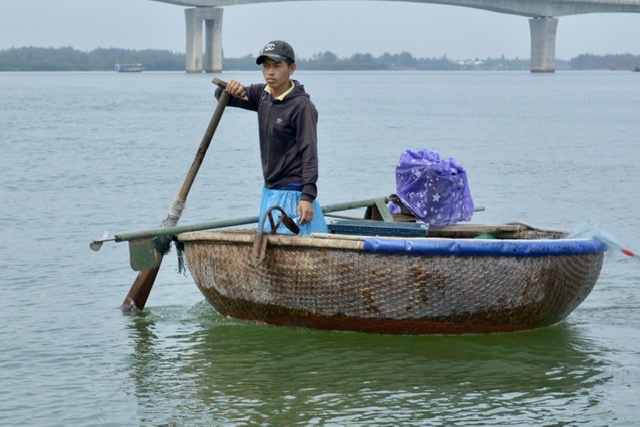
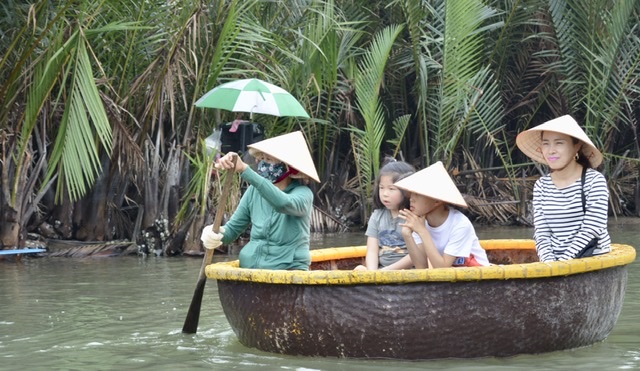
Once off the long boat we were led to a smaller dock in some mangroves where we teetered our way into teacup boats, paddled by the locals, all part of a show put on for the tourists. It was so fun and our paddlers seemed to really enjoy the reactions of the passengers as they spun the boats in dizzying circles, rocking them precariously back and forth for effect and then a number of men, alone in their tea cups were demonstrating how fast the boats could spin and what a wake they could produce when rocked to their gunnels. All done to K Pop music like Gang-am Style. What a hoot. We were taken up some of the narrower passage ways in the mangroves and were able to see the mussels clinging to the roots and the boats laden with tree fronds for weaving baskets, clothing and kinds of household items.

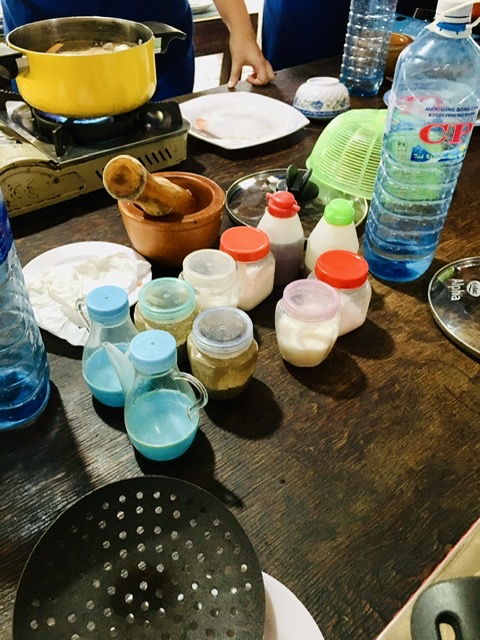
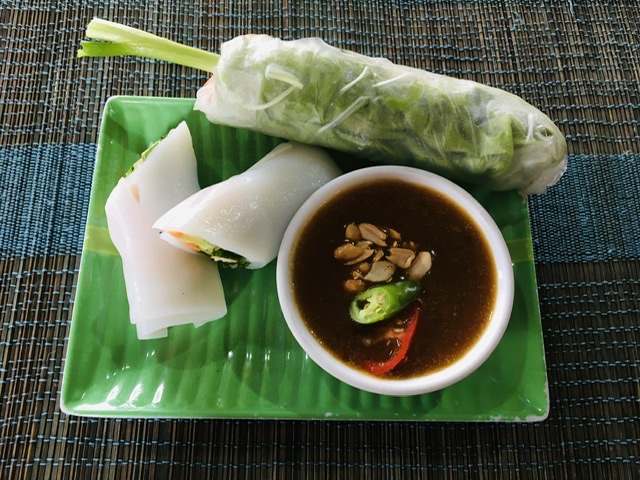
When we arrived at our cooking class we found ourselves in a very clean and organized outdoor kitchen. All the ingredients we had purchased early were cleaned, measured and placed at individual stations. We made two different kinds of Goi Cuon (salad rolls) with Nuoc Leo (peanut Hoisin Sauce). Then, Bang Xeo (sizzling savoury crepes) resembling tacos were made from rice flour, spices and coconut milk, dipped in Nuoc Cham sauce. Our Mi xao hai san (seafood stir fried noodles) was delicious and was followed up by the final dish Pho Bo Hà Nội (Hanoi style rice noodle soup with beef). Learning how to make the sauces meant learning how to combine seasonings, spices and herbs for ultimate flavours. Best of all we got to eat everything we made.

Marble Mountain and My Son are two sites that are generally combined to make a full day outing that takes you back to Da Nang and gives you a glimpse of this very modern city that even has a giant Ferris wheel, aka the London Eye.

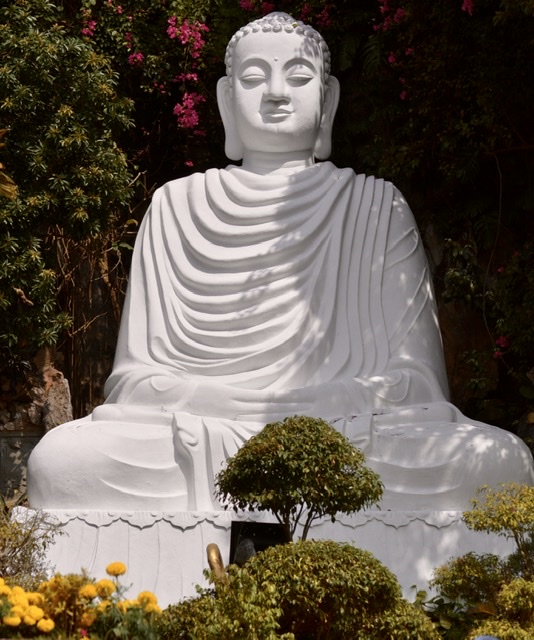
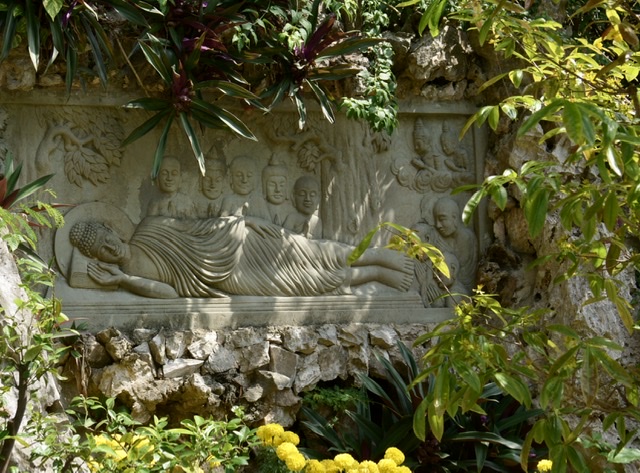
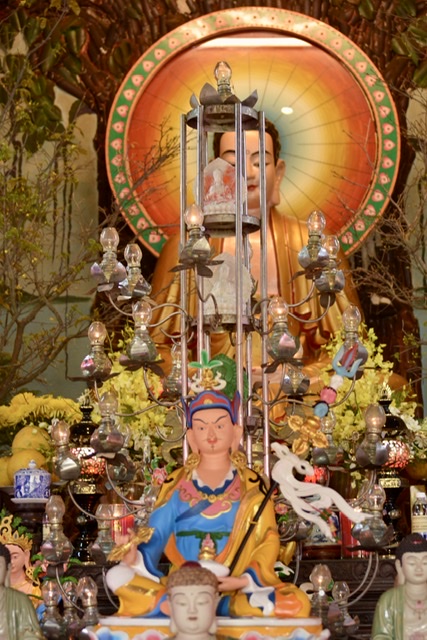
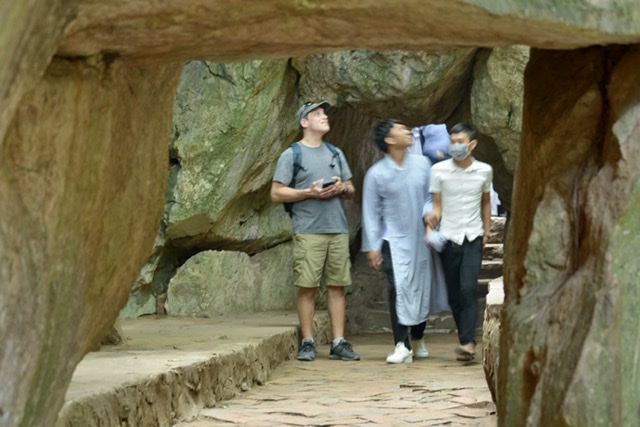
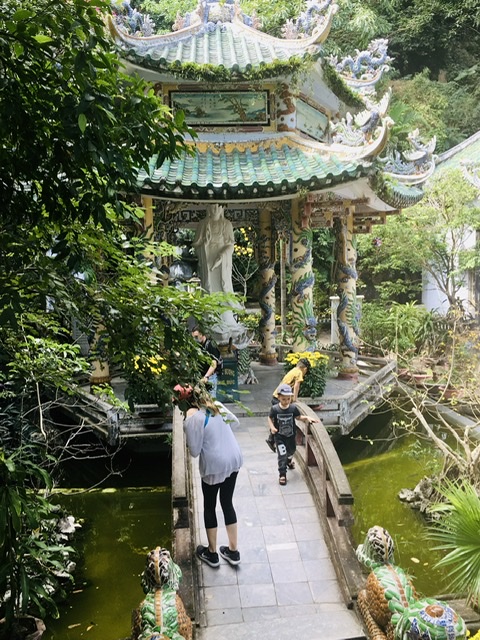
Marble Mountains are just that and all along the streets leading into Da Nang were shops selling marble statues in a range of sizes. Marble Mountains are five mountains riddled with natural caves that were made into Hindu and later Buddhist temples. You can climb to the top on uneven stairs or take an elevator to the top. We took the stairs and once at the top is when the hike really began. A series of paths join the various levels at the top of the mountain, much larger in scale than I had anticipated. Up stairs, down stairs, over bridges and through caves that led to other caves we saw several pagodas and Buddhist statues. At one point the rocky uneven staircase gave way to what was essentially a straight up scramble through a narrow chimney like passage where man made notches in the rocks helped us pull our way up and out of the cave.

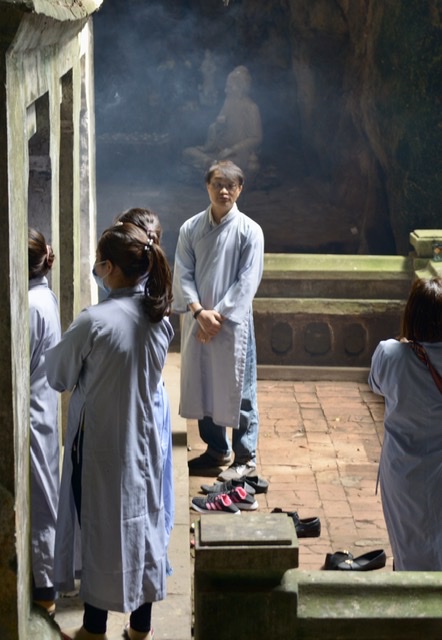
The lady below was selling incense to the pilgrims who came to worship in the caves, temples and pagodas. I offered not to buy the incense but to pay for her picture as I loved her beautiful face. So full of character and a simple joy for life she seemed quite pleased to pose for me. Inside the caves in the Smokey incense din were noviciates who came to prey and worship.

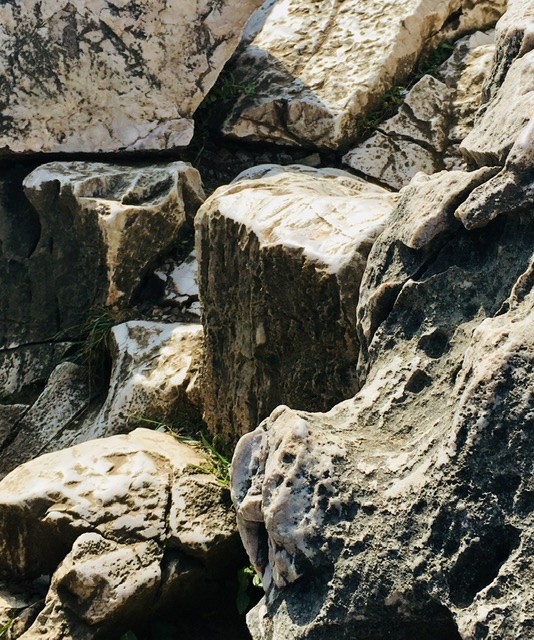
Once through the keyhole passage we made it to the top of the Marble Mountain we had ascended and were rewarded with a great view of Da Nang, the other Marble Mountains and of course the beautiful country side. I’ve included a photo of what you might consider to be a stairway.

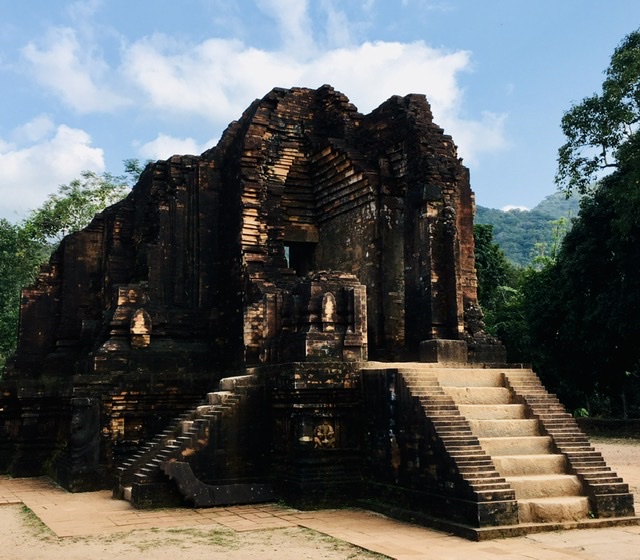
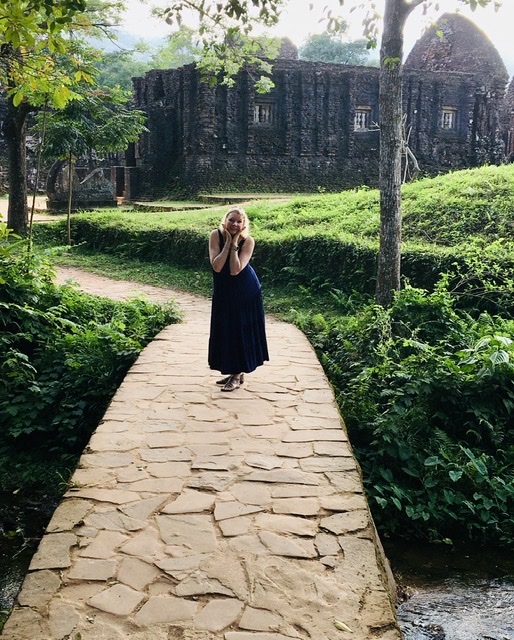
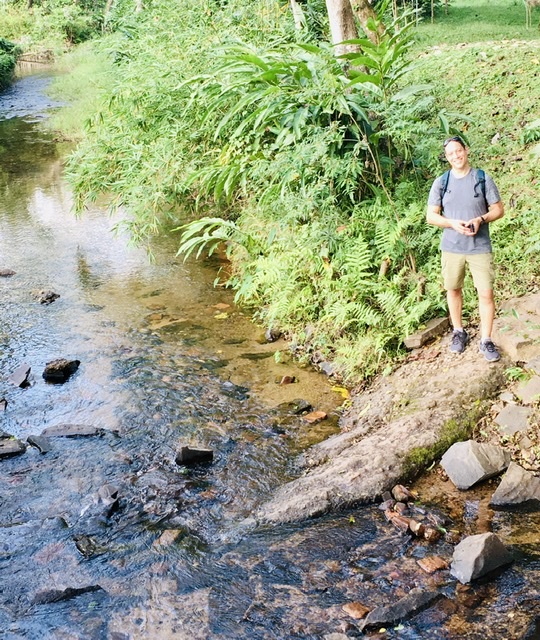
Our hired driver waited for us at the base of our Marble Mountain and once we had some restorative food and drink we continued on our way to My Son, an ancient site of the Champa kingdom which lasted from the 2nd century to the 15th. The site itself is a beautiful wooded area with flat meandering trails that take you to different clusters of ruins. Along the way there are huge craters that are reminders of the bombs dropped by the American B-52’s. You are cautioned not to stray from the path as there are unexploded mines in the area. Some of the Cham ruins were reduced to rubble by the bombing.

Our final night in Hoi An and one last wander through the streets to soak in the beauty of the light cast by the lanterns. Hoi An is a poetic gem and definitely if you are going to Vietnam you must go to Hoi An.