Bangkok 2026

Solo travel in Bangkok with so much to do!

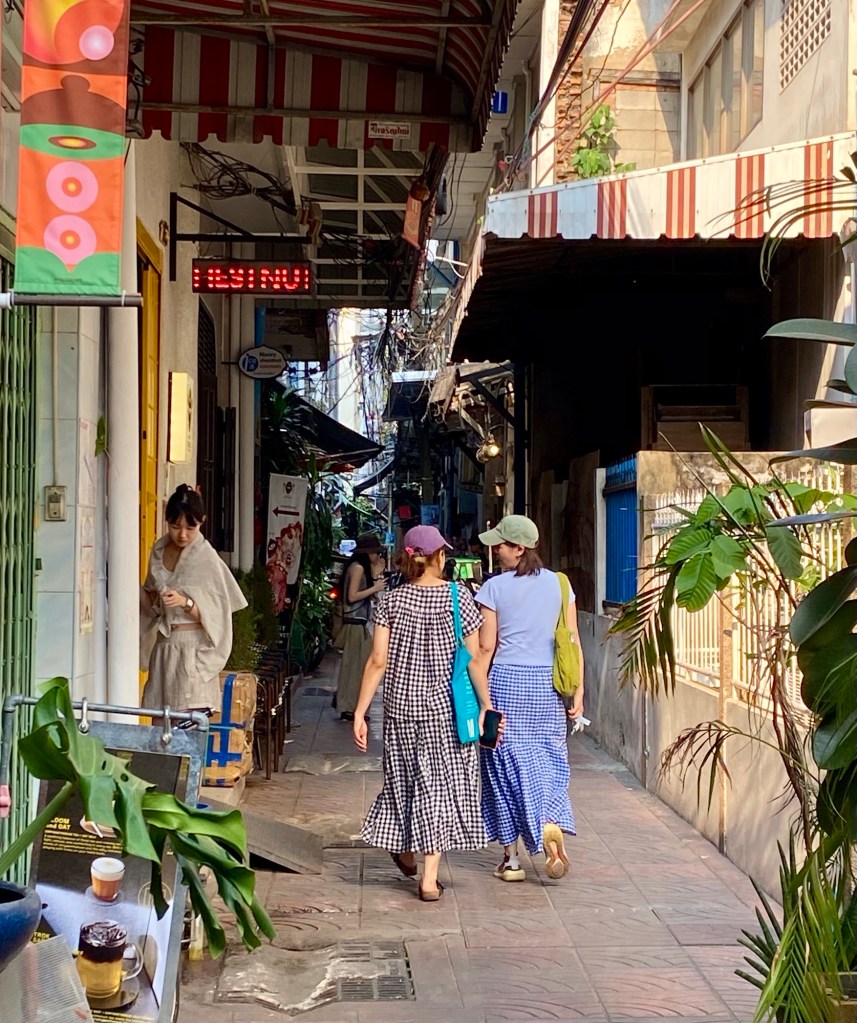
I first came to Bangkok in the ‘80’s and let me start by saying….it is not the same place. Sure, maybe tucked, squeezed, forgotten, pushed under bridges, down back lanes and clinging to river channels, the old Bangkok survives under the long shadows of glassy eyed skyscrapers that in no way bear resemblance to my memories of the first visit.

Changed as it is, I loved it all…..the remnants of days gone by and even the enthusiastic embracing of commercialism. One thing that is not gone for sure is the wonderful warmth, friendliness and hospitality of the Thai people. And, of course Thai cuisine, from 5 star Michelin restaurants to steamy food carts serving street food, Bangkok has it all.

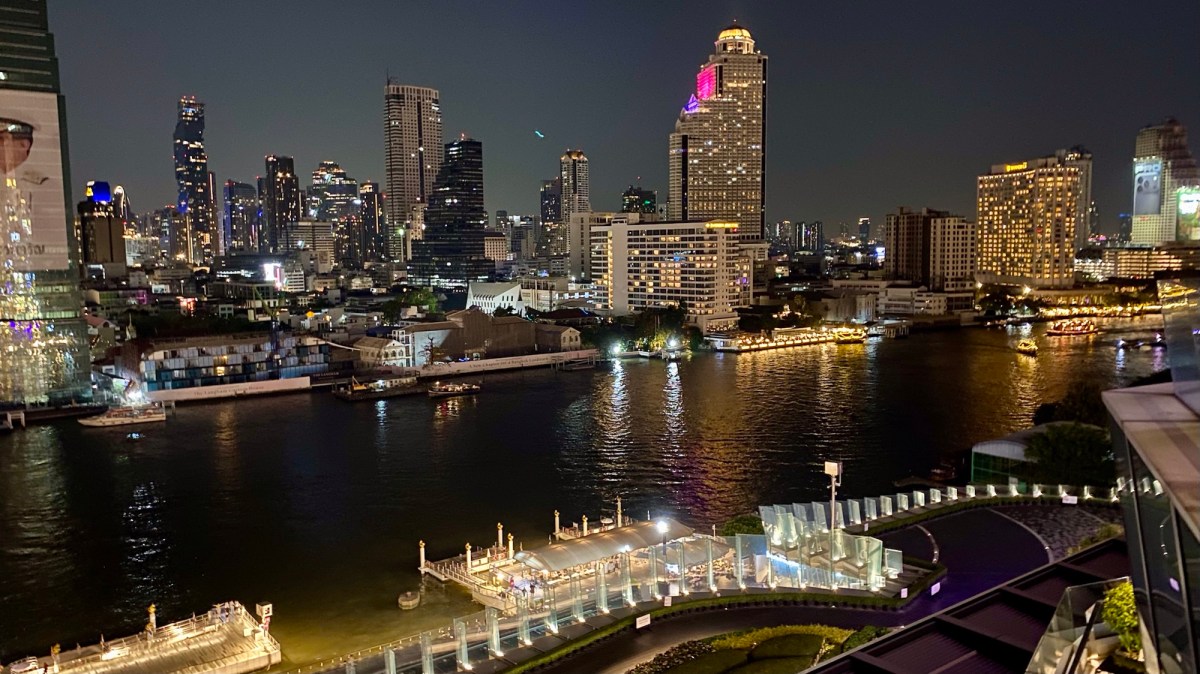
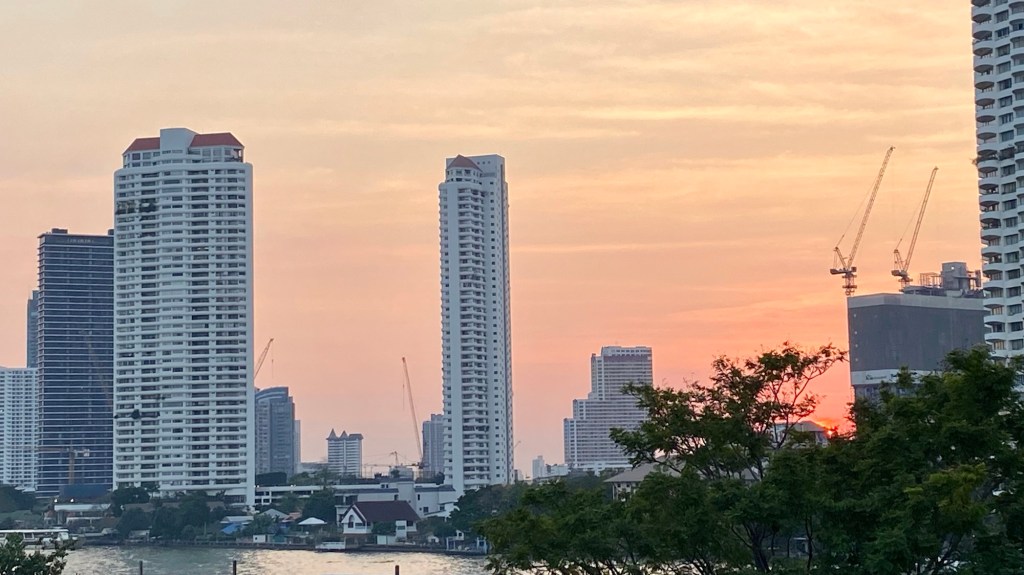
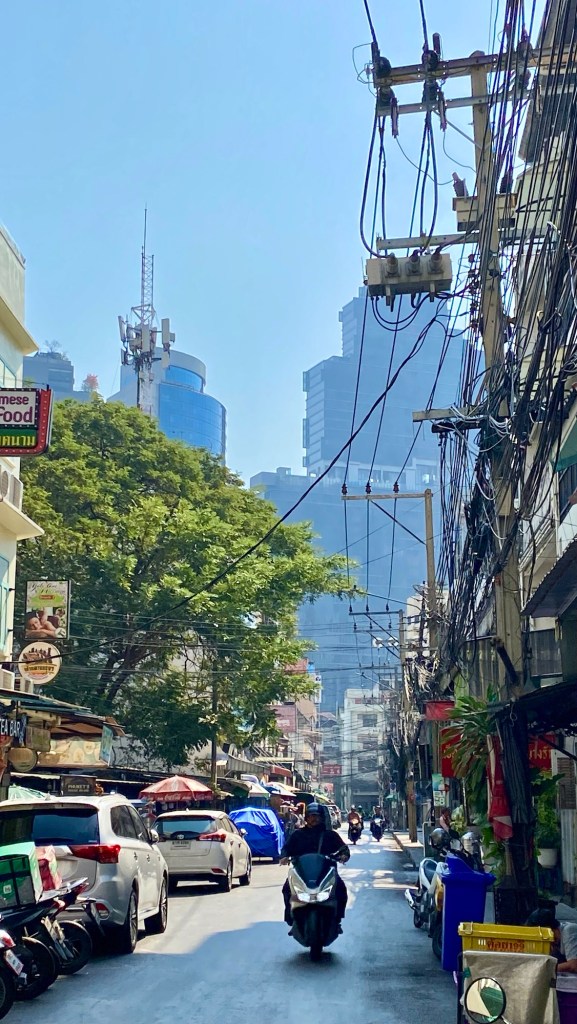
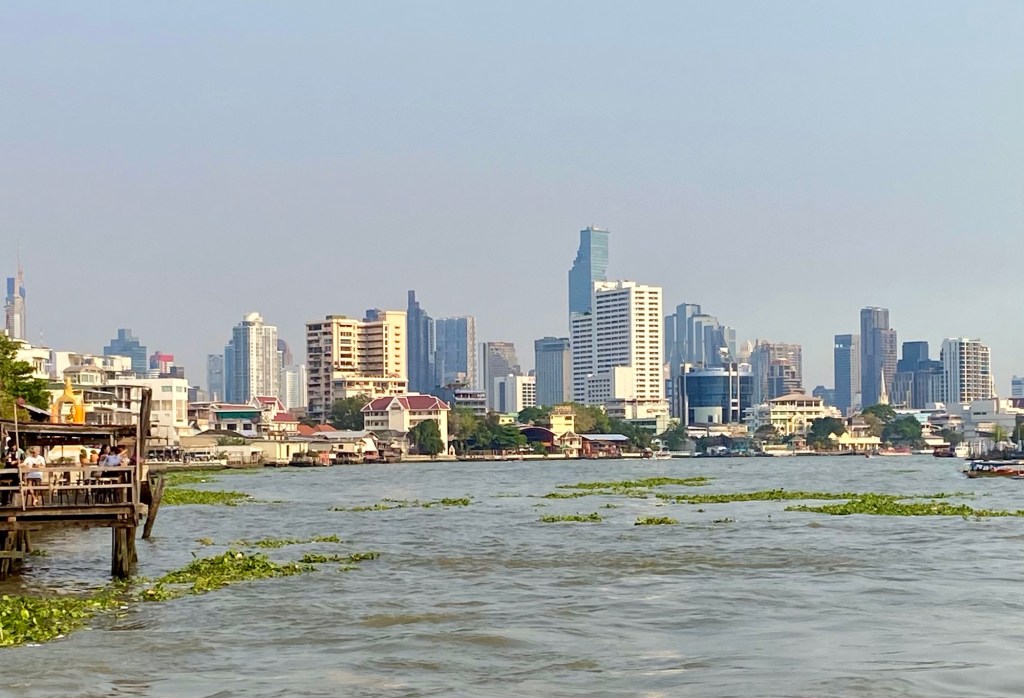
New Bangkok Skyline Dwarfs the Old Style Street Scenes
The Bangkok I Remember
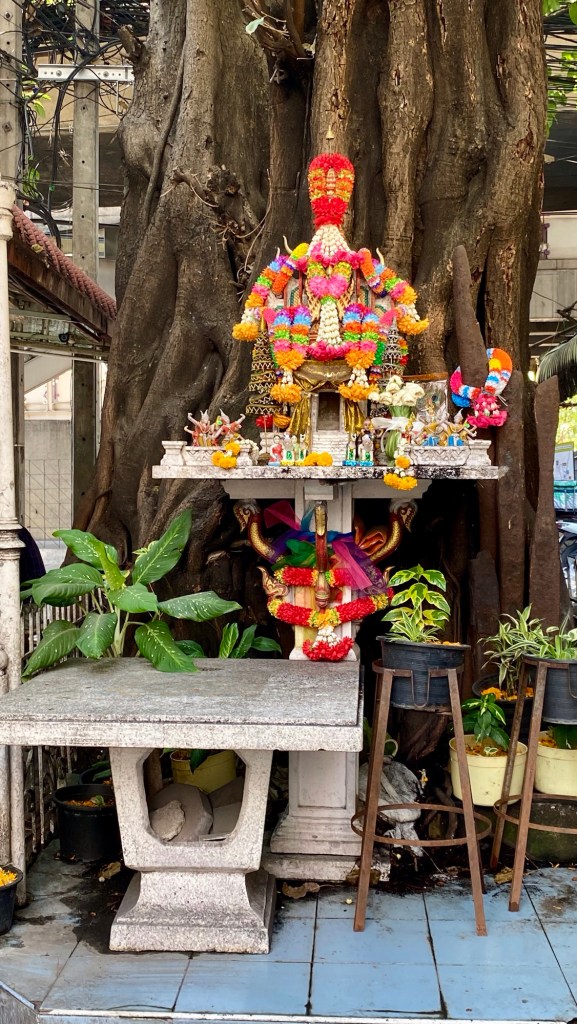
A Place of Quiet & Gratitude Among the Hustle & Bustle
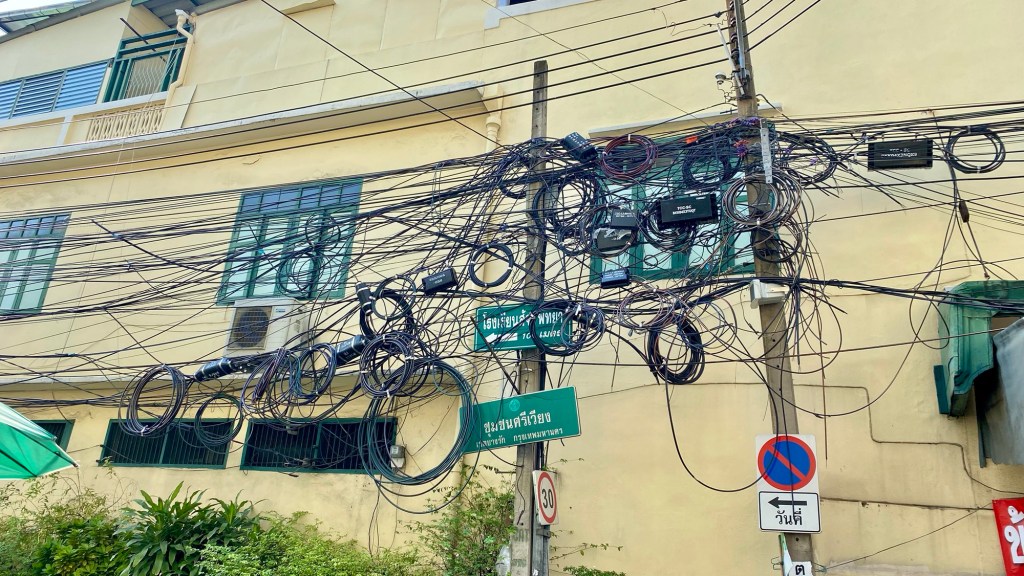
Streets Below

I was just lucky when I booked a room at the Oakwood Hotel and Residences in the Sathorn district. Situated a short walk from “everything”, I was able to take trains, ride the river boats, walk to shops, eat and drink and sleep comfortably in a decent hotel.

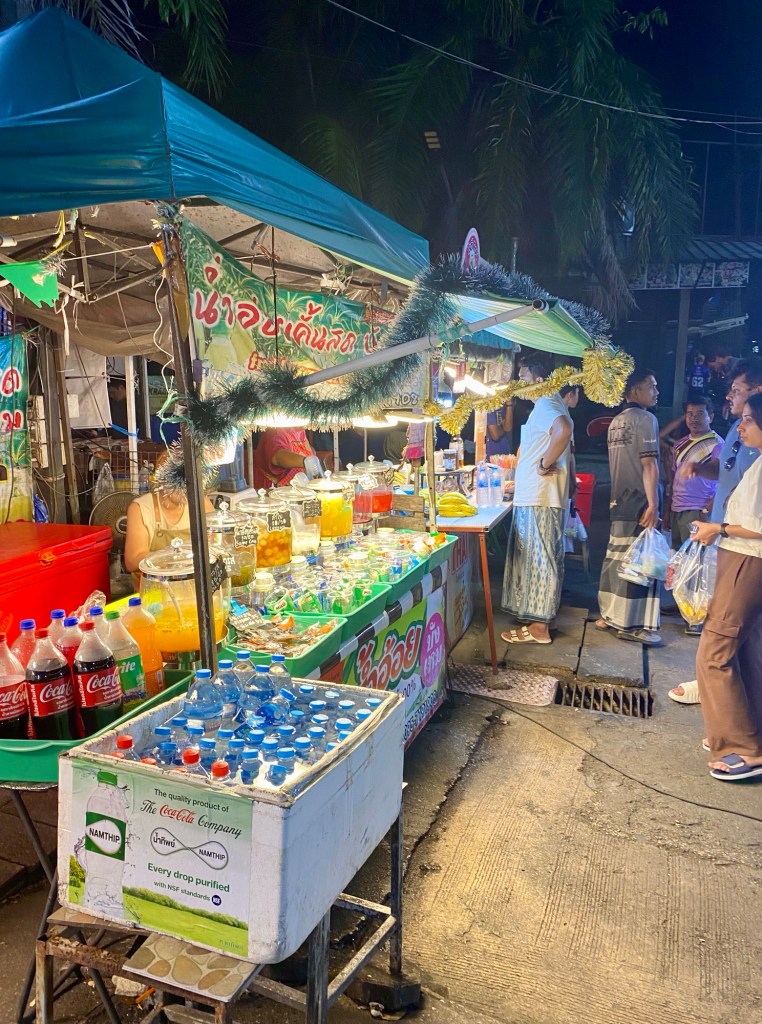
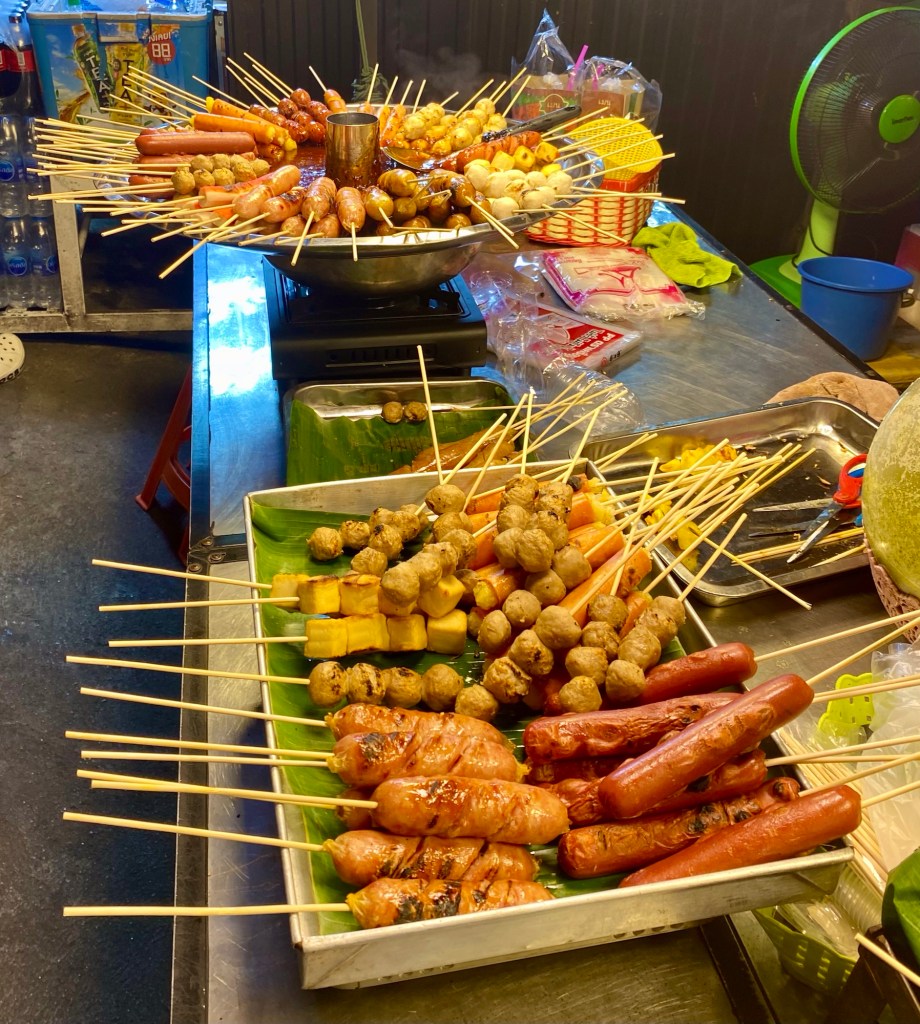
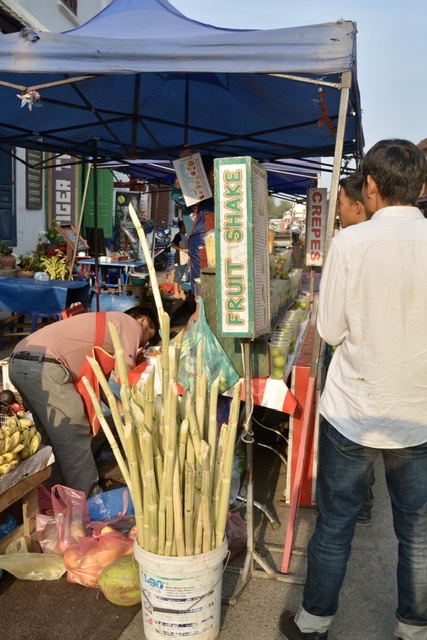
Close to my hotel was a street food market, a moderate shopping mall and a 7-11. On the streets around the hotel you could buy baisered corn on the cob, fresh fruit and other snack type food most of which were a mystery to me.

Since my stay was short and I had very clear memories of the Royal Palace, the Royal yachts, and several of the Wats I chose to spend my time visiting places that would be new to me.

Culture and Malls Go Together?

The sky trains in Bangkok are easy to navigate and ticket booths and machines are both easy to understand.

Buying a 20 Baht ticket, I headed off to see the Bangkok Art & Cultural Centre which turned out to be connected by a pedestrian causeway to a jumbo mall.

Bangkok Art & Culture Centre

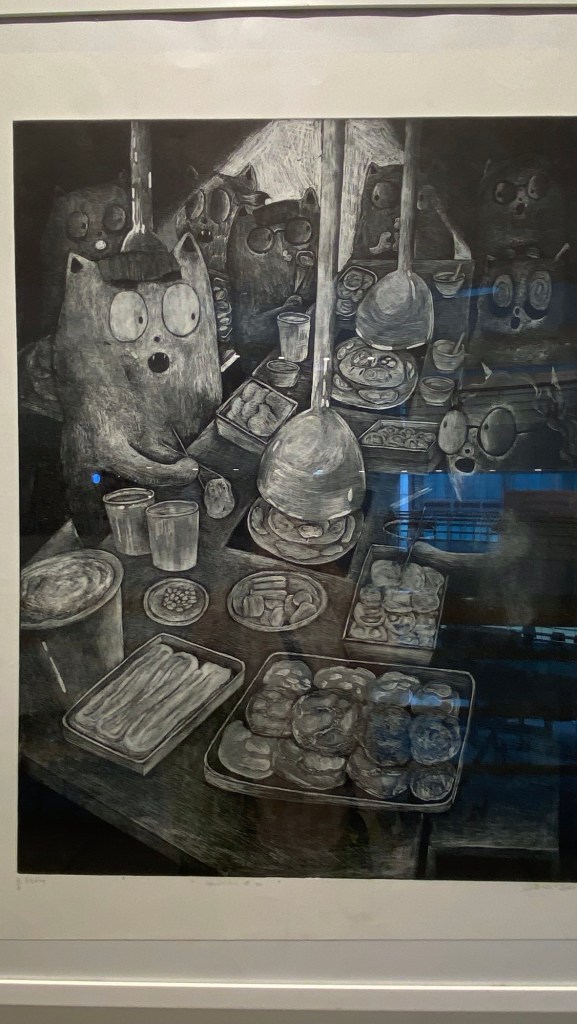
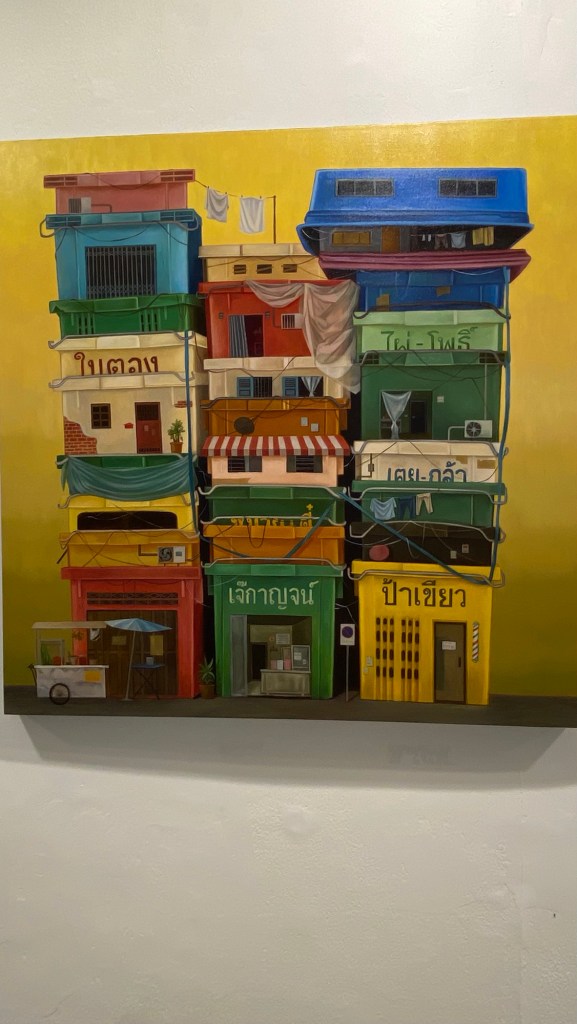
Entrance is free at the Art & Cultural Centre and ironically included exhibitions by youth and “kids” themed on pitfalls of commercialism.

Real Live Interaction…Not On-Line as Depicted by A Young Artist Who Enjoys Sharing Food with Friends
Homes Squeezed In Regardless of the Urban Landscape
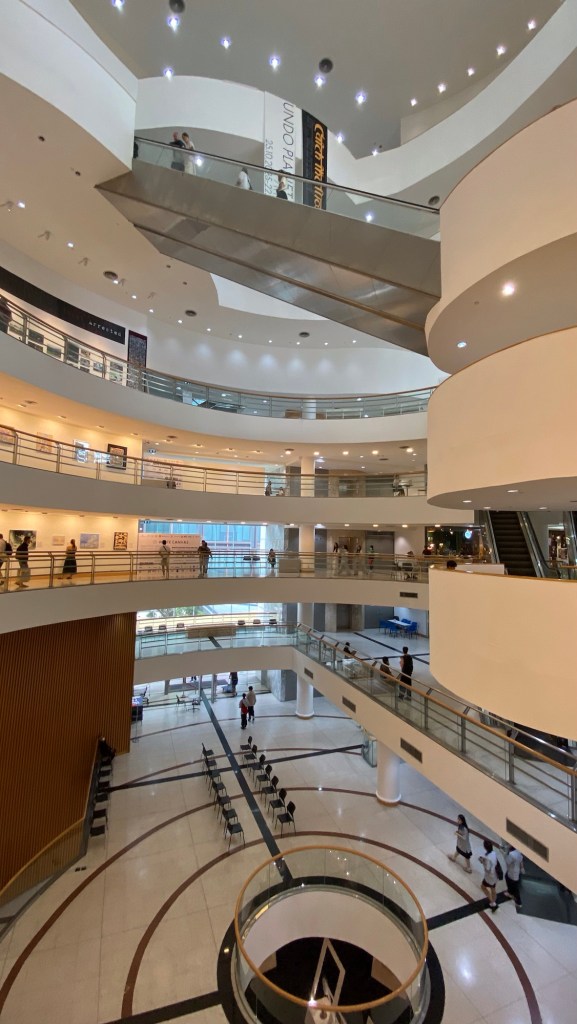
Bangkok Art & Culture Centre

The interior of the building is reminiscent of the Guggenheim in NYC and exhibits are coiled around a centre atrium with arts shops tucked in back corners.

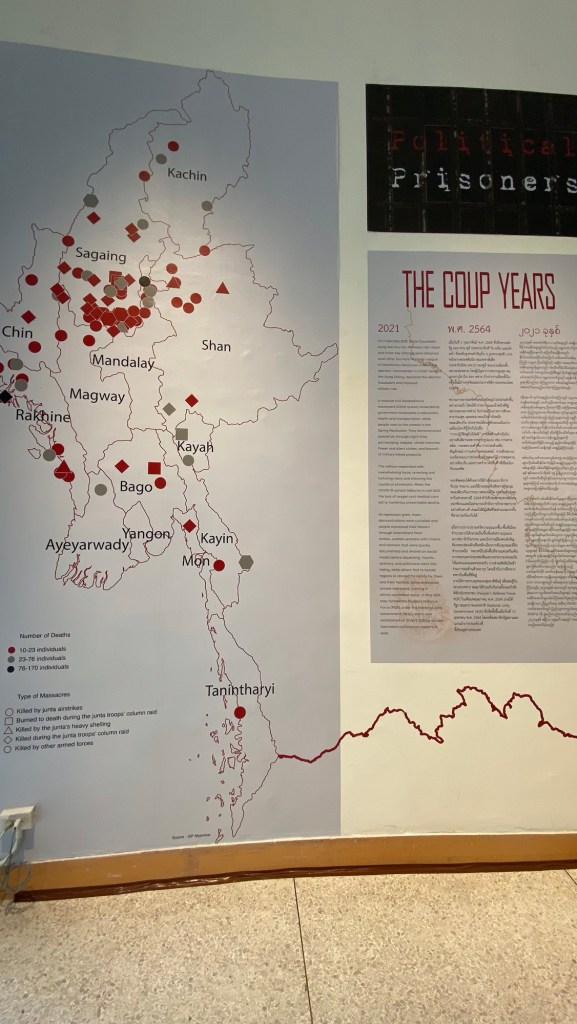
The final exhibit on the top coil was an homage to the suffering of the people of Myanmar under the current regime.

Chart Shows Number and Cause of Deaths in the Current Conflict

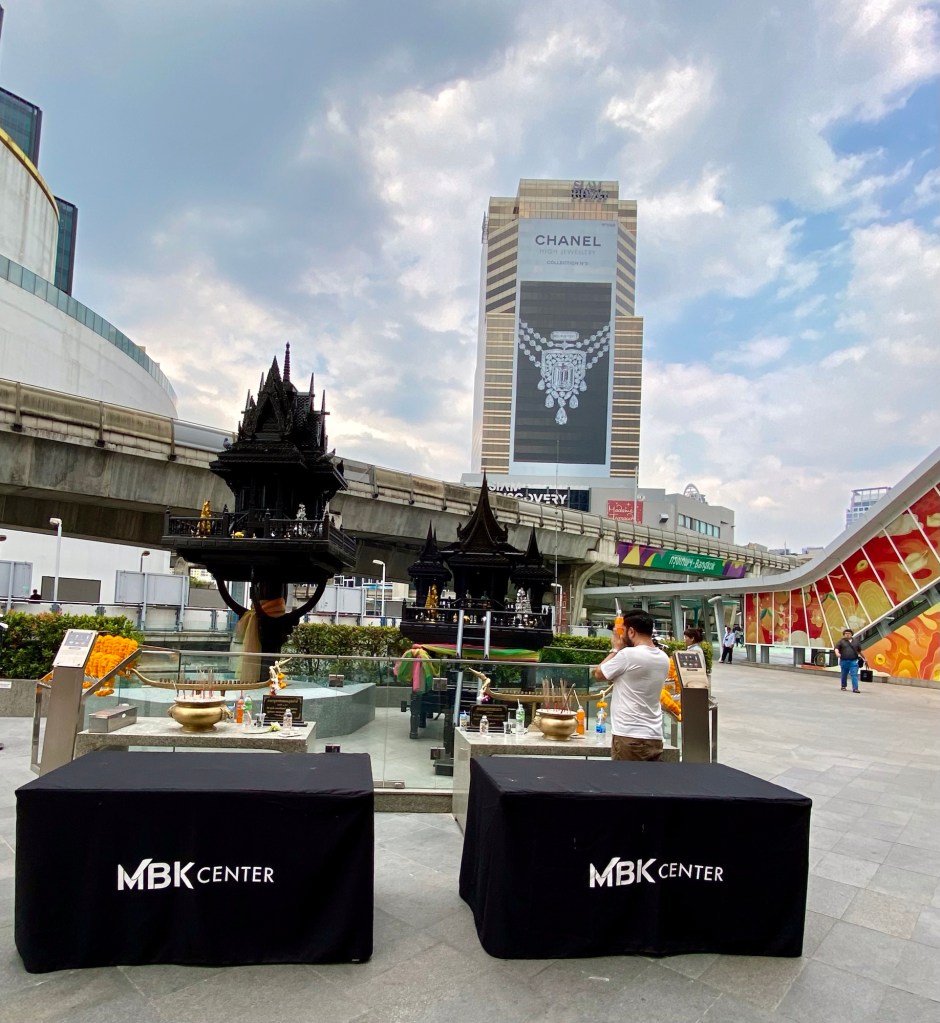
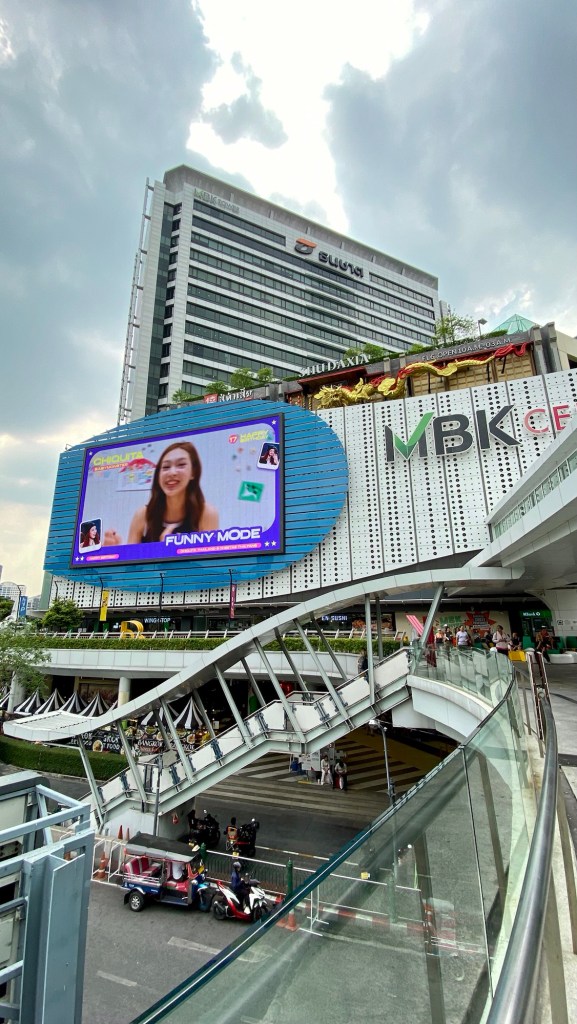
Mega Mall – MBK

Ironically, you step out the door of the Cultural Centre and you come face to face with the sprawl of urban commercialization being questioned in the youth exhibit.

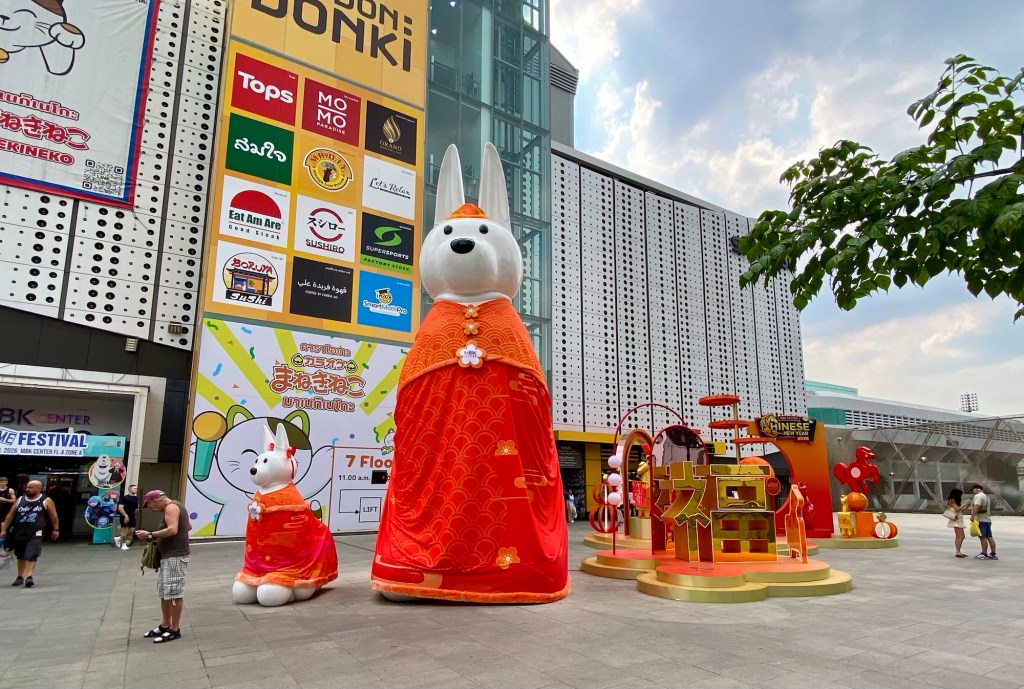
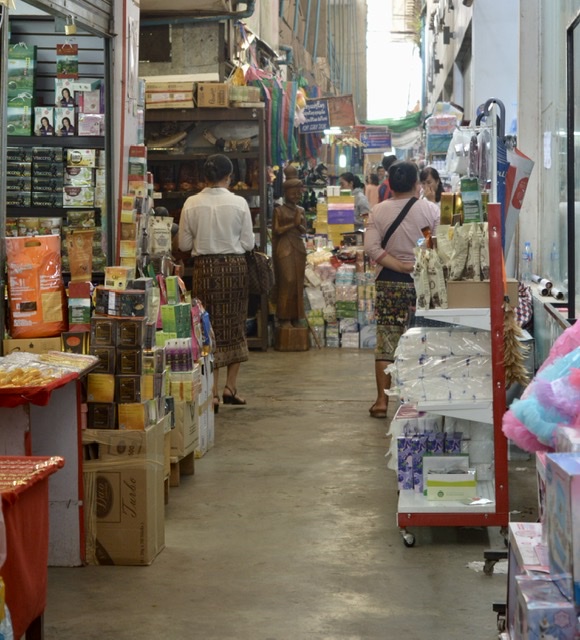
The MBK Mall as it is called, is crowded, busy, noisy….housing small business, brand names, entertainment, services, restaurants all cheek to jowl over at least 6 floors. Each floor a rabbit warren of stalls. I think these are the same street merchants that I saw in the 80’s but they’ve been moved inside with AC?

I headed to the 6th floor to the electronics bazaar to buy a charger cord to replace one left on the plane. Booth after booth, hundreds of sellers, “brand names” (maybe) , definite knock-offs, and after-market items spread across what must be an acre or more of retail space.

Welcome to MBK

Cord in hand I rode the escalators back down to the ground floor and outside to the National Stadium sky train station. Mission accomplished.

Layers of Roads and Walkways

Another Kind of Mall Featuring Thai Culture

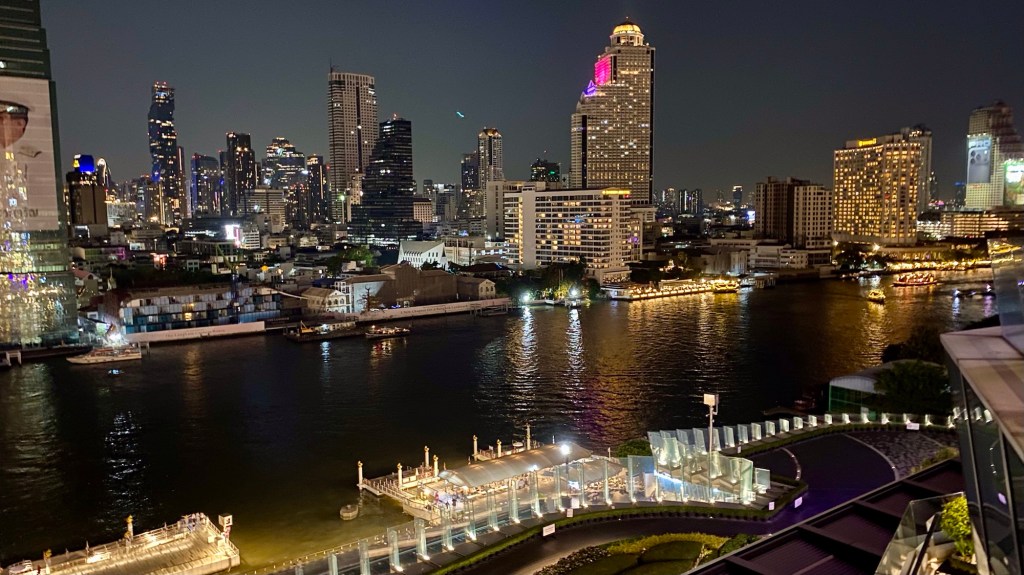
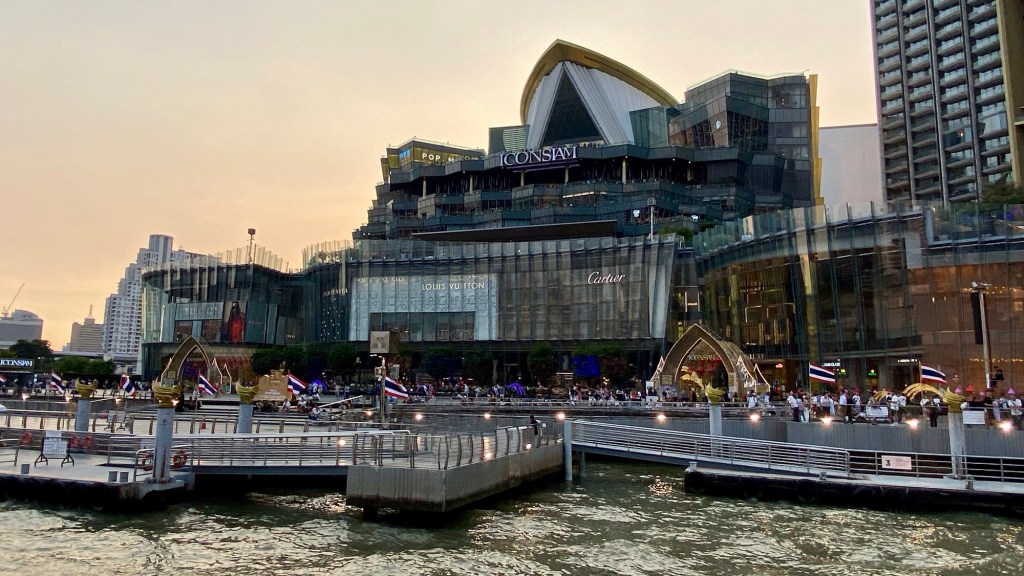
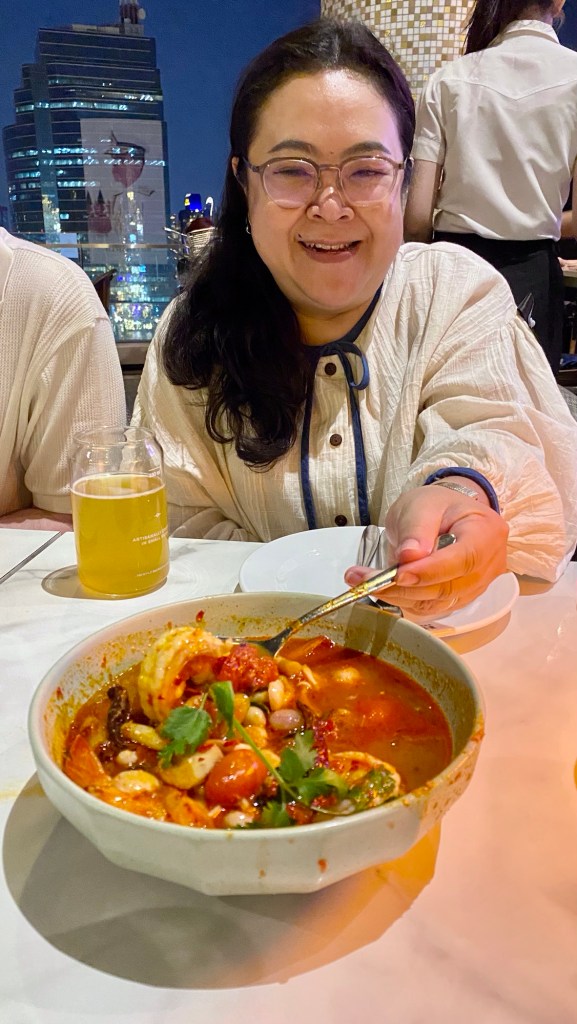
I was lucky enough that I was able to meet up with some friends of friends and we went to the most spectacular restaurant for dinner. The restaurant was on the top floor of the Iconsiam Mall, which is on the banks of the Chao Phraya River. The front of the mall is terraced with outdoor patios and restaurants with gorgeous city and river views.
Delicious…Tom Yum Goong
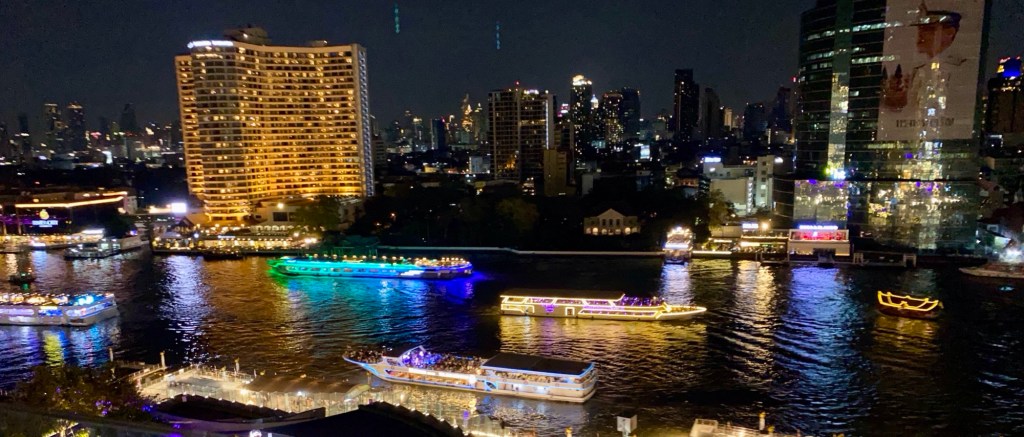
The Chao Phraya Busy with Dinner Cruise Boats
Wow…Just Wow
Front and Top Floor Restaurants Where We Dined

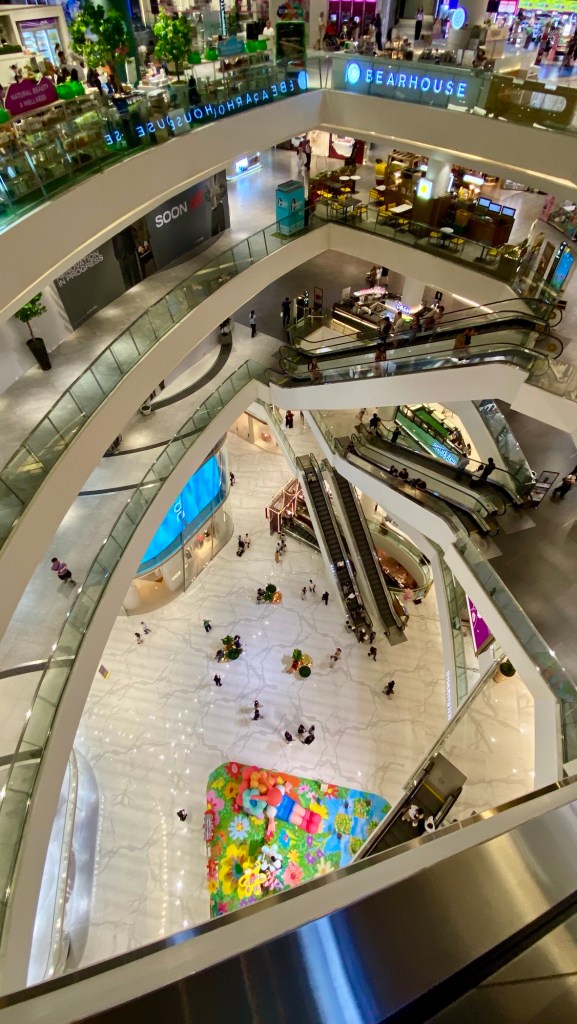
Grandiosely titled “Iconsiam” the mall is definitely meeting its aspiration of Icon status. Unlike the MBK mall it is a temple of brand names. No knock offs here folks. Every level is gathered around marble floored atriums and riding the steep escalator to great heights means you look down over the miniature people below (not for someone with a fear of heights).

Such a Long Way Down

Indoor Floating Market Featuring Regions of Thailand

Southern Thailand…Where I’m Headed

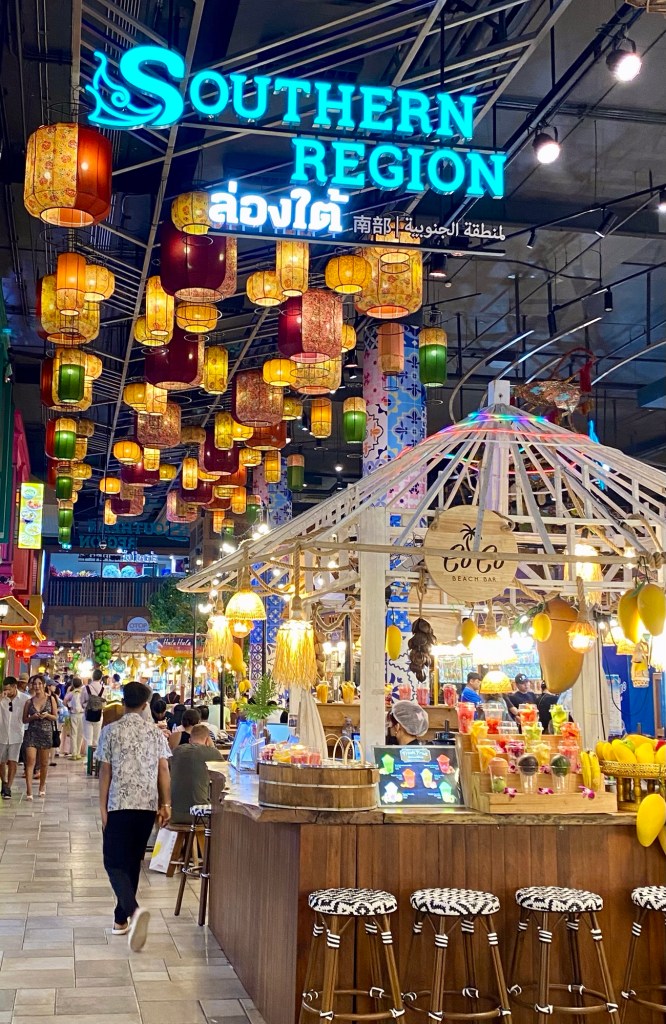
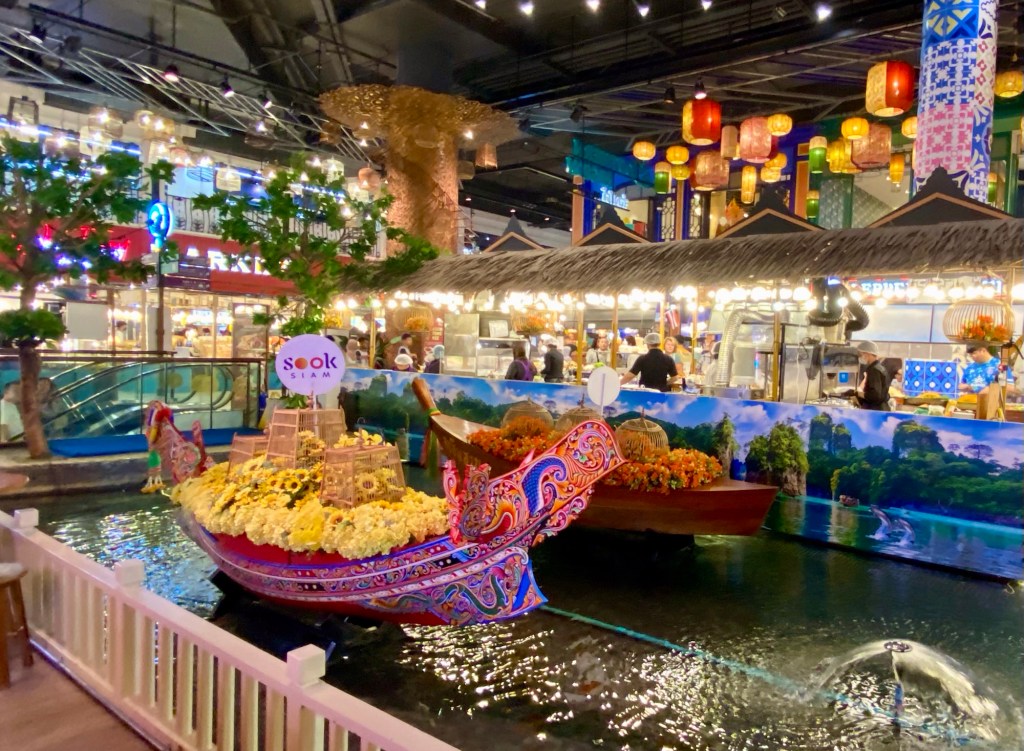
The bottom floor of the Iconsiam mall is designed to resemble a floating market and is divided into the cardinal regions of Thailand with shops and restaurants given over to the traditions, food and wares of each region. It’s a great place to eat inexpensively, all while giving a sense of the Regions of Thailand.

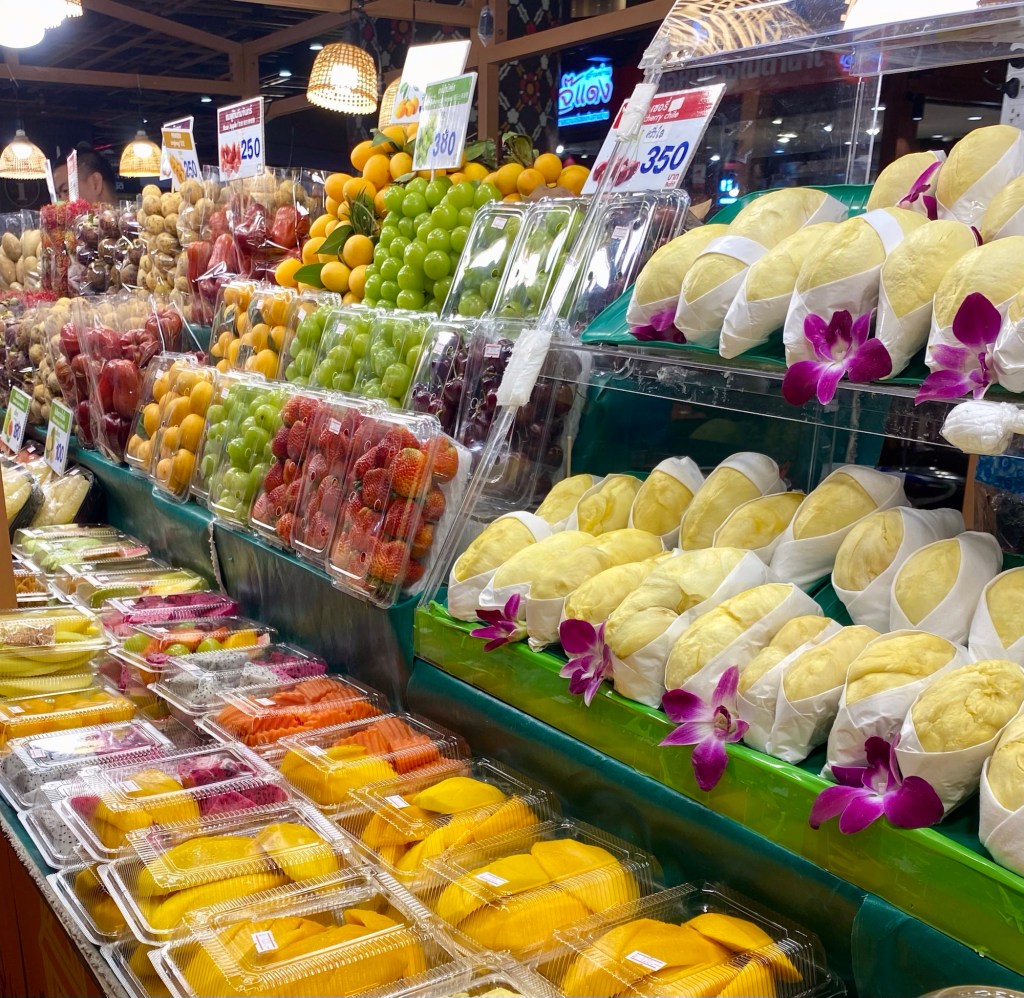
Fruits & Veg Stalls
Mock Floating Market
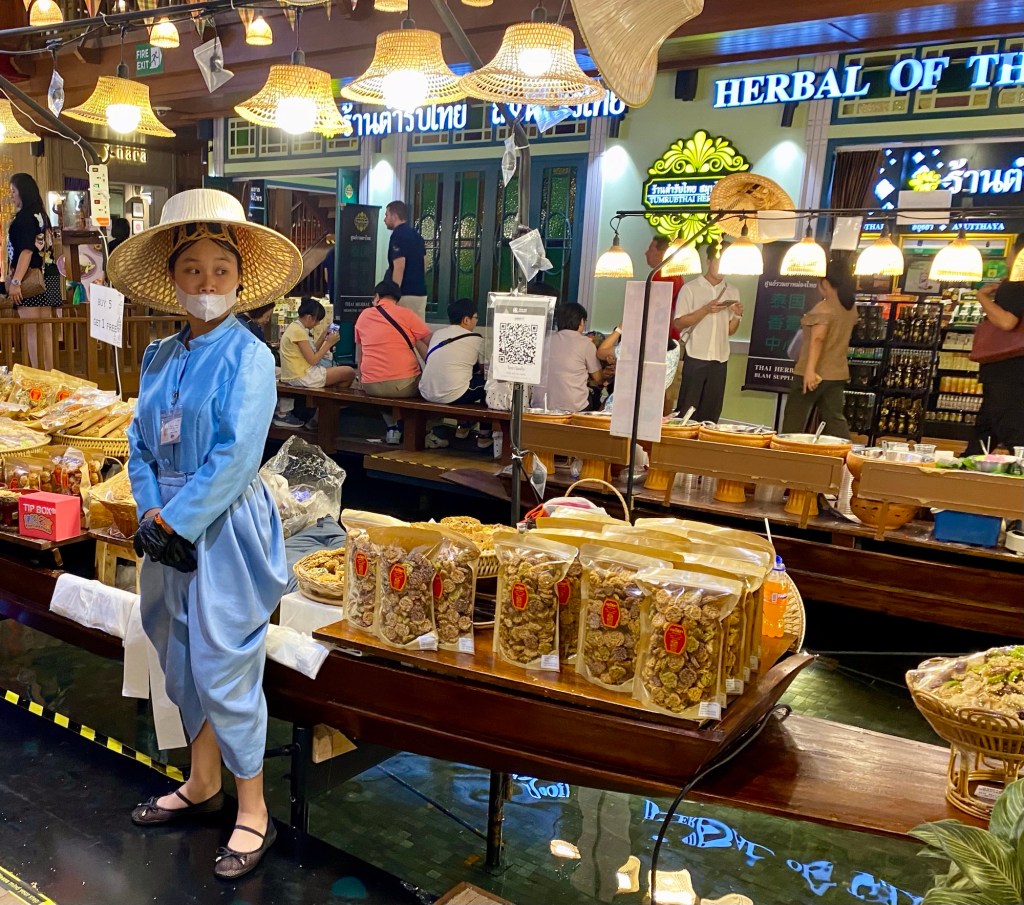
Customary Dress
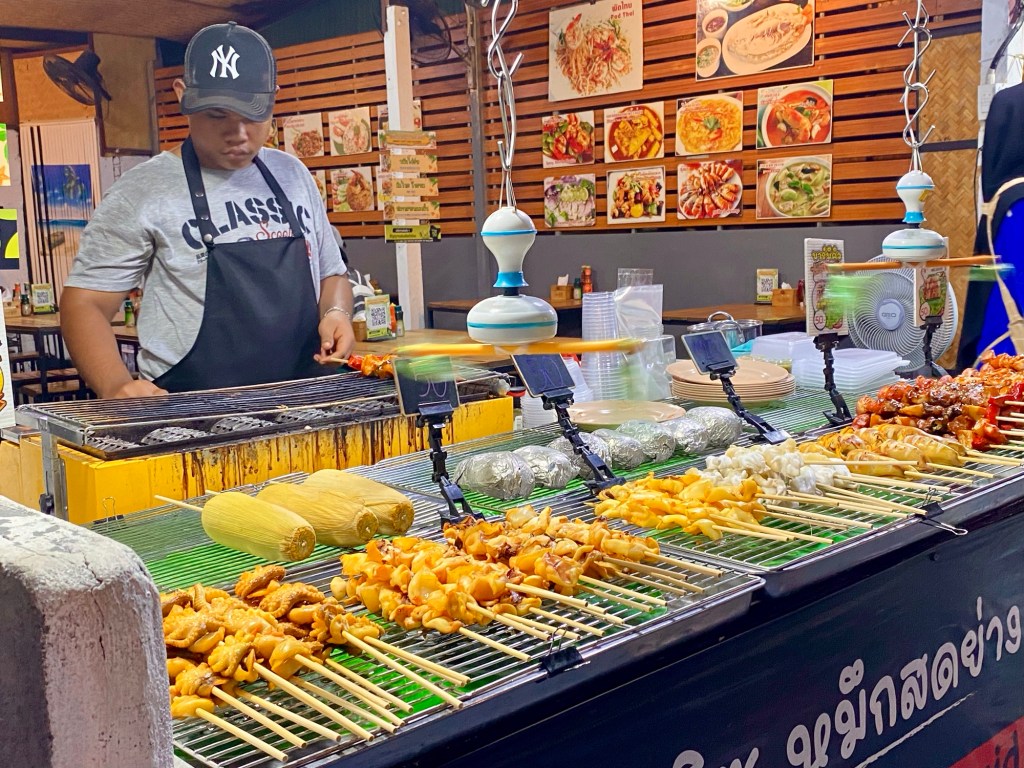
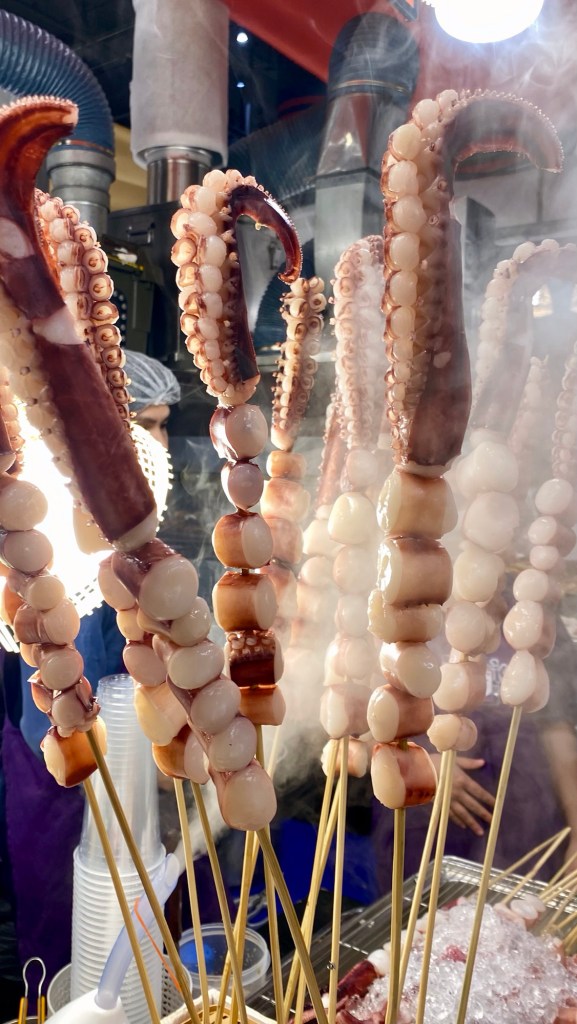
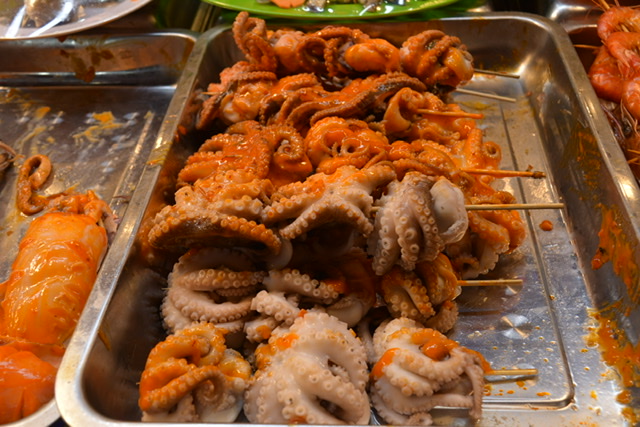
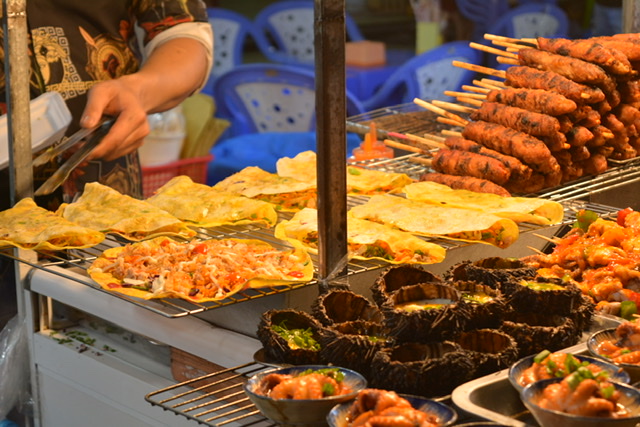
Squid – Grilled on the Spot
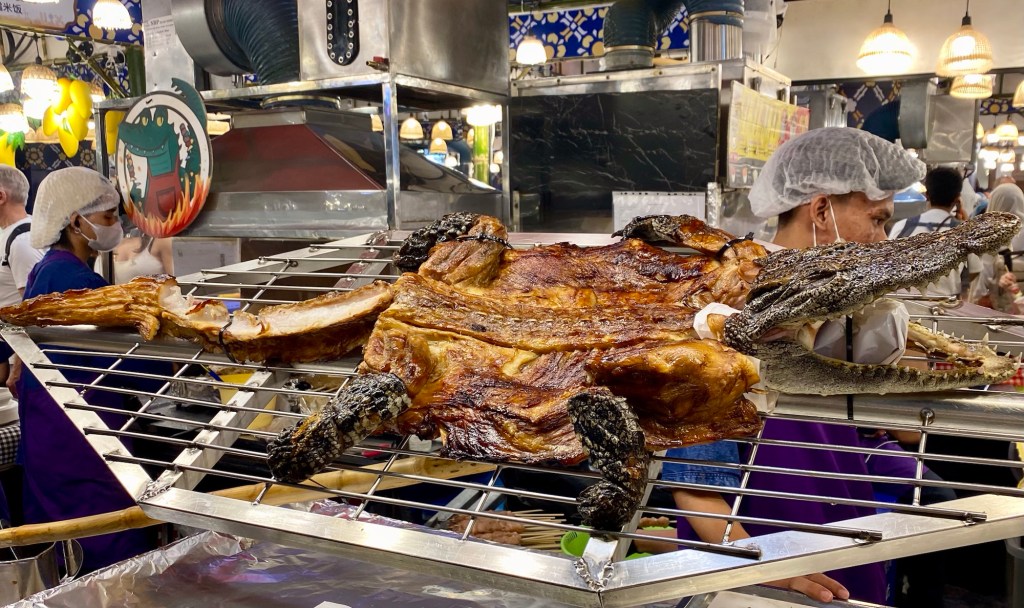
Crocodile Anyone?
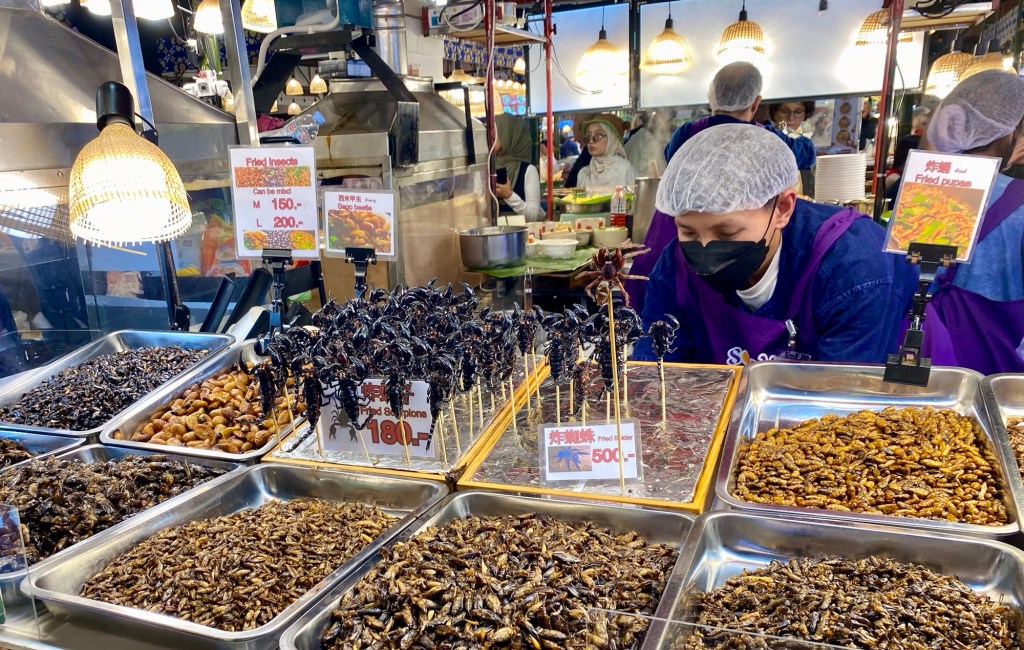
How About Some Protien?

Chao Phraya River – Best Way to Get Around

Traffic is so thick and ponderous in Bangkok it’s inevitable that you find yourself commuting on the Chao Phraya River. A long snake of a thing that passes through the city on its way to Gulf of Thailand, it beats snarled traffic hands down.
On the River, there is a tourist “hop on hop off” boat and for 150 THB it allows you to stop at many of the main tourist sights. A lovely way to feel somewhat of a breeze off the water in a hot and humid city. As I said, I gave the usual sights a miss but headed for China Town, the Iconsiam pier where I had some unfinished shopping business and the Asiatique.

The Asiatique

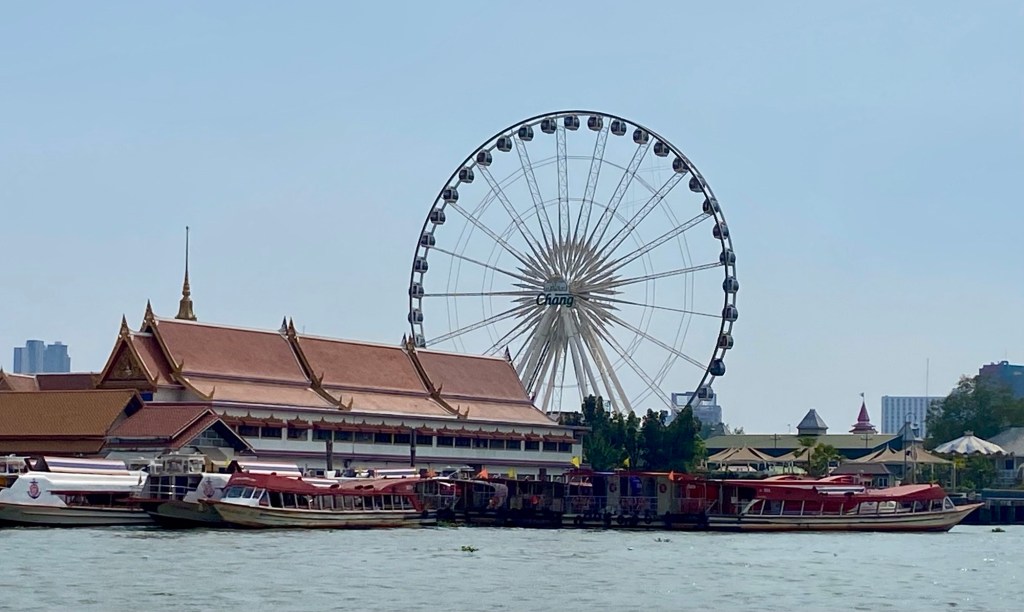
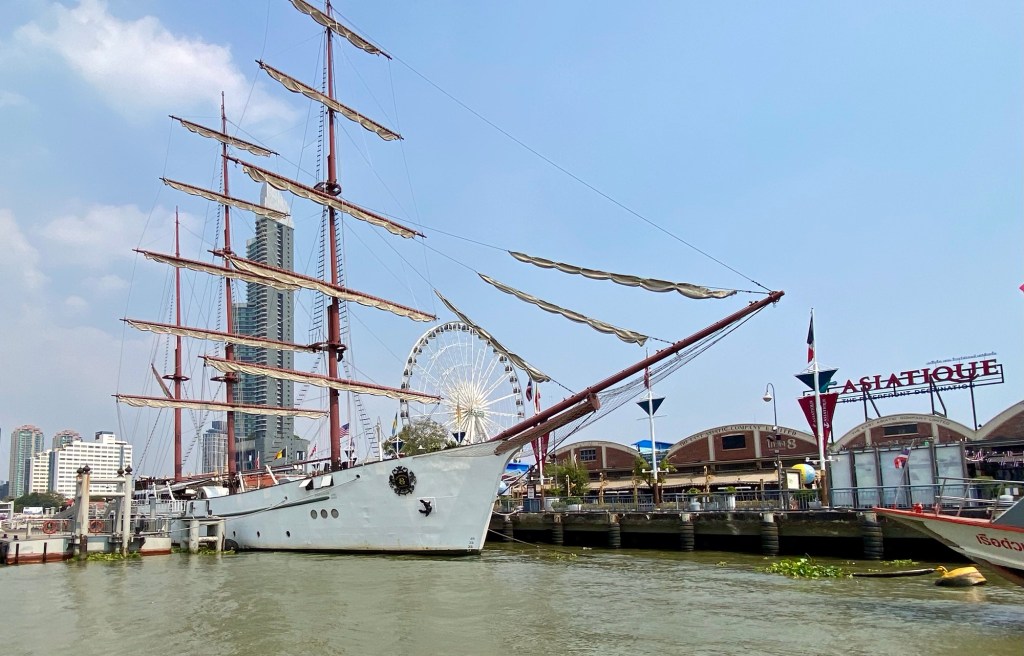
The Asiatique is a cluster of shops and buildings representative of Thai architecture from 1907-1947. The buildings have been renovated while staying true to their original design. The stop gives you a good idea of what life style and foreign trade were like along the river during colonial times. Thailand proudly resisted colonization, but was surrounded by nations that succumbed. There’s also a 60 m high Ferris wheel and although I didn’t have time to ride it, it supposedly has great views.

Asiatique Ferris Wheel
Trading Type Vessel

China Town

A labyrinth of narrow lanes and a jumble of shops and restaurants, Bangkok’s China Town was a fun wander and surprisingly I stumbled upon one of the best iced coffees just when I needed a chair with AC. Apparently bean roasting has become a thing.

I also had Thai food in a Chinese Restaurant that had so much AC I asked to have a fan turned off. Good food though. Bangkok’s China Town is said to be one for the oldest and biggest in the world where generations of Chinese merchants and their families continue to make it their home.

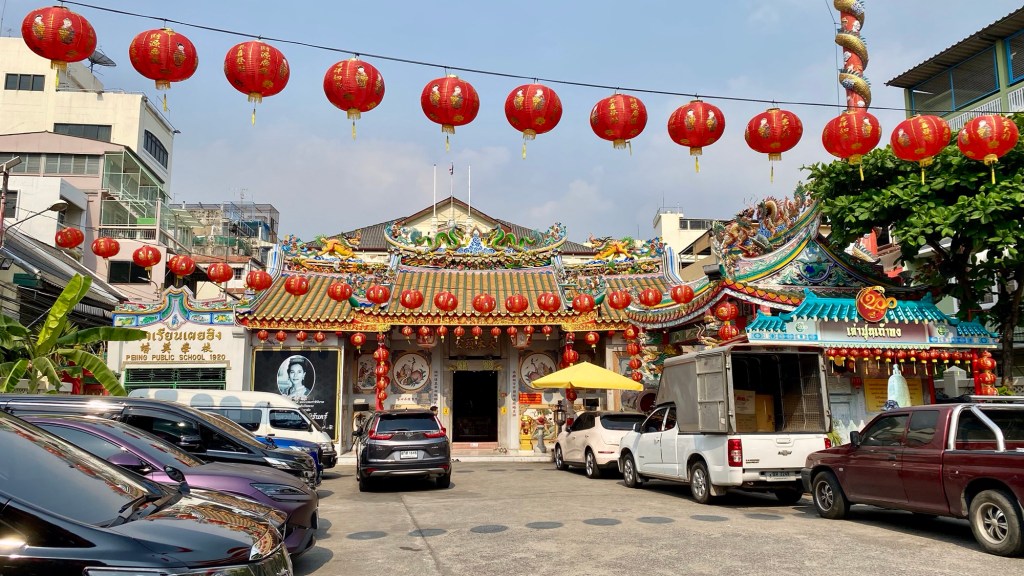
An Early School
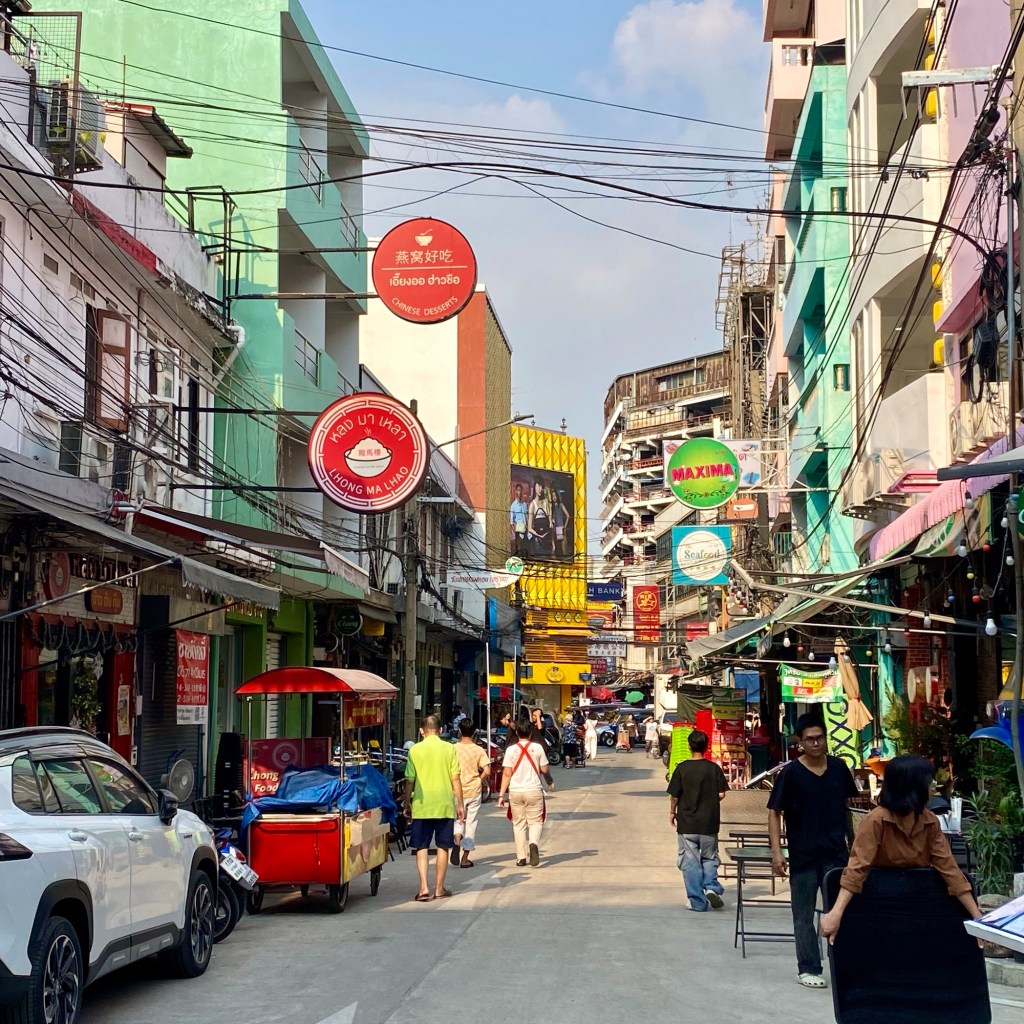
Wider Streets Give Way to Narrow Lanes
Narrow Lanes of China Town
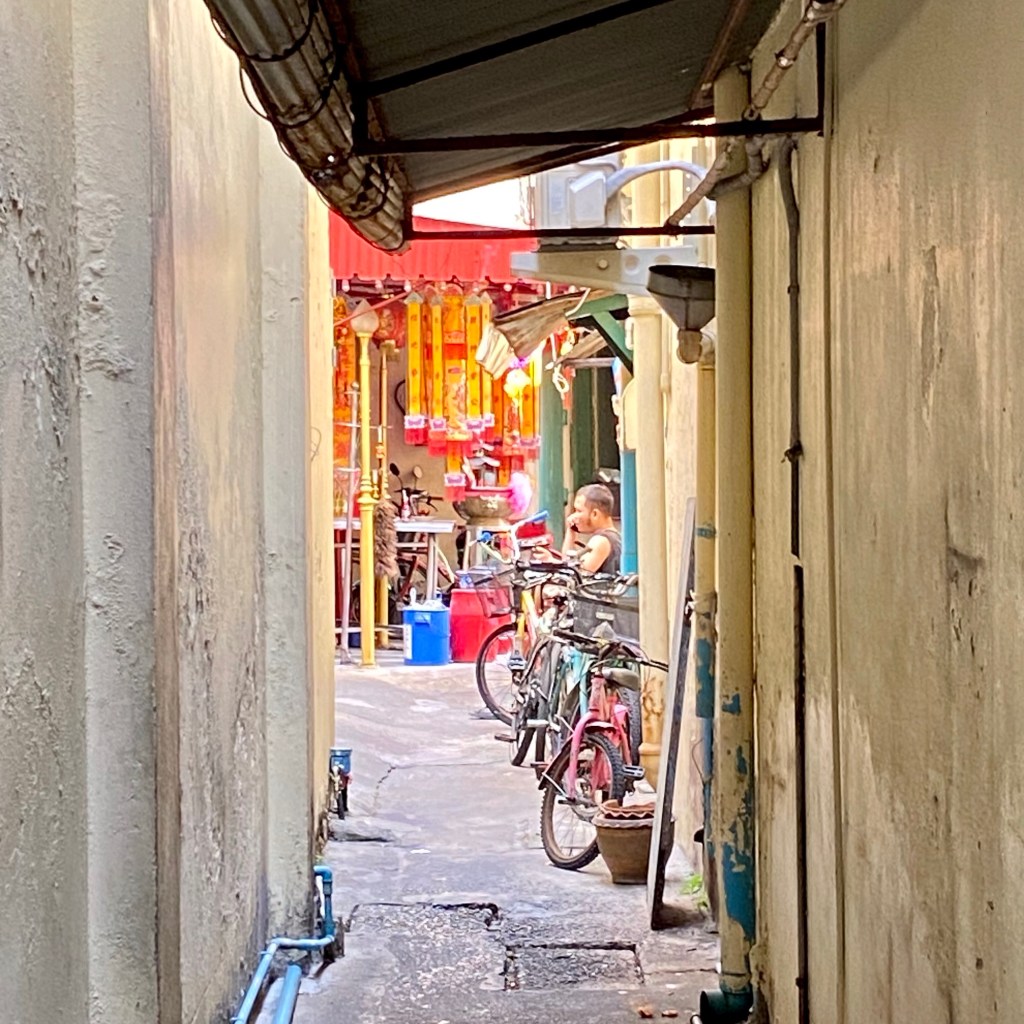
A Peek At Life in China Town
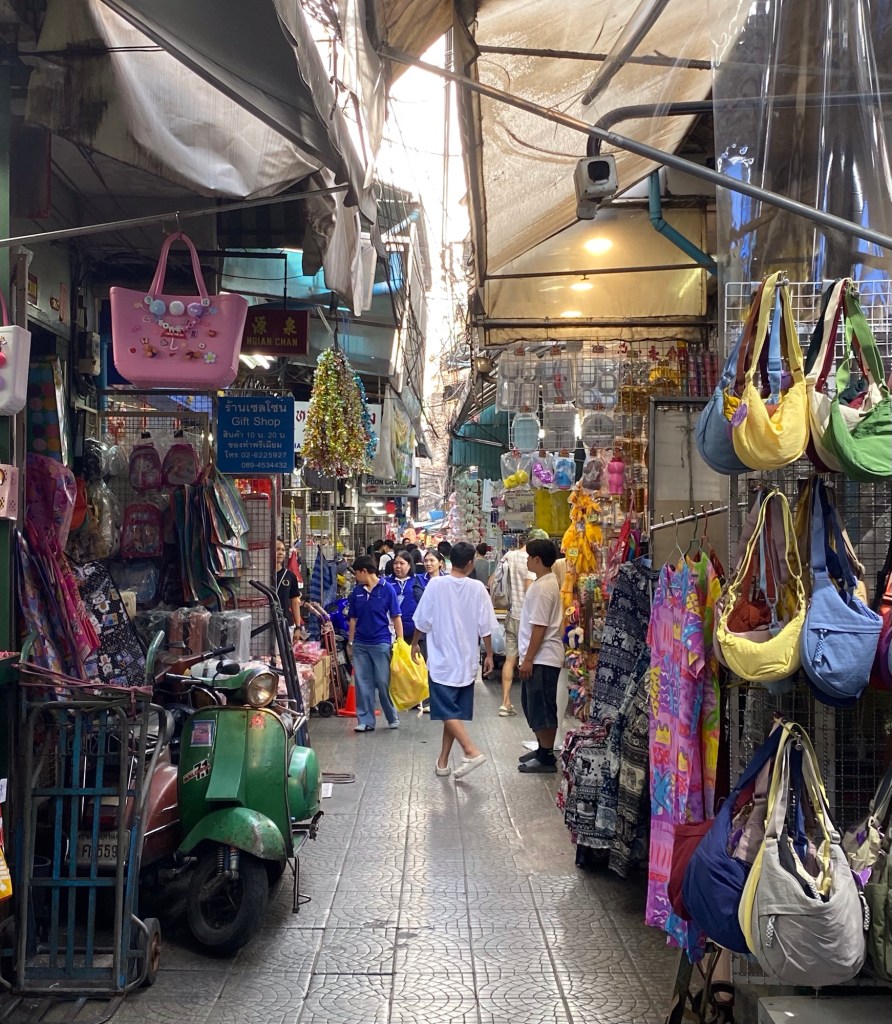
Shopping in China Town

Cityscapes from the Chao Phraya

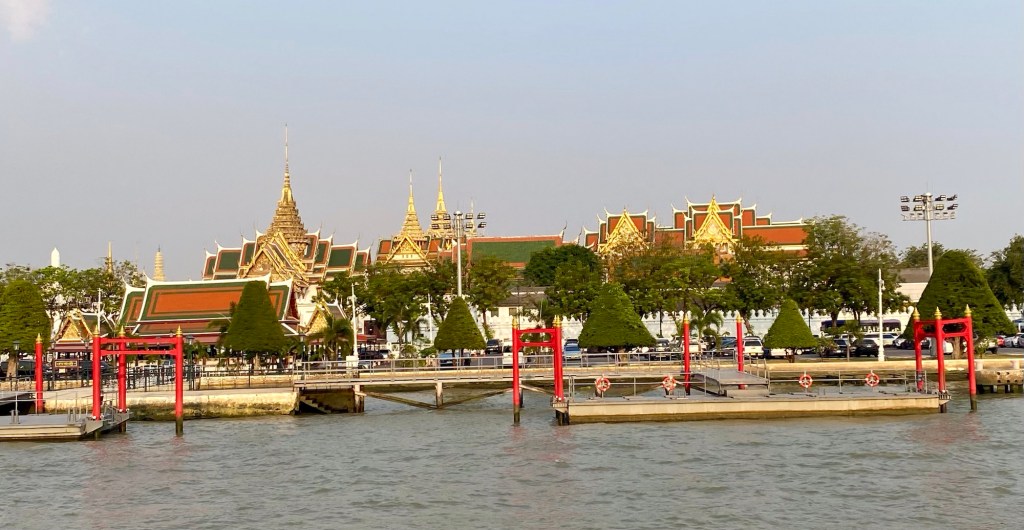
The Tourist Boat is a must do in Bangkok as far as I’m concerned, you can visit famous Buddhist temples like Wat Yannawa built 242 years ago, you can see the giant golden Buddha reclining in the Wat Pho and everyone must see the gemstone adorned Grand Palace and the Wat Phra Kaew which houses the Emerald Buddha the symbol of Thailand.

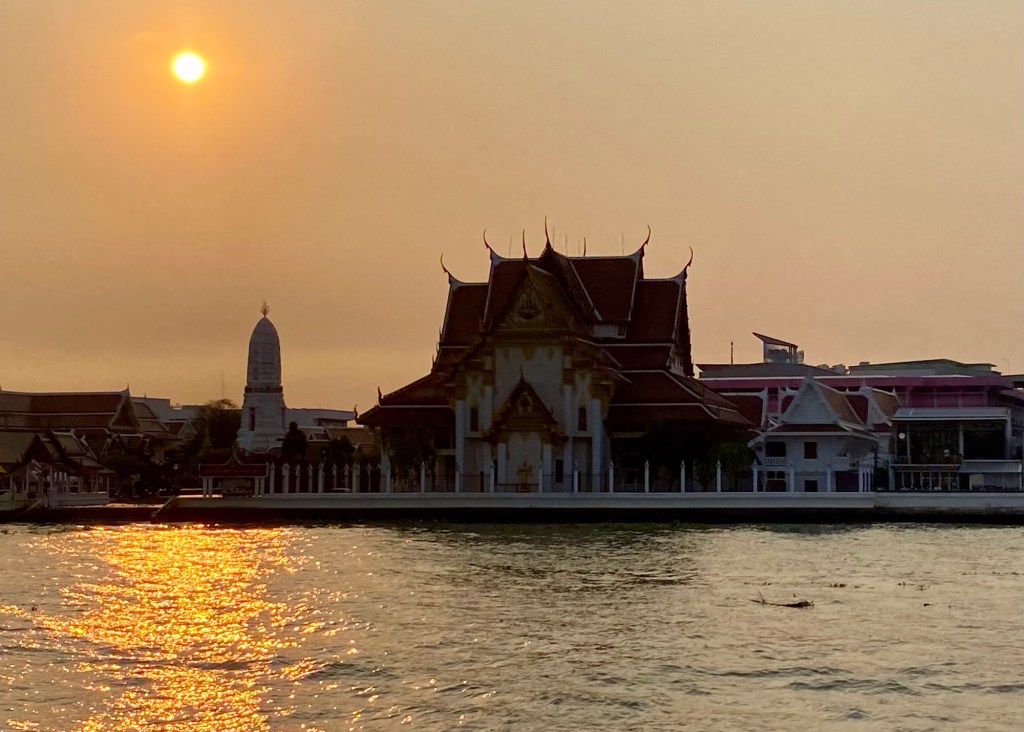
Throughout the day I travelled the length of the tourist boat route and was lucky enough to be on board and have a seat (rather crowded) in time for the sunset.

City Skyline from the River
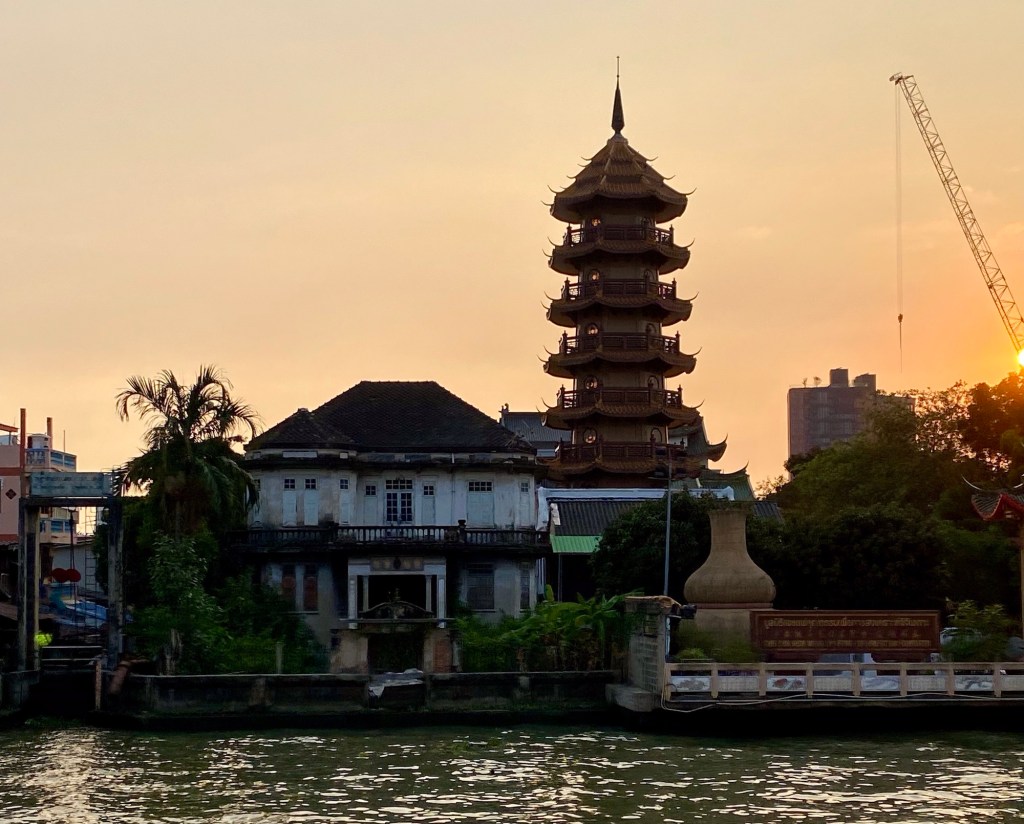
Some of Old Bangkok
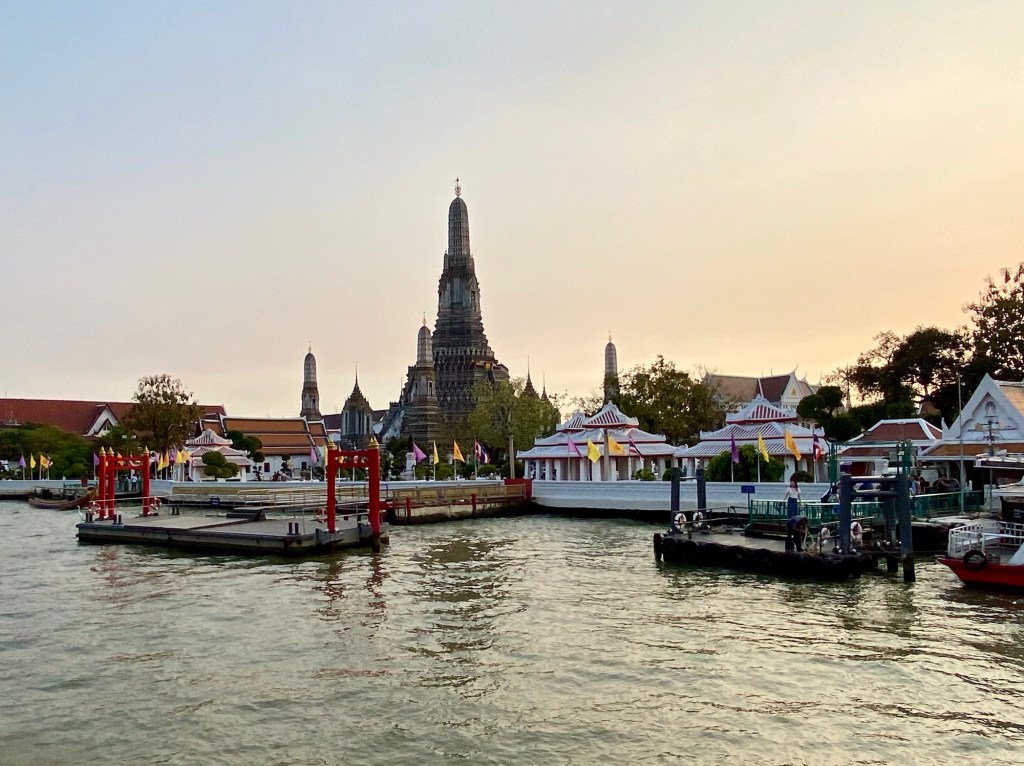
Wat Arun
Grand Palace
Sunsets on a Wat Rakhang

And so ends my time in Bangkok, so glad I came, although four days was enough to accomplish getting over jet lag and seeing what changes 40 some odd years had brought to the city. And now I will fly to the province of Krabi in the south of Thailand.

Phu Quoc Island a Tropical Paradise

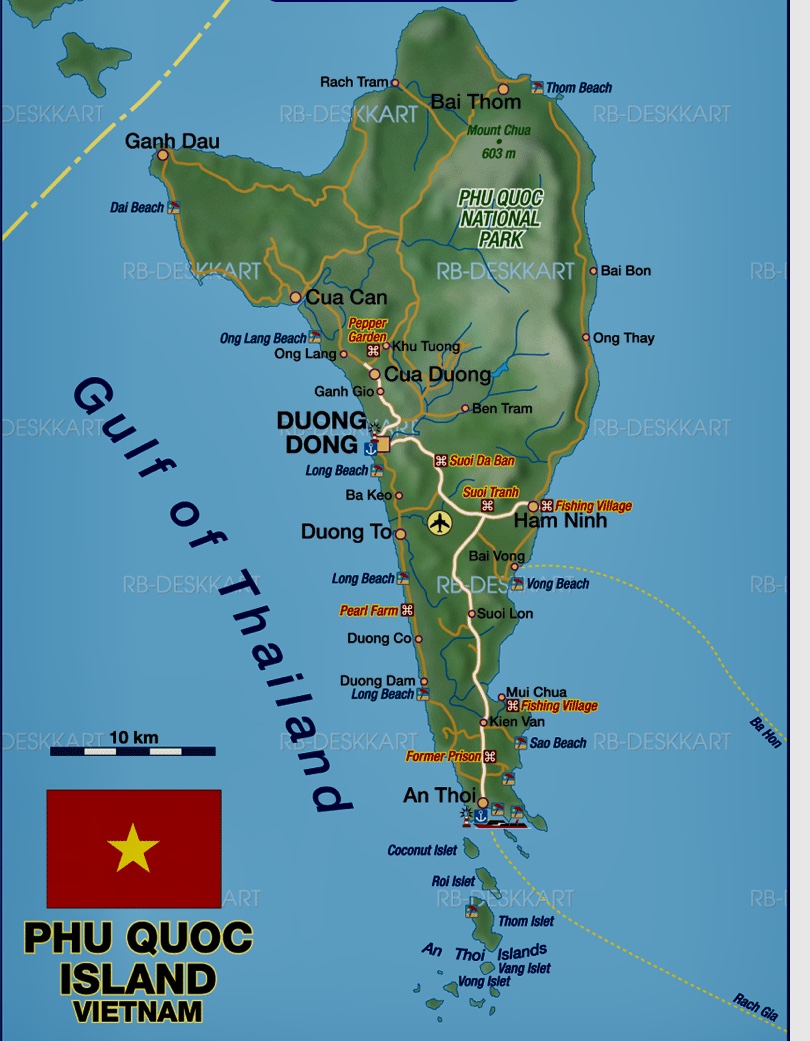
Phu Quoc is a tropical island in the Gulf of Thailand. It belongs to Vietnam but lies closer to Cambodia. It is easily reached on a short 50 minute flight from Ho Chi Minh City, over the mighty Mekong Delta and is well worth a visit.

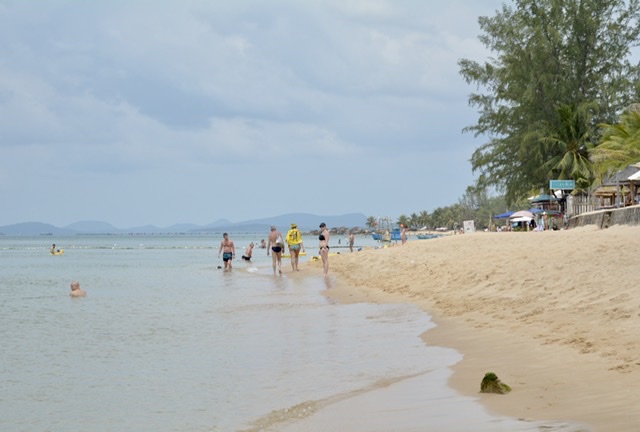
After two plus months of traveling throughout SE Asia, Phu Quoc was a welcome beach vacation destination. Admittedly there are many touristy things to do on Phu Quoc but if you’re me and your somewhat tired of shifting about, sitting still on a white sandy beach under some palm trees for a week or more is a welcome respite.

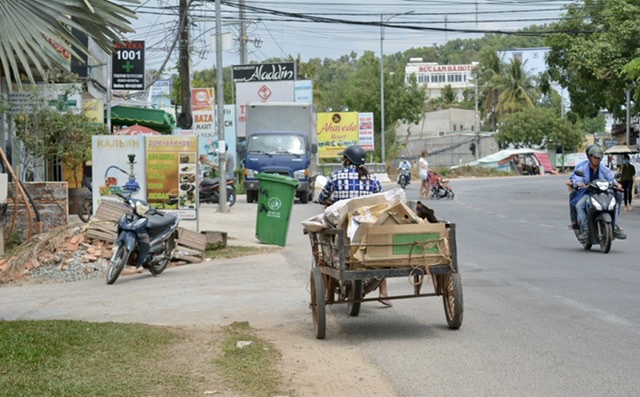
There are several different areas to stay on Phu Quoc and we booked way back in October in an area quite far from the main town of Duong Dong. First impressions along the highway and the side roads may not be favorable, there is a lot of garbage and the ubiquitous unruly collection of traffic, businesses and residences that I have come to associate with SE Asia.

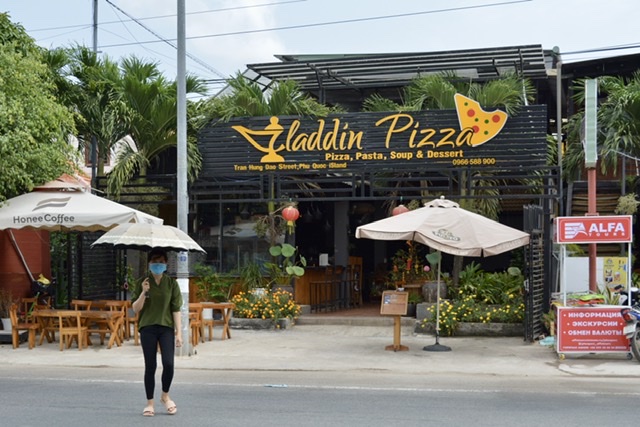
Busy streets, a mix of everything.

But once you are off the beaten track and you have arrived at your accommodation, then hopefully you will find what we did at the Camellia Hotel & Spa, (spa because you can arrange to have a massage there). We had booked this hotel well in advance and by Vietnamese standards we paid a high price, 63.00 CAD per night, if we’d waited we would have paid much less, maybe even half.

The rooms were big, well appointed and the pool and free breakfast offset the distance to the beach, (about a 25 minute walk, although the hotel ad says 10). Sadly, the closest public beach was squeezed to a bare minimum by beach front hotels with private amenities so we opted to spend most of our day around the Camellia pool.

The area around the Camellia is very rural, as in….there were roosters, lots of roosters and we saw a new born calf, still wet and wobbly legged in the road right in front of our hotel. Nearby there were lots of restaurants and bars so we didn’t have far to go to eat and we found a variety of cuisines from French to western and of course local.

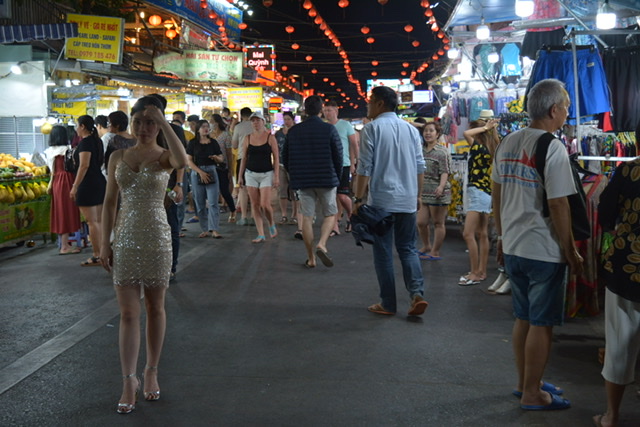
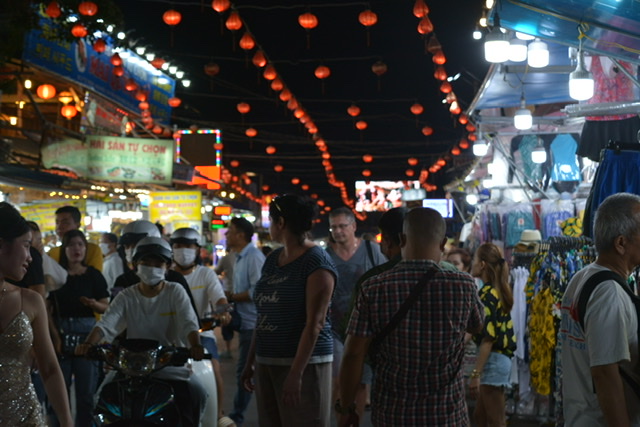
One evening we ventured into town by cab (pricey enough you wouldn’t want to do it everyday) had dinner and wandered through the night market. Lots of seafood of course, Phu Quoc being an Island.

Four nights passed quickly and it was time for my Canadian friends to head back to the chill of the Yukon, the poor things. I was to stay on for another nine nights and opted to shift to a “Retreat” Hotel closer to town. So glad I did, the An Nhien retreat lived up to it’s promised amenities with friendly helpful staff, healthy breakfast, massage, pool and beautiful tropical garden complete with a small stream full of fish and ornamental fountains. My room was a good size and done up like a cabana, very nice.

The hotel was a three minute walk to the beach and An Nhien shared a private beach with another hotel. Great place to the spend the days and the truth is I did little else. Swimming, reading, snoozing, contemplating and ruminating with very little movement from A to B. I didn’t even head back to town.

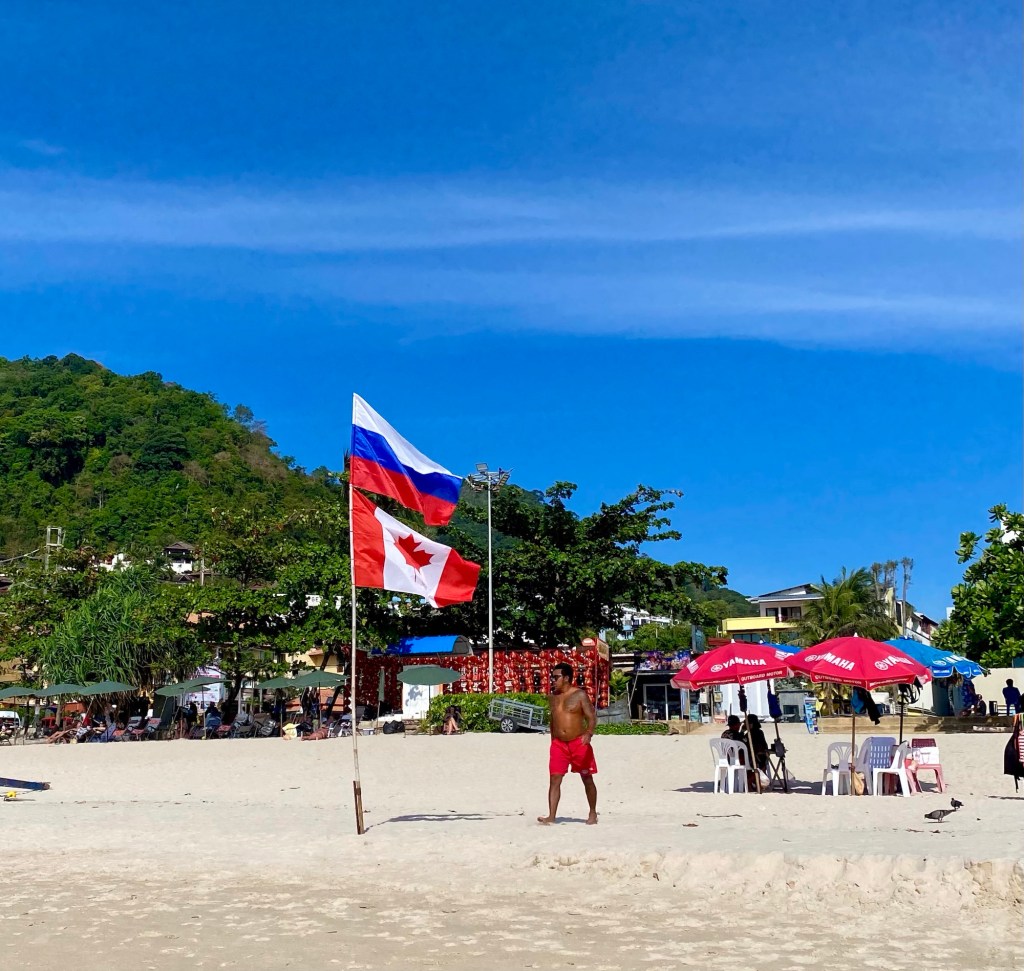
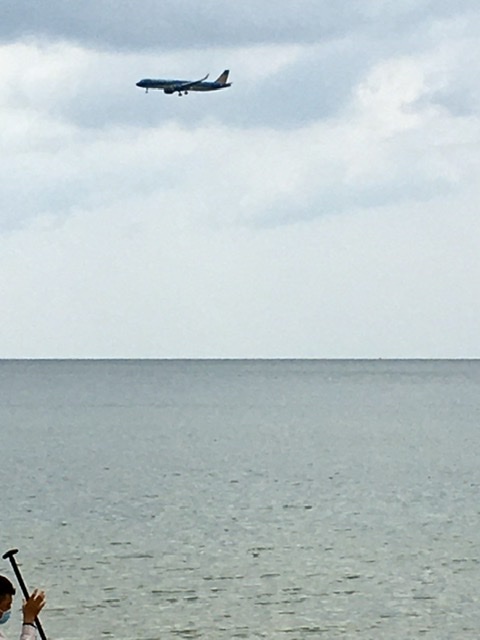
I met very few English speaking people on Phu Quoc, most other beach goers were from Russia. It is a close sun spot for them and plane loads arrive daily if not hourly.

Here come the Russians….

I made a decision to return to England a week early when I heard that there was a Corona Virus quarantine in a small village in northern Vietnam. A week more in England seemed a good bargain given that the most fun you could expect to have in a quarantine situation would be to stay healthy. If I had only just started or was part way through my explorations I would have stayed on. But I am glad to have had the luxury of playing it safe and don’t feel that I have made too much of a concession. After all, I’m all tucked up at Heather’s in Brighton, drinking tea and watching Tellie and hoping that Vietnam is spared the spread of the virus.

Luang Prabang & Vientiane

All along the Mekong.

The other day, in Vientiane I saw a travel poster for Laos and the slogan read “Simply Laos”, which captures the natural beauty of the place perfectly. Not as sophisticated as Thailand it still has the charm of a country not yet overrun by tourism. The natural beauty of Lao is enchanting and the Mekong River, the lifeline of the country is where you can best feel the pulse of this unassuming country. Along the Mekong are several cities worth visiting. My first stop after the Slow Boat was Luang Prabang and then a short flight later I was in the capital, Vientiane.

Laos was colonized by the French and their influence is still seen in the cuisine, architecture and many Lao speak some French. There are many French tourists here as well. Once a royal kingdom, Lao was a French colony from 1893 to to the mid 1950’s, gaining full independence after a Japanese occupation in WWII. After Independence the country was divided with the US supporting of the Royal Lao Army and the USSR backing the Pathet Lao independence supporters who were aligned with the Vietnamese and the Khmer against the French. Laos has been left with the terrible legacy of having been bombed with 2,093,100 tones during the so called “secret war” by the Americans. There are museums that display the unexplored ordinance that littered the country and there are people who make a living making crafts from the metal as a way of using the terrible events to remind everyone of the horrors that resulted. In the end the communist backed faction won and in 1975 Laos People’s Democratic Republic was proclaimed. A social regime, they sent up to 50000 royalist to labour camps.

Laos was closed to the world until 1990 when it became possible to visit Laos and see the traditional, rural lifestyles that have changed little over this tumultuous history.

Luang Prabang

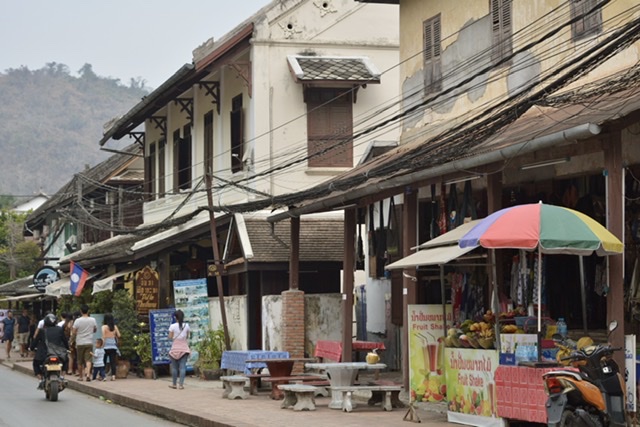
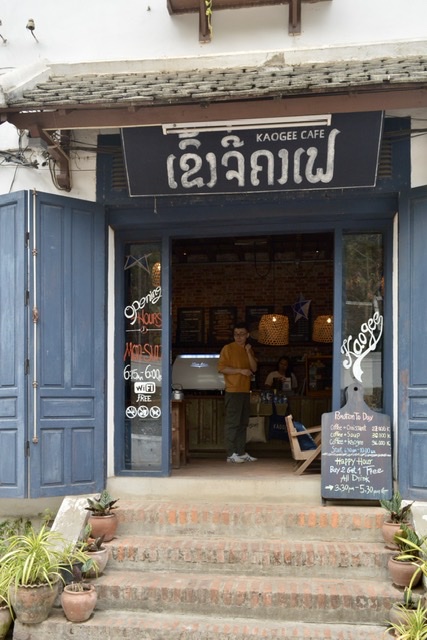
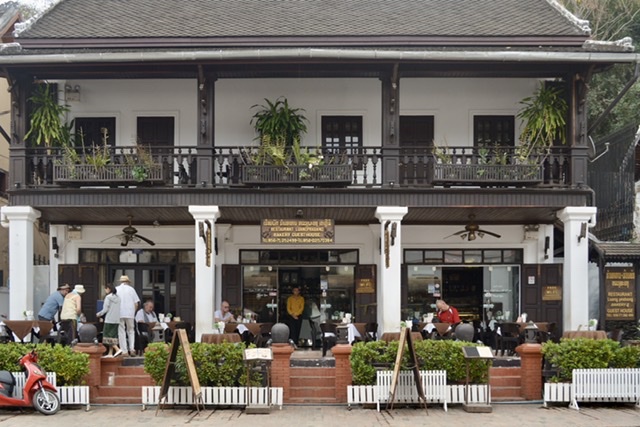
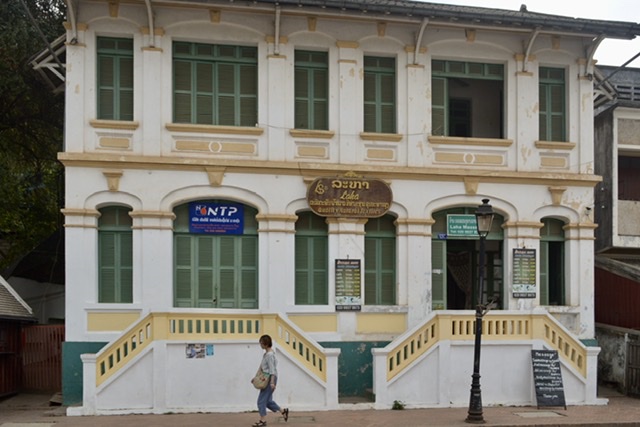
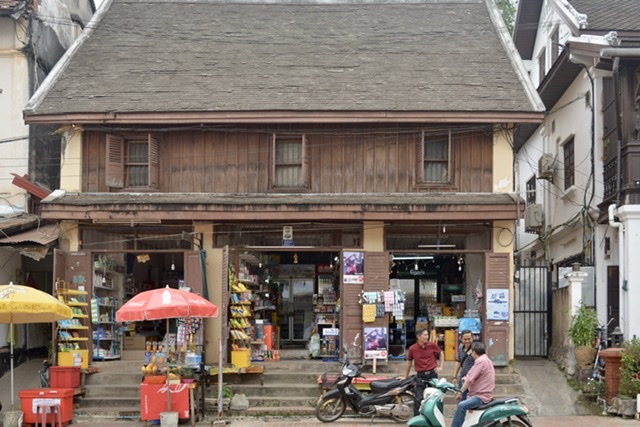
Whoever coined “Simply Lao” must have had Luang Prabang in mind. It is a quiet, unassuming city with a slow pace. The old city is host to lots of foreigners from all parts of the globe. The easiest way to get about is in a long-benched Tuk-Tuk which can dart in and our of traffic and around potholes with greater ease than a car. You can also rent bikes and scooters in Luang Prabang and this would likely be the safest of cities in which to do that. You can see the French influence throughout Luang Prabang in the architecture and you can certainly enjoy a croissant and cafe au lait at a vast number of little coffee bars and restaurants.

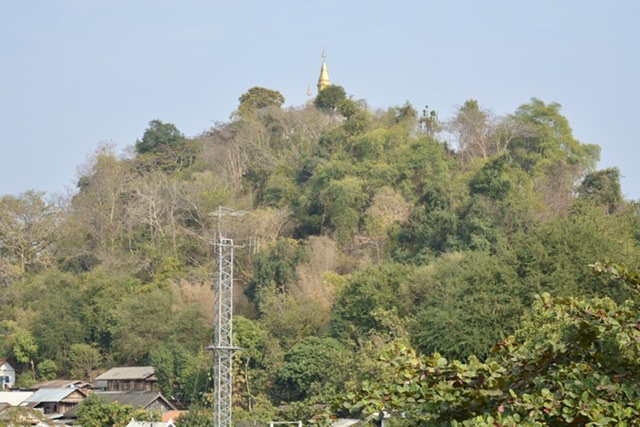
A lovely place to wander you can climb Phousi a hill in the center of town to visit the golden Buddhist stupa and from there get a good view of the surrounding area.

The signage below indicates the main sites to be seen in Luang Prabang and although certainly possible to see them all in one day, there is no rush and spreading them out over the course of a few days mixed with a few cafe au laits is a wanderers delight. The Do’s and Dont’s are a reminder to foreigners that our Lao hosts do not share our same customs and I thought it was a gentle and friendly reminder about some of the unacceptable behaviours. Could have used this on the boat with the Tourist Thugs I encountered.

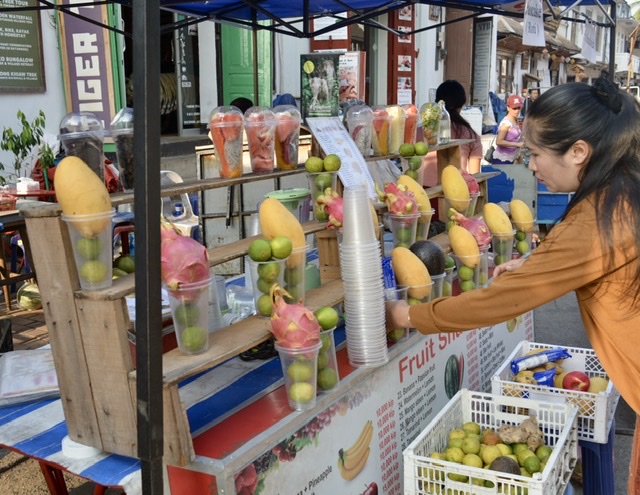
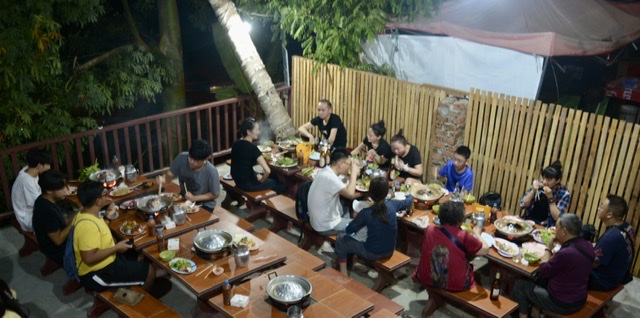
Lunag Prabang boasts some fine food experiences and one in particular, stands out…. A Lao style barbecue at your table, you first load your tray from a long buffet filled with meats/seafood, followed by vegetables, herbs and spices. The sticky rice comes at the end as does the cashier who you pay before returning to your table to “cook” your selections. The individual charcoal braziers on each table are red hot and chunks of port fat are provided to grease the piping hot metal inverted colander on which you spread your food. So delicious and very popular, the place was packed. Other Lao dishes I tried were “Larp”, a minced meat salad and Tam Mak Hung, a very spicy salad made from shredded green papaya, garlic, chillies, lime juice and fish paste. Noodle soups are also very popular and eaten for breakfast. It is served with lettuce, mint, coriander leaves and bean sprouts on the side. The best deserts, in spite of the French influence are the fresh fruits; guava, lychee, rambutan, mangosteen and pomelo. Mmmm good as is or whipped into a smoothy.

The Royal Palace Museum is another place to visit but was closed while I was there, all except the grounds which were interesting in themselves.

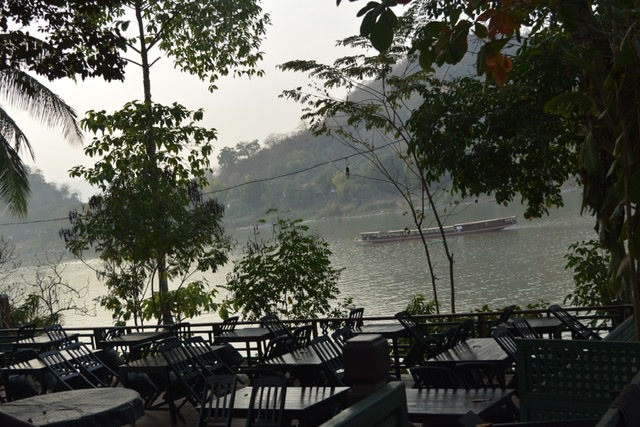
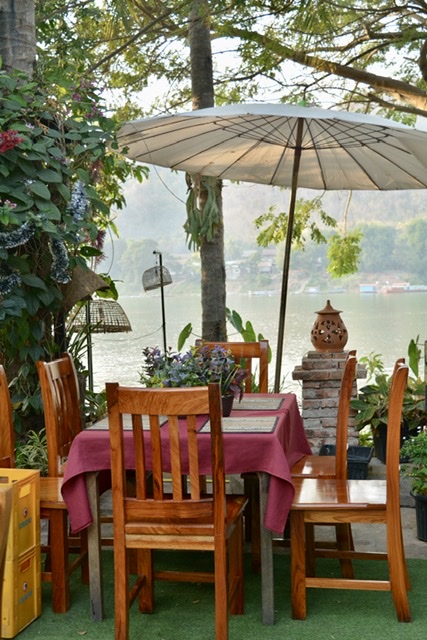
An evening stroll along the Mekong reveals the place to be for an evening of Lao food and people watching. Tons of restaurants line the banks and invite passerby’s to tarry over drinks and dinner and while being mesmerized by the Mekong.

Such a safe place, Luang Prabang is nice even at night and the Main Street is transformed into a very busy and long night market full of crafts and souvenirs. There are some beautiful fabrics and so many other things to buy and so little suitcase space to carry them home.

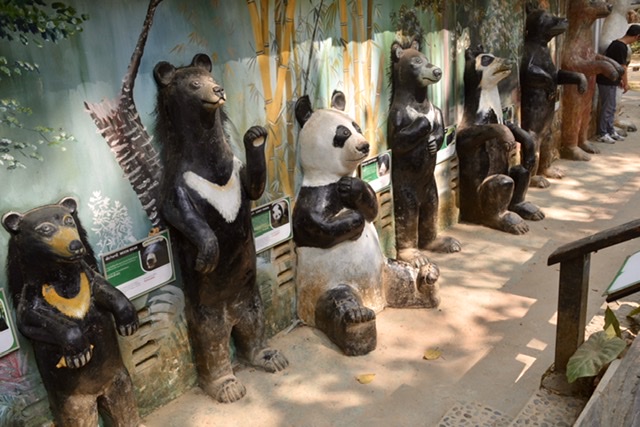
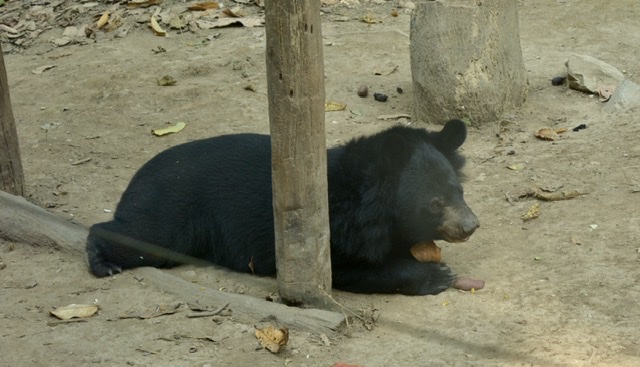
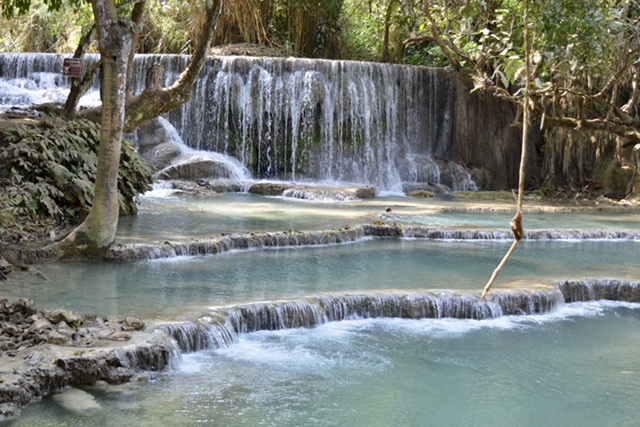
There are many day trips you can do from Luang Prabang and I chose to visit the multi-level Kuang Si waterfalls. Before you make the trek up to the falls you pass through a bear sanctuary, which was completely unexpected. There were dozens of bears enclosed in large spaces where they are free to wander, play and live out their days. Signage tells that there are no longer safe wilds for the bears in Laos, mainly thanks to poachers and deforestation. The poachers captured and killed the bears particularly for use in Chinese medicines. So sad, they can never be released.

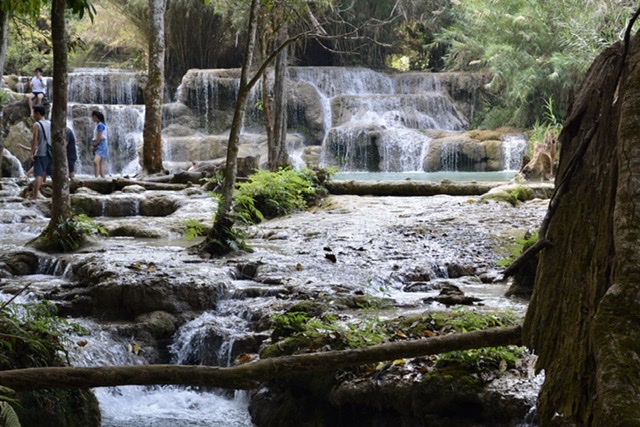
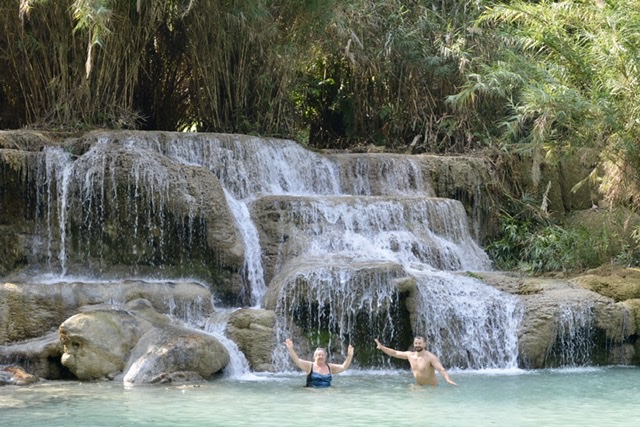
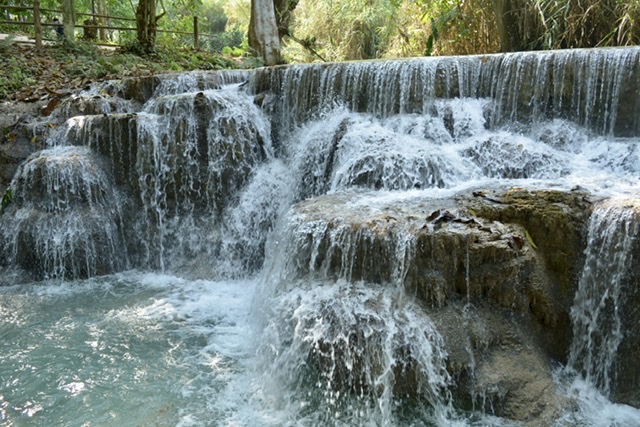
The Kuang Si falls are beautiful shades of blue and the pools of water that form at their feet are great for swimming. A little on the cold side but being a west coast Canadian, I quickly adapted and enjoyed the refreshing waters. A little disconcerting are those self same little fish found in pedicure tanks that eat your dry dead skin. If you keep your feet moving though they are kept at bay.

The trail that leads up and along the falls is through a beautiful tropical forest and definitely is enjoyable on its own. The plant, flower and tree species are well marked and you can read about the wild life prevalent in the area as well. And in English, thank you to our Lao hosts.

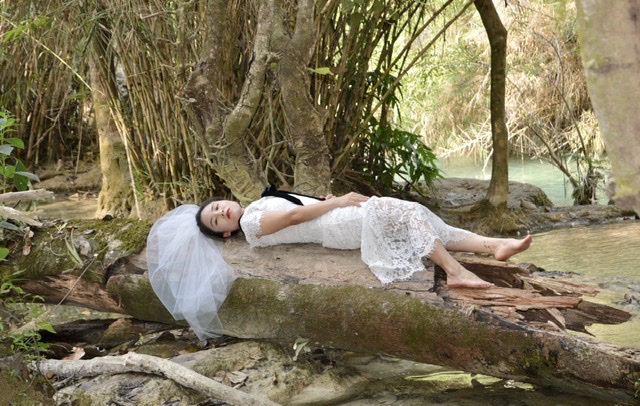
The bride above is not intentionally included with the flora and fauna but is there simply because she was there, along the trail, posed, and anyone with camera in hand would be hard put to resist the intrusion.

Vientiane – The Capitol of Laos

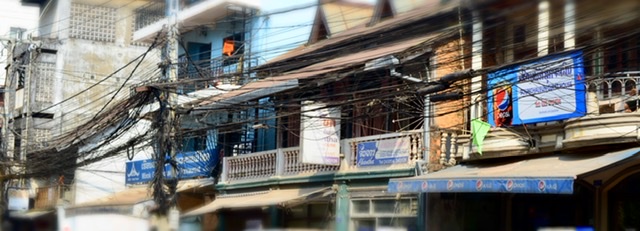
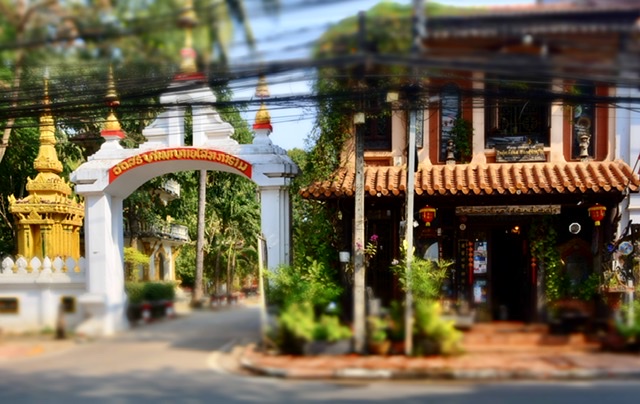
My regret about Luang Prabang is that I spent only two nights there, saving my last four Laos nights for Vientiane. I wish that I had reversed that decision and enjoyed more of “Simply Laos”. Even though I read and did some research I fear that I thought there was more to do in Vientiane and that it too would reflect the “simply Laos” sentiment. There are some famous Pagodas in Vientiane but I visited the ruins of one that have an historical connection to the Khmer from Cambodia and resemble those that I saw in Ankhor Wat. Wandering the streets I marvelled at the electrical installations and wondered how a problem could ever be solved in the event of having to unravel the trail of tangled wires.

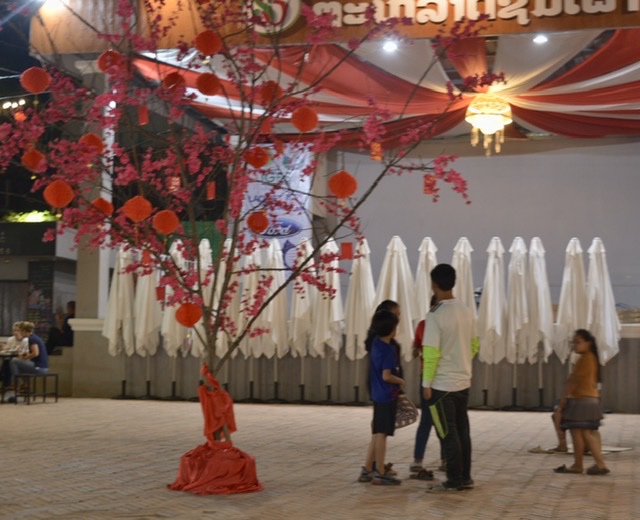
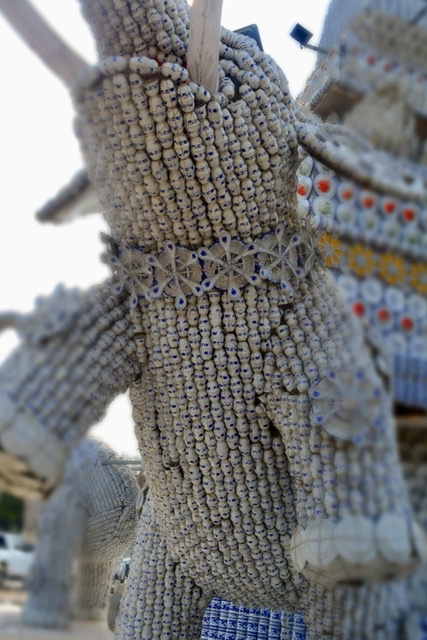
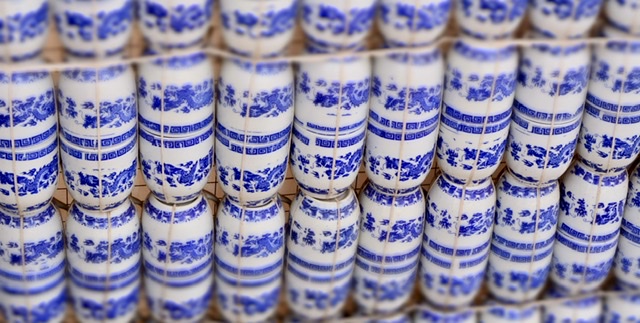
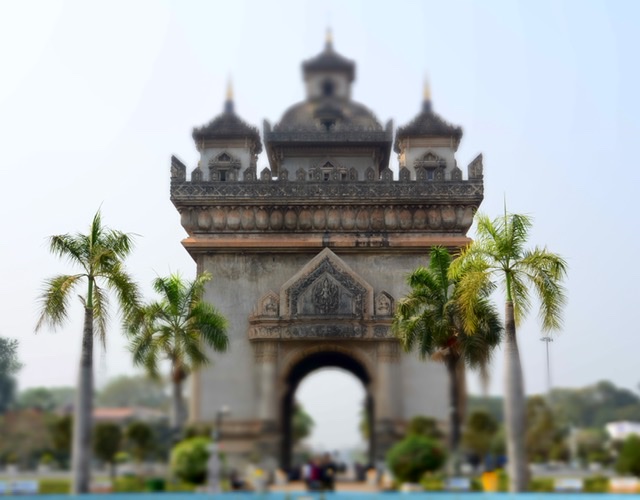
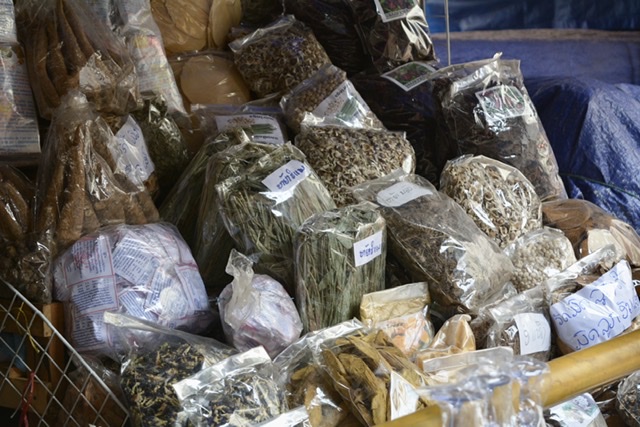
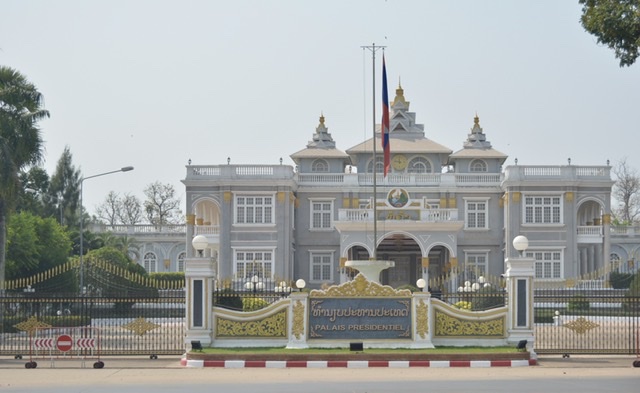
There are French architectural influences including a street compared to the Champs Élysées and an arch commemorating Independence. In front of the Arch is a remarkable sculpture made from blue and white porcelain cylinders. Until you are up close it’s hard to see how that is possible. At the opposite end of the street to the Arch is the Presidential Palace and in between the Morning Market is a great place to wander and see what’s for sale. The Lunar New Year was about to happen and signs of the upcoming celebration were everywhere.

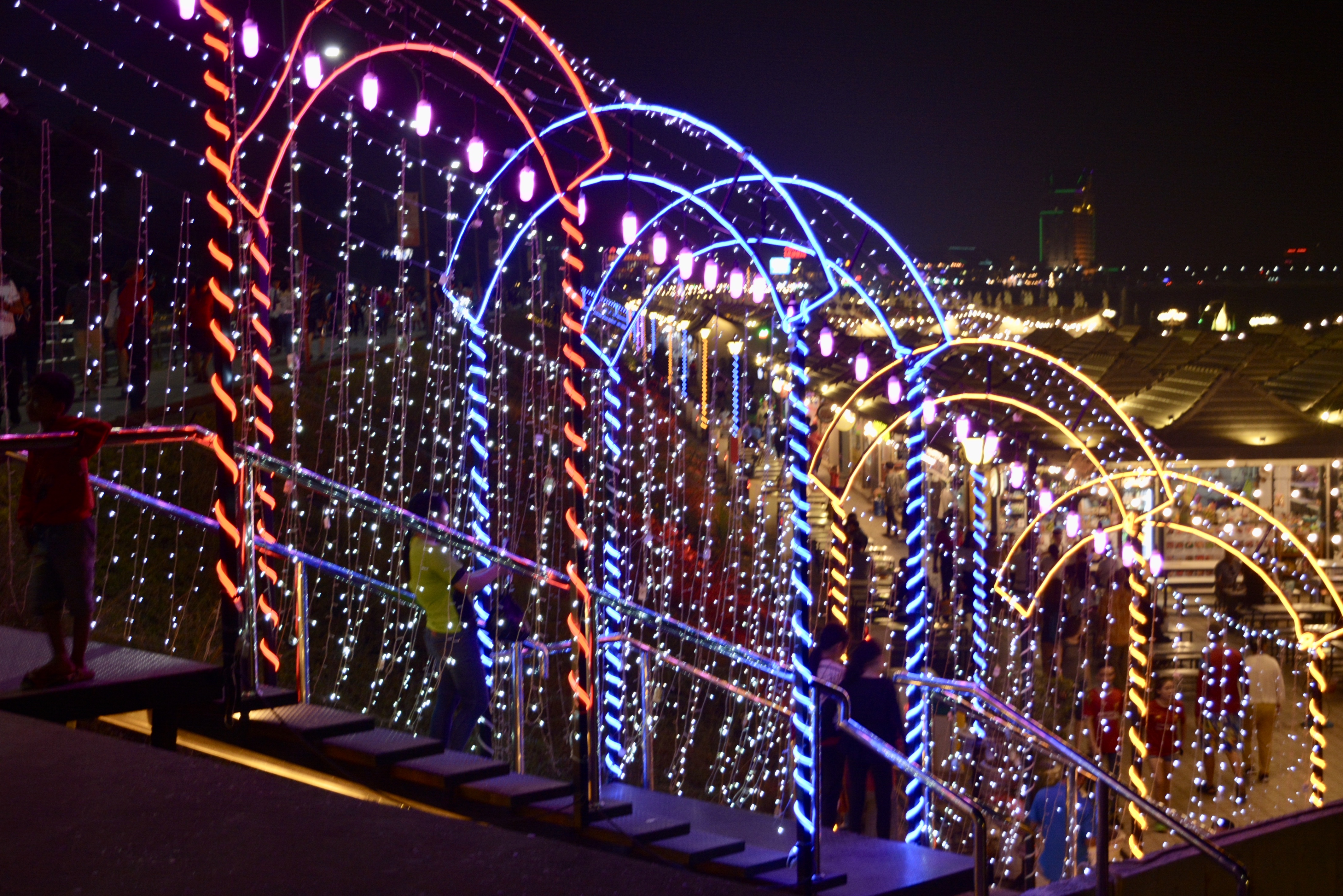
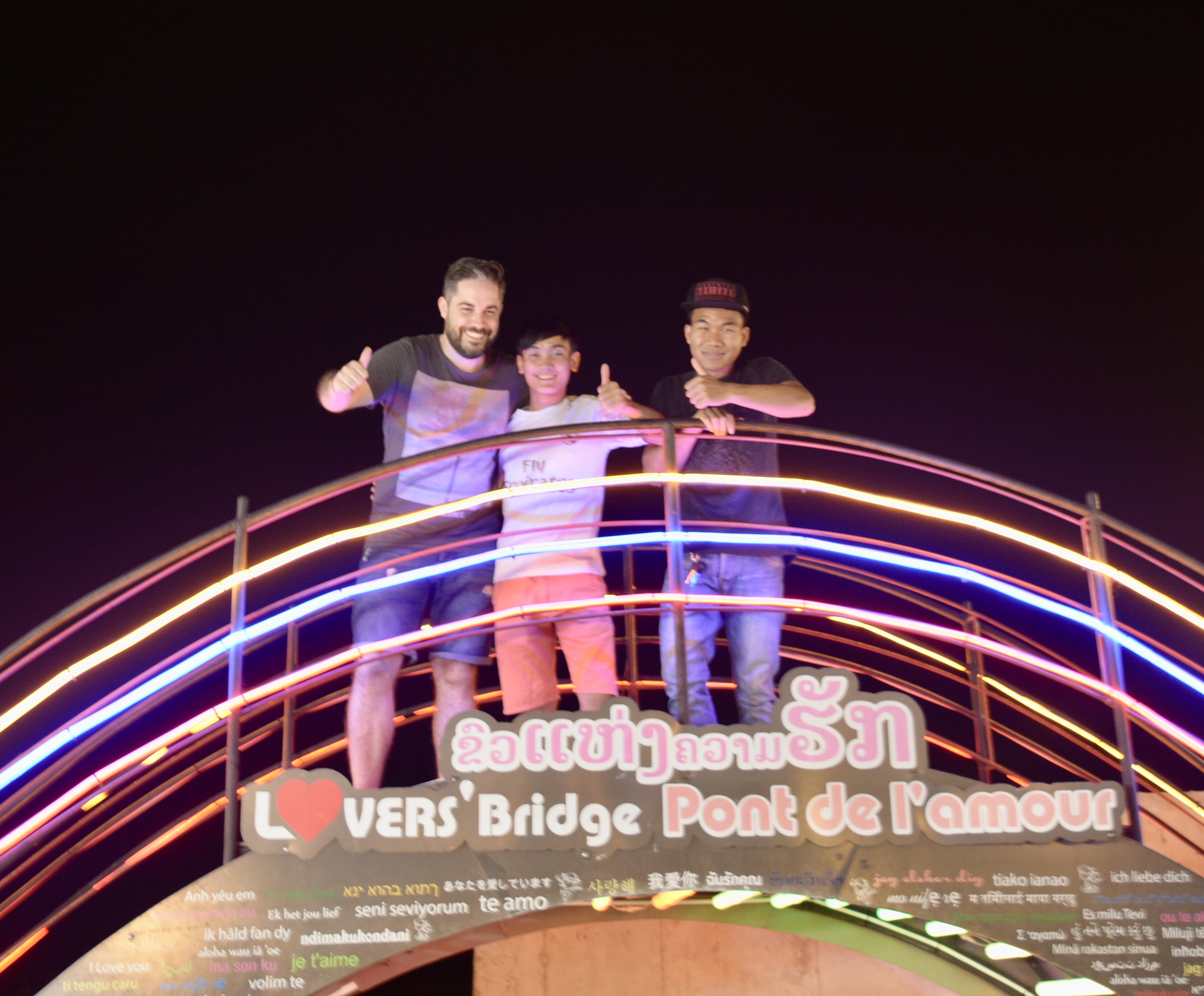
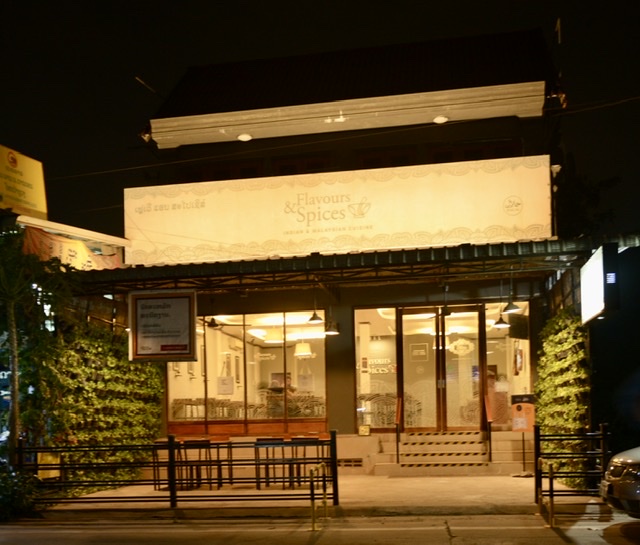
I made good use of my four days in Vientiane, catching up on laundry, correspondence and the last night I had dinner with some “Slow Boat” friends. We strolled along the riverfront, visited the a night market with plenty of things for sale and many food stalls. There were also a number of rides and games for the whole family. We had decided on a South Indian Restaurant listed as the number one choice in Trip Advisor. We were not disappointed at the Flavours & Spices.

Next stop Vietnam!

Chiang Mai Thailand

Chiang Mai the peaceful…a great place to regroup.

Joined Dawn and Craig, my travelling buddies at a air BnB condo in Chaingmai. The condo was the size of a postage stamp by Canadian standards we nonetheless had our own bedrooms and bathrooms. Nice building, with all the mod cons like a washing machine and with a roof top pool and lovely views of the city.

Chaing Mai is very big, our taxi driver told us it could take 5 hours to travel from the north end to the south end of the city. But the heart of Chaing Mai is the old walled city. A very large area, one can see ruins of the old wall and the moat is still there and makes for great strolling and people watching. You can enter the old city through some of the ancient gates, there are other entrances but not as romantic sounding.

Inside the labyrinth that is the old city you will be accosted by the sights and sounds that are born out of the proximity of homes, hotels, inns, restaurants, bars, outdoor markets, tuktuks, motos, cars, temples, Wats etc., all zipped up together by narrow lanes and wider arteries that are not necessarily the fastest routes. A great walking space it doesn’t really matter if you are lost or which direction you head you can always google map your way out, but in the meantime you will be rewarded with something interesting at every turn.

Inside the walls we shopped, dined, wandered, people watched, visited temples and watts and rested our tired feet while sipping fresh fruit smoothies. Friends from Canada have Thai friends that own a restaurant called the Blue Diamond. A wonderful place and Nee gets up at 4:00 am to bake for the deli section of the bakery. It looks, smells and tastes wonderful. I had met Nee and Eed, her husband, in Nanaimo last summer and they were so gracious and warm when I visited the Blue Diamond. If I was staying in Chiang Mai this would definitely become a regular place for me.

One day we hired a driver, Bon Bon, to take us to a few spots we wanted to visit outside of Chiang Mai. The first was the Kanjana Elephant Sanctuary (www.kajanaelephantsancuary.com) if you need to look it up. We chose this sanctuary because it is not a “riding” camp, which is now frowned upon and with good reason. The elephants at Kanjana are very used to people. There weren’t many, I think six, all female and all former “work” elephants with the exception of a two year old who was born in the sanctuary. After “suiting” us up in protective shirts and pants we were taken to prepare squash to feed the elephants, a little bribe to make them like us. Feeding them was quite an experience, for one thing you had to watch your toes, then you had to give them commands that indicated that they could take the food with their trunks or that you were going to insert the food right into their mouths so they would have to raise their trunks. The inside of an elephants mouth is an experience in itself. It is soft and made up of many lumpy large folds of tongue like flesh. They are sticky and damp and your hand comes out the same way.

They were so hungry and as the guide at the sanctuary said they like to poop, eat and bathe and it sounds like several of them deserve to do exactly that after hard lives in logging and farming. They have been replaced by machinery of course and were too much trouble and expense to keep as pets; that is why there are elephant camps all over Thailand, many with the best of intentions. None of the elephants will leave the sanctuary, they will spend the rest of their days there and one in particular with a broken leg was very sad and it was good to know she had a safe haven.

After feeding we walked with the elephants down to the river and gave them a good scrubbing with wire brushes. They loved it and rolled around in the water, between the people and the elephants spraying each other with water we were pretty wet by the end of bath time and we all walked back to the main camp. For $60 CAD it was well worth the experience and I like to think the elephants benefit.

After the elephant sanctuary we motored on to the “Sticky Falls” in Chet Si Fountain National Park. A beautiful forested park, with camp sites, hiking trails, picnic areas and of course the sticky falls, so named because you can actually walk up and down the falls without slipping (too much). The water was refreshing and not too cold and the falls were so steep in sections we had to use ropes to climb up or down.

Feeling clean and refreshed we headed to Baan Tong Luang, an eco-agricultural hill tribes village. Many of the people who live here are refugees from Myanmar. To quote the brochure “ Baan Tong Luang hill tribes community has been founded since 2003. To preserve the traditional way of life of the tribes and help families and tribes who work for the Maesa Elephant Camp. To remain in its original life, which cannot be found in the present day.”

There are eight ethnic tribes living together in this community. They live in traditional style building, each according to their cultural practice and the arts and crafts that are mainly handmade are sold in their section of the village. Each tribe has very different characteristics in their work but all of it is colourful and beautiful from baskets to tapestries. One group is the long necked people called the Karens. Only the women wear the neck bracelets that weigh enough to force their rib cages down, giving their necks an elongated appearance.

For me the idea of an “indigenous” center made for tourists to come and see the culture and history of these different groups could be problematic but my sense here was that the people were safe and supported, living a peaceful existence quite different from the lives they had to flee in times of war and turmoil. Interestingly these tribes originated in many different places; Tibet, Myanmar, China with many migrating to Thailand in the 1980’s.

Bon Bon our driver spoke pretty good English and he answered our millions of questions about Thai society, daily life, military service, being a monk, the cost of living, etc etc. He was probably happy when the last stop of the day came and he let us lose at the Phra Borommathai Doi Suthep Temple on the top of a mountain above Chiang Mai. With a gondola to take us to the top, thank God, as we had walked and climbed a lot since morning, we were impressed enough with the Temple itself but there were also outstanding views of Chiang Mai in The Valley below.

The markets in Chiang Mai deserve a mention of their own. On Sunday evening there is a street market that goes on for blocks and blocks, selling handicrafts, art, clothing, food and household goods to mention a few things. There is also the Chiang Mai night market a permanent set-up with terrific street food and again blocks and blocks of stalls selling everything imaginable. The markets themselves are a work of colourful vibrant art. The atmosphere is upbeat and people go the markets to shop, dine and enjoy live music and people watching.

Our last night we took a dinner cruise on the Ping Mae River which was somewhat of a disappointment. We were picked up at the condo and drove around until the van was full of cruisers. At the river we were shepherded down to the boat and given dinner which was mediocre and then set off on the cruise. Since it was night time it was dark and the only time you could really see anything was when we passed a brightly lit restaurant or bar. There were some very nice homes along the river and some upscale restaurants. Not sorry I did it but wouldn’t do it again.

So arrangements have been made, Dawn and Craig leave for Krabi and Koh Lanta in the south of Thailand in the morning and I take a van north through Chiangrai to Chiangkhong where I will overnight before crossing over the Friendship bridge into Lao.