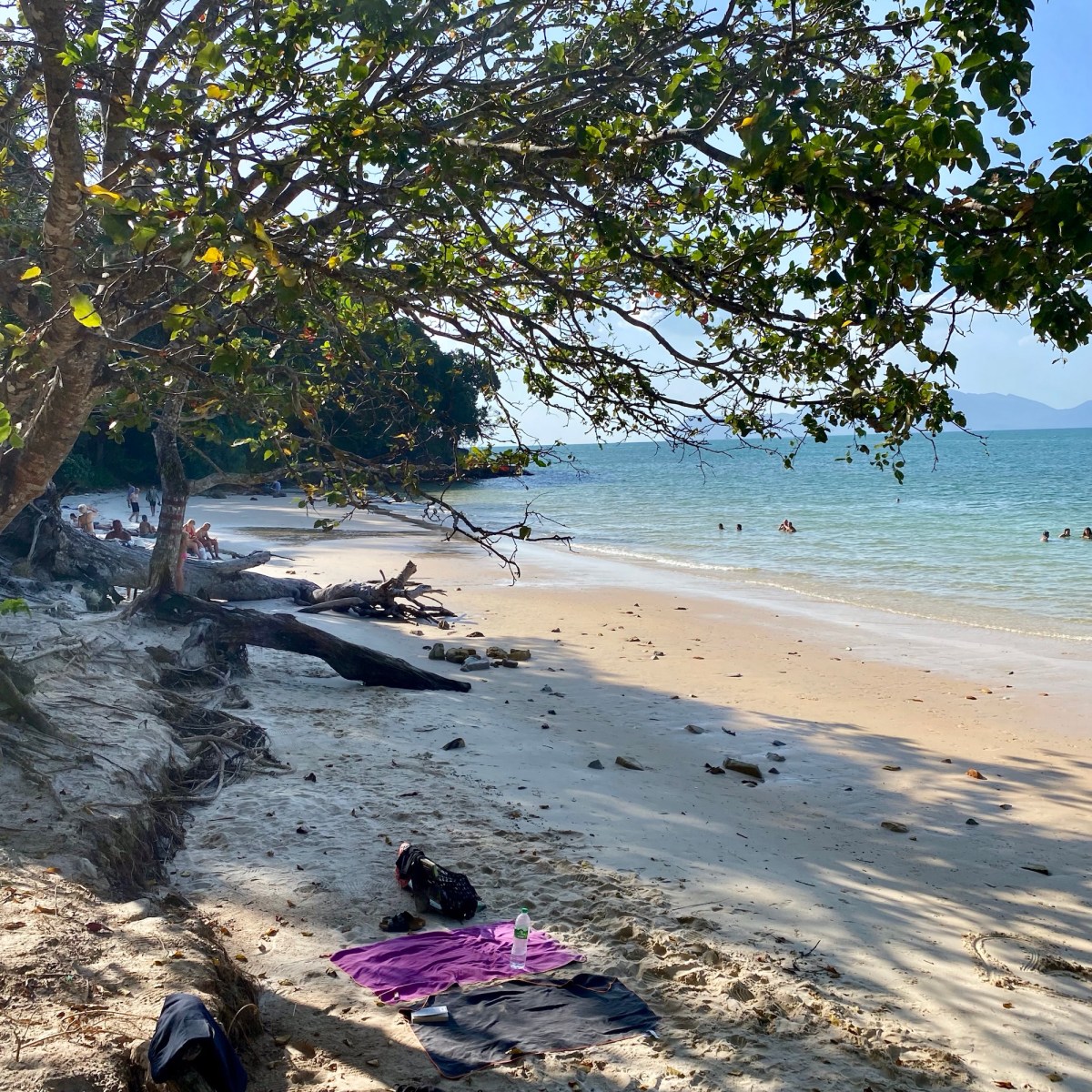
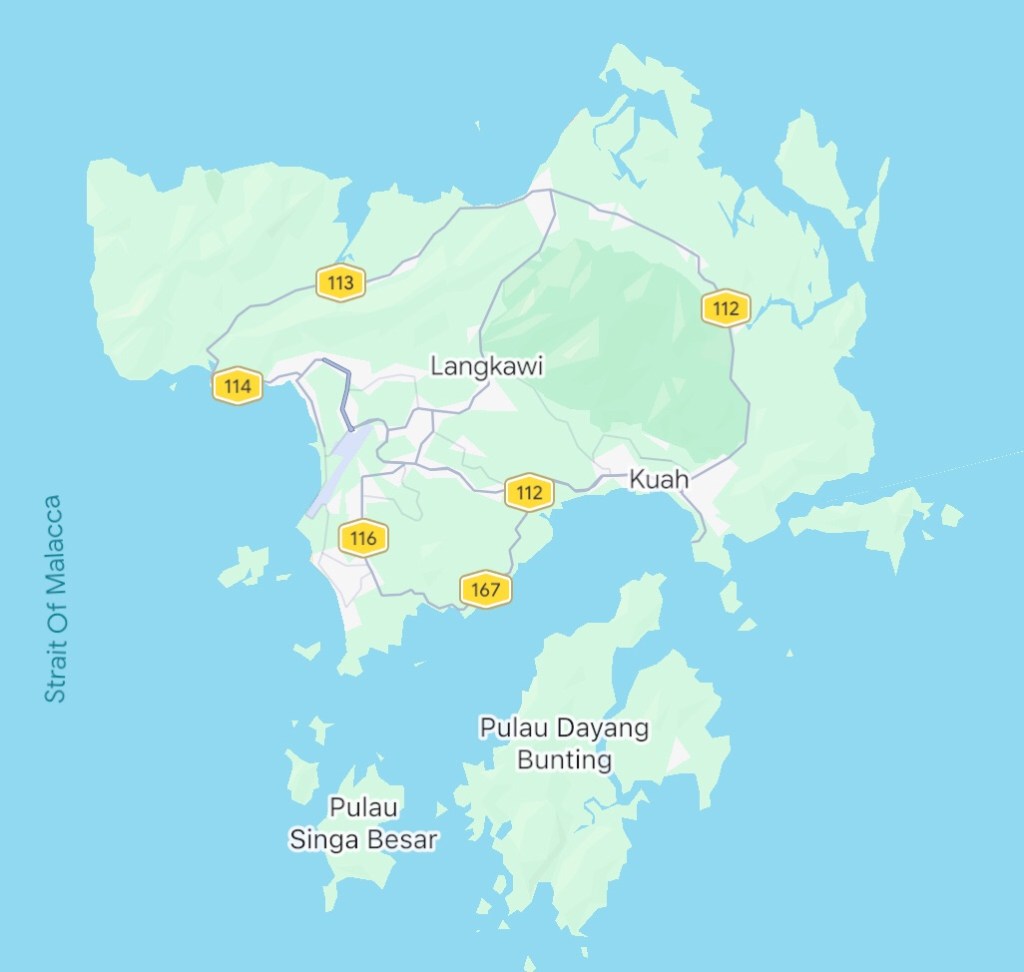
Langkawi Island is a favourite duty free holiday destination for Malaysians and of course other nationalities, including this lone Canadian. Just a short flight from Kuala Lumpur, off the west coast of mainland Malaysia, in the Strait of Malacca, Langkawi is in fact an archipelago of comprised of 99 islands.
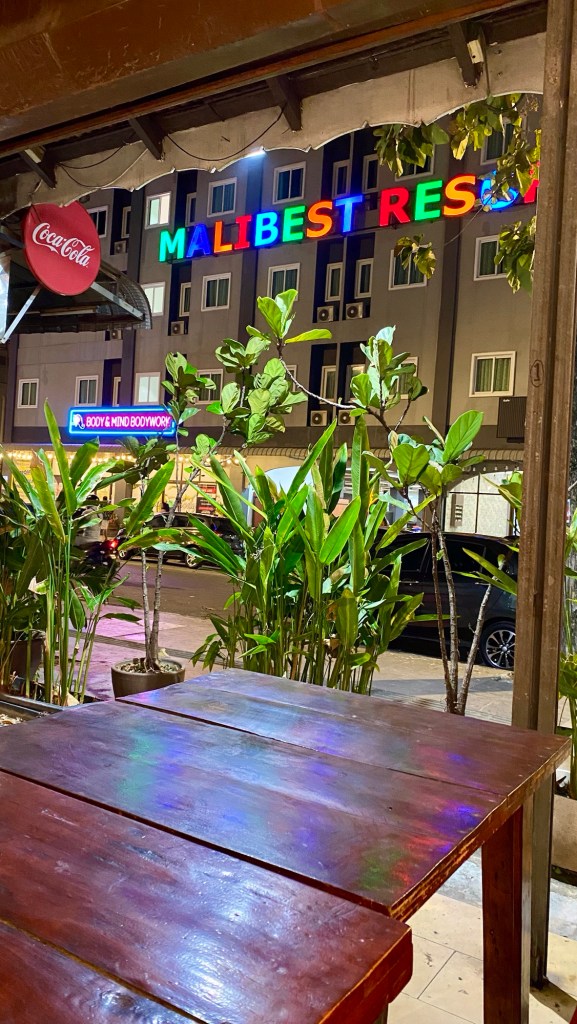
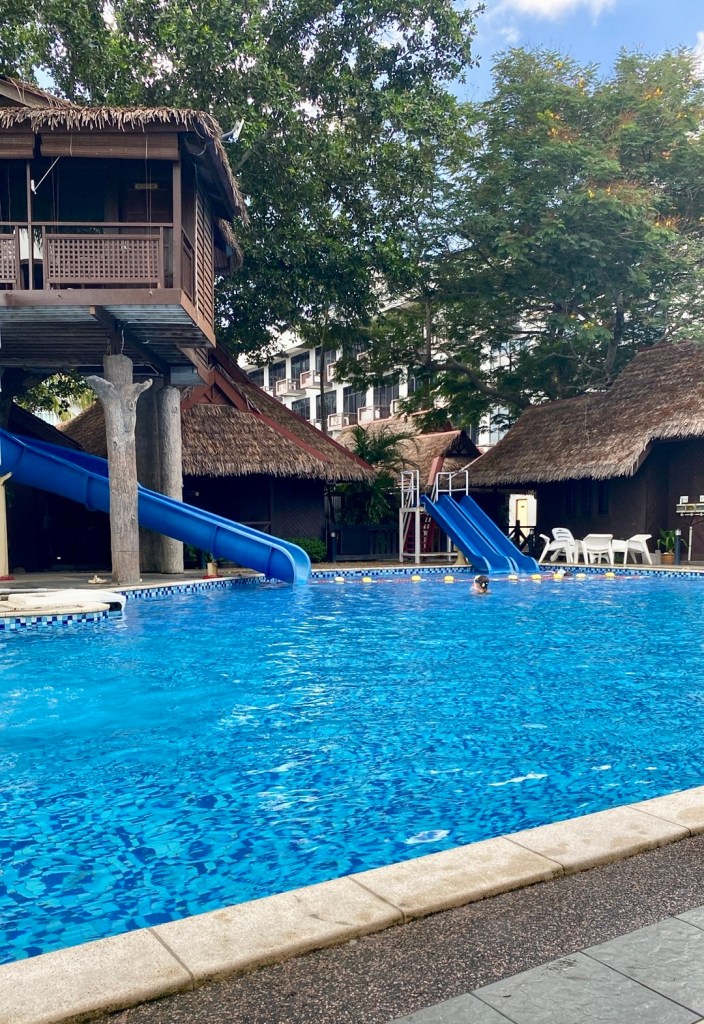
I arrived from Phuket Island with a transfer in Kuala Lumpur. Staying at the Malibest Resort on Cenang Beach, I enjoyed both the beachfront location and the swimming pool. I spent the first day resting up around the pool, before I dove in to discover the treasures of Langkawi. At the pool I met some folks from Sweden and we decided to share transportation costs to some of the sights.
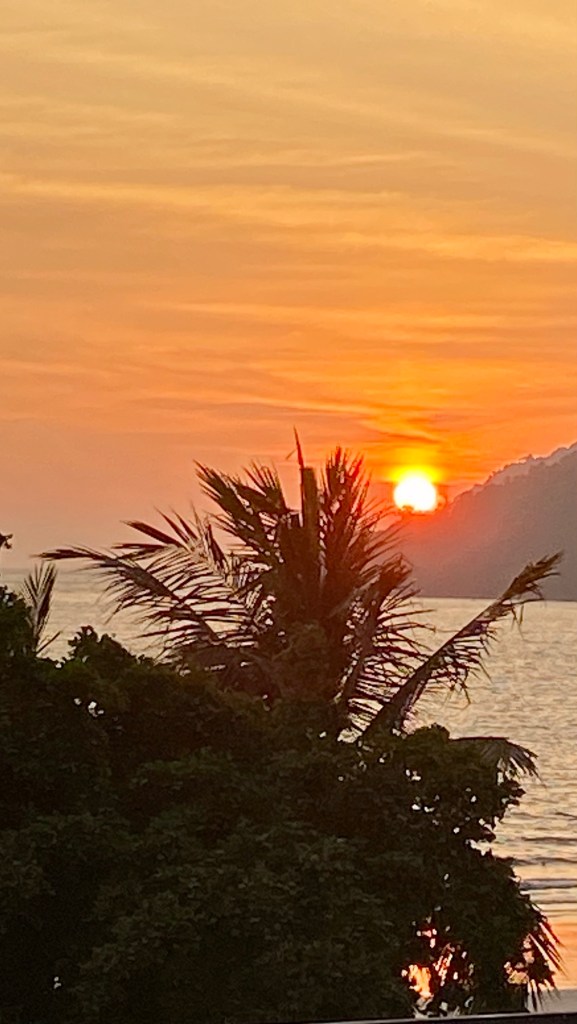
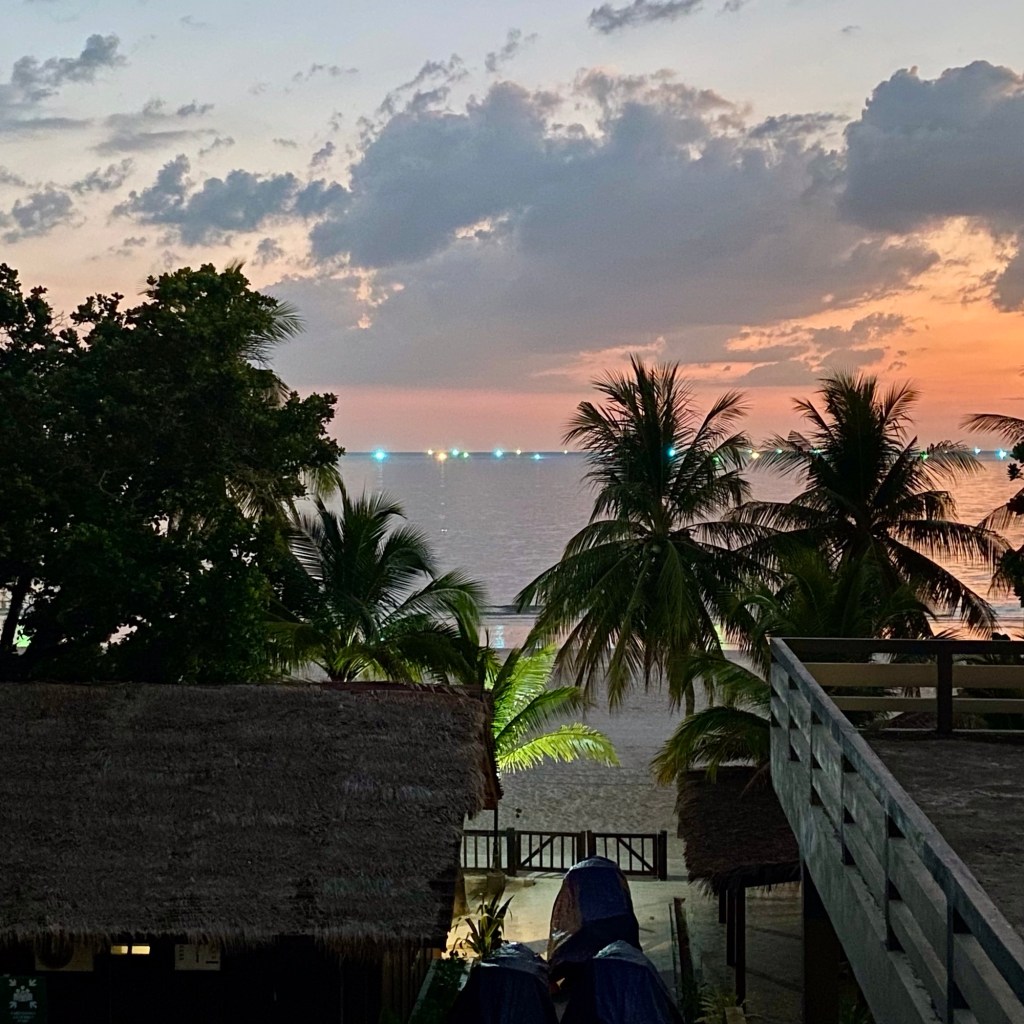
Dream Forest
Using the ubiquitous Grab App, the Swedes and I hired a car to take us to The Dream Forest, billed as an “enchanting rainforest night walk along a 1.2 km trail” that tells the creation story of Langkawi. It was well done using high tech lighting of various kinds and immersive projections to tell the story.
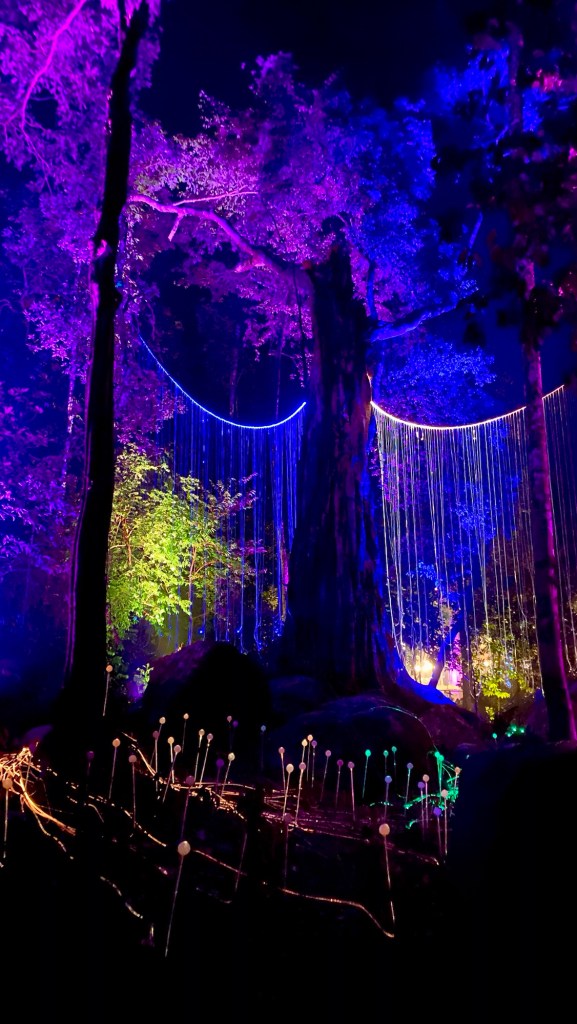
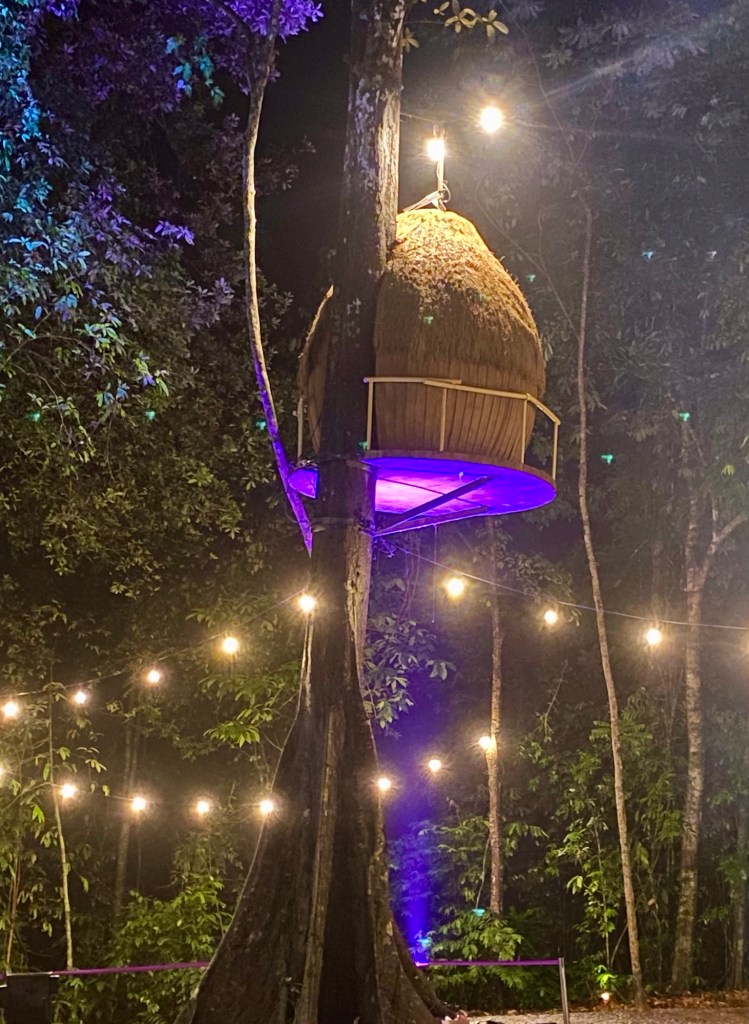
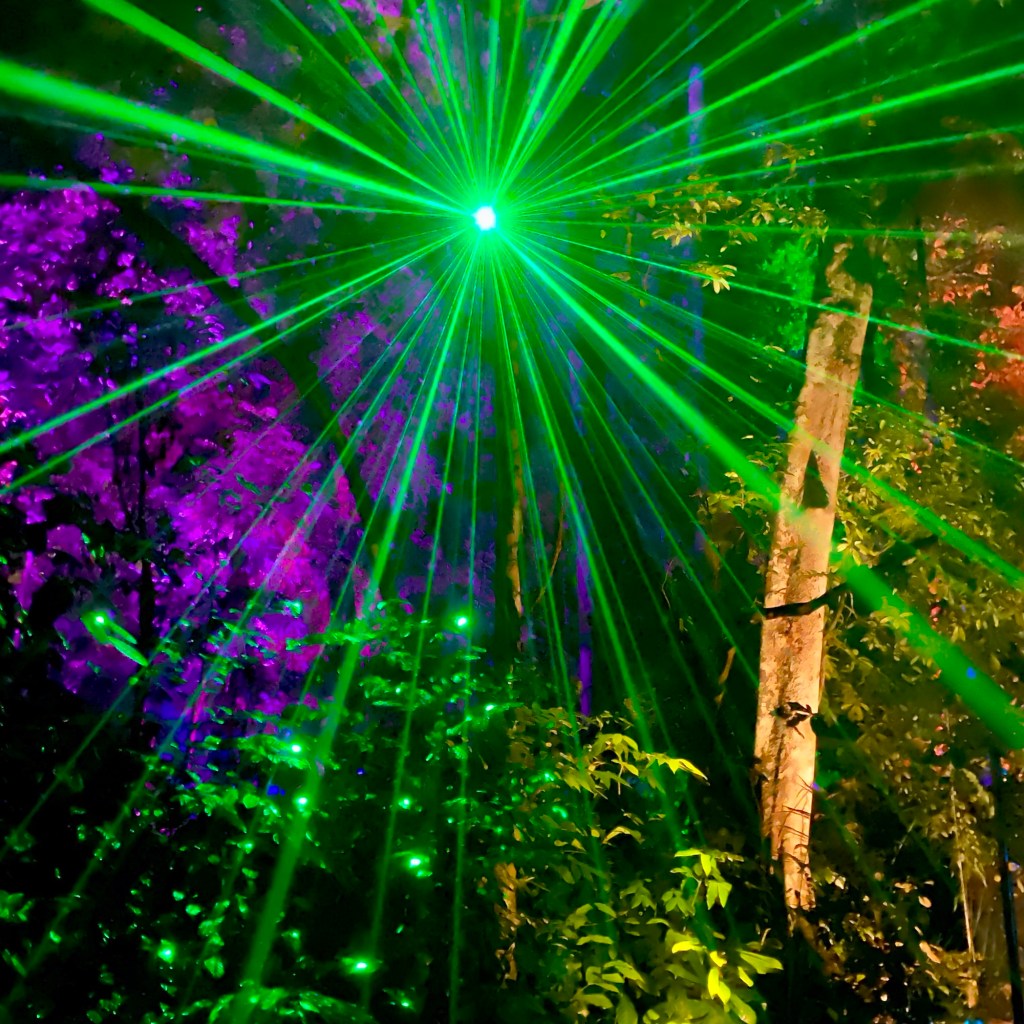
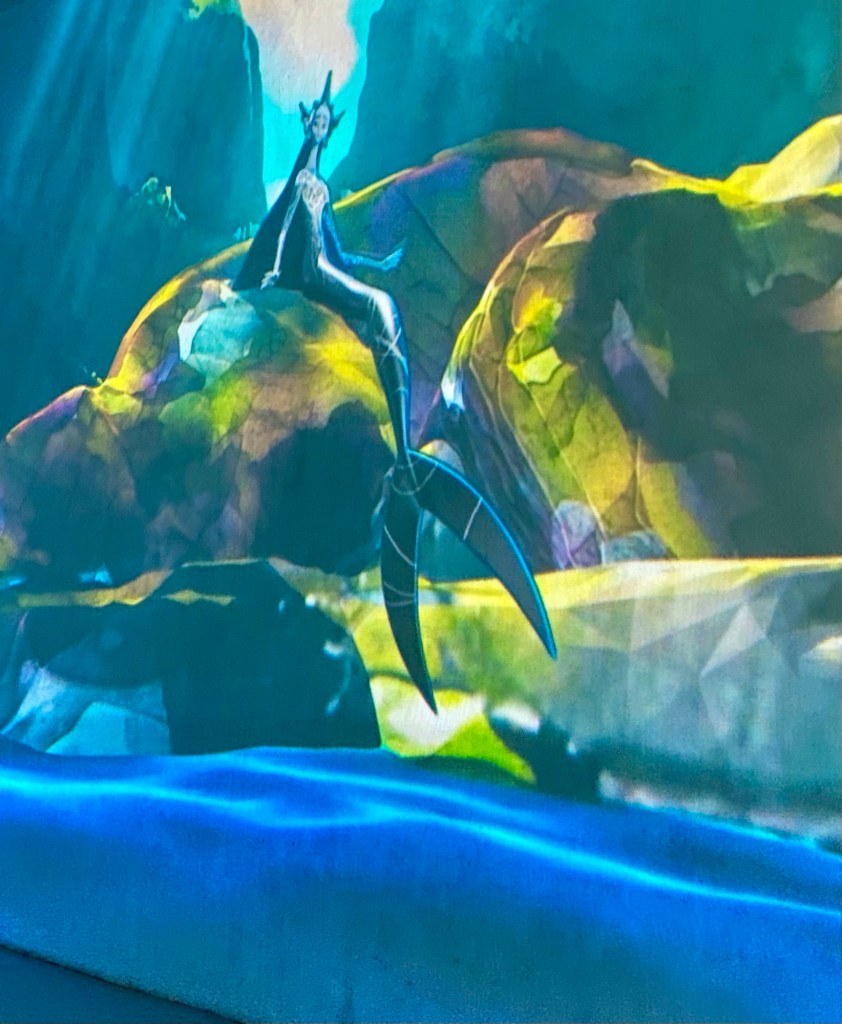
Like all good plot lines Langkawi’s story begins with a dash of magic, a prince and a princess, tears from a mermaid that saved the day, and a clash between unruly giants that resulted in them becoming the mountains you see on Langkawi today.
Seven Wells Waterfall & An Island Tour
On another excursion, sharing the cost of a car and driver, the Swedes and I set off with our young driver/guide Umair. A curious, open minded young man he was quite informative even though he wasn’t a trained guide per se. He spoke very good English and because it was Ramadan he was fasting from sunrise until 7:24 each day.
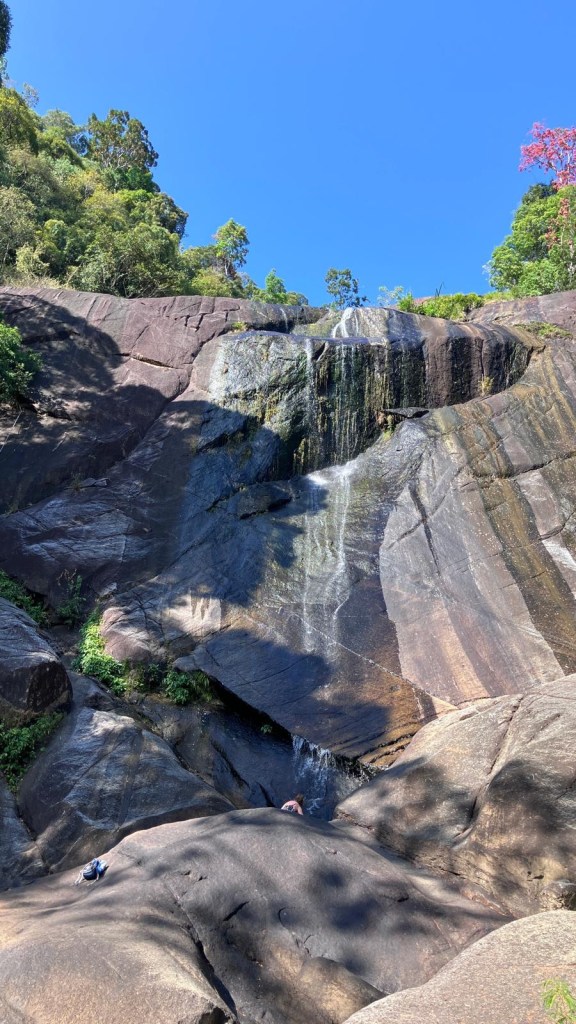
Our first stop for the day was at the Seven Wells waterfall high up in the mountains. It was a well maintained trail that featured 700 stone steps with intermittent dirt pathways. The stone steps were counted out for you by the hundred so every so often you’d see 200, then 300 and so on which at first didn’t seem all that important but near the end it was good to see 600 and 700, and to know that a pool of water was waiting to embrace your sweaty self. Sadly the waterfalls were quite dry unless you were willing to go higher and I was not so I remained at the lower level and waited the return of the rest of my party.
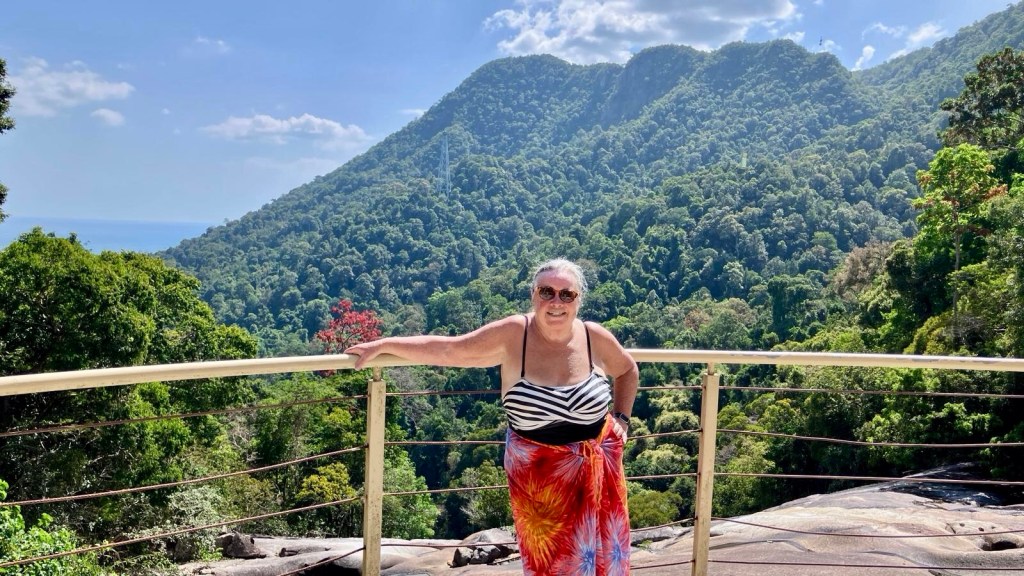
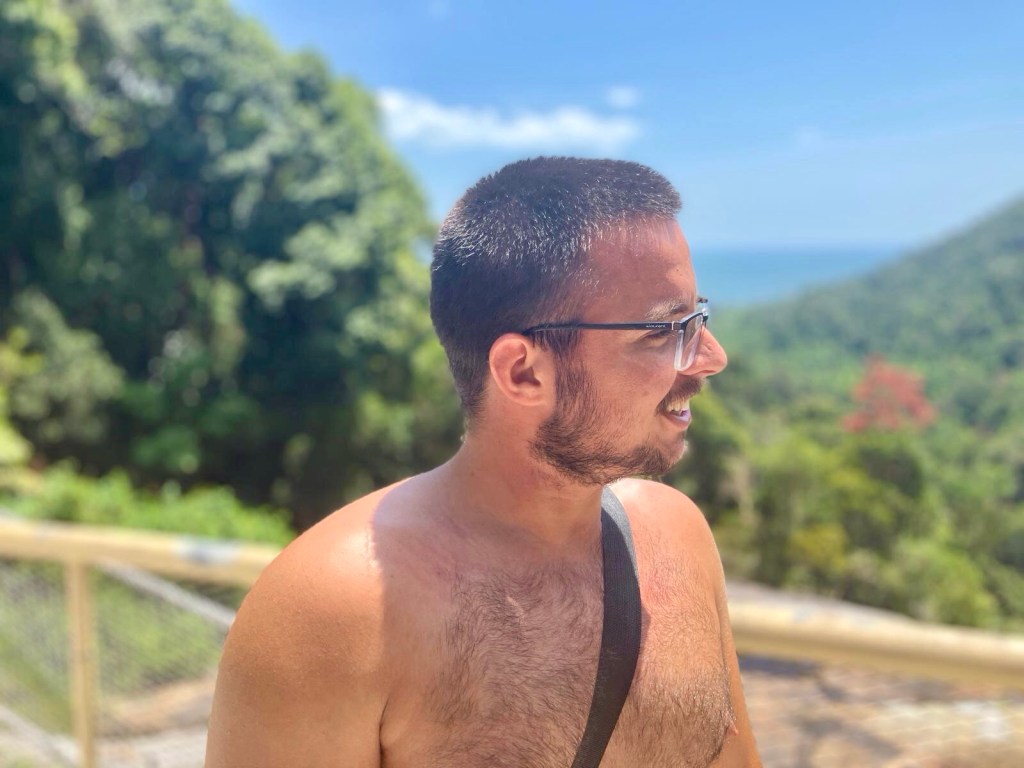
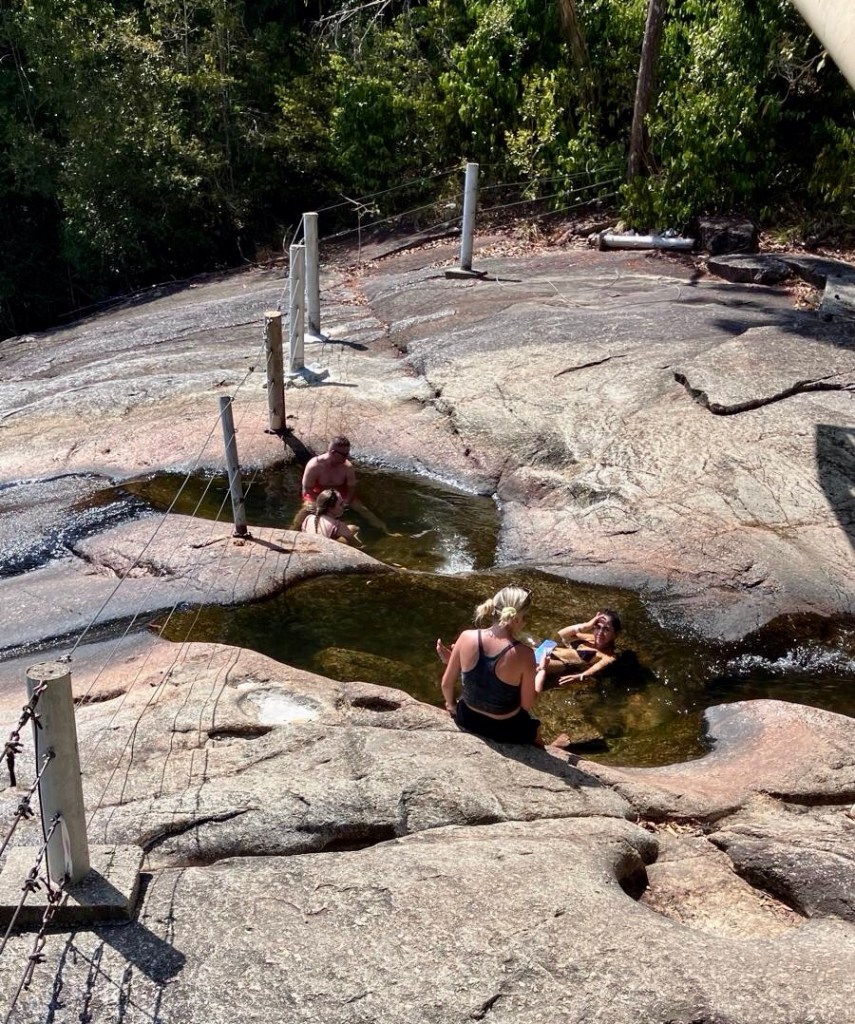
While I waited I sat in a pool of chin depth coolish water and enjoyed the narrow current trickling by. All was good until I tried to get out of the pool and couldn’t. The walls are so slimy and slippery and I being short and of a certain age I just couldn’t get a sufficient grip with my hands or feet on any side of the pool to pull myself out. Not in any danger I wasn’t scared but I was embarrassed to have to ask for help from a young lady to give me a hand getting out. She very nicely obliged and I was freed from the depths and thankfully managed not to pull her down with me.
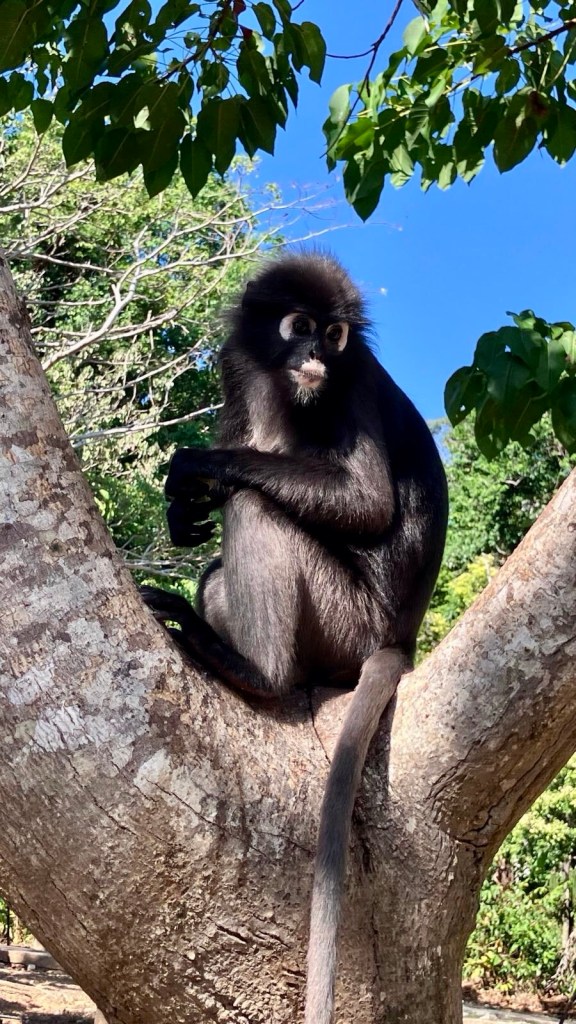
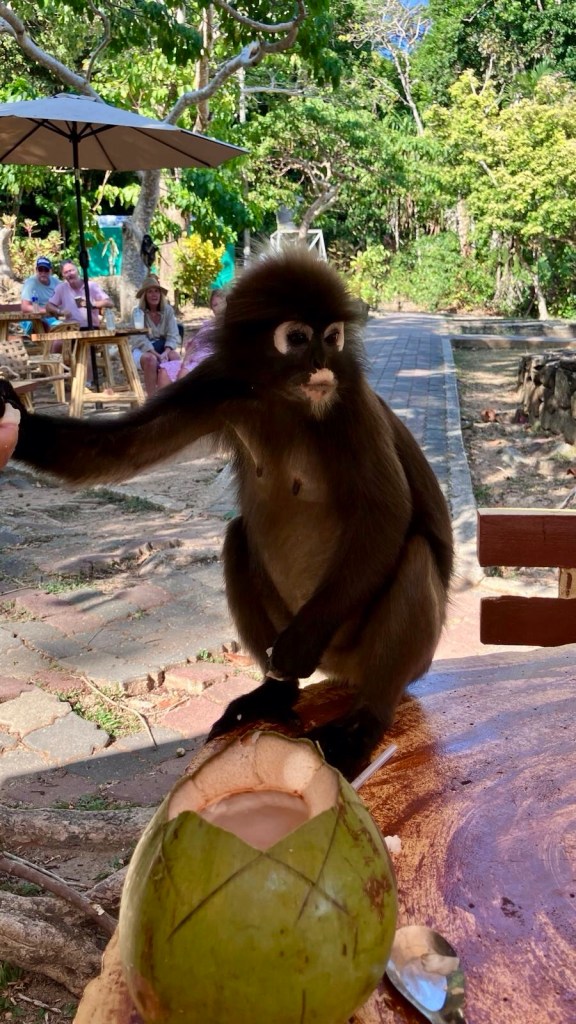
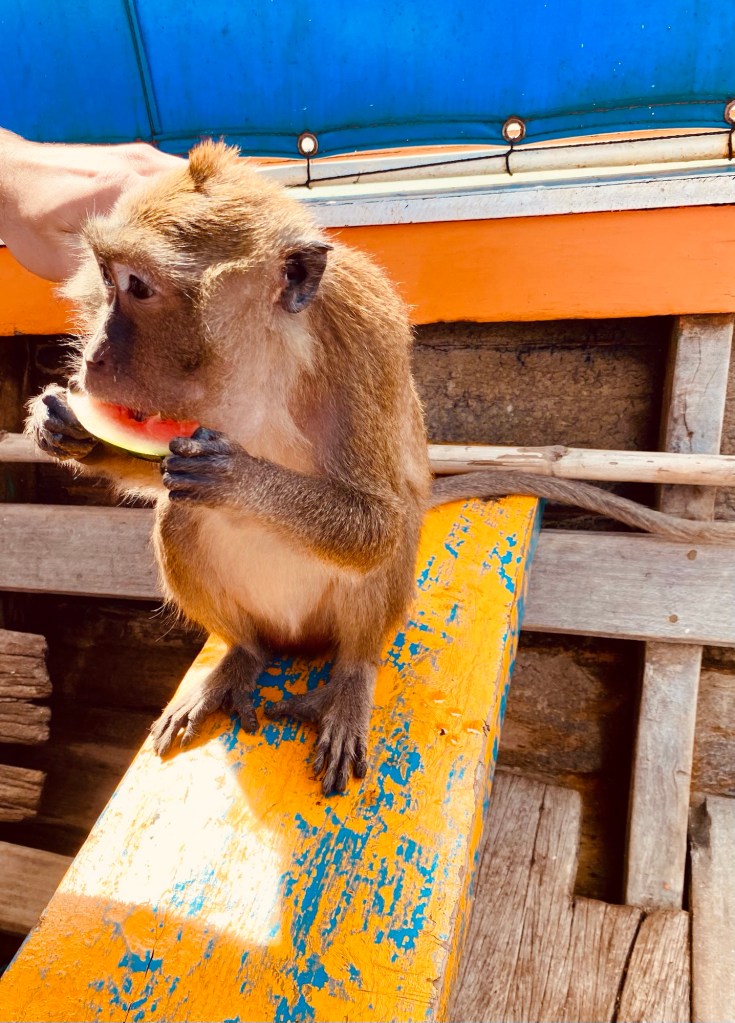
One can build up quite a thirst descending those 700 steps so thankfully there was cold coconut waiting for me at the bottom. I had to share with some monkey friends but they were quite polite and not aggressive so I was happy to break off chunks for these grey haired monkeys.
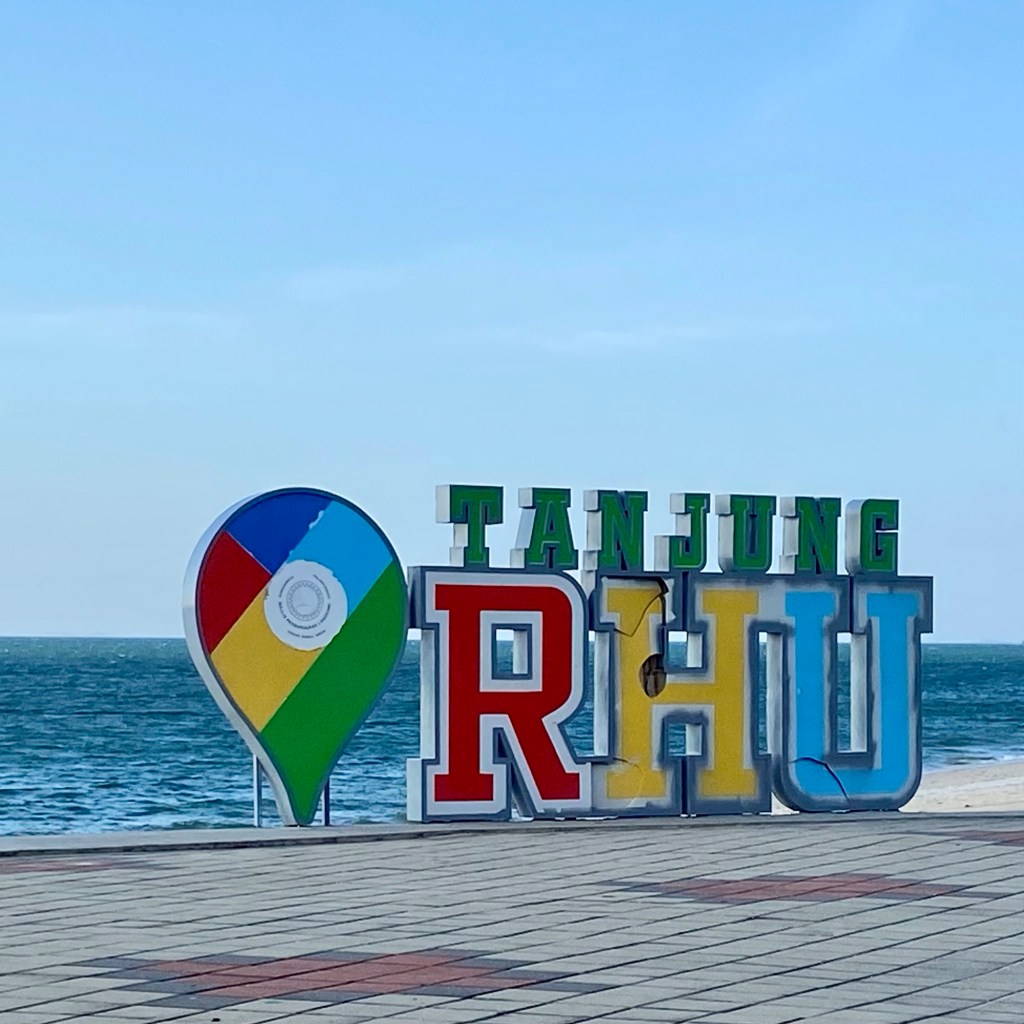
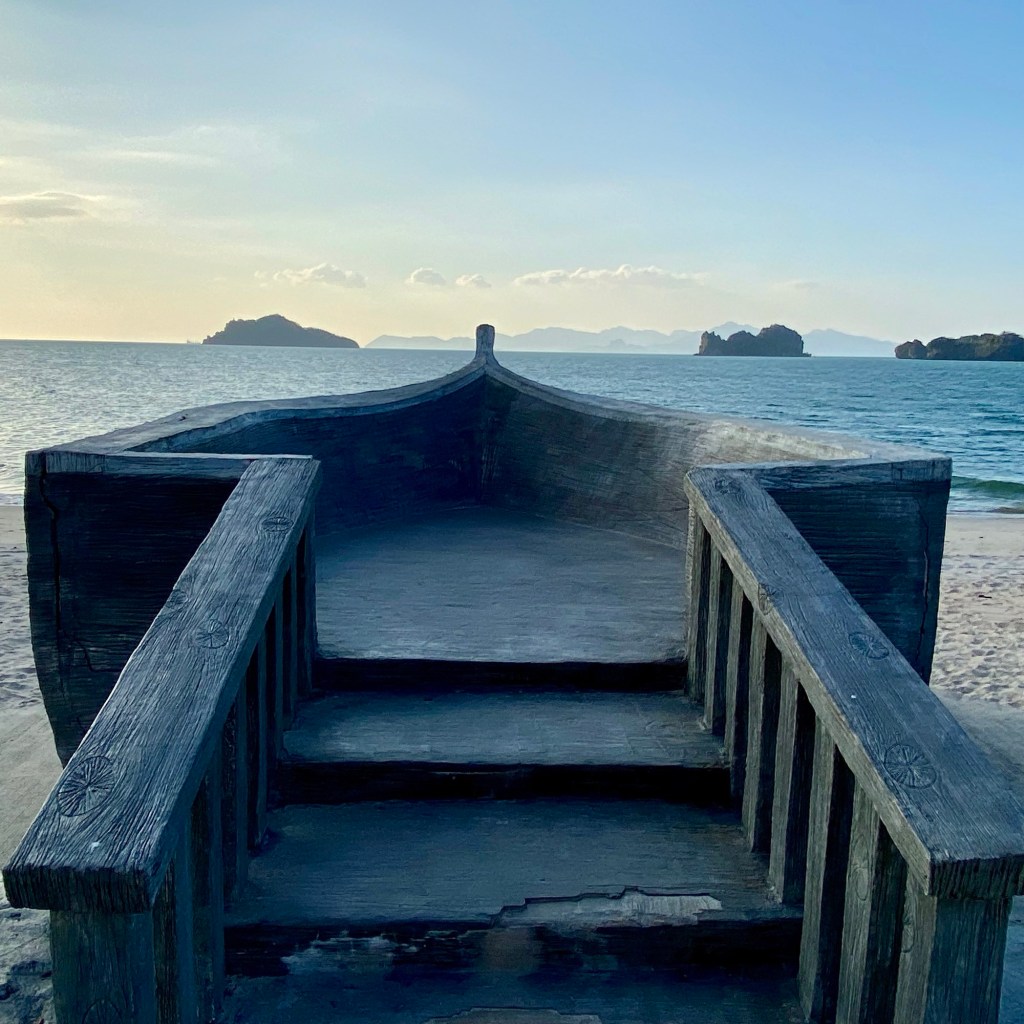
The rest of the day was spent circumnavigating the Island in Umair’s car and I was not the least bit sorry to sit and enjoy the air conditioned view for the remainder of the day. Of course we got in and out of the car to admire the sights that included several of the beaches on the far side of the island.
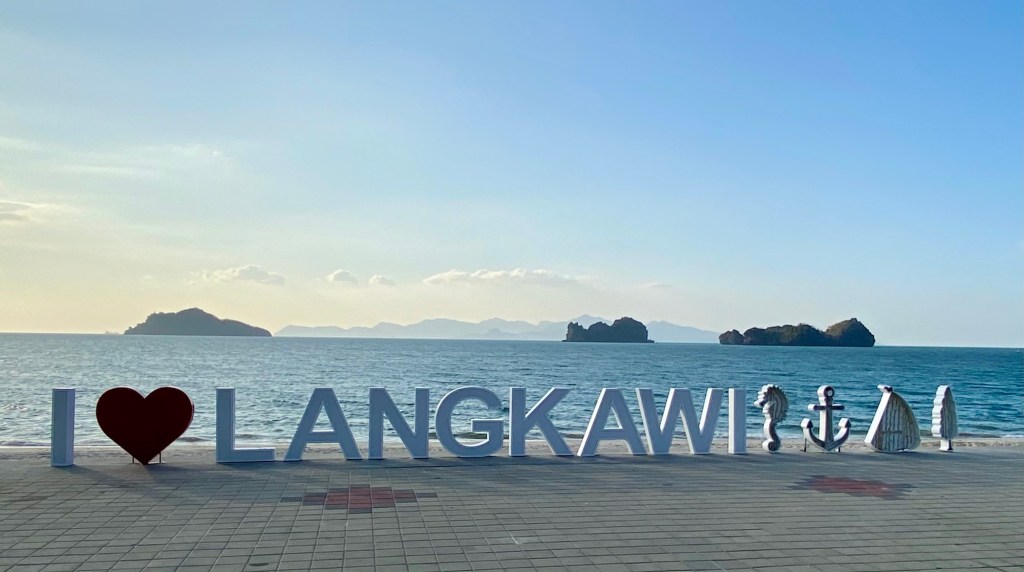
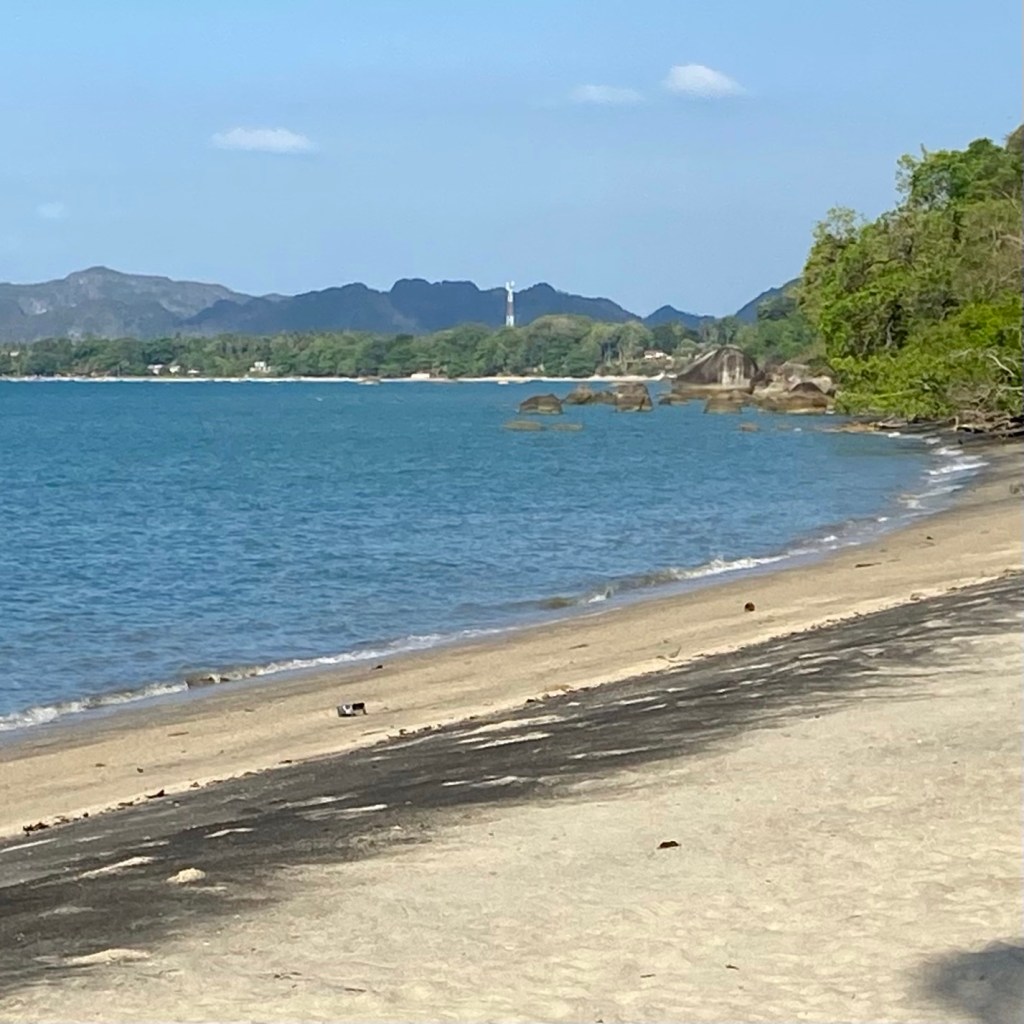
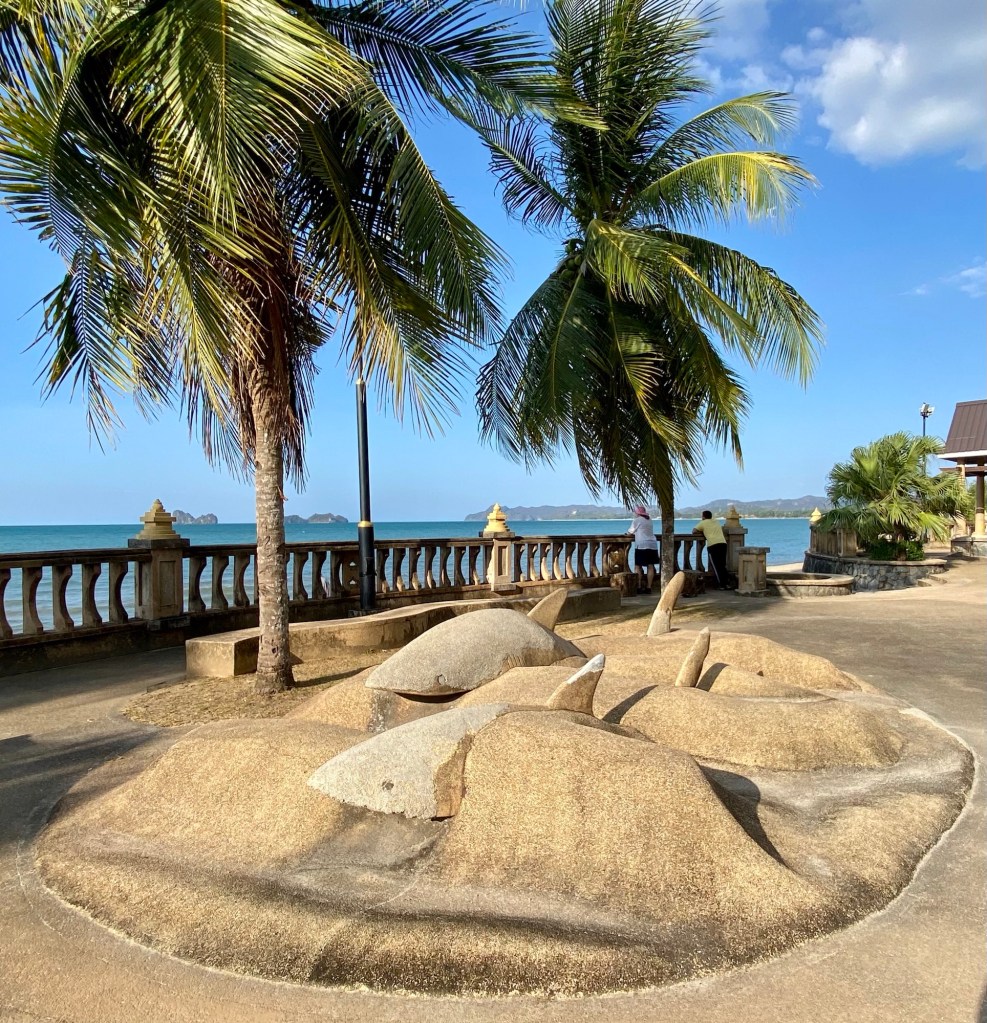
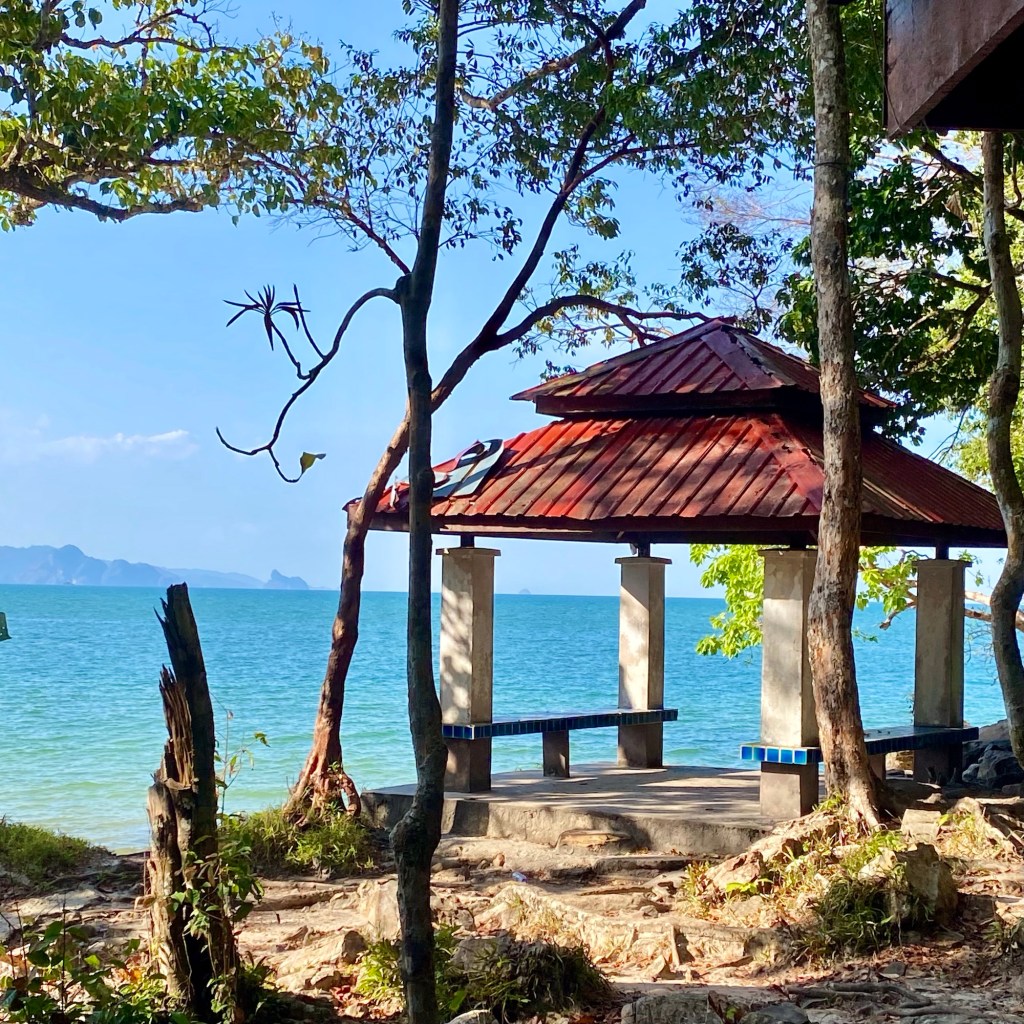
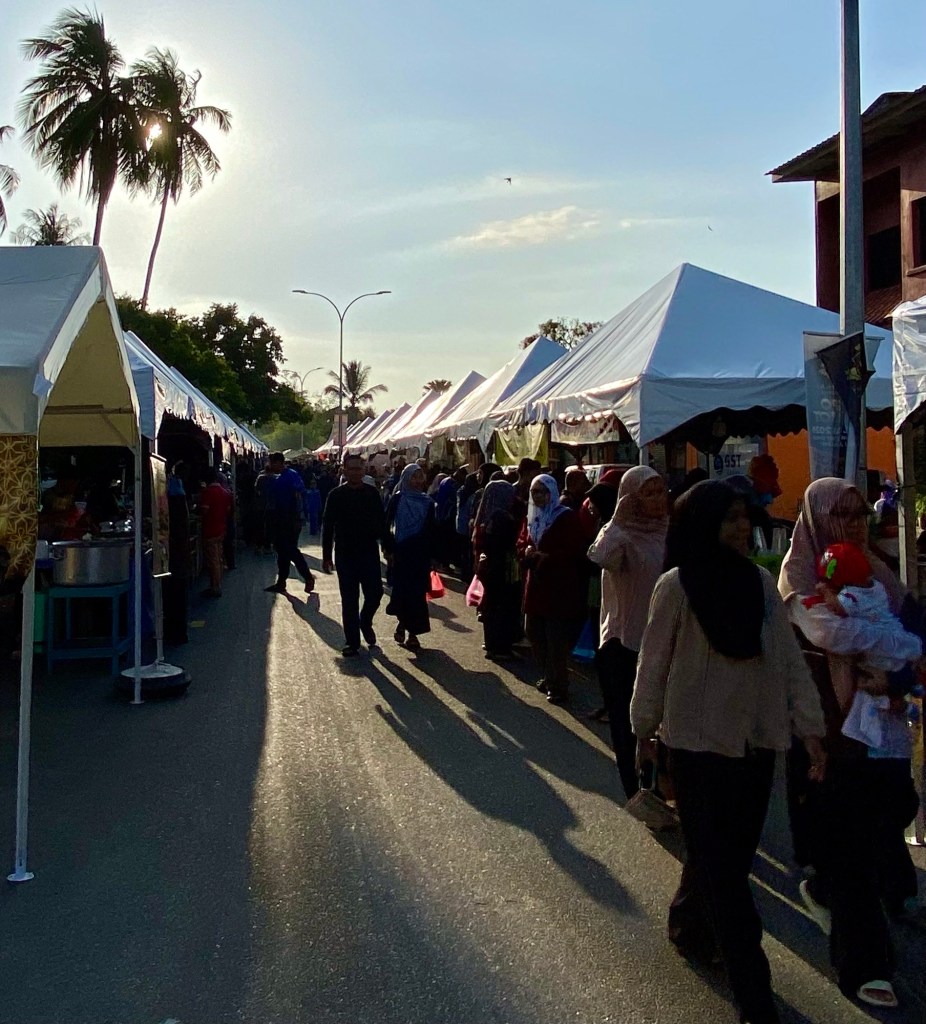
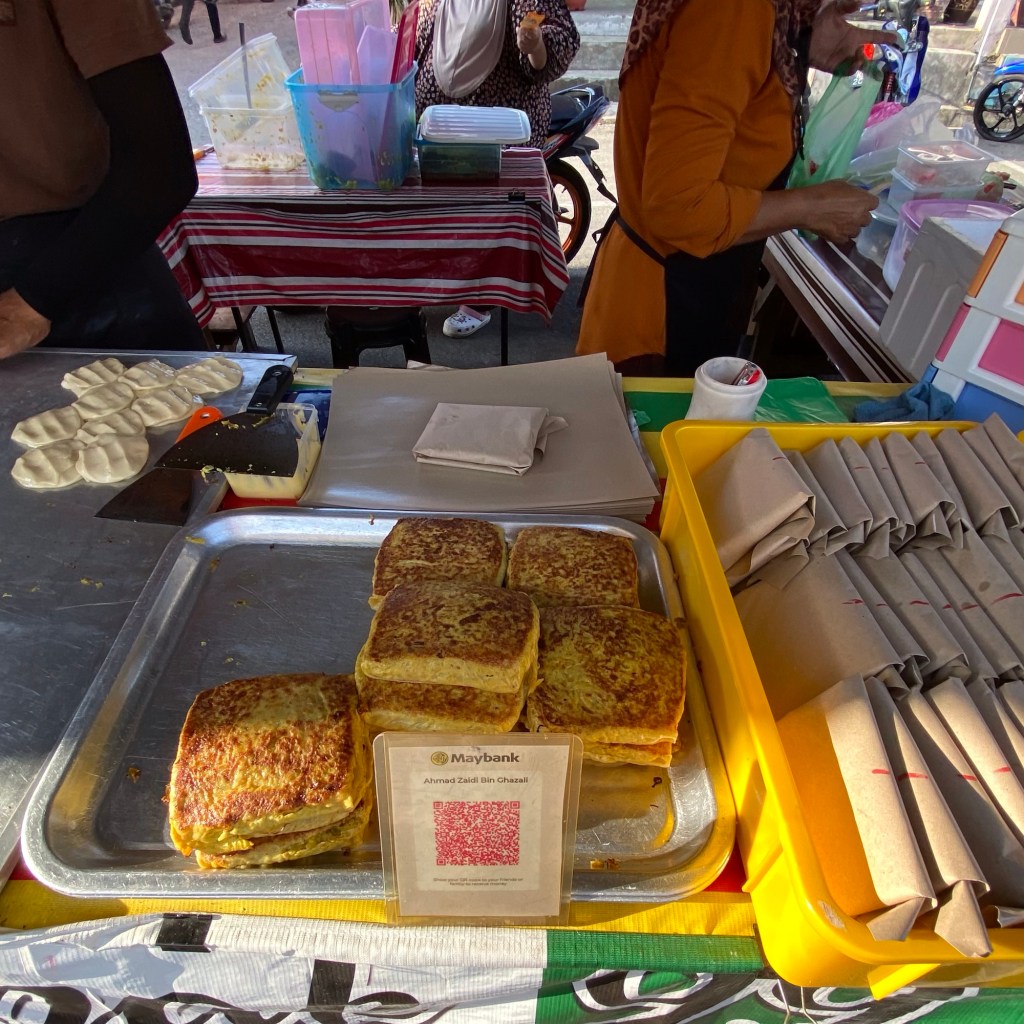
Of course we got hungry and Umair took us to a local market. He waited in the car while we wandered about choosing our lunch but knowing that he was fasting, we ate our food before we got back to the car. I had the best potato pakoras and a Murtabak which is a popular street food in Southeast Asia. It is a dough stuffed pan fried affair that resembles a sandwich. Mine was stuffed with beef. It was delicious.
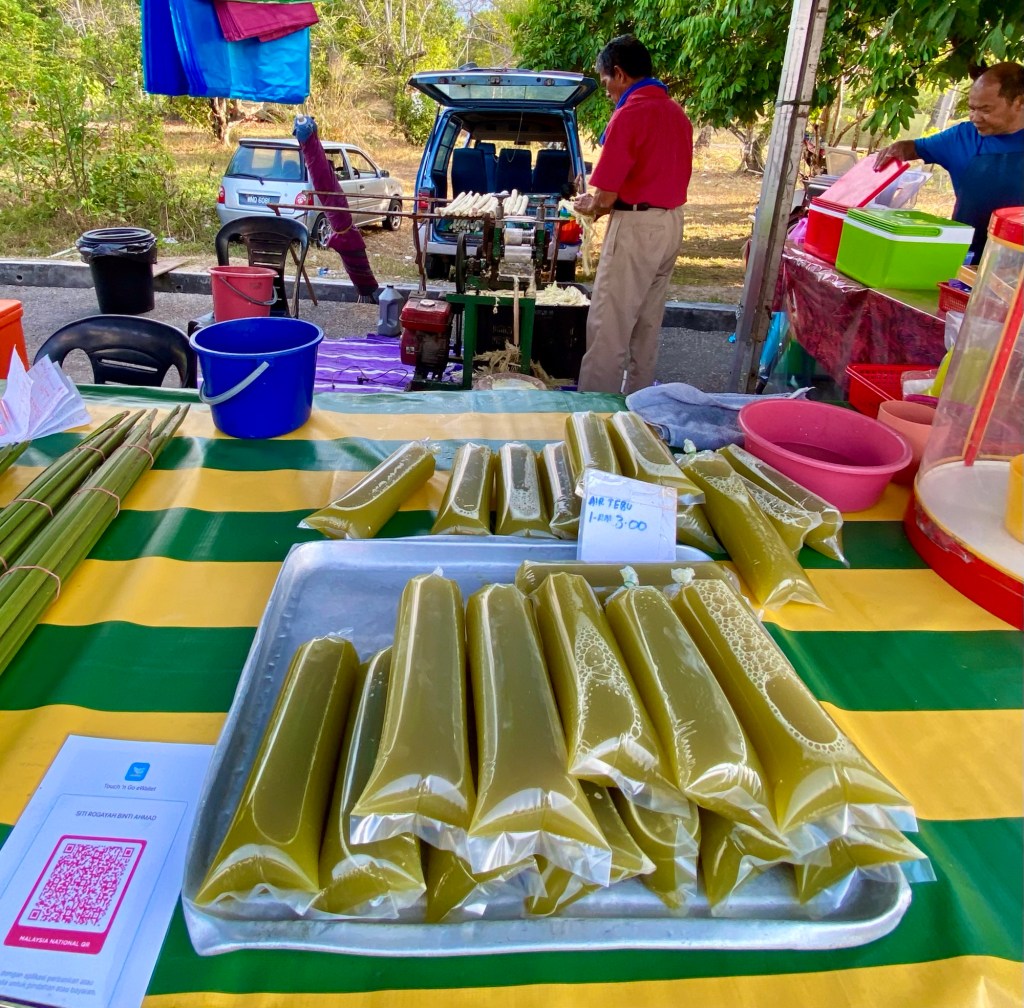
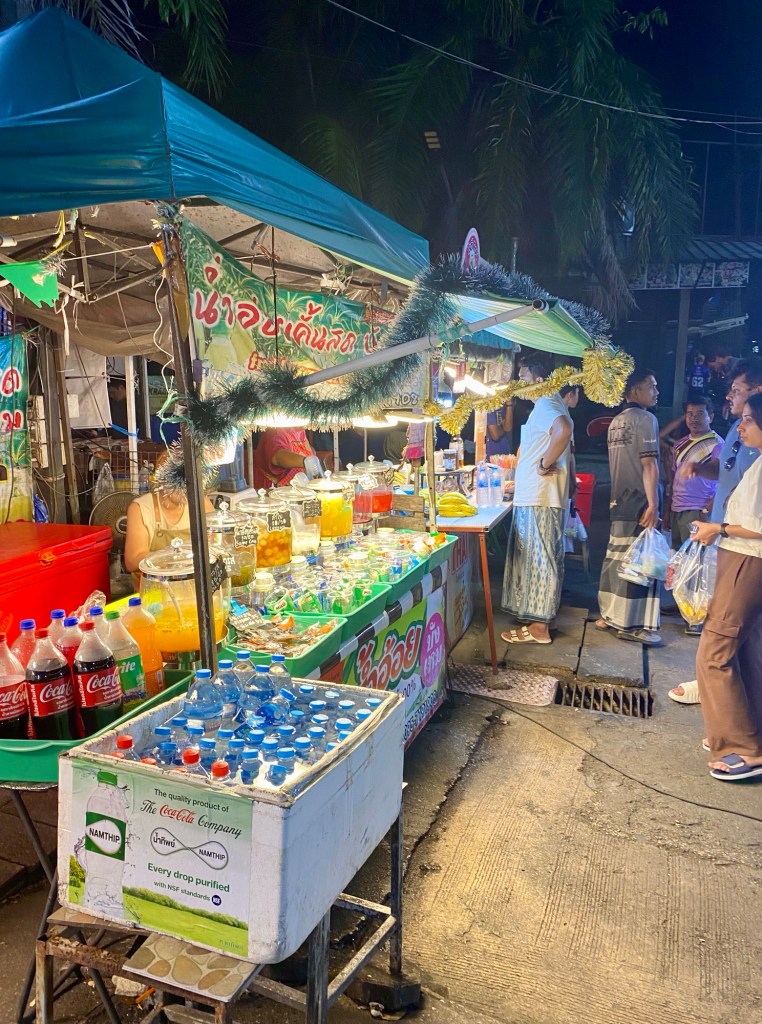
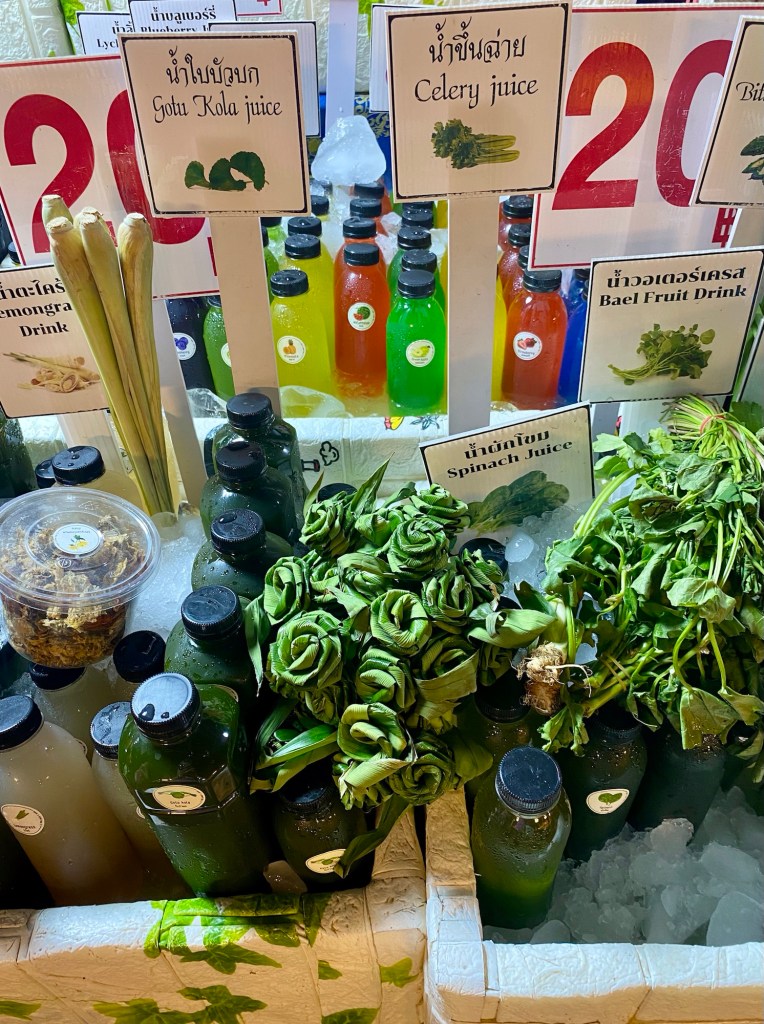
The man above had a hand operated press/grinder that he fed sugar cane through to make cane juice. Not sure how you use it but if it’s sweet I bet I’ve had some in the fruit ice drinks that I’ve enjoyed. Especially the passion fruit ones.
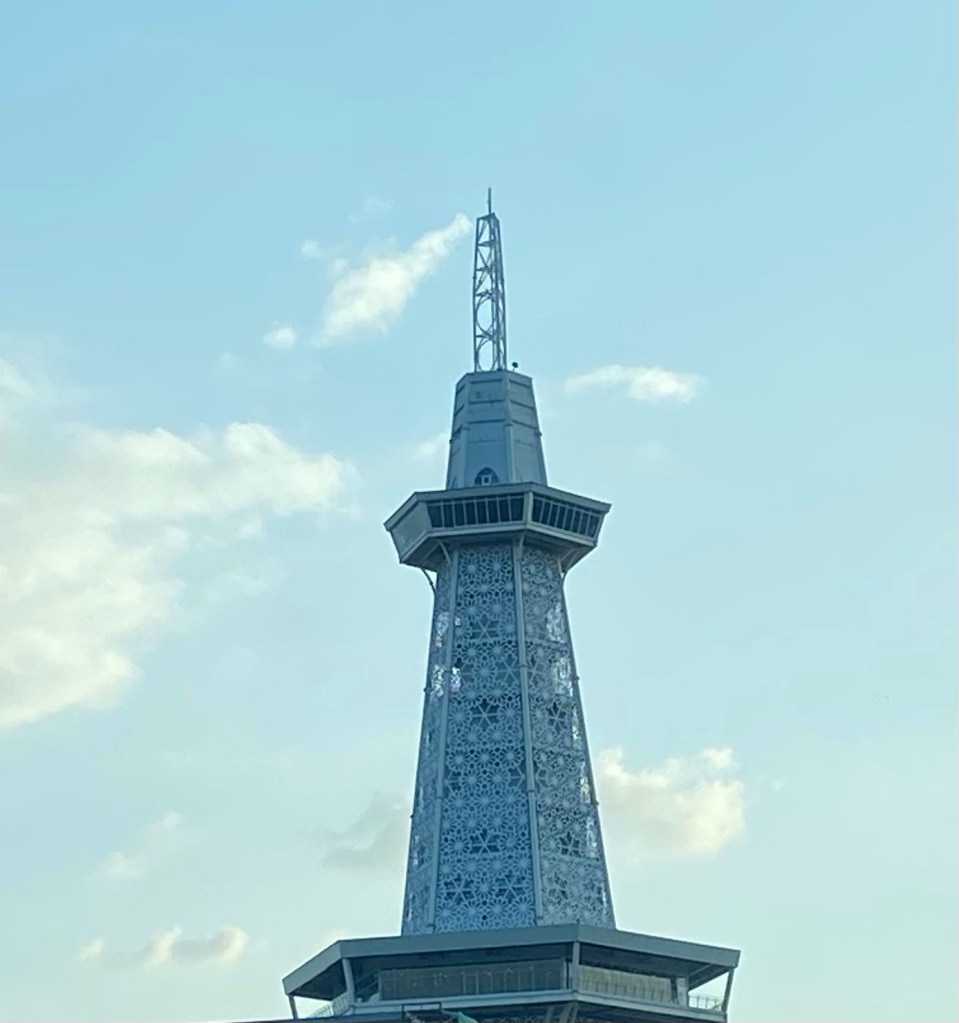
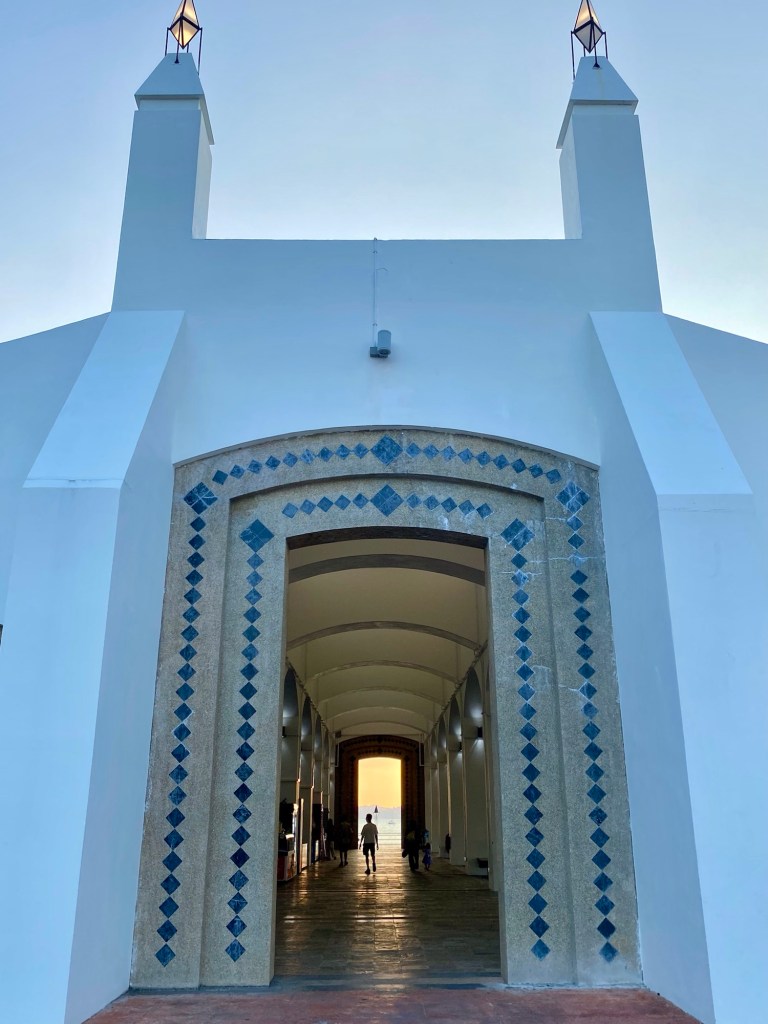
The last hours of the day were spent in Eagle Square a popular park and spot for families to gather to break their Ramadan fasts at 7:34 in the evening. Across from the park you can see the Maha Tower located in Kuah City. It’s one of the tallest towers in Malaysia and like the Eiffel Tower it offers 360 degree views of the Island and the Andaman Sea. Sadly we didn’t have time to go up the tower to the observations deck and sky lounge but maybe next time.
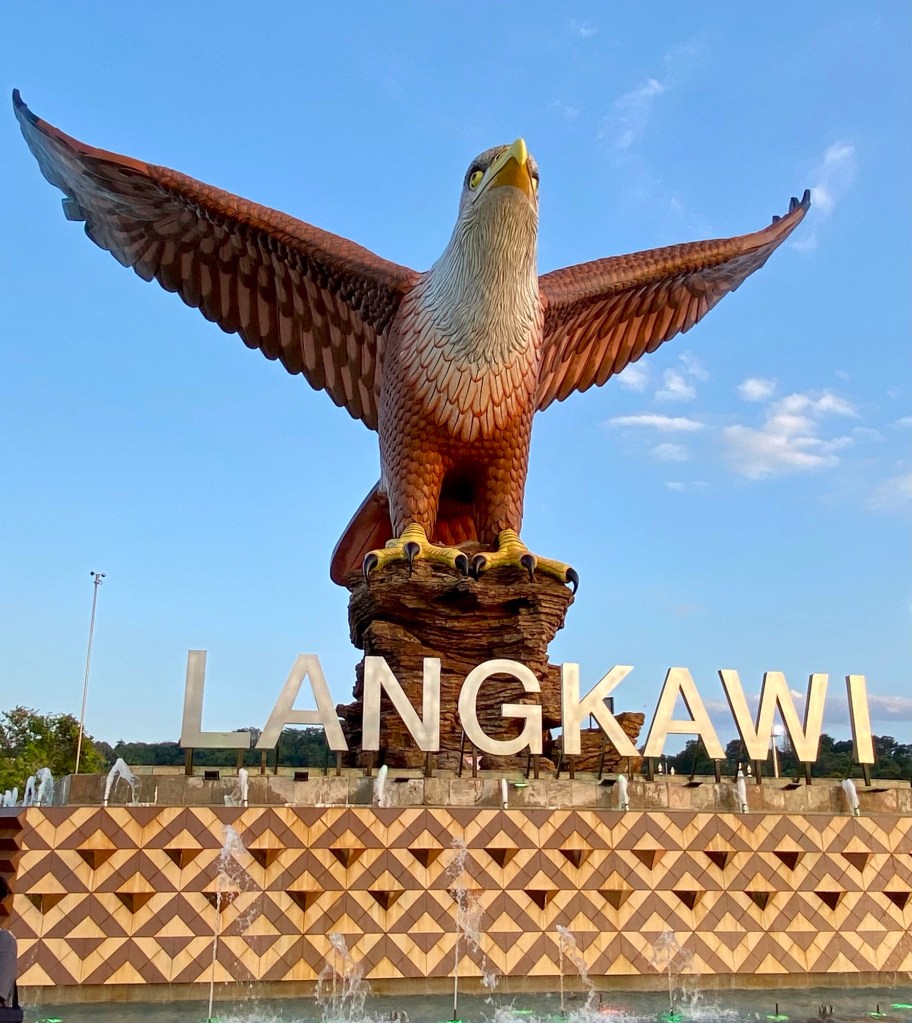
The Eagle represents the origin of Langkawi’s name, derived from the Malay works Helen (eagle) and Kwai ( reddish-brown stone)
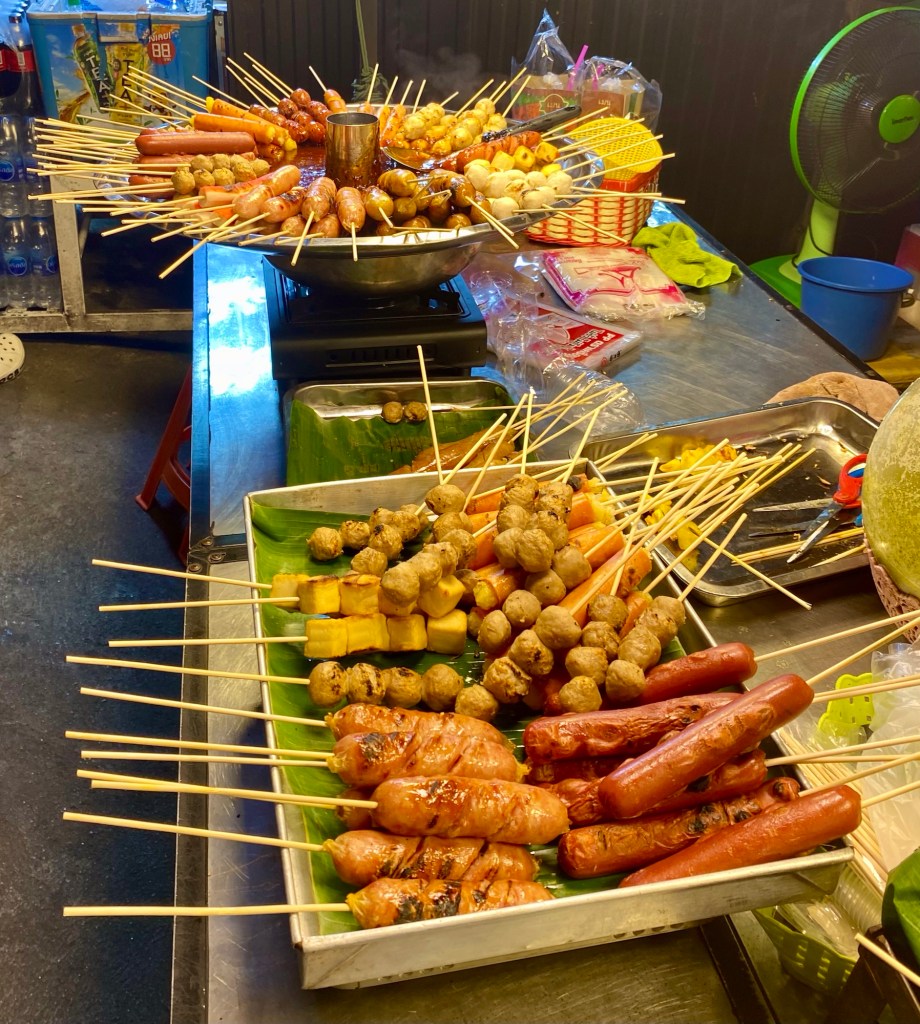
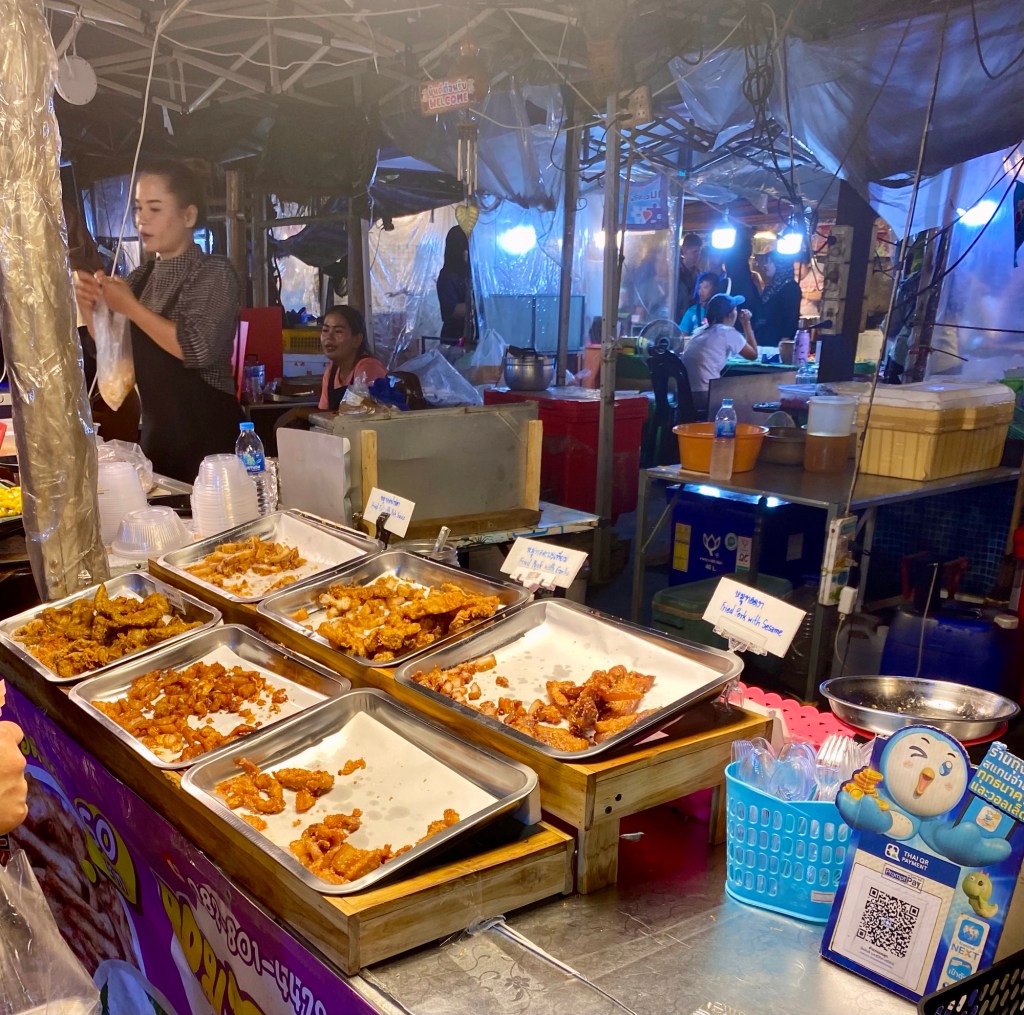
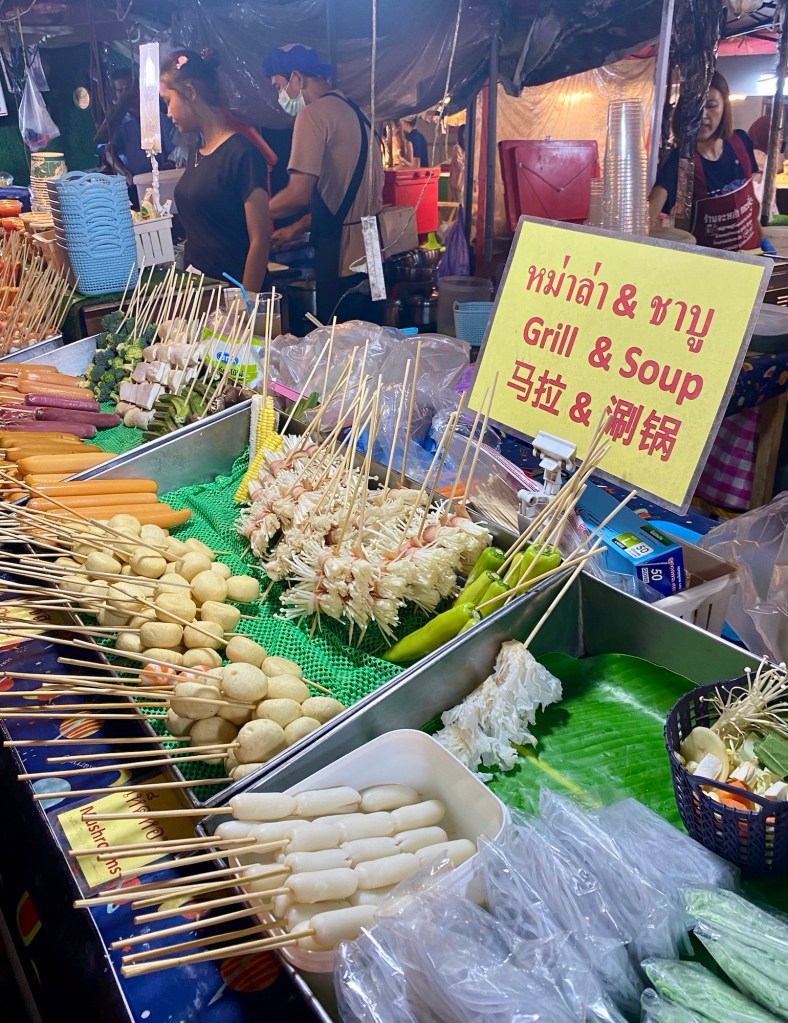
A long day was capped off with a walk to the Night Market back at Cenang Beach where I had chicken satay with fried rice. Delicious and inexpensive.
Sky Cab & Sky Bridge
I ventured off by my self to ride the world’s highest cable car and cross the world’s longest and highest sky bridge of its type. Great views from the cable car and the bridge and although there are several options to do more I stuck with just these two activities. You can also walk out over a cliff inside a glass bottomed structure that hangs under beak of an eagle, and at the very top there are restaurants and the ultimate lookouts.
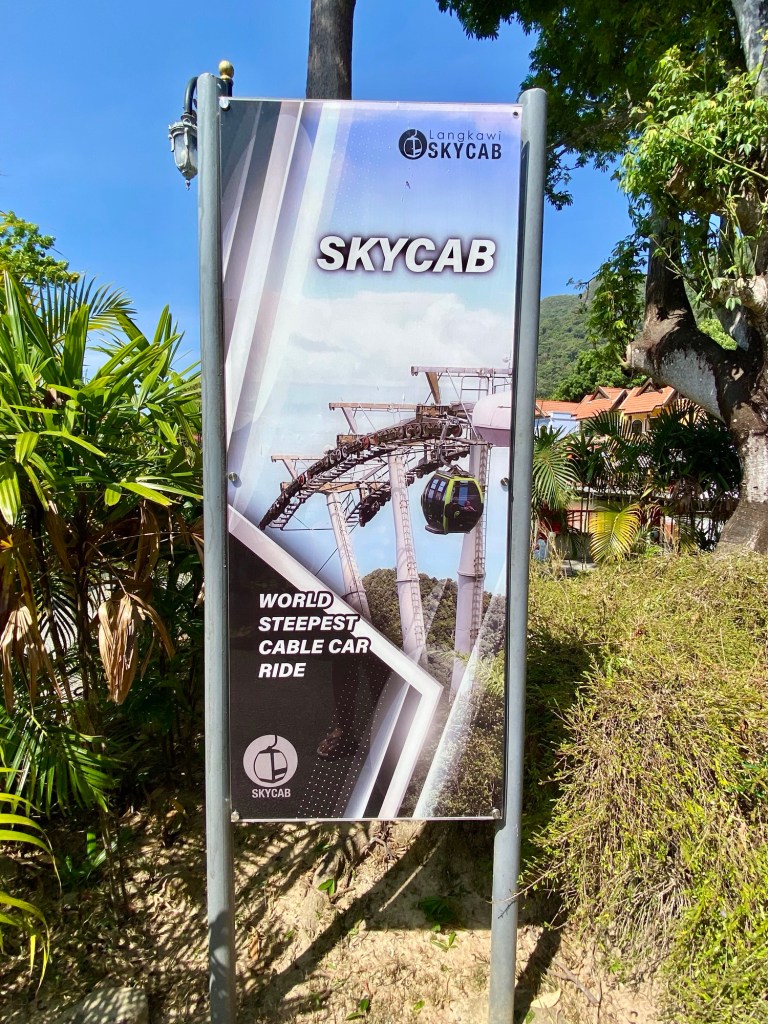
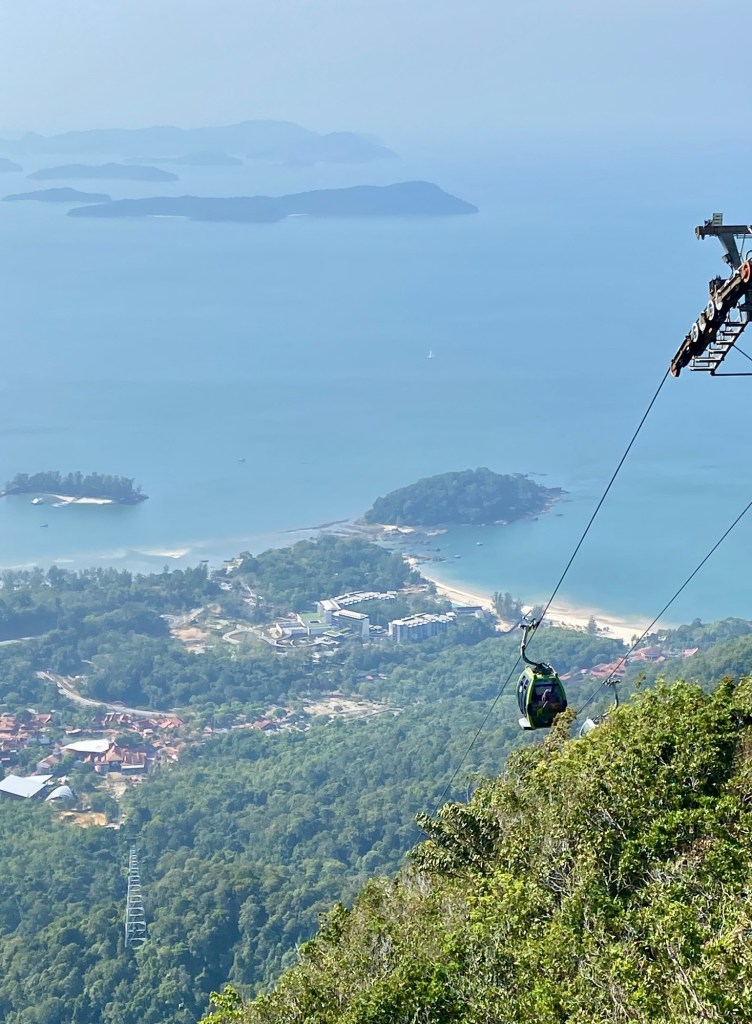
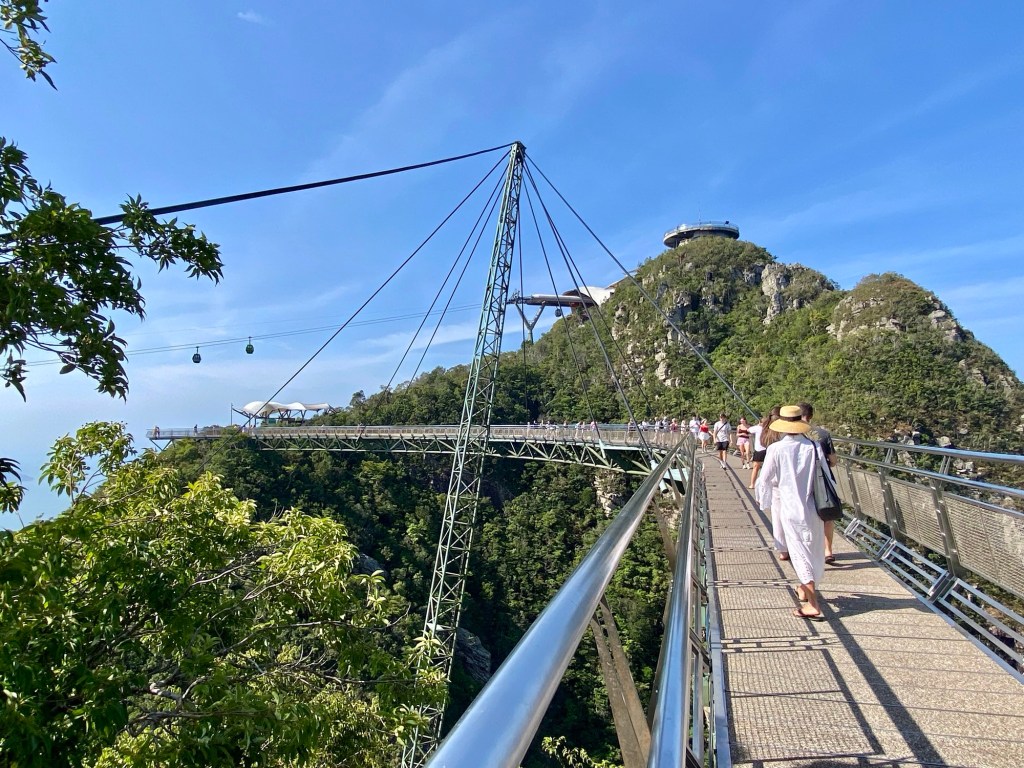
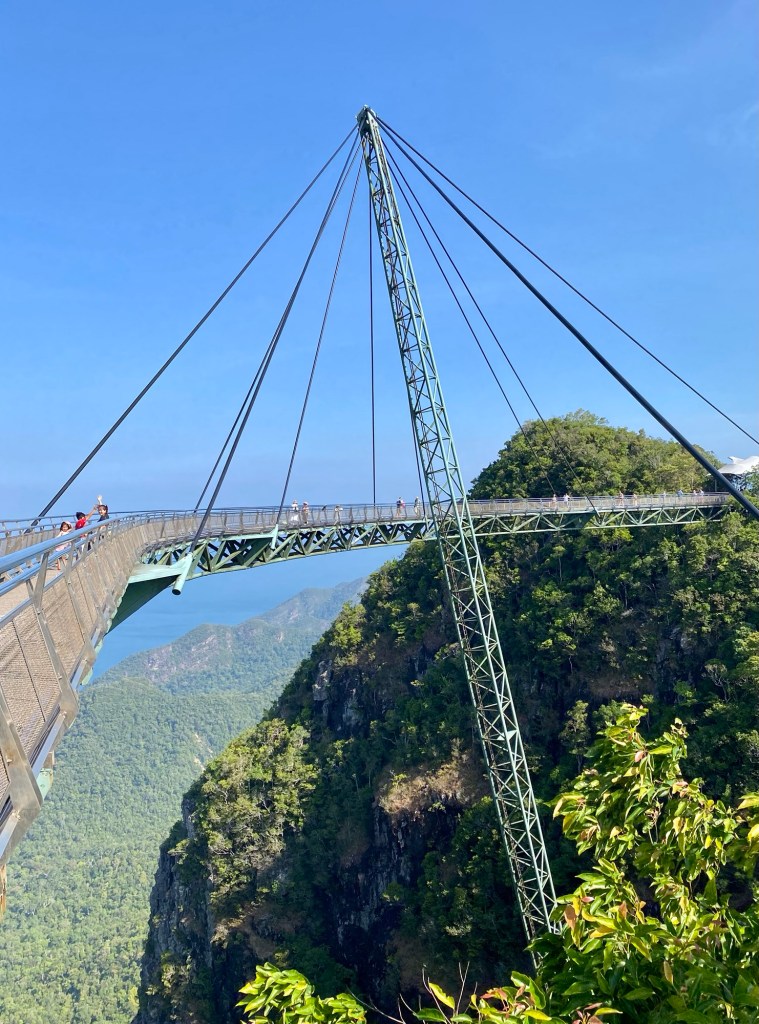
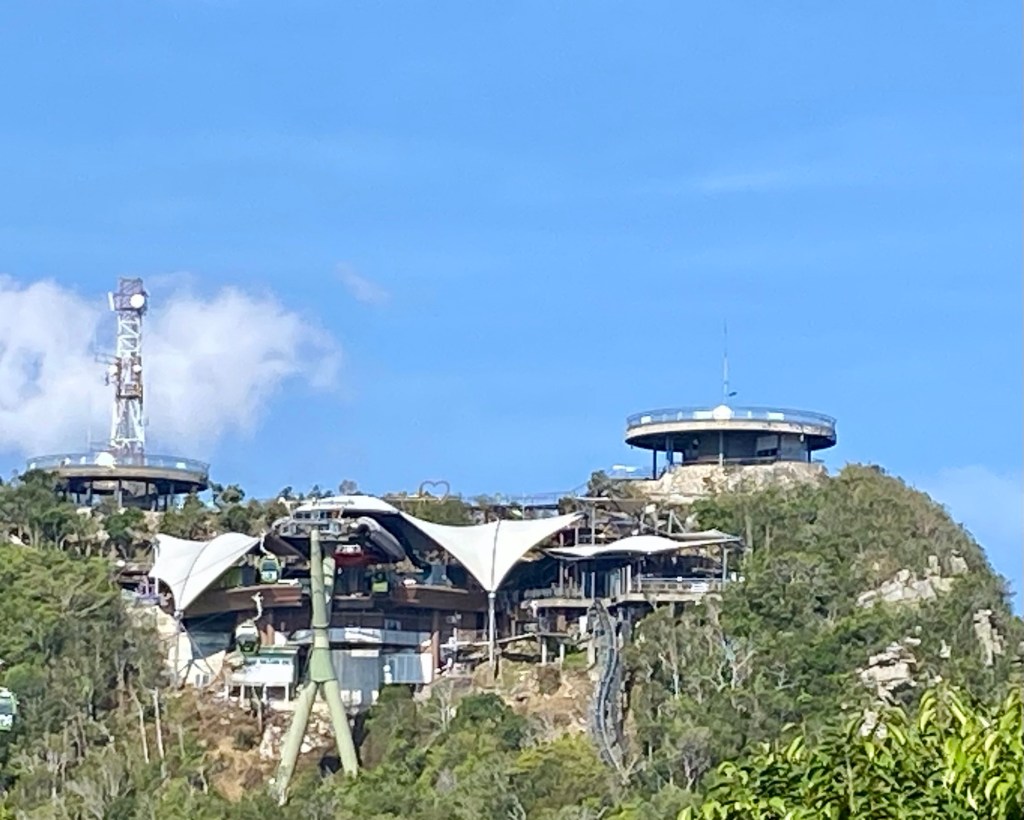
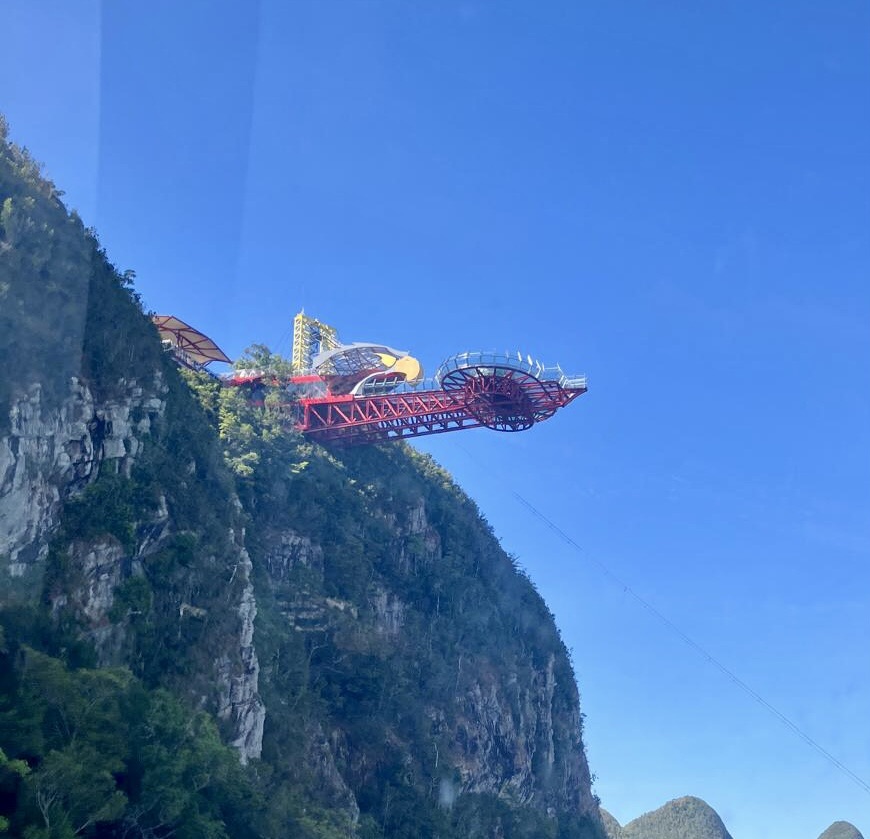
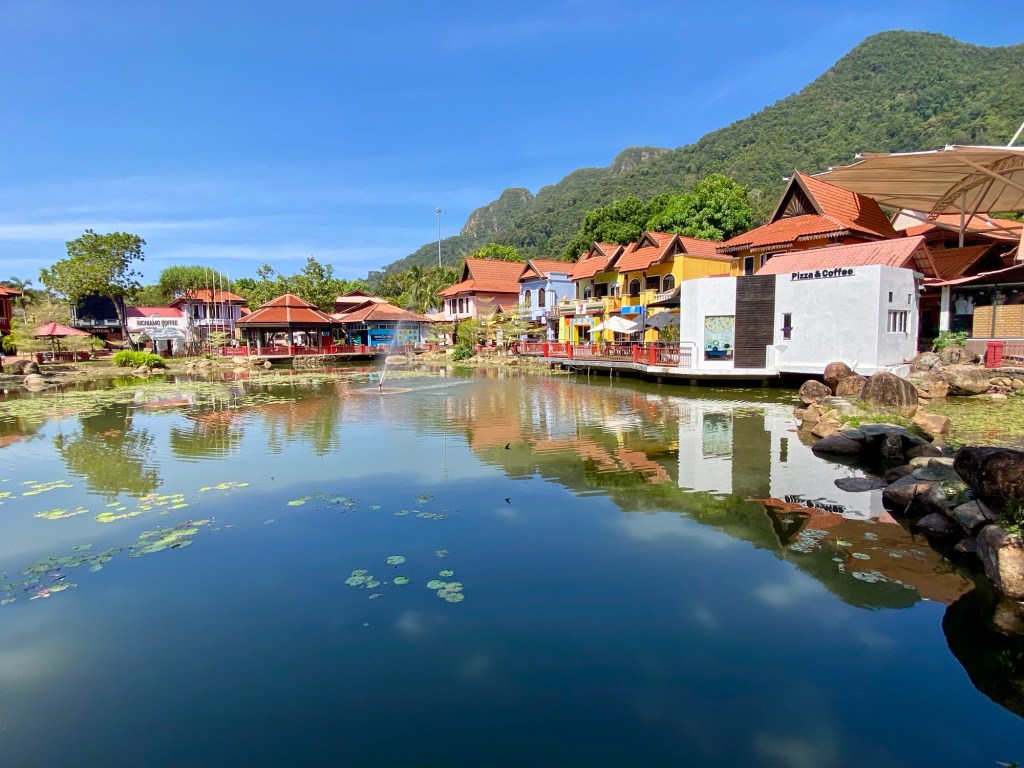
At the bottom of the Sky Cab is a charming replica Asian Village with souvenir shops, cafes etc surrounding ponds and connected by arched walking bridges. The Village exists, just in case you had a money left after summiting in the gondola.
There are many more things to do on Langkawi Island but I am not the top ten list type. I research what’s out there and pick what interests me the most, that might be ten things or it might be three. I don’t always agree with the top ten lists.
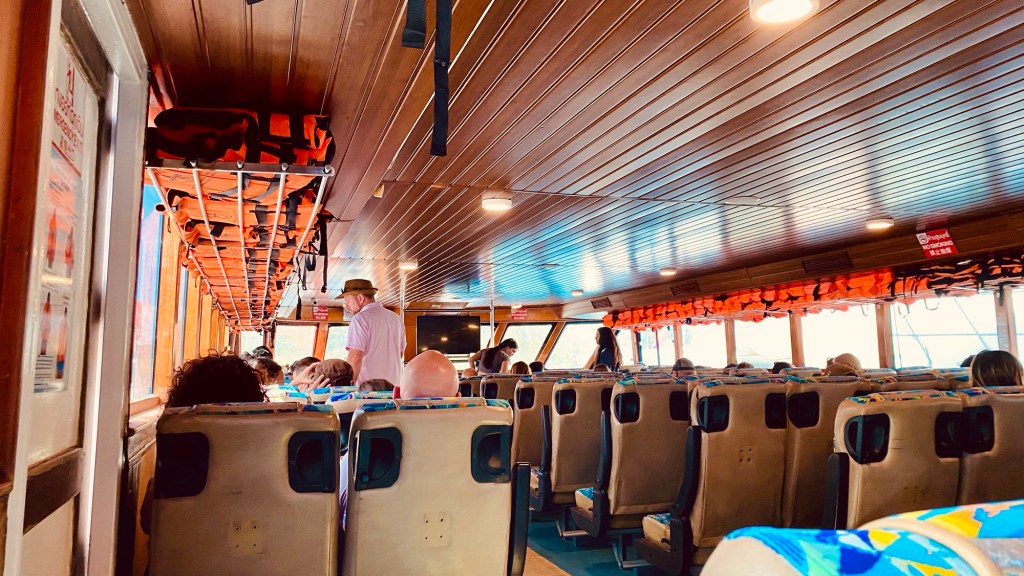
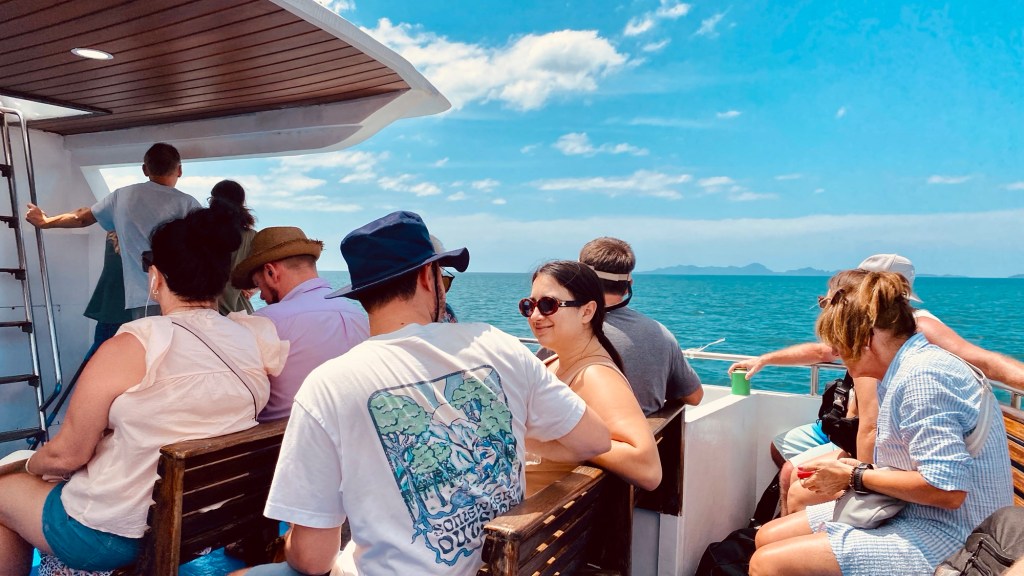
While on Langkawi I learned that I could take a Speed Boat ferry to Koh Lipe Island back in Thailand. I decided it was a go as I had heard so much about the island.
Koh Lipe Island Thailand
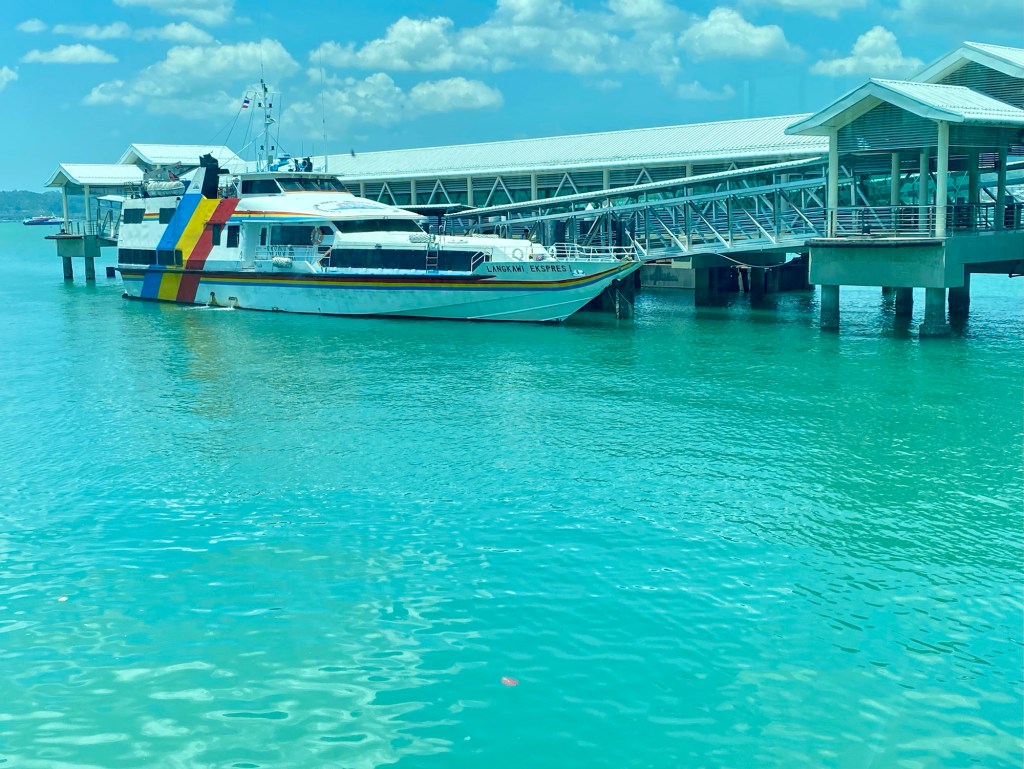
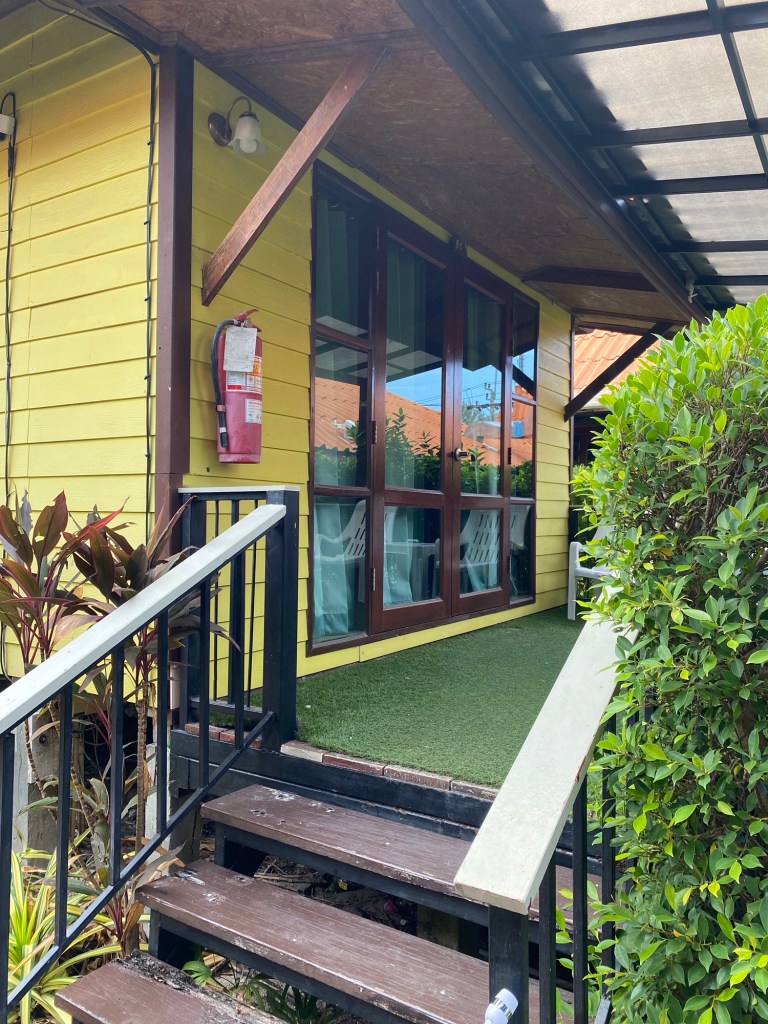
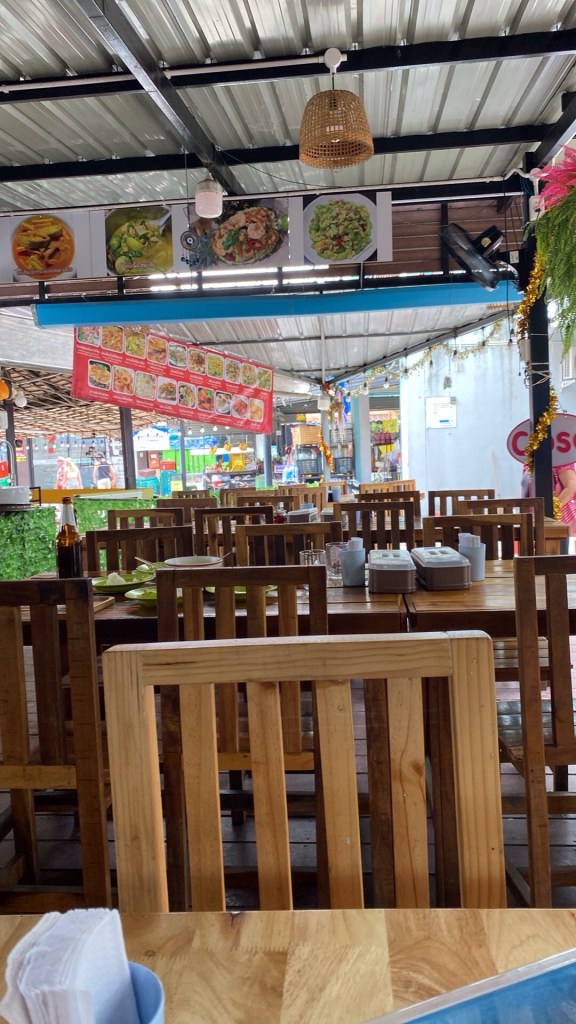
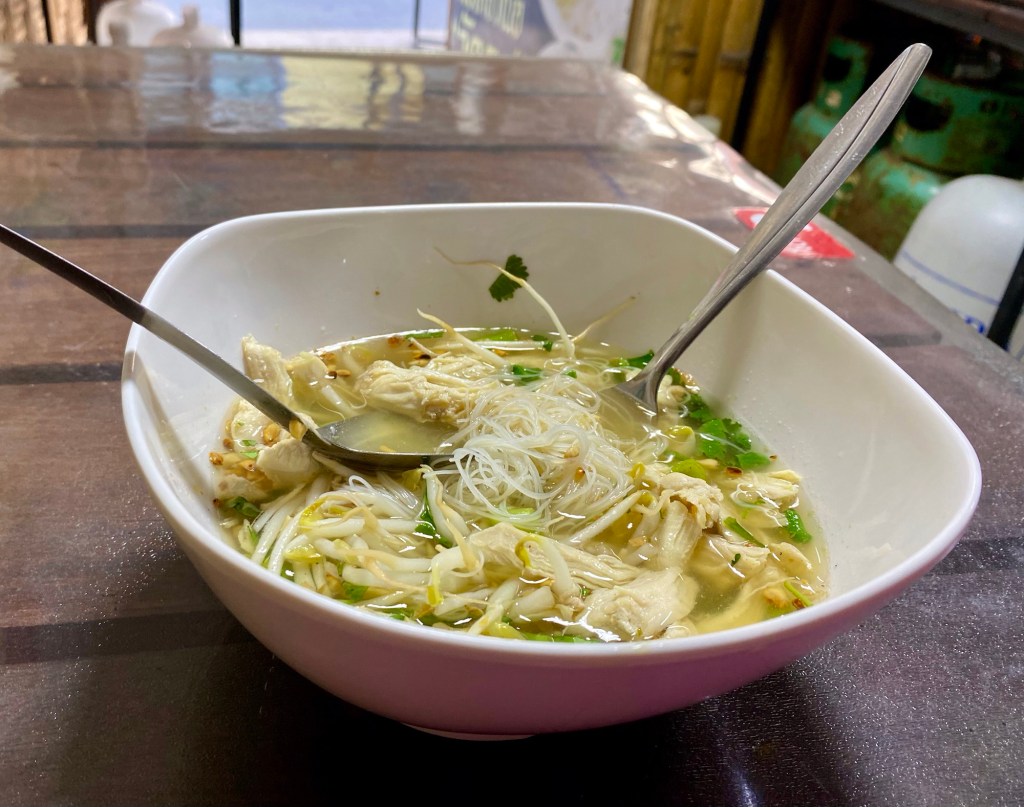
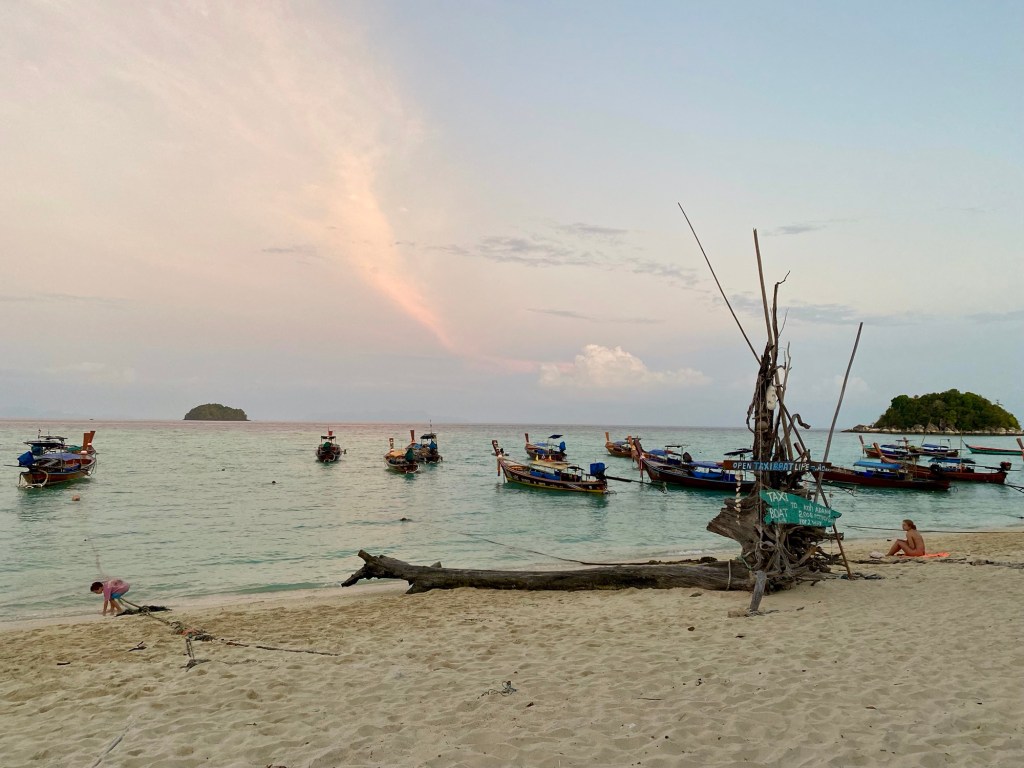
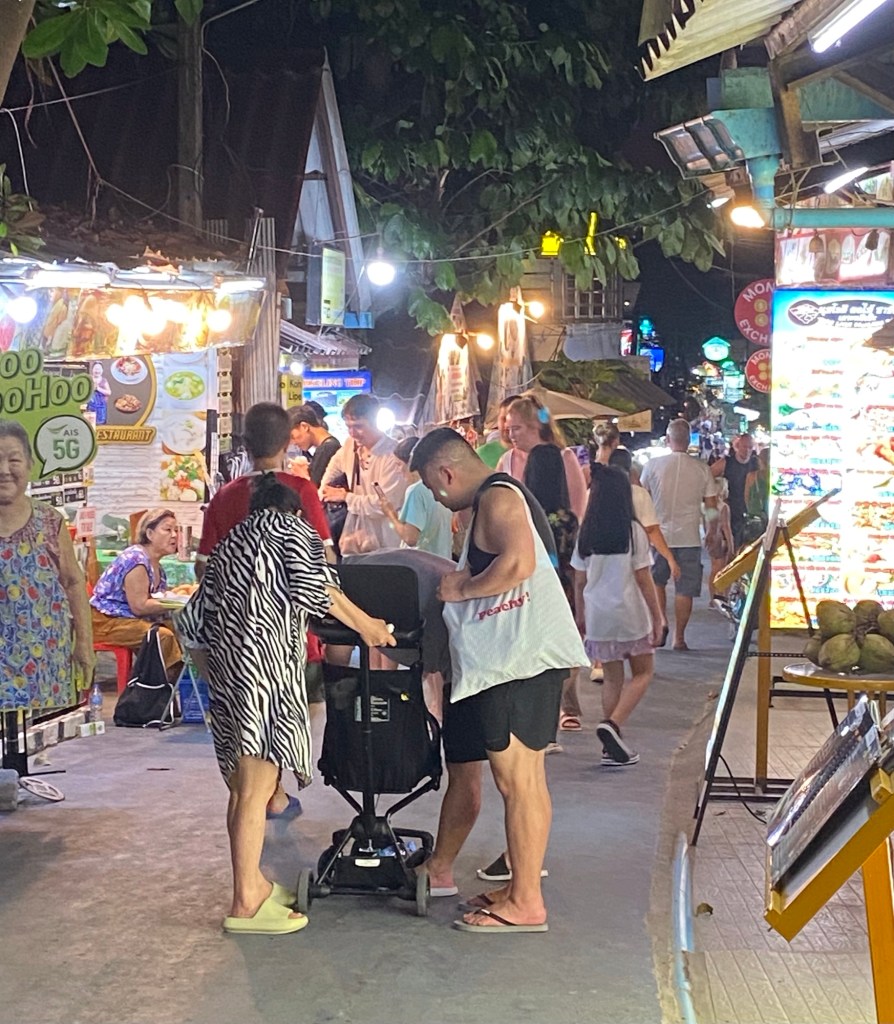
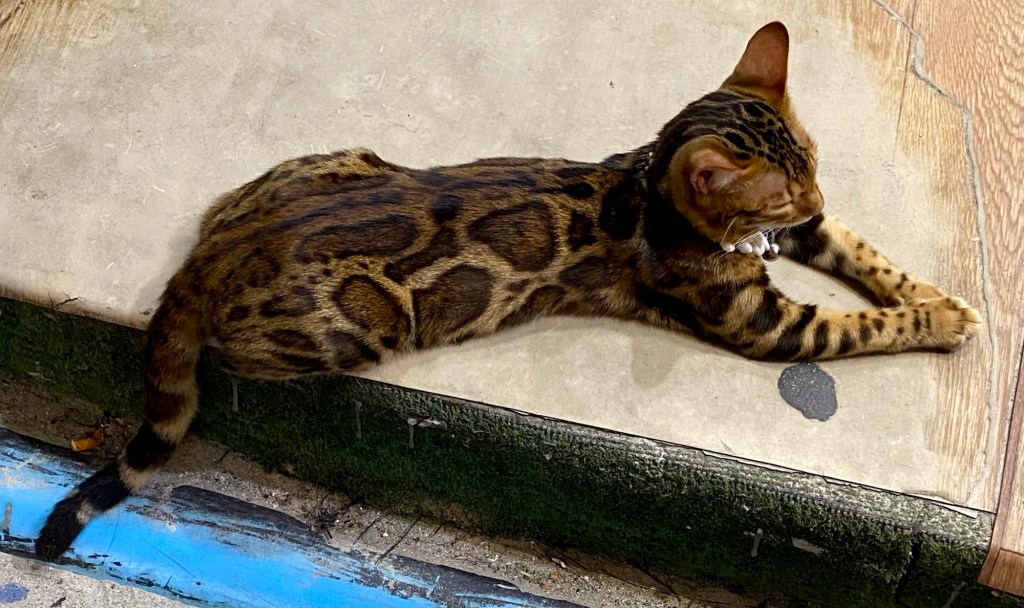
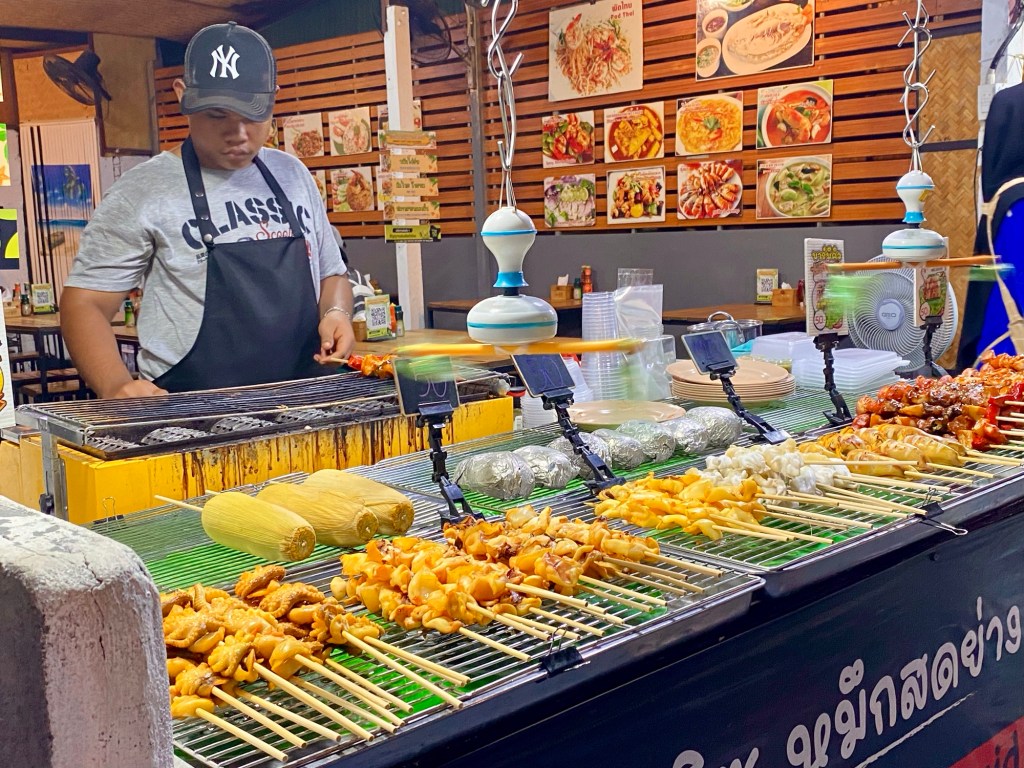
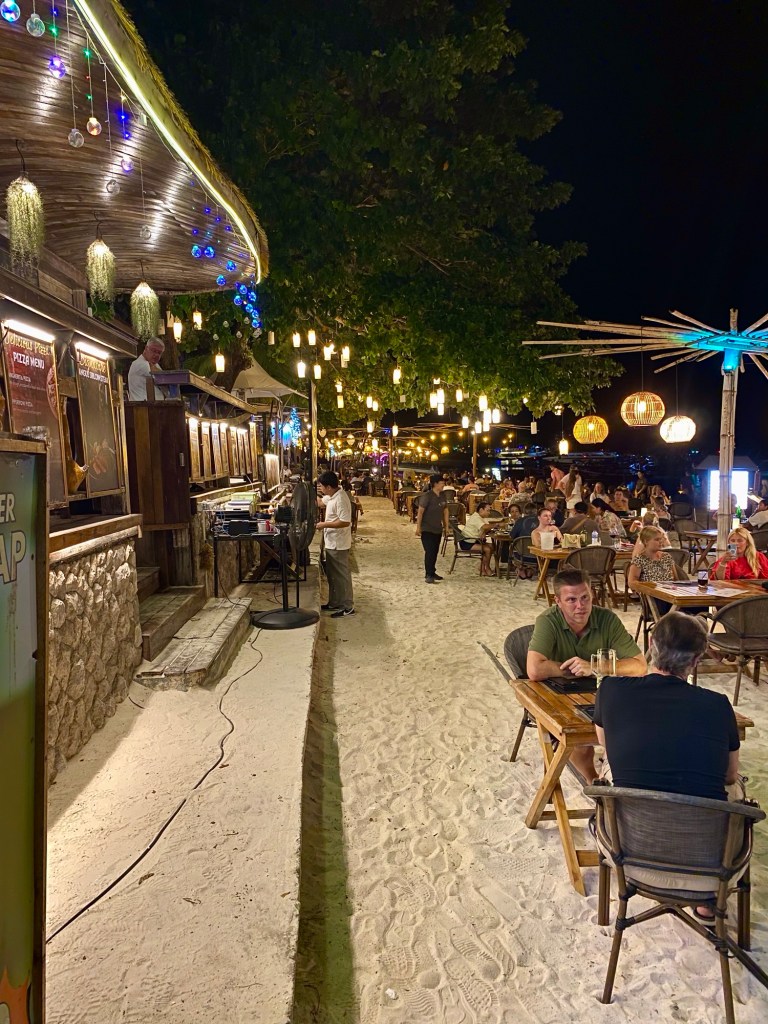
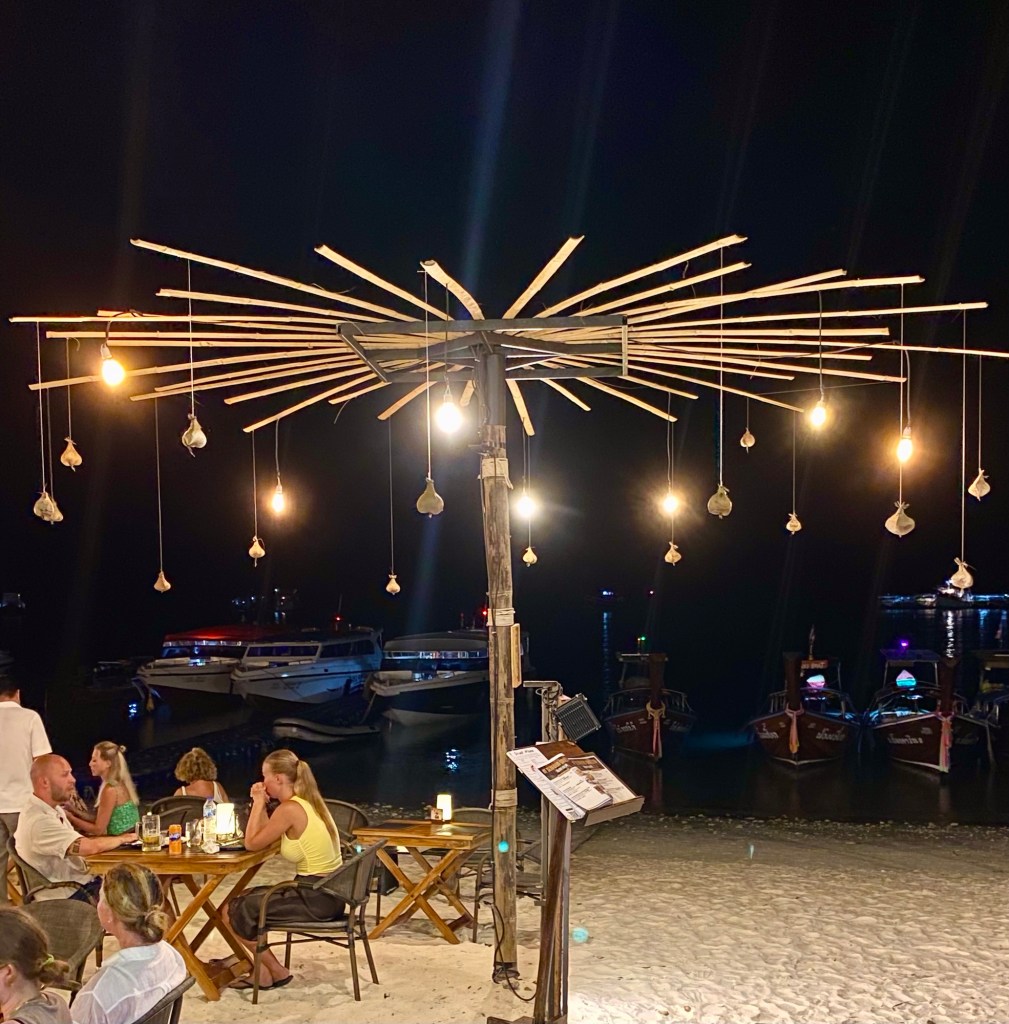
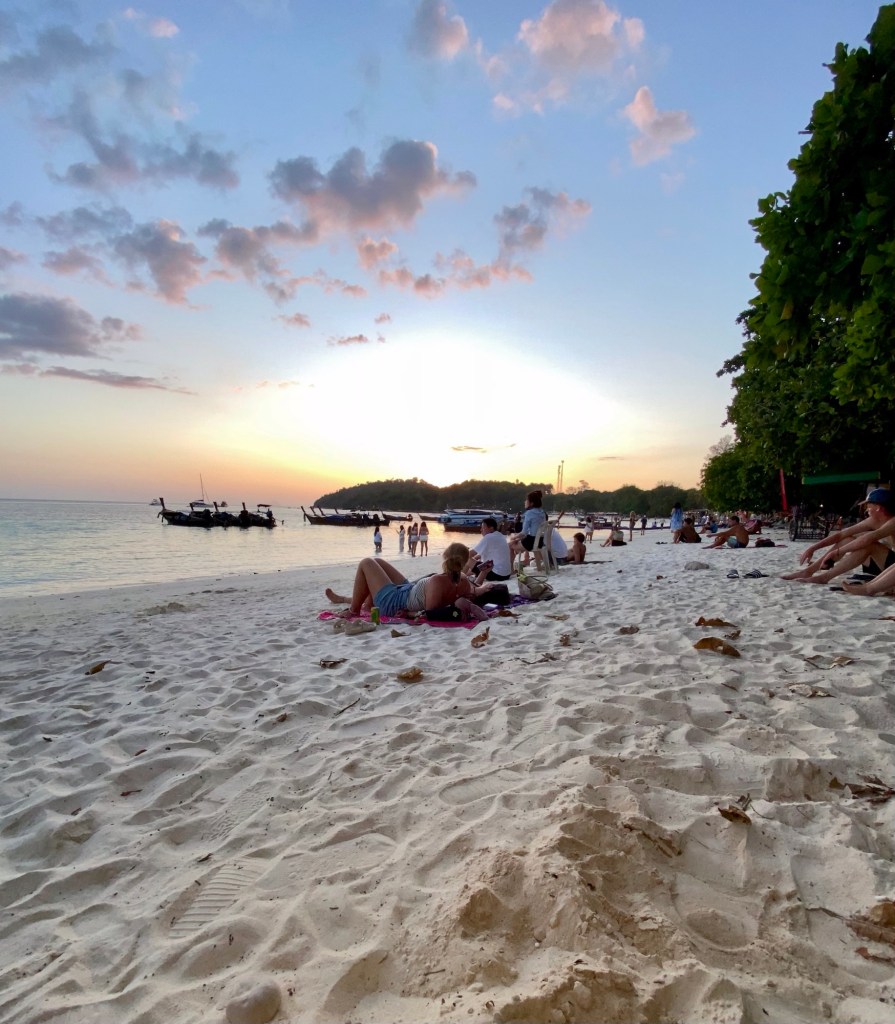
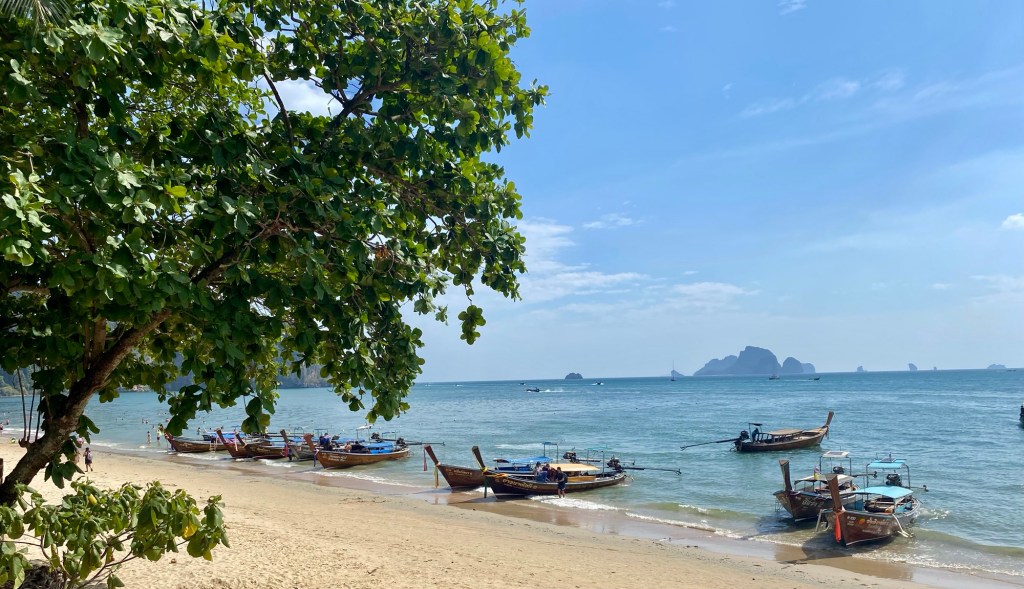
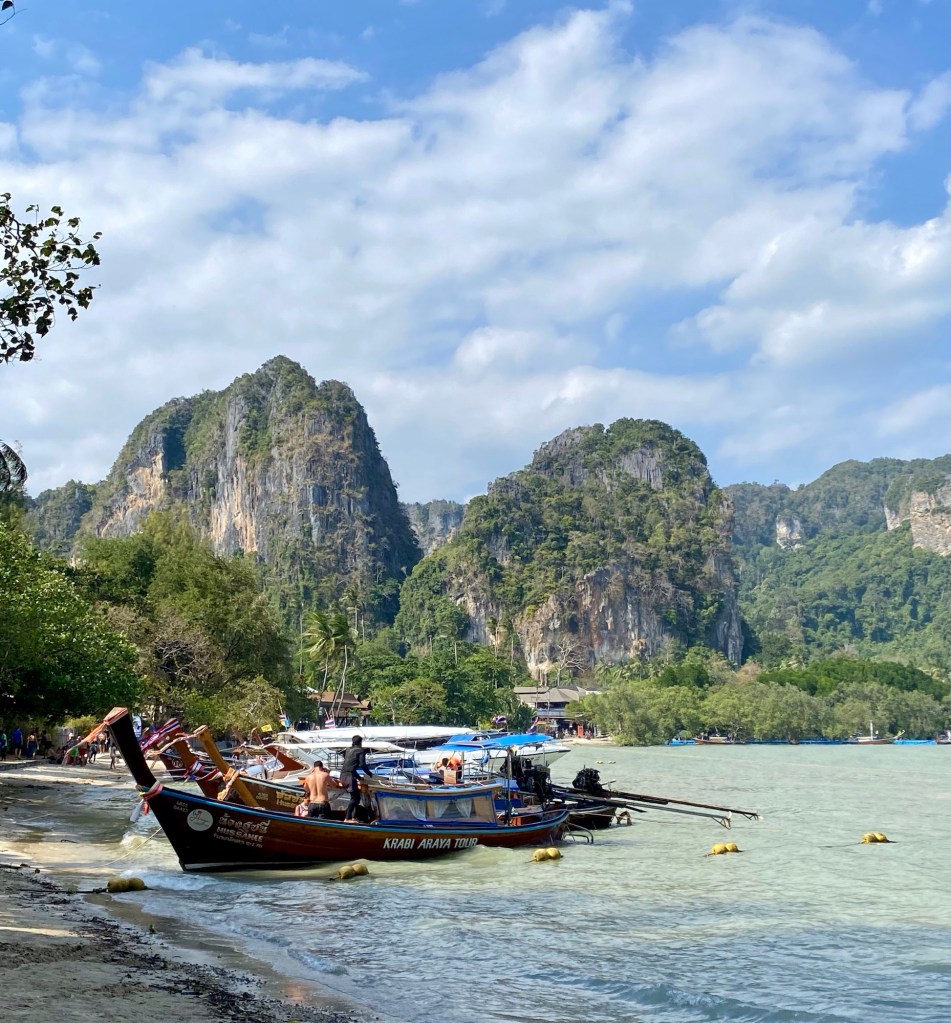
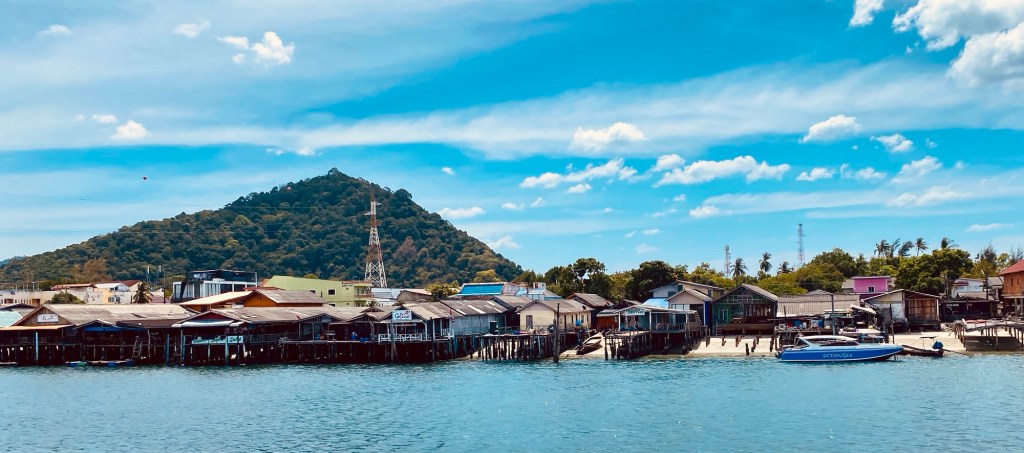
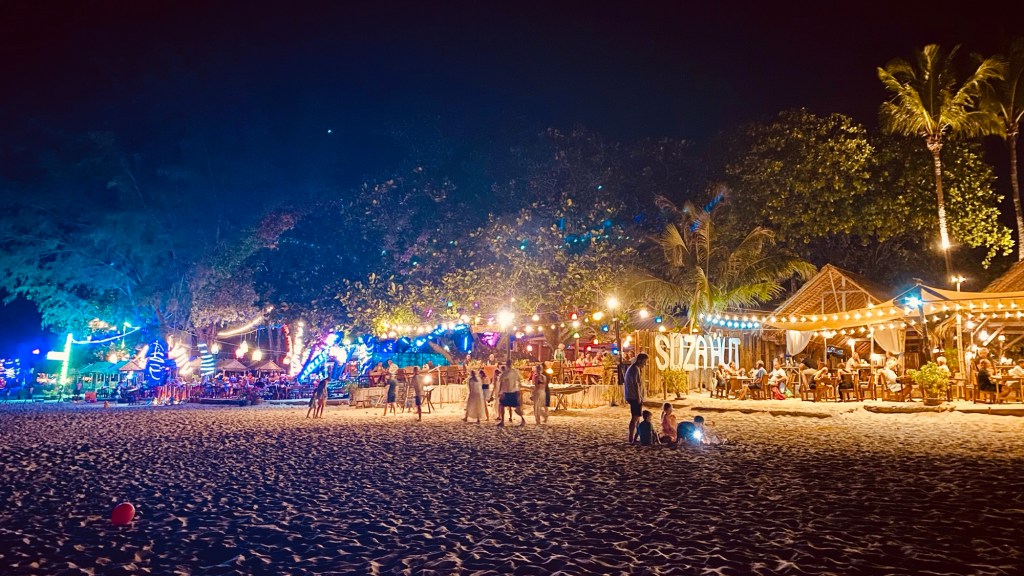
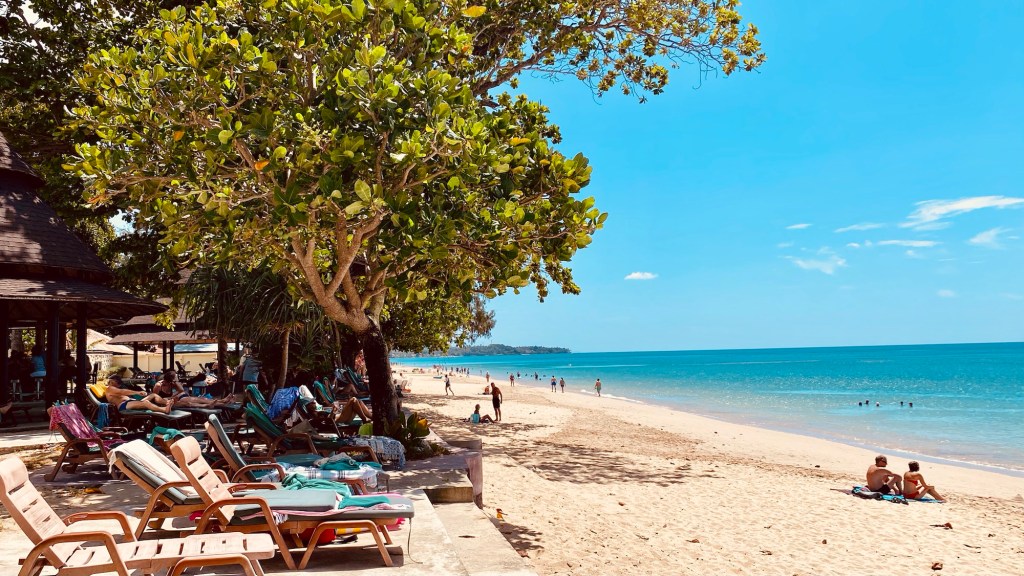
Koh Lipe was not what I expected. The water in front of the beaches was full of long-tail boats which made swimming difficult and the water wasn’t the clearest. If you’re a diver I think it’s the place to go but I was looking for a return to swimming and enjoying the beach. Not sorry I went but unlikely to return. Four nights was plenty on Koh Lipe and I returned to Langkawi to spend the night and catch a morning flight to Kuala Lumpur.







































 Wander With Stella