I love to travel, solo or together with friends. I’m writing this blog in part to remind myself of where I’ve been and what I’ve enjoyed about this wonderful world of ours, and in part I hope to help other travellers by sharing my experiences. I’m happy to be contacted for further information and appreciate your following my blog.
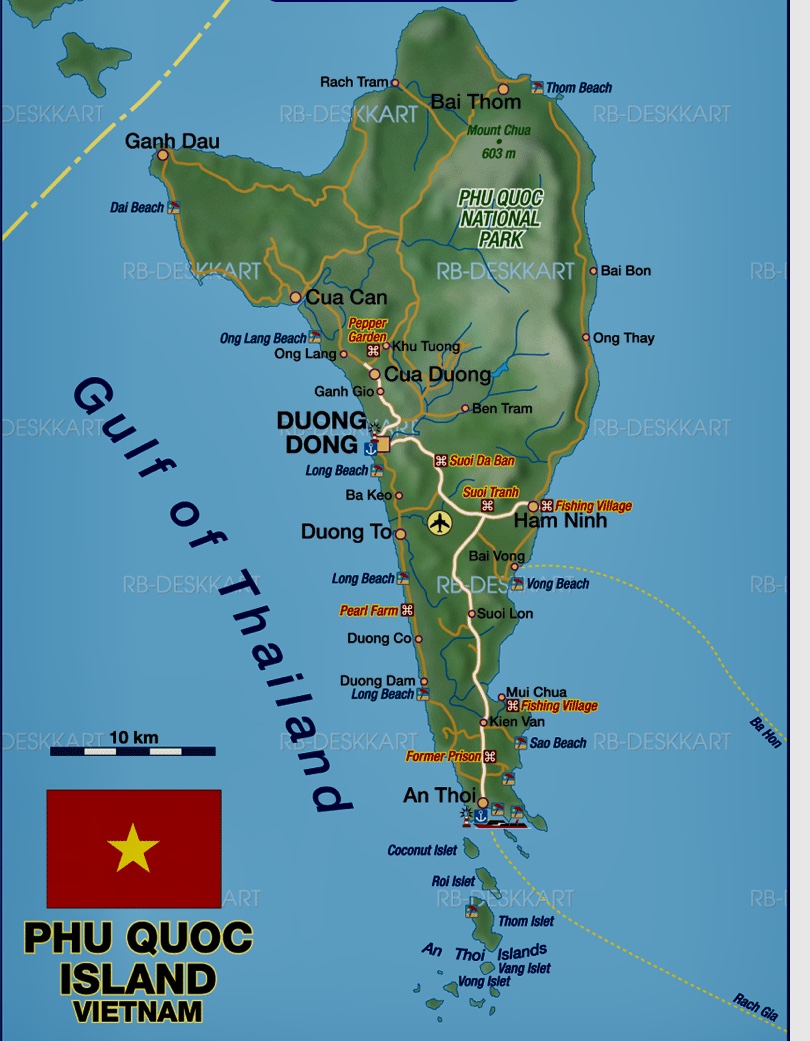
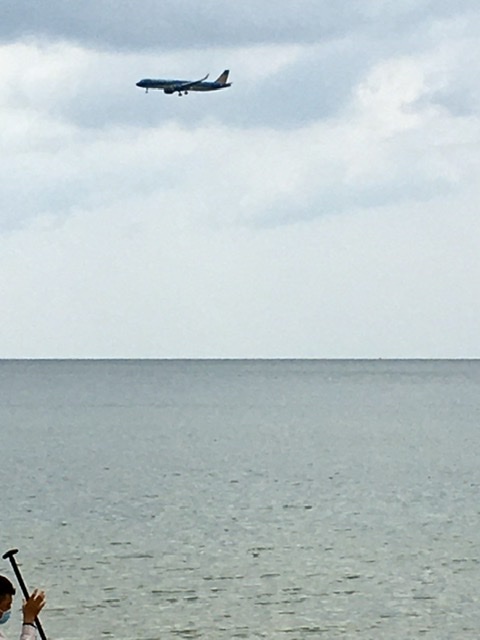
Phu Quoc is a tropical island in the Gulf of Thailand. It belongs to Vietnam but lies closer to Cambodia. It is easily reached on a short 50 minute flight from Ho Chi Minh City, over the mighty Mekong Delta and is well worth a visit.
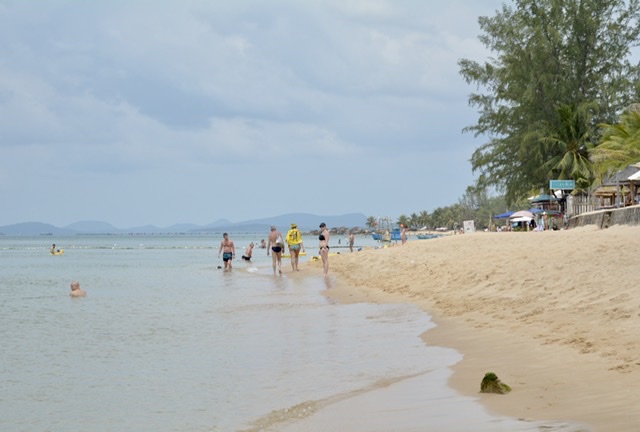
After two plus months of traveling throughout SE Asia, Phu Quoc was a welcome beach vacation destination. Admittedly there are many touristy things to do on Phu Quoc but if you’re me and your somewhat tired of shifting about, sitting still on a white sandy beach under some palm trees for a week or more is a welcome respite.
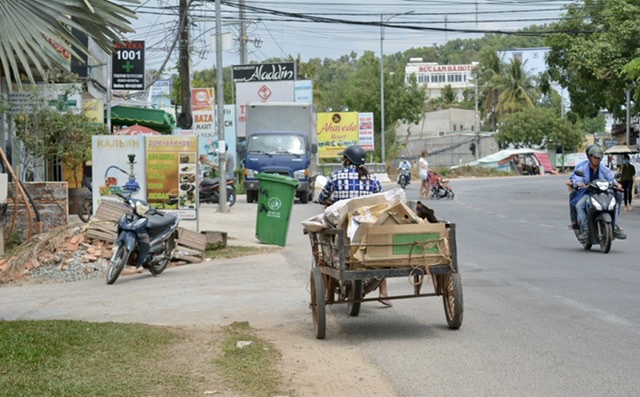
There are several different areas to stay on Phu Quoc and we booked way back in October in an area quite far from the main town of Duong Dong. First impressions along the highway and the side roads may not be favorable, there is a lot of garbage and the ubiquitous unruly collection of traffic, businesses and residences that I have come to associate with SE Asia.
Busy streets, a mix of everything.
But once you are off the beaten track and you have arrived at your accommodation, then hopefully you will find what we did at the Camellia Hotel & Spa, (spa because you can arrange to have a massage there). We had booked this hotel well in advance and by Vietnamese standards we paid a high price, 63.00 CAD per night, if we’d waited we would have paid much less, maybe even half.
The rooms were big, well appointed and the pool and free breakfast offset the distance to the beach, (about a 25 minute walk, although the hotel ad says 10). Sadly, the closest public beach was squeezed to a bare minimum by beach front hotels with private amenities so we opted to spend most of our day around the Camellia pool.
The area around the Camellia is very rural, as in….there were roosters, lots of roosters and we saw a new born calf, still wet and wobbly legged in the road right in front of our hotel. Nearby there were lots of restaurants and bars so we didn’t have far to go to eat and we found a variety of cuisines from French to western and of course local.
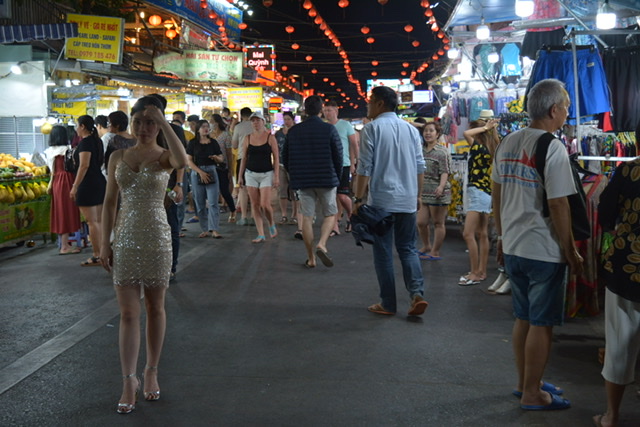
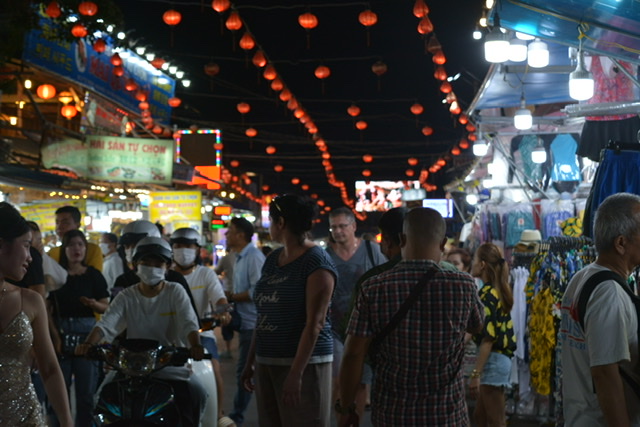
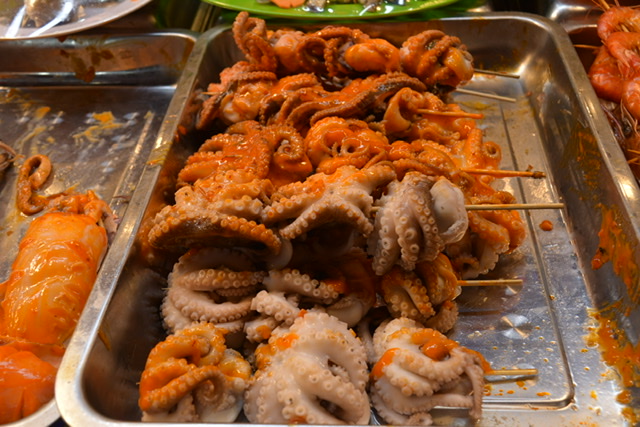
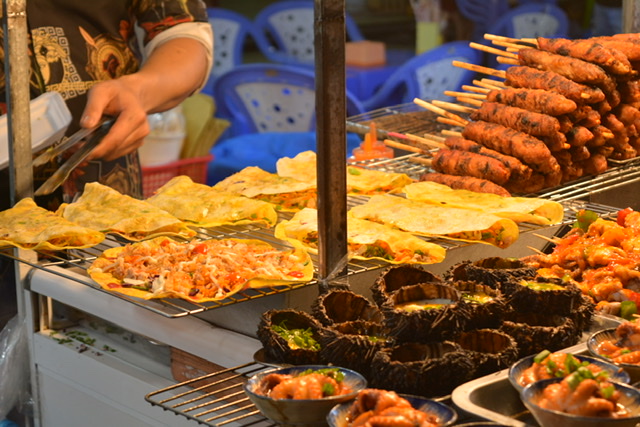
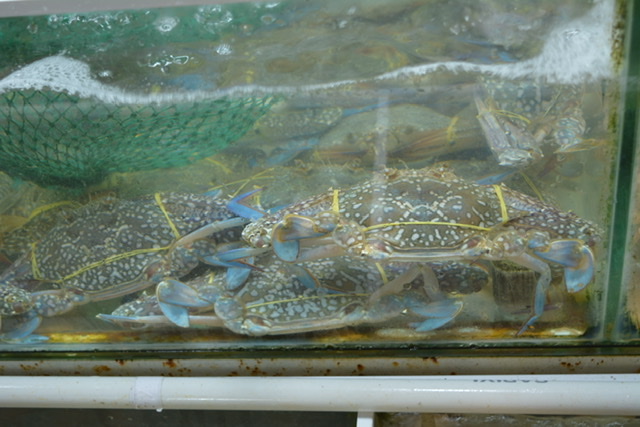
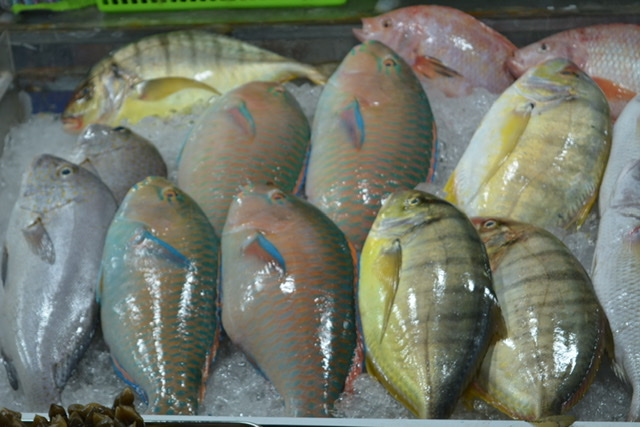
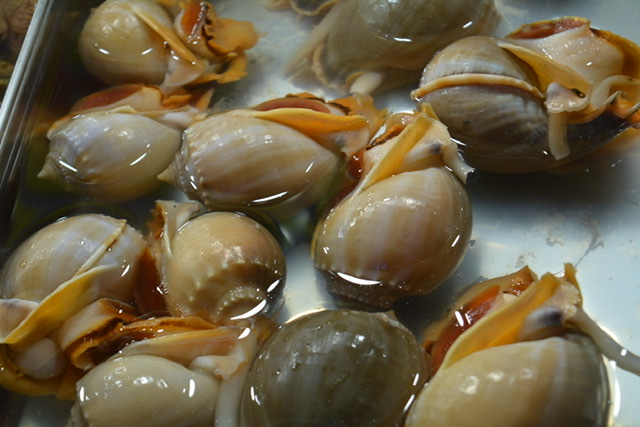
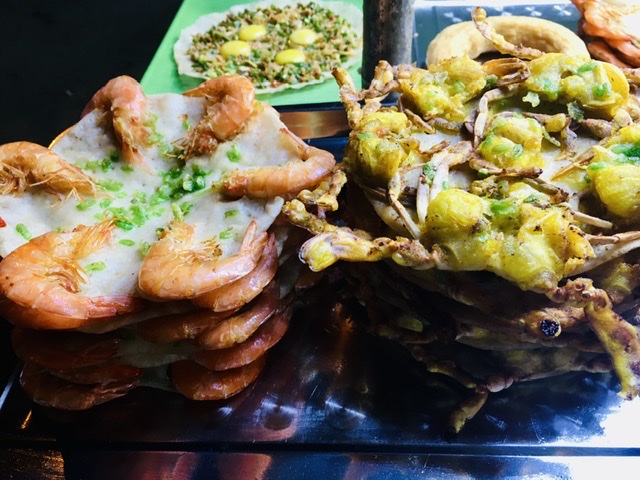
One evening we ventured into town by cab (pricey enough you wouldn’t want to do it everyday) had dinner and wandered through the night market. Lots of seafood of course, Phu Quoc being an Island.
Four nights passed quickly and it was time for my Canadian friends to head back to the chill of the Yukon, the poor things. I was to stay on for another nine nights and opted to shift to a “Retreat” Hotel closer to town. So glad I did, the An Nhien retreat lived up to it’s promised amenities with friendly helpful staff, healthy breakfast, massage, pool and beautiful tropical garden complete with a small stream full of fish and ornamental fountains. My room was a good size and done up like a cabana, very nice.
The hotel was a three minute walk to the beach and An Nhien shared a private beach with another hotel. Great place to the spend the days and the truth is I did little else. Swimming, reading, snoozing, contemplating and ruminating with very little movement from A to B. I didn’t even head back to town.
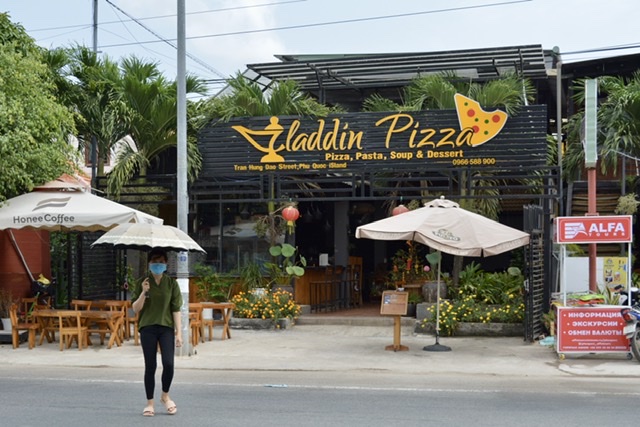
I met very few English speaking people on Phu Quoc, most other beach goers were from Russia. It is a close sun spot for them and plane loads arrive daily if not hourly.
Here come the Russians….
I made a decision to return to England a week early when I heard that there was a Corona Virus quarantine in a small village in northern Vietnam. A week more in England seemed a good bargain given that the most fun you could expect to have in a quarantine situation would be to stay healthy. If I had only just started or was part way through my explorations I would have stayed on. But I am glad to have had the luxury of playing it safe and don’t feel that I have made too much of a concession. After all, I’m all tucked up at Heather’s in Brighton, drinking tea and watching Tellie and hoping that Vietnam is spared the spread of the virus.
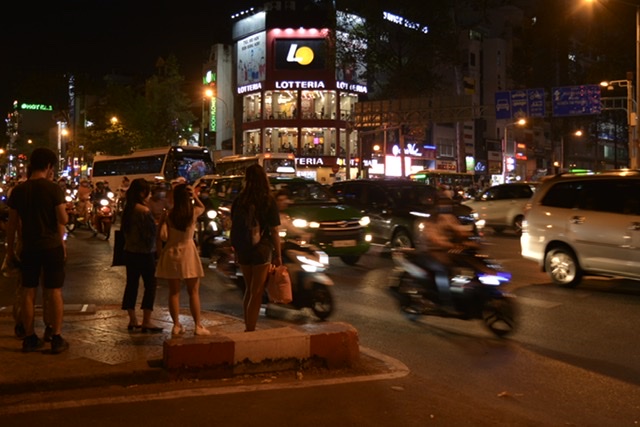
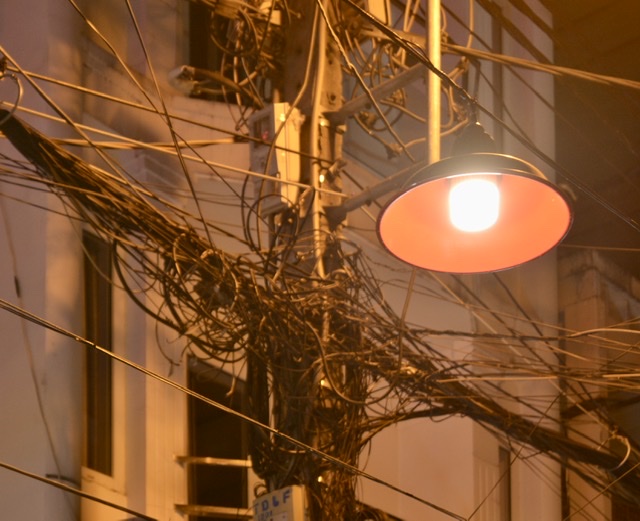
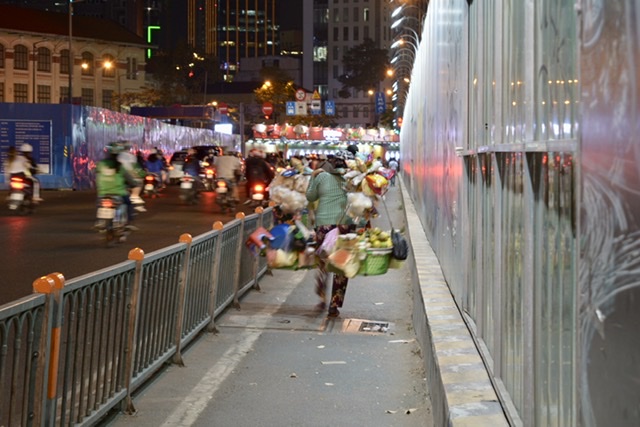
Ho Chi Minh City is the Wild West of the traffic world. There are more scooter/motorbikes here than anywhere on the planet I am sure. It’s as if my travels through Vietnam led to this crescendo of ever pulsing veins of traffic coursing through the heart of the city, pumping its way out to the eighteen districts that make up HCMC. Imagine crossing this road…..we did and we survived, without a cross walk or a light I might add. There is an art to this!
Saigon it was, that was until the communists rolled into town in 1975, taking control of the city and renaming it HCMC a year later. In spite of the official change, the name Saigon still lives on, particularly in the French Quarter and many people use it to this day.
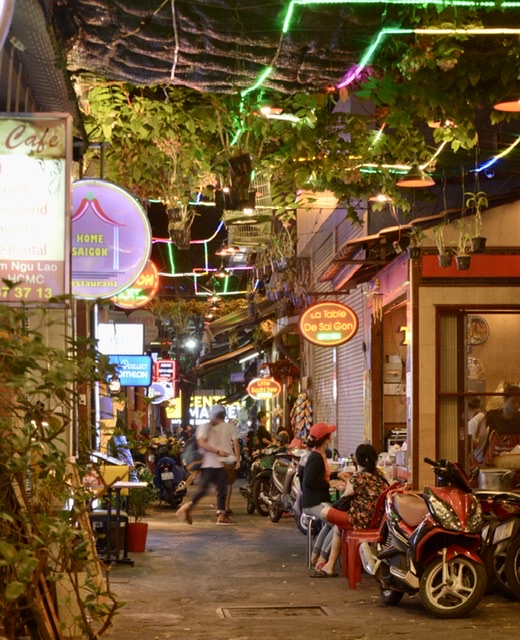
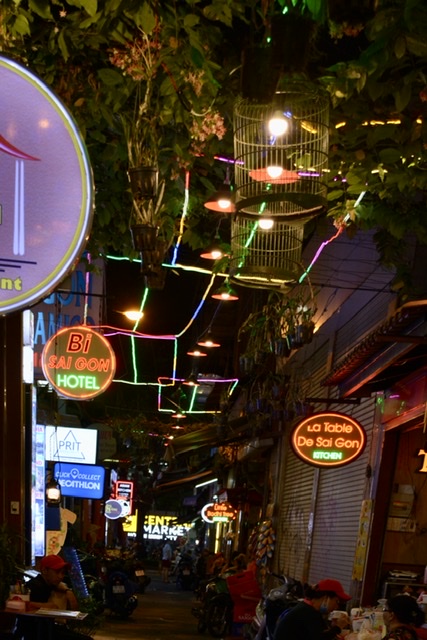
Districts 1,2 & 3 are where most foreigners hang out and within this area is where most of the sights are located including, museums, palaces, pagodas, temples, towering skyscrapers, glitzy malls, trendy restaurants and more down market tourist bars and clubs around the “Backpacker Area”, which is where we stayed in the Beautiful Saigon 3 Hotel. A great small boutique style hotel, it was clean, friendly staff, good breakfast, up a quiet alley-way but close to everything, I would recommend it if you are on a budget.
A walkable area, both night and day, we took in the sights mainly on foot. We had time to visit the Night Market, one of the high end shopping malls (WOW), the beautiful old French Opera House, and we wandered along streets lined with other examples from the French colonial period.
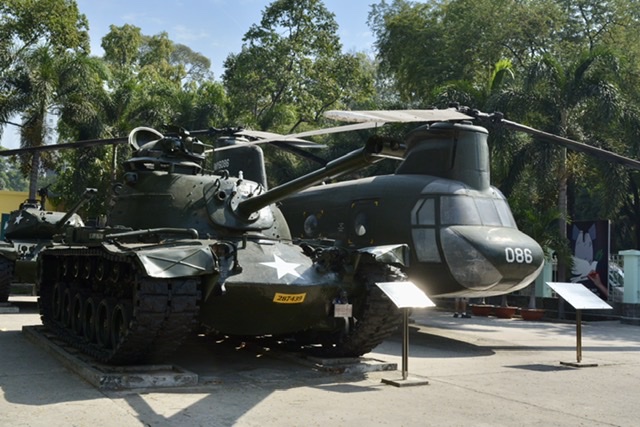
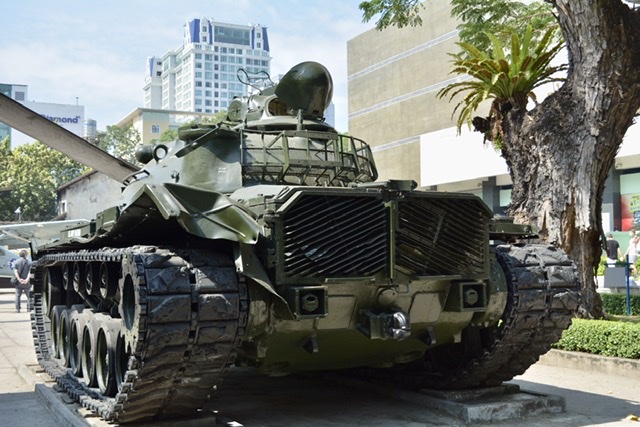
The War Remnants Museum as it is called was an interesting stop. Meant to depict the horrors of war in general and the war with the Americans specifically. With three million dead, and two thirds of those being non-combatants it’s hard not to feel anger at the fate of those poor souls. However, in spite of some hard hitting exhibits the message of the museum is clearly one of peace since the brutality of war ultimately effects more citizens than combatants. There are photo displays of mutilations, napalm burns, torture and massacres including the famous My Lai where American troops murdered nearly a whole village of innocent elders, women and children.
But in a spirit of apparent forgiveness there is a large display of photos on the “peace movement in the States” and subsequent visits and charitable acts of American Vietnam veterans. All in all a moving place and for those more mechanically minded there are some tanks, planes, bombs etc outside that you can wander around and see up close.
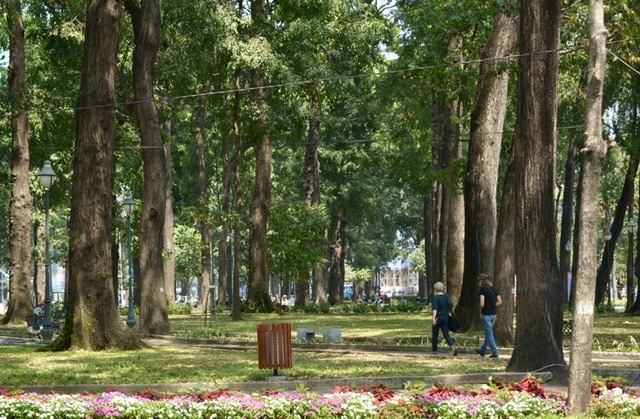
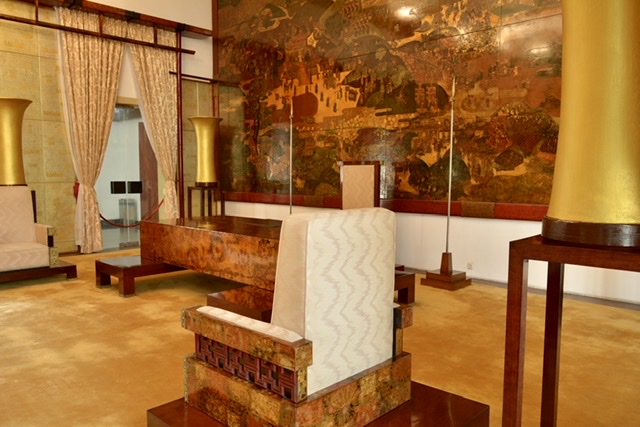
The Reunification Palace, previously the Independence Palace (to celebrate independence from France), was renamed to signify the reunion of North & South Vietnam. Located on park like grounds, it’s working days were in the 60’s and 70’s and everything is preserved from this time, a gentle mix of modern style furnishing with Asian materials and symbolism. There are a number of floors with meeting rooms, hosting areas, the presidential library and private suites. All eerily preserved and roped off with red velvet and brass.
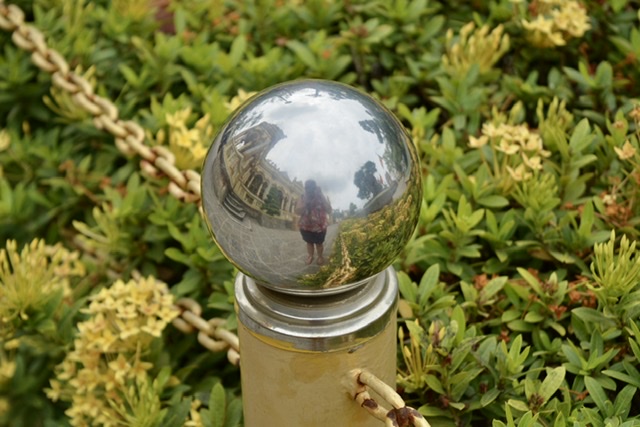
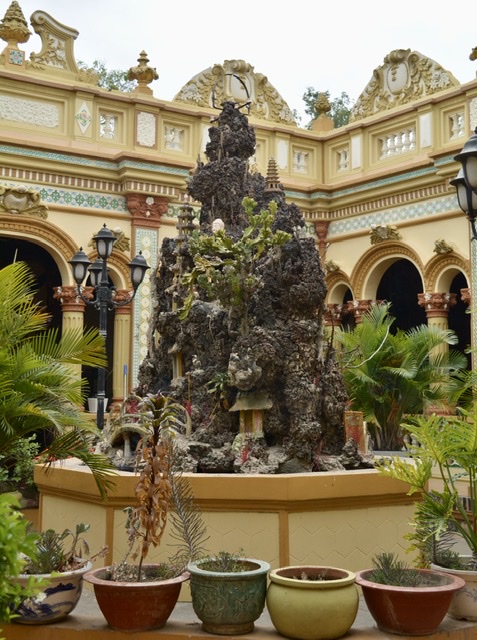
With limited time, we really wanted to experience at least some of the Mekong Delta, so we signed on for a day trip to cruise around Dragon, Unicorn, Phoenix and Tortoise Islands. The first stop in the tourist van was a beautiful pagoda and temple, and if you look closely below you will see my selfie.
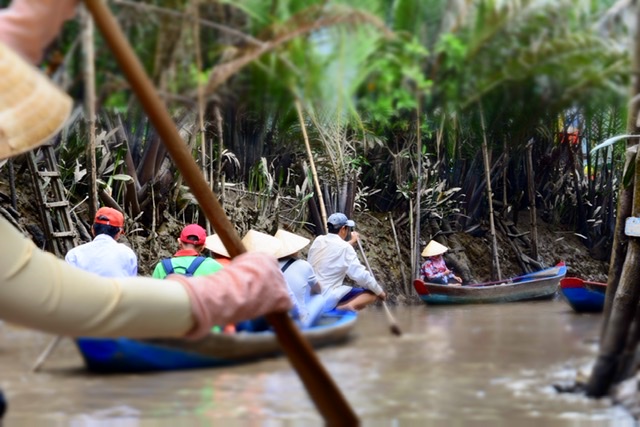
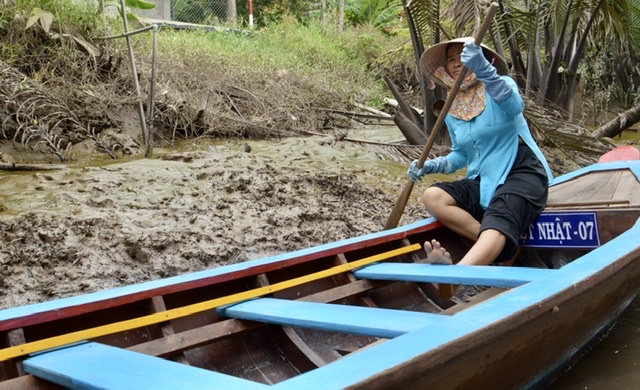
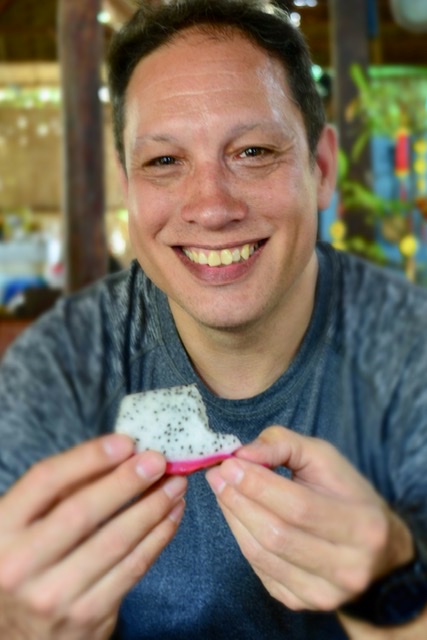
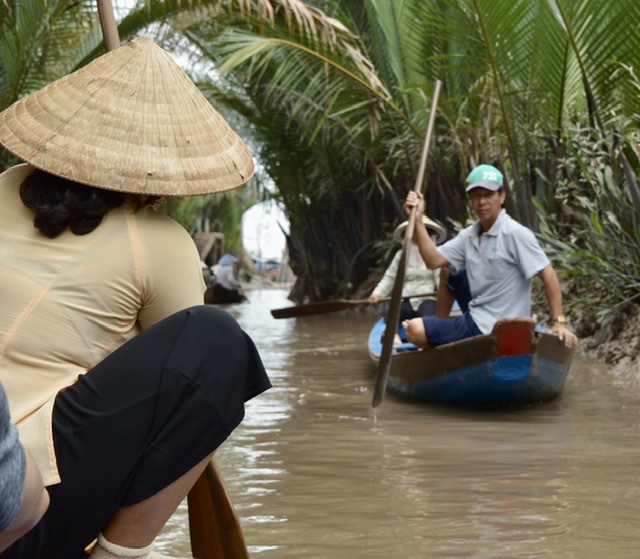
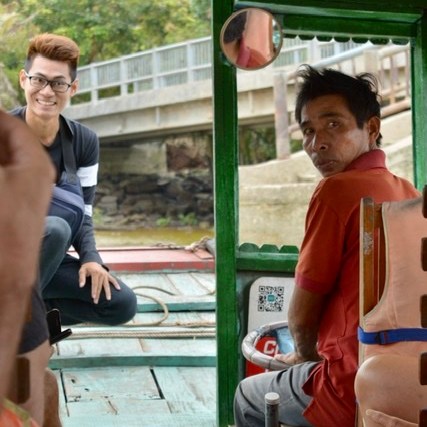
After the Pagoda we boarded one of dozens of sampans and cruised through the brown water channels, narrowly missing other sampans as they paddled by. We were taken to a fruit orchard where we saw where they grow mangoes, jackfruit, something like a lychee but smaller, dragon fruit and pomelos. The best part was getting to taste everything the farmer grew.
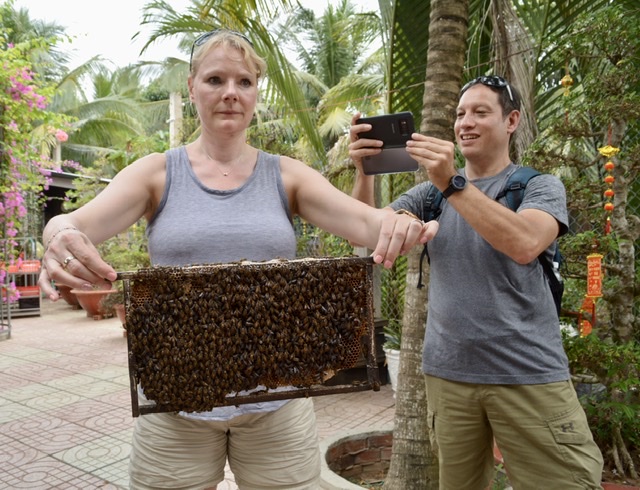
After the orchard we were paddled in a tippy sampan to a honey farm where we got to hold the honeycombs while the bees slept peacefully but we were warned not to drop them. After the bee combs we were introduced to a boa than snaked it’s way around my shoulders and then proceeded to probe my arm with its head. Much more dry and solid than you would expect I was nevertheless glad when Dave snapped the photos and the snake was taken away by its owner.
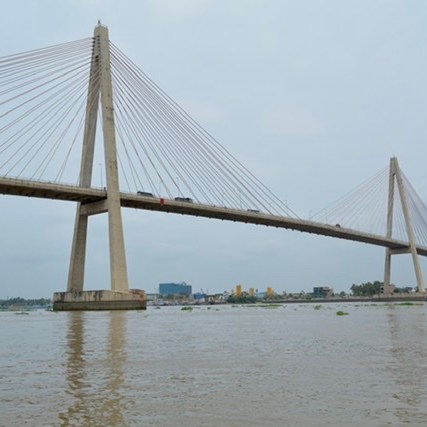
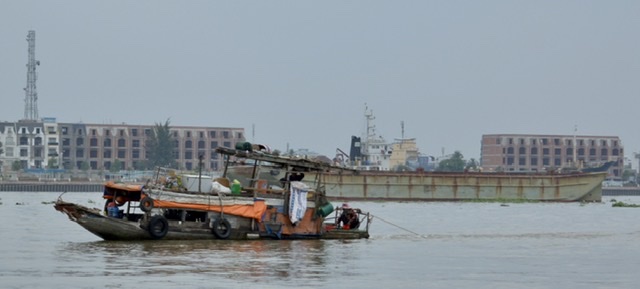
Back on a larger boat we cruised around the Mekong delta and more of its islands. It is a busy river and much traffic in a variety of shapes, sizes and conditions floats by. The river, we were told, is brown in colour due to diluvian deposits of clay, sand and silt at the mouth of this long and flowing river and not to more unsavoury confluences.
Three days is probably not enough for Ho Chi Minh, especially given it’s proximity to the Mekong Delta and the famous floating markets that you can visit but are some distance from the city. However we were anxious to move on to Phu Quoc Island and the beautiful beaches where we could restore ourselves before my friends head home to Canada.
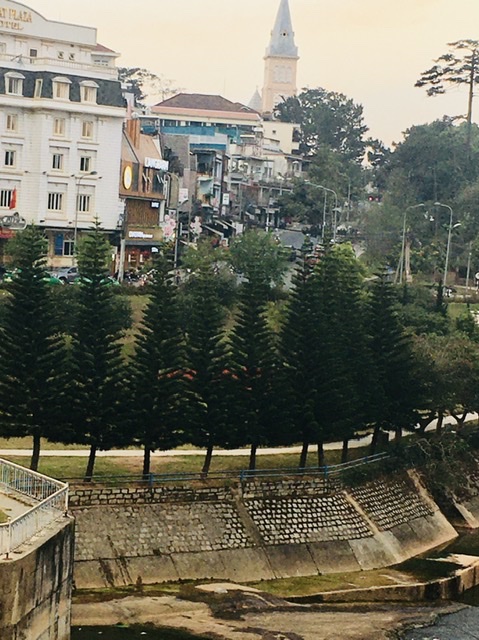
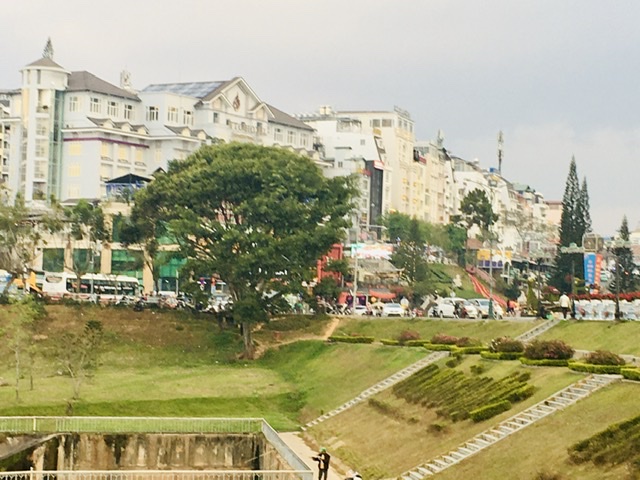
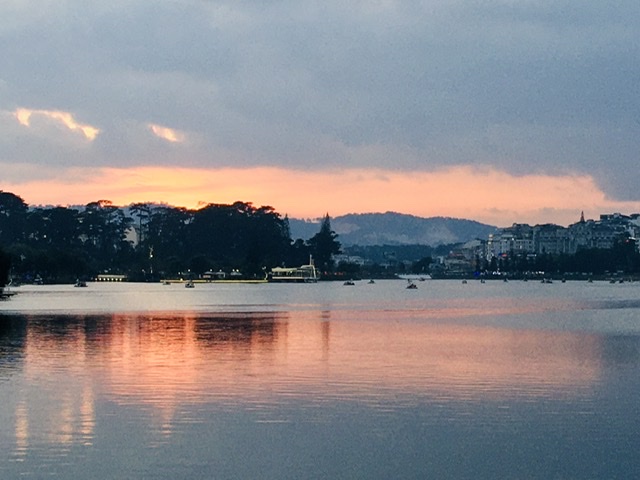
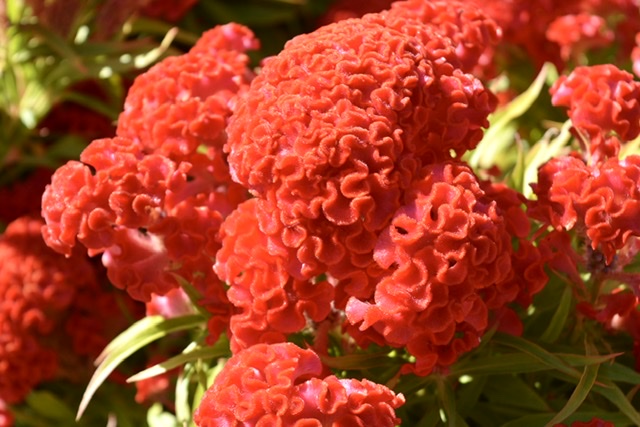
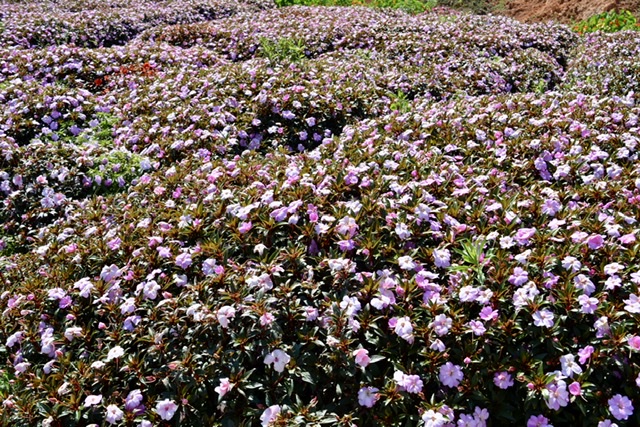
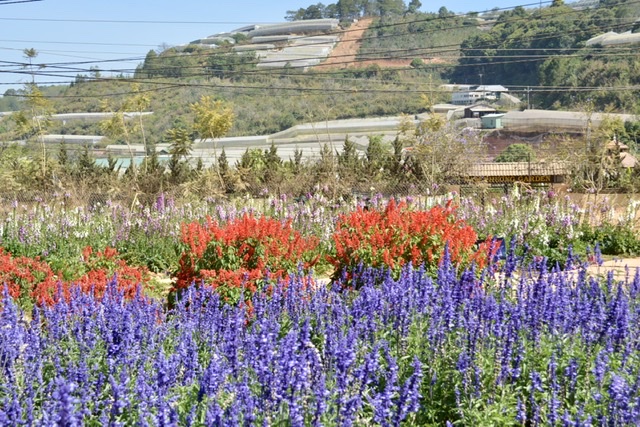
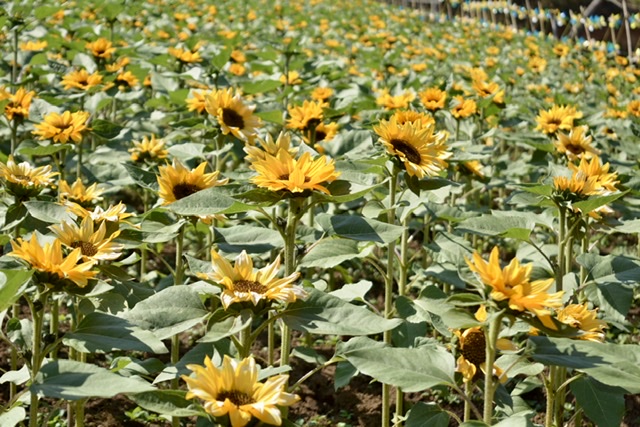
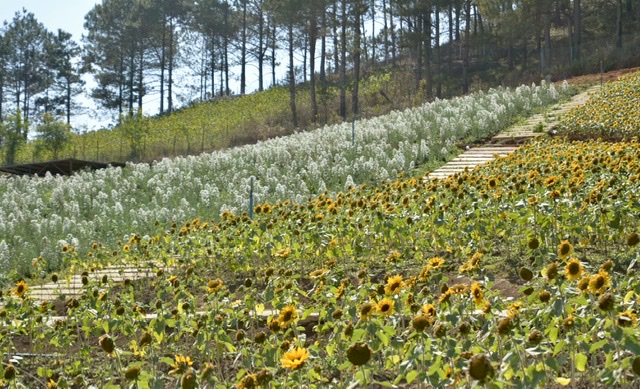
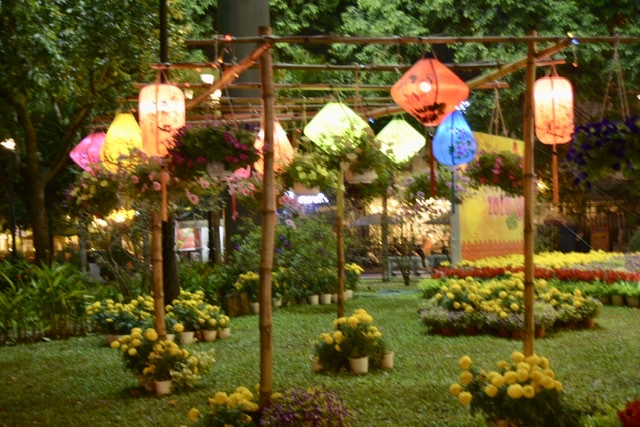
Da Lat, the flower city, is located in the central highlands of Vietnam and it is a breath of fresh air. We arrived at our very pink hotel, the Dalat Boutique, with it’s great views of the city below, with enough daylight to wander out and about, down the hill along twisting streets to Lake Xuan Huong, in the center of the city. At the Lake we rented bicycles to ride the 7 km trail that circles the late and that took us through beautiful flower gardens. With spring in the air and on the heels of Tet there were plenty of floral arrangements. In keeping with the “got space…fill it” philosophy of Vietnam, this well used path, was a bikers obstacle course full of runners, walkers and sightseers, and even the odd motorcycles.
Other thank the crowded path it was a lovely ride and gave us a change to get the lay of the land in central DaLot. The center of Da Lat is very busy with traffic circles, open air markets, narrow lanes, busy streets and a hodgepodge of buildings mixing French colonial with Vietnamese homes, stores, malls big and small and myriads of street vendors.
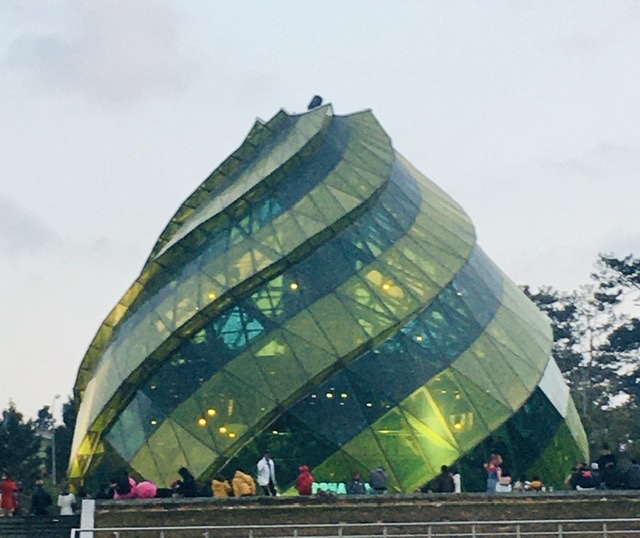
Examples of French Colonial architecture, like a Catholic Church, are interspersed with new construction, much of which fails to conform to any particular style and visual collisions happen on every corner. We saw a building that resembles the tip of “The Pickle”, London’s city hall and just behind it was a communications tower build to resemble the Eiffel Tower.
We reached the end of our bike ride as the sun set, returning the rentals we struck off on foot toward the night market. Hoping for some delicious street food we soon found ourselves faced with the prospect of crossing the road connected to a traffic circle. A near impossibility given the dangerous swirl of buses, cars, trucks and motor bikes. Our weeks in Vietnam have taught us that however counter intuitive it may seem you cross by launching yourself at the vehicles and as soon as they pass you advance as many steps as possible until the next one zooms by. By some miraculous process you go around the cars and the motorcycles go around you. Repeating this process you eventually arrive on the other side of the street shaken but not scathed. It’s like a very complicated game of dodgeball. The other option is to attach yourself to a group of locals, ignoring the traffic and keeping your eyes glued on their movements which you copy through the river of traffic.
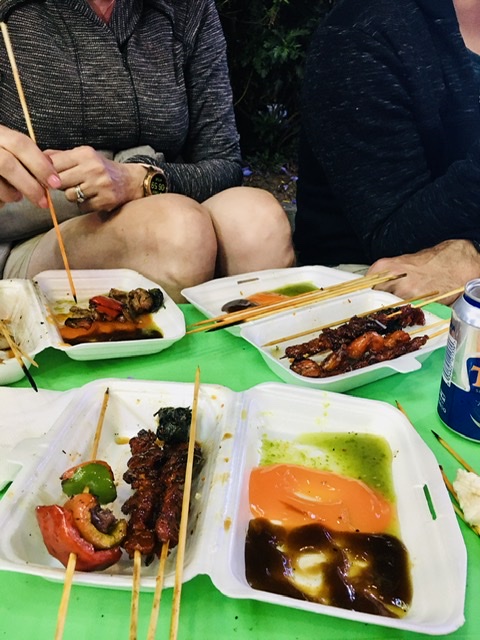
The night market was packed, blocks and blocks of open stalls selling everything under the sun. We managed to scrounge a spot for ourselves at a street food spot with their pint sized chairs and tables which are fine until you try to rise up out of them. We paid a pretty penny for our supper, mostly bbqued meat and vegetables which were good but definitely foreigner priced.
Dalat is an outdoor adventure city, perfectly situated in the highlands, surrounded by pine forests, and blessed with natural beauty. For about $25 CAD each we signed up for a small group tour and were picked up at our hotel for a day long trip to the areas surrounding Dalat.
Our first stop was Robin mountain where we rode a gondola to the top and had views to the farmlands below. The area around Dalat is densely agricultural and hothouses stretch as far as the eye can see.
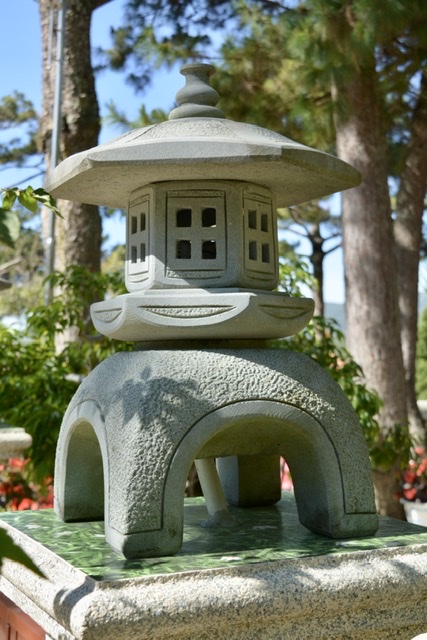
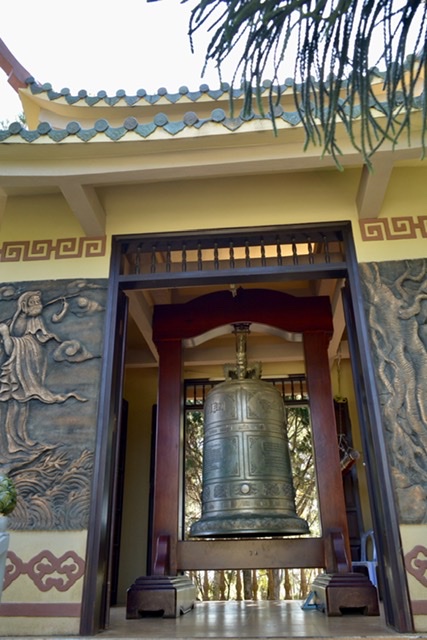
Back in the van, we followed the twisting mountain road to the Truk Lam Zen monastery the biggest Zen monastery in Vietnam. Here
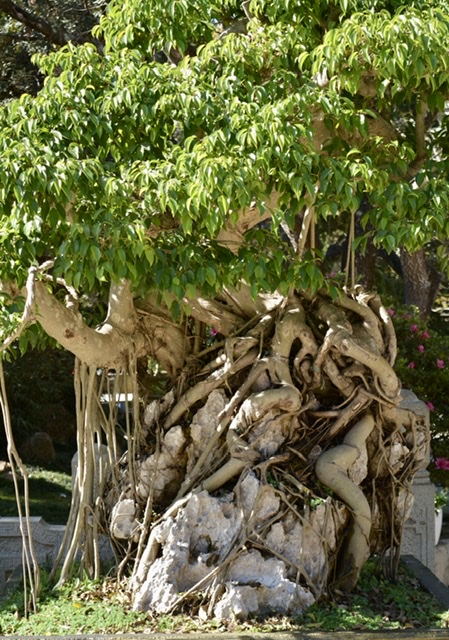
the monks and nuns have built a beautiful series of gardens and trails, including some really interesting bonsai, all linking the various temples and pagodas.
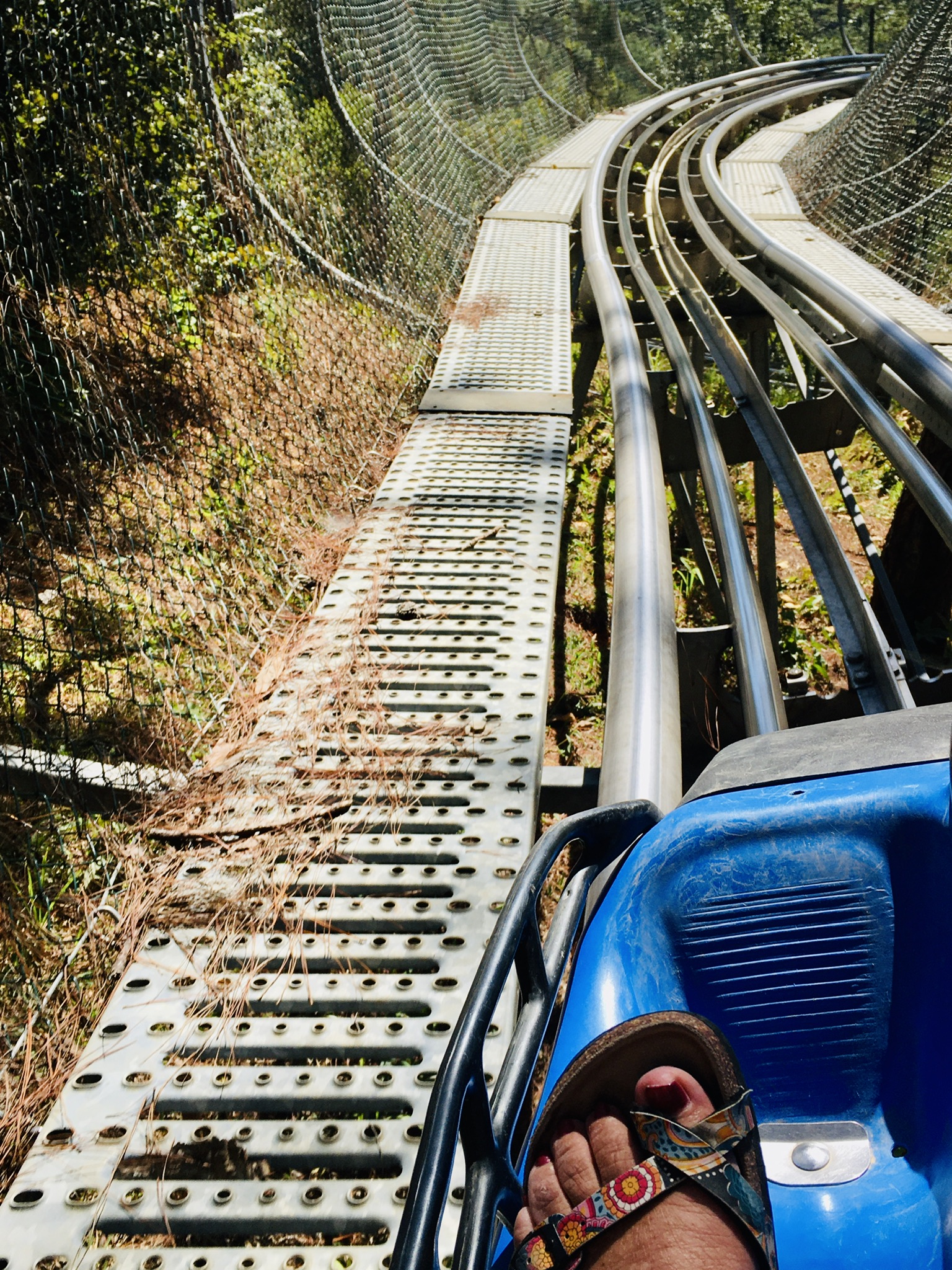
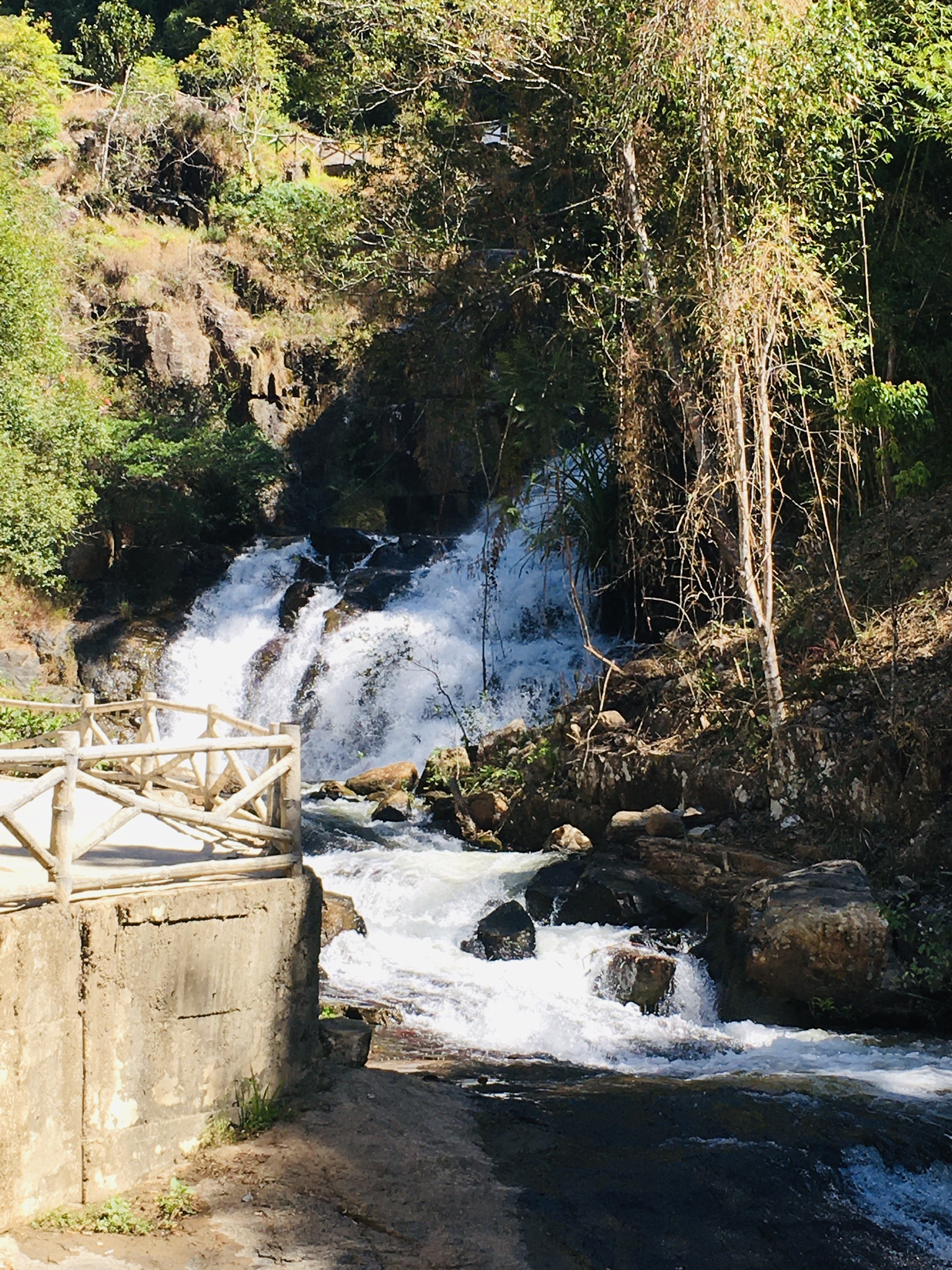
Our next stop was Datania falls accessible by foot or by a much more novel means, a self operated bob sled on a narrow track. We opted for the sled ride and whisked our way down to the falls. At the falls we saw some folks who had repeled down the whitewater, and we thought we were extreme by taking the sleds. Fortunately the sleds also took you back up the mountain and at one point if was pretty vertical with the track taking over the controls so you just had to lie back and stare at the deep blue sky.
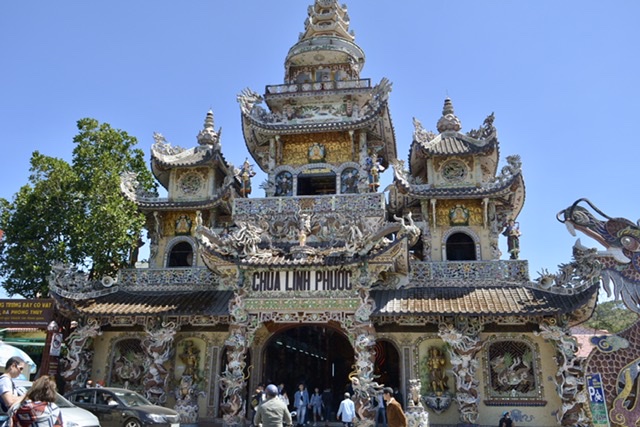
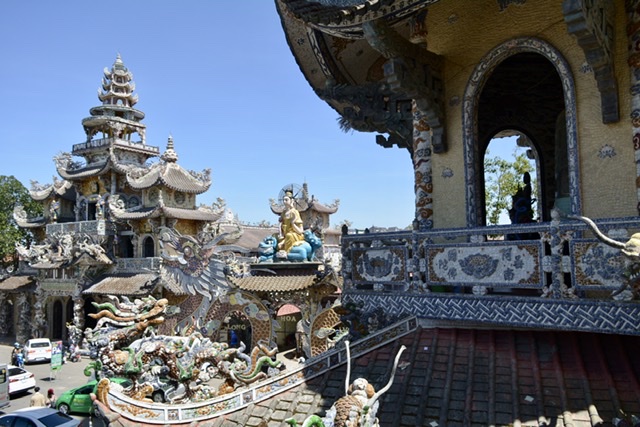
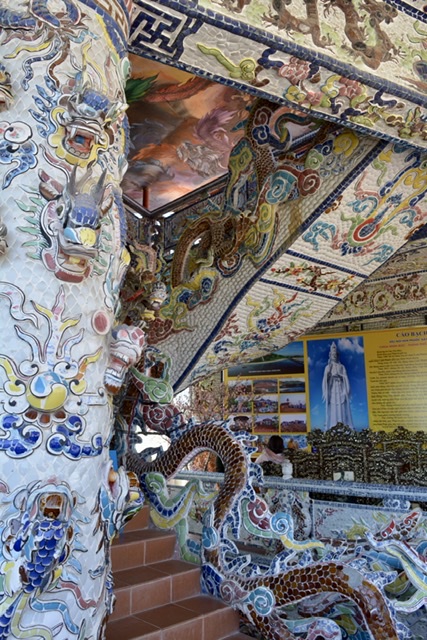
A few miles from the bob-sled/falls was the “Glass Pagoda”, which on closer inspection is made from small bits of broken china and glass. An elaborate design it is a real draw for both Buddhist pilgrims and sightseers. You are able to climb the internal staircase of the pagoda and from there you see the farms below.
An odd little stop was at a “Puppy Farm” whose claim to fame was being a breeding kennel for more than 100 breeds of dogs. Not really my cup of tea, I didn’t like to see so many dogs (no puppies) in large but cement floored kennels or small individual cages. Still not sure why this was on the tour except right next door and included isn’t he price of admission was another beautiful garden, well worth visiting.
Saving the best for last we parked the van at the bottom of Langbiang mountain, the highest point in the Da Lat area. Leaving the van we were loaded into a very old, utilitarian jeep to make the steep climb to the top.
The mountain is named after a tragic love story between Lang and Biang, young lovers, and like Romeo and Juliet they were denied the chance to marry by their rival parents, ending in their double suicide. The elephants that were present cried so hard a waterfall, aptly named “Elephant Waterfall” formed nearby.
At the top there are a number of attractions like a craft shop by a local indigenous group, pony rides, hiking paths, a restaurant etc. The views alone were worth the trip up in the clanking grinding jeep.
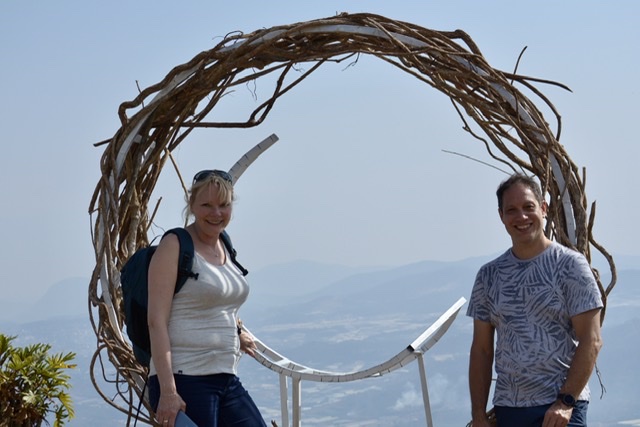
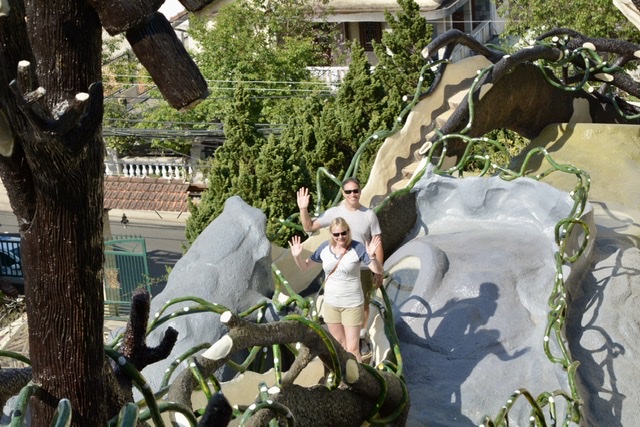
Tour over we spent our third and final day in Da Lat revisiting the city center and visiting a place know as the “Crazy House”, which was only half a block from our very pink hotel.
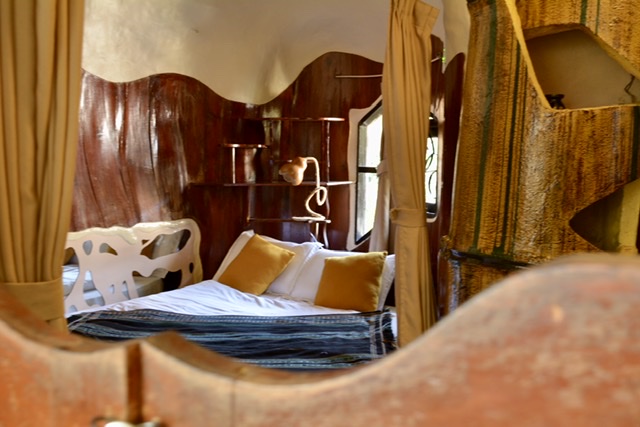
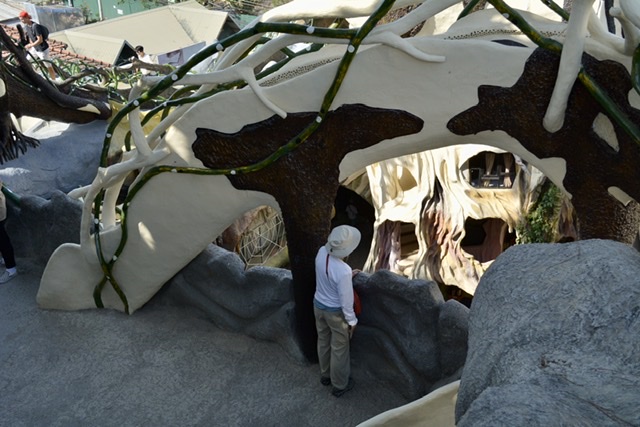
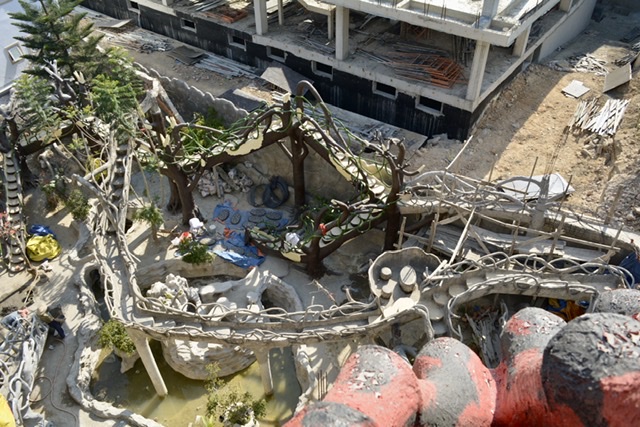
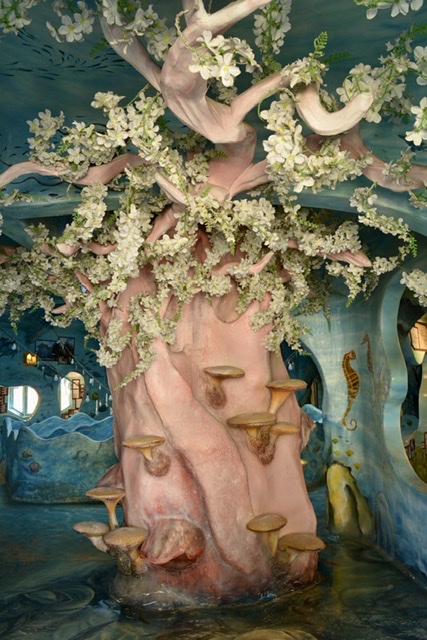
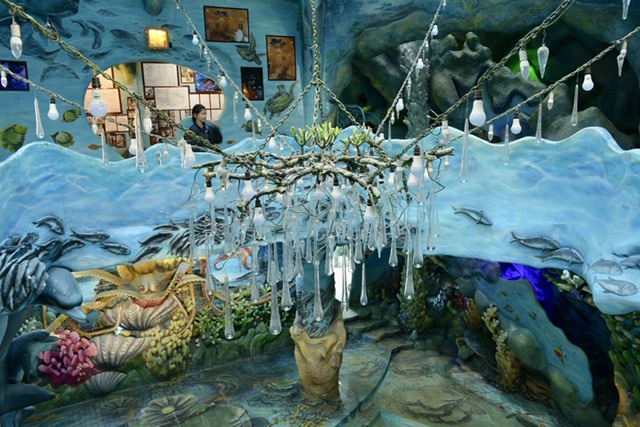
A most unusual attraction it was built by Mra Dang Viet Nga, the daughter of Ho Chi Min’s right hand man. She studied architecture in Russia but her creation certainly doesn’t resemble anything you picture as coming out of Russia. The Crazy House is in fact a hotel in addition to be a busy tourist attraction with dozens of bus loads of folks visiting everyday. The place is not finished and has an organic propensity toward expansion not unlike the Sagrada Familia in Barcelona. Like Gaudí Nga’s vision is a chaotic construction of intertwining buildings all connected by tangled walkways suspended mid-air giving it the air of a tree house.
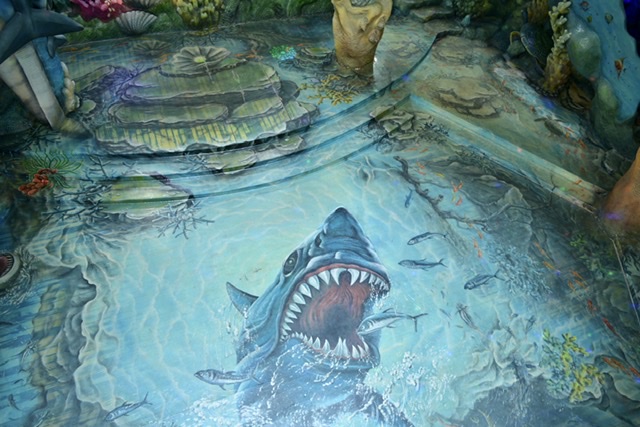
There are a couple of restuarants and coffee bars, the rental rooms are all named and overall the place looks like Gaudí fed steroids to the Hobbits. There are giant cobwebs, oversized mushrooms, aquarium motifs and a museum describing Nga’s journey.
It was hard to leave the beautiful city of Da Lat, the fresh cool air, the gorgeous scenery and the rural vibe made the “Flower City” well worth the visit.
After leaving Halong Bay we took a short flight to Da Nang, situated along the western coast of Vietnam about mid-way to Ho Chi Min City (Saigon). Da Nang is Viet Nam’s 5th largest city and for most travellers it is the entry point for both Hue and Hoi An, ancient cities that have been recognized as UNESCO Heritage Sites. With more time I would have travelled more slowly by train from the north to central Vietnam. As it was with three days to visit the area it was just enough to get to know Hoi An and enjoy some of the interesting history, diverse culture and delicious food. Da Nang and Hue will have to wait for another trip.
We stayed just outside of the ancient city which was a blessing given the hoards of tourists and the number of people who work and live in the area. The Prince Hotel is great if your there, the staff is friendly and helpful, the rooms are clean, comfortable, the service is great and the breakfast good and at $29.00 CAD the price was right too.
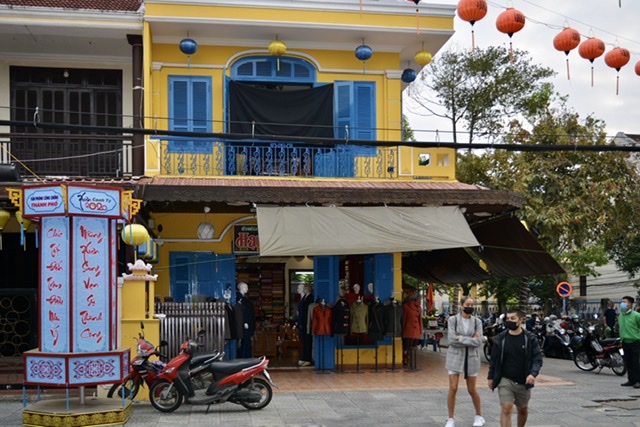
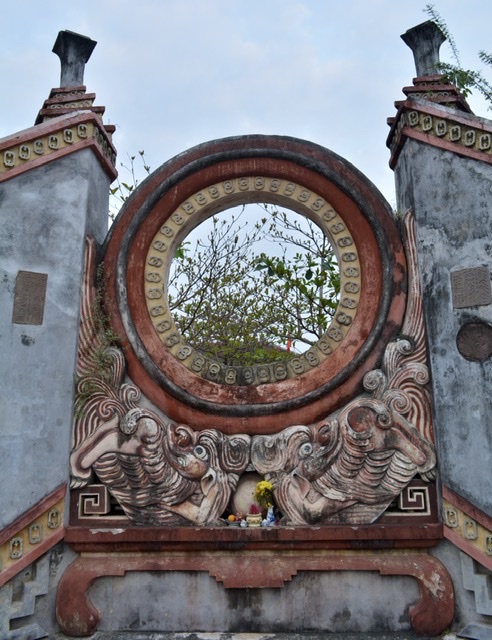
About a twenty minute walk to the edge of the old town it isn’t long before we were emersed in the interesting history of Hoi An. For a small entrance fee you receive a ticket which entitles you to visit 5 of the more famous merchant homes and private temples and gardens in the Ancient City, a rich fusion of Chinese, Vietnamese, Japanese and European influences that date back to the 16th century. A major trading port,people came and went and stayed on as merchants, building the old wooden fronted merchant homes that you see today.
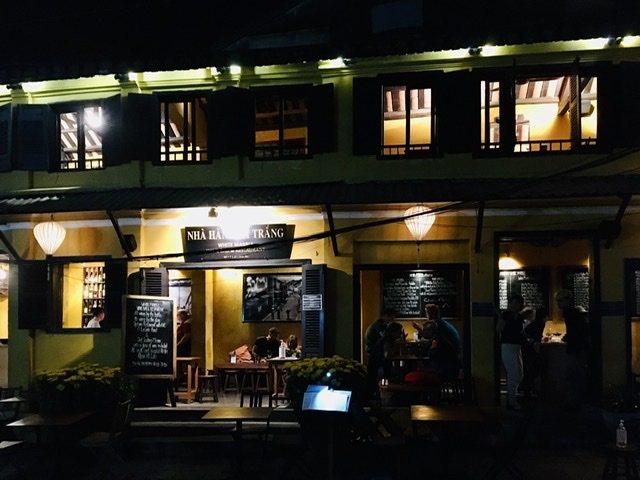
The walkways and bridges that connect the various neighbourhoods of Hoi An, were designated areas such as the Japanese or Chinese areas. The 200 year old shophouses are now home to boutiques, craft-stores, restaurants and bars, whatever brings them in to shop and to spend.
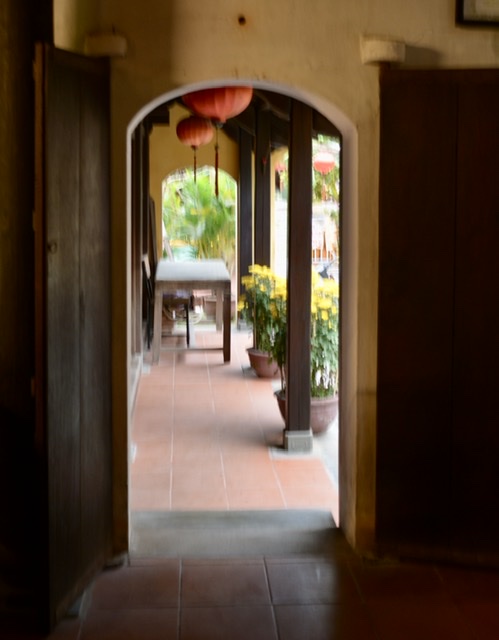
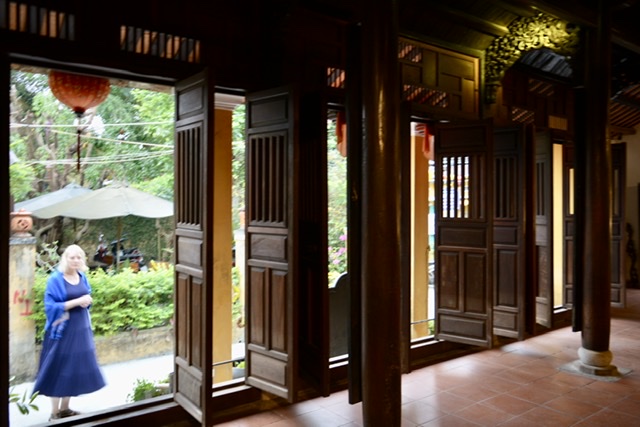
The Japanese Bridge is on of the most famous and connected the Japanese community to the Chinese community in the 16th century. Most merchants built dimly lit homes with dark wood doors and panelling with shops in the front of the house.
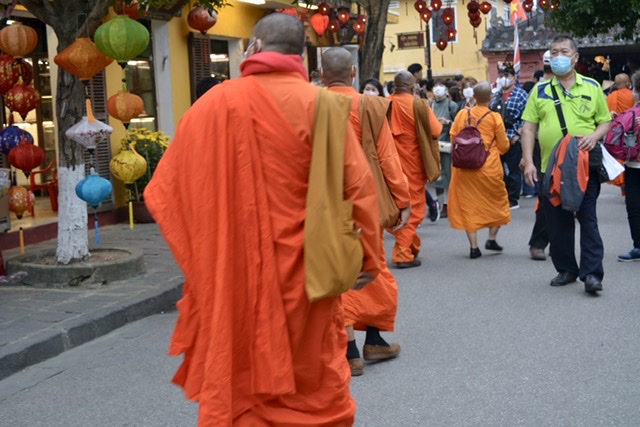
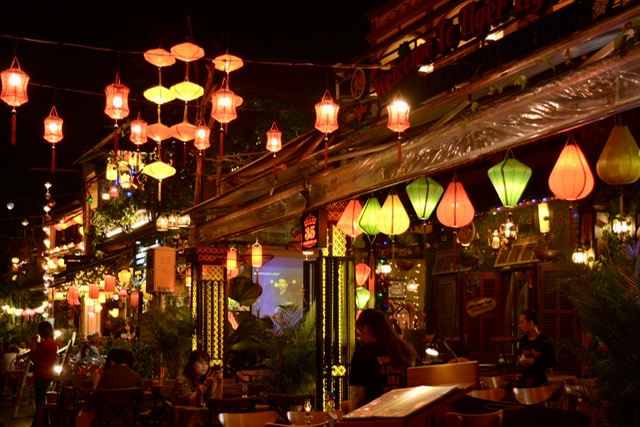
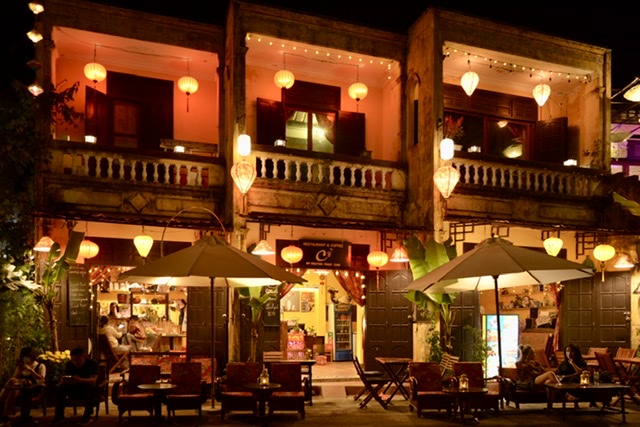
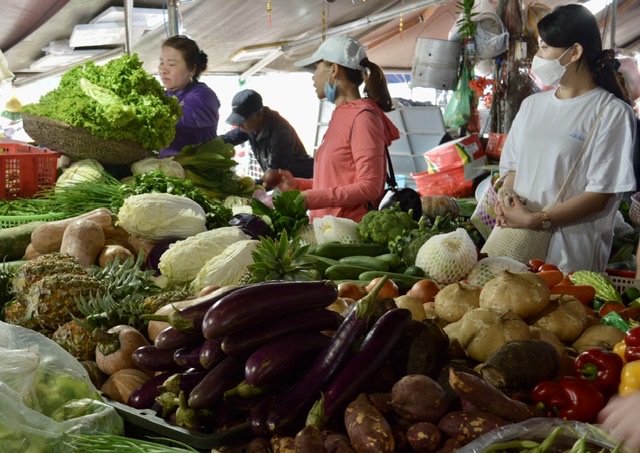
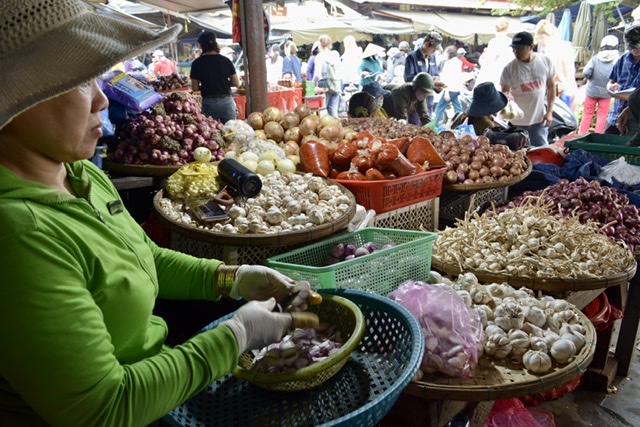
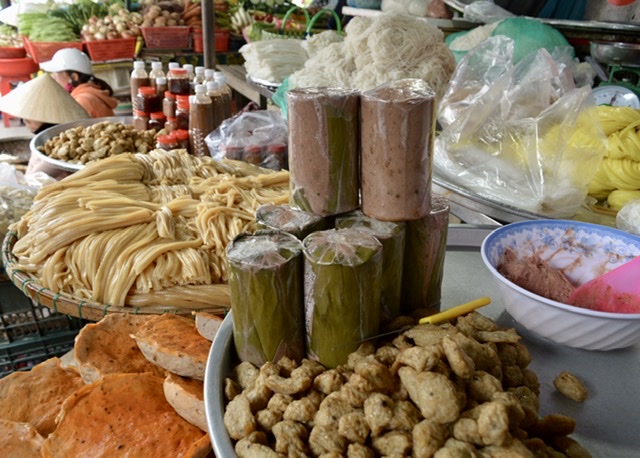
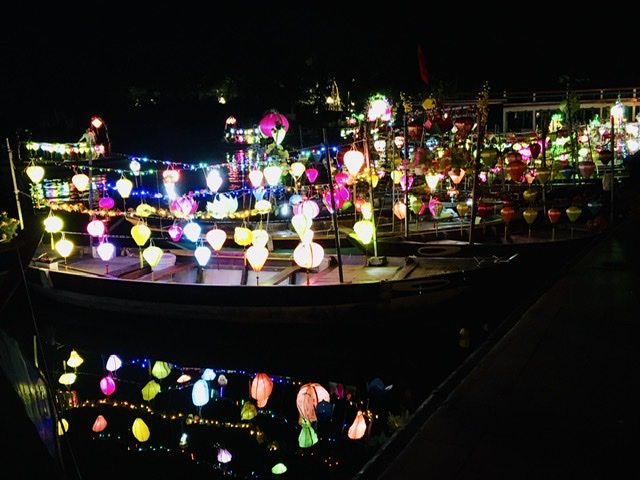
At night the shops are festooned with multi-coloured lanterns and range from souvenirs to boutique clothing stores. So fun to wander about at night and watch the dinners, shoppers and strollers enjoy the festive streets. Along the river are walkways and a favourite thing to do, after enjoying some street food, is a lantern boat ride in a sea of long boats and lanterns. The night market features many of the foods that are enjoyed by visitors and locals alike but I’m afraid that neither quail nor frog was not on my list of things to try. The lady selling the frogs told me I should “change my mind”. She’s probably right, but not when it comes to frogs. All I could think of was Kermit.
A great thing to do in Hoi An is to take a cooking class, which was actually a whole day long adventure that started with shopping for and buying the freshest ingredients at the morning market. Our guide/cooking teacher (wearing the white ball cap below) led the ten of us skillfully through the crowded market and down to the river where we caught a boat downstream to where the cooking class was to be held. A really fun way to get to class, the longboat that we boarded took us past homes, fishers, under bridges and into the delta.
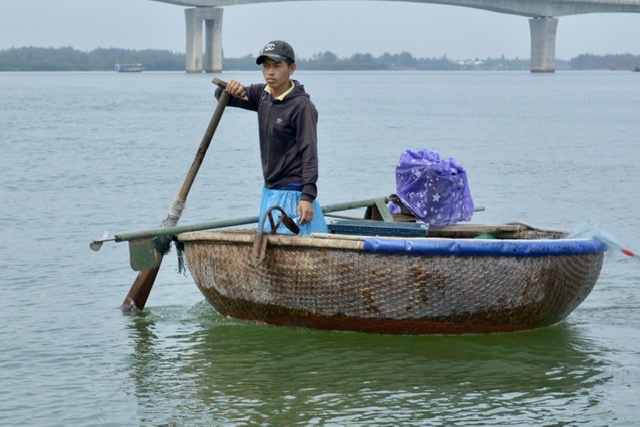
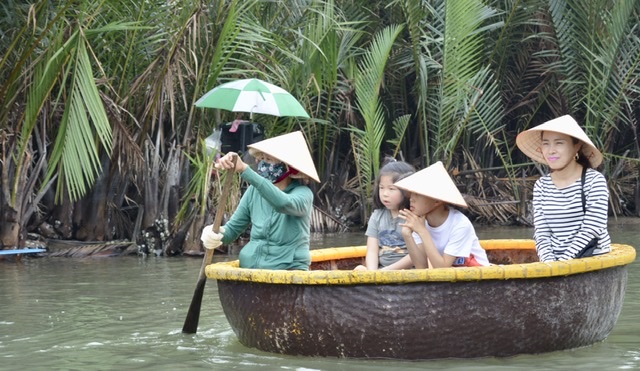
Once off the long boat we were led to a smaller dock in some mangroves where we teetered our way into teacup boats, paddled by the locals, all part of a show put on for the tourists. It was so fun and our paddlers seemed to really enjoy the reactions of the passengers as they spun the boats in dizzying circles, rocking them precariously back and forth for effect and then a number of men, alone in their tea cups were demonstrating how fast the boats could spin and what a wake they could produce when rocked to their gunnels. All done to K Pop music like Gang-am Style. What a hoot. We were taken up some of the narrower passage ways in the mangroves and were able to see the mussels clinging to the roots and the boats laden with tree fronds for weaving baskets, clothing and kinds of household items.
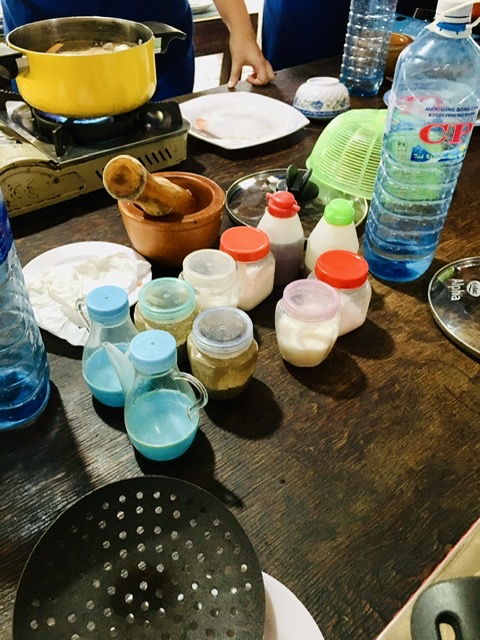
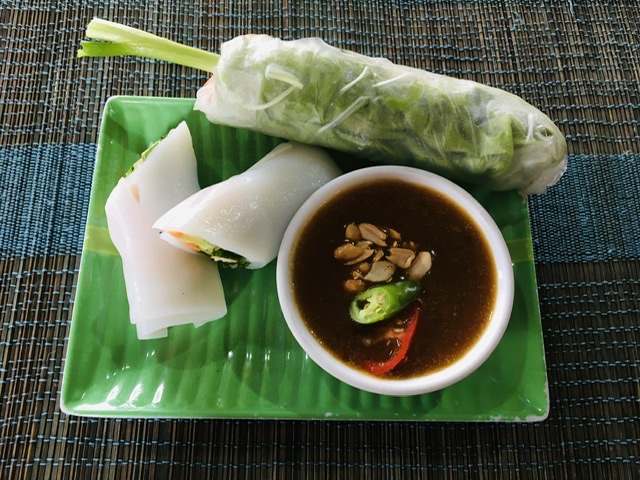
When we arrived at our cooking class we found ourselves in a very clean and organized outdoor kitchen. All the ingredients we had purchased early were cleaned, measured and placed at individual stations. We made two different kinds of Goi Cuon (salad rolls) with Nuoc Leo (peanut Hoisin Sauce). Then, Bang Xeo (sizzling savoury crepes) resembling tacos were made from rice flour, spices and coconut milk, dipped in Nuoc Cham sauce. Our Mi xao hai san (seafood stir fried noodles) was delicious and was followed up by the final dish Pho Bo Hà Nội (Hanoi style rice noodle soup with beef). Learning how to make the sauces meant learning how to combine seasonings, spices and herbs for ultimate flavours. Best of all we got to eat everything we made.
Marble Mountain and My Son are two sites that are generally combined to make a full day outing that takes you back to Da Nang and gives you a glimpse of this very modern city that even has a giant Ferris wheel, aka the London Eye.
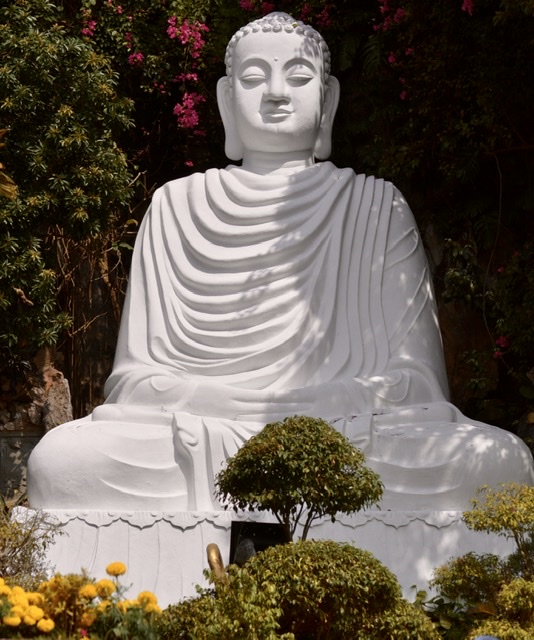
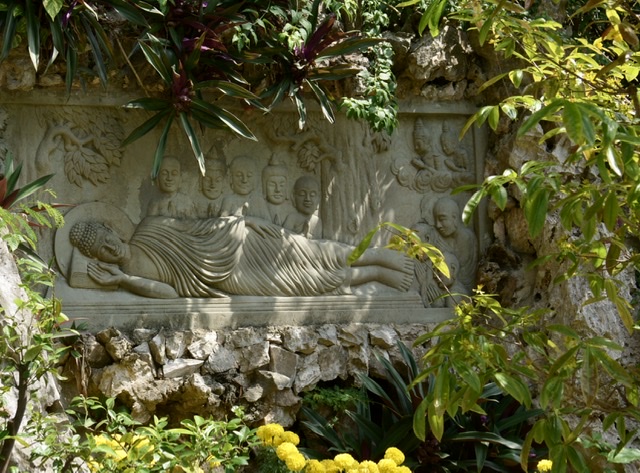
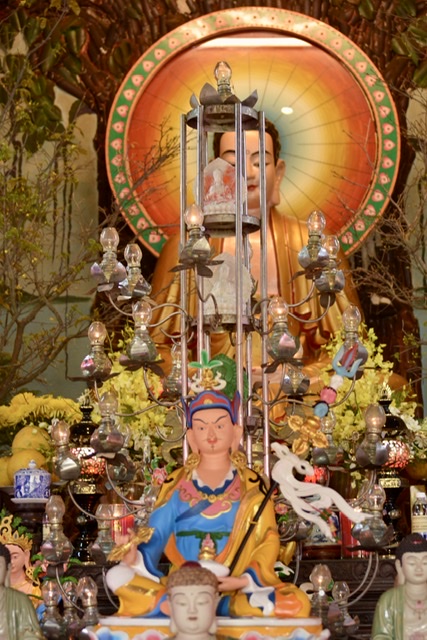
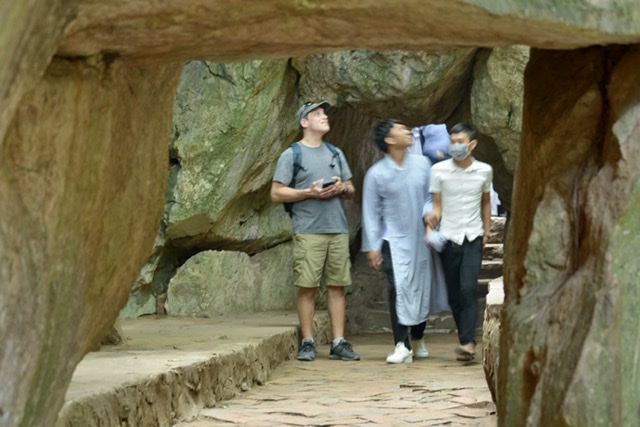
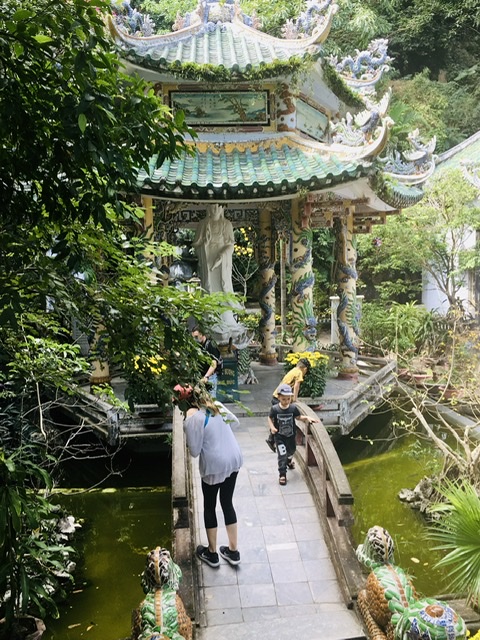
Marble Mountains are just that and all along the streets leading into Da Nang were shops selling marble statues in a range of sizes. Marble Mountains are five mountains riddled with natural caves that were made into Hindu and later Buddhist temples. You can climb to the top on uneven stairs or take an elevator to the top. We took the stairs and once at the top is when the hike really began. A series of paths join the various levels at the top of the mountain, much larger in scale than I had anticipated. Up stairs, down stairs, over bridges and through caves that led to other caves we saw several pagodas and Buddhist statues. At one point the rocky uneven staircase gave way to what was essentially a straight up scramble through a narrow chimney like passage where man made notches in the rocks helped us pull our way up and out of the cave.
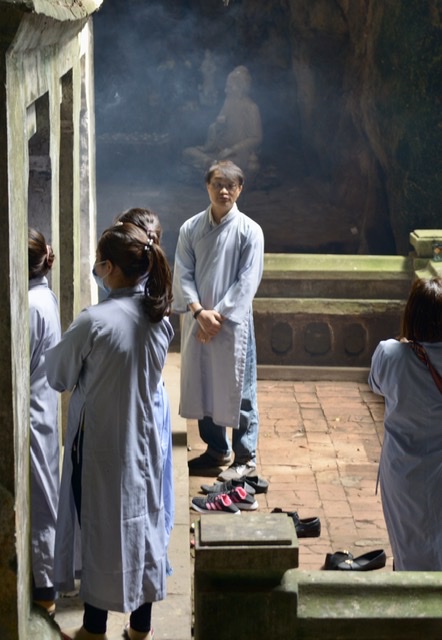
The lady below was selling incense to the pilgrims who came to worship in the caves, temples and pagodas. I offered not to buy the incense but to pay for her picture as I loved her beautiful face. So full of character and a simple joy for life she seemed quite pleased to pose for me. Inside the caves in the Smokey incense din were noviciates who came to prey and worship.
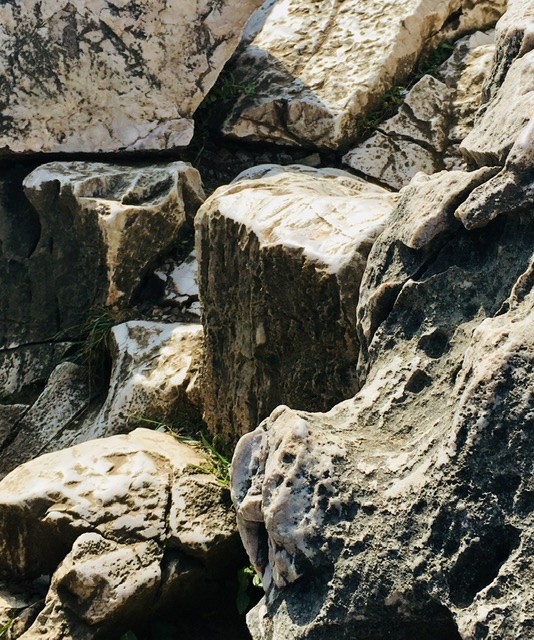
Once through the keyhole passage we made it to the top of the Marble Mountain we had ascended and were rewarded with a great view of Da Nang, the other Marble Mountains and of course the beautiful country side. I’ve included a photo of what you might consider to be a stairway.
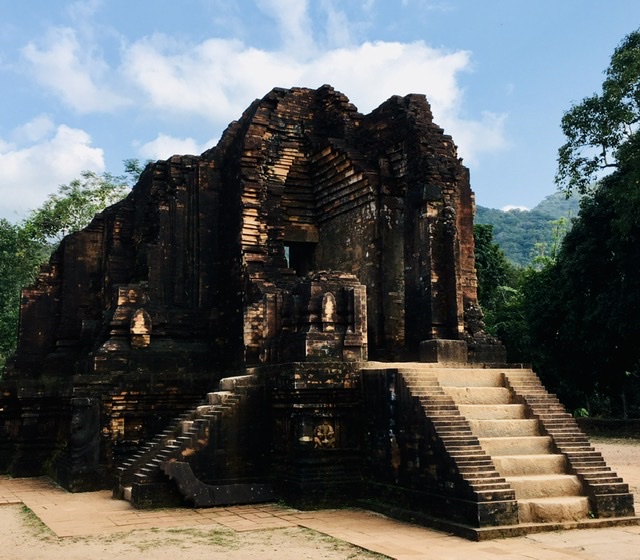
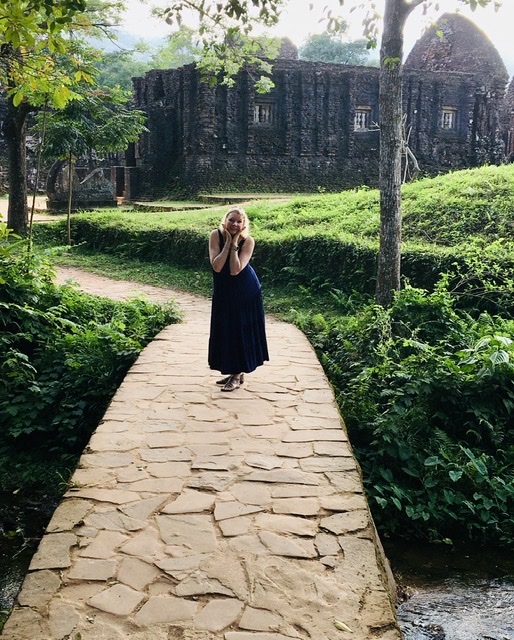
Our hired driver waited for us at the base of our Marble Mountain and once we had some restorative food and drink we continued on our way to My Son, an ancient site of the Champa kingdom which lasted from the 2nd century to the 15th. The site itself is a beautiful wooded area with flat meandering trails that take you to different clusters of ruins. Along the way there are huge craters that are reminders of the bombs dropped by the American B-52’s. You are cautioned not to stray from the path as there are unexploded mines in the area. Some of the Cham ruins were reduced to rubble by the bombing.
Our final night in Hoi An and one last wander through the streets to soak in the beauty of the light cast by the lanterns. Hoi An is a poetic gem and definitely if you are going to Vietnam you must go to Hoi An.
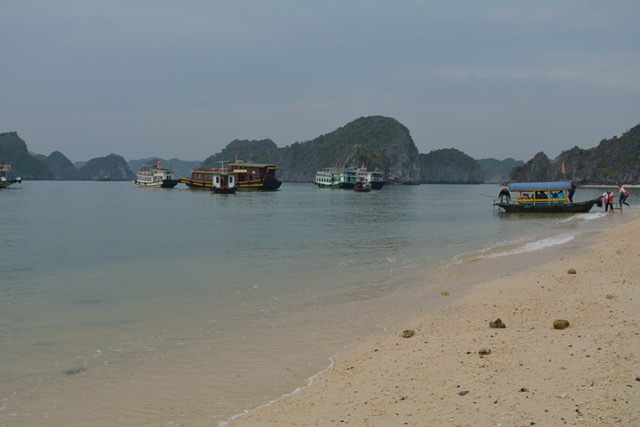
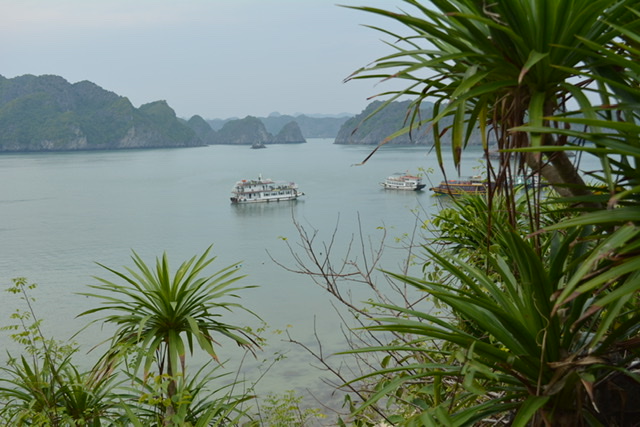
Straight up out of the sea rise the limestone outcrops that rule the waterways of Halong Bay. A beautiful sight in any weather, it was really cold and cloudy while we were there. Regardless Cat Ba Island is the place to go for a few days if you are short of time and for many more days if you have the luxury of languishing. We packed it all in in the three days that we had.
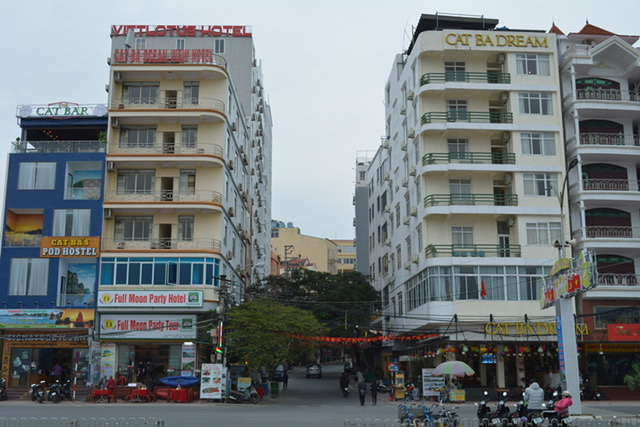
Arriving late in the day on a speed boat from Hai Phong, we had an evening to wander and familiarize ourselves with the town of Cat Ba, an old fishing village. We stayed in a lovely and very inexpensive hotel, Cat Ba Island Hotel. Just off the beach front road, it was quiet, clean and the family who ran it were friendly and helpful.
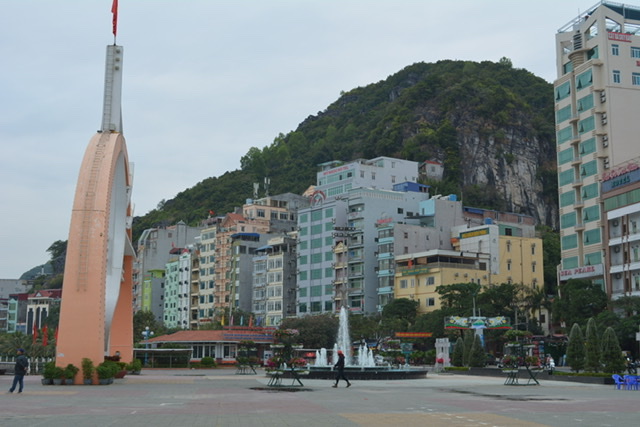
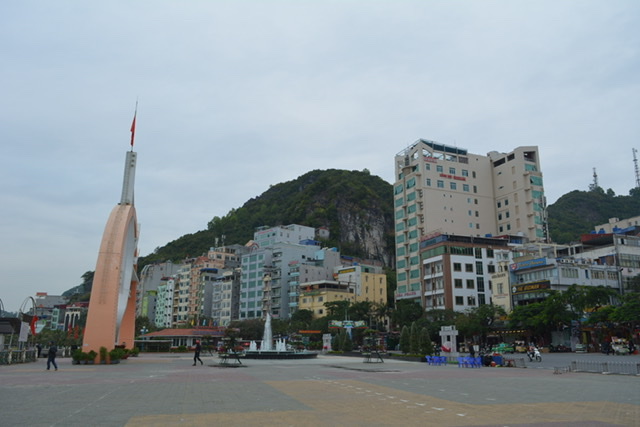
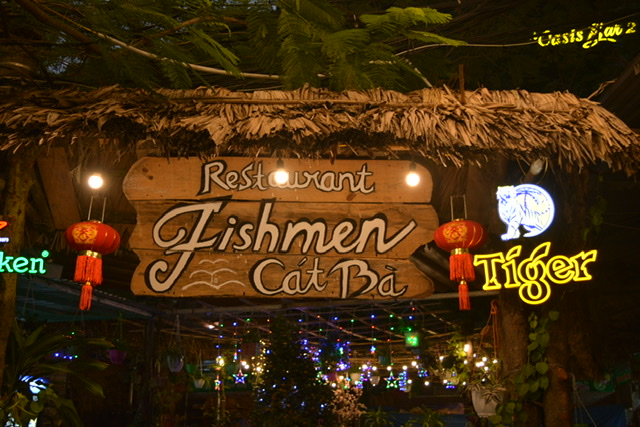
The place is packed with hotels, restaurants, bars and markets that sell plenty of “North Face” goods including puff jackets, a popular choice for those not prepared for the chilly weather. Clearly we were here during the “off season” and given the number of hotels and tourist boats it has the potential to be very crowded during the high season.
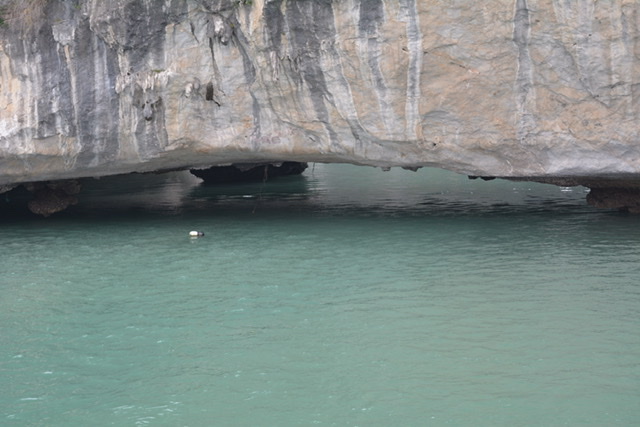
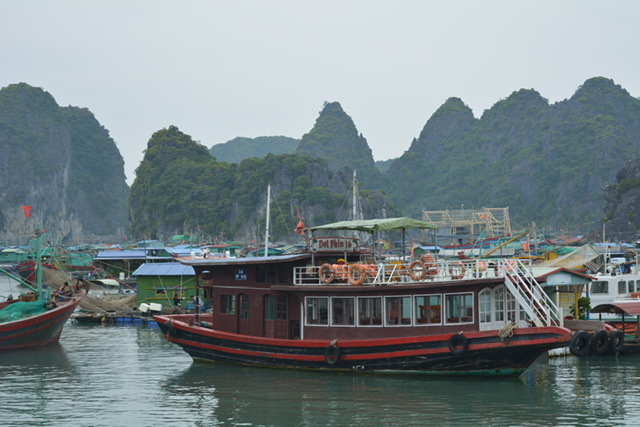
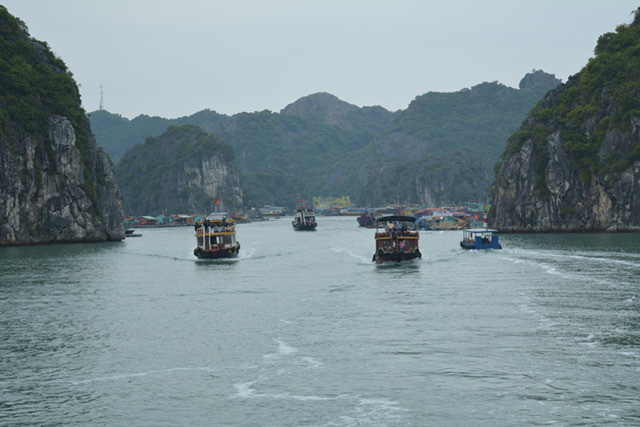
We left early for a day long boat tour of Halong Bay, boarding a lovely newly built boat, we spent the whole day cruising, making lazy circles and arcs between some of the nearly 2000 limestone outcrops that jut out of the sea in the Bay. This trip in the emerald water of Halong Bay was a Vietnam highlight for me. It’s the place you often see in the travel brochures and is as beautiful as pictured.
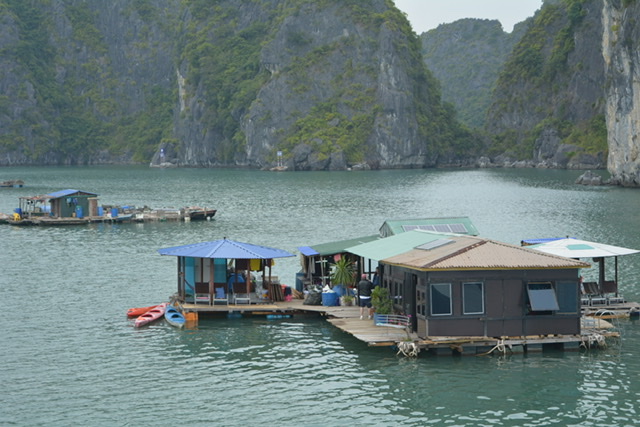
The narrow passages between the rocks are home to the Vietnamese people who chose to live and work on the water. There are boats, flota homes, markets, businesses and lots of fish farms that make up these floating communities. There are even families who offer “home stays” that allow you to be in the heart of the action.
The tour included landing on Cat Ba Island to visit a remote village, very touristy but it was informative of the life style of these island people. We visited a home where they made liquors infused with cobra, hibiscus and other exotics, tasting was included but I passed on the snake liquor. It was nice to get off the boat and stretch our legs and walk through the village, ending with the change to dip our feet into a pool of the tiny fish who nibble at the dead skin on your feet.
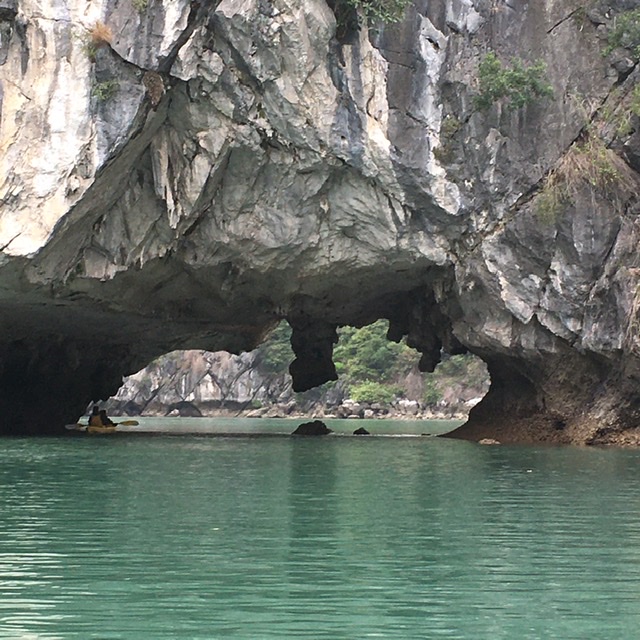
After lunch on board, we stopped and lowered ourselves into kayaks from the boat deck, paddling through bays and under sea arches and through caves, seeing the limestone up close.
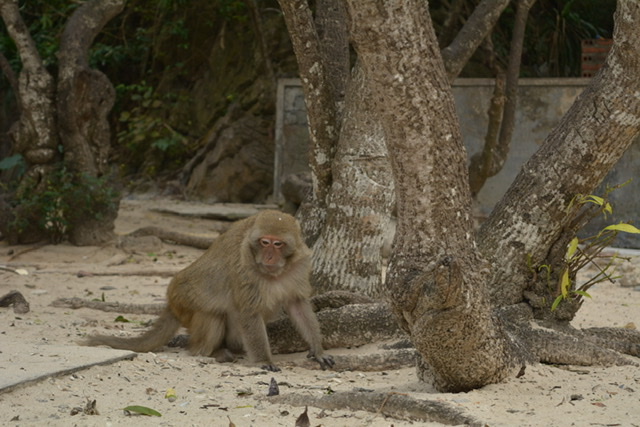
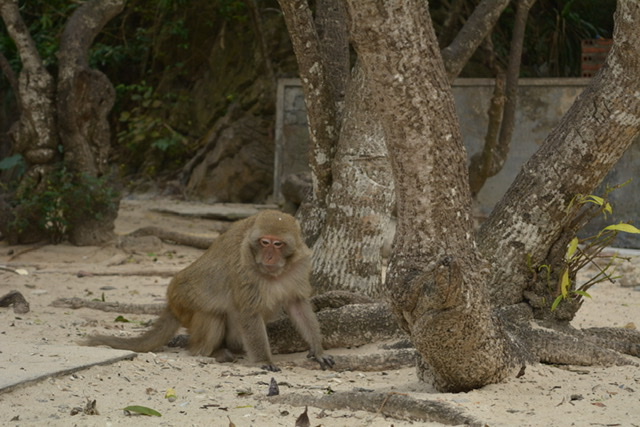
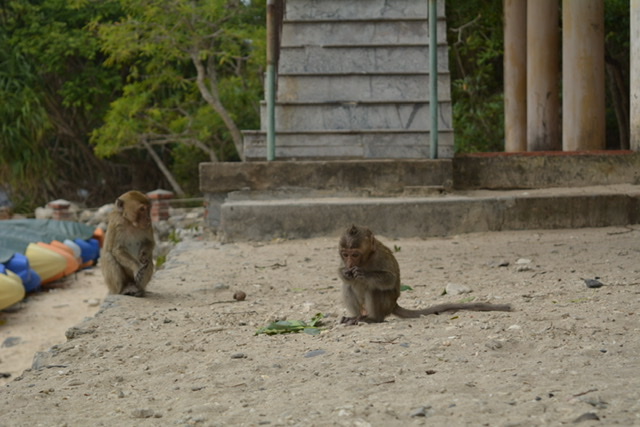
Normally we would have headed for a swim afterward, but the weather wasn’t cooperating and so we went instead to “Monkey Island’, where yes we saw monkeys and climbed part way up to the top of a bluff. Even at half way the view was great.
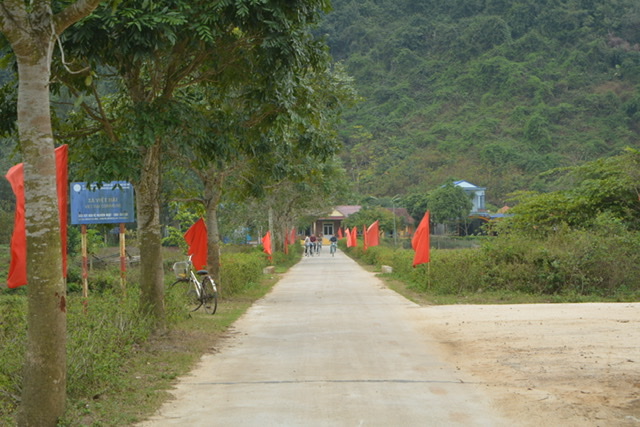
The next day we rented scooters and followed the road running north from Cat Ba City until we reached the end of the road at one of the several ferry docks that connect the Island to the main land. As we climbed the mountains behind Cat Ba City we had stunning views out to the sea. We passed through agricultural land and small villages.
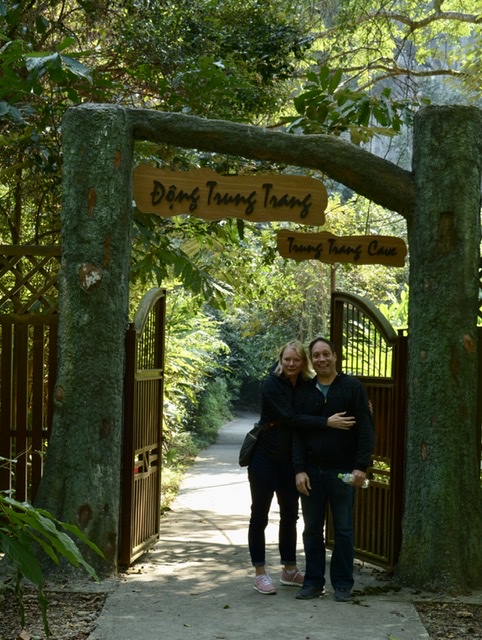
On the way back we stopped and had some of the best Pho Ba (beef noodle soup) at a family restaurant. After lunch we headed to the Trung Trang caves and had a steep climb up cement stairs with a warning to those with high blood presseure, cardiac issues or agoraphobia to forget the climb and wait below for their friends.
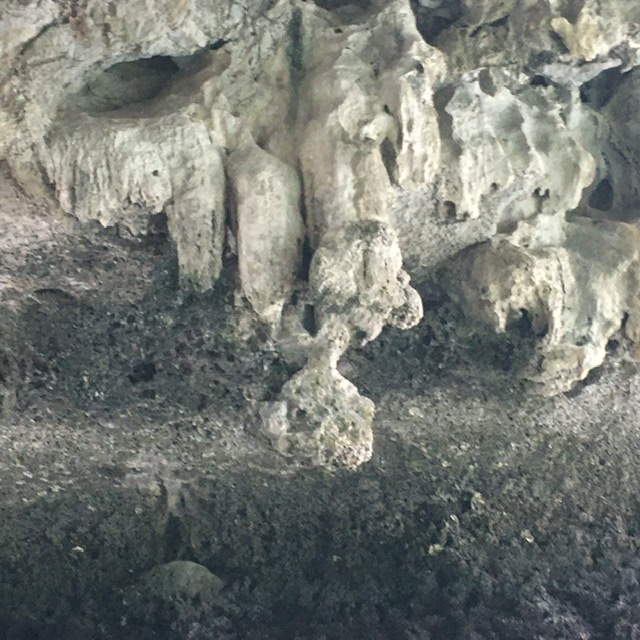
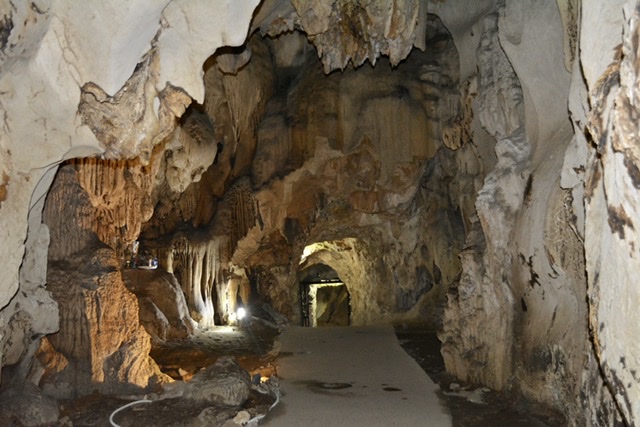
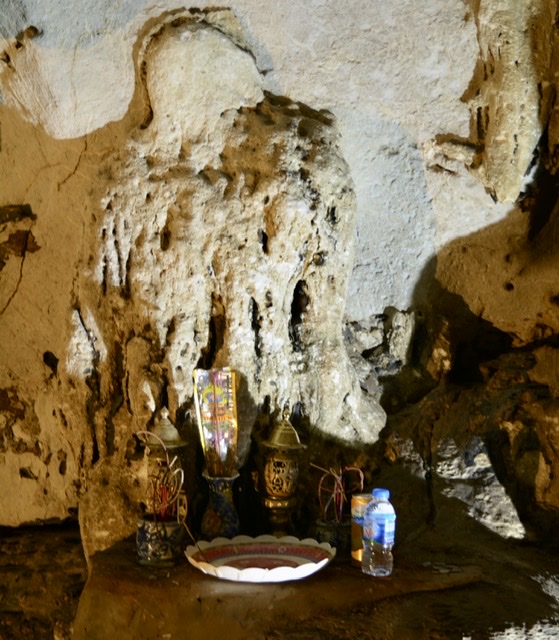
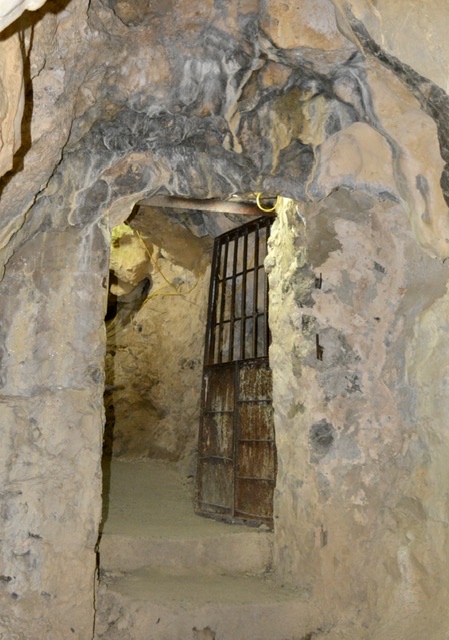
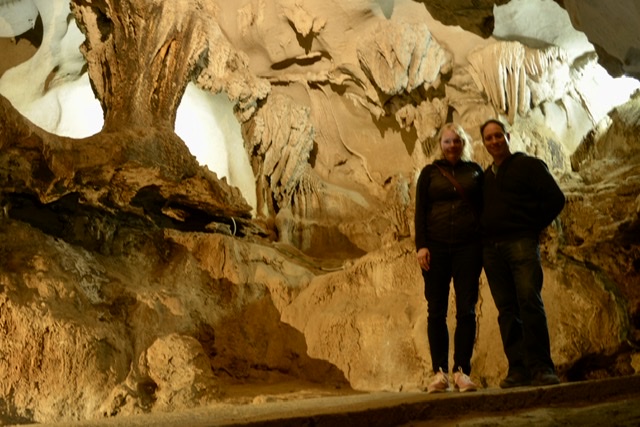
Up and up we went and were rewarded with a cave crowded with stalagmites and stalactites formed over the ages, one drop of mineral soaked water at a time. The long tear drop formations sparkled with crystals. It was cool at first in the cave but the closer we came to the middle of the cave it warmed. It was dark and dank but the path through the cave was well lit and cemented for the ups and downs of the of the cave floor.
After the cave we hurried back to Cat Ba City to catch our 3:50 shuttle that would get us back to the mainland and the Hai Phong airport in time to make our flight to Da Nang. When we arrived the young lady who had sold us our transfer tickets the day before, was clearly distraught. Turns out we had misread the time as 3:5o when in fact the appointed time was 13:50. Not the same at all. We waited while she made some phone calls and with the proficiency we have come to recognize as a Viet Nam trait, we were whisked off on a bus to a ferry dock where we were handed off to a “speed boat” which got us to the mainland in record time. Wearing colour coded lanyards, we were led to a bus and delivered to a gas station where a waiting taxi sped us to the airport in time to check in and make the flight. It felt like we had become parcels and all we had to do was sit back relax and trust the process and it worked.
A short flight later we landed in Da Nang and luggage in hand we hailed a taxi to take us to the ancient city of Hoi An.























































































































 Wander With Stella