Mexico City – A Return Visit

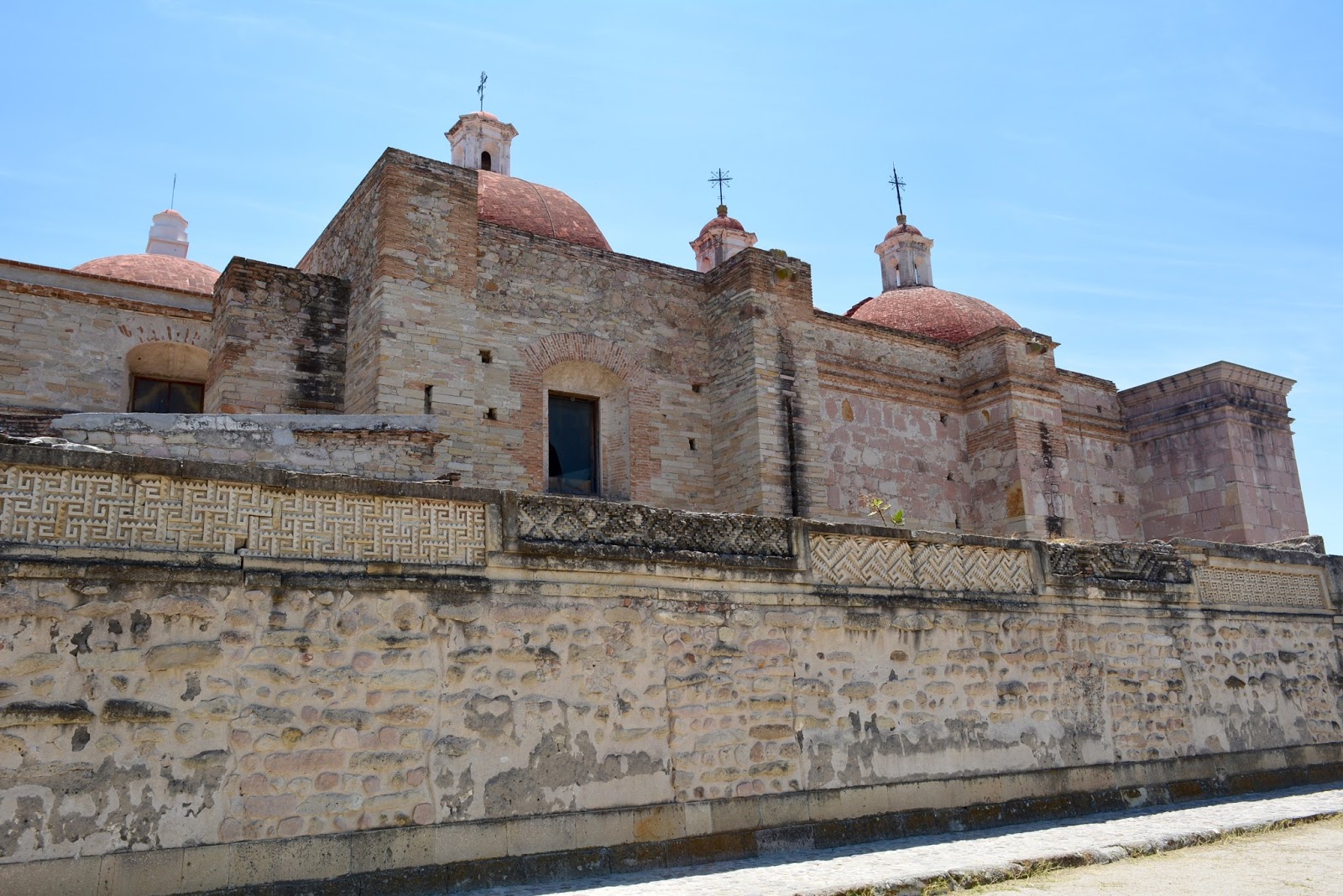
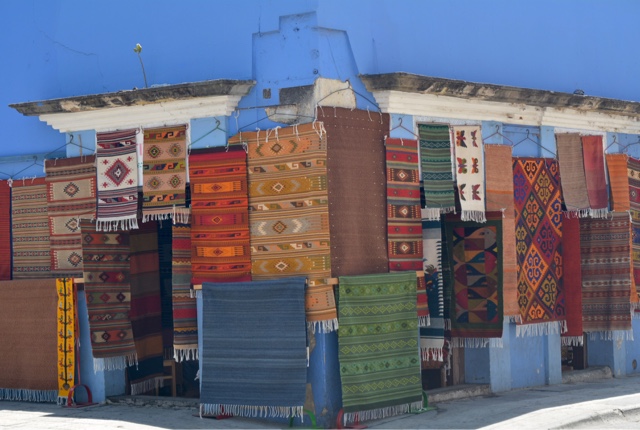
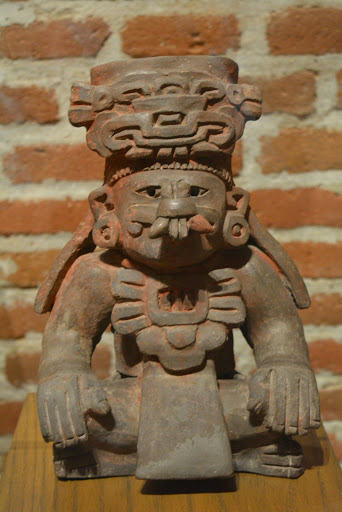
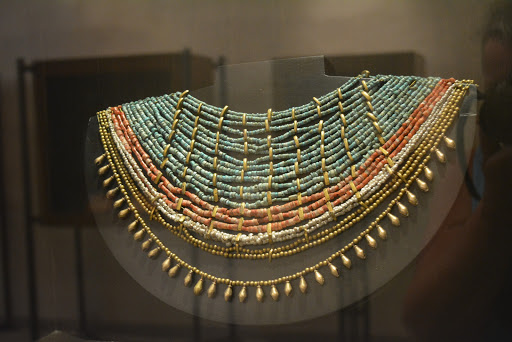
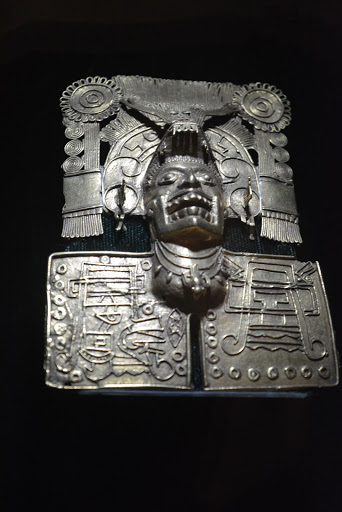
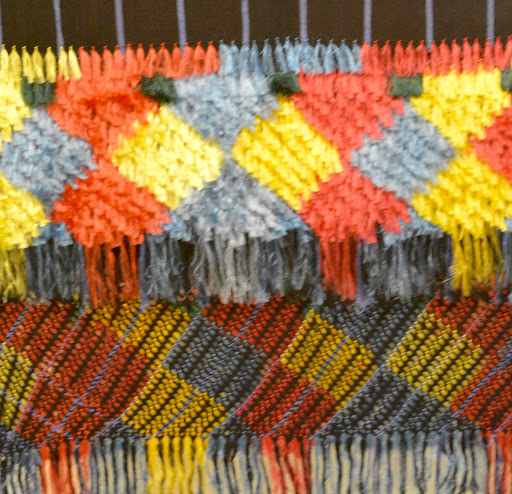
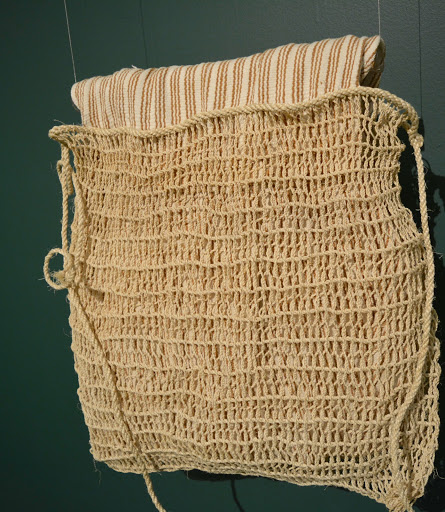
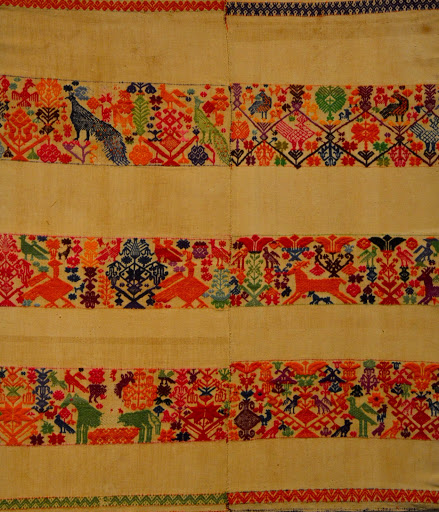
In 1974 I made my first trip to Mexico. I took out my first bank loan, booked two weekends off work and headed south. My first stop was Mexico City, the largest city in the world at that time, now the third largest. I stayed in a posh neighborhood close to Chupultapec Park and the Museum of Anthropology, (a favorite course at the time) I visited, taking copious notes and photos before taking the train to Oaxaca where I was lucky to visit the ruins of Monte Alban, Mitla and Yogul. I bought woven baskets, a huipel, a special blanket and other hand made items from the native market in Oaxaca. For years these treasures were part of my home decor but over time they slowly evaporated and gave way to other tastes.
As an innocent abroad, the train ride from Mexico City to Oaxaca is forever etched in my memory. My traveling companion and I had been advised to purchase 1st class tickets but when we found our way to the train station, and eventually the train, we were unable to identify a car, both by look or by lettering that was 1st class. We ended up in a 2nd class coach and only through firm assertiveness of the part of two older women were we able to claim our seats. The train took all day, all night and most of the next day, stopping and starting for interminable amounts of time in the middle of nowhere. I remember the aisles packed with standees, a squat toilet with no light in the back of the car, vendors boarding the train selling food and feeling protected from a drunk man by the Tia’s who sat across from us.
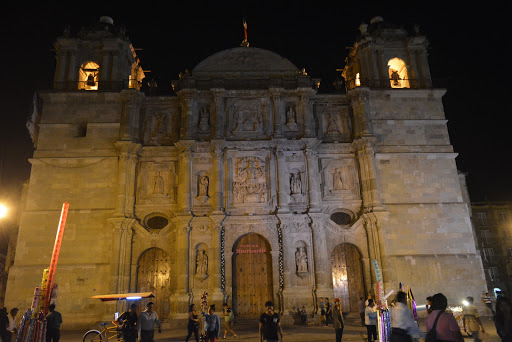
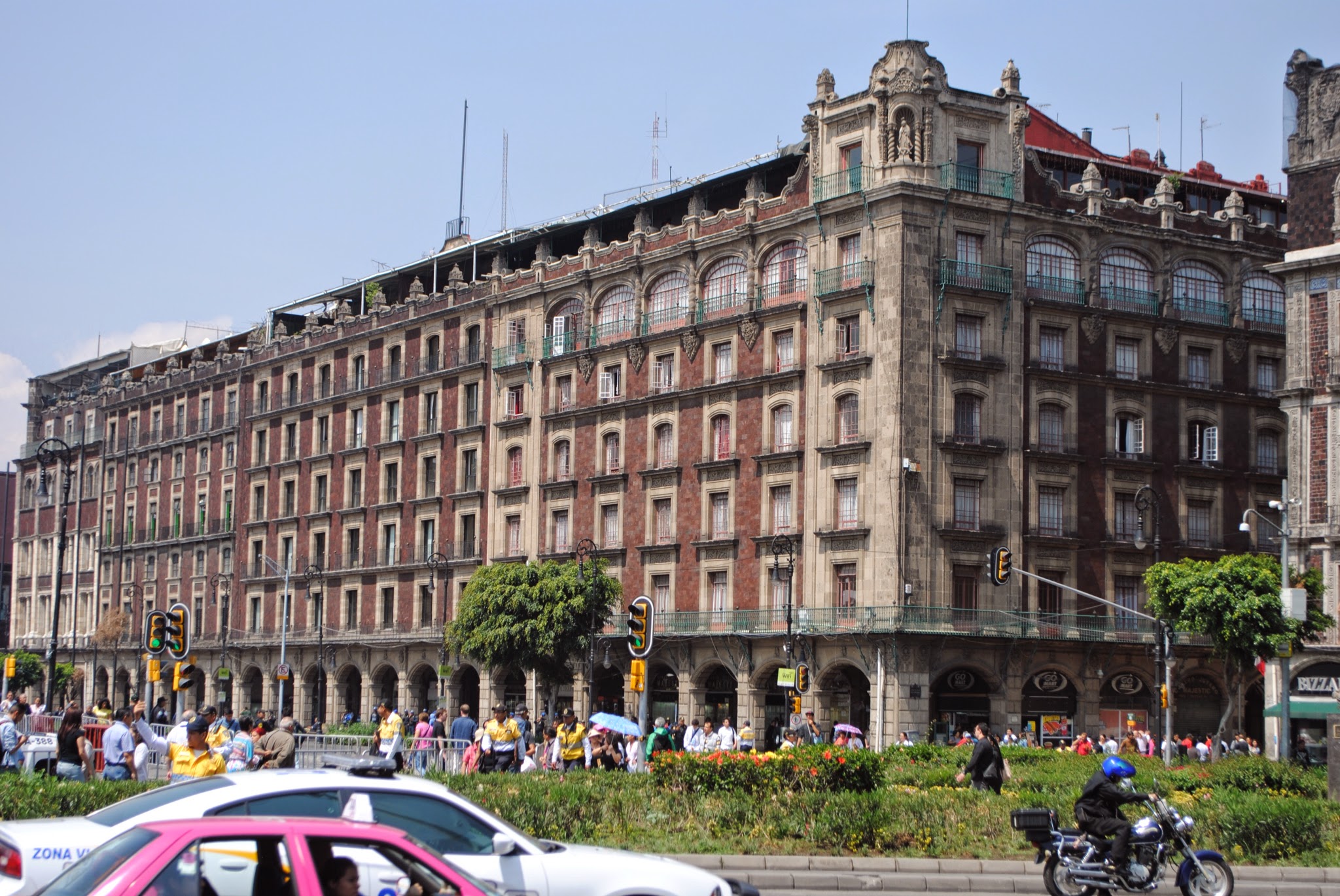
Returning to Mexico City by plane from Oaxaca, a friend that I had made on my way through had a party for me, roses and wine and took me out to dinner at the top of the Latin America building, then the tallest building in the latin america. Today Mexico City is very different and the Latino Americano building looks old and dowdy, dwarfed by modern skyscrapers. The old quarter and the Zocalo with the cathedral and government buildings are largely the same, but of course the restaurants have moved in and the square is more likely to be used for entertainment than military purposes. The train is long gone and freeways and expressways slice through the city. Mexico city has taken on a decidedly European flair and the barrios have that village within a village feeling of Barcelona or even New York. We stayed very close to the Plaza de la Revolucion in the Hotel Corinto. Small rooms but a roof top pool and a pricetag of $38.00 CD which you would not find in either of the aforementioned places, making Mexico City a bargain.

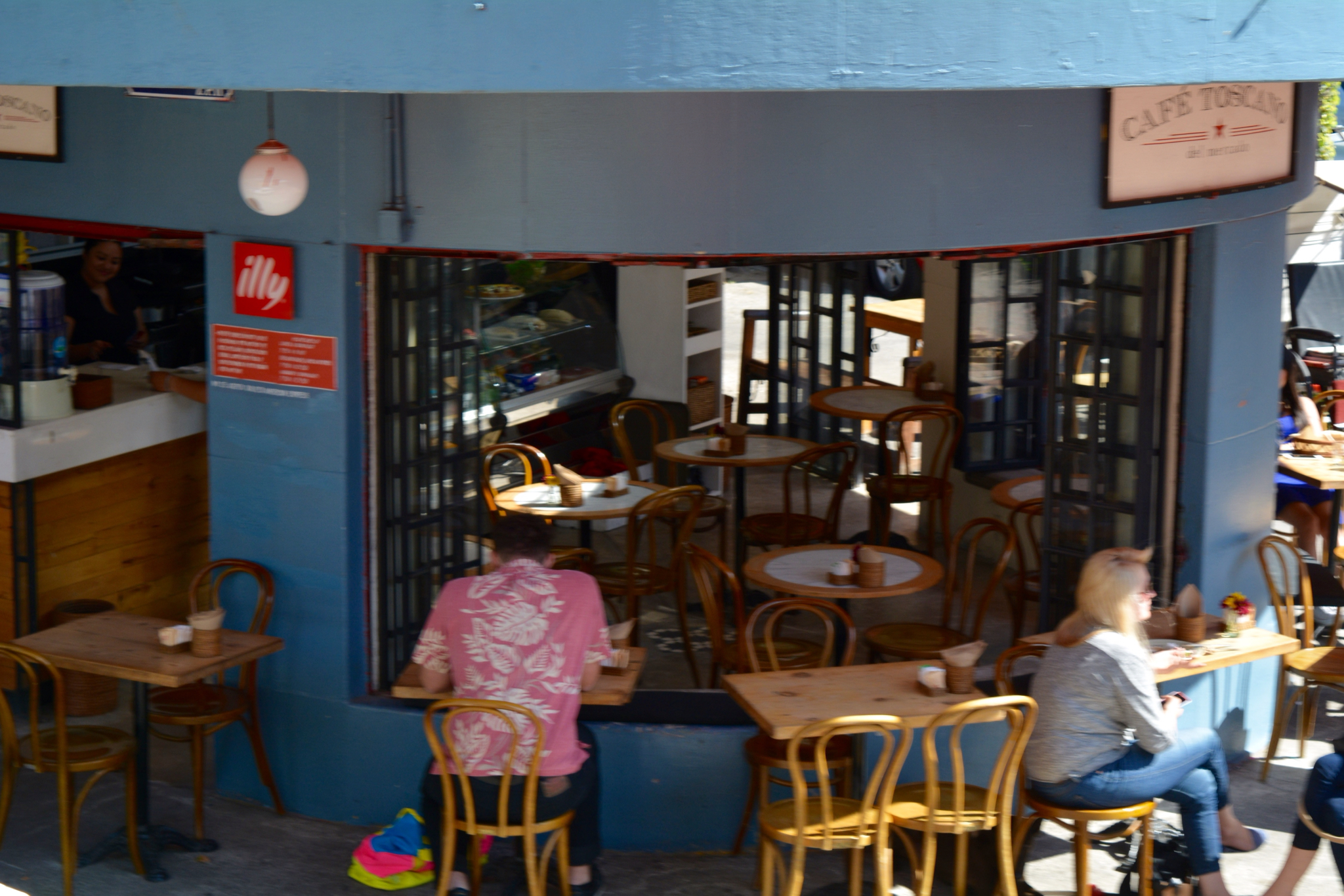
We quickly oriented ourselves and Tom, the food sniffer, found several good restaurants and cafes where we could loiter over coffee and watch the events of the neighborhood unfold. Across from our favorite restaurant we watched when a bus load recruits from the country arrived and joined the camp of Indigenous protestors who have a permanent demonstration in the park, ironically in the shadow of the monument to the Revolution that freed Mexico from Spain. We were only a few blocks from the Mexican Senate as well which explained the heavy police presence in the neighborhood.

Two days was only enough to know that a return visit is in the cards. I think two weeks and one could feel that they were seeing everything there is to see at a leisurely pace. A city of 13 million people can’t be all good but it is certainly less dangerous for travellers than it has been in the past. There are signs that prosperity has come to the city with the glistening office towers, the development of the barrios and the flourishing businesses. A unique feature of commerce in Mexico City is that stores are grouped together by type so you will find streets of household goods, streets of electronics etc.. Apparently this is modelled after Mayan cities from ancient times.

Chiapas – Tuxtla Gutierrez and San Cristobal

Tuxtla de Guerrtez

Clean Sheets, Fluffy Pillows and Mirimba in the Park

Crossing the border from Guatemala to Mexico was easy and soon we were on our way into the state of Chiapas. Leaving the shuttle bus experience behind us we found the bus terminal in San Cristobal and we were off to Tuxtla. We knew we were in Mexico once we boarded the posh ADO bus with wifi, movies and a five star bathroom. I know I say it often but I love the front seat because you can see where you are going and in such beautiful country it is paramont to enjoying the stunning views of Chiapas.

We had read that Tuxtla was not much of a place, but we disagree with the guide books. It is a Mexican City and we loved it. A beautiful parque centro, miles of commerce and street vendors. A hustle and bustle but still time to stop and smell the roses. We found a steal on Hotels.com for a new hotel and some unexpected luxury. Not since we left have I slept in a bed that was comfortable, clean and surrounded by North American type conveniences. What a hoot, I had forgotten the small pleasure of courtesy shampoos and creams, white fluffy towels, hot water and a toilet that flushes. Oft times along the road you are given a dipper and you ladle water from a barrel to flush what you’ve left behind. And you pay for the priviledge! But I digress! Breakfast included, and cheap taxis made the Tuxtla hotel an otherwordly valhalla at a great price relative to some of our digs.

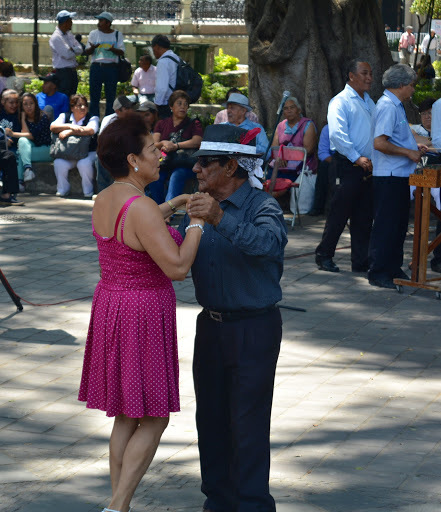
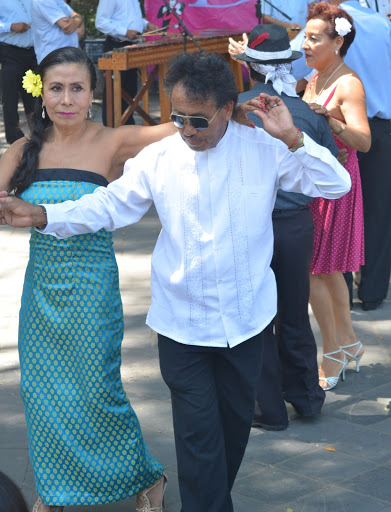
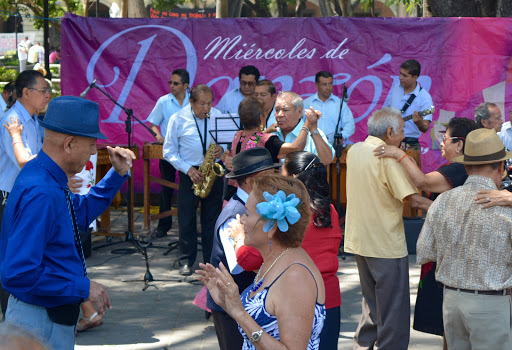
The only reason went to Tuxtla was to rent a car, there not being one avialable in San Cristobal, and although we changed our plans and didn’t rent the car we were happy to have seen Tuxtla. Not only did It have a delightful parque central where mirimba bands played every night and Tuxtlans danced with rhythmic ease, we had easy access via collectivos to the countryside and some spectacular sights.

Chiapa de Corzo Excursion

Short on time we managed one excursion to the town of Chiapa de Corzo where we took a motor launch up the Sumidero Canyon. The launch was realtively small so not a great hoard of people and everyone was required to wear a life jacket! A safety standard!

Straight Up Walls and Barenaked Waterfalls

Rounding the first corner of the Grijalva River we could see suddenly what we were up against. Plunging skyward at 90 degree angles or less, 1000 meter tall, time layered walls erupt from the river. Etched, layered, weathered, inhabited by birds, clinging trees and plants, all daring to make these great heights their home, the walls are an open book into the earths crust.

R

To the casual eye the faces of these cliffs provide an unreadable hisotry of epic proportion. Word has it that the local Maya warriors threw themselves off these cliffs instead of succumbing to Spanish rule. The color of the water in the river ran from emerald green to aquamarine blue depending on the depth and the angle of the sun in the canyon. It seems that in the world of travel, there’s always some subtle reminder that paradise has its limits and sure enough at the end of the river is an ugly hydro dam and close to the dam, a boat tied to a moor, selling snacks, refreshments and souveneirs with two enterprising young men at the helm.

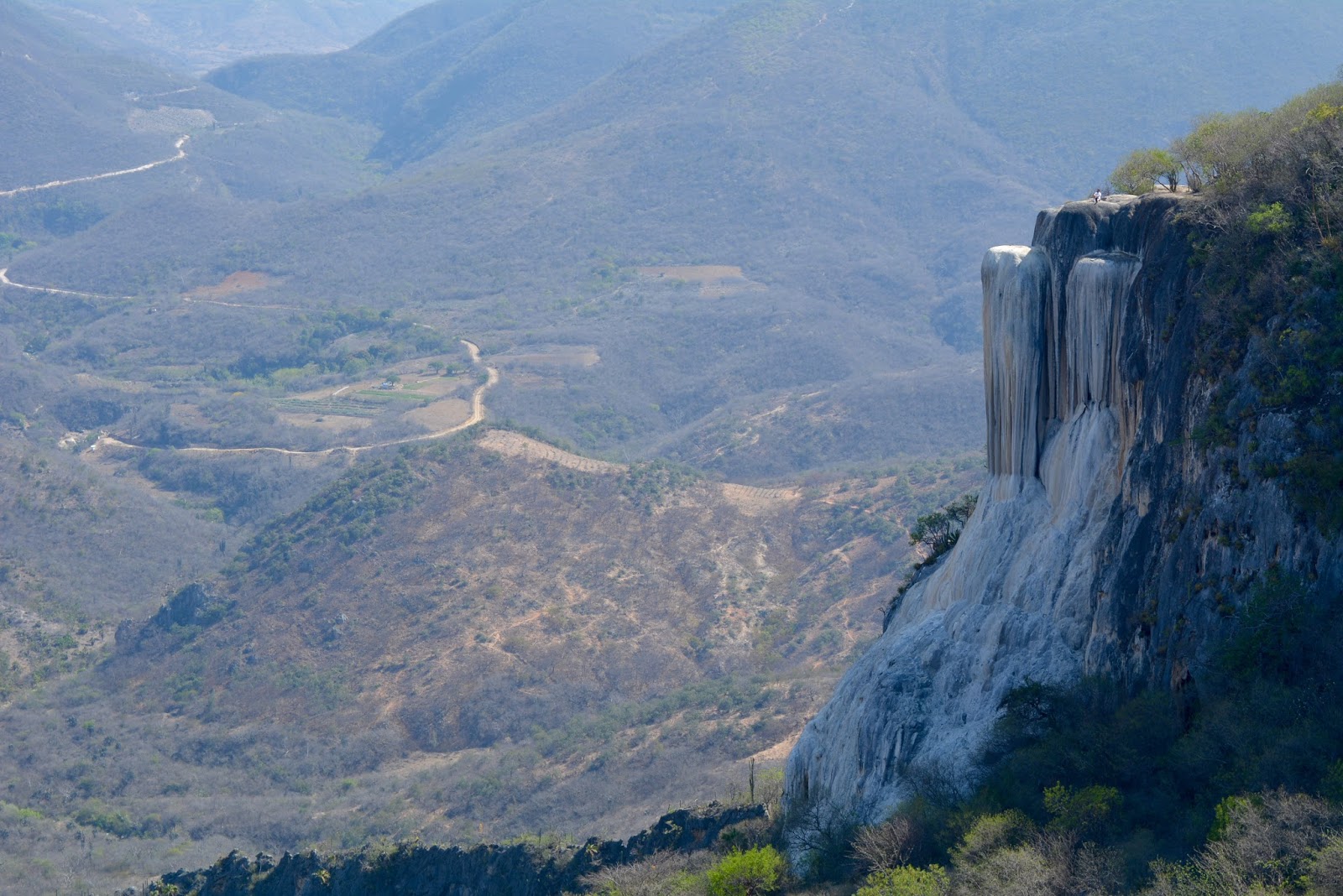
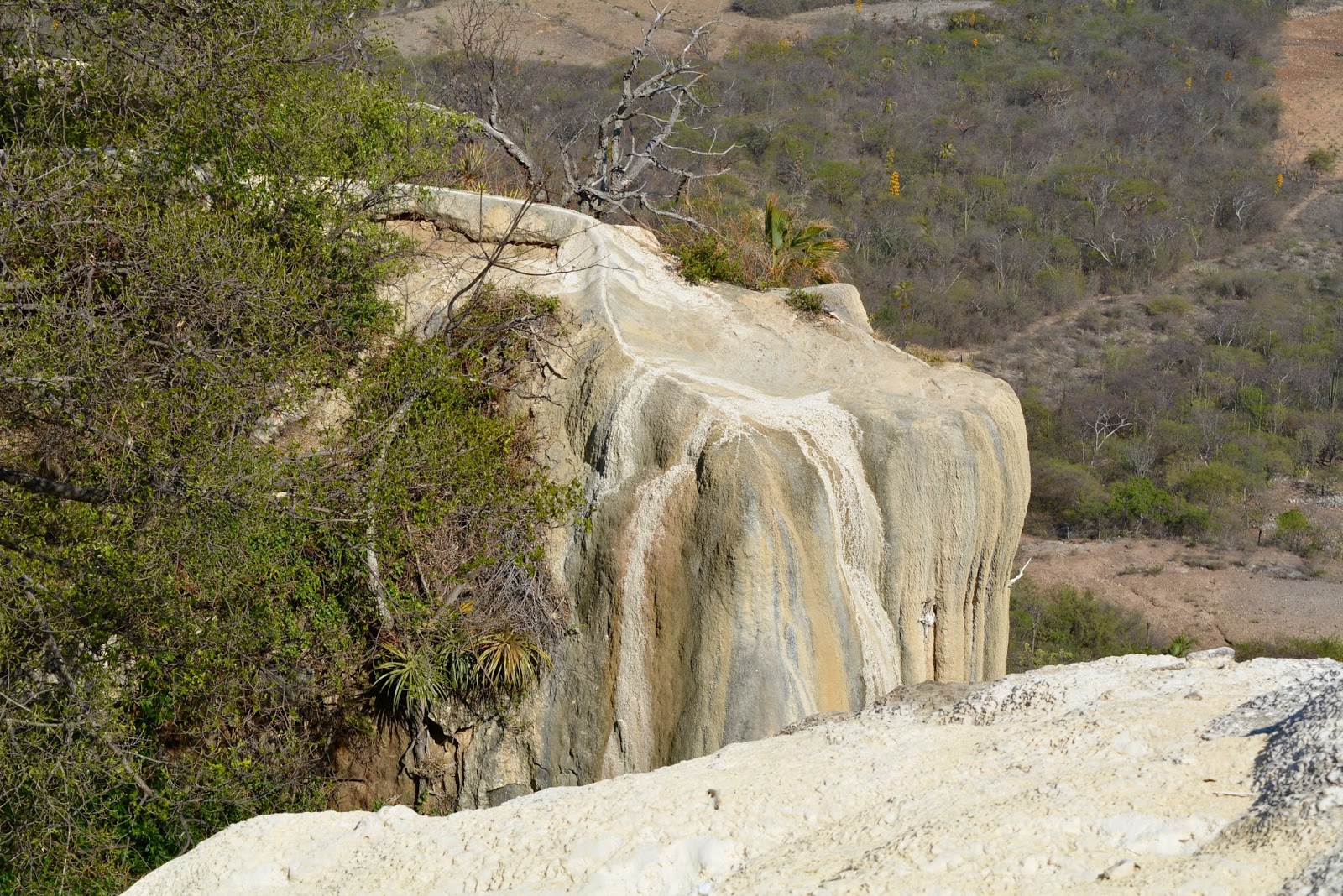
The end of the dry season is upon the canyon and an enormous waterfall is naked in the sun. Nary a drop of water to cover its bare hide. Our second dry waterfall, the first being in Cuba, was not as disappointing however as the structure that is created in the rock face by countless years of water erosion is quite fascinating. The bed of the absent waterfall is a lumpy conglomeration of warped rock in a scalloped pattern resembling shelf mushrooms on forest trees.

The two hour boat trip landed back at Chiapo de Corzo giving us enough time to walk the pleasant streets of town before returning to our luxury digs at the Hotel Divorxe.

San Cristobal – I’m In Love

Picture a Mexican Banff. Mountains surround the town, the air is crisp and clear, it cools off in the evening and you need a blanket at night. There was even a fireplace in my room at the lovely hacienda style hotel, Rincon de Los Arcos. The old part of town is home to Maya vendors from the pueblos that dot the hillsides around the city. It has an uptown flair that comes from tourism and several of the streets in el centro are pedestrian traffic only. They are lined with expensive shops and restaurants. I spent two lovely days just wandering on foot, visiting churches, museums and window shopping. Tom took a tour to the countryside to see a spectcular waterfall that was not as it turned out, barenaked.
Special Bulletin

Wanted – Groomed or Not

Young lady of indecipherable nationality, last seen performing contortunist poses in the San Cristobal bus terminal. Suffering from ealry on-set dreadlocks and a lethal fashion sense (plaid harem pants) was last seen barefoot and with ankles behind her head. She is armed, legged and dangerous. The public threat is serious as exposure to what lies beneath the overstretched seams of her harem pants could cause pandemonium in a bus terminal full of modest Mexican’s. If you spot this young backpacker do not approach her but if she approaches you throw some shoes at her and report her immediately to an ADO staff member as a non Canadian. (Lie if you have to)
Guatemala – Passing Through

Antigua via Guatemala City

The shuttle van driver, Victor, invited me to sit up front when he picked me up at the hotel in Copan at six AM. I gladly took him up on it although I would have been comfortable enough in the rear seats since there were only the six other passengers, all of whom were headed to Antigua via Guatemala City

Stopping for breakfast, Victor asked if he could sit with me. What a nice man he turned out to be. We chatted away in spanish nearly all the rest of the way to Antigua, he very patiently spoke at a snails pace and nicely corrected my grammar. We shared some laughs and our stories and he proudly showed me his country. Along the way he pointed out fields of peanuts, cashews, melons (4 types), bananas, etc. The six hour trip flew by and soon we were in Antigua. I got a big goodbye hug and kiss from Victor and he gave me a beautiful piece of obsidian he had in the van with him. He has two, twenty something sons, one married but no grandchildren and his brother who lives in California trys to get him to move there, but Victor likes the country life in Guatemala. He drives the Copan/Antigua route every day and although his home is in Guatemala, close to Antigua, he overnights in Copan. He seemed to love his job and got plenty of toots and whistles from friends and acquaintances as we passed small towns and roadside stands along the way.

Overnighting in Antigua was pleasant enough although the place has changed since my 1990’s visit and it has lost some of its charm and beauty and seems a little grittier and not as cultural as it once was.

We had a nice dinner and returned to our least favorite of all hotels, “Don Quixote”. Whoever wrote the good reviews for this hotel was tilting at windmills! I was in room 9 x 5, the one with the navy blue sheets that hadn’t been washed and the bathroom that could only be accessed if the room door was closed. My room had an “outside” window..onto the dining room/kitchen of the hotel and throughout the night lights came on and off, toilets flushed and dishes clanged while I, out of necessity, tried to sleep with my window open, my only source of fresh air. I needed the air because I did not have a fan in my tiny box with a bed where I slept on top of the bedding to avoid the sheets. Such is life on the road and we were both glad to be up and away this morning at 5:00

The Last Ten to Chiapas

A new day and a new driver, we were the last to board the shuttle for the ten hour trip to San Cristobal Chiapas, Mexico and got the last and not the best two seats in the van. Imagine our relief when we were told that the majority of people would be leaving us at Lake Atitlan just an hour or so from Antigua.

Travelling north through Guatemala headed to Mexico is one breathtakingly long string of mountains, valleys, gorges and high altitude fincas wih their geometric emerald green terraced fields climbing high above the roads. Many settlements along the road are separated by deep gorges but connected by suspension bridges just wide enough for small vehicles, carts, animals and people. The further north we went the poorer the country seemed and of course Guatemala City, which we had a stop in, is no longer the city I saw in the 90’s. Back then, before the challenges of the new millennium, the centre of the city was accessible. Now to arrive at the centre you have to cut through miles of barrios, slums and ramshackle commerce to penetrate to the core. Urbanization, a world wide problem, has greatly impacted the capital cities in Central America where millions leave their country homes for the big cities seeking to improve their fortunes. Sadly, only a few manage to penetrate the economic, social and racial barriers and end up instead, just surviving in the slums like the ones that climb up and down the gulleys, hanging precariously off the sides of the hills in Guatemala City.

The countryside of Guatemala is spectacularly beautiful and we both agreed that given more time we could easily have spent a week or more wandering and seeing more of rural Guatemala. Anos proxima!

Honduras – Lenca Trail

Oldest Living Greyhound
The Lenca Trail is a route that passes through the territory of the indigenous people of the same name who lived in this area and whose ancestors are still here today. It is some of the best of Honduras, beautiful mountains and small pueblos, national forests, hotsprings and fincas. Taking the bus from Copan de Ruinas is an adventure in itself and started with a ride on the oldest greyhound bus in existence. Remember the silver sided ones? In spite of its appearance, this bus had the most comfortable seats of any bus yet! Our trip to Entrada took us through several small towns full of people engaged in commerce, fruit selling, tortilla making and artisan sales. At Entrada we leapt off the oldest living greyhound bus on to a waiting chicken bus without comfy seats and the we were whisked to Santa Rosa where we ran to catch a crowded collectiva to Gracias, our destination on the Lenca trail.

Tortilla Conference
Gracias, shortened from Gracias de Dios (Thank God) is a little Honduran town that is the epicenter for the surrounding countryside. Our hotel was great and we were the only aliens in an other wise busy establishment, abuzz with a tortilla convention. The delegates, mainly sporting white cowboy hats, attended their sessions dutifully and met together for meals in the hotel’s cafe. At breakfast we sat amongst them and they were surprisingly silent throughout the meal. Very few words were spoken but lots of glances in our direction gave away their curiosity. In fact, Tom was in the pool one afternoon and several of them stopped to stare at him as if he were some strange exotic bird of an unknown species.

High Points and Danes
The staff at the hotel went out of their way to ensure our comfort and seemed to think we were great entertainment. We asked about a tour of the Celaque National Park and immediately they called a friend to take us to the park. Aside from being a beautiful Park, Celaque is the highest peak in Honduras, weighing in at 9350ft. or 2849m. It can be climbed but not by us as we chose to stay lower down and enjoy the incredible biodiversity of the flora and fauna. It was a great tour of the cloud forest with a young local guide, Angel Serrano, who spoke English and has great apirations of increasing tourism in Gracias. Apparently the president of Honduras is from Gracias and so the place is on the map for the first time, which could help. He led us up a steep trail through the cloud forest where we saw birds, butterflies and a dense forest boasting multilple species of trees and plants. Part way up the trail to a waterfall we stopped for a rest and along came a gaggle of Danes, Denmark being the home of some of Tom’s ancestors. Since he shares their DNA we took pictures of Tom with these young Danish specimens that go a long way to explaining Toms good looks, before they sped off up the trail of Honduras tallest mountain.

With Large You Get the Remote

We had a pizza one night at a restaurant which turned out to be someones house as we learned when we had to pass the bedroom on the way to the bathroom. We received such special treatment and the two girls who served us made sure that we felt welcomed and enjoyed the pizza. We were even given the remote for the TV! It was great. The cook seemed to live across the street, or at least that’s where he sat smoking as we entered and exited the restaurant, and So he had to be called in to service and of course to approve our order.

Cliffhangers
Another mention of a desire to see a unique little town called La Campa and suddently we had the bus driver himself making a personal appearance at the hotel to ensure that we knew how to make the trip and not only that when we arrived at the Terminale we got a grand reception. Rabin (the driver) was a close image of my nephew Kyle so it was spooky to have him as our driver on the bus to La Campa. He gave me the seat of honor at the front of the van beside the driver and off we went up and up and up to La Campa. The town is perched directly in the face of two great flat faced mountains with a deep gorge seperating them. On the rock face some brave soul had climbed up to paint a welcome to La Campa sign. The artist was not the only one who braved great heights as Tom and I stumbled across a man and his son propping a ladder against a hydro pole. Realizing that the young son was to hold the ladder steady, Tom stepped in and offered his assistance. We weren’t sure why a resident of the town would take it upon himself to make a “repair” to the hydro wires but he definitely rid the wires of some type of gizmo that he clutched on his way back to street level.
For a country that has such a bad reputation of violence and crime, the people of Honduras are warm and friendly. As we walked through this small village we were greeted over and over again by almost everyone we met. They all wanted to know where we were from and what we thought of Honduras. It was so nice. Two little girls giggled and wriggled as they practiced their one English work “hello”. A hotel owner introduced himself and his sister and neice and asked us all about our travels.

After wandering the town for an hour and a half or so there was the familiar rumble of the collectivo with the accompanying honking and we boarded our bus with Rabin and headed back to Gracias. The next morning we repeated our three bus routine back to Copan and readied ourselves for our next grueling leg. A two day trip to San Cristobal in Mexico. Sadly we have run out of time and will only dip our toes into Guatemala with an overnight stay in Antigua. We are saving our last two weeks for Mexico: Chiapas, Campeche and Yucatan.

,k
Y

Honduras Copan Ruinas

Getting There – A Real Work Out
An early morning start to travel long distances between Central American countries is part of the deal if you opt for a more comfortable and quicker mode of travel…the shuttle van. Run by tour operators, 15 passenger vans dart all over central america, more expensive that the chicken buses and not as many changes, they can offer more scentic route than the largerr tourist buses that stick to the main highways if there is one. Sometimes you get lucky and your fellow passengers are compatible or the van isn’t full and other times not so much. We left Leon, Nicaragua at 3:30 AM (I’m not kidding) with a load of backpackers and their surf boards, all of us headed for El Salvador.

Booking our ticket to Copan in Honduras on the shuttle meant traveling via the south western section of Honduras into El Salvador where we would overnight before continuing the next day through Guatemala and back into Honduras, apparently the shortest route. We arrived in El Salvador with plenty of daylight left to see such a concentration of poverty all along the way. Grinding poverty as I have seen it written. People bathing and laundering in brown creeks, dirt floored shacks of cinderblock, scrap materials and roofs of corrugated metal, all painting a grim picture of the economic status of El Salvador and the lives of the people who call it home. And many of them don’t, as there is a huge El Salvadoran population in North America.
We entered El Tunca (named for a giant pig shaped rock in the water at the main beach) via an armed gate and proceded to the hotel selected by the shuttle bus company. We had cute little cabanas right by a pool which sadly was overrun with partying backpackers from various countries. We walked through the town and down to the beach and clearly the place existed only as a beach vacation destination mainly for the budget crowd. Along the way, lots of shops selling beachwear and trinkets, restaurants and bars. The beach itself was beautiful and as evening approached it was good to see it being used by the locals and not just the tourists.
All in all El Salvador is a sad little place with a desperate countryside. We didn’t go to the capital so can’t comment but can only imagine that it is plagued by overcrowding, poverty, crime and slums, the common symptoms of urbanization in developing nations.
Cowboys and Leg Waxing
Day 2 of our shuttle saw us cross the borders of Guatemala and Honduras arriving in The hilly town of Copan de Ruinas by mid-afternoon. I had pre-booked a room on Hotels.com, seduced by the promise of a swimming pool and Tom stayed in the centre of town for much less.

Copan de Ruinas is a beautiful little town with cobble streets, a cosy central park and some really nice restaurants. It seems to be somewhat affluent judging by the vehicles and many of the houses.This is a beef region and so the town is dotted with white cowboy hats and real crocodile skin cowboy boots. Lots of cowboys in town with their families to shop, visit, or attend church while we were there. Generally people get around on mototaxis and the in-town fair is generally 10 Limperas, which I was happy to discover as my hotel was up a steep hill.
Staying somewhere for a couple of nights always offers an opportunity to get cleaned up. Laundry done, really long hot showers with shampoo and conditioner, suitcase emptied, shaken out and repacked are reasons enough to celebrate when you are on the road. But I had a special treat in store for me in Gracias. While walking along the street a sign caught my eye and I was lured in by a special on pedicures and manicures. Inside, I found a small crowd of friends who were definitely the glitterati of Gracias if not the entire county of Honduras. They were all gorgeous with sleek black hair, or slightly blonded by some artificial means. They were really sweet to me and I got the feeling they were perfomring somewhat for my benefit. Perhaps the most interesting client was a handsome young man in his late teens who was having full leg waxes and with every rip of the cloth and every application of the hot wax he winced and whined much to the delight of the girls in the shop. When he was all done, including having stray hairs pucked by the sharp eyed aesthetician he left the shop returning with a banana for each of us so obviously he didn’t mind the teasing, the photo taking or the threats to upload same to facebook. When I asked why he would subject himself to this generally female occupation(because I did wonder), he said he played soccer and needed the hair gone for the sports tape he wrapped his legs in.
Maya Ruinas – Copan

We spent two nights in Copan and spent the better part of one day visiting the Maya Ruinas just outside of town. At the site, I hired a guide named Victor, a sweet old guy, missing a few teeth, who had worked at the ruins for many years. He had been hired on various projects with universities from all over the world and is considered something of a celeb at the ruins. He was very informative and had a great sense of humor. When showed me the area where dancing took place he told me it was the Mayan disco. One of the toothless heads carved in rock, he said was his brother. It was very hot and and although it was interesting it was good to finish after two hours and to move inside to the museum and out of the sun.

Nicaragua – The Northwest Highlands

Happy to have spent nearly a month in Nicaragua and to have seen so many areas of the country, each one quite different from the other. The final area we explored was the northwest, a mountainous region full of fincas, nature reserves and small mountain towns connected by narrow roads that wind up and down through beautiful scenery. To get to this area we took a collective from Leon to the town of Esteli. The van was small and didn’t have a roof rack so we had to pay for an extra seat for our luggage. Traveling in close quarters with Nicaraguans is very comfortable as they are gentle quiet people with dynamite smiles. The slightest eye contact rewards you with with a beautiful and welcoming grin. For the most part Nicas, as they are known, have been helpful and kind and we have felt safe. In spite of its former reputation, Nicaragua is now one of the safest countries in Central America. Although not as openly gregarious as the Cubans and not as sophisticated as the Columbians, the Nicas, somewhat aloof at first blush, show genuine warmth and friendship once they get to know you. This is a people that you only hope the best for.

I guess I haven’t been paying attention so I was surprised to learn that Daniel Ortega and the Sandanista party are very much back in power after a hiatus of some decades. There are billboards along the highways declaring the good works Daniel is doing and throughout Nicaragua we have seen road and sewer repairs and it seems as if every city is having the cathedral and the Central Park restored. Tourism is on the rise as Nicaragua maintains a peaceful society and that combined with agriculture and the possibility of a canal, could spell hope for a brighter future for the more impoverished people of this country. Like its neighbours that we have visited, there seems to be some wealth available but it falls into the hands of the few.

The hills of the northwest are important to understanding Nicaragua history as they are the birthplace of the Sandanistas movement. In 1927, the left wing nationalist movement led by Sandino and his militia declared war on the United States. Since then the struggle continured to free Nicaragua from the imperialist grip of the United States right up until the Contra affair in the late 70’s.

The hills and mountains of Northwestern Nicaragua are full of small fincas, cooperatives, pueblos and each department or county has a larger centres such as the three we visited, Esteli, Matagalpa and Jinotepe. Esteli was the scene of a great deal of violence during the overthrow of the Somaza regine led by Daniel Ortega. Coffee fincas and cattle ranches, fruit and vegetable farms and close ties to the Sandanistina government have all benefited this region. In all three centres we saw prosperity amongst who we assumed would be the owners and managers of fincas but it seem that most people are still living at a subsistence level in tin roofed huts with dirt floors and no running water.

The hills are dotted with nature reserves that offer hiking trails leading to great views of the terraced coffee farms, water falls and cool rivers for swimming. Coffee fincas are starting to engage in argri-tourism and are opening their homes to travelers who want to see how a finca operates. Each of the three centres we visited had something to offer in terms of history, museums, a glimpse into local commerce and of course a bus terminale that got us from one place to another. Although the towns themselves were interesting, spreading up and across the hills that surrounded them it was the country in between that was really the attraction. The beautiful views of the emerald green fields and the mountain top coffee terraces were beautiful to see.

In Jinotepe we attempted a climb up a local hill that is climbed every year in May by the entire town. It was too hot and steep for me so I waited part way while Tom continued to the top. When he reached the top there was repair work being done on the shelter that stands next to the giant crucifix that can be seen clear down the valley. An armed guard told Tom he shouldn’t be walking in the hills alone and that there had been robberies. He walked Tom part way back down the hill as a precaution. There I had been sitting by myself enjoying the view, nursing a cold and thinking there were worsh places to feel sick than on a sunny mountainside in Nicaragua!