Mexico – Yukatan: Road Trip to Celestun

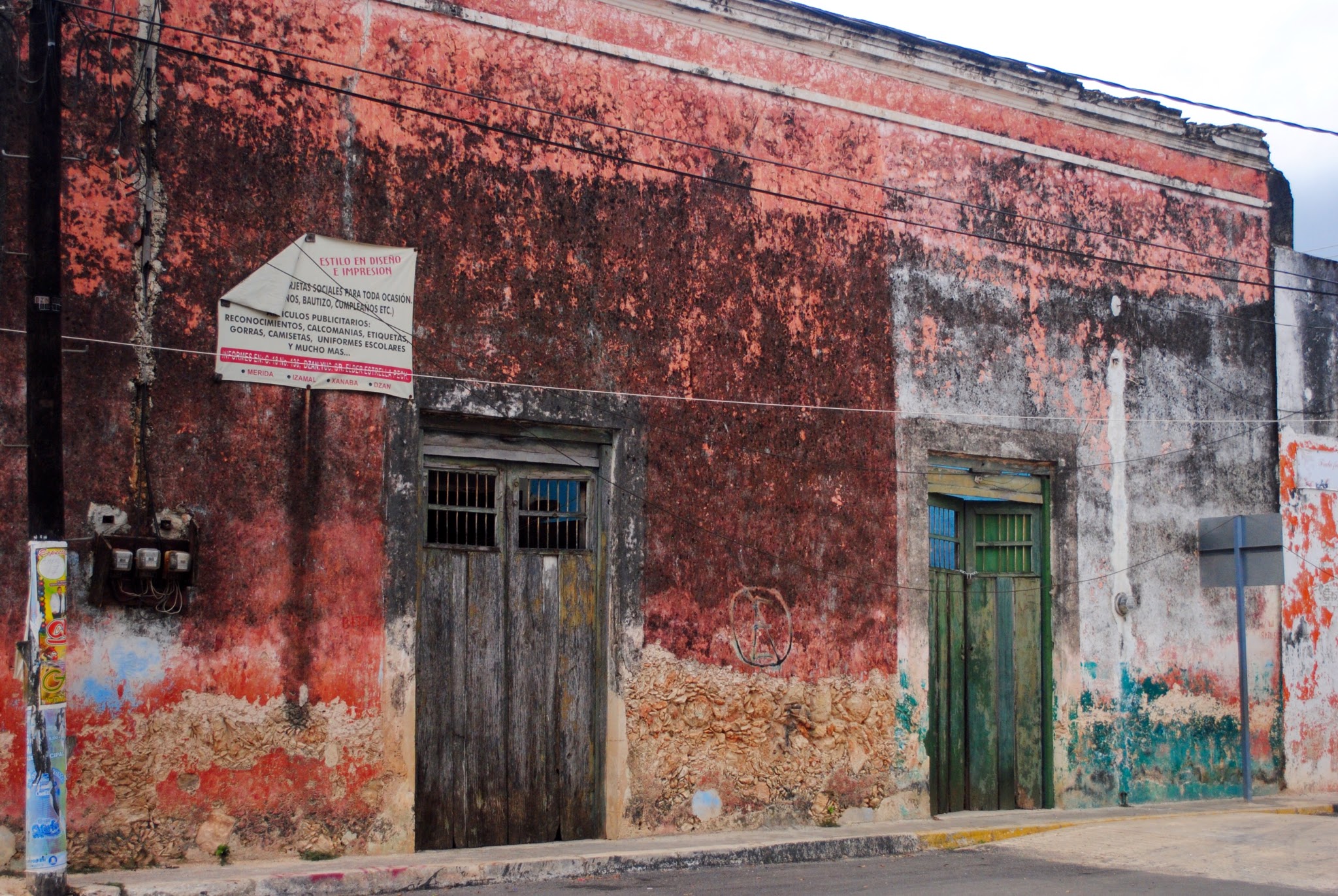
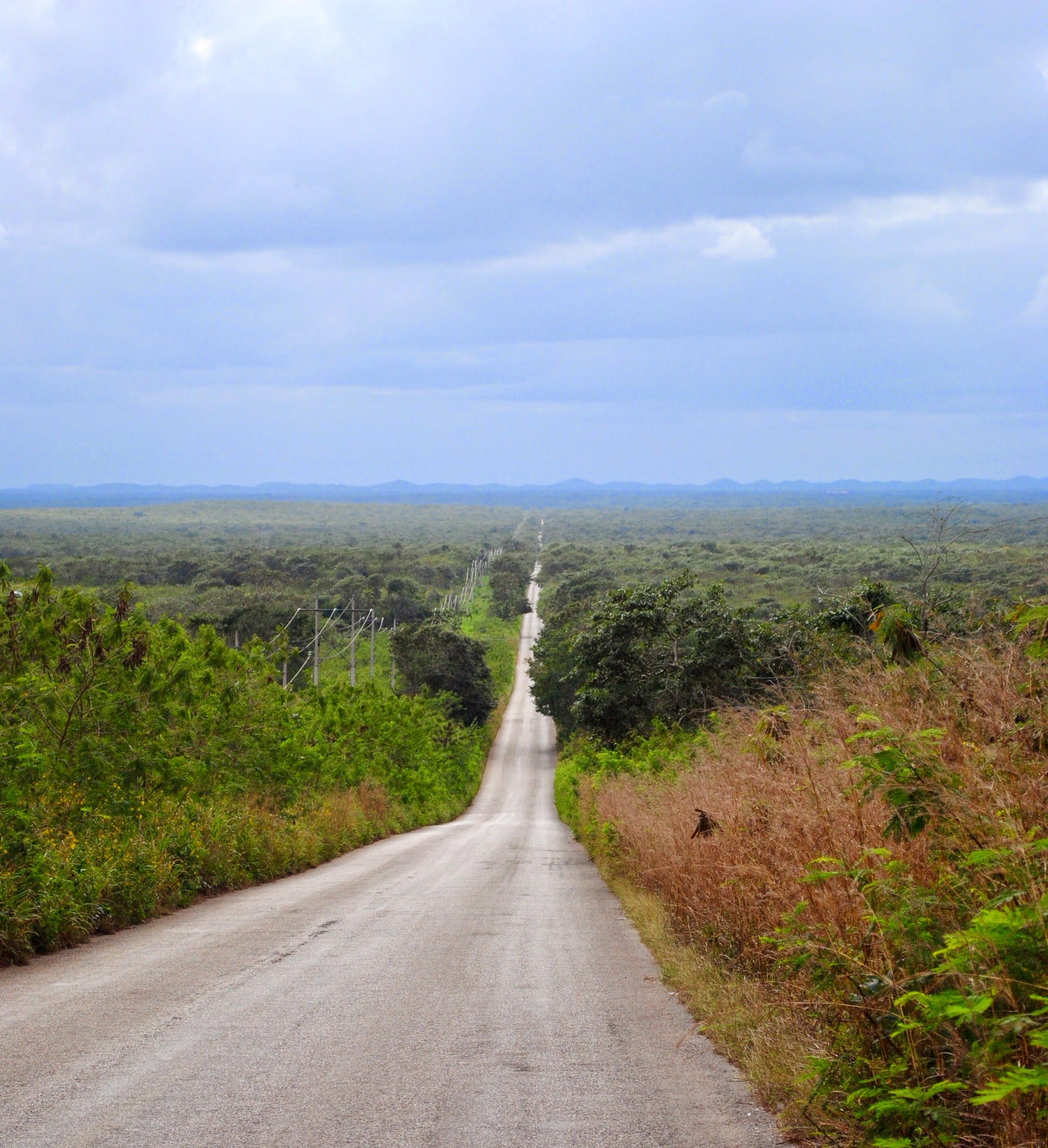
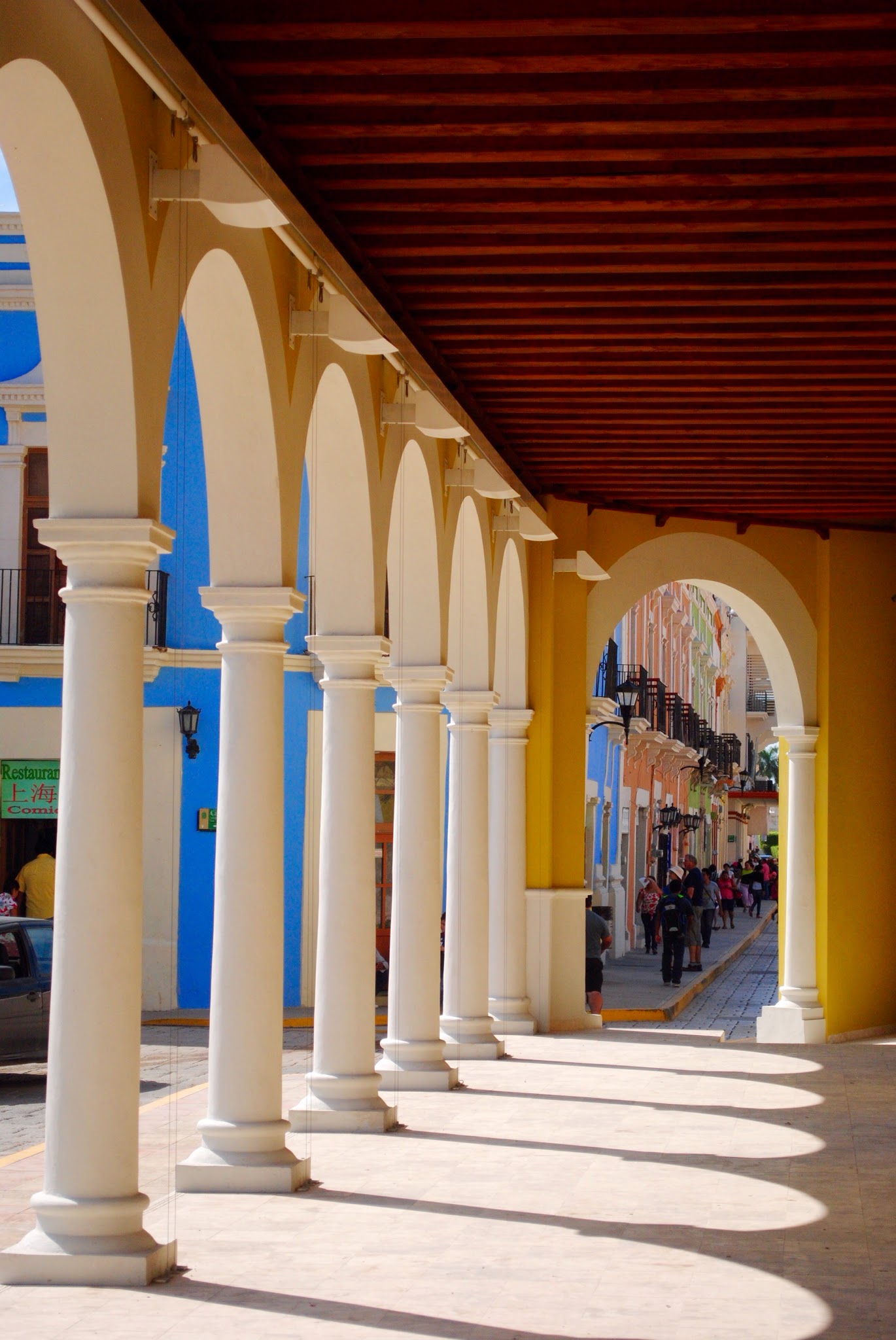
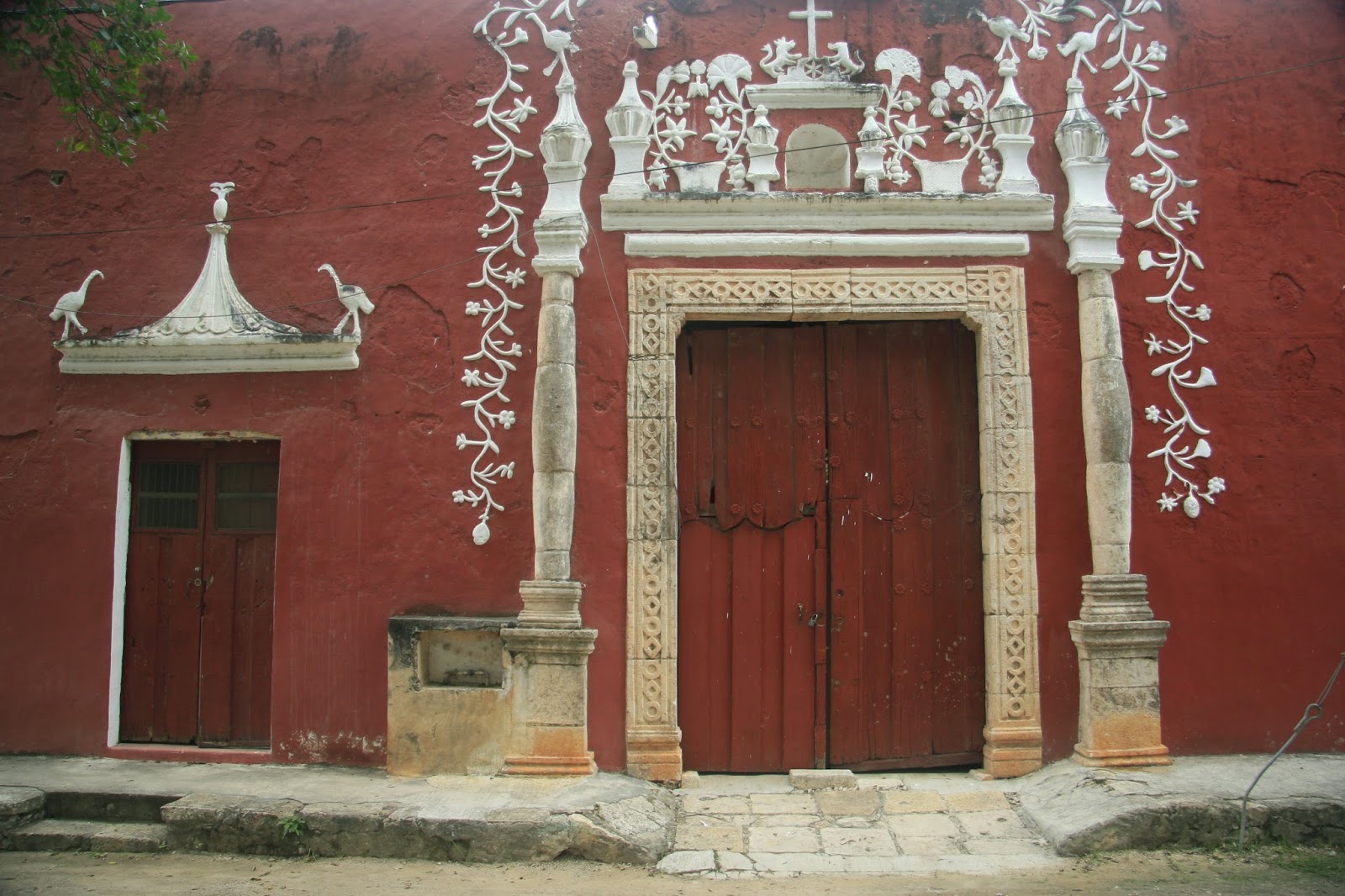
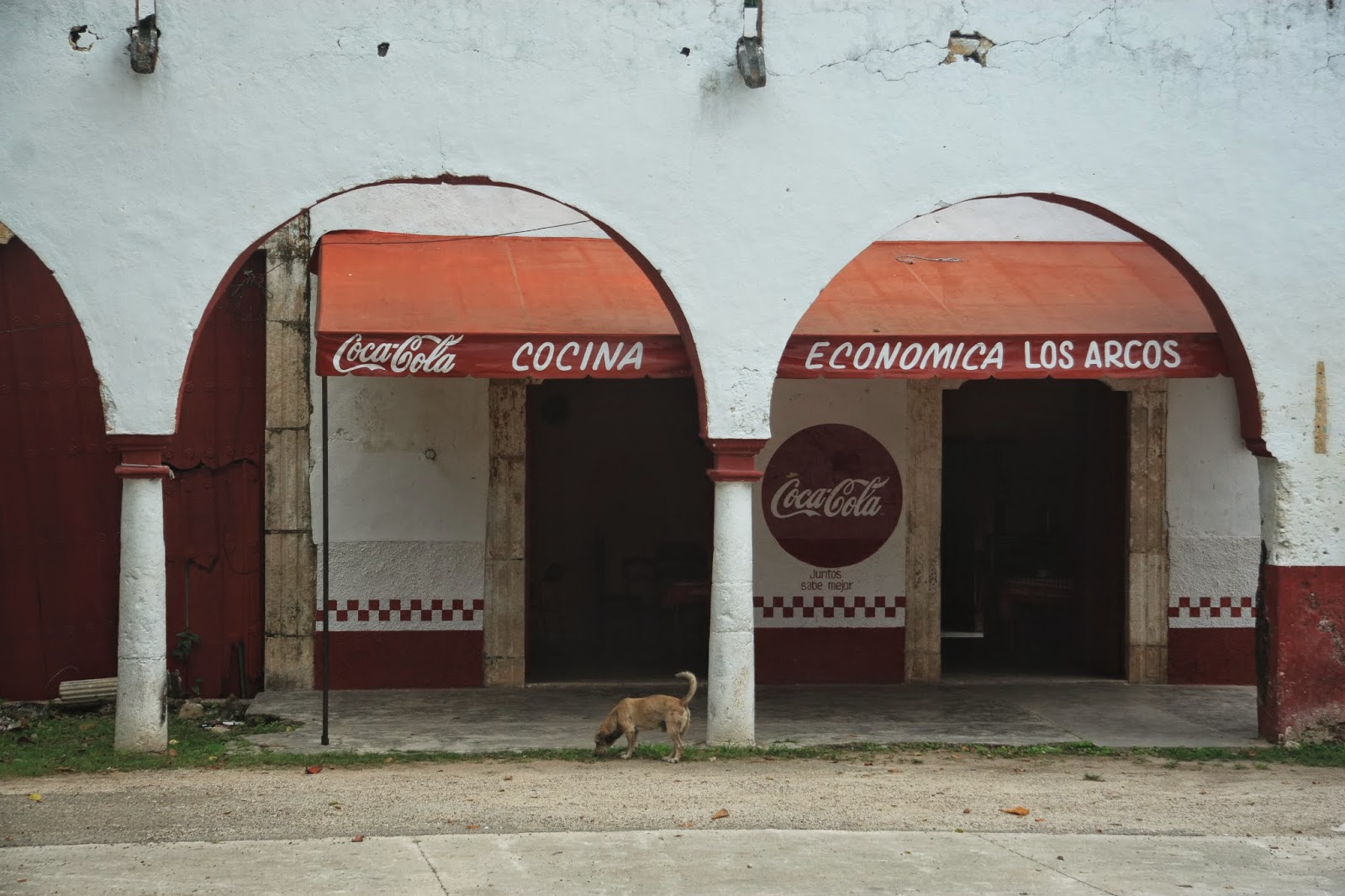
Celestun is a good two hour drive from Progreso and if done right takes a whole day. You can take a bus from Merida but since we had the rental car, we drove southwest from Merida through the pueblos of Uman and Kinchil. I love the pueblos. Although everyone of them has a main square with a park, a church, a commisario, schools and a commercial area they are decidedly unique and each one has a look that distinguishes it from the next.Sometimes it’s the colours, the state of the streets and buildings, sometimes it’s the people and sometimes it’s the church. In everyone of them, you will see people going about their business, children coming and going from school, teens playing soccer or basketball and if you drive through at night you will see the pueblos come to life with light, sound and people walking and visiting. Must not forget the peros, for the dogs are as much a part of the scenery as the people and on close observation appear to have purposeful pursuits just like their human counterparts. It is well worth stopping, parking and walking around the square in the pueblos, often you will be asked where you are from or you will find a unique little shop or a cafe with delicious Yucatano food that you might not otherwise have discovered. Of course any semblance of main road dissolves as you enter the pueblo and soon you are driving circles around the square looking for the way out of town as signage is sometimes at a minimum.

Main Square – Pueblo Convent  Photo by Thompsonclair

Pueblo Tiendas – Photo by Thompsonclair

Setting up the fair in a Pueblo – Photo by Thompsonclair

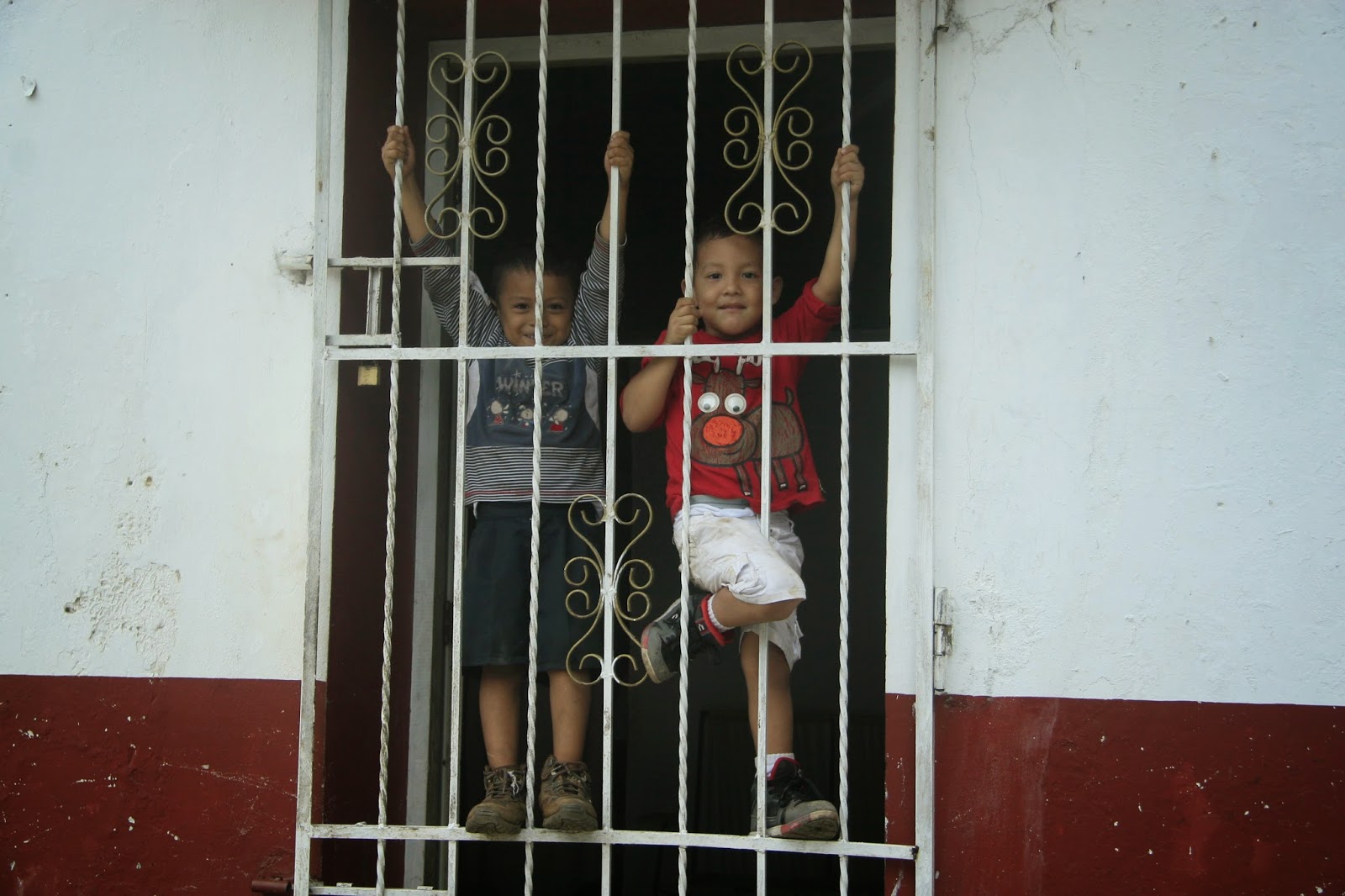
Climbing the walls – Photo by Thompsonclair

Schools Out in the Pueblo – Photo by Thompsonclair

Delivery truck in the Pueblo – Photo by Thompsonclair

Old Convent Walls in Pueblo – Photo by Thompsonclair

Every Pueblo has a Church – Photo by Thompsonclair
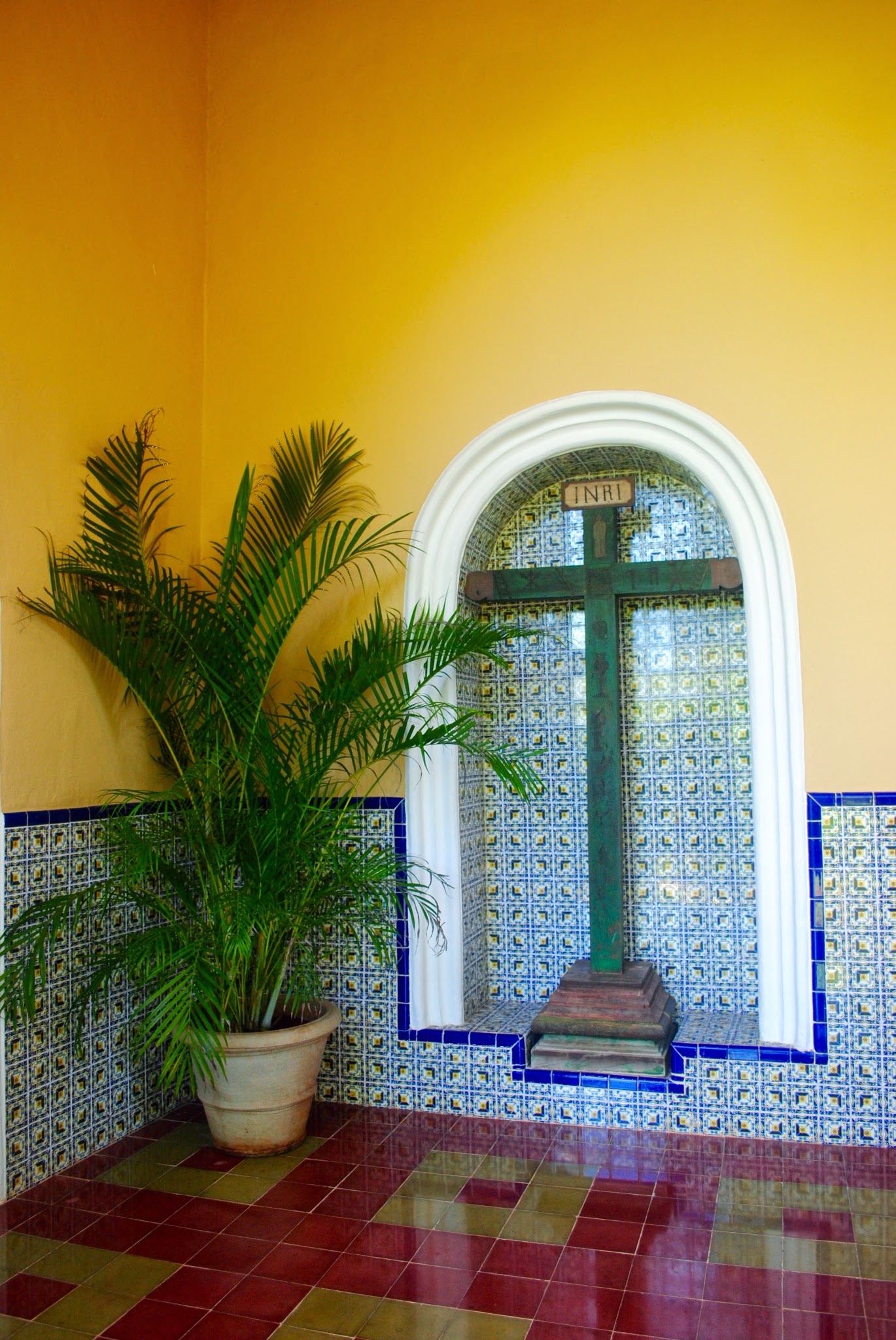
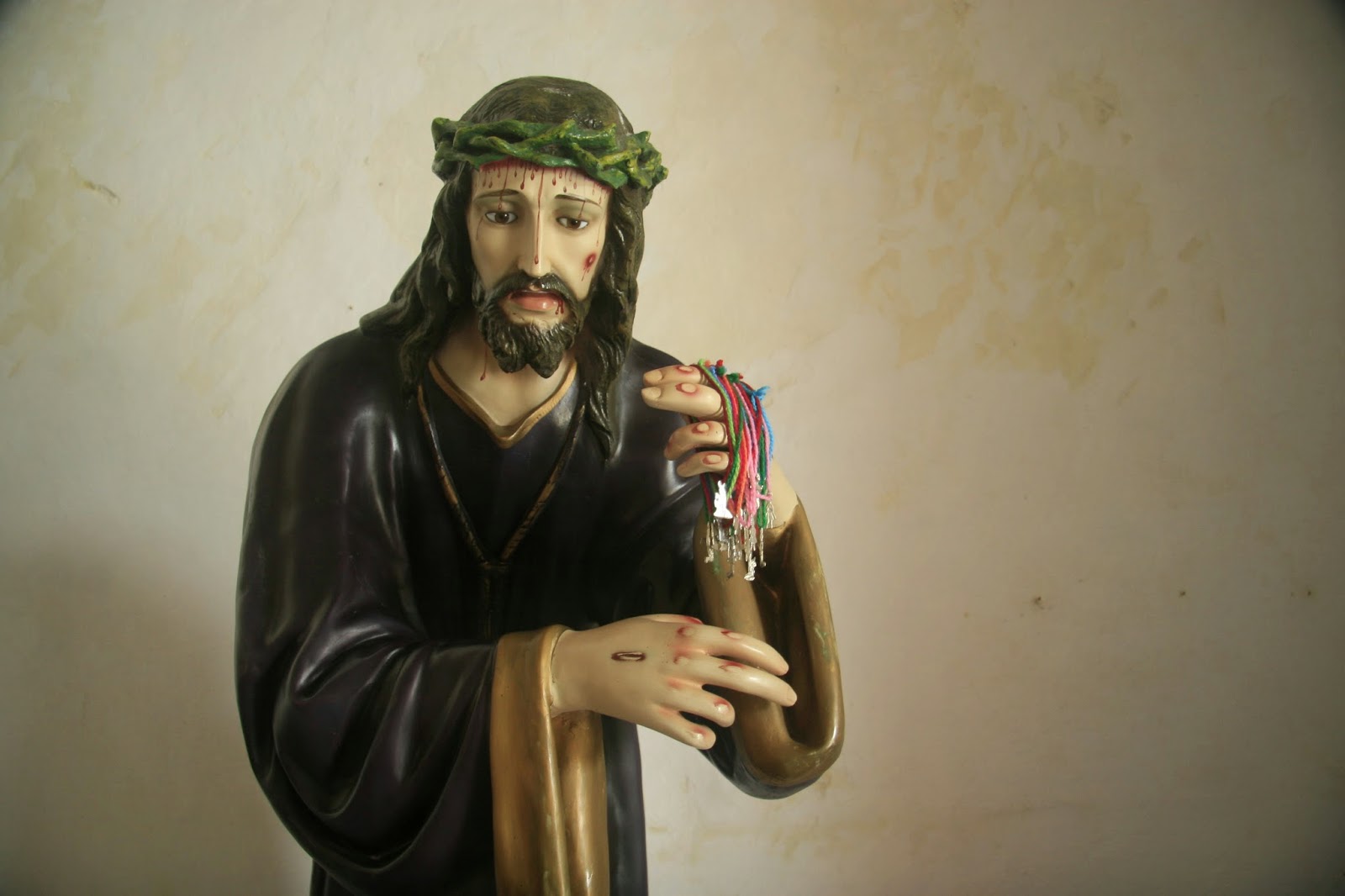
Every Church has a Jesus… – Photo by Thompsonclair

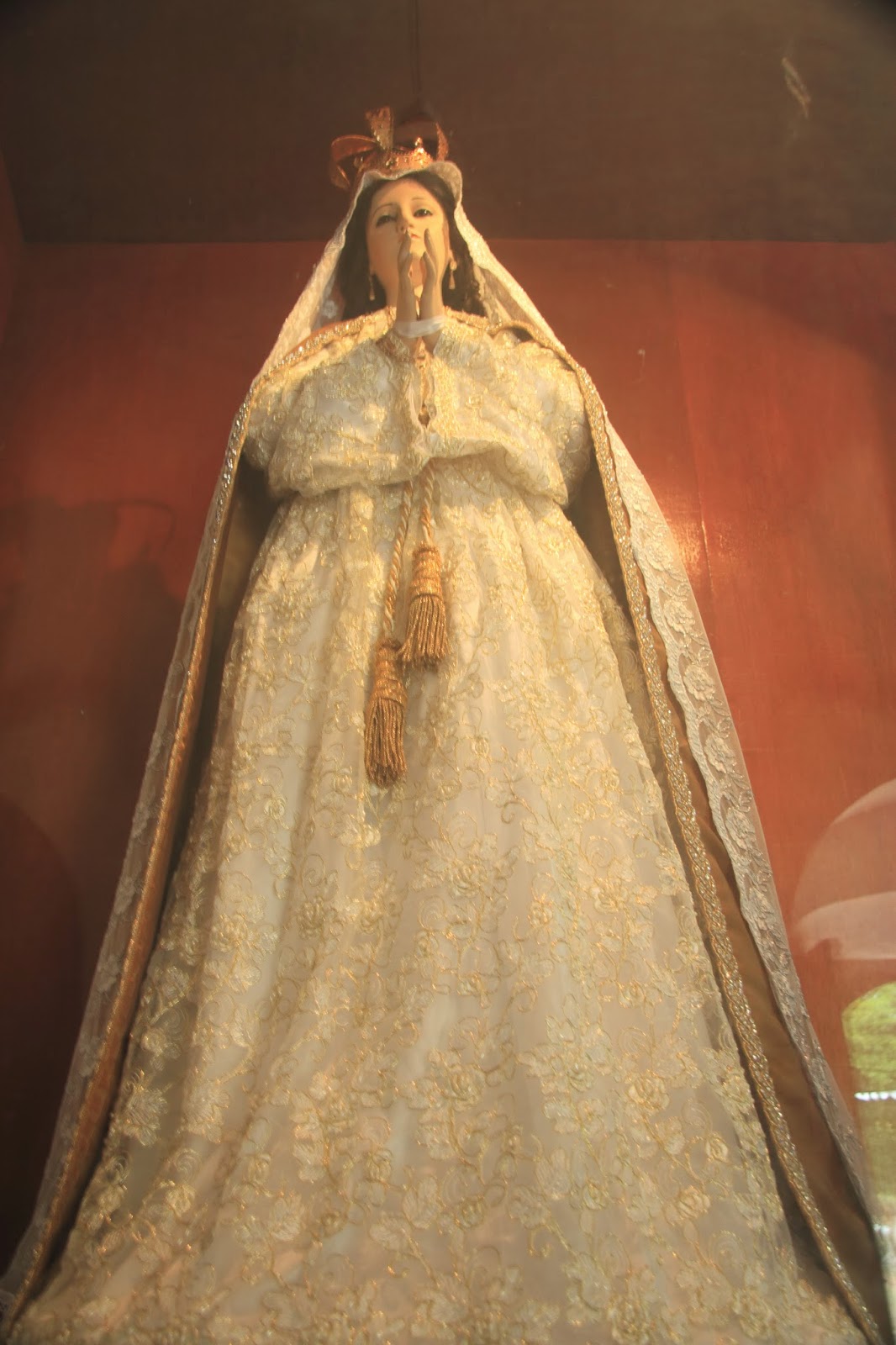
…And a Mary – Photo by Thompsonclair

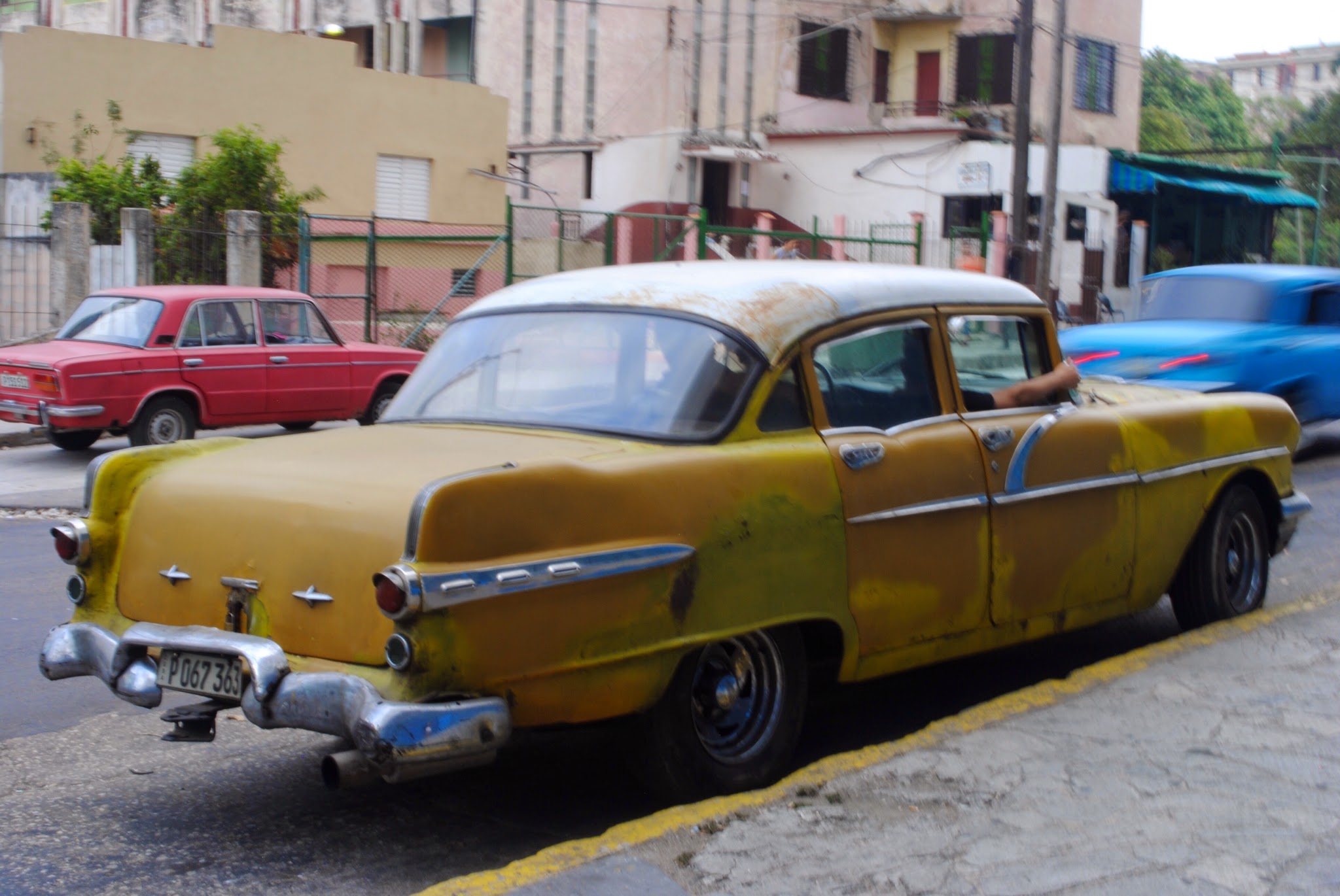
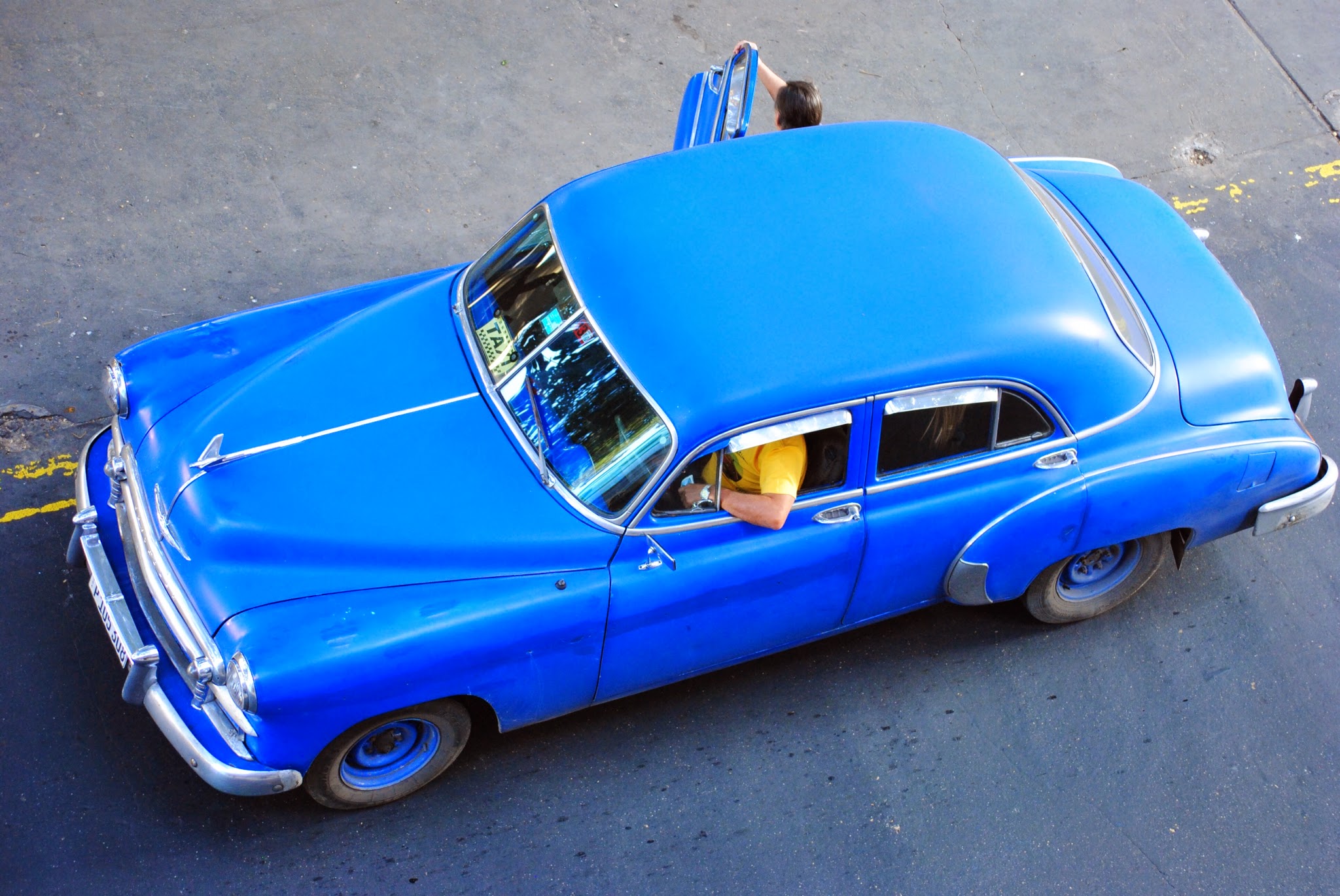
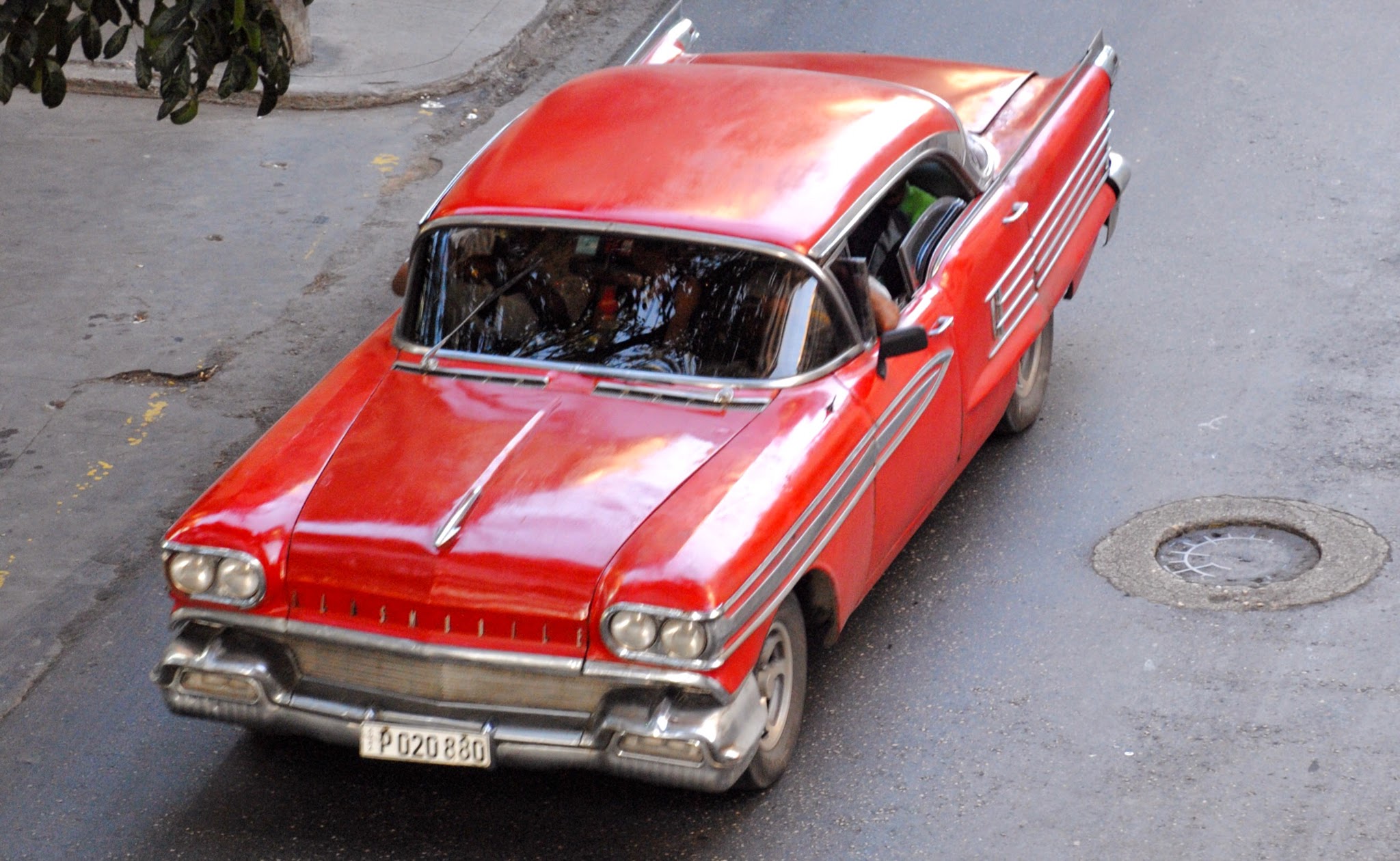
A Deluxe Taxi – Photo by Thompsonclair

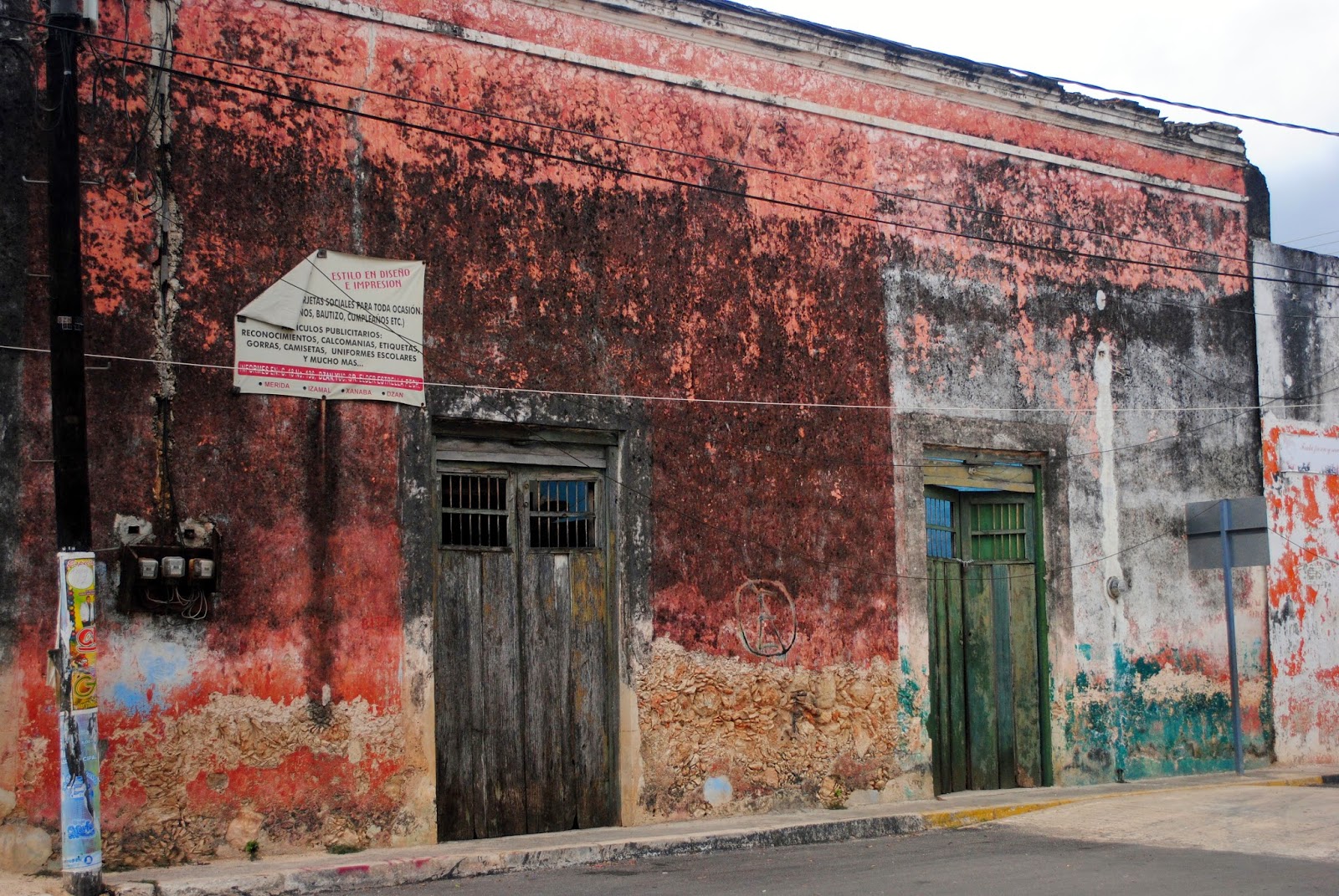
If the walls could talk


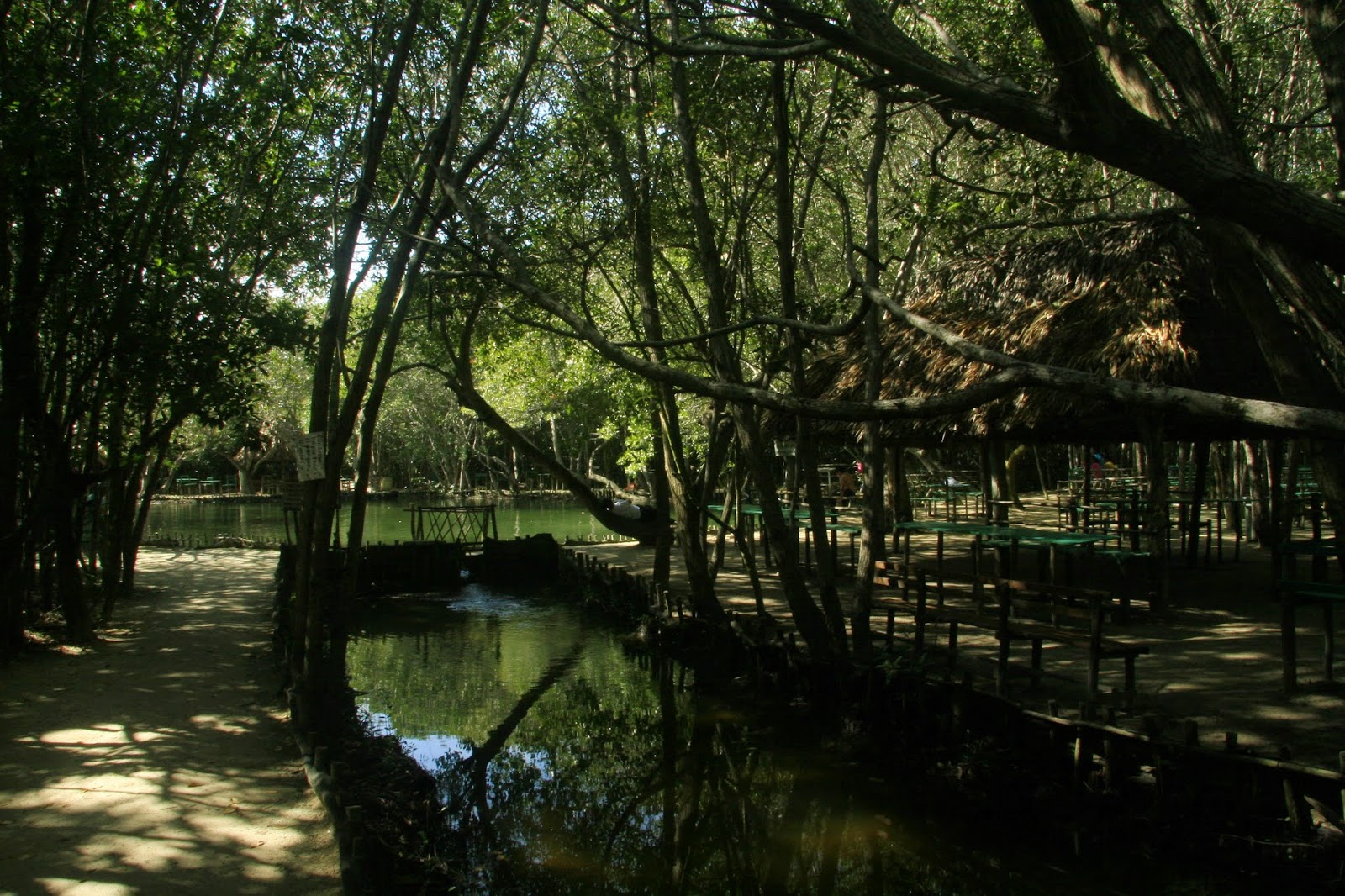
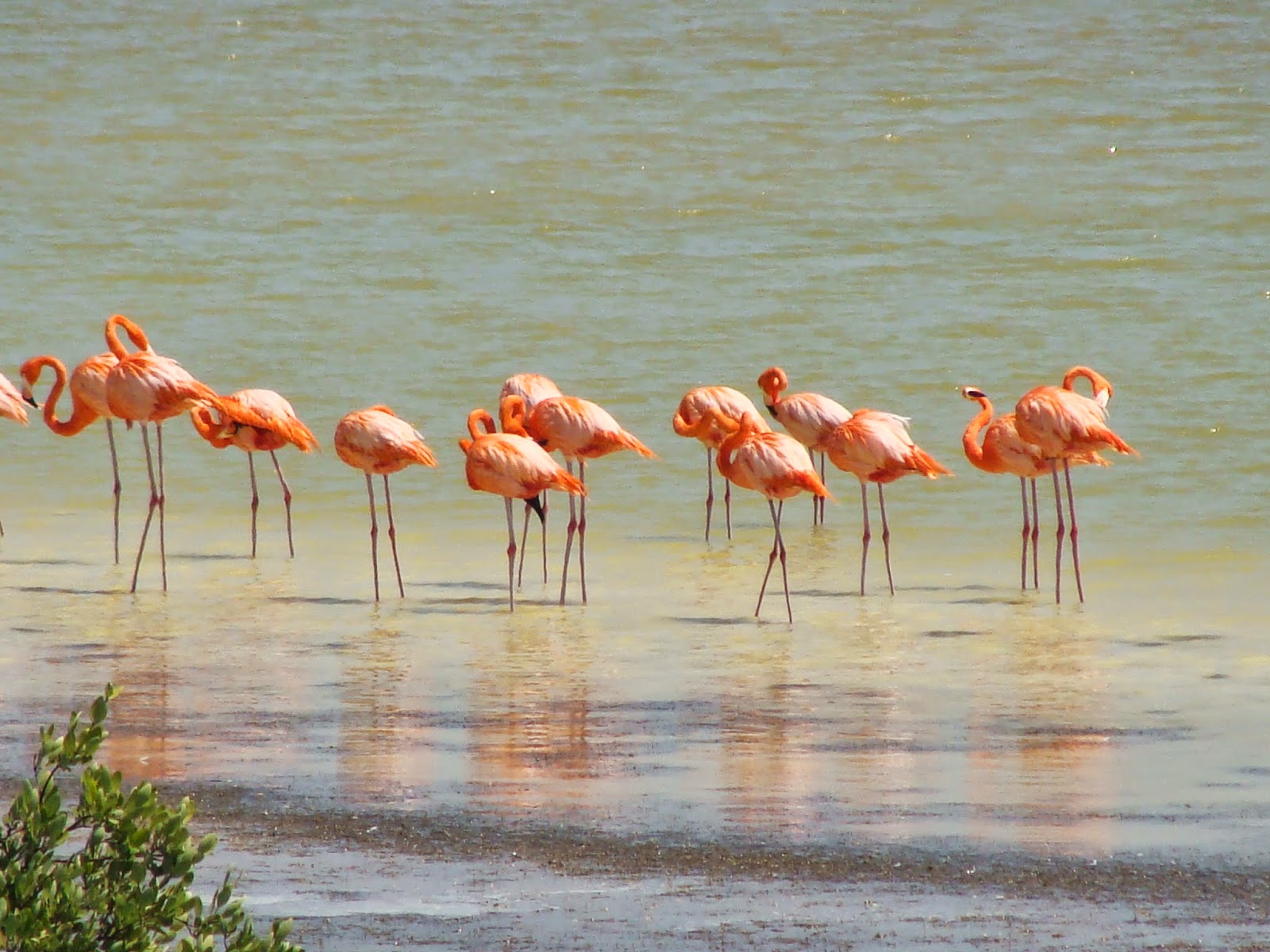
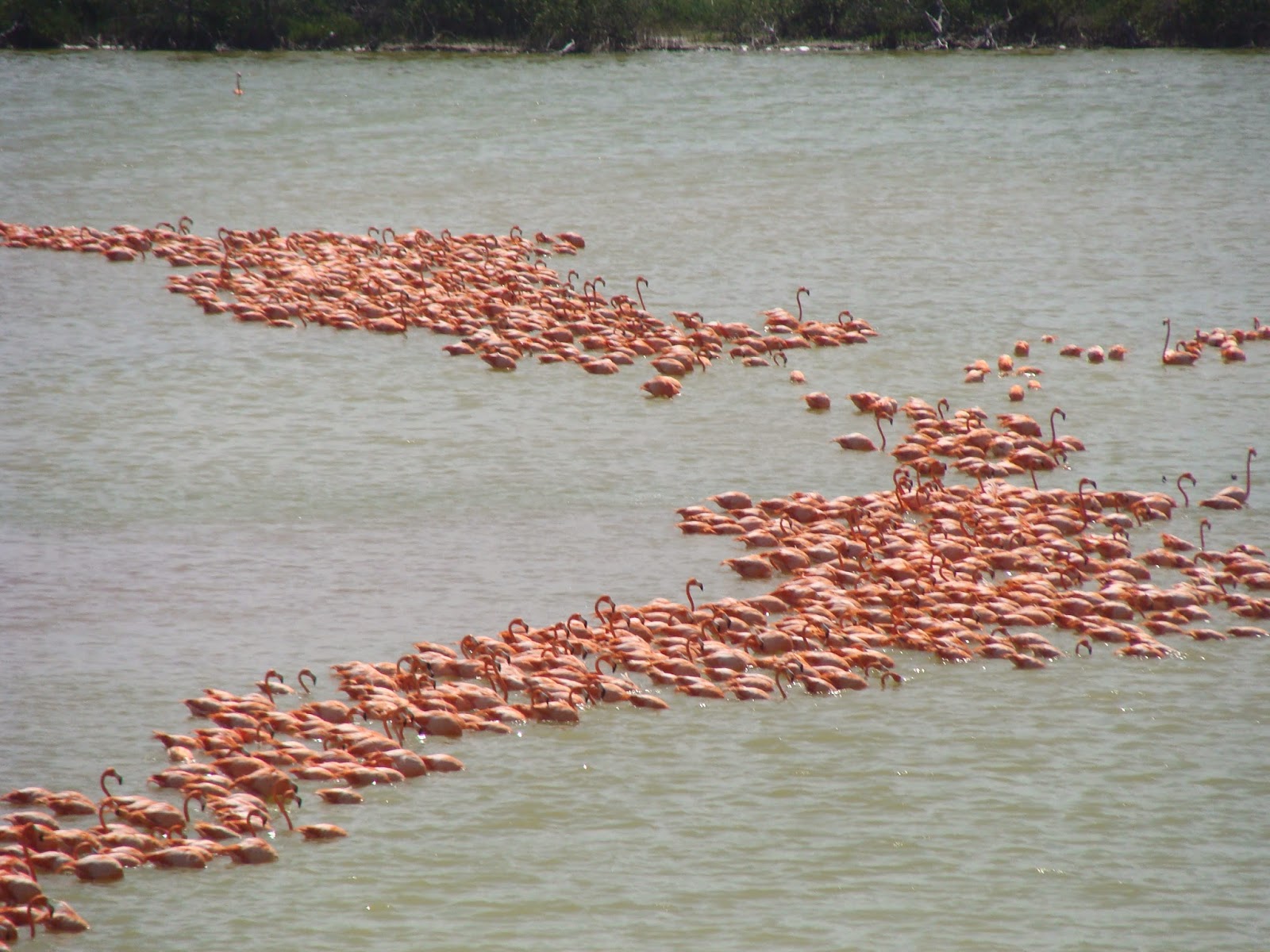
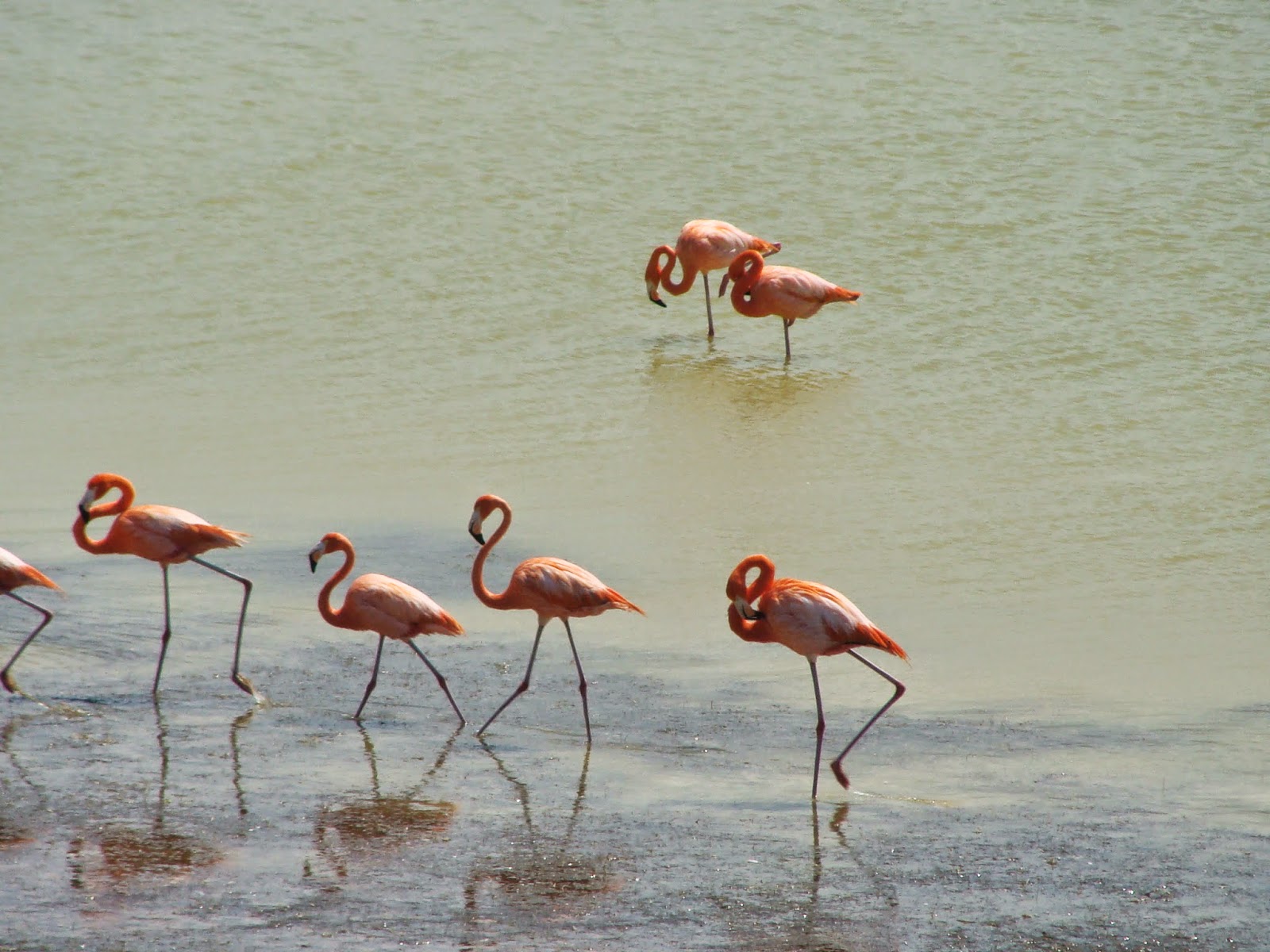
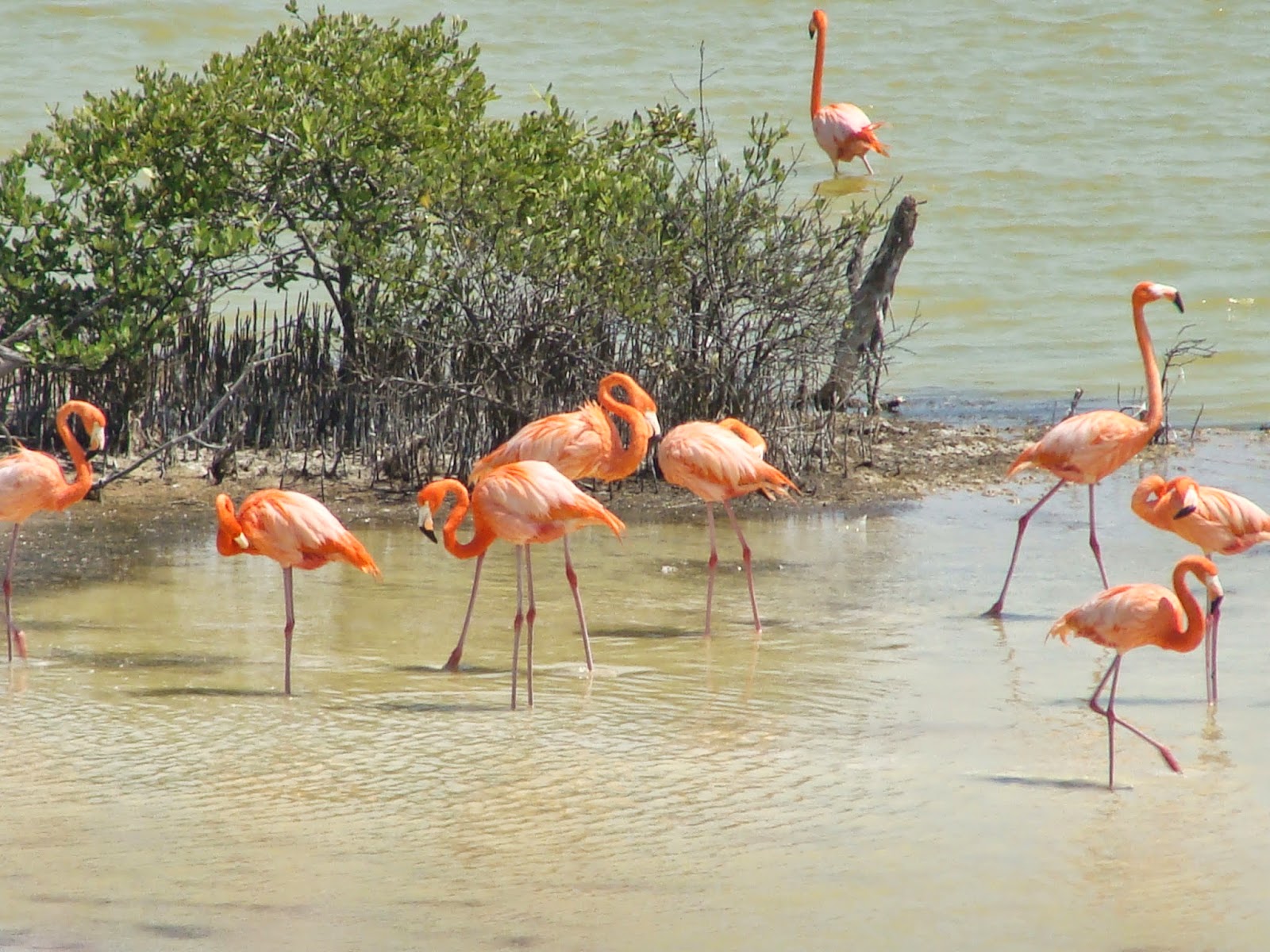
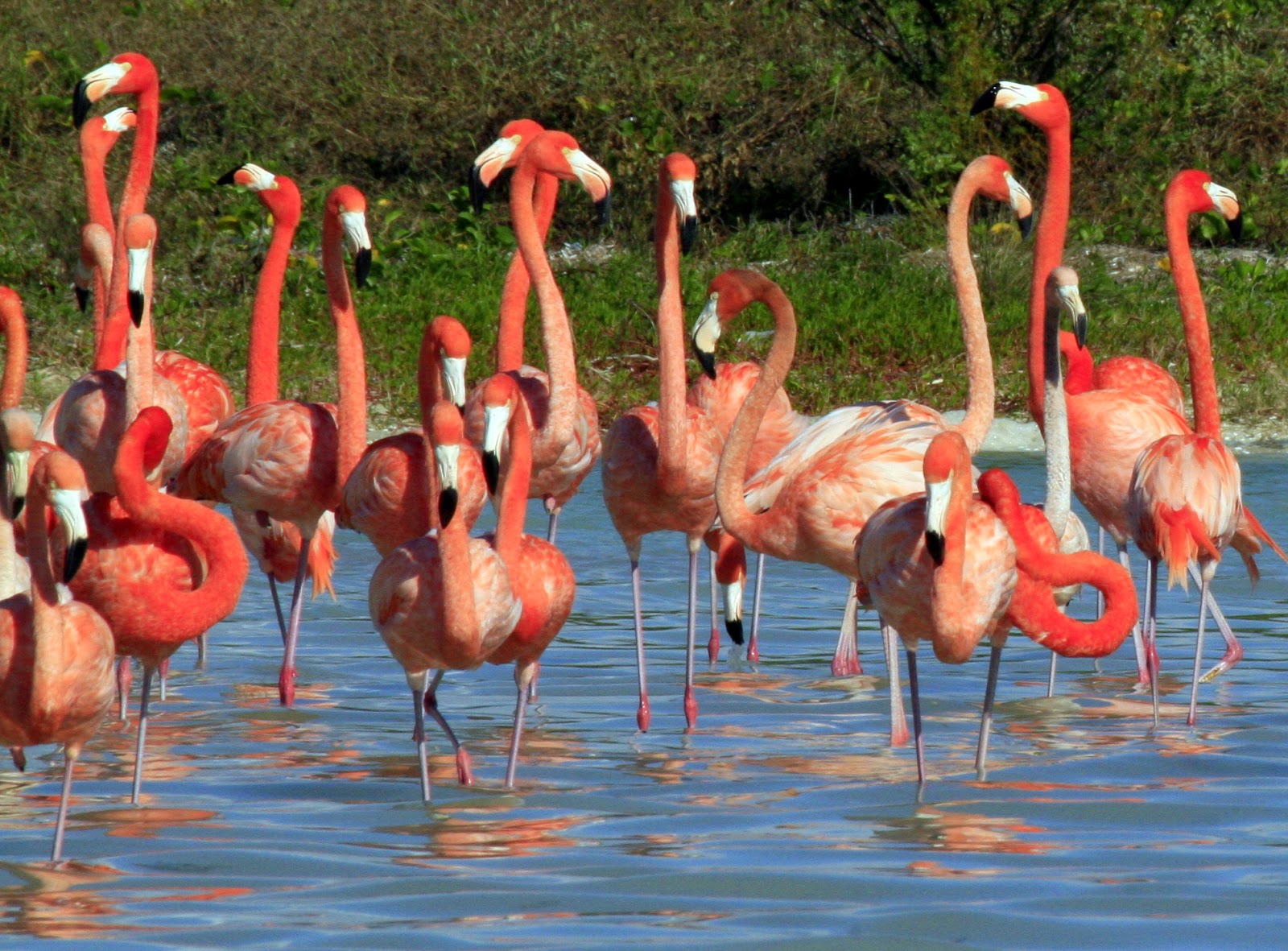
On to Celestun, slowed only by curiosity and the multitude of  topes (speed bumps) and what awaits when you arrive is worth any effort to get there. Celestun is in the Parque Natural Ria Celestun and is where you head for a really close up look at the flamingos as the park is a nesting grounds. When you drive into Celestun if is easy to find the beach where you can have lunch at a beach cafe and where you can find a boat to take you down the coast a ways and into the ria to visit the mangroves. The boat trip is not expensive if you wait to get to the beach in the main town and you are willing to go with five or six others to see the ria. 
Flamingos in Parque Natural Ria Celestun – Photo by Thompsonclair

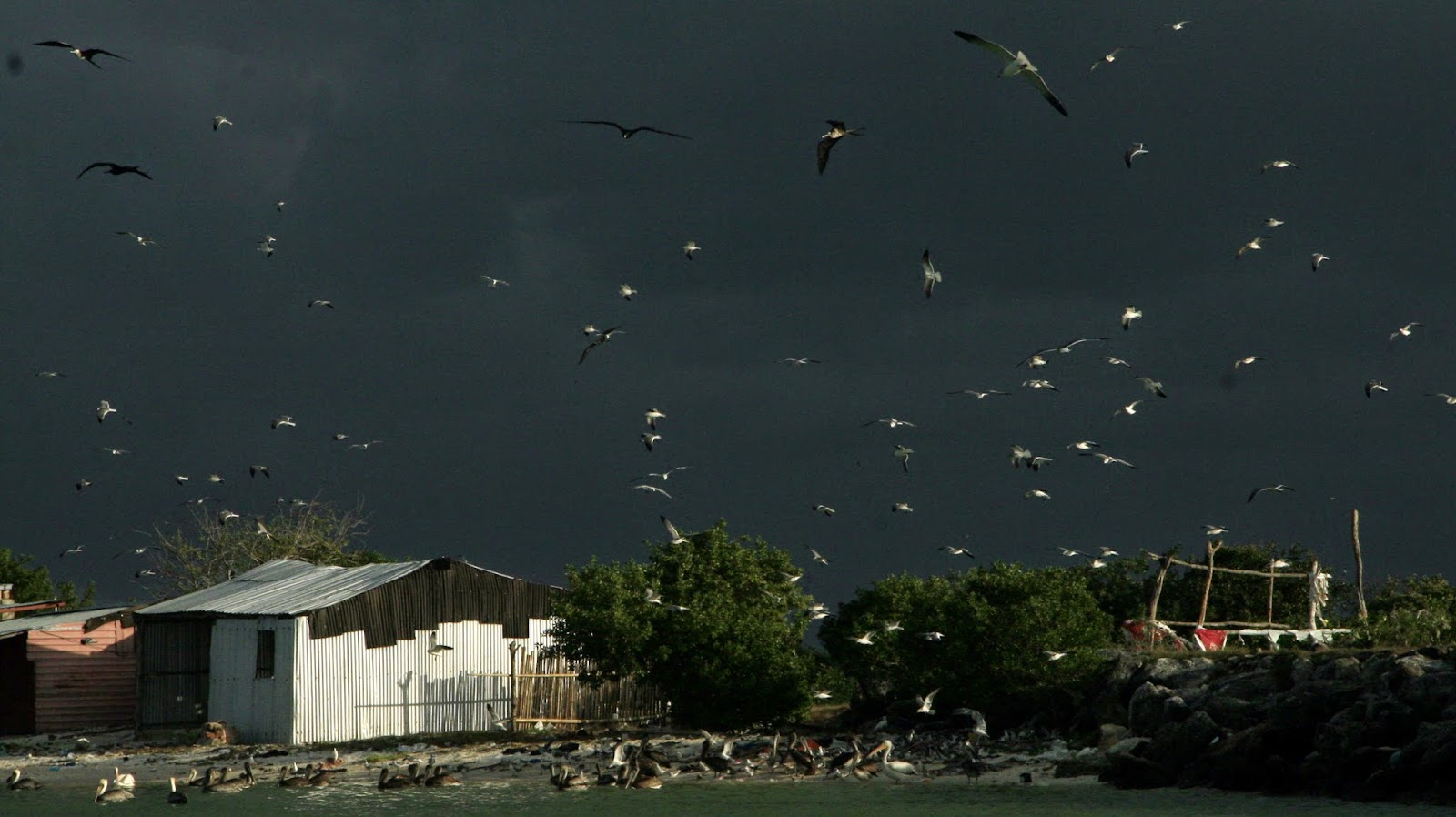
 Along the way bird life abounds so bird-lovers are going to like this trip. In addition to beautiful scenery and lots of birds we were lucky enough to see a crocodile, camouflaged and snuggled up against a mangrove tree. He hung about for some minutes before he decided to pay us any attention, even though we were feet away in the safety of the boat. When we finally did seep into his awareness he causally gave a look and slid away into the water.

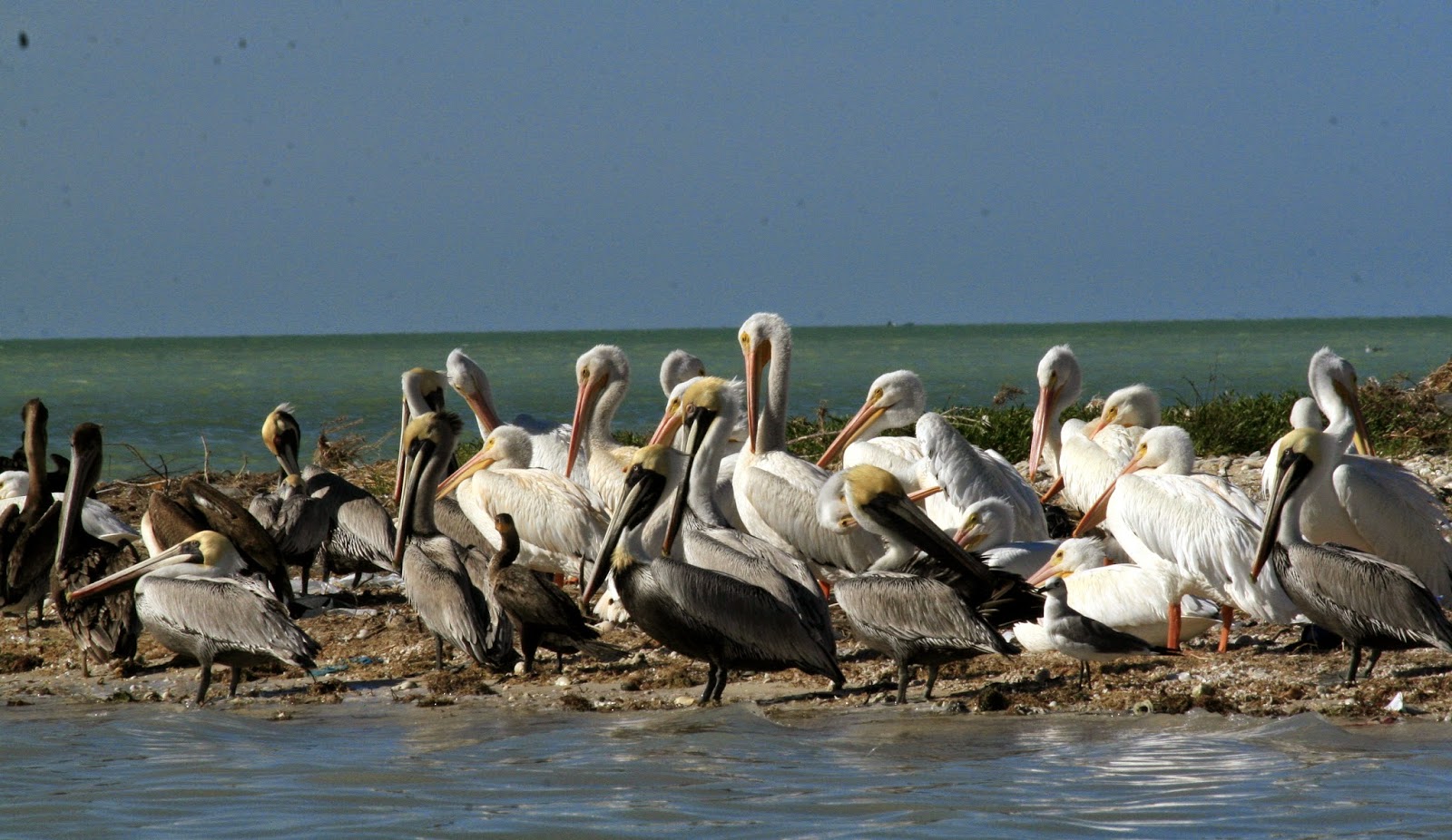
Pelicanos – Photo by Thompsonclair

Crocodile in Mangroves – Photo by Thompsonclair

Sliding Away – Photo by Thompsonclair

Celestun Shore – Photo by Thompsonclair

A Post for Everyone – Photo by Thompsonclair

Flamingos in Flight – Photo by Thompsonclair

Pink Reflections – Photo by Thompsonclair

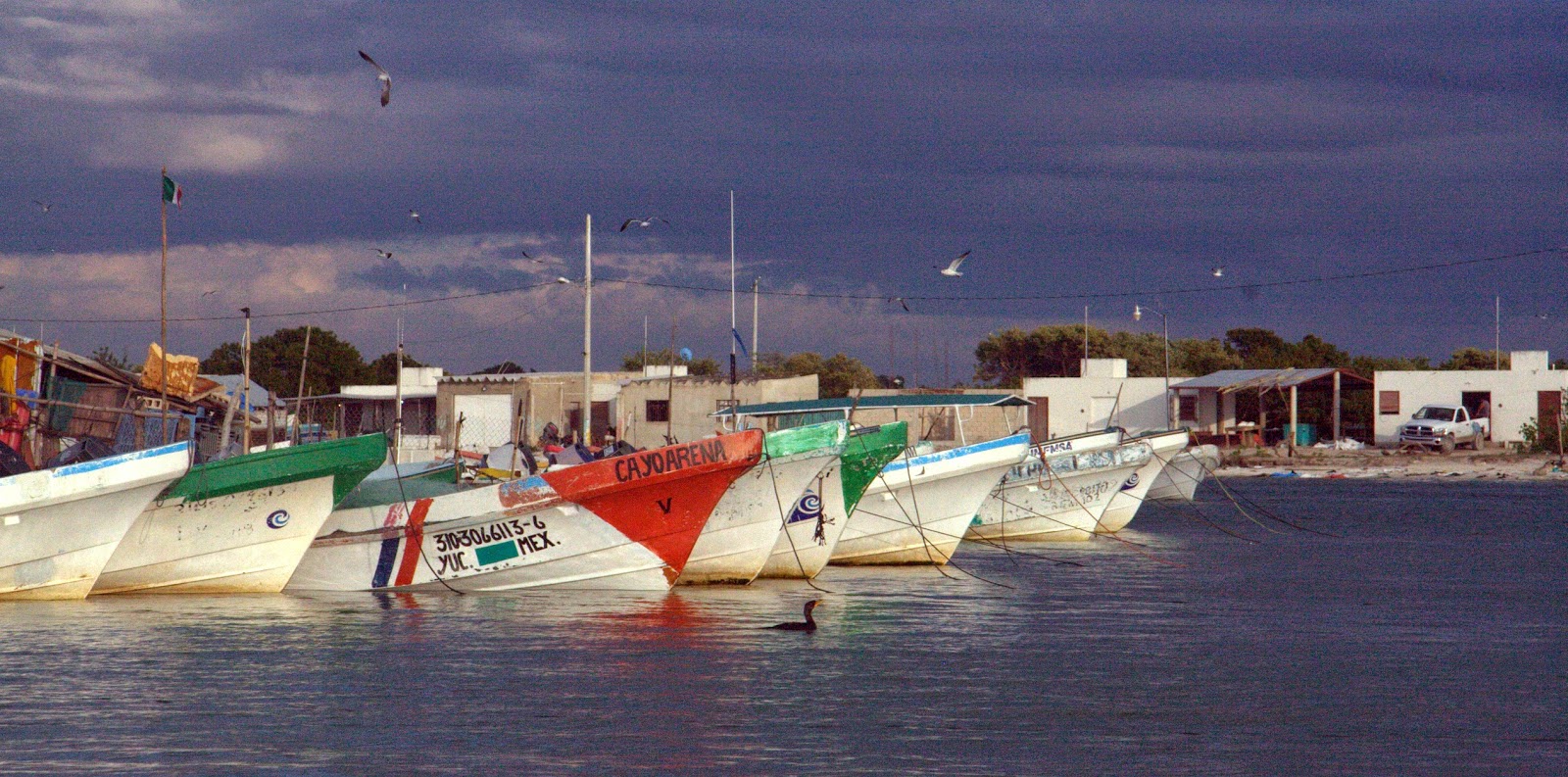
Boats of Celestun – Photo by Thompsonclair

Dutch Friends from Boat Trip – Photo by Thompsonclair

Although it was late in day before we left Celestun we wanted to see Sisal, the famous port from which the henequen rope was exported and the reason this rope made from the Yucca cactus, became known worldwide as Sisal. As each crate of Sisal left the port it was stamped with “Sisal” to indicate the name of the port, not the product within. Through more Pueblos and over more topes we made our way to Sisal with just enough time to have a cursory look at the Port of Sisal before the sun slid below the horizon.

Mexico – Yucatan: Christmas in Progresso

I can’t believe its Christmas Eve. Where has the month gone? Before I left and when I first arrived I believed I would have a full blown blog well in hand, but tech issues and distractions (fun) have kept me busy and thwarted my efforts. 


On the 17th, of December,  I rented a car and drove Hisako back to Cancun to catch her plane home and as luck would have it, Craig and Dawn arrived the same day so I picked them up and brought them back to Progreso. We are sharing the cost of a rental car for ten days so I have been adventurous and driven myself all around Merida when it’s my turn to have it. Yesterday I even went into El Centro to pick up a bracelet I was having restrung. Craig and Dawn need the car because they are busy working and attending appointments related to being owners of Casa sol Mar and I benefit in the off times. Often we share a meal and last night we had fresh caught grouper, grilled in butter and garlic and I made rice and a salad. Can’t beat that. All seafood is fresh here, caught daily and sold at the market along with prawns and shrimp galore. 

It has been great fun to watch Progreso don the festive season. Like Merida, Progreso is no slouch when it comes to decking the halls.I got caught up in the fervor and bought a fake tree at the local Bodega.

My $9:00 Bodega Tree


The stores, businesses and homes have great lights and decorations. An evening walk through the barrios to view the Christmas lights is especially fun and often there are quirky items that catch your eye. 


City Hall all Lit UP and Guarded

City Hall Goes All Out
High and Wide 

Pride of ownership brought this man outside to invite us on to his patio.
Private home

The ubiquitous Coca Cola Santa
Tree and Train in the Zocolo


Empty Creche in Nativity Scene…Waiting for the Baby Jesus

Christmas decorations are everywhere and always brightly colored and over-sized. Lots of creches, but no baby Jesus until tonight when he is scheduled to arrive all over the Yucatan, just like Santa Claus only more important. Night or day the town gets more festive as Christmas Day approaches.

This being Christmas Eve, today is the most important day of the season here in Progreso. My friends Luis Miguel and Alena have invited me to Luis Miguel’s grandmother’s house for Christmas Eve dinner. Dawn has warned me that it has the potential to go very late, sometimes til 3:00 or 4:00 in the morning. I will need a nap this afternoon if I am to stay awake. 

Dancing and Karaoke with Luis Miguel’s Grandma at the Mike
Texting and Tequilla


Tomorrow, Christmas Day, Dawn, Greg, Luis Miguel, Alena, the Texan in apartment #4 and I are having a turkey dinner with all the trimmings. I am in charge of vegetables and I scavenged the tiendas and the market have managed to amass all the requirements for Canadian traditional dishes. 


Mexico – Does Zumba Trump Aztec Dance?

Joining a yoga class turned out to be a good idea for many reasons, one of which was I met Jacque and Clinton owners of a B&B just around the corner and down the street from Casa Sol Mar. Last night at ten o’clock a bus load of Aztecs from Mexico City pulled up in front of the B&B, needing a place that could accommodate twenty nine. Fortunately there was room for everyone; grandparents, parents, children and several babies. Hammocks were strung, beds were crowded with occupants and soon all was quiet again in the house of Clinton and Jacque.

This morning, all 29 of the Aztec arose, by sheer number alone they took over Jacque and Clinton’s house, making breakfast and getting ready for the day. Travelling with groceries they tour about on a large bus that houses them and their regalia. As a dance troupe they look for opportunities to perform and this being the holiest of times in Mexico, the feast of the Virgin of Guadalupe, they are making a pilgrimage to Chichan Itza where they will perform their ancestral Aztec dances in the shadows of this Mayan ruin.


Clinton and Dancers
Hisako and Dancer
In gratitude to their hosts, the Troupe offered to perform a ceremonial dance in their honor. Dressing a dozen or more of their members in elaborate regalia was a spectacle in itself. Feathered Headdress, traditional costumes, rattles, smudge pots, drums and a stream of dancers entered and exited the bus in preparation for a grand procession. The yellow/red blaze of the Oxxo convenience store lighting the pavement where the assembly gathered. Once dressed, blessed and ready to go the procession wound it’s way down the street and around the corner toward the beach.

                                                                                            Ceremony at the beach

At the beach, in the light of the moon, several ceremonies of thanks and praise took place. There were many similarities to West Coast regalia; rattles, smudging, communal spirit and celebration. Rattles, made of large round seed pods in huge clusters and filled with gravel adorned the dancers ankles. Their ceremonial dress was a familiar mix of traditional materials, feather, beads etc. and modern acetates in brilliant reds and blues. As prearranged with the local police, the parade wound its way off the beach and up the street to the Park de Paz only to find a Zumba class in full swing. Not to be thwarted the Aztecs wound around the back of the Park behind the Zumba class, set up their drums and proceeded to dance with great joy and vigor for several hours.
Let the Dancing Begin

Invited to join the circle of dancers was an honor, with so few of us being the recipients of this grand gesture. The dim streetlights of Progreso softened and back-lit the dancers as they stepped, whirled and changed direction as one. Smoke from the smudge pots wafted around the dancers who later told us that they do all the fundraising for their cultural trips themselves, many of them working at “day jobs” but intent on staying connected to their culture. Unannounced to the locals, the presence of the dancers from Mexico City soon drew a crowd; families of three or more on scooters, cars filled with people on the way home from outings, and the casual passerby on foot and soon we had an audience. One of the greatest gifts of travel are the unexpected events this being one of them.
Mexico – A Day in Merida – Shaping up to be a beautiful Christmas

Although Progreso is home and there is much to do, it is nice to have a day in the colonial city of Merida, particularly as Christmas is approaching and the city is decorated for the festivities, of which there are many. From December 16th, with the Posadas, through to January 6th, Three Kings Day, the Christmas season offers processions, parties, pastorelas, family gatherings with food and gifts, religious commemorations, more food and more parties. 

The capital of the Yucatan, Merida, is home to nearly a million people. It is a large sprawling place with a growing number of barrios. The colonial city of Merida was founded by the Spanish on the site of a large Maya city known as T’ho. Spanish conquistadors tore down the Mayan pyramids and used the rock to build the Cathedral de San Ildefonso (1561-1599), it is the oldest cathedral on the American continent. The Palacio de Gobierno (1892) houses murals that illustrate the violent and bloody history of the colonizers. 

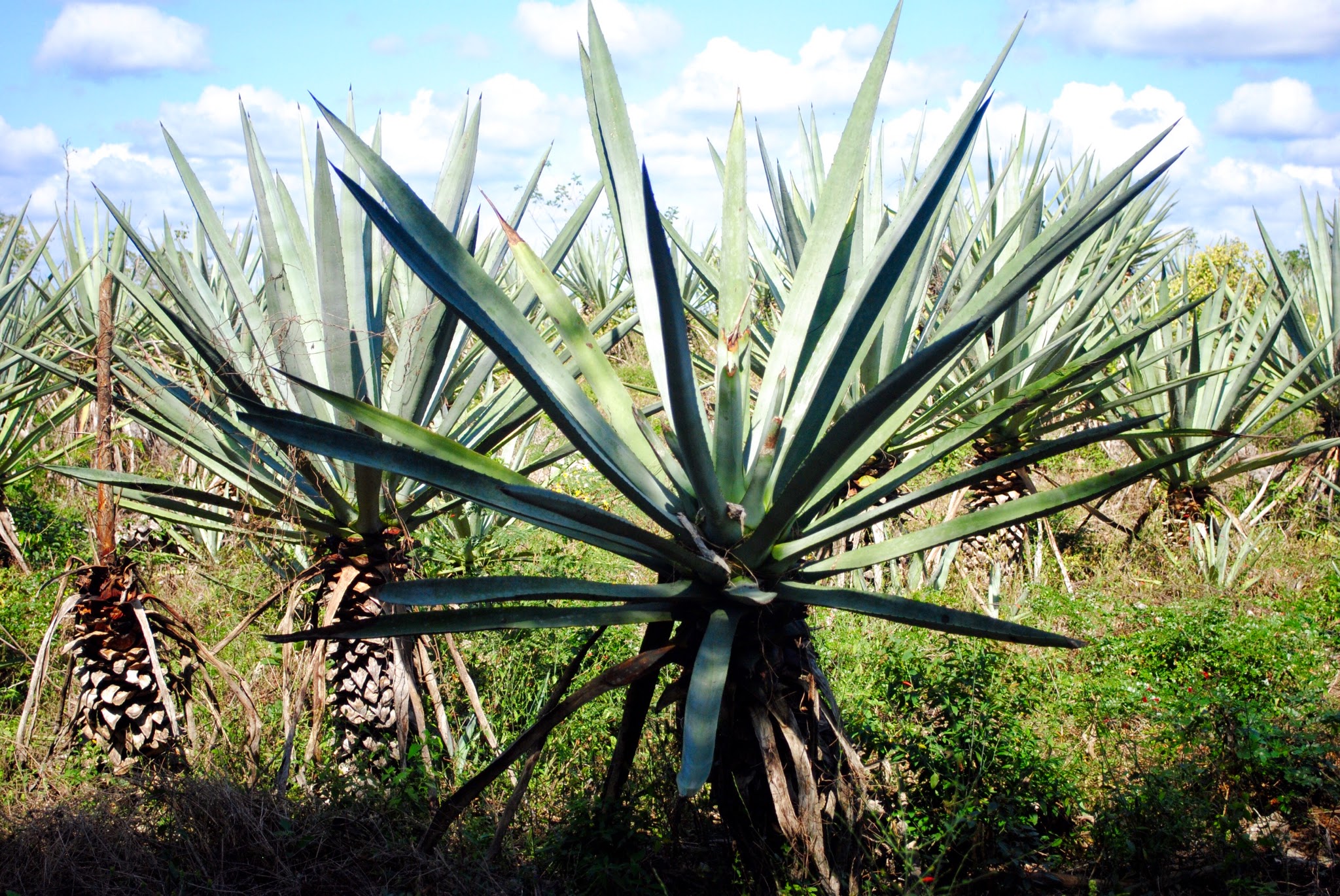
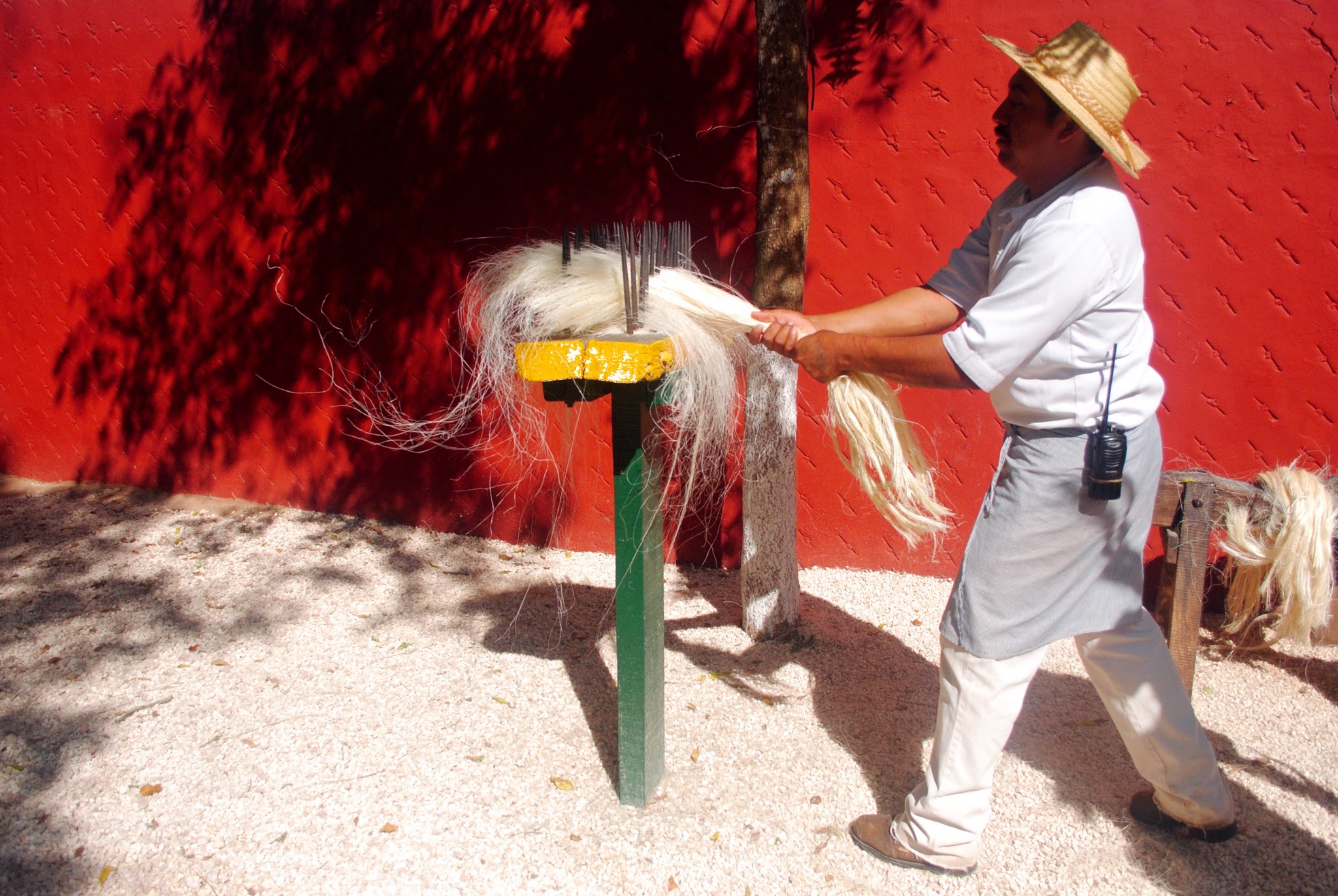
Today, El Centro, the historical zone can be seen on foot and features some of the most impressive parks, squares and municipal buildings from the late 1800’s and early 1900’s. Before the invention of nylon the Yucatan was the worlds most prominent supplier of Henequen rope, particularly to the shipping industry. Although the rope was made on haciendas from the yucca cactus, it was shipped around the world from the Ports of Sisal and later Progreso. Since the name of the port was stamped on all the shipping crates the rope became known throughout the world as sisal. If you are from the prairies you might remember it as binder twine. The export of sisal created great wealth for a number of families who came to call Paseo de Montejo and the surrounding area home.

University in Merida reflects Moorish styles brought here by the Spanish
Dancing in the streets to live music in front of the Palacio Municipal (1735)
Colonial style buildings…beautiful by light
Catedral de San Ildefonso (1561-1599) Oldest cathedral on the American Continent. Made from a Mayan pyramid!
Palacio de Gobierno (1892)

Paseo de Montejo, is a testament to the prosperity at the turn of the twentieth century. This grand avenue, named after the Spanish Conquistador who claimed the Yucatan for Spain, is reminiscent of the Champs Elysee. Running several blocks towards the center of town, with prominent monuments at either end, it features wide tree lined boulevards giving access to the mansions built by the wealthy henequen hacienda owners. Today these large Casas are home to banks and corporations. Many have been maintained and retain their historic exteriors while others are ramshackle and have as yet to be restored. Families no longer able to afford the homes and the lifestyle that accompanied them were forced to sell or even abandon them. Today, the avenida is lined with restaurants serving foreign and local cuisine. They are scattered among high end shops the most interesting of which is a three story import store crammed with a unique assembly of housewares including everything from full size wooden giraffes to a host of kitschy home decor items. 

Purple!

Kitschy home furnishings shop on Paseo de Montejo
Paseo de Montejo
Fiesta Americana Hotel on Paseo de Montejo
Fiesta Americana home of Avis Rental Car, my favorite.
Walking the length of the Paseo de Montejo from the Fiesta Americana Hotel is a good way to start the day in Merida. The hotel itself is worth a visit with its high atrium lobby and quality artisanal tourist shops, selling locally made arts and craft along with traditional clothing and foods.
Hisako in a “kissing chair” on the Paseo
A carriage ride in Merida makes a great birthday present.
Once out on the Paseo de Montejo it is clear from the beautiful mansions that the families who built them and lived in them were from the privileged class. Many of them sent their children to Europe, and to France in particular to be educated. The Beaux Artes style, originating in France, can be seen along the Pasejo.

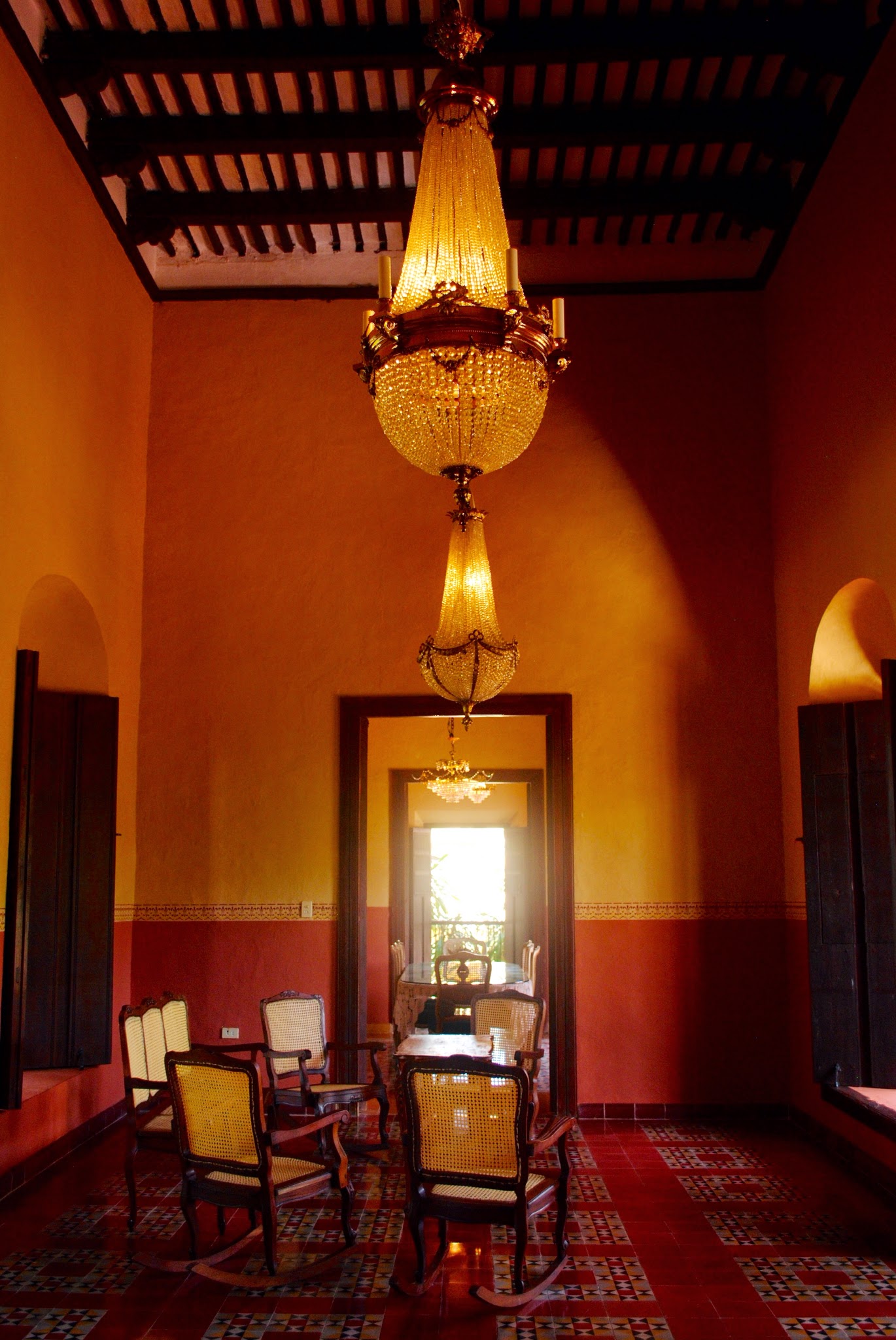
The Casa Museo Montes Molina is open to the public and offers English language tours that tell about the family that built the home and the family that bought it and still own it today. The owner is an elderly woman who lives in Mexico City but who still visits the house and takes up residence while in Merida. The house is a spectacular example of how the wealthy lived and the price of the tours provide some income for the maintenance of the house. In the rear garden is a large covered pavilion and this is rented out for weddings and fiestas. The house is furnished with expensive European style pieces and has an impressive collection of Tiffany glass. In the basement live two aging servants who receive room and board until they pass away. No longer able to work, they live a simple life and prefer to remain where they have lived and worked for decades over returning to their pueblos.

Merida is easy to get around in by foot or on public bus and there are many sights to see but seeing everything lit up for Christmas makes me fall in love with the place all over again.

Mexico – Yucatan – Return to Progreso

Arriving in Merida is like coming home. Even the four hour bus journey from Cancun is fun when you know how to buy a ticket and you manage to reserve the two front seats. A short walk from the Merida ADO station is the Progreso Autobus but if the walk proves a little daunting and your luggage is rocking and reeling on the rough pavement, it is not unusual to be offered a helping hand by a kindly Yucatano. The Progreso bus will take you on the last 45 minutes of the journey from Nanaimo.
Auto Progreso bus runs every half hour or so between Merida & Progreso

Where to go once you are off the bus in Progreso is easy when this is your third year to spend time at Casa Sol Mar. Dawn and Craig, friends from Gabriola Island, are part owners in this five unit, self-catering apartment building located a block from the beach. It is in an ideal home away from home to enjoy the palm filled views of the Gulf of Mexico. Joining the locals on the sandy beach and in the rolling waves, watching the fishermen come and go in their blue and white boats and studying the fast changing shapes of the clouds on the horizons quickly become favorite pastimes.

Enjoying the view a favorite pastime
A rescue course for “Salvavidas”
Along the Malecon
In the shade of a palm

Sunday lunch with a serenade
Botana carts, snacks for beach goers
Yucaticans love a family outing to the beach especially on Sunday

Boats of Progreso
Public Fishing Pier
Bread & Butter for lots of Yucaticans

Progreso, generally a busy but laid back little city of 54,000 inhabitants, increases its pulse when the cruise ships are “in” or the Meridanos and other Nationals are here to escape the summer heat, or to celebrate Christmas and Easter in their beach homes. Progreso is not a destination for the all-inclusive crowd which allows it to remain a truly Mexican town. You are far more likely to be living in a neighborhood, speaking Spanish with the locals, and if you’re lucky, being invited to their homes.

Five short blocks from the Casa Sol Mar is El Centro. Jostling the crowds on Calle 80,the main commercial street, is where you find the necessary supplies to set up house. Small shops, the public market, the San Francisco de Asis Supermercado and other assorted tiendas provide all the requirements.
Calle 80 the main commercial street in Progreso
Progreso Light House
Watch repair kiosk

An unusually lengthy and shallow limestone shelf defines the Gulf of Mexico at Progreso and only flat bottomed boats, like those used by the fishers, make it to shore. From 1936 to 1947, a Danish company was contracted to take up the challenge of building a pier that would allow larger ships access to the Yucatan. In modern times, the pier was extended to woo in the cruise ships that, when docked, appear in miniature at the end of its long reach.


The old pier’s graying arches repeat a graceful pattern as far as the eye can see. Contrasting prettily with the azure blue of the shallow waters the pier is closed to the public, open only to authorized vehicles carrying stores or cruise ship passengers back and forth along its reach.

Once a major port, complete with its own lighthouse, Progreso has always been a crucial link to the world and the city itself was established to create a port that was closer to the capital of Merida than the Port of Sisal. At the height of the henequen (rope made from cactus) export era in the late 1800’s, Progreso took its place in the import export business and eventually became the major international shipping port that it is today.

The aging pier is a reminder of past glory days and has long served it’s purpose. Last year the President of Mexico visited Progreso and announced that a new 4.5 mile long pier will be built alongside old one.
Progreso Pier can be seen from space


New pier is slowing working its way toward the beach with the help of cranes and barges
Out of sight is the end of the pier

The first few days of a two month stay are spent getting reacquainted with Casa Sol Mar, the neighborhood and friends made in previous years. Deciding what goes where and listing what is missing and vital to my apartment are followed by shopping trips for staples, all of which add up to be the best refresher for rusty Spanish. Getting good deals in the fruit and vegetable market and finding the essentials often takes a few days and several stores, large and small. However, getting set up is the best excuse for eating out more than is budget wise or healthy but also renews friendships with local waiters, and brings you up to speed on local gossip and events.

Vicente a favorite waiter at Flamingos
Shoe Store on Main Street

Progreso Market You Want it We Got

Having my friend Hisako along for the first two weeks has been especially great because Casa Sol Mar is empty at the moment. We are the only occupants and have the pool and the communal kitchen to ourselves; but that is due to change in mid December with the arrival of Dawn and Craig. Shortly thereafter all suites will be occupied, some with renters who come every year and some who are new to Casa Sol Mar.

People in Progreso are mainly of Mayan ancestry and are warm, polite and kind. They don’t seem to mind the crush of cold weather refugees that arrive from northern climes during what are their winter months. Nora, Casa Sol Mars overseer, has been very generous, sharing her family, flan and Spanish lessons. She is a beautiful soul.

Nora and Jade
Nora’s sister and her children
Nora’s niece
Sisters
Youngest Sister
Jade with her cousins
Auntie Stella with a hammock made by Nora’s family

Becoming more common is the number of Canadians choosing to make the Yucatan their home year round. The expat community and the number of foreign owned homes is increasingly noticeable and the community is tied together by social events and Internet newsletters etc. Some find employment doing odd jobs, creating products or providing a service. Certainly not all of them are retirees and even young families move here to expose their children to a new language and culture. The Canadian children across the street attend a local school and in their first year here have surpassed their parents in learning Spanish. A young Canadian woman, Alena Poupa has become a friend. She and her Yucatican partner, Luis Miguel Palma have started Viajes Anahuac a travel agency across the road. Booking flights from Merida to Cuba and Columbia will be made that much easier with their assistance.

If you’re really lucky Luis Miguel and Alena will take you to a soccer game.
Tour bus for cruise ship passengers
The Malecon a great place to walk

So Progreso it is for the months of December and January. A welcome routine of walking, shopping, learning Spanish and exploring the beautiful Yucatan is about to resume. I hope you will join me on my adventures as I spend the next five months living and learning in Latin America.