I love to travel, solo or together with friends. I’m writing this blog in part to remind myself of where I’ve been and what I’ve enjoyed about this wonderful world of ours, and in part I hope to help other travellers by sharing my experiences. I’m happy to be contacted for further information and appreciate your following my blog.
Santa Fe is well worth the visit. It has literally miles of museums and galleries.
Surprisingly quick trip from Nanaimo BC to New Mexico. Spent most of my travel time in airports and the least amount of time in the air. It’s only about 3 hours to Denver Colorado from Vancouver and an hour more to Albuquerque.
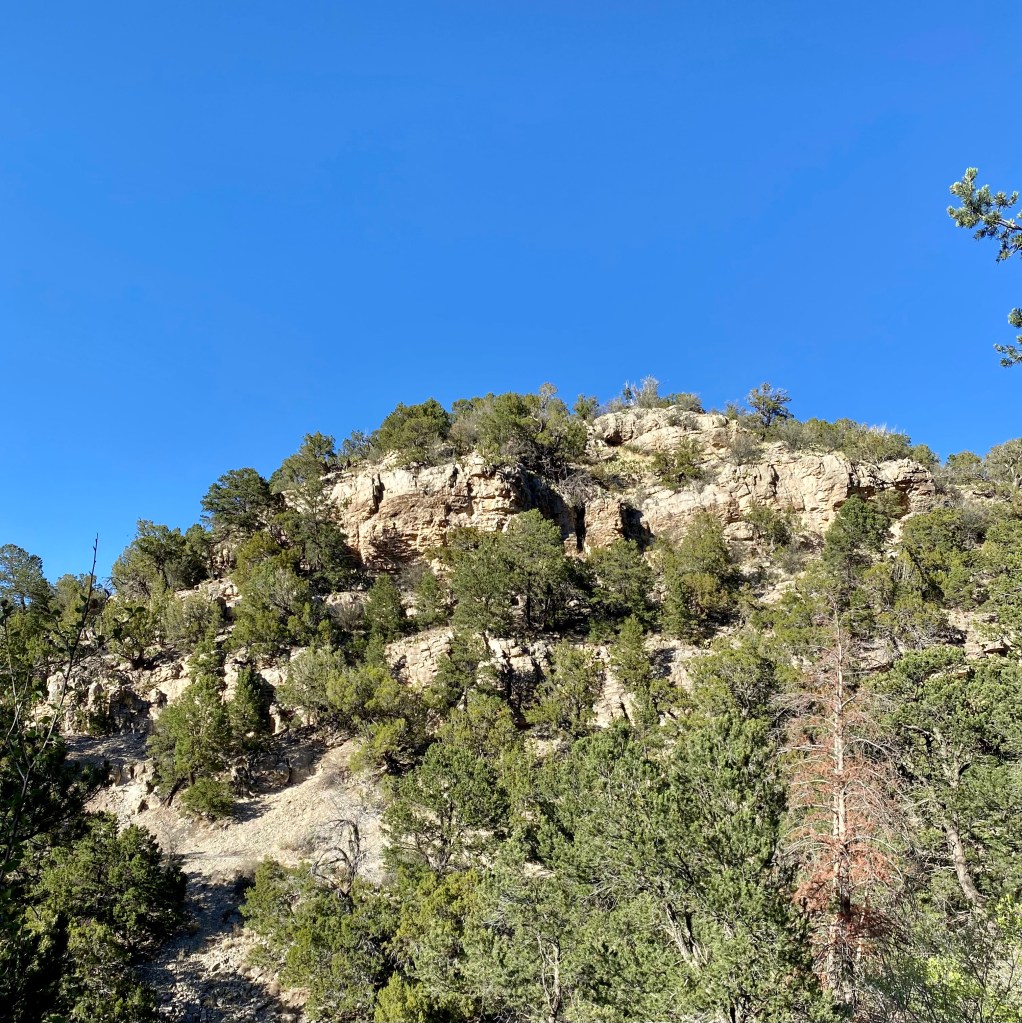
My first stop on the way to Santa Fe was Placitas, a rural town about 40 minutes north of Albuquerque. I stayed on an acreage surrounded by hills and mountains, dotted with juniper and aspen trees. The background is mainly brown rocky terrain and the dust is kicked up by the winds, but there is a certain charm to this desert landscape. Certainly artists and artisans have capitalized on the unsung beauty of the place and the history and culture of the peoples who live here.
Placitas is below the Sandia mountainsJunipers dot the landscape
Placitas is just outside of the city of Bernalillo and is part way between Albuquerque and Santa Fe. After a tour around Placitas with a friend, we headed into the Sandia mountains for some hiking to a cave that is accessible from a spiral staircase. Way above the valley, it was a good viewpoint to see New Mexico’s terrain. It is spring time so the temperature is reasonable and the trees are in bloom
The trail to the caveUp the spiral staircaseThe view from the Sandia Man Cave the haze is from fires in northern New MexicoInside the cave
I took the train from Placitas to Santa Fe. The Road Runner as the train is known, is great and runs from Albuquerque to Santa Fe and it cost me a grand total of one US dollar. The train runs through ranch country, passing through Indigenous Pueblos and small settlements. The rural areas of New Mexico look a little poor in places with run down looking homes and collections of old broken down vehicles. This is in stark contrast to the city of Santa Fe,
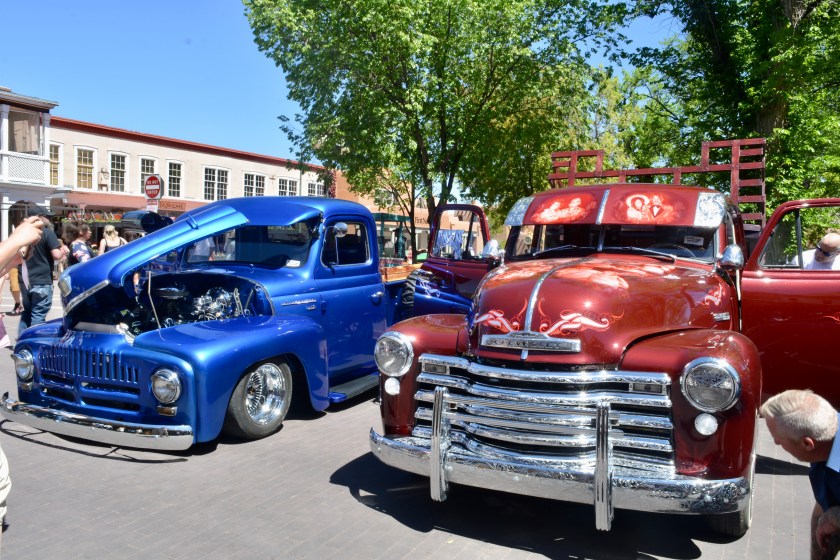
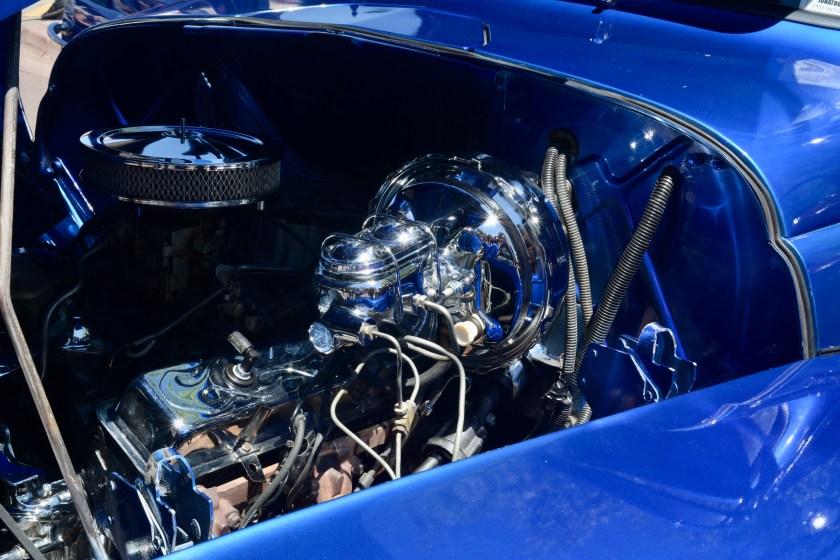
An hour on the train and an easy walk to the hotel San Ensendor Motel, I stashed my bags and had an afternoon to wander. Santa Fe is definitely a tourist destination. It was very busy and as I discovered, home to many events, including this car show in the main square.
Shiny old cars and trucks really bring out the crowds Ruby Red The downtown Santa Fe Blues
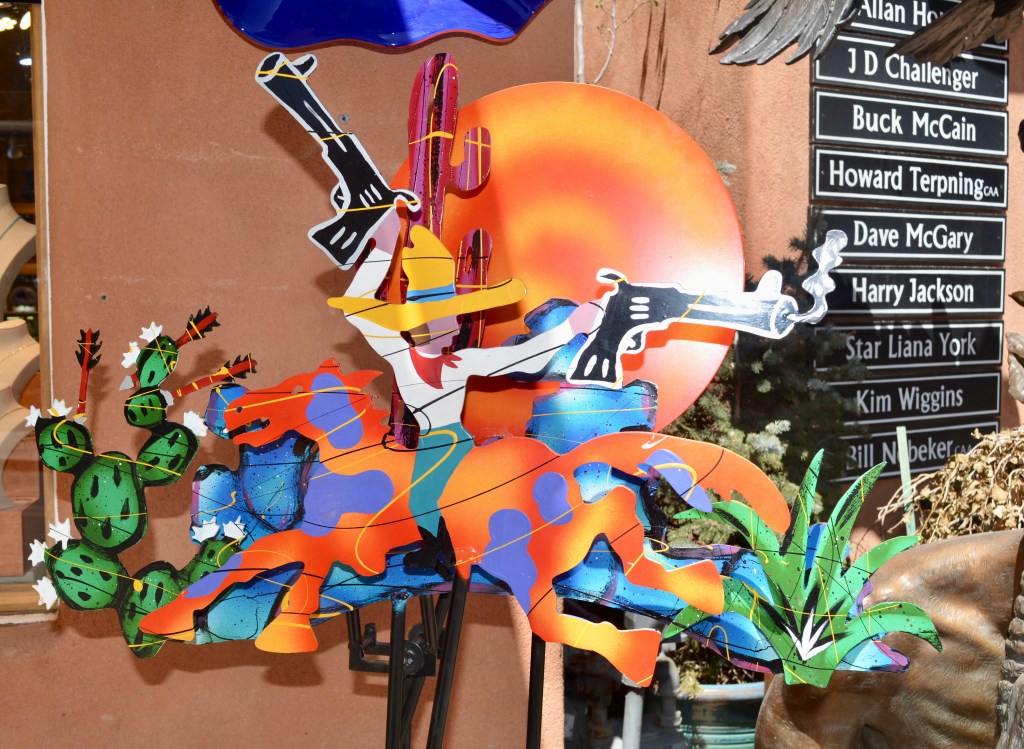
Santa Fe itself is well worth the visit. It has literally miles of museums and galleries, a world class opera (which sadly was not in season) and ancient traditions that continue to flourish. Everywhere you turn there is an impressive array of paintings, sculpture, pottery and photography and artisanal crafts. Easily walkable the streets of Sante Fe are full of life, bright with colour, music and good food ranging from Asian to local cuisine.
A fun place to visit for a few days, wandering the streets is exactly what the old city seems to be laid out for.
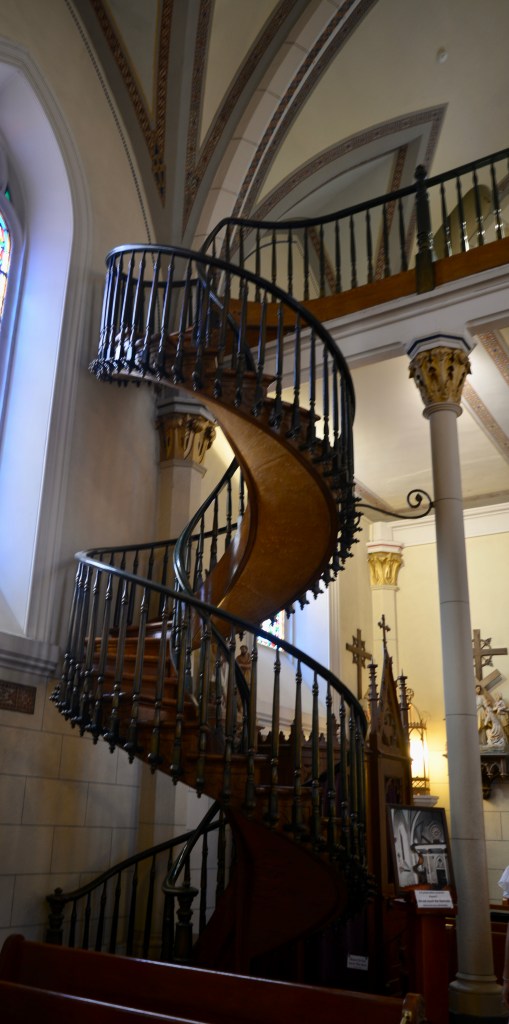
The spiral staircase in the Loretta Chapel
In addition to it’s artsy nature, Santa Fe has a rich history and is supposed to be the oldest capital city in the United States. The central Plaza and Catholic Churches, including the Loretta Chapel and its famous spiral staircase, are reminders of it’s days as a Spanish Colony established in 1610. Also well visited is the Cathedral Basilica of St. Francis of Assisi.
Basilica of St. Francis
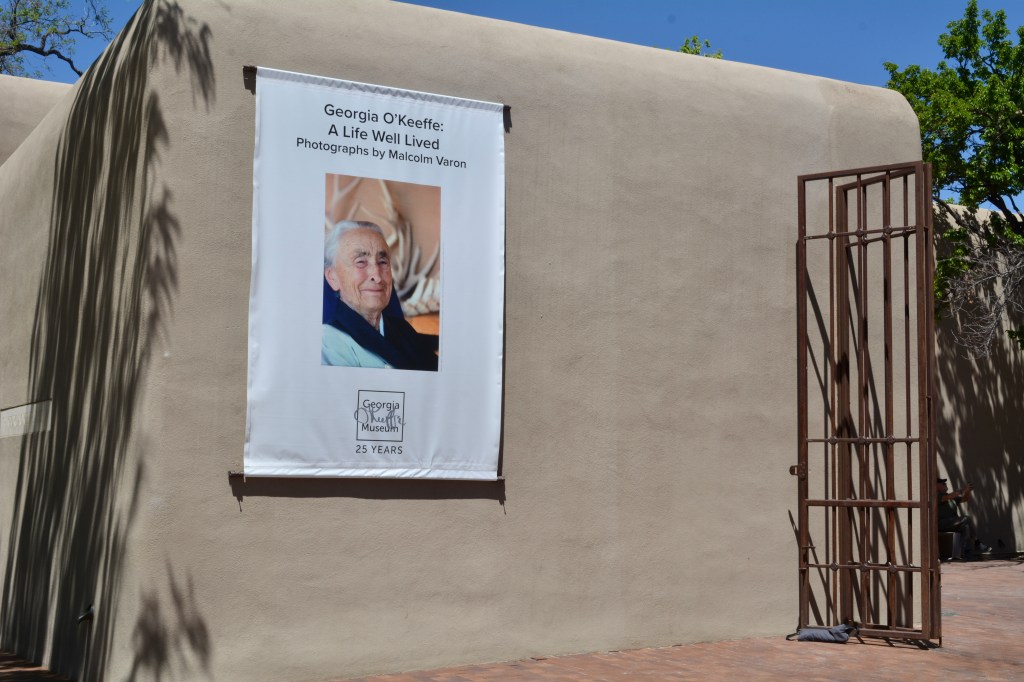
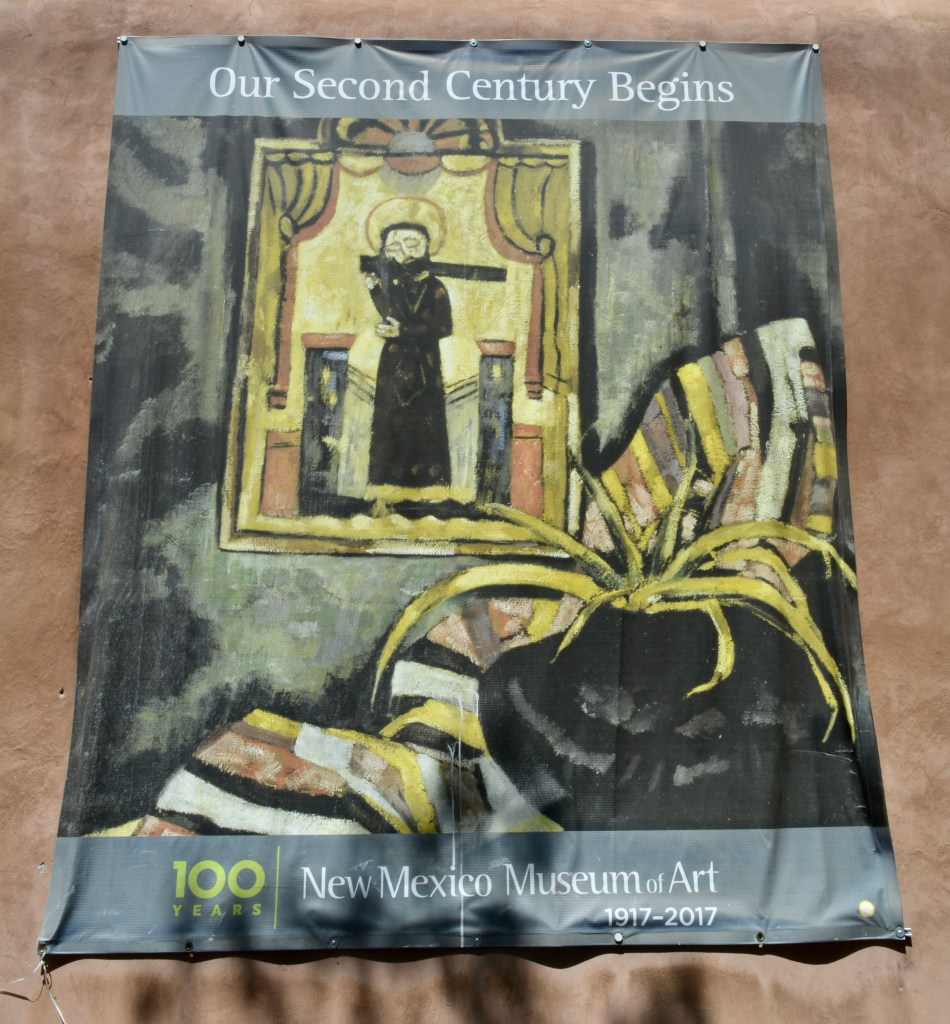
The number of museums and public galleries is staggering. Three days in Santa Fe are not sufficient. In order to see them all you would need several more days. Visiting the museums reveals the pre-colonial peoples and their history and the blend of cultures that resulted post contact with the Spanish. In Santa Fe you will find the Georgia O’Keefe Museum, New Mexico Museum of Art, Museum of Indian Arts & Culture, Museum of International Folk Art, Wheelwright Museum of the American Indian and Museum of New Mexico of Contemporary Native Arts and many others.
Museum of Contemporary Native ArtsGeorgia O’Keefe MuseumSettler Mule Teams – Bronze Pueblo Style Architecture
The week flew by and after the wedding of my friends, I returned to Albuquerque and flew home to Canada. Luckily the covid travel restrictions of the past few years have started to relax and made the trip much easier and more relaxed.
So many plans so many cancellations and permutations. How do I count thee???
It seems that many of my plans to go somewhere, (South America, San Miguel de Allende and Oaxaca City for example) meet up with someone, and do something new and different just haven’t been possible, reasonable, or safe, at least in part due to COVID. A surprise? Not really after two plus years of pandemic practice I think we’re all better prepared to handle dash of uncertainty with a smidgeon of chaos.
I’d like to say that I’ve held a sunny que sera sera disposition throughout it all but I’d be lying. I am a planner and not being free to plan, enact and relish travel has caused a few frayed edges. Having said that I want to clarify that in spite of it all I am more than happy to follow public health safety measures and have the greatest regard for those who are keeping us safe.
At any rate this is a travel blog and I digress but a point I’d like to make is that if you expect to leave COVID behind when you travel during the pandemic that is just not the case. Adaptability, flexibility and rebounding with plan B remain the hallmarks of travel and are only intensified during the time of COVID!
So here I am, enacting plan B with spending two and a half months in the Yucatan, a place I know and love, remembering to count my blessings.
Spanglish – Leaning into Spanish
I have been fortunate enough to have had several very good Spanish teachers over the years. I studied at the University of Havana and had a great tutor named Ernesto. In Progreso I’ve studied under Luis Angel Cervantes at ”Speak Up Progreso” and have even had Luis and two of his local english language students, visit me in Canada. I’ve taken a few weeks of lessons in Nicaragua and in Puerto Escondido and even at home in Nanaimo. I am most grateful for all of these teachers and for my wonderful, thoughtful and patient Spanish speaking friends who forbear (Sandi, Ale, Rangel, Nora, Caty) while I butcher the language. With the minimal amount of Spanish I have, I feel comfortable enough to get around and survive quite nicely on my own in most parts of Mexico. Additionally, I feel that it is my responsibility as a guest in Mexico to make the effort and since there are so many different options on-line and face-to-face, there is no excuse not to invest some time.
Luis Angel’s Language School
“Puebloing”…when a noun becomes a verb!
Things to Do are endless in the Yucatan and I have written about many of them in earlier posts, beaches, cenotes, mangroves, bird watching, Maya Ruins and the city of Merida all offer great days out when you want to tear yourself away from your pool at Kurt’s place.
Kurt’s Place
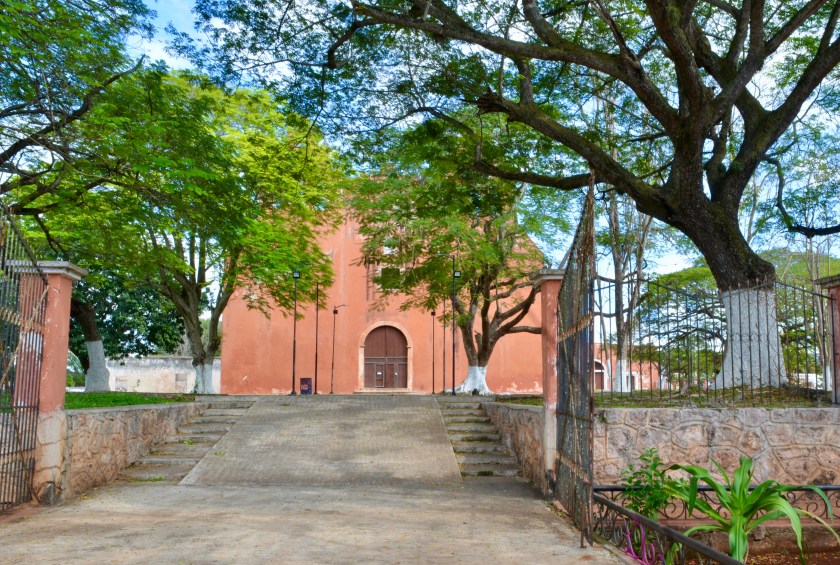
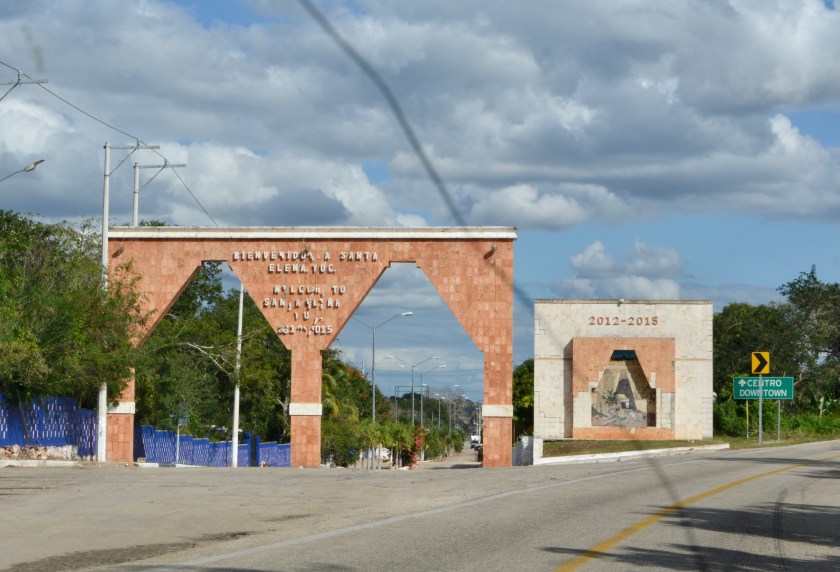
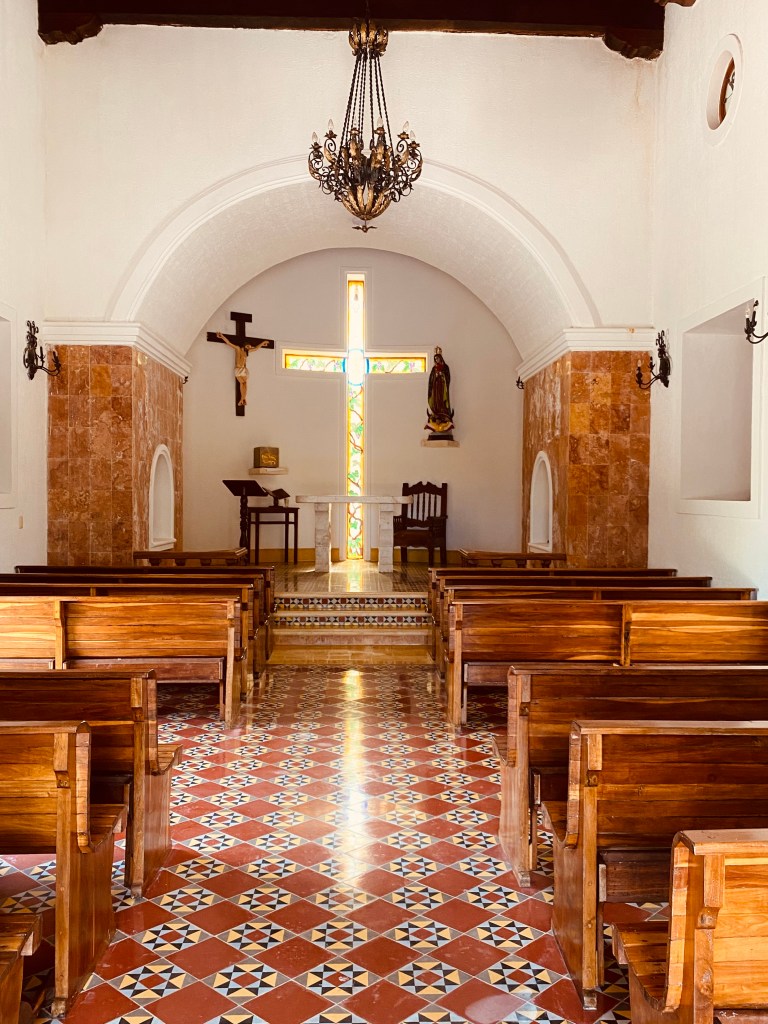
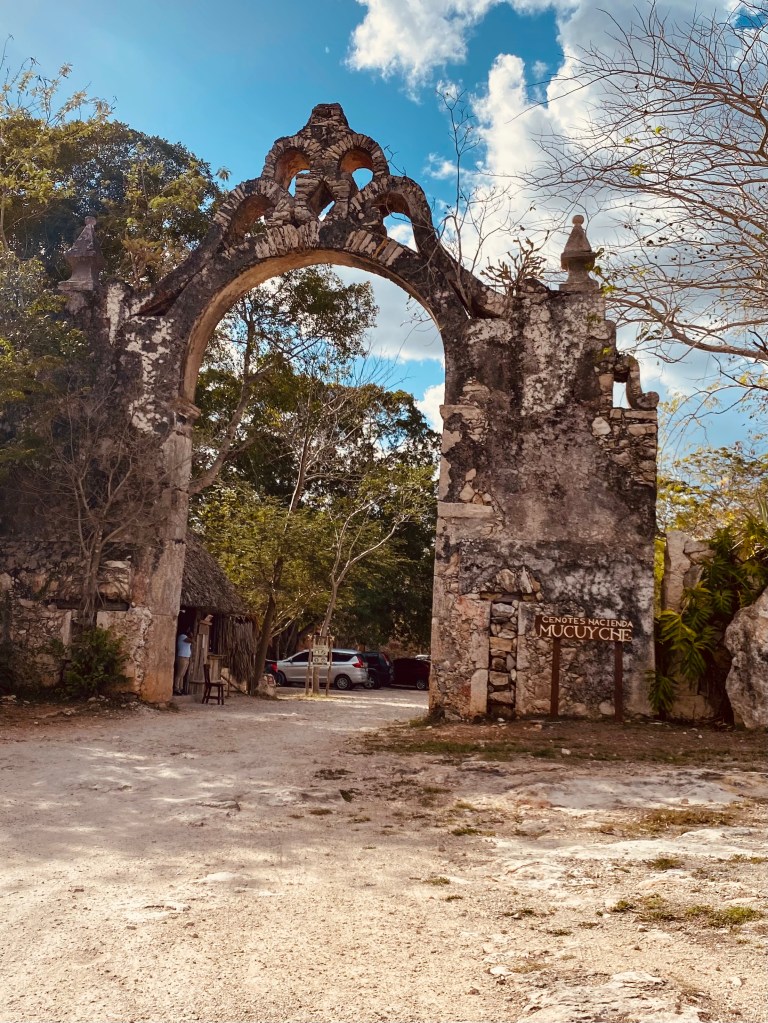
After many years of renting cars and driving the backroads of the Yucatan to visit various sites I began to appreciate the Pueblos you see along the way. With a rental car and maybe some companions you can do something I call “Pueblo-ing.” Much like “garage-salting” it is a made up word which can be defined as “driving the backroads of the Yucatan specifically to visit the towns, all of which have their own special characteristics”. Each Pueblo has a main square, a comisario and a church (I call that the main event) but from there they are all unique.
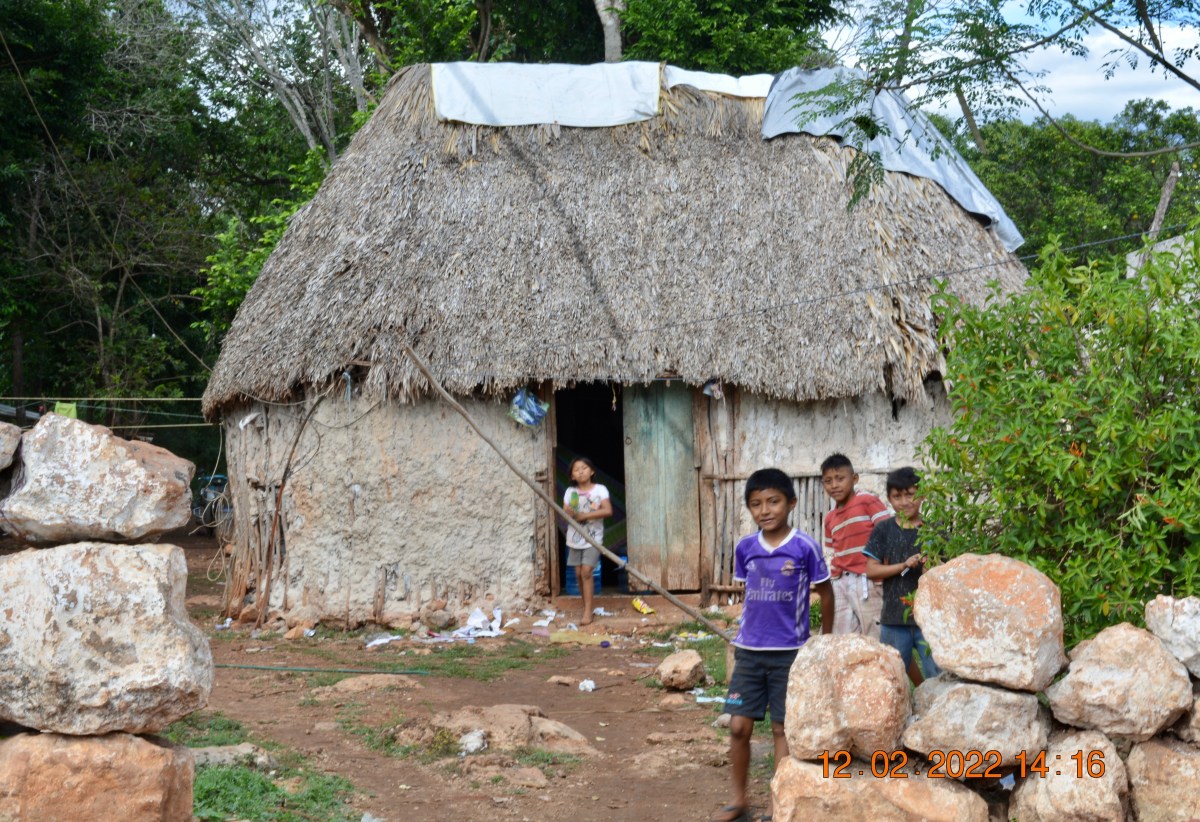
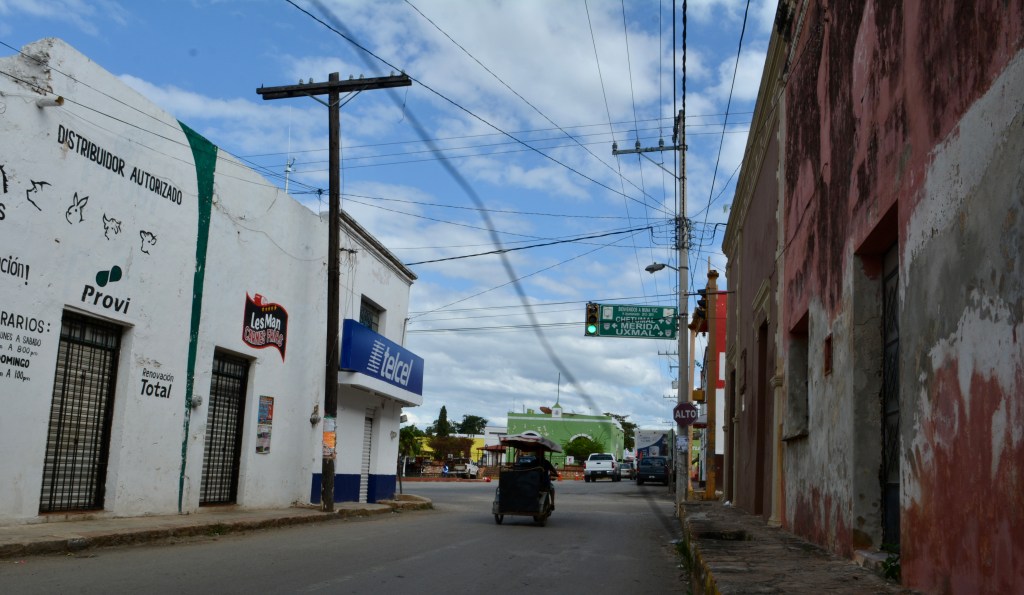
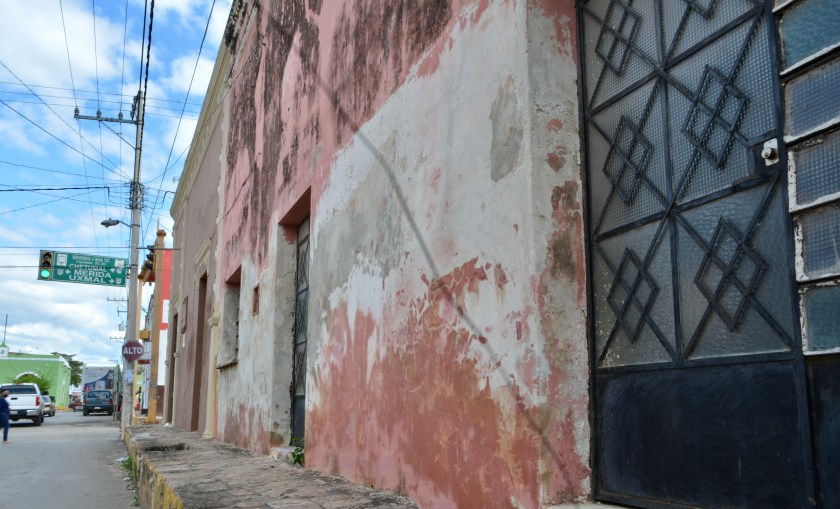
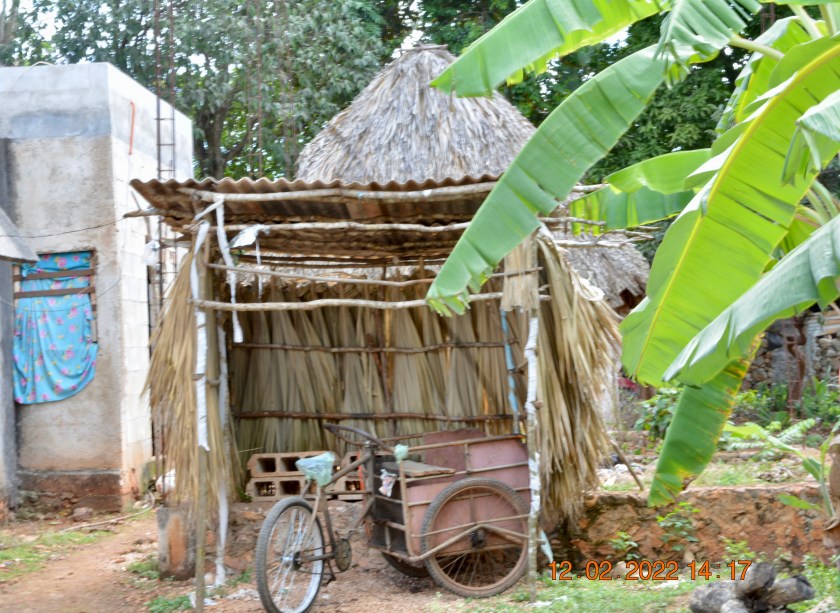
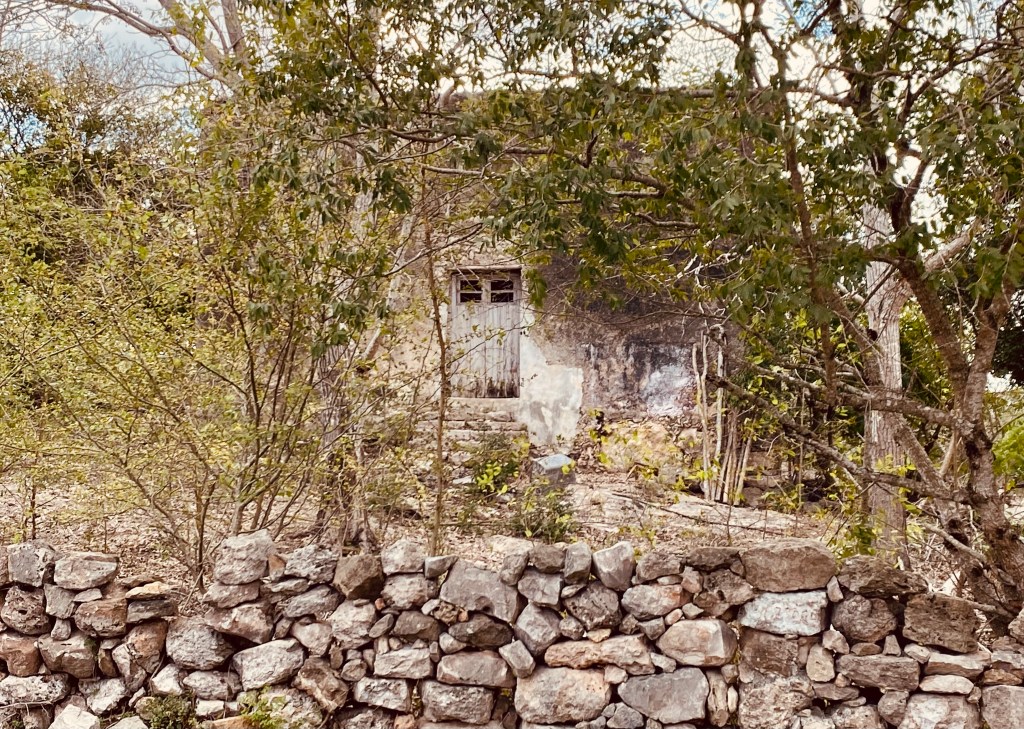
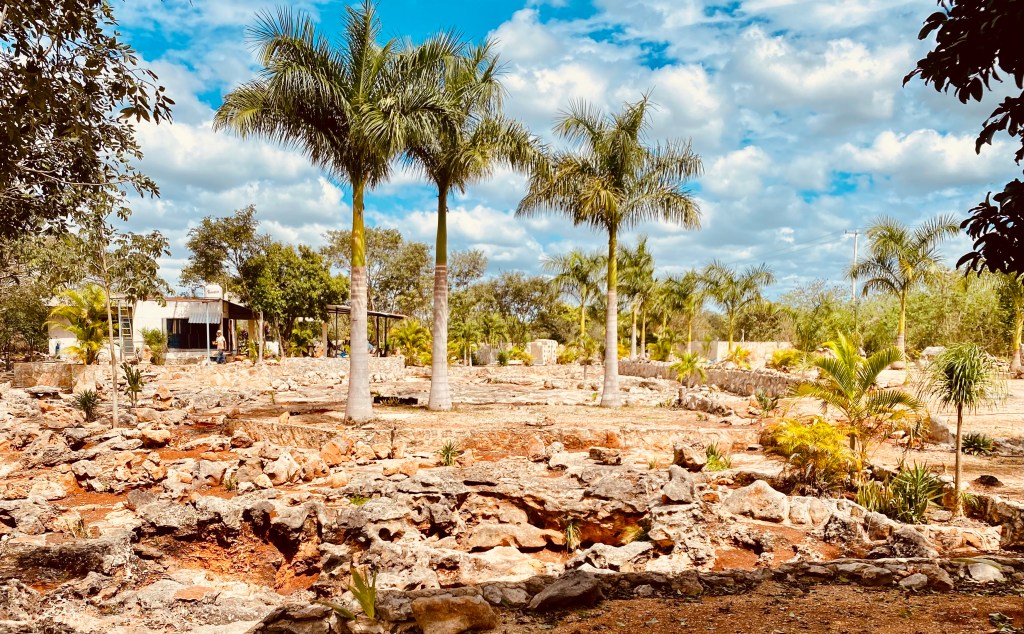
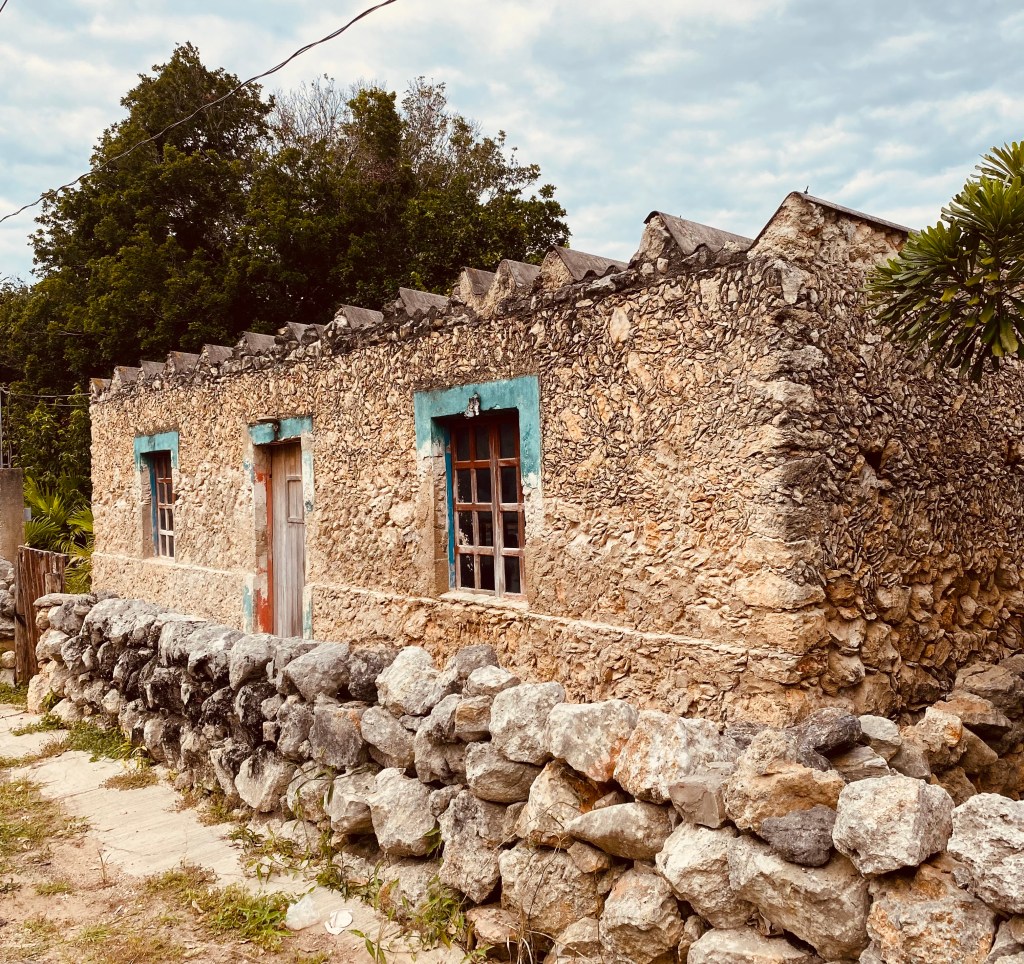
Pueblos are full of character and colour Hunucma – many Names are MayaWeathered walls lend characterPrivate Yards are always interesting.The ”Main Event”Santa ElenaSotuta de Peon HaciendaCentote – MucuycheSacalum Commerce Flanks the SquareA Special Day in HunucmaServices in TiculMaya Culture is Alive and Well in the PueblosSisal – A Pueblo with A BeachMaya HouseAn Abundance of Rocks Makes for Interesting Landscaping
…and that’s the kind of place Flores turned out to be.
Thoughts On Planning and Executing Travel During the Time of Covid
After sitting it out for most of 2020 and into the fall of 2021 due to Covid travel restrictions, I am finally back wandering the world. After careful consideration, based on various countries’ travel restrictions, I chose Mexico to relaunch my wanders. I have spent a great deal of time in Mexico dating back to 1974 and I love the people and the culture so it is a bit like going home. At this time in Mexico visitors are only required to fill out an on-line form answering the usual covid questions regarding health and contacts. Easier than a lot of other countries that require the covid tests 72 hours in advance of travel. Mexico has had it’s fair share of Covid but as in Canada people wear masks, social distance, limit gatherings and capacities and temperature checks before entering premises are standard. Having had both vaccines I am happy to say that with the precautions in place here I feel as safe, although still cautious, just like at home.
South America “No Go” – Best Laid Plans and Political Strife
I wrote the above in late October just after I arrived in Mexico and at that time I had planned to stay 2 months and then head to South America to visit, Ecuador, Peru and Bolivia. I had spent several weeks pouring over travel guides, which I buy at second hand stores, planning my trip to include the sights most important to me. However, shortly after arriving in Mexico, Ecuador had some internal strife, closed its borders and I decided to postpone my wanderings in that part of the world until things are more settled. As it turns out, along came Omicron another letter in the Greek Alphabet, and I felt doubly sure that staying in Mexico for four months was the wisest course of action.
Heads Up When Entering Mexico Things Have Changed….Maybe
However, NOW when you arrive in Mexico they might ask you how long you are staying and when you think you are only staying a couple of months, (which is what I thought since I was eventually headed to South America) they write down 60 days, meaning that, you have sixty days on your tourist card. I guess I missed that memo, but I am not alone, I have read several on-line forums from other folks who had assumed that as in years past the tourist card allowed them to stay 180 days and no other limitations. Not anymore, it is now up to the discretion of the Immigration Officer. NOTE: When I returned to Mexico from Guatemala through Cancun airport it was business as usual. Two questions only, where did you just come from and what is the purpose of your trip, nothing more, hard stamp on tourist card allowing for 180 days and “have a nice day”. None of this “how long are you staying?”
Turns out, short of becoming a resident, which is complex and expensive you can’t renew your tourist visa from inside Mexico which means of course you have to to go outside and reenter if you wish to extend your stay. I know, I know, poor me, more hardships and of course the solution is…..I’m in Guatemala!!!!
A “Had to Trip” To Tikal in Guatemala Becomes a “Glad I Went” Trip
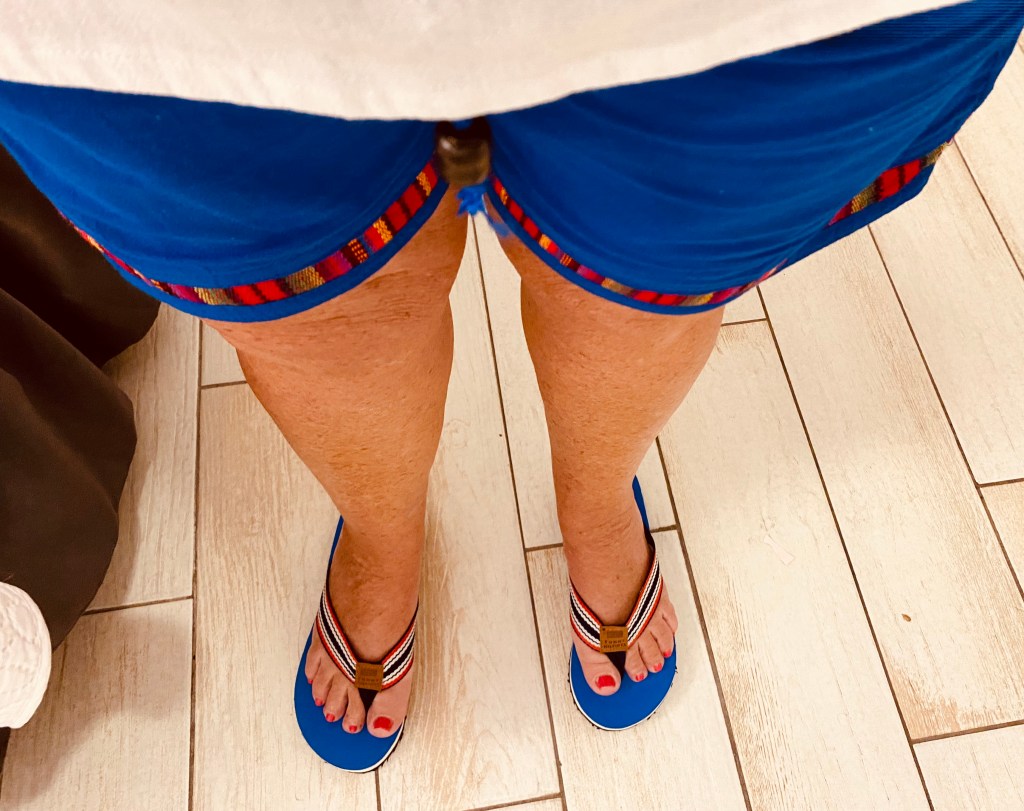
Getting from Puerto Escondido to Flores Guatemala turned out to be fairly involved, requiring a flight from Puerto Escondido to Mexico City, a two hour wait for a flight to Cancun, a four hour wait, and a flight from there to Flores in the NE corner of Guatemala. By the time I arrived in Guatemala 14 hours after leaving my apartment in Puerto Escondido I had spent too much money on airport food, lost my luggage, spent hours reporting my lost luggage in Cancun and arrived tired and without a change of clothes. Forced to go shopping on my first day as I had only my plane travel clothes I found a colourful little outfit with matching flip flops to do until my bag arrived four days later.
My Guatemala Outfit
Boarding the plane from Cancun to Flores, with about five other people, was really nice though, and the prop plane was comfortable and very empty. The pilot told me this was an inaugural flight for AeroMar which was adding Flores as a stop on their regular flight to Guatemala City. Arrival in Flores was equally pleasant and after explaining about my lost luggage and since there were no taxis in sight the Immigration Officer, who processed my arrival, drove me to my Hotel. That’s the kind of place Flores turned out to be.
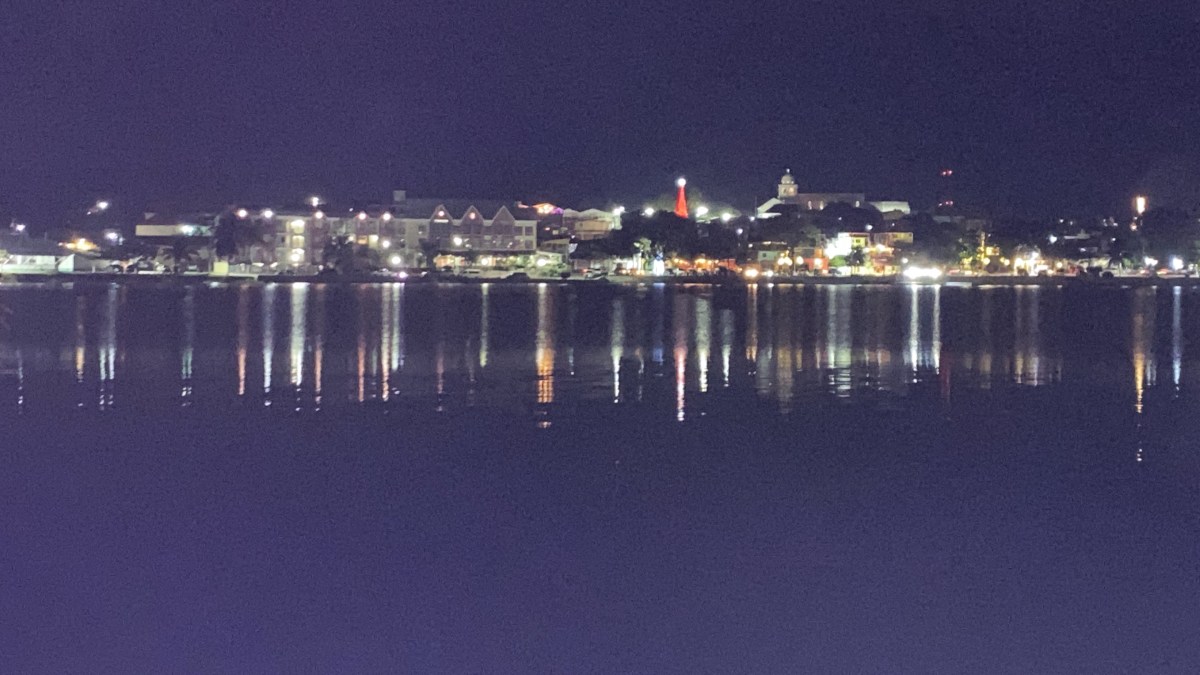
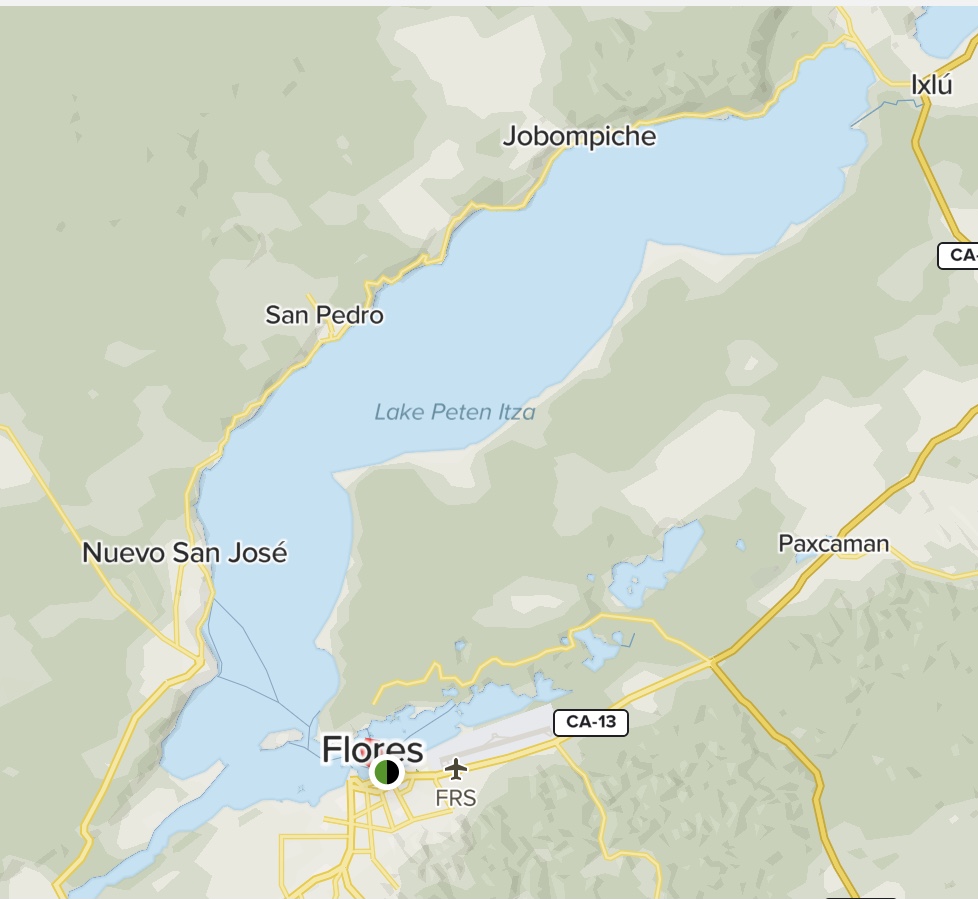
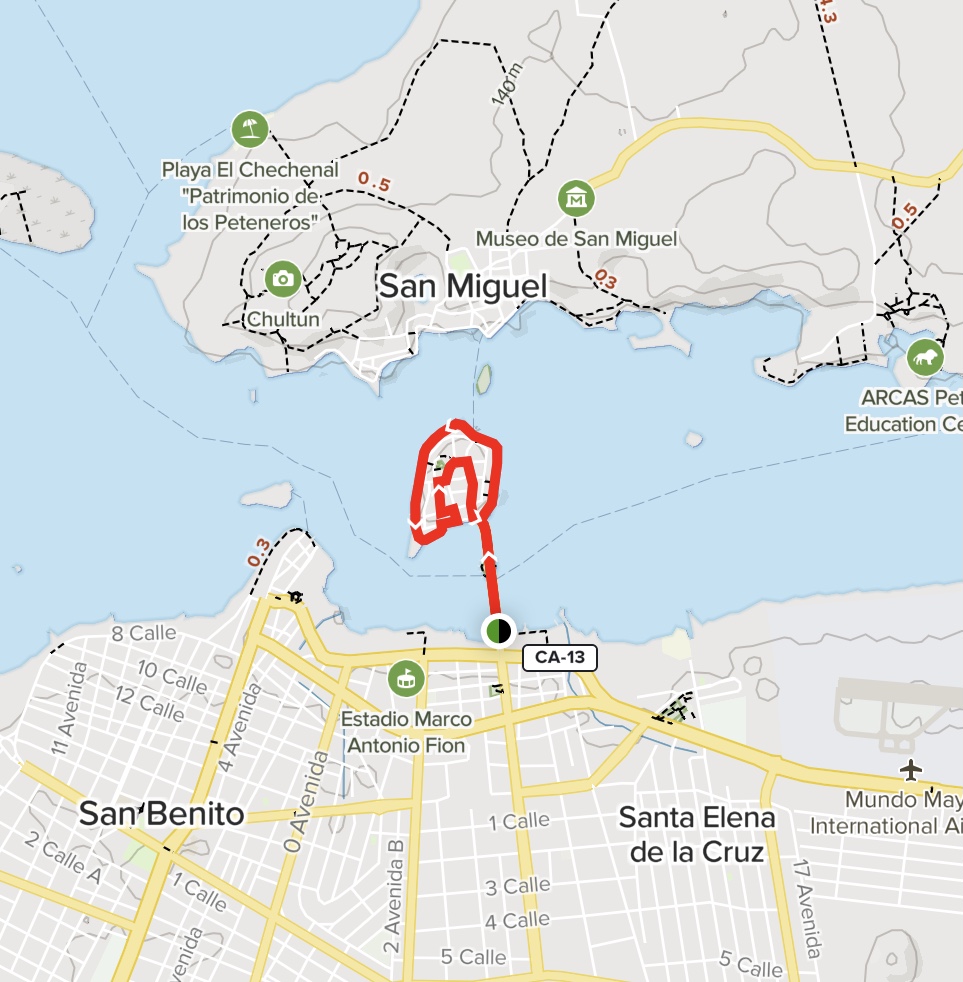
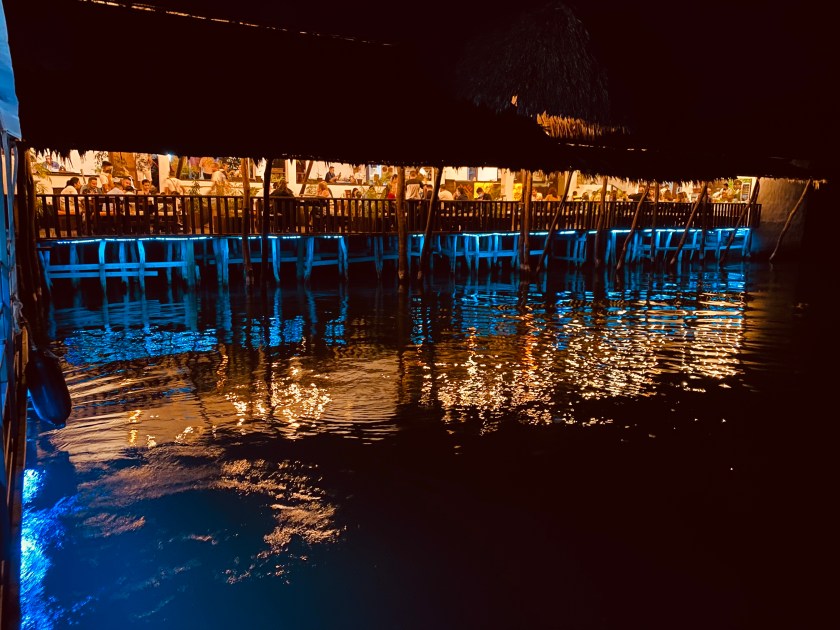
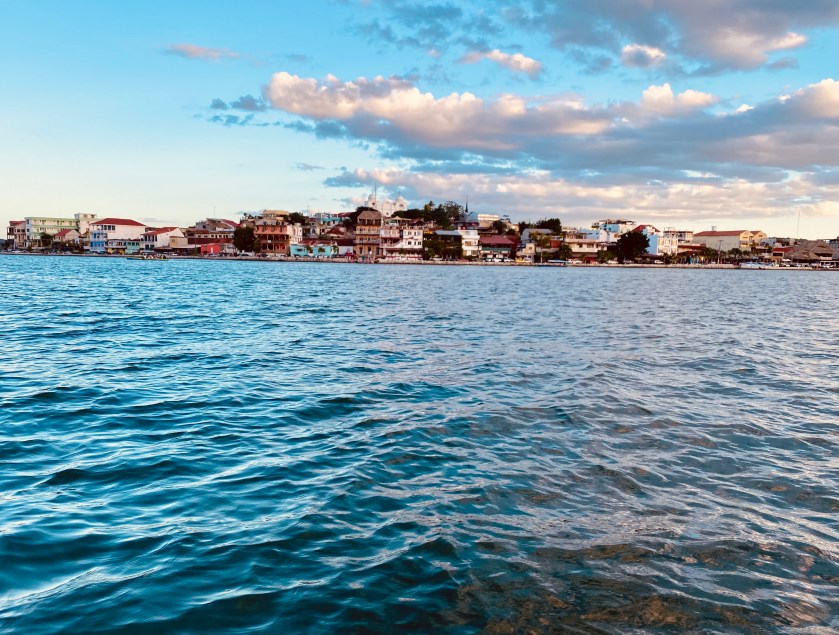
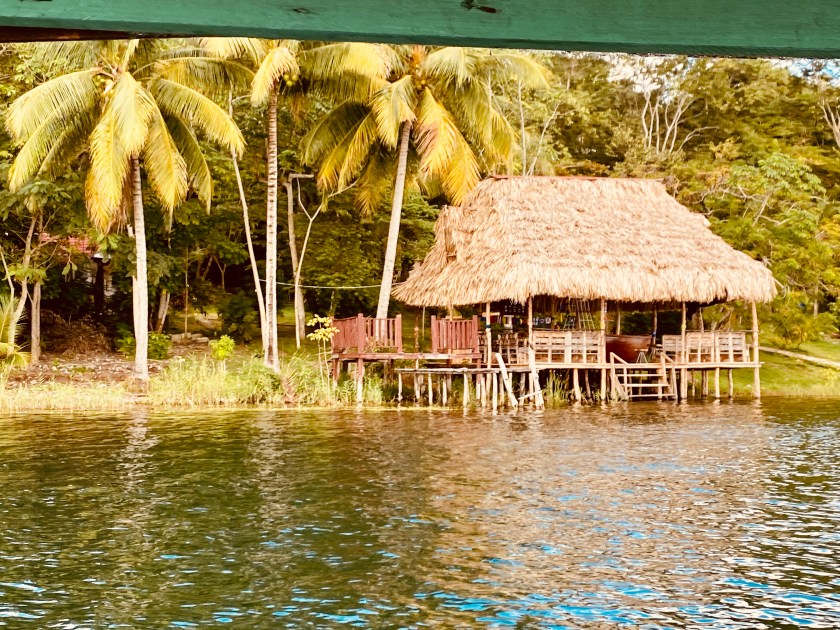
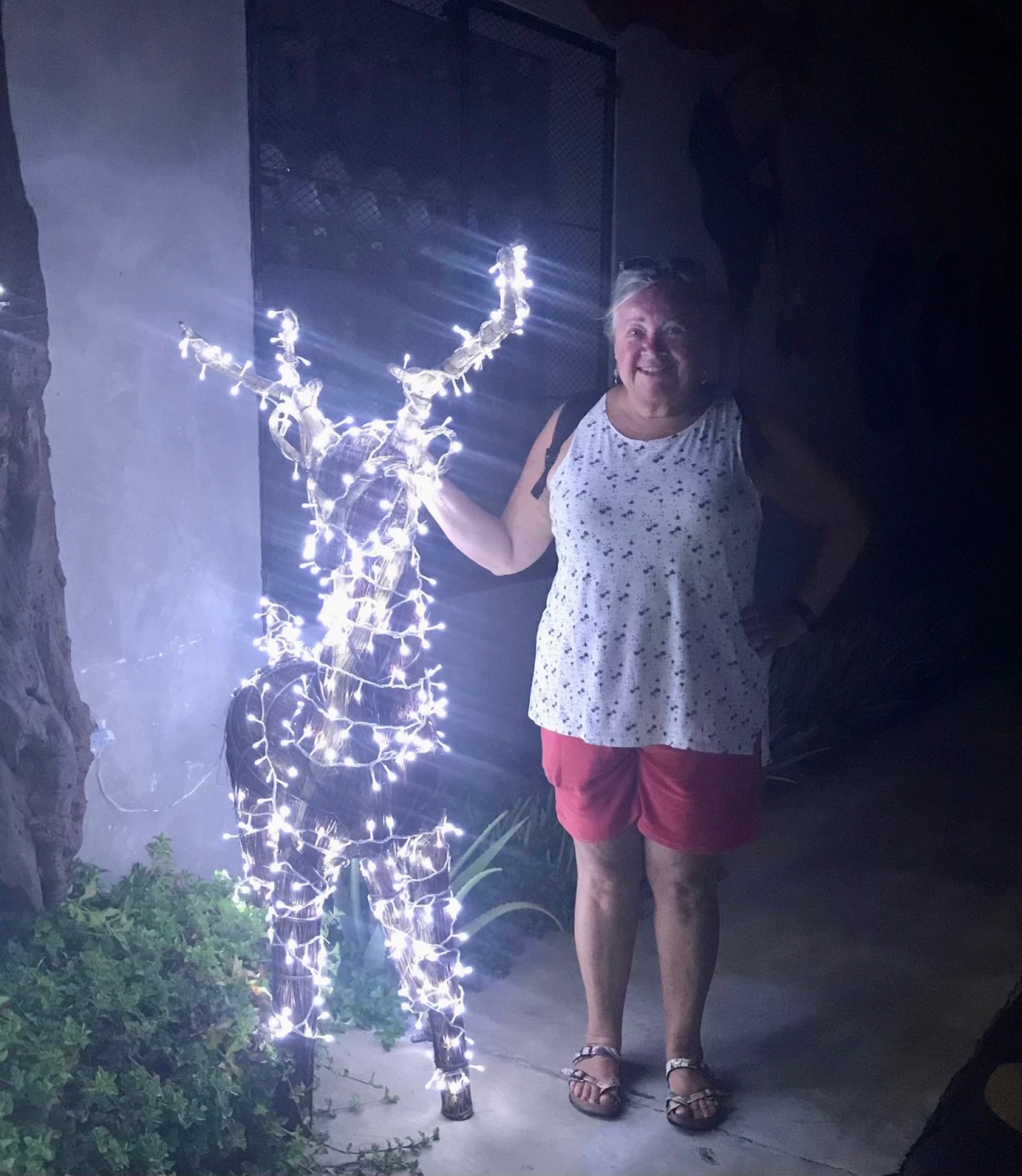
My first four days I spent at the Casa de Turquesa a lakefront hotel on the Isla de Flores. Beautiful views and so clean with great sheets and a soft bed. From here I was able to make arrangements for a tour of Tikal but spent the first day wandering the streets (and shopping) of the Isla de Flores. A quaint little town with cobblestone streets, Isla sits in the lake, attached to the mainland by a narrow spit of land, just wide enough for 2 lanes of traffic and a pedestrian walkway. Very picturesque the place really glows in the night time and it being the holiday season it was especially lit up.
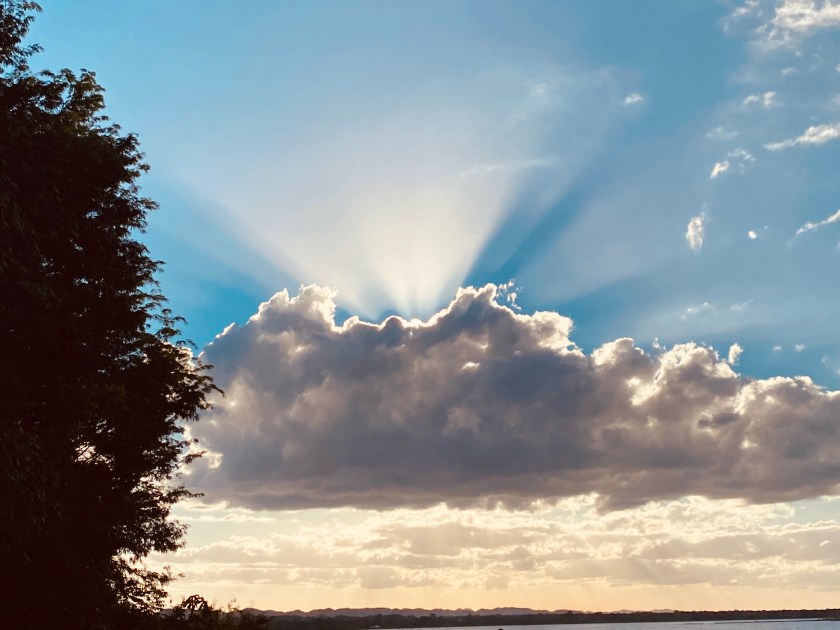
Lake Peten ItzaIsla de Flores in RedBeautiful Isla de PetenCobblestone StreetsLago Peten Itza Skies
Nighttime Doesn’t Mean Dark
It’s easy and inexpensive to get around Flores by tuk-tuk and by boat. There are many launches that will take you anywhere on the lake you wish to go and as you can see by the map above their are several small towns around the lake that make a nice day-out.
Tikal – A Maya Ruin Located in Tikal National Park
Tikal, a place I’ve wanted to visit for some time, did not disappoint, even though my “private tour” turned out to be on a mid-sized bus with about a dozen other people. The hour and a half drive to Tikal was beautiful, gliding through the emerald green country side that I remember from past trips to Guatemala. Coffee fincas, rancheros and fruit plantations dotted the hilly horizons and small towns slapped together and strung out along the road to support local commerce were a quick window into the world of the local people. It was on the bus that I was reminded of why I love to wander. That sense of freedom on the road with the beauty that the countryside has to offer and the weather temperate enough to allow for open windows and fresh breezes. A slight rustle in your hair and your soul.
Tikal National Park
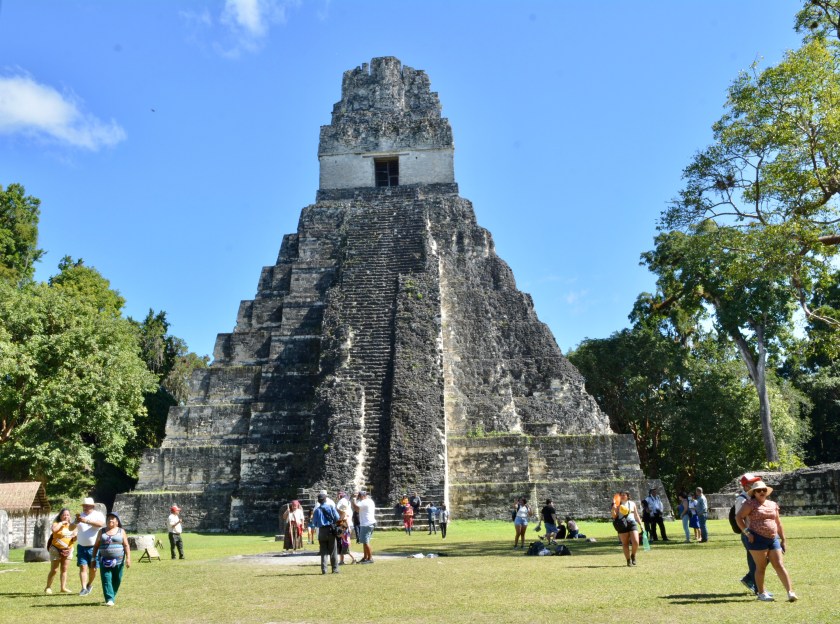
Tikal is an ancient Maya citadel in the rainforests of northern Guatemala
Possibly dating back to the 1st century it flourished between 200 and 850 AD with a 65 km radius and was later abandoned
Its iconic ruins and temples and palaces include the giant, ceremonial Lost World Pyramid and the Temple of the Grand Jaguar and rightly became a UNESCO World Heritage Site in 1979
Ti ak’al in Maya means “in the lagoon” and is known as the “place of the spirit voices”
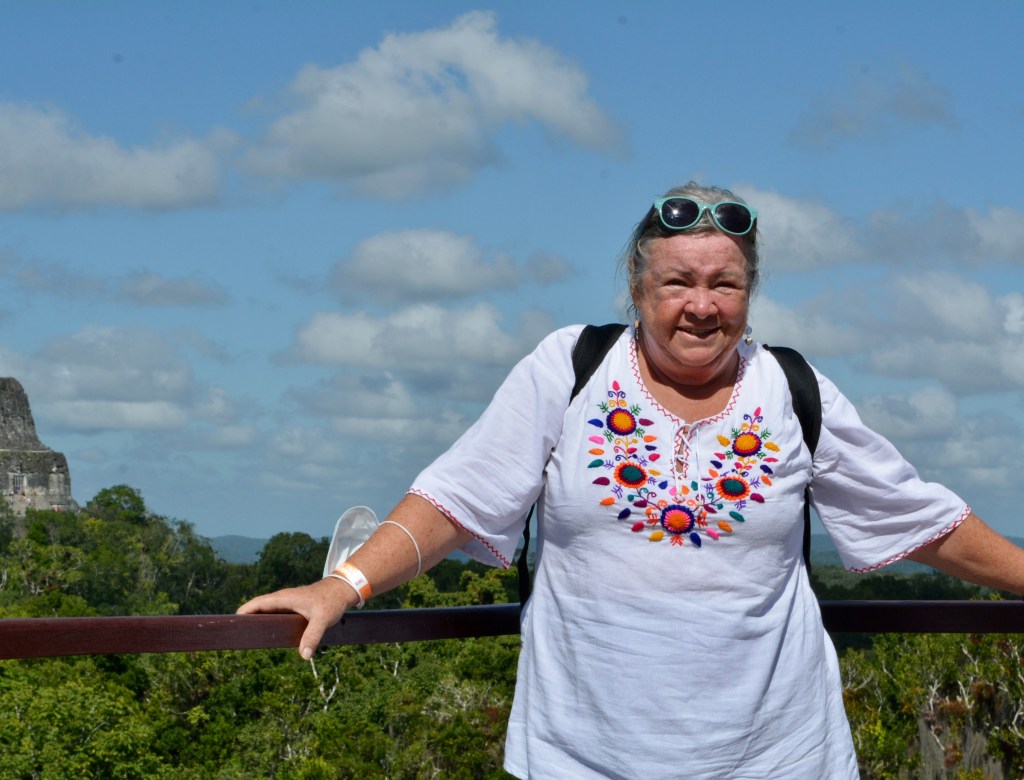
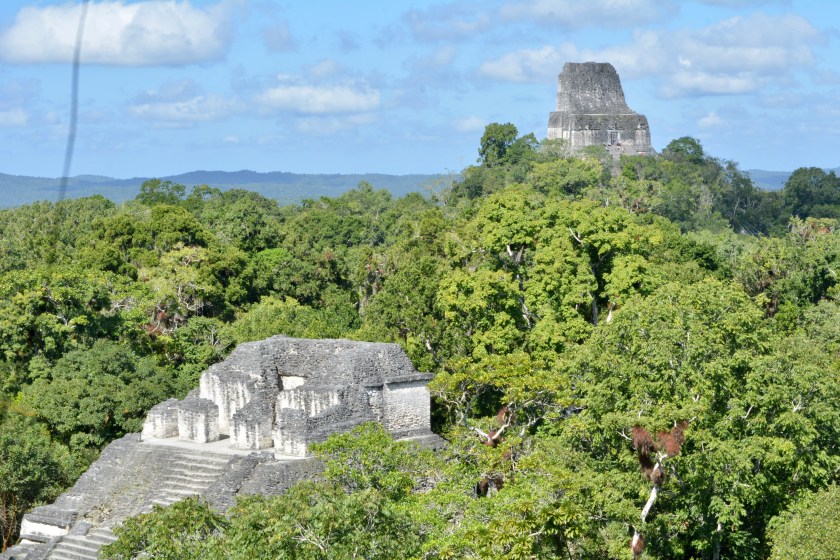
Temple IV is 70 m in height and I climbed every last one of them
Divided into plazas, groups and complexes to identify the various areas of the park…it is so big!
Tombs have been excavated in various locations throughout the park
Some of the temples took 1000 years or more to build
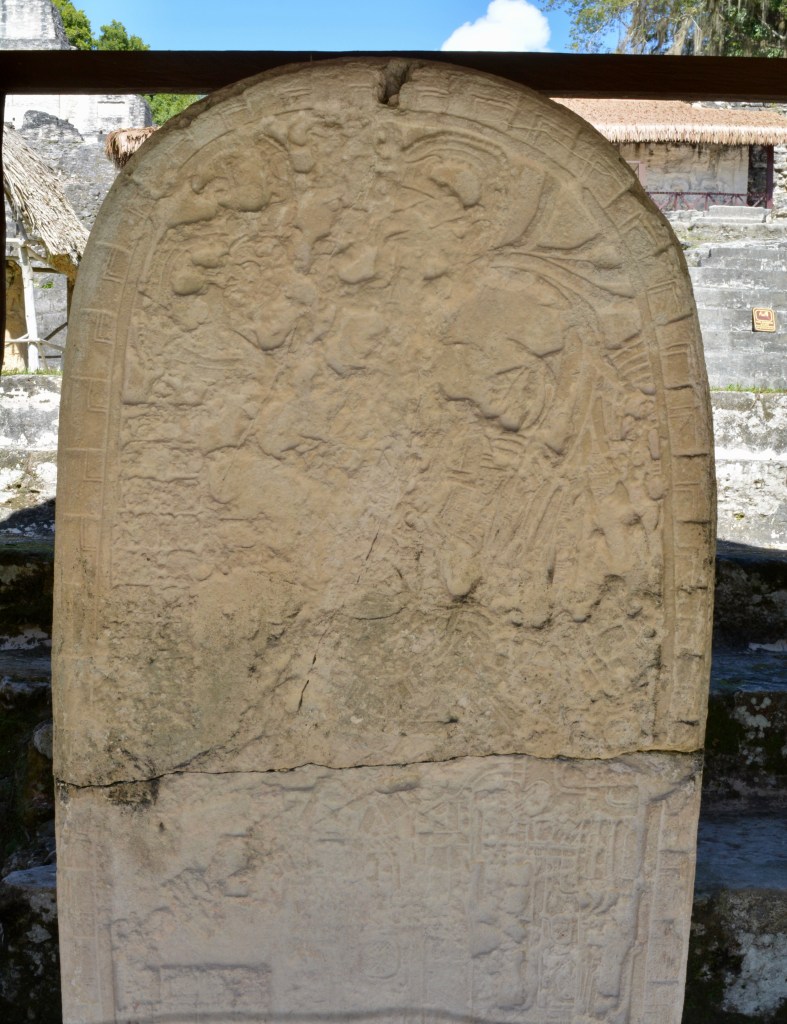
Steles (stone tablets) seen throughout Tikal describe the history
Mascarones Temple 700ADHistory on a SteleTemple of the JaguarTemplo II – The Mascarones TempleMaya Ceremony Alive and Well
New Years Eve 2021/22 – Serendipity of Travel
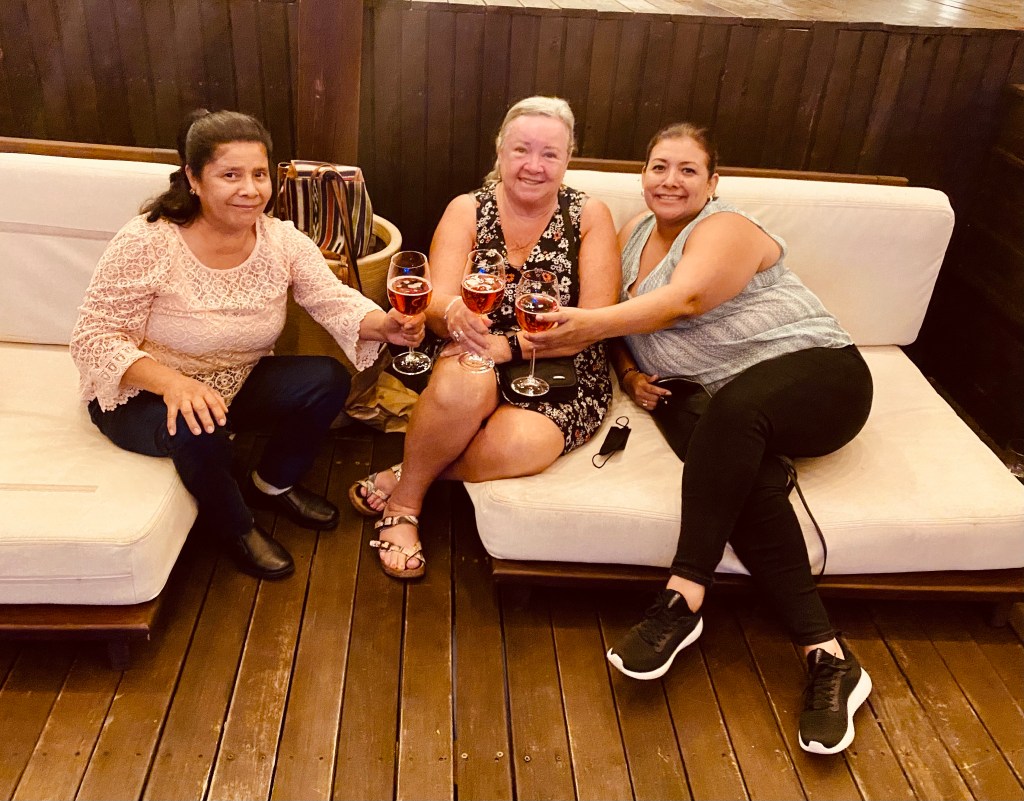
I find there’s always a moment of serendipity when you travel alone that reminds you that you are never really alone and it’s easy to make connections with people if you are open to them. And so it was, on the bus back from Tikal, I met a lovely woman, Maritza, from Guatemala City who was traveling with her sister, Maria and her daughter, Keily. This was their first trip to Tikal and Isla de Flores and fortunately for me, Maritza spoke very good English, having lived in the USA for two years as a teenager. They invited me out for New Years Eve the next night. My new friends came to my to my hotel to fetch me at the appointed hour and to my delight we made our way to the waterfront and took a private boat across the lake to a beautiful restaurant. We had dinner and waited until midnight when across the lake the fireworks exploded seemingly from every house in and around Isla de Flores. So pretty and obviously so enjoyed by my Guatemalan friends. They insisted on paying the bill and dropped me back at my hotel before returning to their hotel. Their kindness, friendship and hospitality will stay with me long after the New Year begins.
New FriendsNew Years Even RestaurantMaria, Moi and Maritza and a Midnight ToastNew Years FunNew Years Eve
More Fun in the Lake
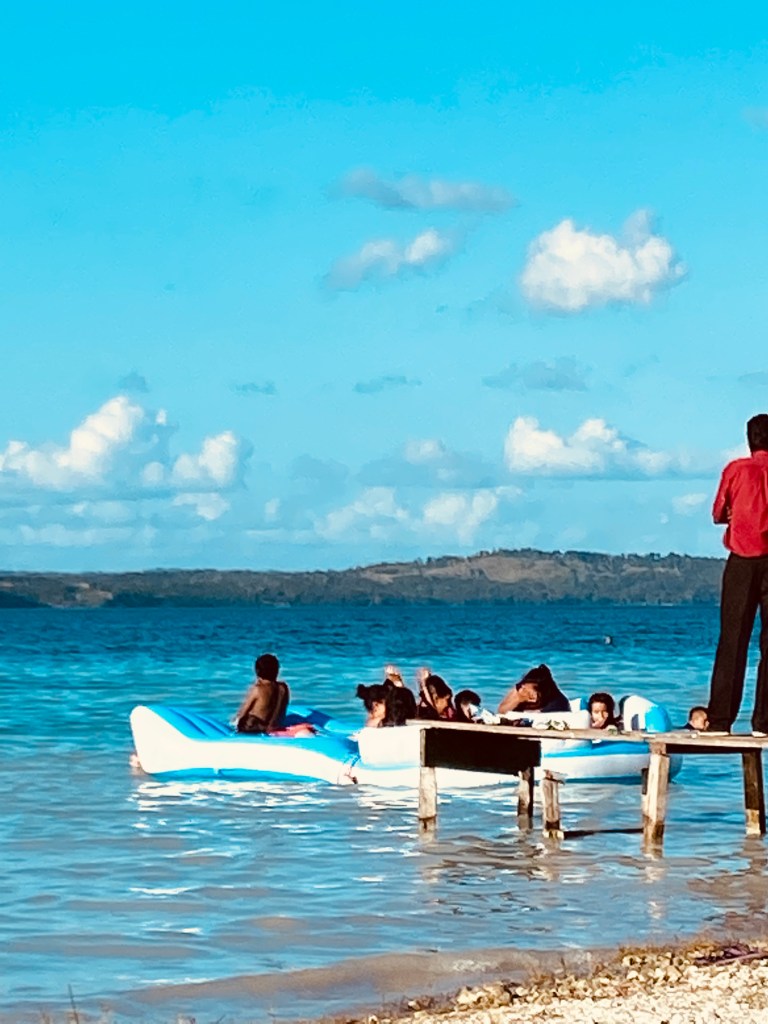
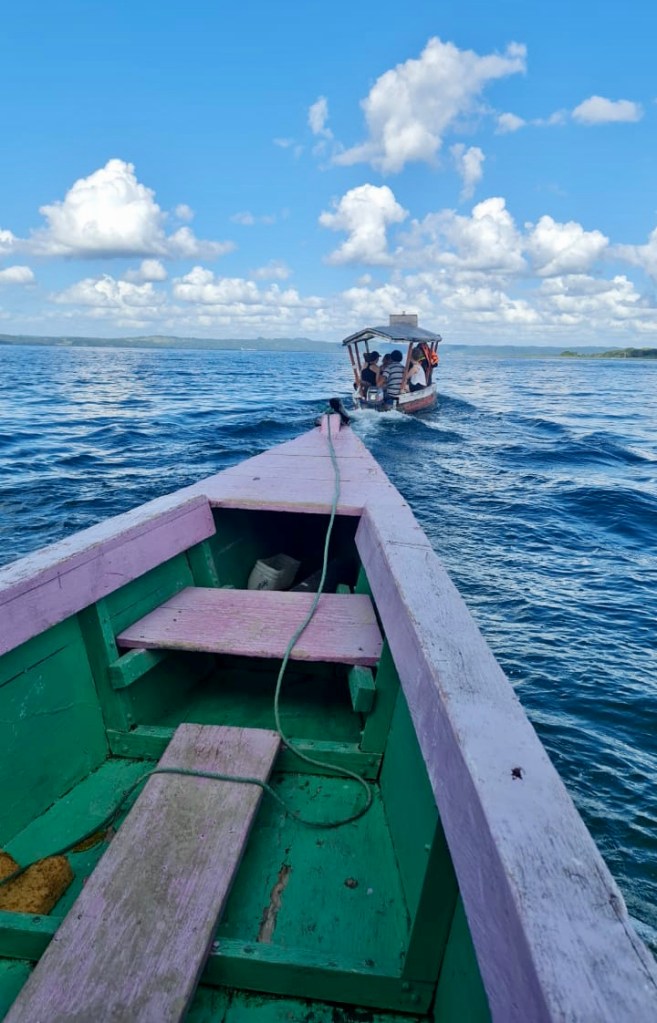
New Years Day, my 3 friends and I bought a picnic lunch and took another boat further up the lake to a swimming beach. We were dropped off at a park by our boatman with promises to return at 5:00 pm. The park was full of family picnickers snoozing in public hammocks, and although the lake-bed was rocky and a bit swampy the water was good for swimming. Keily spent over two hours in the water splashing and swimming…a true water baby. She was quite impressed that her mother spoke English, she asked “momma can you talk like that?” Eventually she decided that I wasn’t fundamentally weird for speaking Spanish so poorly and even started calling me Tia.
Maritza and KielyA Family FloatLake Peten ItzaOur Purple LaunchRestaurant and Dock
So the first six days passed quickly in Flores Guatemala but the last two days poured rain and made me huddle up in my hotel room watching the downpour with Guatemalan TV in the background. Tikal isn’t the only ruin worth visiting around Flores, there are several others, and a volcano lake to visit and visits to the small villages around the lake are things that just didn’t get done. But two days of catching up with correspondence and blogging and doing laundry in the room wasn’t so bad and I returned to Cancun Mexico refreshed and glad I went and hopeful to return to this sweet gentle little place with the kindest people you’d ever hope to meet.
Returning to Puerto has become one of my routines in Mexico. As in Progreso, I have made good friends there and am always excited to return and catch up with their lives. In years past I have stayed at Casa Rosada, but this year I booked a place on the fourth floor of an apartment building in Rinconada, a trendy restaurant filled area close to several great beaches. I was really pleased with my apartment and the view was stunning. A bonus was that Inti, my landlord was super.. helpful, responsive and friendly too! Cielito Lindo is the name and they have studio and one bedroom suits.
My ApartmentStunning View & Great Sunsets from Patio
With Covid in the picture I wasn’t too keen on sight seeing and exploring, but fortunately I have done a lot of that on earlier visits so going to various beaches, open air restaurants and sitting by pools had to do. I know…poor me. If you’re interested in knowing more about what you can do in and around Puerto here is a link to my previous posts on the area.https://wanderwithstella.com/2016/03/31/oaxaca-coast/ or scroll through the posts to see others including Oaxaca City.
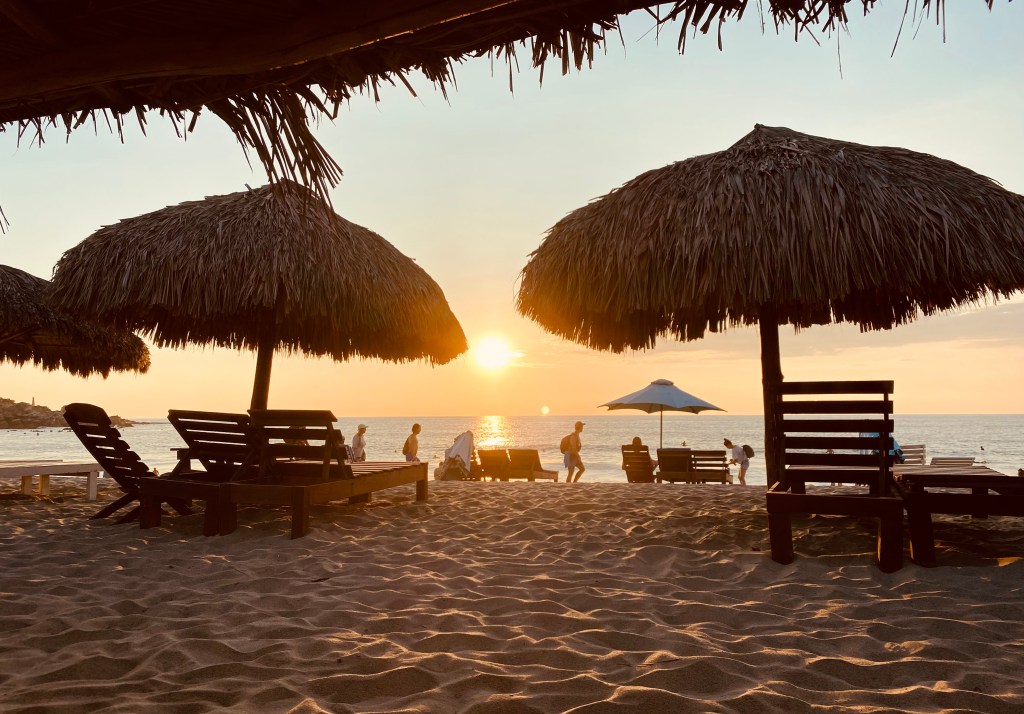
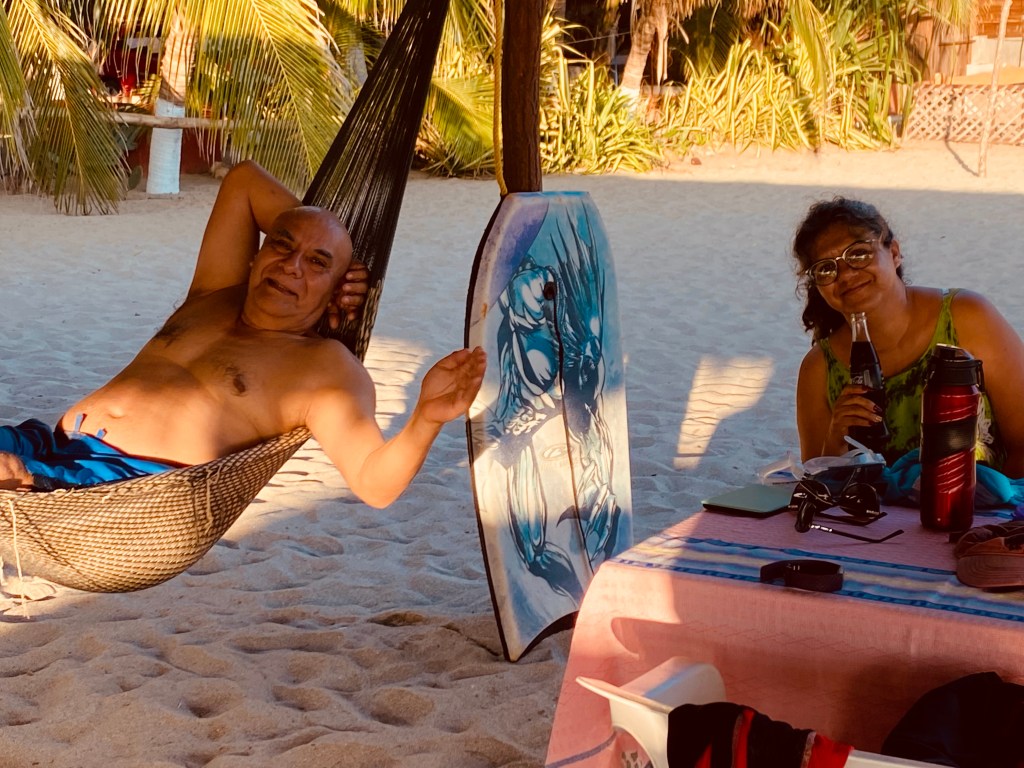
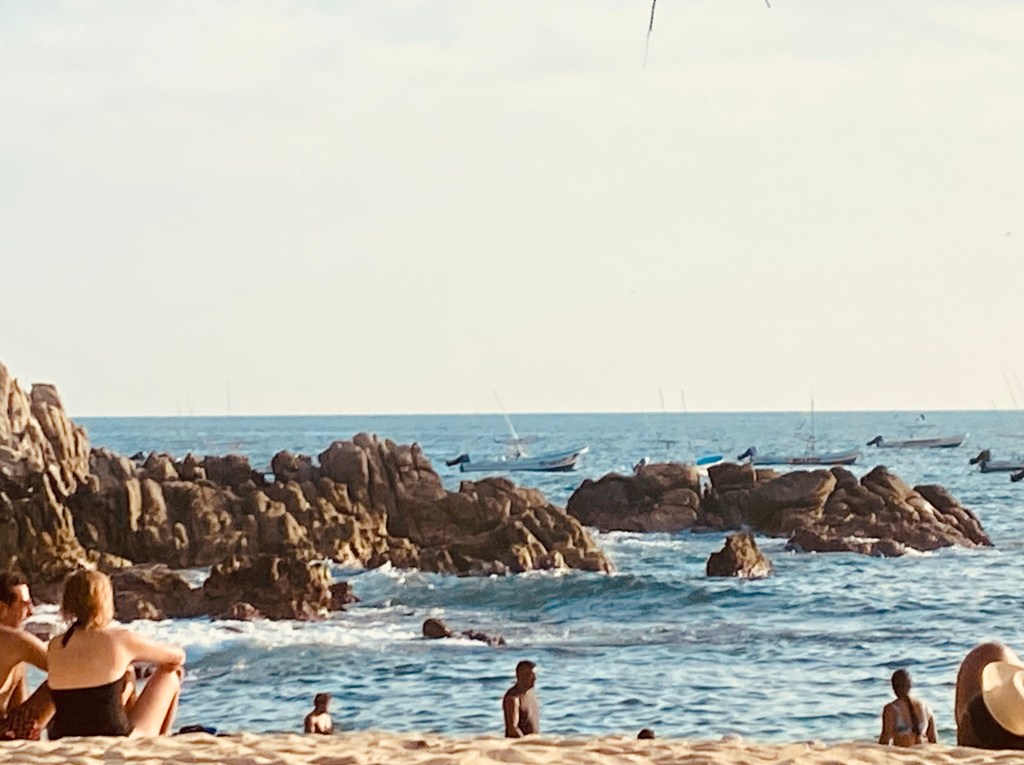
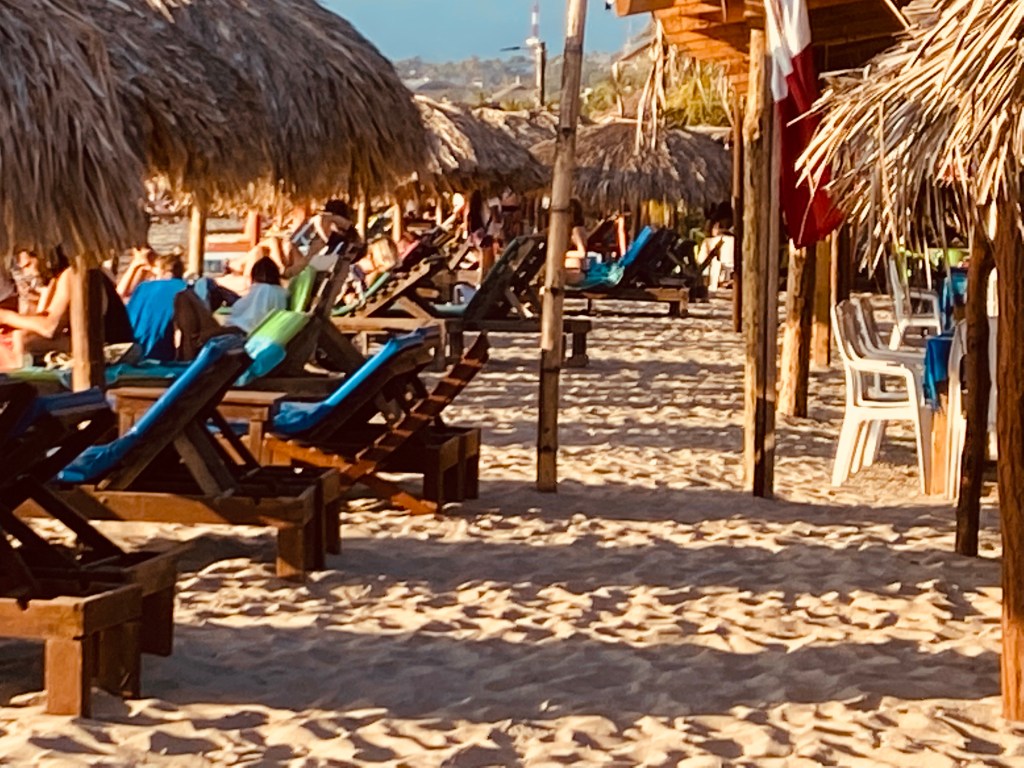
For many people, Puerto is all about the beaches of which there are many and one can easily spend a whole day at the beach under a palapa umbrella with the odd chelada (cold beer and lime juice on ice) to quench one’s thirst. People watching is a great pastime at the beach and even in covid locals and visitors enjoyed swimming and playing in the waves. Mexican families are generally large and they tend to travel in multi-generational groups, making for lots of antics and noisy fun.
My “Home” Beach – Playa Manzanilla Playa Zicatela – Long, Lovely, Big SurfPlaya La Punta – Javier & Gabriela, Surfer Beach like Zicatela Has Big SurfPlaya Principal – Popular with Local and FamiliesWatch Out for Pool Sharks Like Gabriela on ZicatelaSoft Sand and Shady Palapas!
Food in Oaxaca is among the best in Mexico and some of the worlds top chefs have made the State home, opening great restaurants in the capital, Oaxaca City, and other smaller locales. I have some personal favourite dishes: tacos pastor, pozole (soup) and tlayudas.
Street Tacos – The Best!
Mid-way through December, Christmas vacation brought large numbers of people to Puerto, which in a normal year would add to the fun. But given the crowds that began to cluster on the beaches I refrained from going every day unless it was to Bacocha Beach where there is plenty of room to social distance they have the most incredible sunsets…so again no real hardship. There are two beach clubs at Bacocha and for a fee you can eat, drink, use the pool and beach chairs for the entire day and the costs come out of you fee.
Bacocha BeachSunset at Bacocha
San Jose del Pacifico – A road trip from Puerto
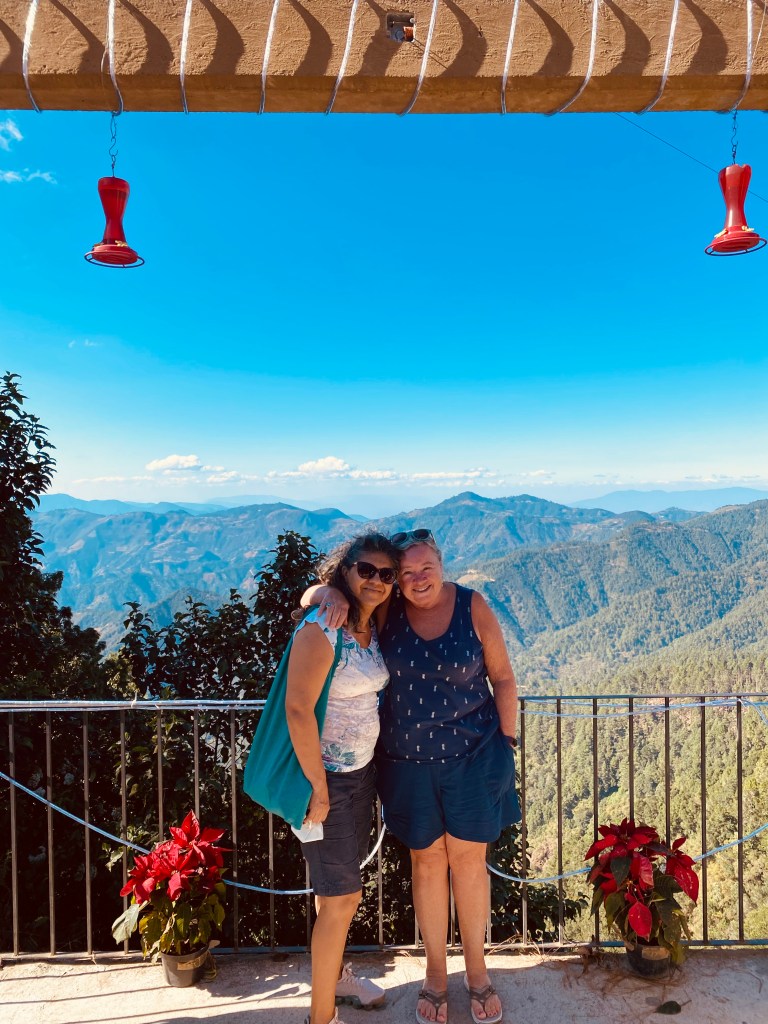
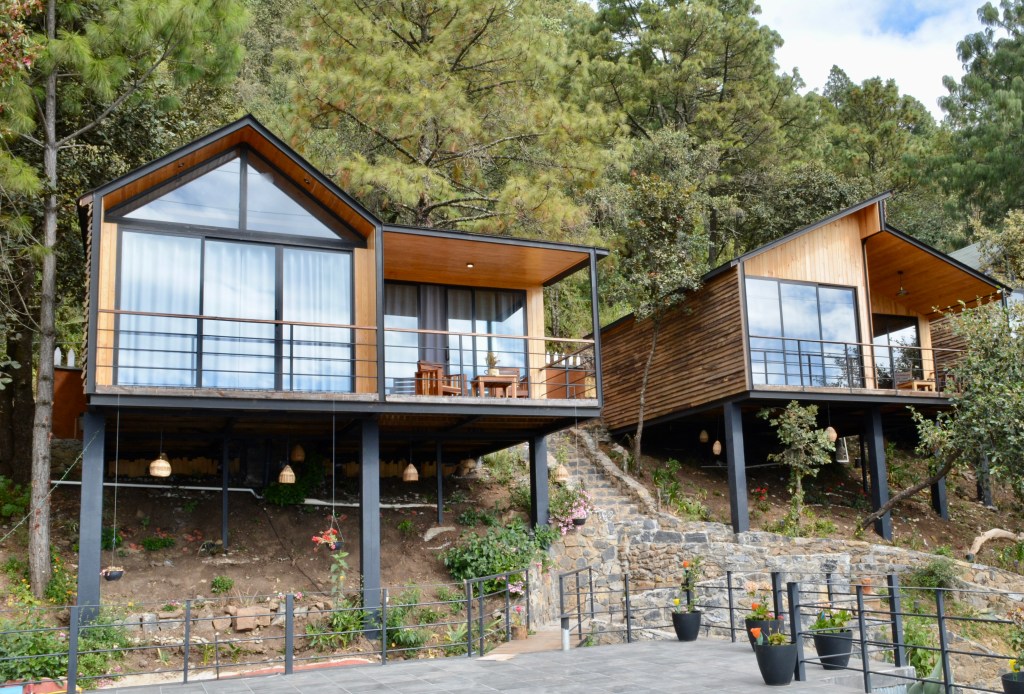
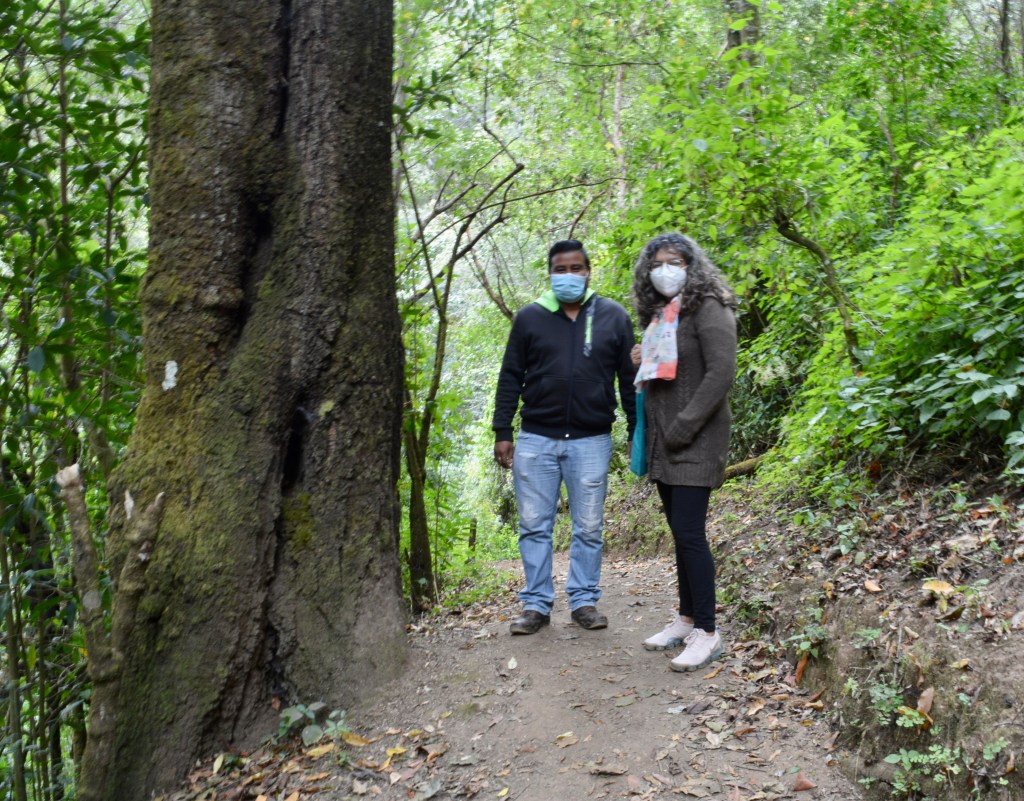
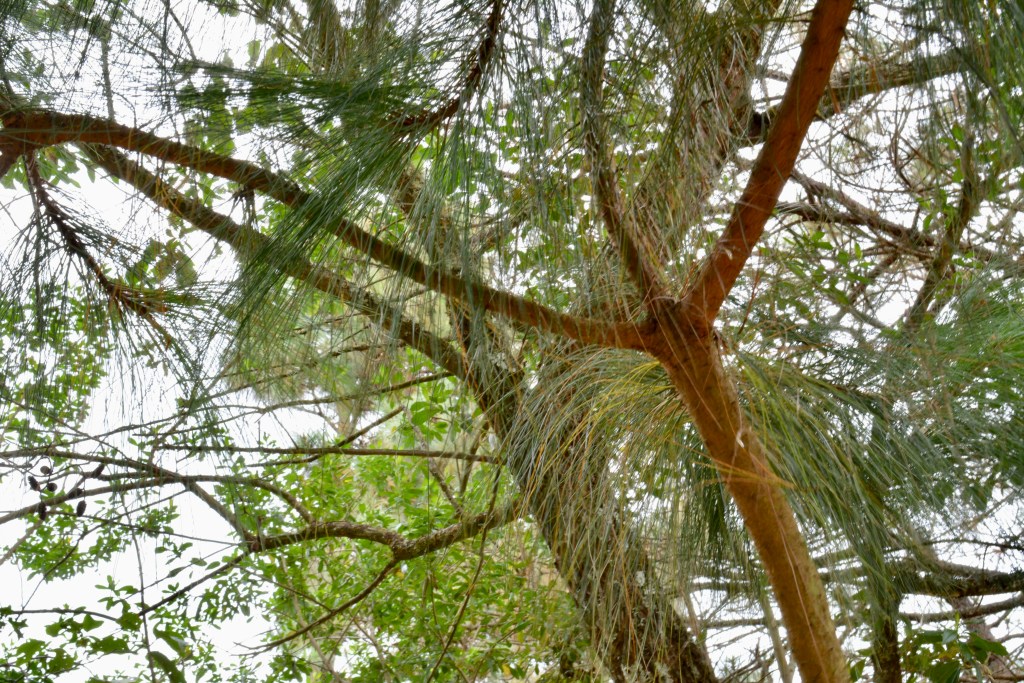
Lucky for me, my friends Javier and Gabriela were game to rent a car and make the drive up the long and winding road to San Jose del Pacifico in the Sierra del Sur. A small town in the mountains, it is a place for adventure seekers, hikers and climbers to visit. It is truly beautiful and charming and due to its location in the middle of pine forests, the building practices incorporate more wood than is common in Mexico, giving the place a definite flavour of mountain retreats. The clima also reflects the altitude and out came the jackets, pants and socks from the bottom of the suitcase when the temperature dropped to 6 Celsius when the sun set over the mountains.
The highway between Puerto Escondido and the turn-off to San Jose is greatly improved since my last visit and and a by-pass road before Pachutla meant that we missed the traffic of this busy commercial centre. As you leave the coast and head up into the Sierra the road becomes narrow, with hair pin curves and even some “logging” trucks. The road as you would expect was lots of fun to drive and Javier and I took turns, and much to his dismay Gabriela favoured my driving to his!
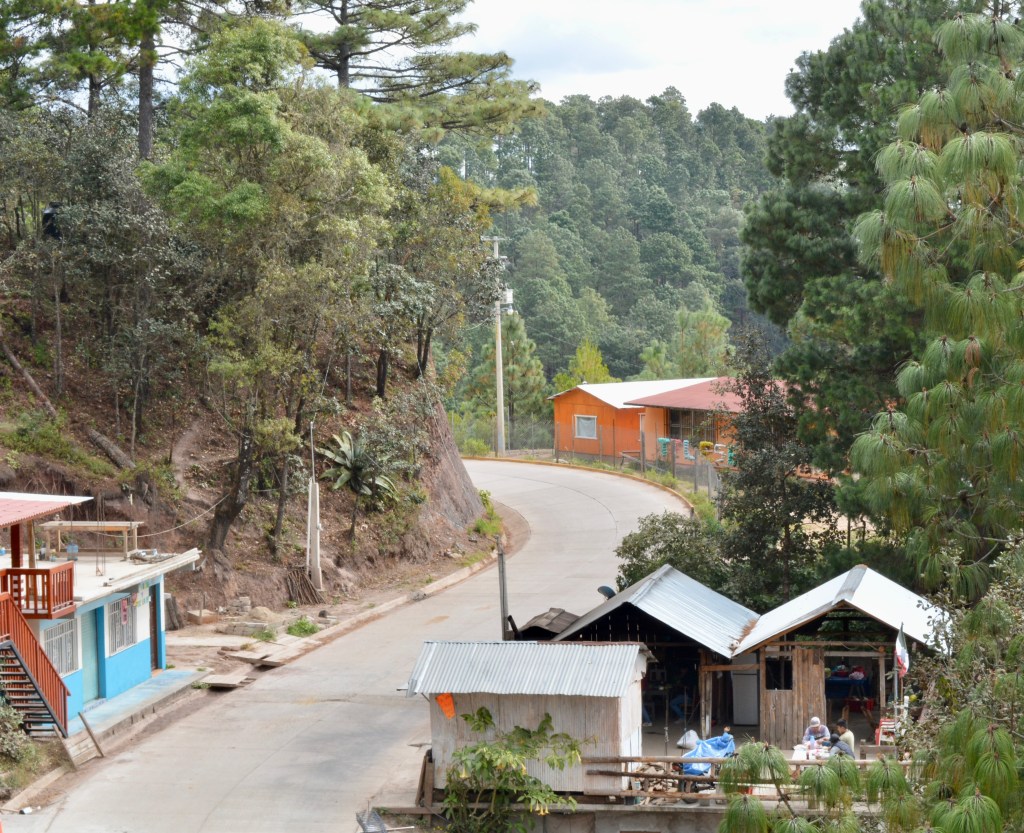
Stunning Scenery Makes the Trek Up WorthwhileMiradors Along the WayMany Little Pueblos Along the Road
We stayed in a very nice hotel overlooking a valley, built with lots of pine wood the cabins were post and beam with timbered rafters. There weren’t many people at this newish hotel and we generally had the dining room to ourselves. I can see where the visitors will come once covid is over and the word is out. From this same road that takes you to the top of the Sierras you can take a turn a little further down the mountain and take the original road from the coast to the city of Oaxaca. Javier recalled driving his entire family, most of it in the back of a pick-up from Mexico City to Puerto Escondido when he was just a teenager. Some of the folks in the back lacked an appreciation for his enthusiasm for the road as car sickness overtook them.
Our Hotel and Gardens
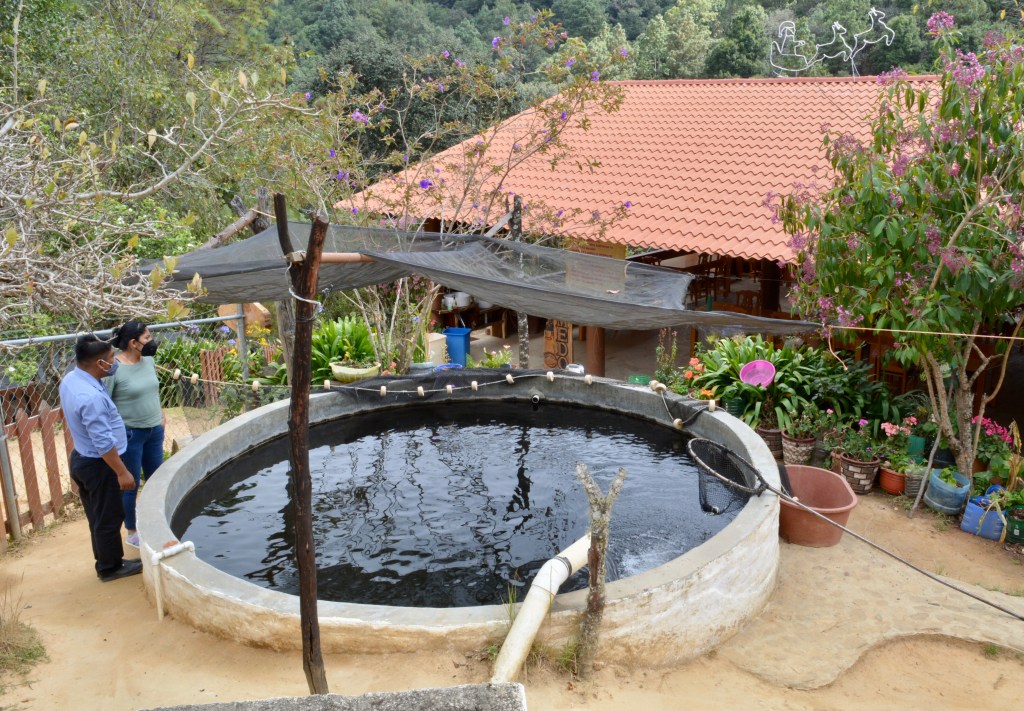
We hired a local guide who showed us the sights, taking us to all of the spots of interest for visitors. Our first stop was a combination resort, restaurant, fish hatchery and zip line, with of course Javier and I had to try out.
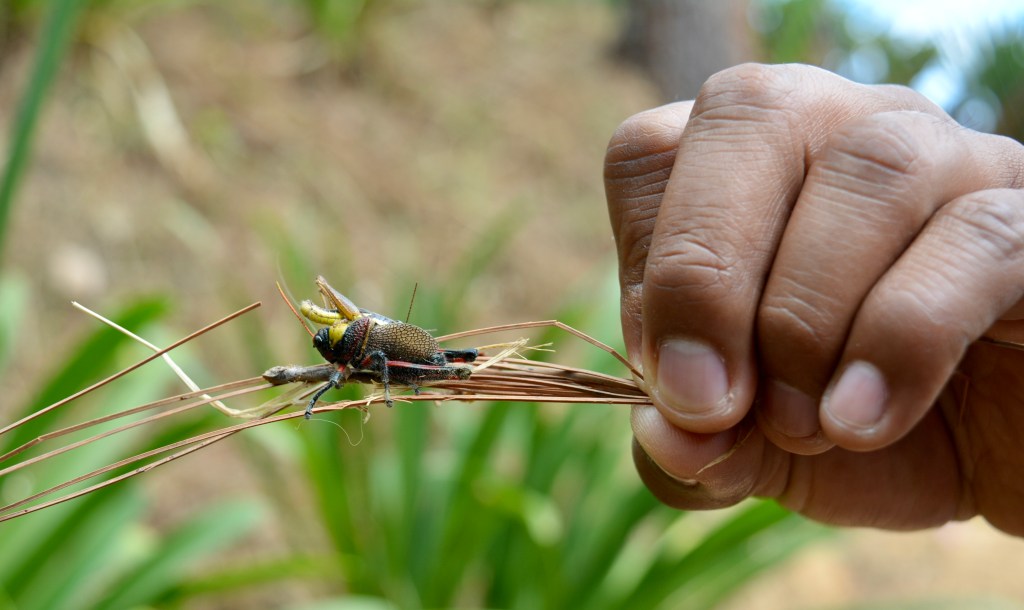
Fish Hatchery, Hike and Even TurkeysGuide Held This Interesting Insect for the Photo
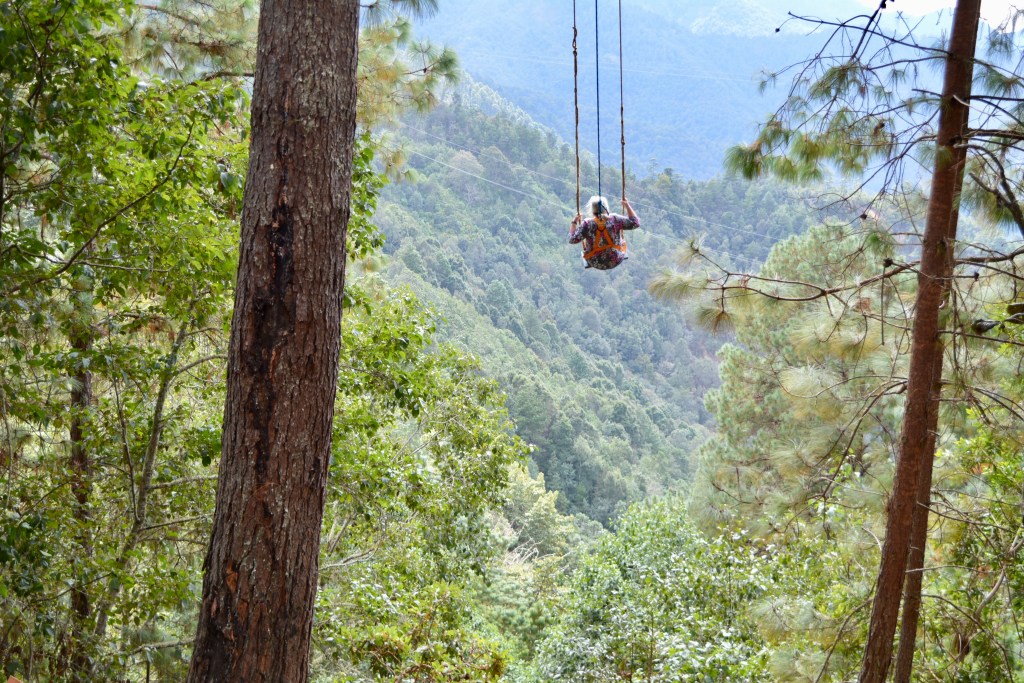
Following our hike and zip-line adventure our guide took us to a local home where the owners have suspended a wooden swing close to the edge of a cliff and so you swing out over thin air, belted in you are relatively safe and again the views were spectacular.
Wheeeeeeee!Javier All Set to Swing!
This was the first of our human launch experiences and I must admit the next one did take my breath away.
San Jose del Pacifico is all about tourism and forestry including furniture making. There are many attractions for visitors whether you want to jump off the edge of things or stay firmly on the ground like Gabriela, there is something for everyone.
Christmas in Puerto Escondido
Back in Puerto, after our weekend in San Jose del Pacifico, it was clear that Christmas Vacay was really ramping up and the night market on the Adoquin in Centro was packed with people and possible regalos. Decorations sprung up all over town and Javier and Gabriela invited me to join them for their Christmas Eve dinner.
Adoquín Busy with Christmas Vacationers
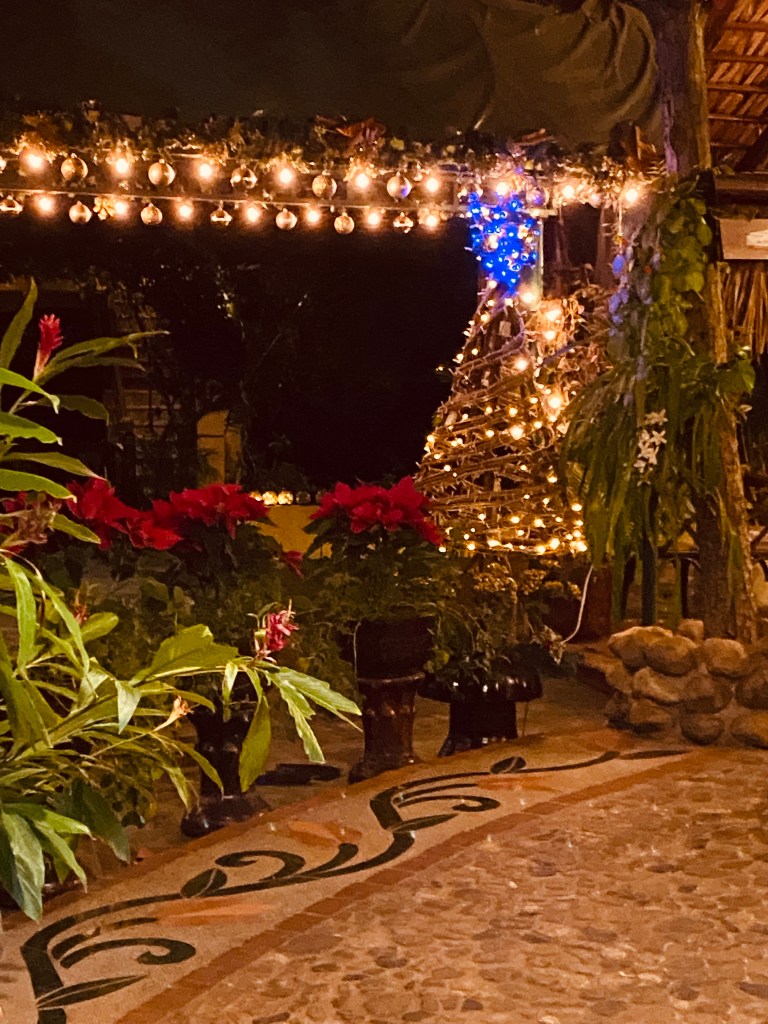
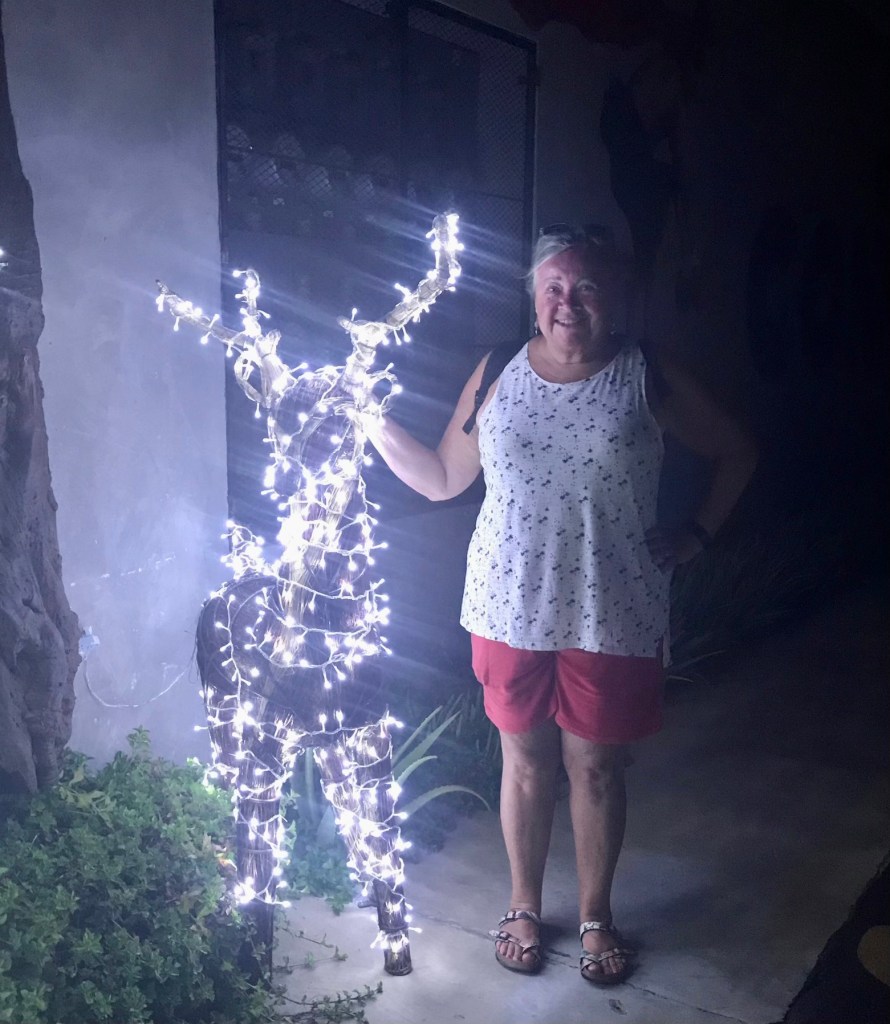
Lots of Christmas spirit in Puerto with lights, decorations and fireworks to celebrate the many special days in the Christmas season.
Carina at ChristmasLights Galore!
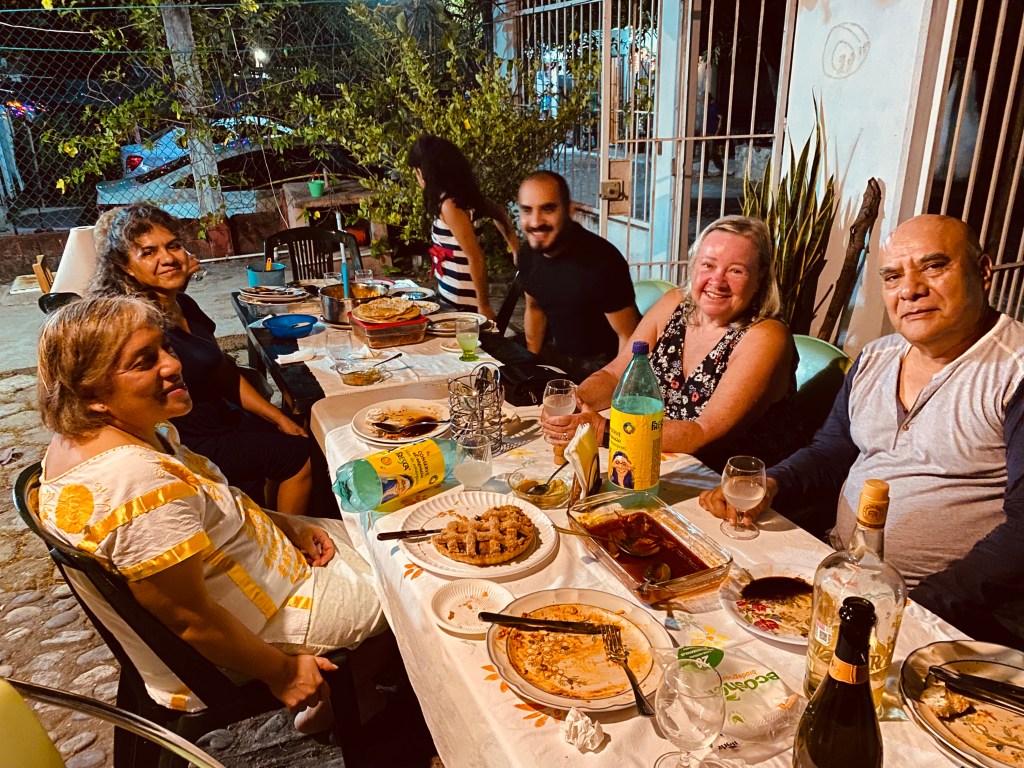
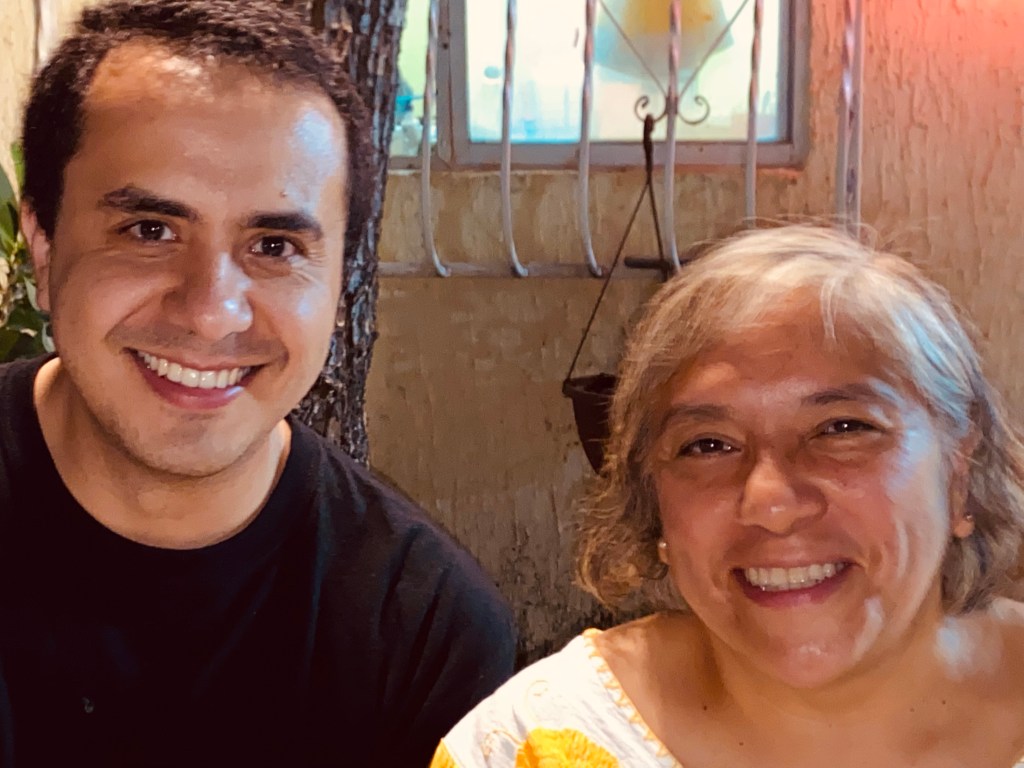
Javier and Gabriela invited me to their family Christmas Eve dinner which is the main event in Mexico. Javier picked me up at 8 PM and we drove to their home. They had set up a table in a neighbour’s yard under an almond tree strung with Christmas lights and along with four of their neighbours, Javier, Gabriela, their two sons and I enjoyed the typical Christmas feast of fish and pork. Both dishes took two days to prepare and the neighbours contributed a few dishes of their own including a sweet crepe desert with honey drizzled on top.
Sweet Crepe with HoneyAlmonds from the Almond Tree
And now with Christmas done, I will say goodbye for now and set my mind to my next adventure….Guatemala.
I had so much fun at this birthday party, watching the proceedings and savoring the joy that only children exude when they are excited. Jade is the daughter of Nora & Beto, a couple I have known for many years in Progreso. Beto and I share a birthday and a few years I have been lucky enough to share a celebration with Beto starting Nora’s home made flan!!!
This is Jades’s birthday though and as a nod to Covid and during the time when folks thought we had it on the run (pre-omicron) with vaccines etc. a face to face almost normal party was held in her honour.
The birthday girl in her fancy ball gown.
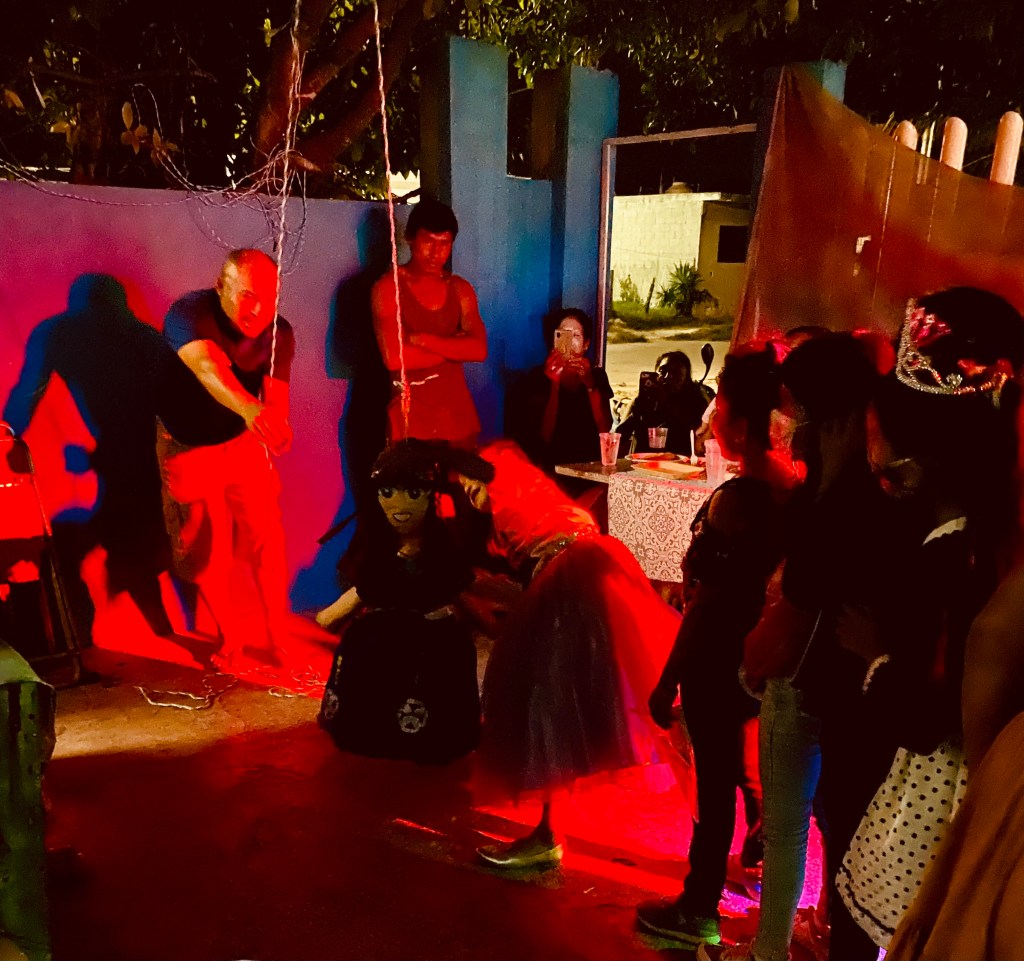
Nora hired a couple of young men you ”do” kids birthdays, bringing music (loud), lights, games, prizes, and decorations. Momma has only to shop up. What a great idea. The kids are entertained and kept busy though out, right up until the piñata is smashed and the cake is eaten.
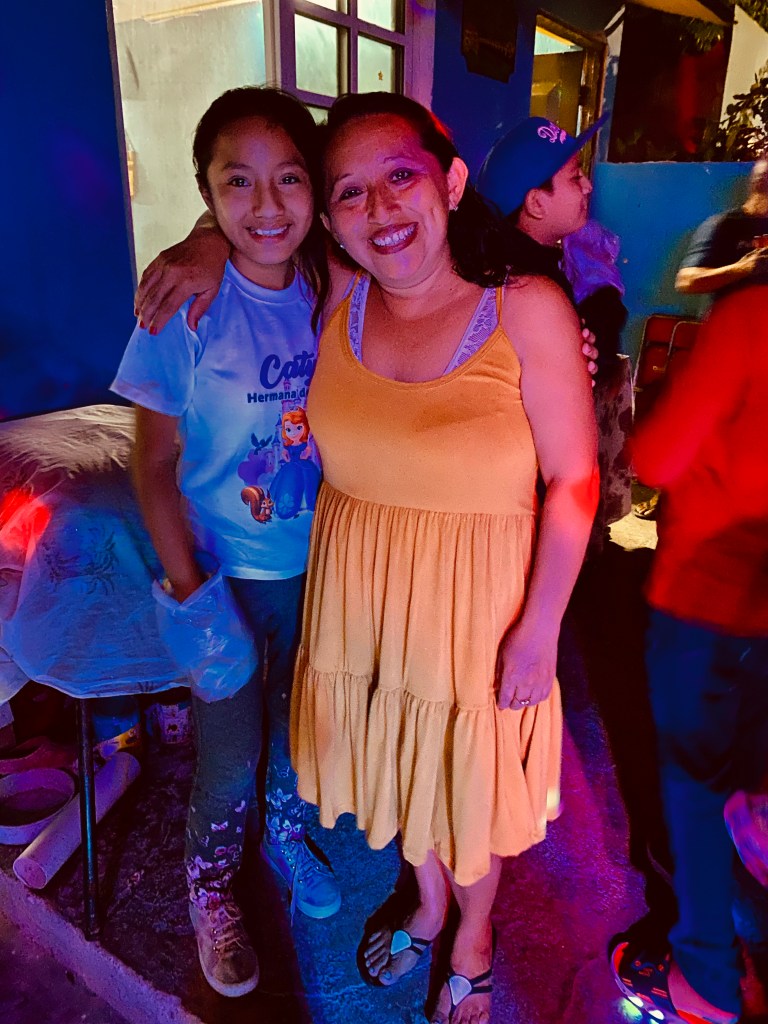
Nora and her neice CatyaFun and familiar games!Piñata and Cake!
If you have a rental car and if you’re lucky enough to have friends to share the driving and the cost, there are great places to visit within a few hours of Progreso.
Day Trips
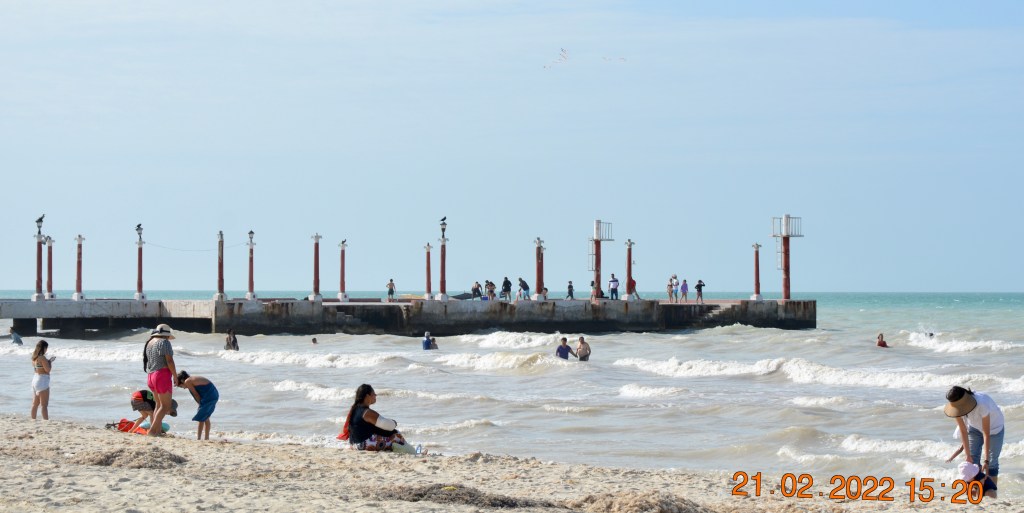
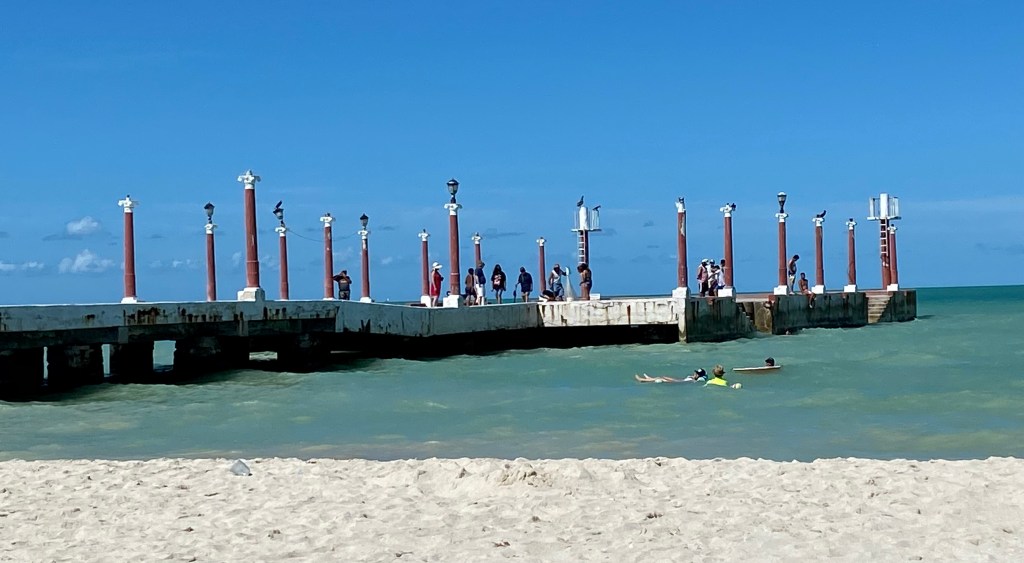
Sisal, a beachside Puebla where we understood many changes were taking place, was one of our destinations. Easily combined with a trip to Celestun to see the flamingos, Sisal has been “discovered” and real estate is reputed to be flying off the shelf. Worth the drive as the beach is pretty, there’s good swimming and several beachside restaurants serving local seafood. The history of Sisal is interesting too and was the port from which the heinequin rope was shipped to all corners of the world.
Sisal Pier
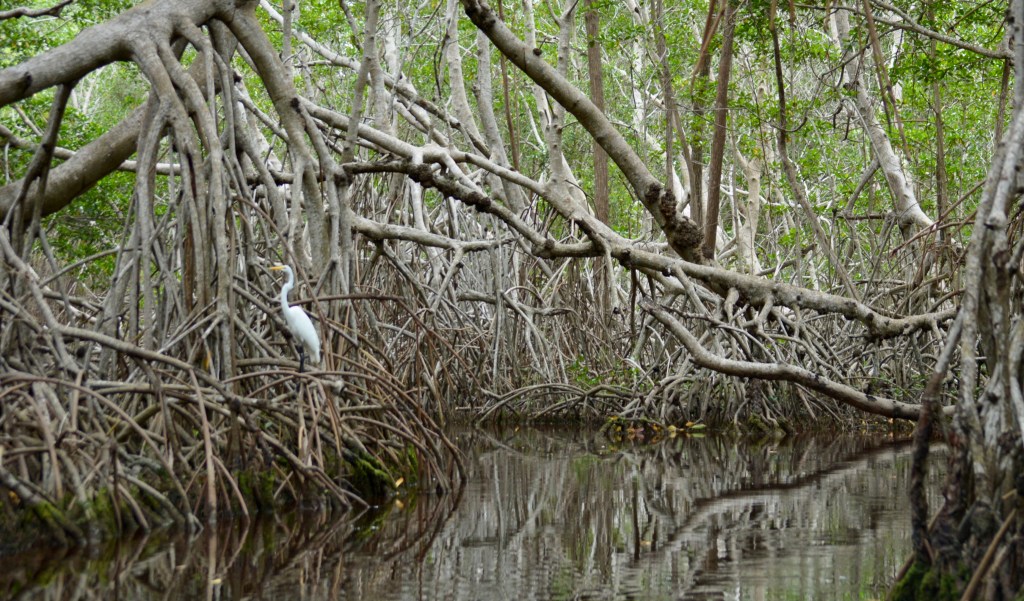
Celestún, another town easily reached from Progreso has been a favorite of mine over the years. I’ve probably been about three times to take the launcha through the mangroves to see the flamingos and other birds. Boat tours leave from the beach in the center of town, or a shorter option is to take a boat from the lagoon as you enter the town. No need to book ahead or even try to find a boat, they will find you. If you are a bird watcher I’d say this day out is a must, I have never been disappointed and have seen a variety of bird life including pink herons and lots of pink flamingos.
Pink HeronsPink from CamaronesThe boat tour includes a short hike and a swim in the cenote.
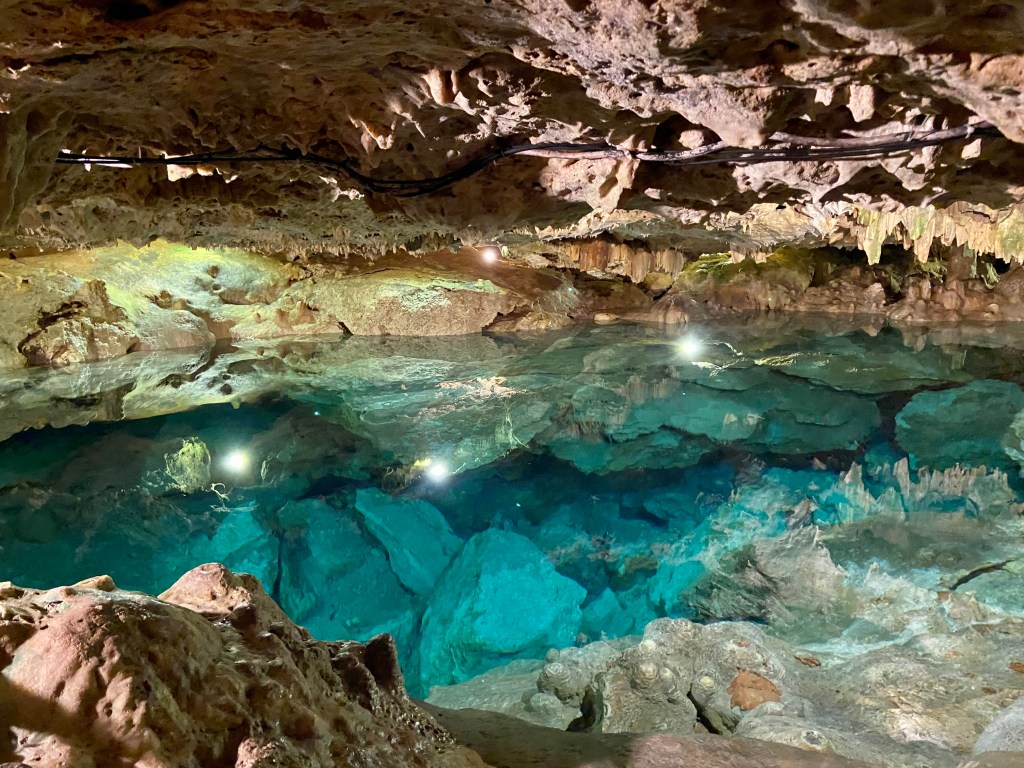
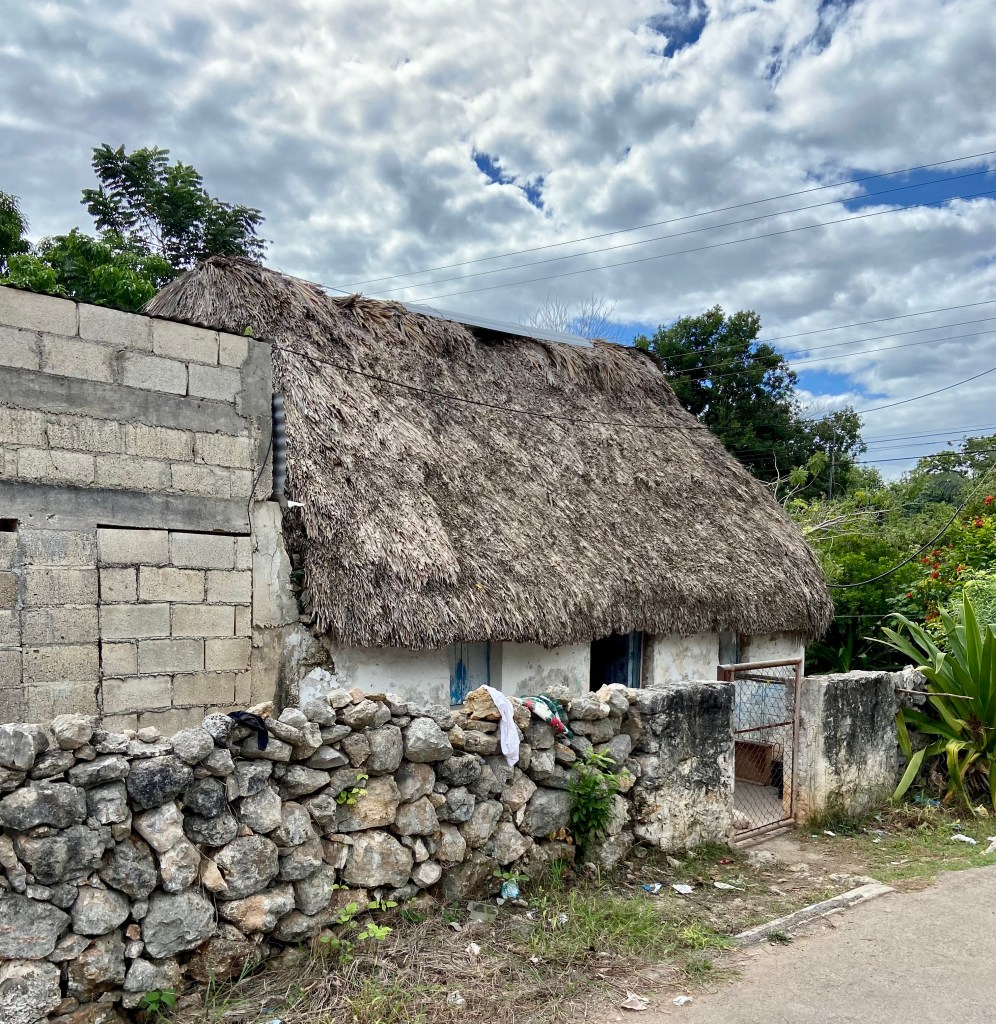
Cenote San Ignacio is a cenote with an above ground pool, gardens, a restaurant and an underground cenote that is beautiful, clear and refreshing. One of my favourite cenotes, it offers change rooms, an above ground pool, a restaurant and of course the underground cenote. A quaint little Puebla, San Ignacio is a good place to see the old style maya homes with adobe covered rock walls and palapa roofs.
San Ignacio CenoteTraditional Maya Casas
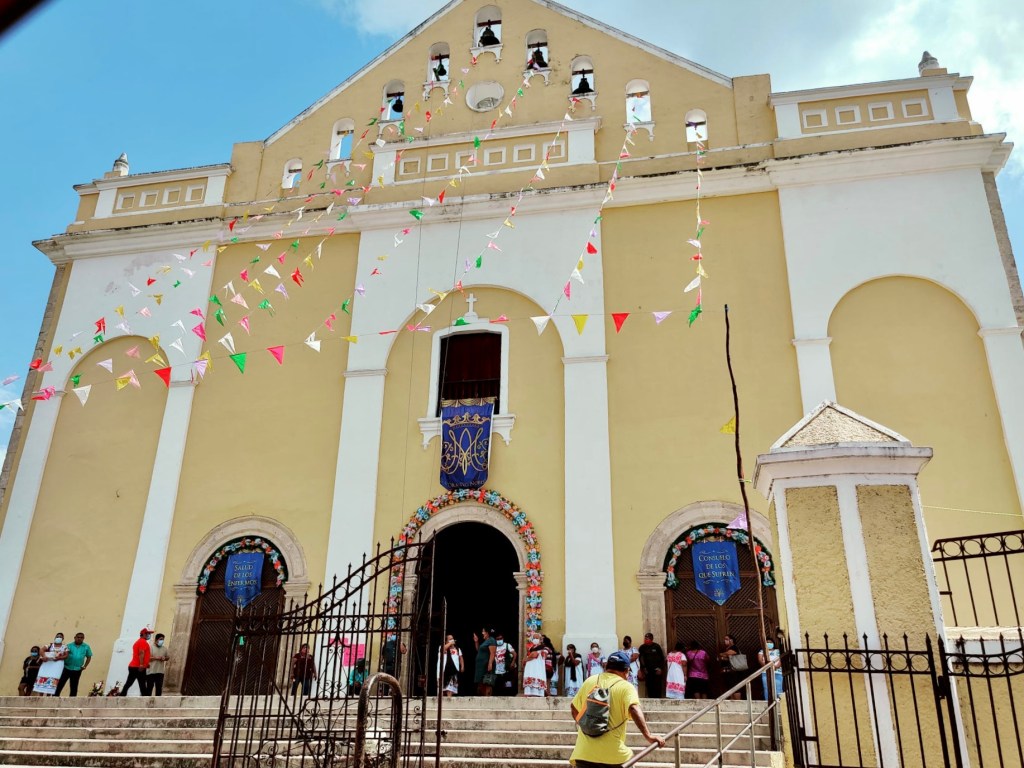
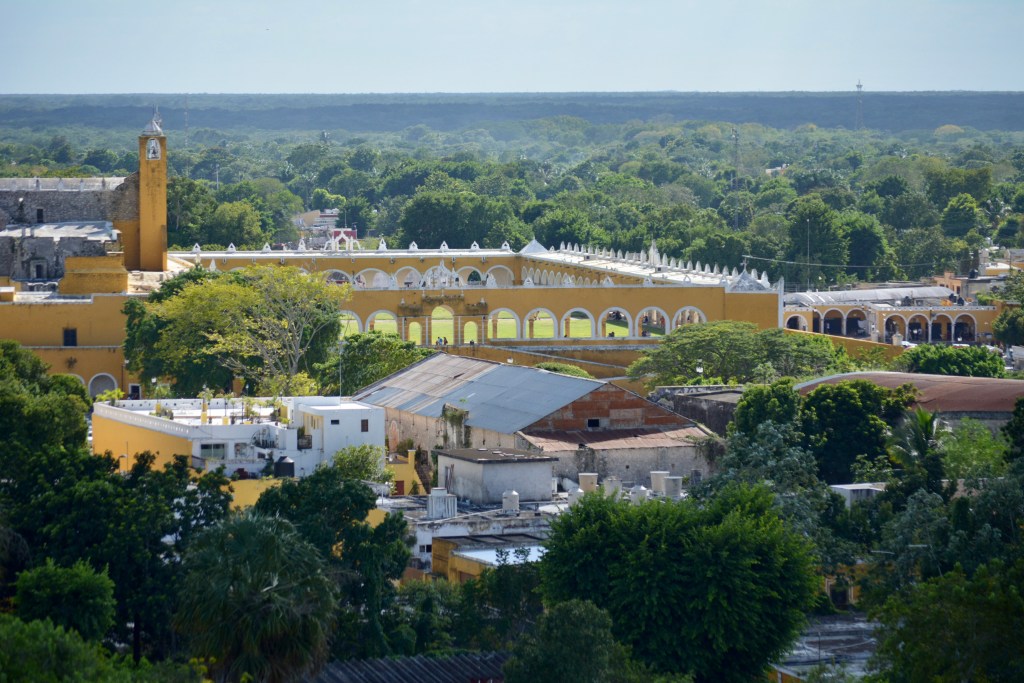
Xzamal My first visit to Xzamal and I have added this to my must do list for future visits to the Yucatan. Xzamal is notable for its profusion of yellow buildings. The Pope visited (1973) a particularly famous and sacred Franciscan Monastary here and in honour of his visit and as a sign of welcome the people painted everything yellow. The Padua Monastary is large and an interesting example of early colonial architecture built on top of the ancient Maya town that preceded the Spanish. Apparently it has the largest open atrium outside of the one at the Vatican and around the atrium are statues of Saints who are said to have performed miracles.
Franciscan MonastryThe madonna wears a crown, gift from the Pope.
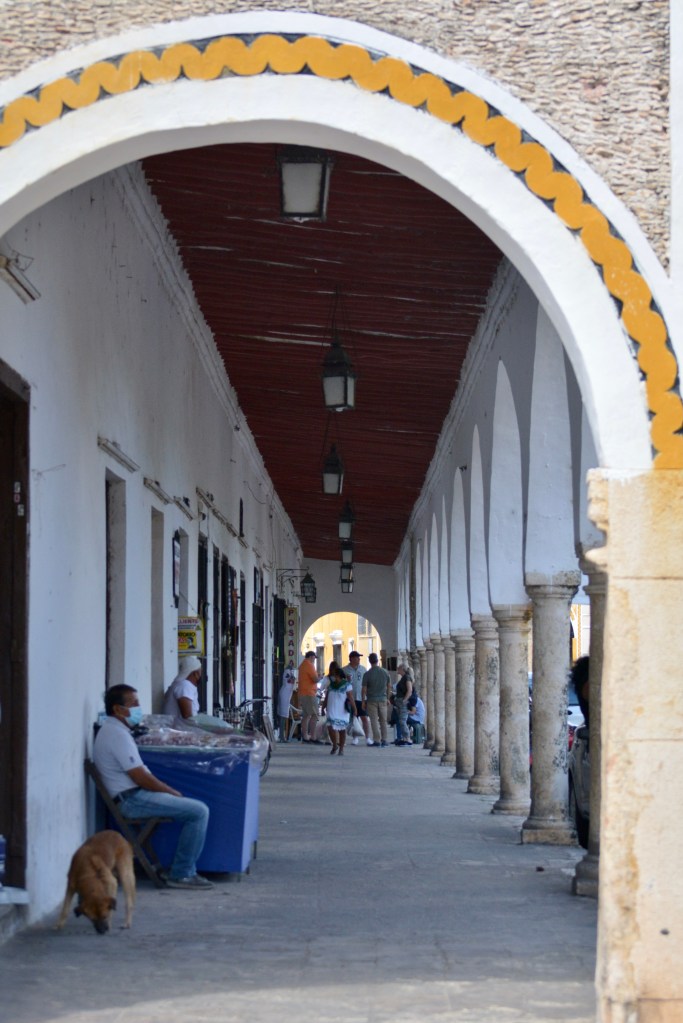
From the walls of the Monastary you can look across the main square with it’s yellow arches to Kinish Kak Mo, a smaller and easily accessible Maya pyramid. The meaning of its name translates to “macaw of the solar fire face”. We were able to climb right to the top for a great view of the surrounding area. The Yucatán is as flat as the Canadian prairies so you can see quite a distance.
Main SquareKinish Kak MoEntrance to the PyramidView of the Yucatan from the Pyramid
On the recommendation from a friend we dined at a fantastic restaurant called Kinish, where they serve traditional Maya cuisine including cochinita, a pork dish marinated with sour orange juice, wrapped in plantain leaves and cooked underground.
Progresoand Merida After my friends left for home I immersed myself in life in Progreso. A friend living in Chelem got me aquainted with the beaches there and in Chuburna, communities adjacent to Progreso. It was often windy but the water was warm and we all swam and enjoyed the beach in relative solitude, which of course in the time of COVID is advisable. Of course Merida is close and movies, bowling, restaurants and a jazz club rounded out my last days in Progreso. Next stop Puerto Escondido.






















































 Wander With Stella