Da Lat – The Central Highlands of Vietnam

Da Lat..the flower city, a breath of fresh air.

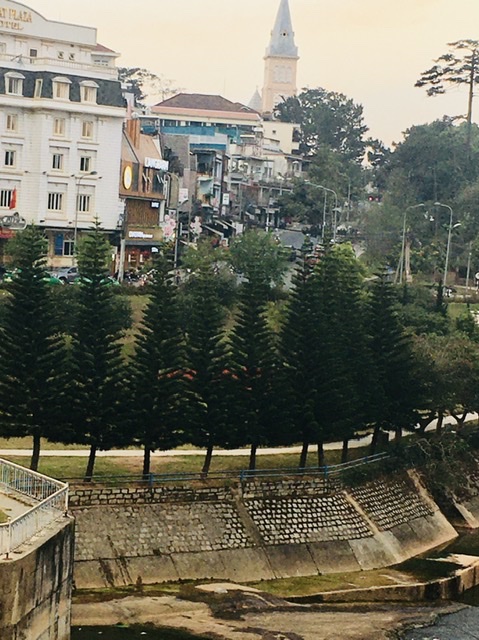
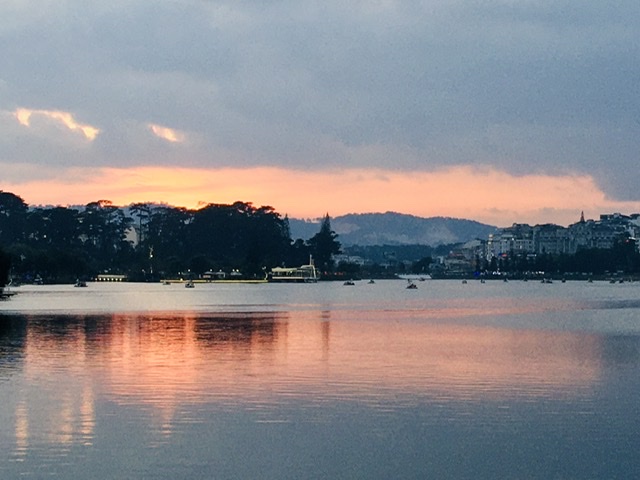
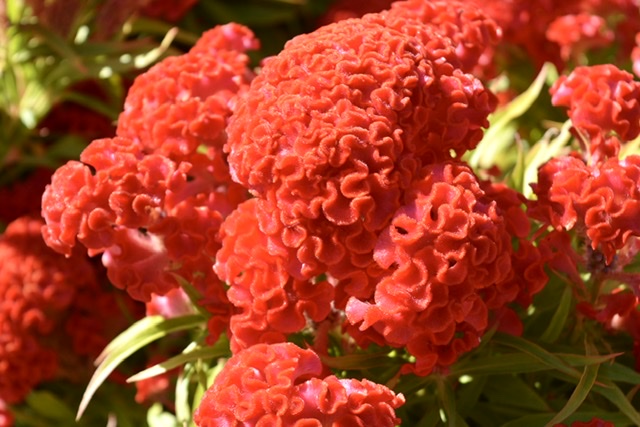
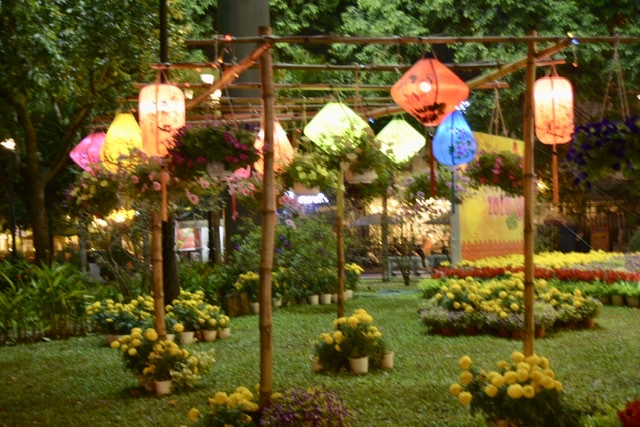
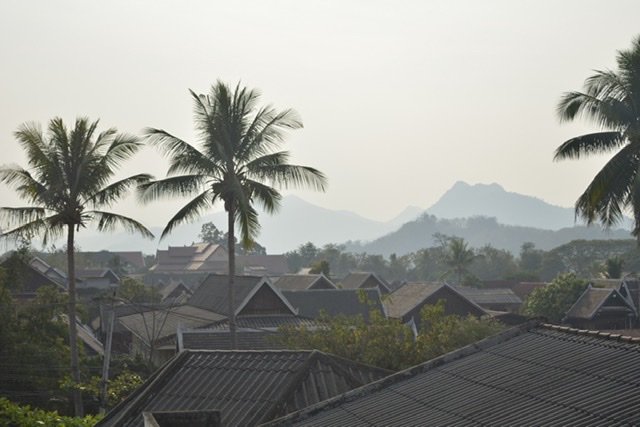
Da Lat, the flower city, is located in the central highlands of Vietnam and it is a breath of fresh air. We arrived at our very pink hotel, the Dalat Boutique, with it’s great views of the city below, with enough daylight to wander out and about, down the hill along twisting streets to Lake Xuan Huong, in the center of the city. At the Lake we rented bicycles to ride the 7 km trail that circles the late and that took us through beautiful flower gardens. With spring in the air and on the heels of Tet there were plenty of floral arrangements. In keeping with the “got space…fill it” philosophy of Vietnam, this well used path, was a bikers obstacle course full of runners, walkers and sightseers, and even the odd motorcycles.

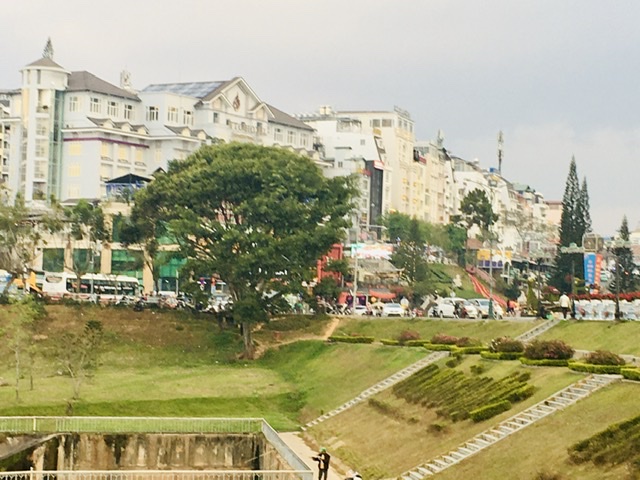
Other thank the crowded path it was a lovely ride and gave us a change to get the lay of the land in central DaLot. The center of Da Lat is very busy with traffic circles, open air markets, narrow lanes, busy streets and a hodgepodge of buildings mixing French colonial with Vietnamese homes, stores, malls big and small and myriads of street vendors.

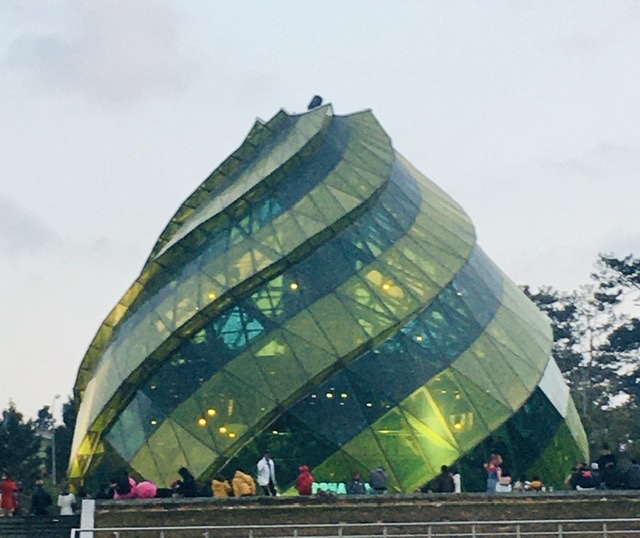
Examples of French Colonial architecture, like a Catholic Church, are interspersed with new construction, much of which fails to conform to any particular style and visual collisions happen on every corner. We saw a building that resembles the tip of “The Pickle”, London’s city hall and just behind it was a communications tower build to resemble the Eiffel Tower.

We reached the end of our bike ride as the sun set, returning the rentals we struck off on foot toward the night market. Hoping for some delicious street food we soon found ourselves faced with the prospect of crossing the road connected to a traffic circle. A near impossibility given the dangerous swirl of buses, cars, trucks and motor bikes. Our weeks in Vietnam have taught us that however counter intuitive it may seem you cross by launching yourself at the vehicles and as soon as they pass you advance as many steps as possible until the next one zooms by. By some miraculous process you go around the cars and the motorcycles go around you. Repeating this process you eventually arrive on the other side of the street shaken but not scathed. It’s like a very complicated game of dodgeball. The other option is to attach yourself to a group of locals, ignoring the traffic and keeping your eyes glued on their movements which you copy through the river of traffic.
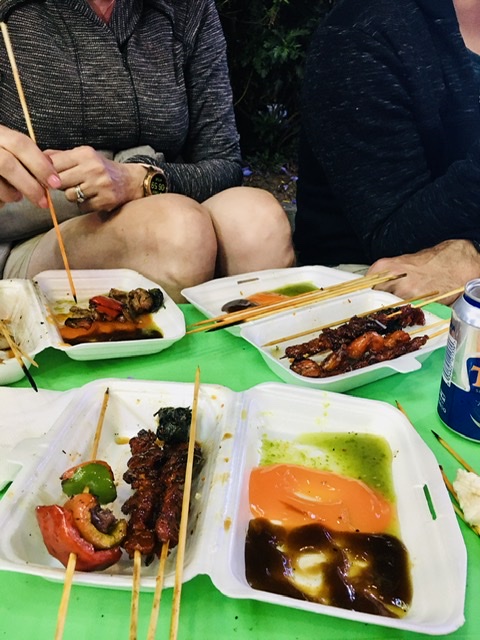
The night market was packed, blocks and blocks of open stalls selling everything under the sun. We managed to scrounge a spot for ourselves at a street food spot with their pint sized chairs and tables which are fine until you try to rise up out of them. We paid a pretty penny for our supper, mostly bbqued meat and vegetables which were good but definitely foreigner priced.

Dalat is an outdoor adventure city, perfectly situated in the highlands, surrounded by pine forests, and blessed with natural beauty. For about $25 CAD each we signed up for a small group tour and were picked up at our hotel for a day long trip to the areas surrounding Dalat.

Our first stop was Robin mountain where we rode a gondola to the top and had views to the farmlands below. The area around Dalat is densely agricultural and hothouses stretch as far as the eye can see.

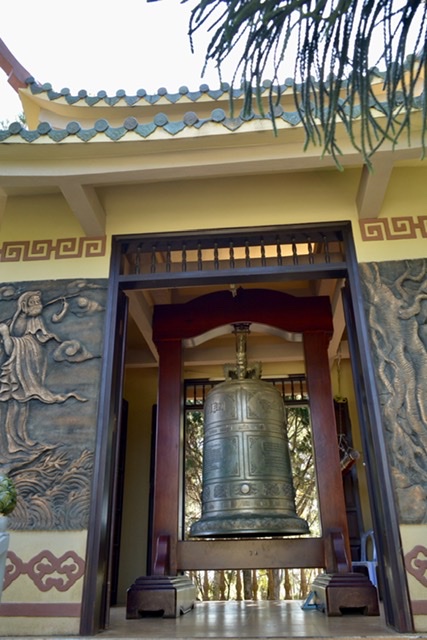
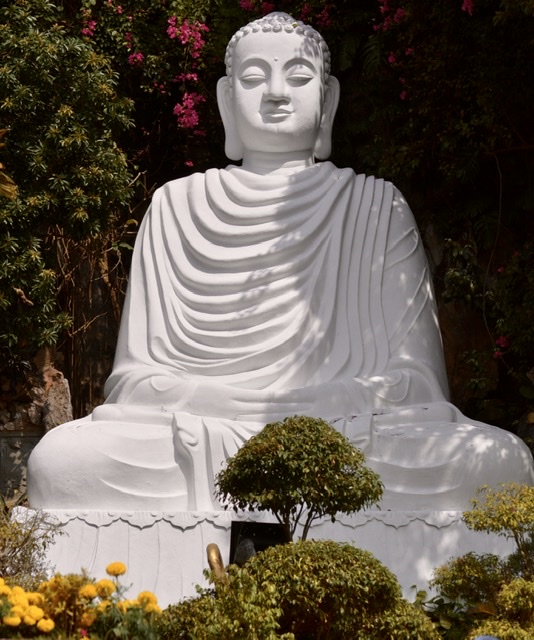
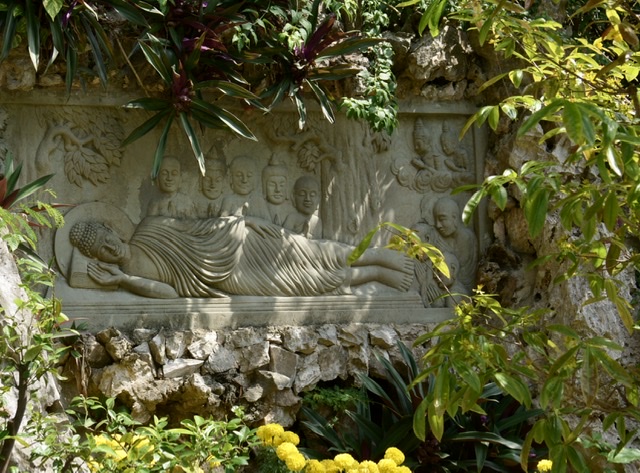
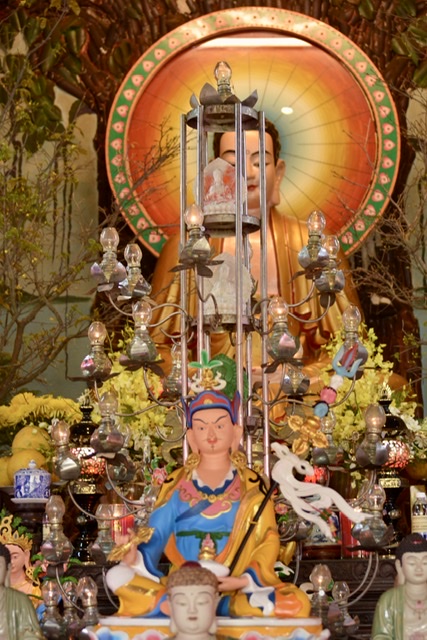
Back in the van, we followed the twisting mountain road to the Truk Lam Zen monastery the biggest Zen monastery in Vietnam. Here

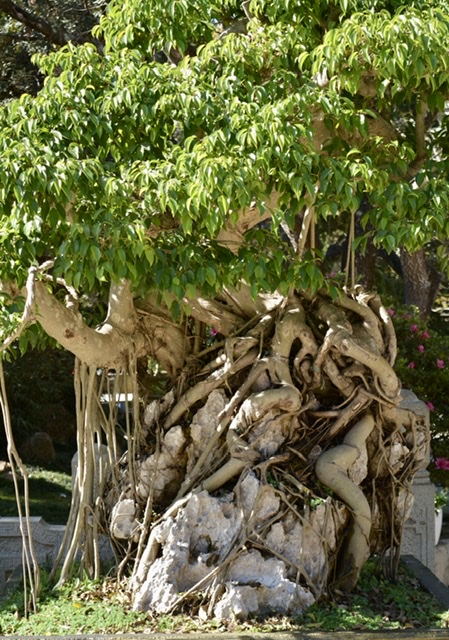
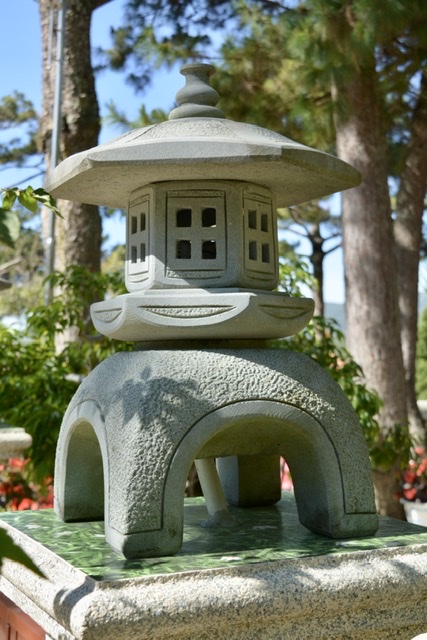
the monks and nuns have built a beautiful series of gardens and trails, including some really interesting bonsai, all linking the various temples and pagodas.
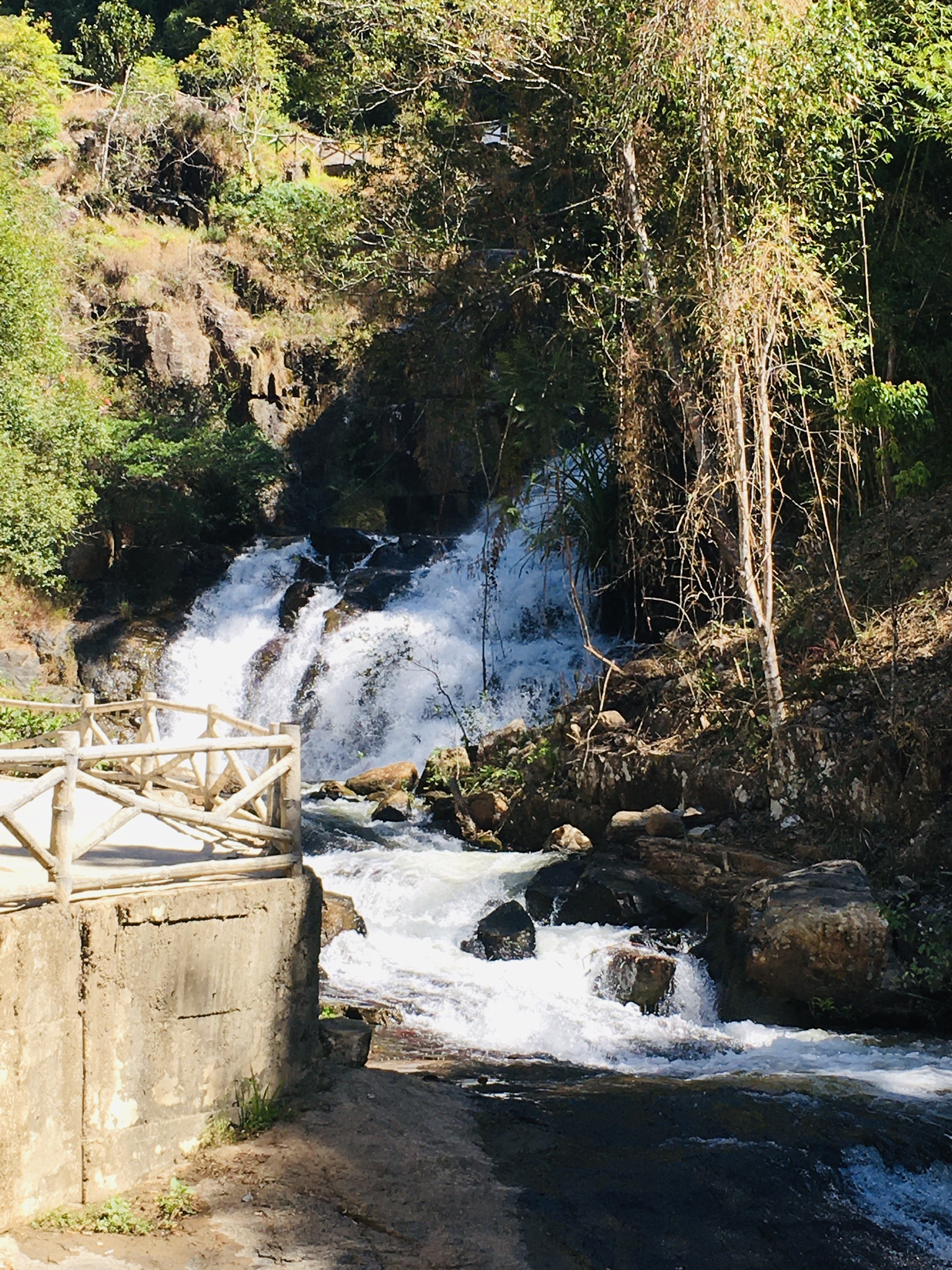
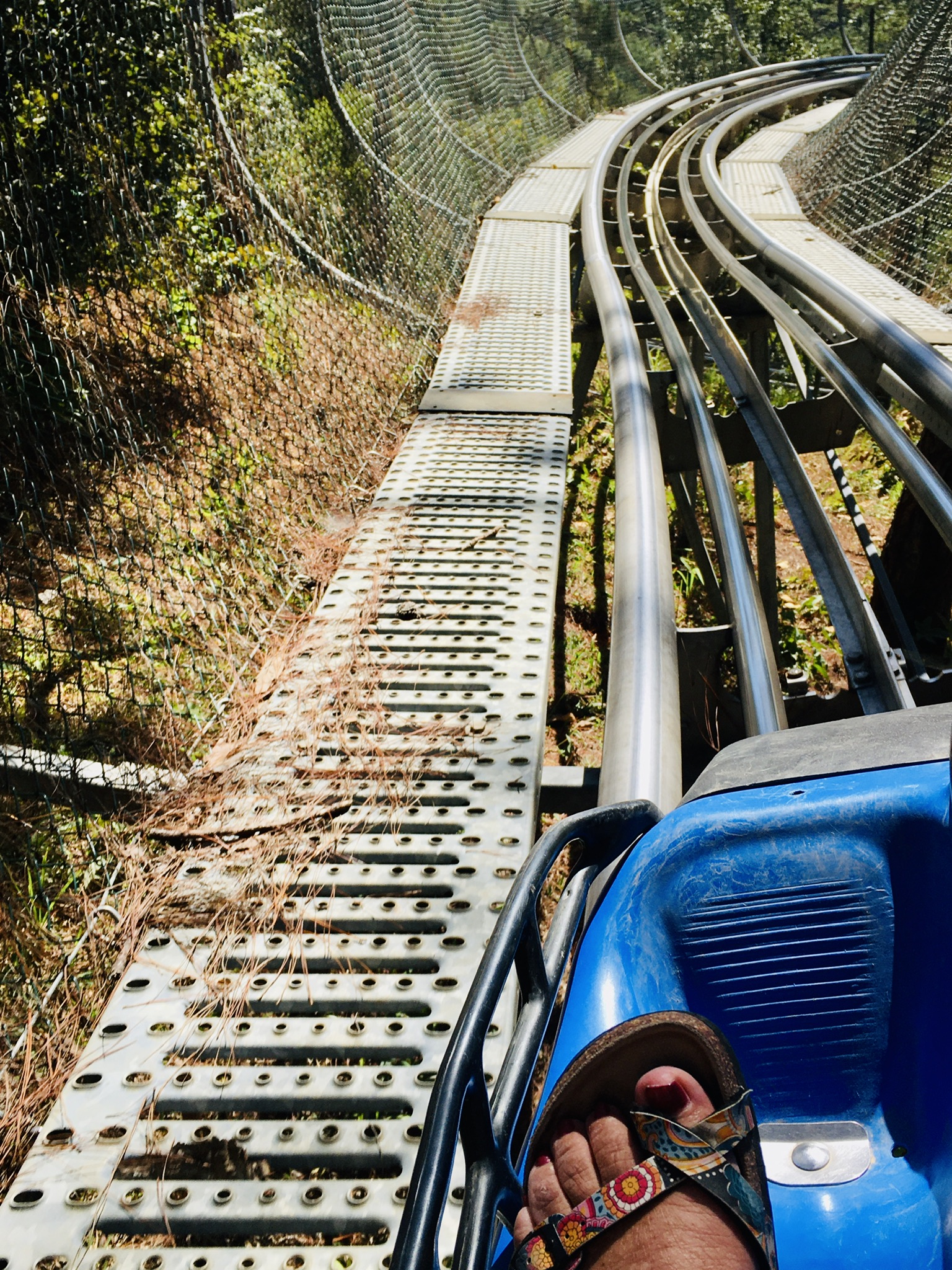
Our next stop was Datania falls accessible by foot or by a much more novel means, a self operated bob sled on a narrow track. We opted for the sled ride and whisked our way down to the falls. At the falls we saw some folks who had repeled down the whitewater, and we thought we were extreme by taking the sleds. Fortunately the sleds also took you back up the mountain and at one point if was pretty vertical with the track taking over the controls so you just had to lie back and stare at the deep blue sky.
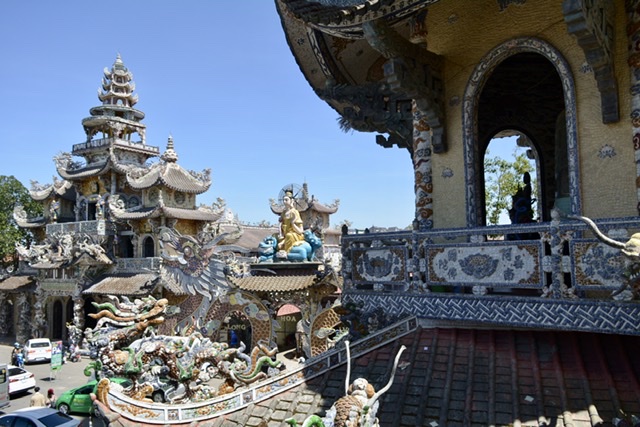
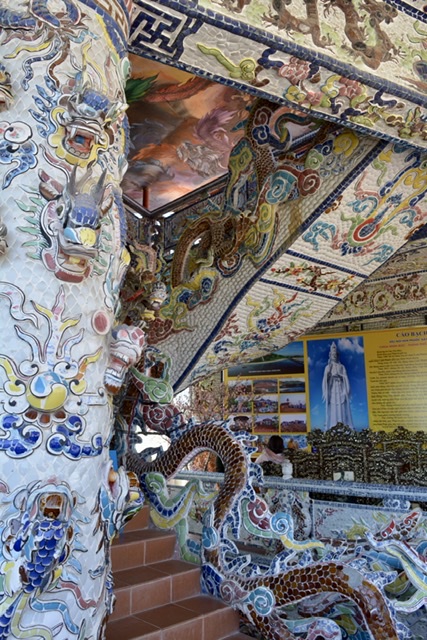
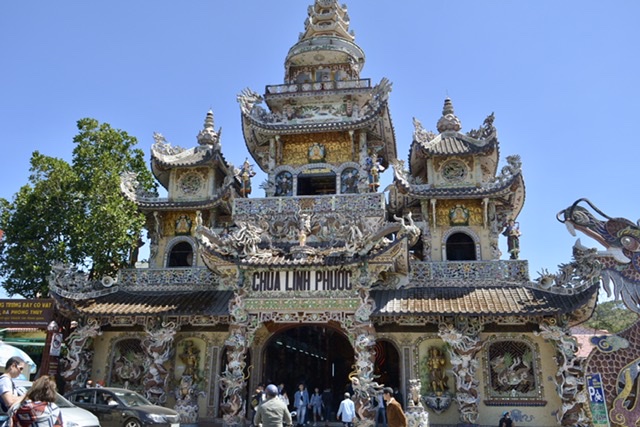
A few miles from the bob-sled/falls was the “Glass Pagoda”, which on closer inspection is made from small bits of broken china and glass. An elaborate design it is a real draw for both Buddhist pilgrims and sightseers. You are able to climb the internal staircase of the pagoda and from there you see the farms below.
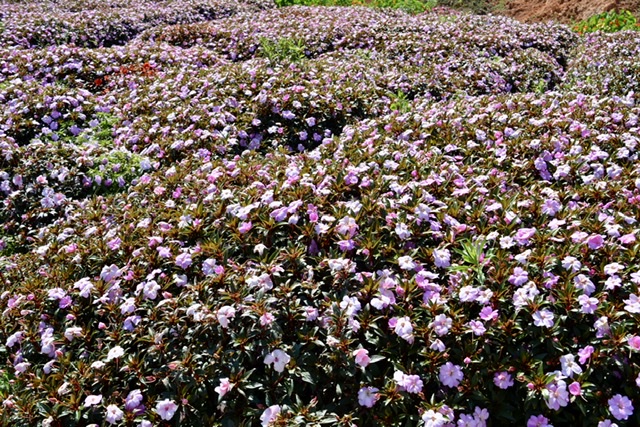
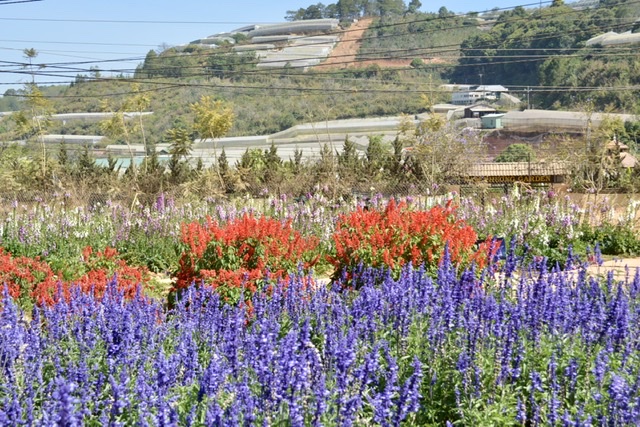
An odd little stop was at a “Puppy Farm” whose claim to fame was being a breeding kennel for more than 100 breeds of dogs. Not really my cup of tea, I didn’t like to see so many dogs (no puppies) in large but cement floored kennels or small individual cages. Still not sure why this was on the tour except right next door and included isn’t he price of admission was another beautiful garden, well worth visiting.
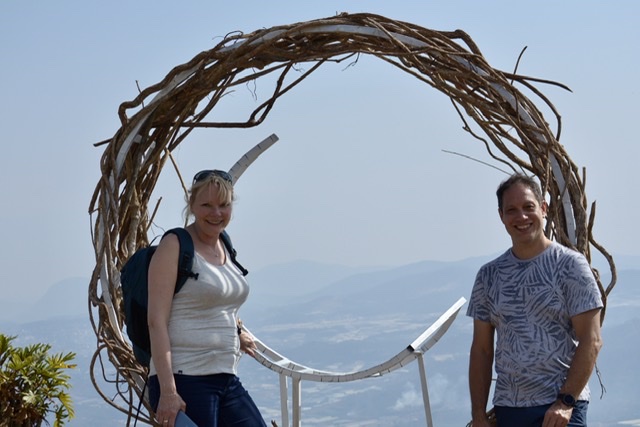
Saving the best for last we parked the van at the bottom of Langbiang mountain, the highest point in the Da Lat area. Leaving the van we were loaded into a very old, utilitarian jeep to make the steep climb to the top.

The mountain is named after a tragic love story between Lang and Biang, young lovers, and like Romeo and Juliet they were denied the chance to marry by their rival parents, ending in their double suicide. The elephants that were present cried so hard a waterfall, aptly named “Elephant Waterfall” formed nearby.

At the top there are a number of attractions like a craft shop by a local indigenous group, pony rides, hiking paths, a restaurant etc. The views alone were worth the trip up in the clanking grinding jeep.

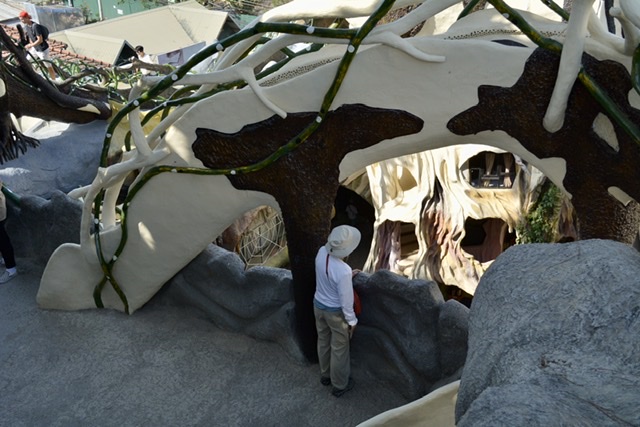
Tour over we spent our third and final day in Da Lat revisiting the city center and visiting a place know as the “Crazy House”, which was only half a block from our very pink hotel.

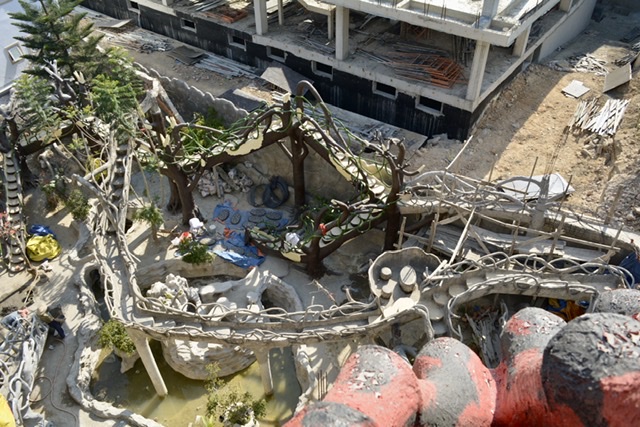
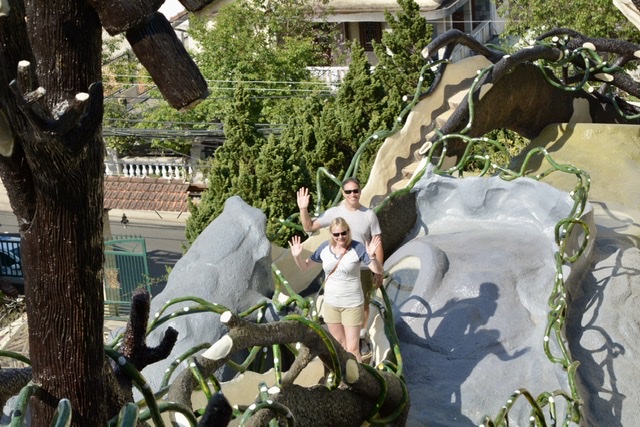
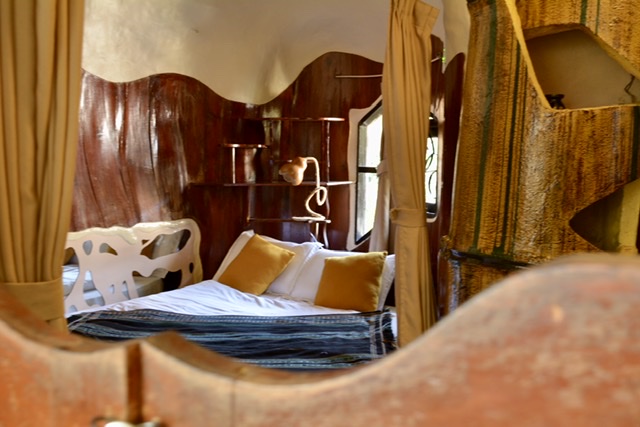
A most unusual attraction it was built by Mra Dang Viet Nga, the daughter of Ho Chi Min’s right hand man. She studied architecture in Russia but her creation certainly doesn’t resemble anything you picture as coming out of Russia. The Crazy House is in fact a hotel in addition to be a busy tourist attraction with dozens of bus loads of folks visiting everyday. The place is not finished and has an organic propensity toward expansion not unlike the Sagrada Familia in Barcelona. Like Gaudí Nga’s vision is a chaotic construction of intertwining buildings all connected by tangled walkways suspended mid-air giving it the air of a tree house.

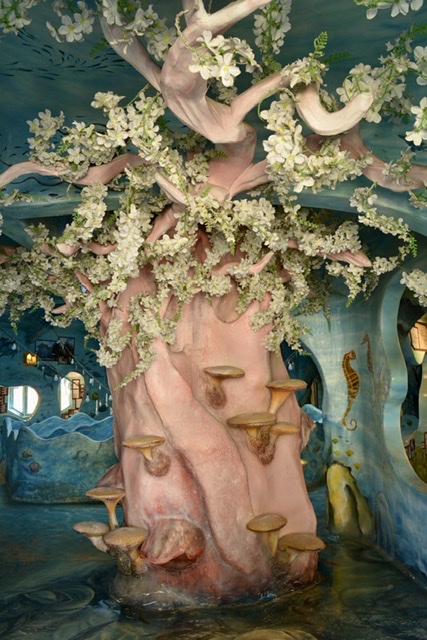
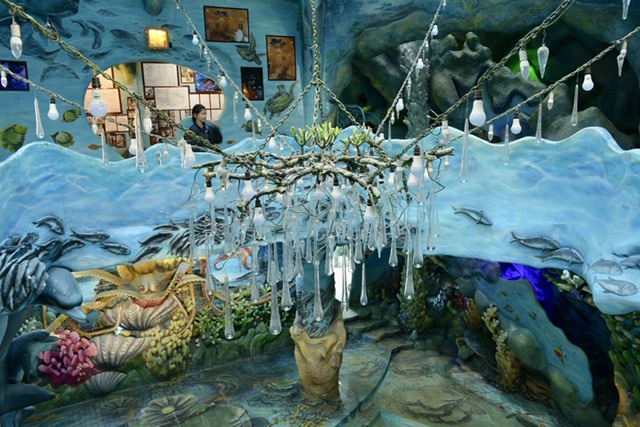
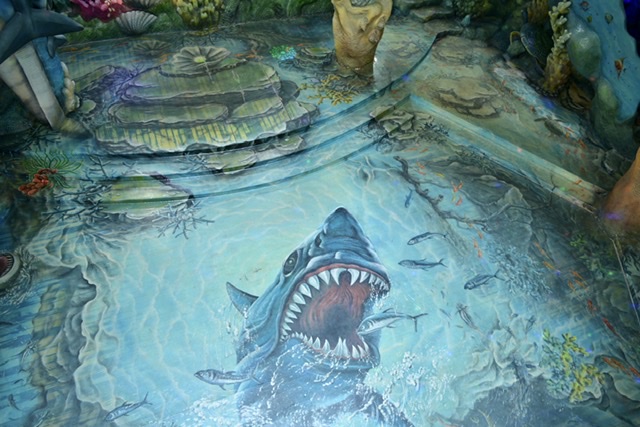
There are a couple of restuarants and coffee bars, the rental rooms are all named and overall the place looks like Gaudí fed steroids to the Hobbits. There are giant cobwebs, oversized mushrooms, aquarium motifs and a museum describing Nga’s journey.

It was hard to leave the beautiful city of Da Lat, the fresh cool air, the gorgeous scenery and the rural vibe made the “Flower City” well worth the visit.

Hoi An – Ancient City of Vietnam

Beautiful, poetic Hoi An

After leaving Halong Bay we took a short flight to Da Nang, situated along the western coast of Vietnam about mid-way to Ho Chi Min City (Saigon). Da Nang is Viet Nam’s 5th largest city and for most travellers it is the entry point for both Hue and Hoi An, ancient cities that have been recognized as UNESCO Heritage Sites. With more time I would have travelled more slowly by train from the north to central Vietnam. As it was with three days to visit the area it was just enough to get to know Hoi An and enjoy some of the interesting history, diverse culture and delicious food. Da Nang and Hue will have to wait for another trip.

We stayed just outside of the ancient city which was a blessing given the hoards of tourists and the number of people who work and live in the area. The Prince Hotel is great if your there, the staff is friendly and helpful, the rooms are clean, comfortable, the service is great and the breakfast good and at $29.00 CAD the price was right too.

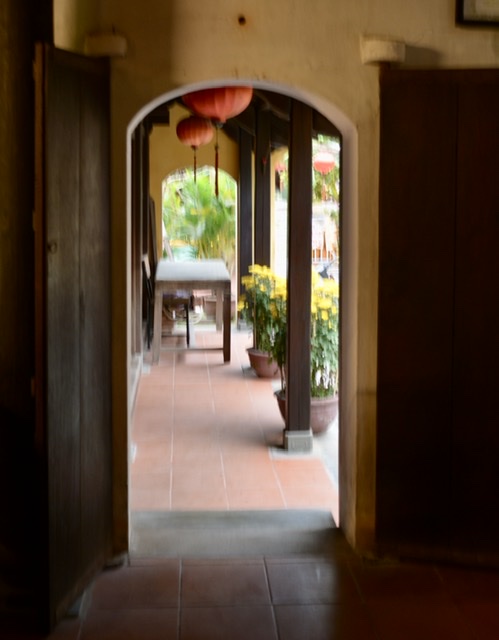
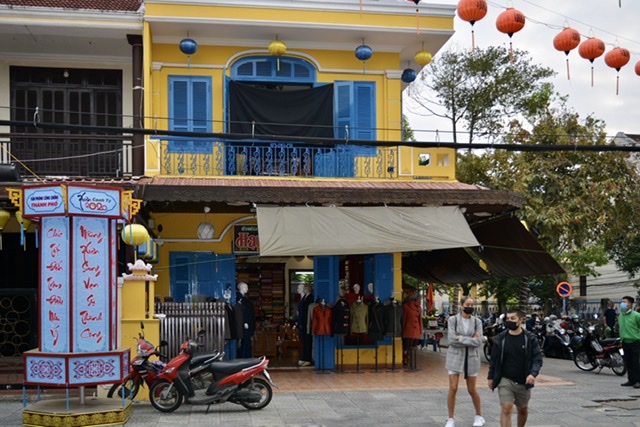
About a twenty minute walk to the edge of the old town it isn’t long before we were emersed in the interesting history of Hoi An. For a small entrance fee you receive a ticket which entitles you to visit 5 of the more famous merchant homes and private temples and gardens in the Ancient City, a rich fusion of Chinese, Vietnamese, Japanese and European influences that date back to the 16th century. A major trading port,people came and went and stayed on as merchants, building the old wooden fronted merchant homes that you see today.

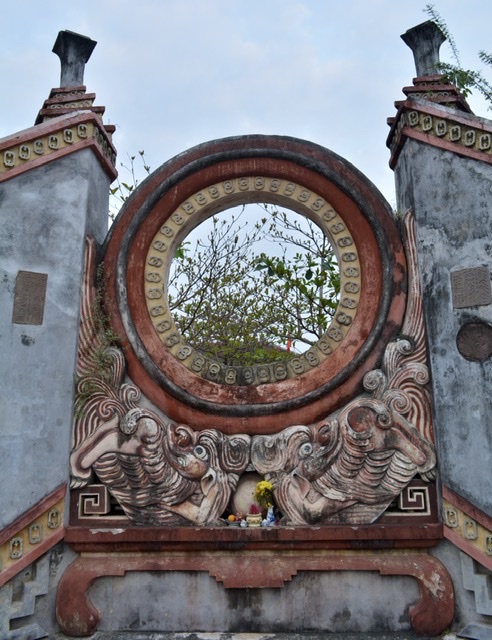
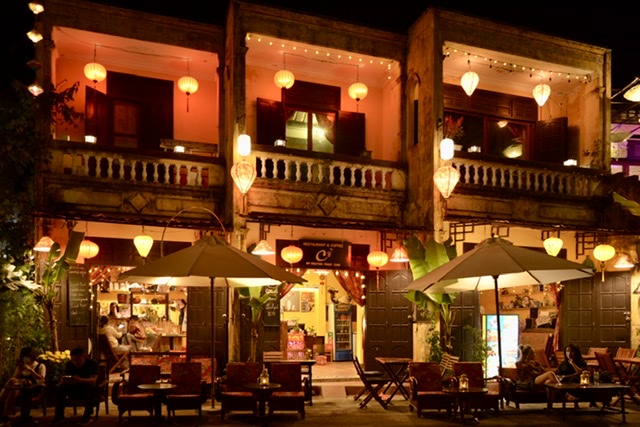
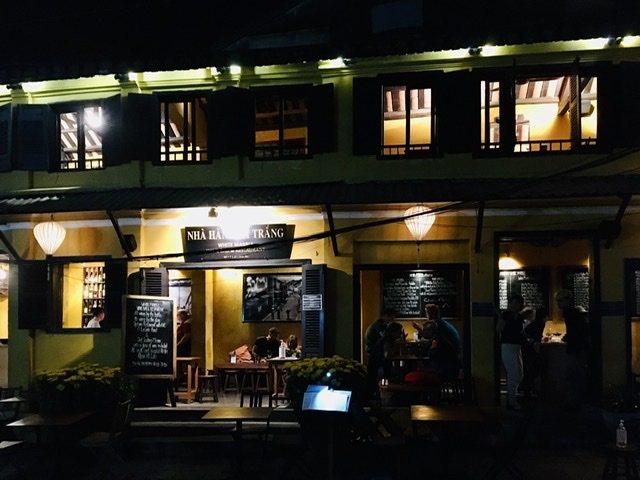
The walkways and bridges that connect the various neighbourhoods of Hoi An, were designated areas such as the Japanese or Chinese areas. The 200 year old shophouses are now home to boutiques, craft-stores, restaurants and bars, whatever brings them in to shop and to spend.

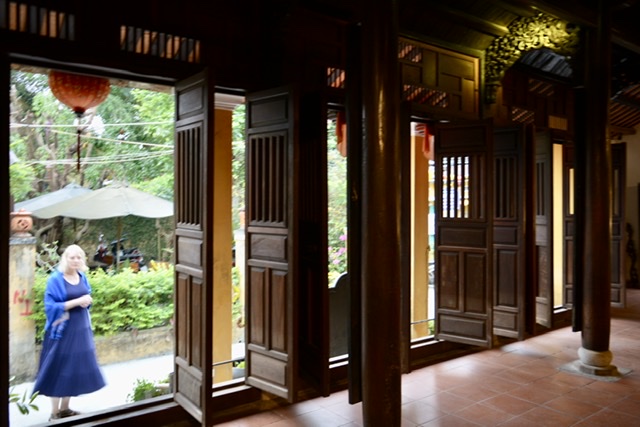
The Japanese Bridge is on of the most famous and connected the Japanese community to the Chinese community in the 16th century. Most merchants built dimly lit homes with dark wood doors and panelling with shops in the front of the house.

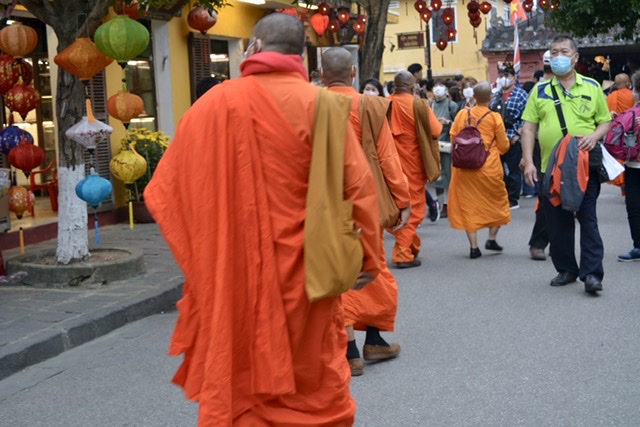
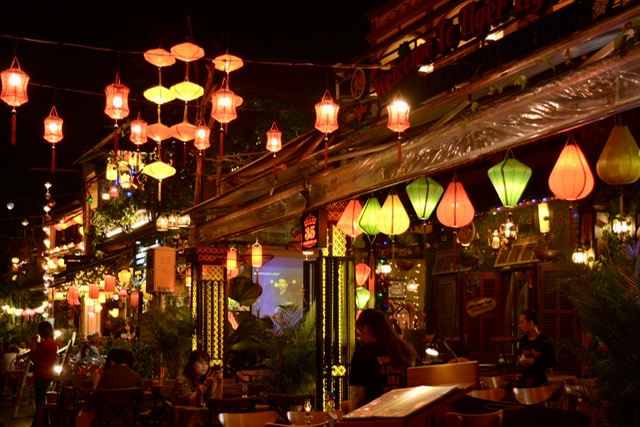
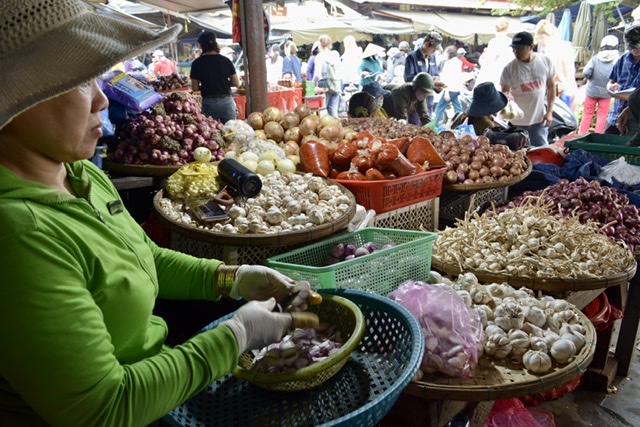
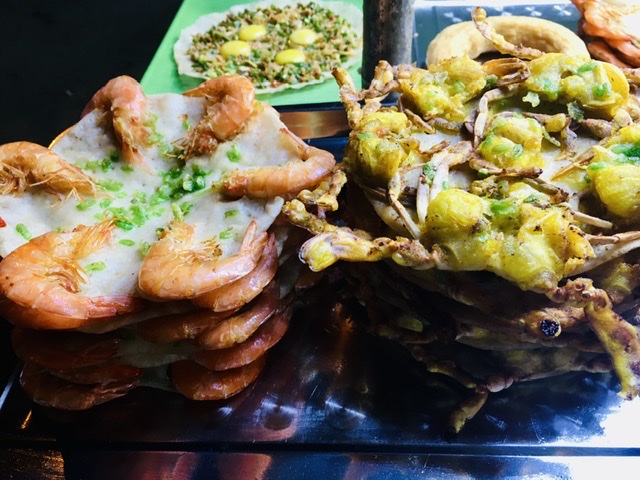
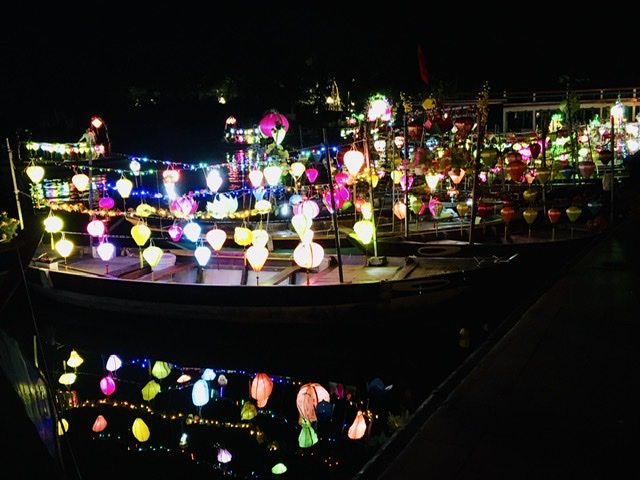
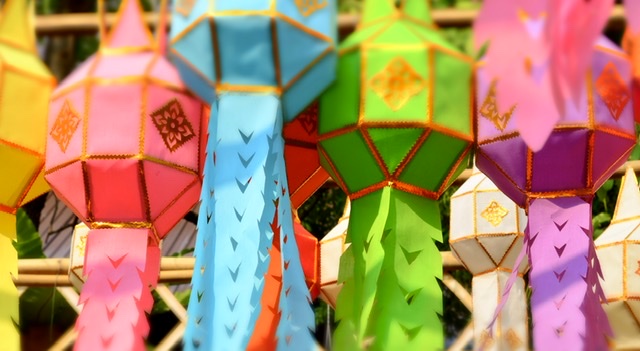
At night the shops are festooned with multi-coloured lanterns and range from souvenirs to boutique clothing stores. So fun to wander about at night and watch the dinners, shoppers and strollers enjoy the festive streets. Along the river are walkways and a favourite thing to do, after enjoying some street food, is a lantern boat ride in a sea of long boats and lanterns. The night market features many of the foods that are enjoyed by visitors and locals alike but I’m afraid that neither quail nor frog was not on my list of things to try. The lady selling the frogs told me I should “change my mind”. She’s probably right, but not when it comes to frogs. All I could think of was Kermit.

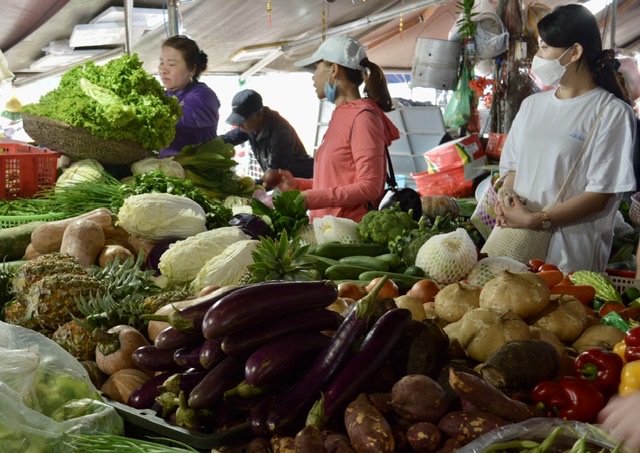
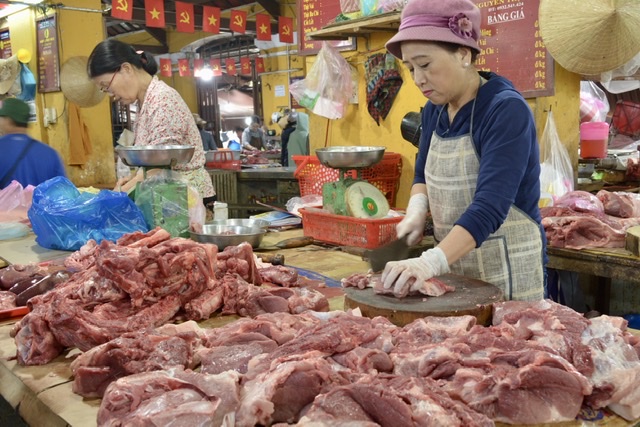
A great thing to do in Hoi An is to take a cooking class, which was actually a whole day long adventure that started with shopping for and buying the freshest ingredients at the morning market. Our guide/cooking teacher (wearing the white ball cap below) led the ten of us skillfully through the crowded market and down to the river where we caught a boat downstream to where the cooking class was to be held. A really fun way to get to class, the longboat that we boarded took us past homes, fishers, under bridges and into the delta.

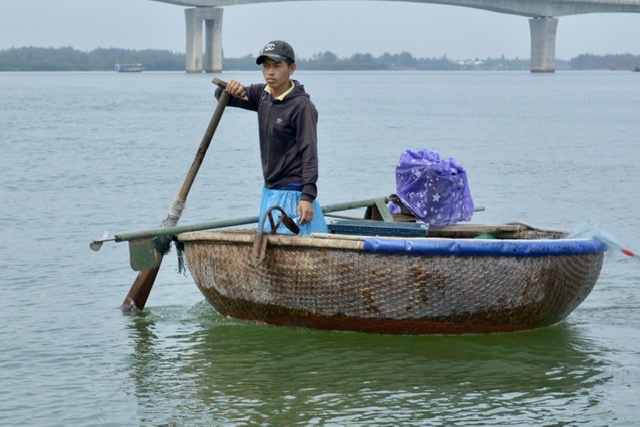
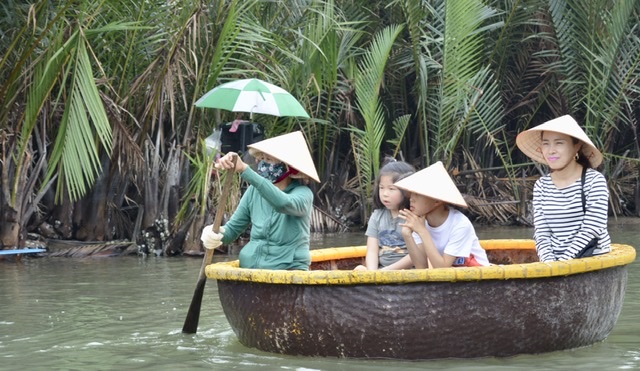
Once off the long boat we were led to a smaller dock in some mangroves where we teetered our way into teacup boats, paddled by the locals, all part of a show put on for the tourists. It was so fun and our paddlers seemed to really enjoy the reactions of the passengers as they spun the boats in dizzying circles, rocking them precariously back and forth for effect and then a number of men, alone in their tea cups were demonstrating how fast the boats could spin and what a wake they could produce when rocked to their gunnels. All done to K Pop music like Gang-am Style. What a hoot. We were taken up some of the narrower passage ways in the mangroves and were able to see the mussels clinging to the roots and the boats laden with tree fronds for weaving baskets, clothing and kinds of household items.

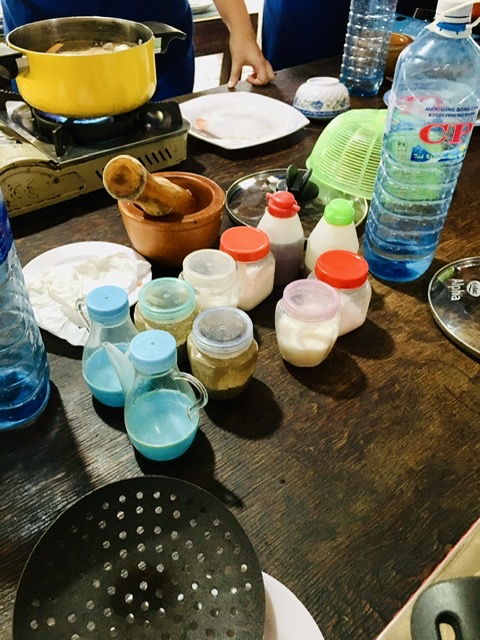
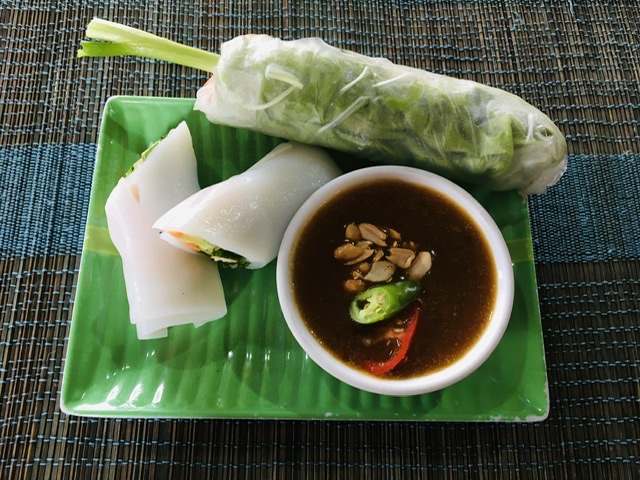
When we arrived at our cooking class we found ourselves in a very clean and organized outdoor kitchen. All the ingredients we had purchased early were cleaned, measured and placed at individual stations. We made two different kinds of Goi Cuon (salad rolls) with Nuoc Leo (peanut Hoisin Sauce). Then, Bang Xeo (sizzling savoury crepes) resembling tacos were made from rice flour, spices and coconut milk, dipped in Nuoc Cham sauce. Our Mi xao hai san (seafood stir fried noodles) was delicious and was followed up by the final dish Pho Bo Hà Nội (Hanoi style rice noodle soup with beef). Learning how to make the sauces meant learning how to combine seasonings, spices and herbs for ultimate flavours. Best of all we got to eat everything we made.

Marble Mountain and My Son are two sites that are generally combined to make a full day outing that takes you back to Da Nang and gives you a glimpse of this very modern city that even has a giant Ferris wheel, aka the London Eye.

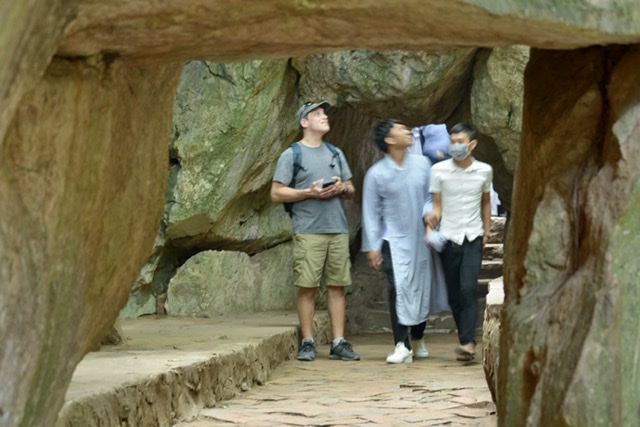
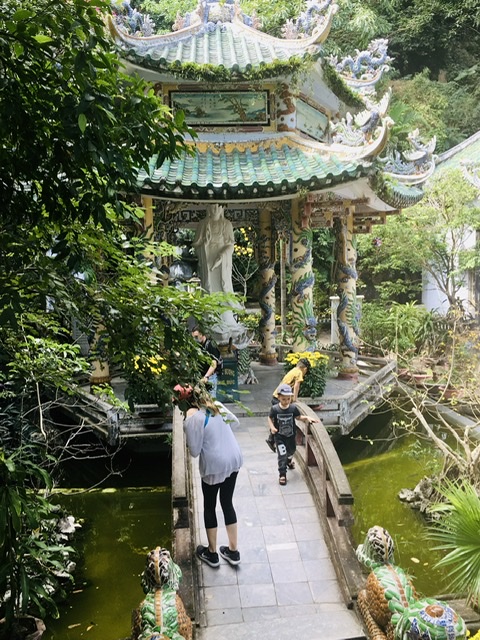
Marble Mountains are just that and all along the streets leading into Da Nang were shops selling marble statues in a range of sizes. Marble Mountains are five mountains riddled with natural caves that were made into Hindu and later Buddhist temples. You can climb to the top on uneven stairs or take an elevator to the top. We took the stairs and once at the top is when the hike really began. A series of paths join the various levels at the top of the mountain, much larger in scale than I had anticipated. Up stairs, down stairs, over bridges and through caves that led to other caves we saw several pagodas and Buddhist statues. At one point the rocky uneven staircase gave way to what was essentially a straight up scramble through a narrow chimney like passage where man made notches in the rocks helped us pull our way up and out of the cave.

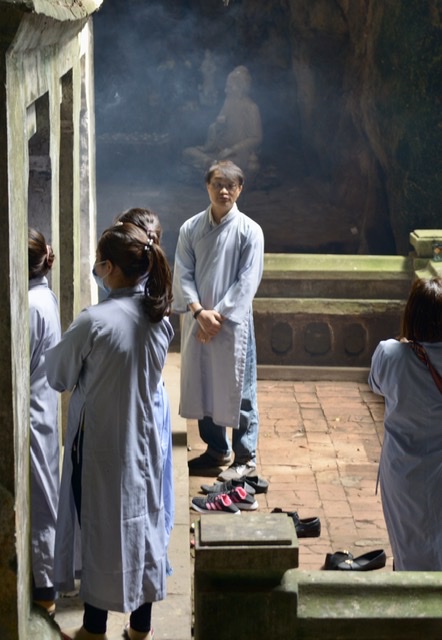
The lady below was selling incense to the pilgrims who came to worship in the caves, temples and pagodas. I offered not to buy the incense but to pay for her picture as I loved her beautiful face. So full of character and a simple joy for life she seemed quite pleased to pose for me. Inside the caves in the Smokey incense din were noviciates who came to prey and worship.

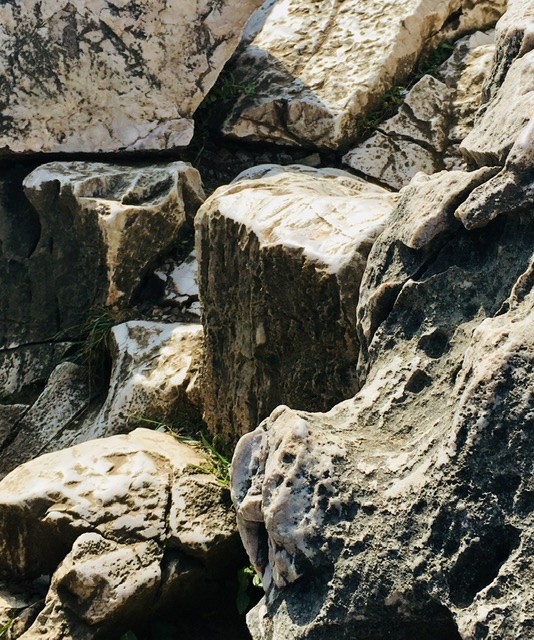
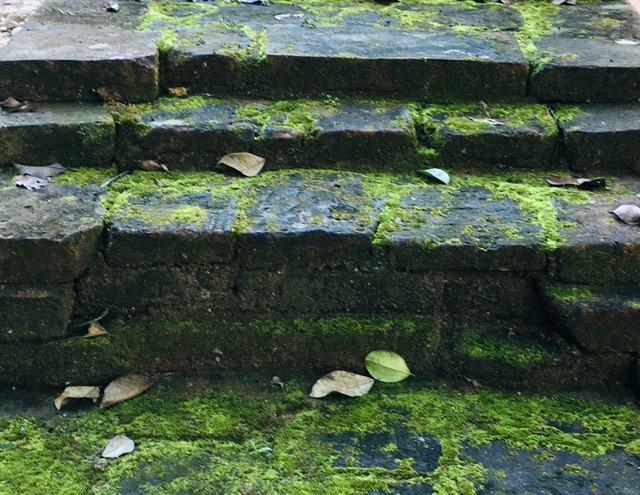
Once through the keyhole passage we made it to the top of the Marble Mountain we had ascended and were rewarded with a great view of Da Nang, the other Marble Mountains and of course the beautiful country side. I’ve included a photo of what you might consider to be a stairway.

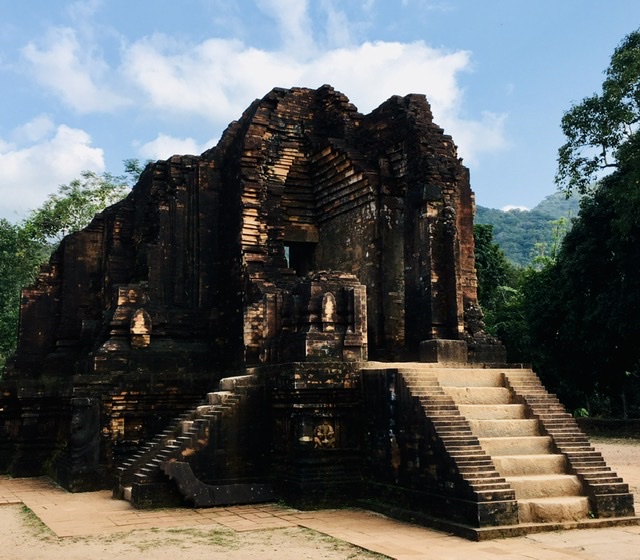
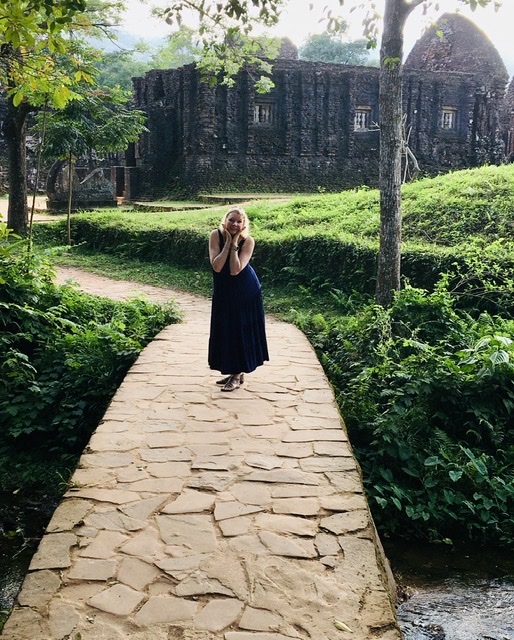
Our hired driver waited for us at the base of our Marble Mountain and once we had some restorative food and drink we continued on our way to My Son, an ancient site of the Champa kingdom which lasted from the 2nd century to the 15th. The site itself is a beautiful wooded area with flat meandering trails that take you to different clusters of ruins. Along the way there are huge craters that are reminders of the bombs dropped by the American B-52’s. You are cautioned not to stray from the path as there are unexploded mines in the area. Some of the Cham ruins were reduced to rubble by the bombing.

Our final night in Hoi An and one last wander through the streets to soak in the beauty of the light cast by the lanterns. Hoi An is a poetic gem and definitely if you are going to Vietnam you must go to Hoi An.

Cat Ba Island, Halong Bay

Halong Bay…Natural beauty as it’s best!

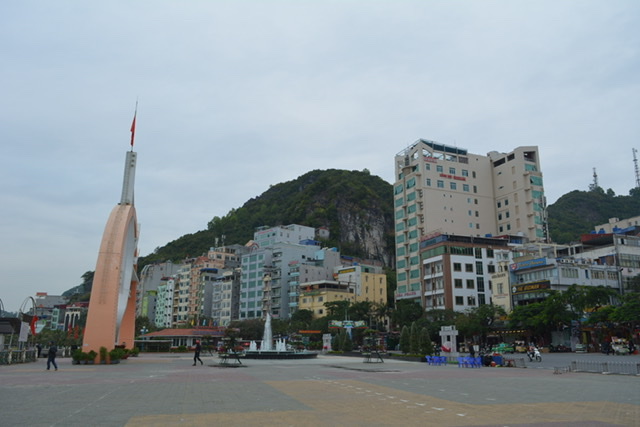
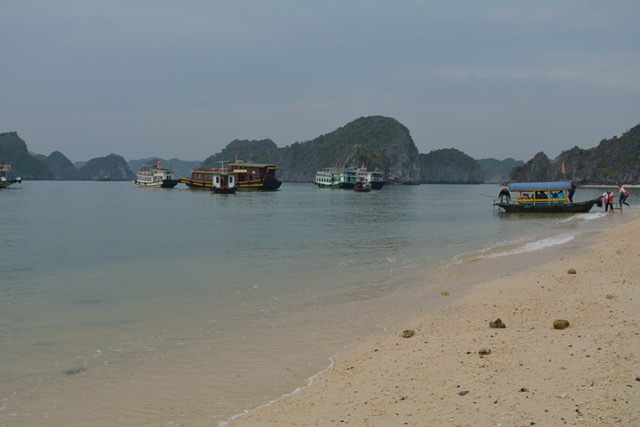
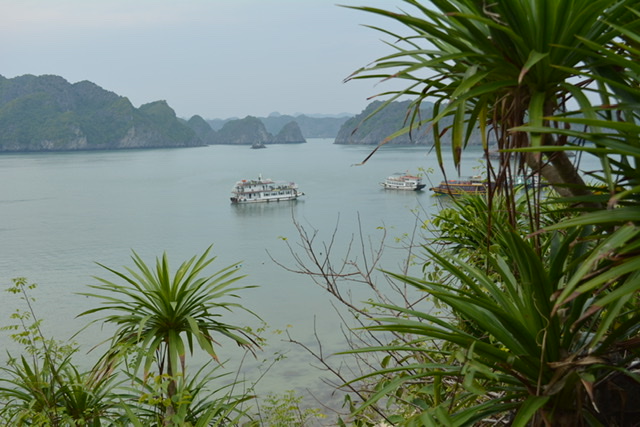
Straight up out of the sea rise the limestone outcrops that rule the waterways of Halong Bay. A beautiful sight in any weather, it was really cold and cloudy while we were there. Regardless Cat Ba Island is the place to go for a few days if you are short of time and for many more days if you have the luxury of languishing. We packed it all in in the three days that we had.

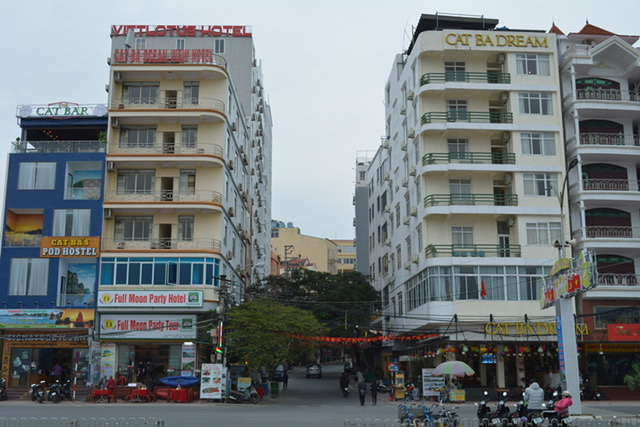
Arriving late in the day on a speed boat from Hai Phong, we had an evening to wander and familiarize ourselves with the town of Cat Ba, an old fishing village. We stayed in a lovely and very inexpensive hotel, Cat Ba Island Hotel. Just off the beach front road, it was quiet, clean and the family who ran it were friendly and helpful.

The place is packed with hotels, restaurants, bars and markets that sell plenty of “North Face” goods including puff jackets, a popular choice for those not prepared for the chilly weather. Clearly we were here during the “off season” and given the number of hotels and tourist boats it has the potential to be very crowded during the high season.

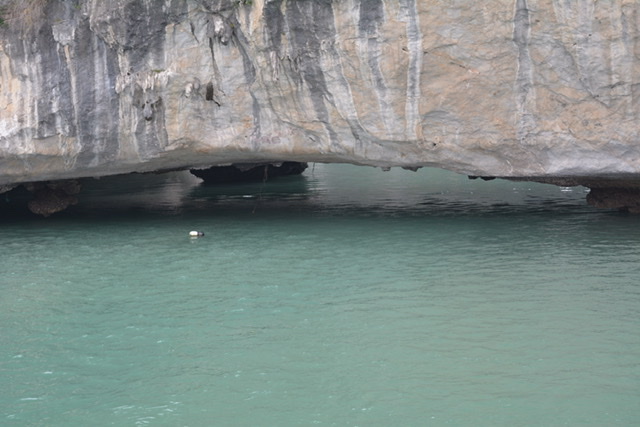
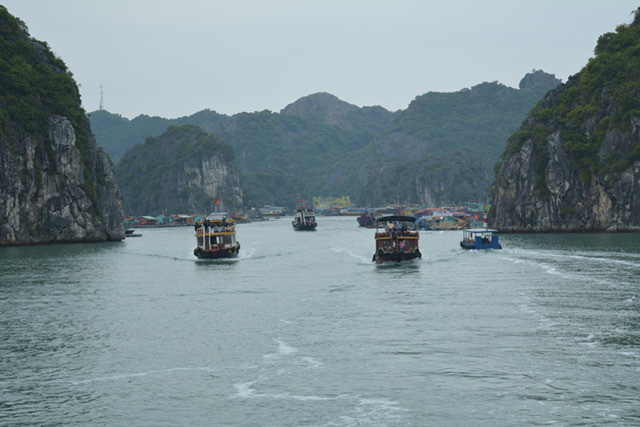
We left early for a day long boat tour of Halong Bay, boarding a lovely newly built boat, we spent the whole day cruising, making lazy circles and arcs between some of the nearly 2000 limestone outcrops that jut out of the sea in the Bay. This trip in the emerald water of Halong Bay was a Vietnam highlight for me. It’s the place you often see in the travel brochures and is as beautiful as pictured.

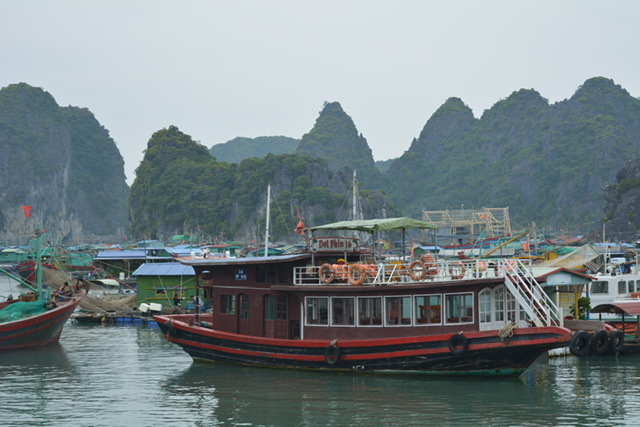
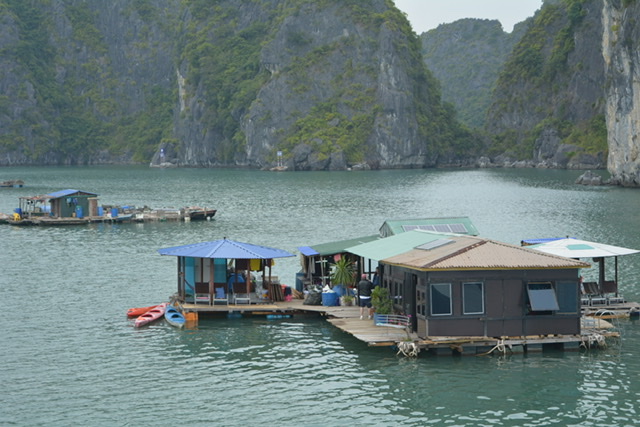
The narrow passages between the rocks are home to the Vietnamese people who chose to live and work on the water. There are boats, flota homes, markets, businesses and lots of fish farms that make up these floating communities. There are even families who offer “home stays” that allow you to be in the heart of the action.

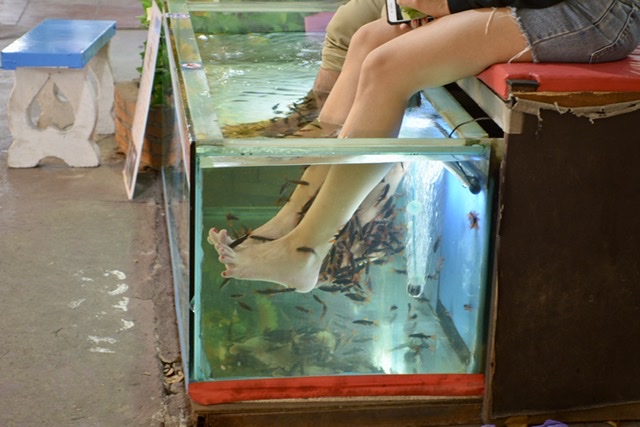
The tour included landing on Cat Ba Island to visit a remote village, very touristy but it was informative of the life style of these island people. We visited a home where they made liquors infused with cobra, hibiscus and other exotics, tasting was included but I passed on the snake liquor. It was nice to get off the boat and stretch our legs and walk through the village, ending with the change to dip our feet into a pool of the tiny fish who nibble at the dead skin on your feet.

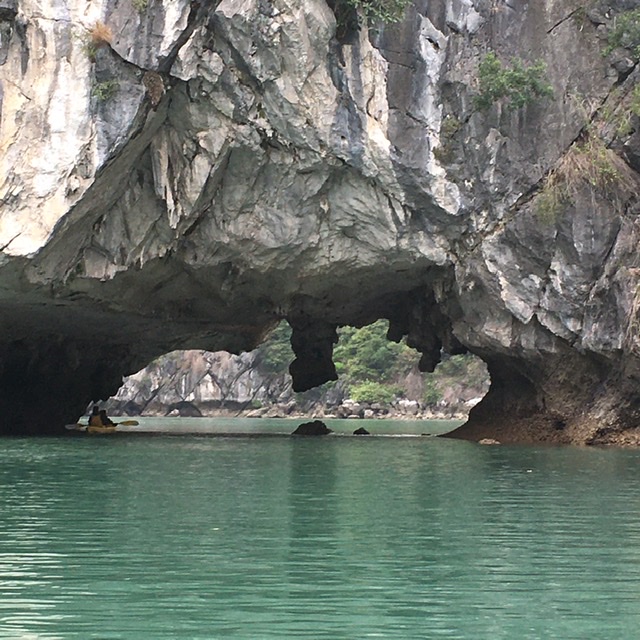
After lunch on board, we stopped and lowered ourselves into kayaks from the boat deck, paddling through bays and under sea arches and through caves, seeing the limestone up close.

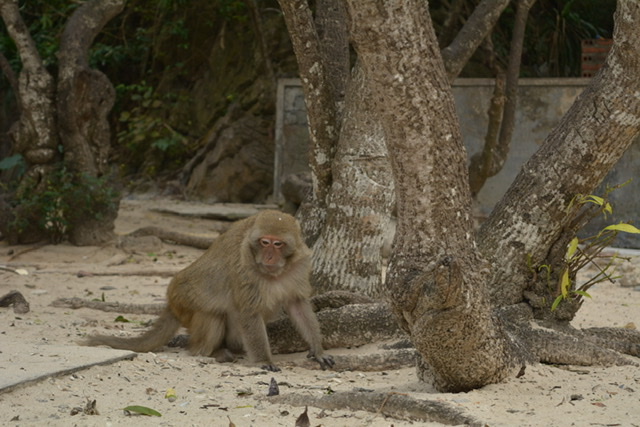
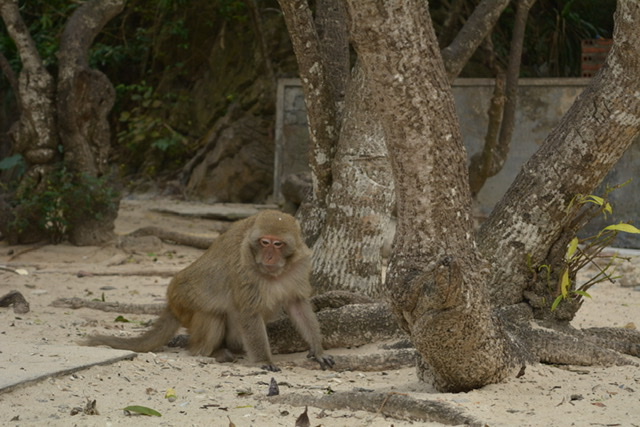
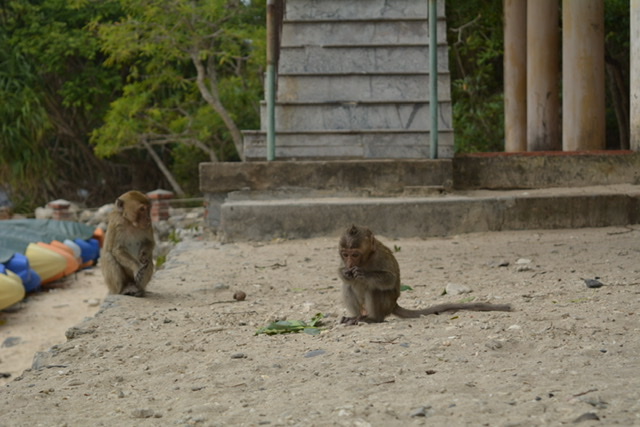
Normally we would have headed for a swim afterward, but the weather wasn’t cooperating and so we went instead to “Monkey Island’, where yes we saw monkeys and climbed part way up to the top of a bluff. Even at half way the view was great.

The next day we rented scooters and followed the road running north from Cat Ba City until we reached the end of the road at one of the several ferry docks that connect the Island to the main land. As we climbed the mountains behind Cat Ba City we had stunning views out to the sea. We passed through agricultural land and small villages.

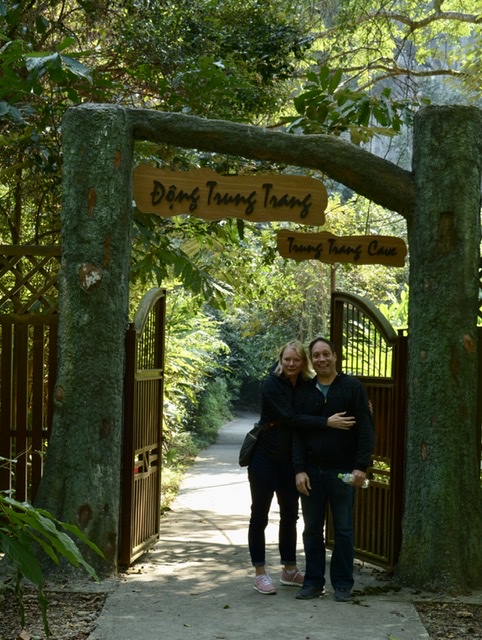
On the way back we stopped and had some of the best Pho Ba (beef noodle soup) at a family restaurant. After lunch we headed to the Trung Trang caves and had a steep climb up cement stairs with a warning to those with high blood presseure, cardiac issues or agoraphobia to forget the climb and wait below for their friends.

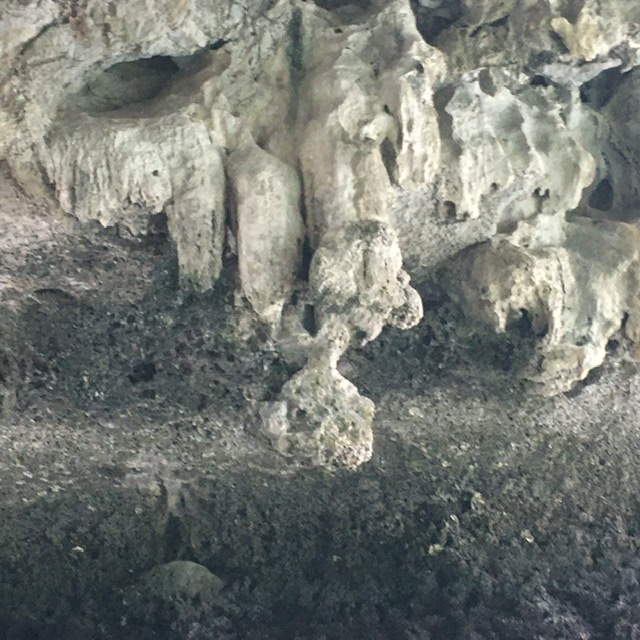
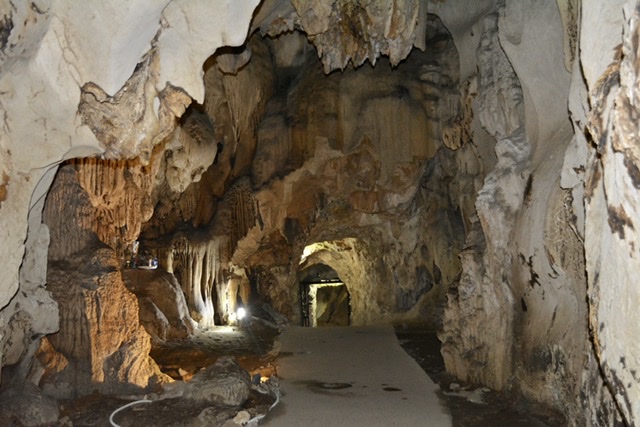
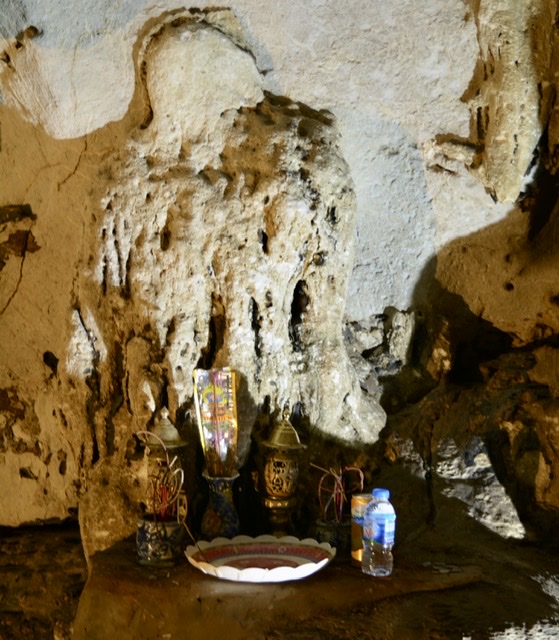
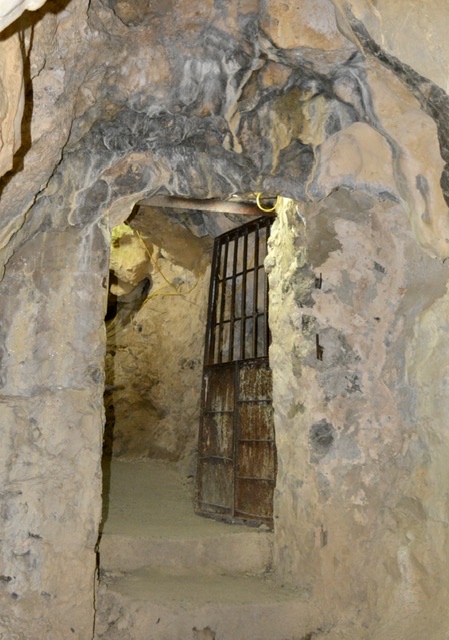
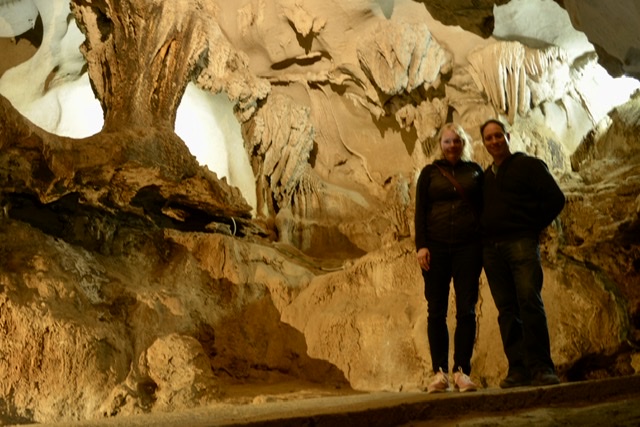
Up and up we went and were rewarded with a cave crowded with stalagmites and stalactites formed over the ages, one drop of mineral soaked water at a time. The long tear drop formations sparkled with crystals. It was cool at first in the cave but the closer we came to the middle of the cave it warmed. It was dark and dank but the path through the cave was well lit and cemented for the ups and downs of the of the cave floor.

After the cave we hurried back to Cat Ba City to catch our 3:50 shuttle that would get us back to the mainland and the Hai Phong airport in time to make our flight to Da Nang. When we arrived the young lady who had sold us our transfer tickets the day before, was clearly distraught. Turns out we had misread the time as 3:5o when in fact the appointed time was 13:50. Not the same at all. We waited while she made some phone calls and with the proficiency we have come to recognize as a Viet Nam trait, we were whisked off on a bus to a ferry dock where we were handed off to a “speed boat” which got us to the mainland in record time. Wearing colour coded lanyards, we were led to a bus and delivered to a gas station where a waiting taxi sped us to the airport in time to check in and make the flight. It felt like we had become parcels and all we had to do was sit back relax and trust the process and it worked.

A short flight later we landed in Da Nang and luggage in hand we hailed a taxi to take us to the ancient city of Hoi An.

Luang Prabang & Vientiane

All along the Mekong.

The other day, in Vientiane I saw a travel poster for Laos and the slogan read “Simply Laos”, which captures the natural beauty of the place perfectly. Not as sophisticated as Thailand it still has the charm of a country not yet overrun by tourism. The natural beauty of Lao is enchanting and the Mekong River, the lifeline of the country is where you can best feel the pulse of this unassuming country. Along the Mekong are several cities worth visiting. My first stop after the Slow Boat was Luang Prabang and then a short flight later I was in the capital, Vientiane.

Laos was colonized by the French and their influence is still seen in the cuisine, architecture and many Lao speak some French. There are many French tourists here as well. Once a royal kingdom, Lao was a French colony from 1893 to to the mid 1950’s, gaining full independence after a Japanese occupation in WWII. After Independence the country was divided with the US supporting of the Royal Lao Army and the USSR backing the Pathet Lao independence supporters who were aligned with the Vietnamese and the Khmer against the French. Laos has been left with the terrible legacy of having been bombed with 2,093,100 tones during the so called “secret war” by the Americans. There are museums that display the unexplored ordinance that littered the country and there are people who make a living making crafts from the metal as a way of using the terrible events to remind everyone of the horrors that resulted. In the end the communist backed faction won and in 1975 Laos People’s Democratic Republic was proclaimed. A social regime, they sent up to 50000 royalist to labour camps.

Laos was closed to the world until 1990 when it became possible to visit Laos and see the traditional, rural lifestyles that have changed little over this tumultuous history.

Luang Prabang

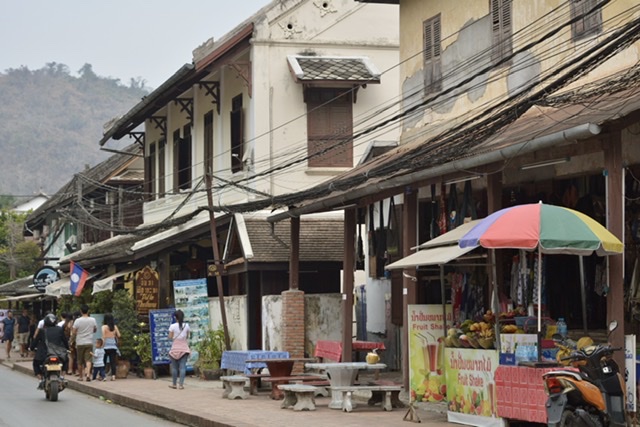
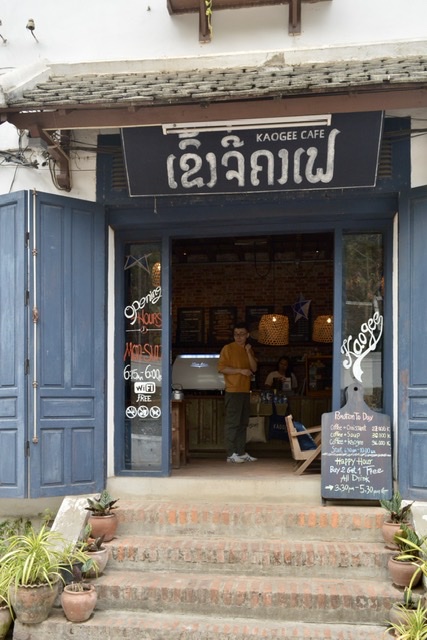
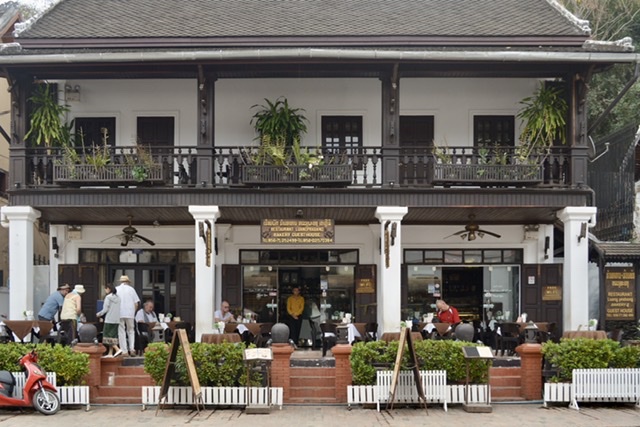
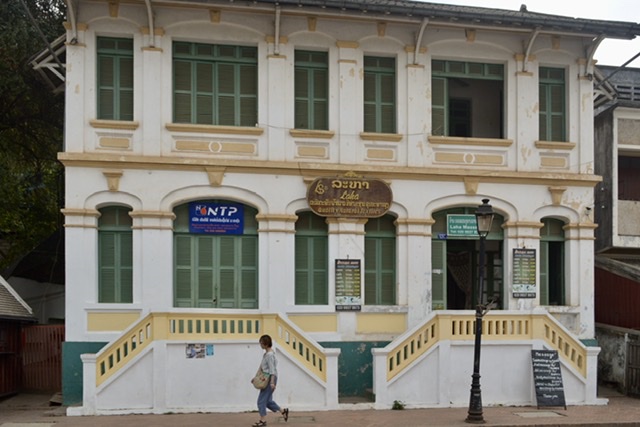
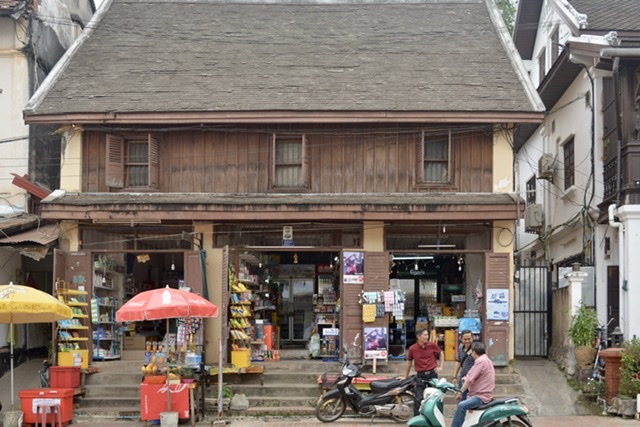
Whoever coined “Simply Lao” must have had Luang Prabang in mind. It is a quiet, unassuming city with a slow pace. The old city is host to lots of foreigners from all parts of the globe. The easiest way to get about is in a long-benched Tuk-Tuk which can dart in and our of traffic and around potholes with greater ease than a car. You can also rent bikes and scooters in Luang Prabang and this would likely be the safest of cities in which to do that. You can see the French influence throughout Luang Prabang in the architecture and you can certainly enjoy a croissant and cafe au lait at a vast number of little coffee bars and restaurants.

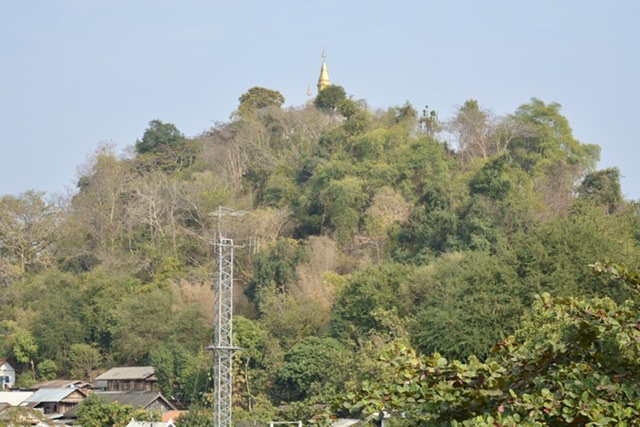
A lovely place to wander you can climb Phousi a hill in the center of town to visit the golden Buddhist stupa and from there get a good view of the surrounding area.

The signage below indicates the main sites to be seen in Luang Prabang and although certainly possible to see them all in one day, there is no rush and spreading them out over the course of a few days mixed with a few cafe au laits is a wanderers delight. The Do’s and Dont’s are a reminder to foreigners that our Lao hosts do not share our same customs and I thought it was a gentle and friendly reminder about some of the unacceptable behaviours. Could have used this on the boat with the Tourist Thugs I encountered.

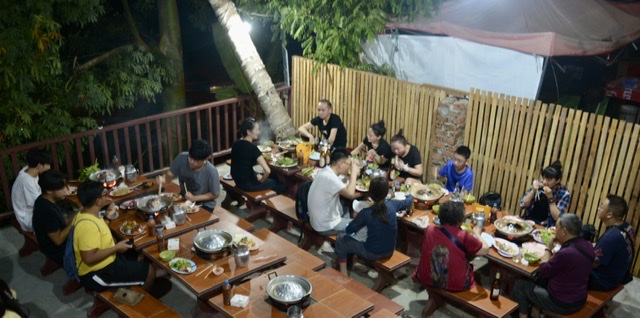
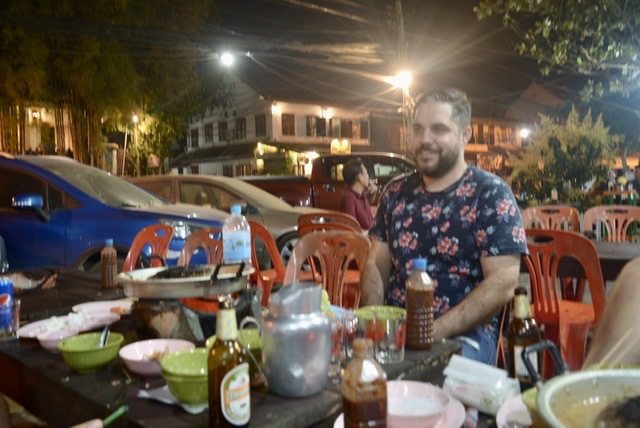
Lunag Prabang boasts some fine food experiences and one in particular, stands out…. A Lao style barbecue at your table, you first load your tray from a long buffet filled with meats/seafood, followed by vegetables, herbs and spices. The sticky rice comes at the end as does the cashier who you pay before returning to your table to “cook” your selections. The individual charcoal braziers on each table are red hot and chunks of port fat are provided to grease the piping hot metal inverted colander on which you spread your food. So delicious and very popular, the place was packed. Other Lao dishes I tried were “Larp”, a minced meat salad and Tam Mak Hung, a very spicy salad made from shredded green papaya, garlic, chillies, lime juice and fish paste. Noodle soups are also very popular and eaten for breakfast. It is served with lettuce, mint, coriander leaves and bean sprouts on the side. The best deserts, in spite of the French influence are the fresh fruits; guava, lychee, rambutan, mangosteen and pomelo. Mmmm good as is or whipped into a smoothy.

The Royal Palace Museum is another place to visit but was closed while I was there, all except the grounds which were interesting in themselves.

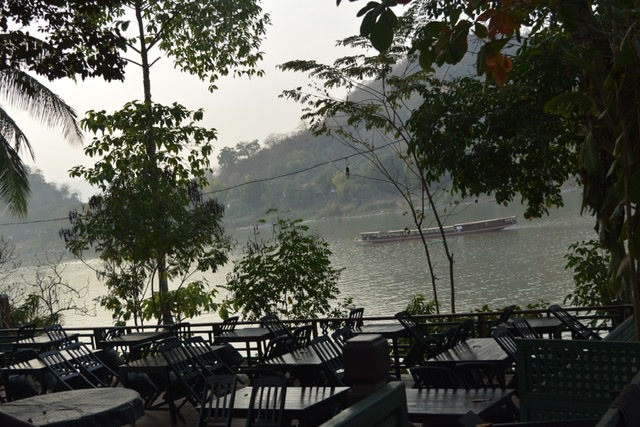
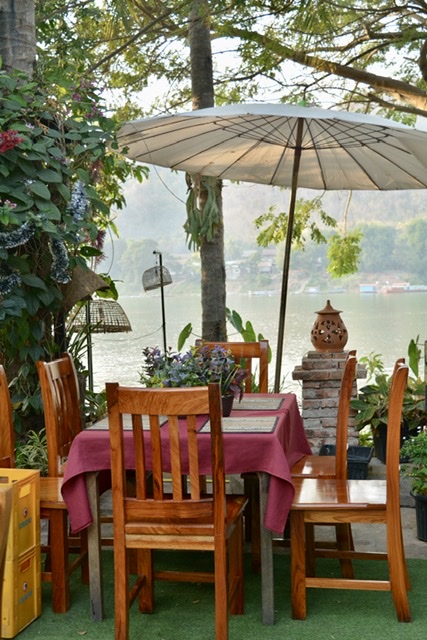
An evening stroll along the Mekong reveals the place to be for an evening of Lao food and people watching. Tons of restaurants line the banks and invite passerby’s to tarry over drinks and dinner and while being mesmerized by the Mekong.

Such a safe place, Luang Prabang is nice even at night and the Main Street is transformed into a very busy and long night market full of crafts and souvenirs. There are some beautiful fabrics and so many other things to buy and so little suitcase space to carry them home.

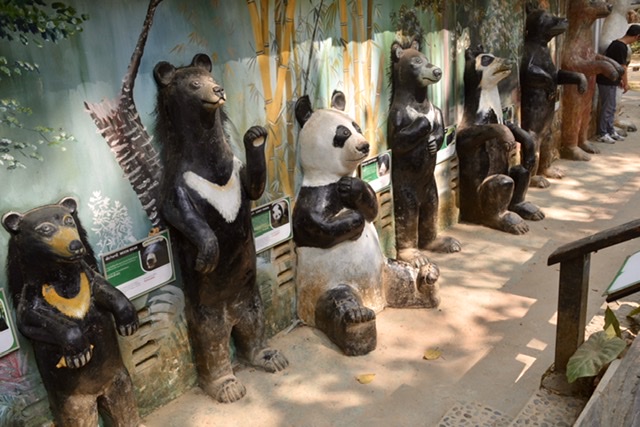
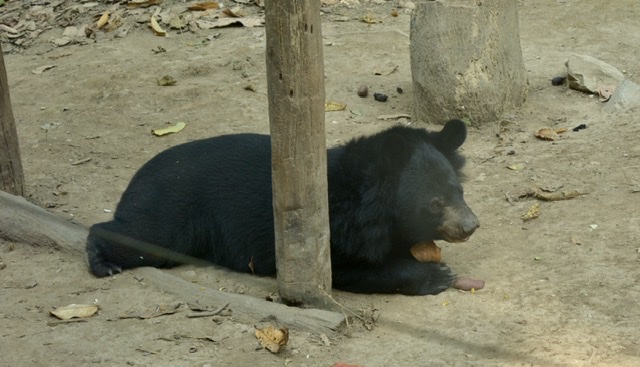
There are many day trips you can do from Luang Prabang and I chose to visit the multi-level Kuang Si waterfalls. Before you make the trek up to the falls you pass through a bear sanctuary, which was completely unexpected. There were dozens of bears enclosed in large spaces where they are free to wander, play and live out their days. Signage tells that there are no longer safe wilds for the bears in Laos, mainly thanks to poachers and deforestation. The poachers captured and killed the bears particularly for use in Chinese medicines. So sad, they can never be released.

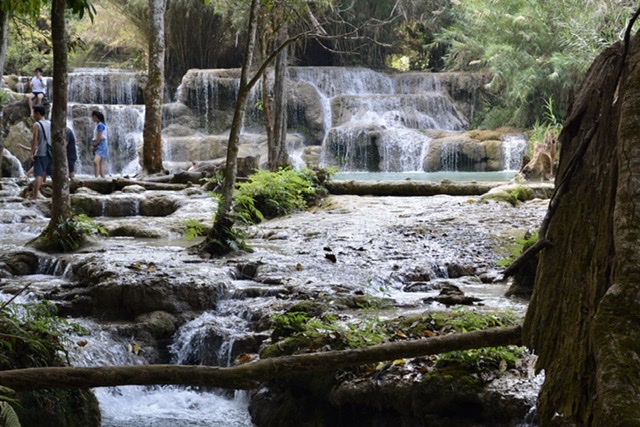
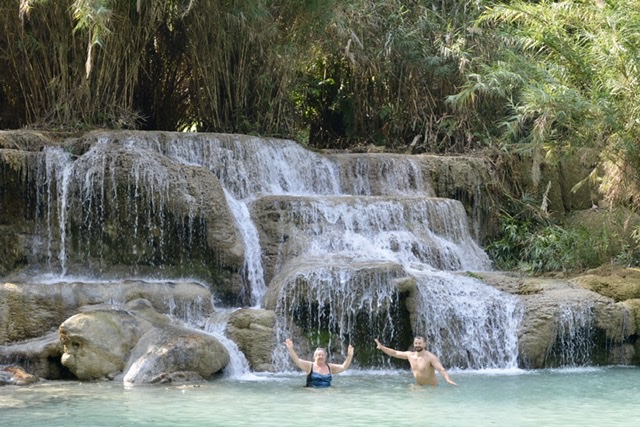
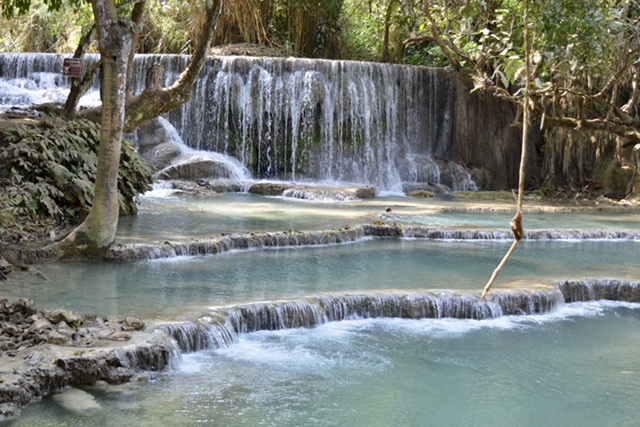
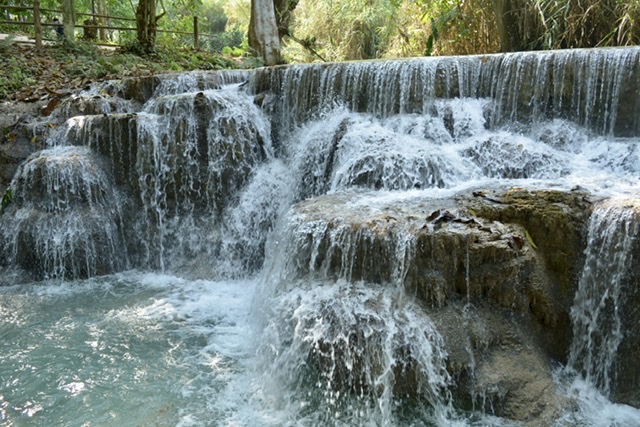
The Kuang Si falls are beautiful shades of blue and the pools of water that form at their feet are great for swimming. A little on the cold side but being a west coast Canadian, I quickly adapted and enjoyed the refreshing waters. A little disconcerting are those self same little fish found in pedicure tanks that eat your dry dead skin. If you keep your feet moving though they are kept at bay.

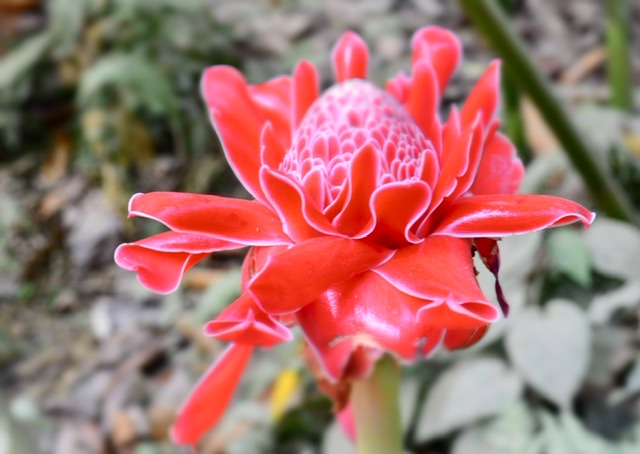
The trail that leads up and along the falls is through a beautiful tropical forest and definitely is enjoyable on its own. The plant, flower and tree species are well marked and you can read about the wild life prevalent in the area as well. And in English, thank you to our Lao hosts.

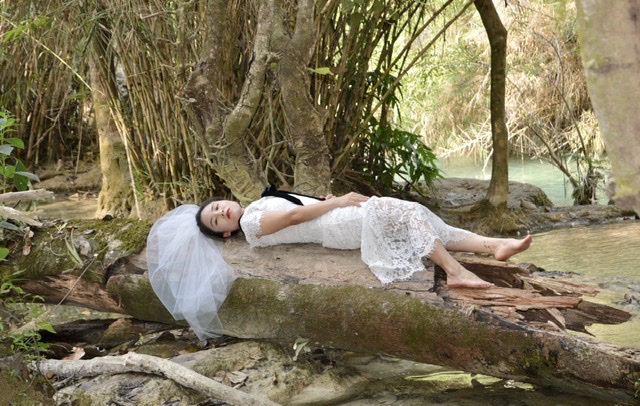
The bride above is not intentionally included with the flora and fauna but is there simply because she was there, along the trail, posed, and anyone with camera in hand would be hard put to resist the intrusion.

Vientiane – The Capitol of Laos

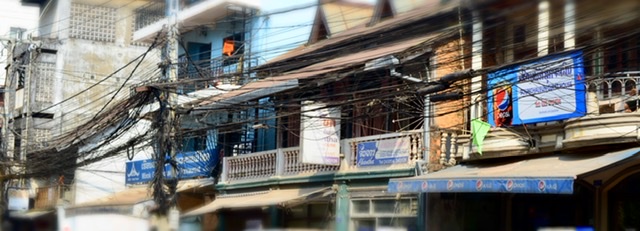
My regret about Luang Prabang is that I spent only two nights there, saving my last four Laos nights for Vientiane. I wish that I had reversed that decision and enjoyed more of “Simply Laos”. Even though I read and did some research I fear that I thought there was more to do in Vientiane and that it too would reflect the “simply Laos” sentiment. There are some famous Pagodas in Vientiane but I visited the ruins of one that have an historical connection to the Khmer from Cambodia and resemble those that I saw in Ankhor Wat. Wandering the streets I marvelled at the electrical installations and wondered how a problem could ever be solved in the event of having to unravel the trail of tangled wires.

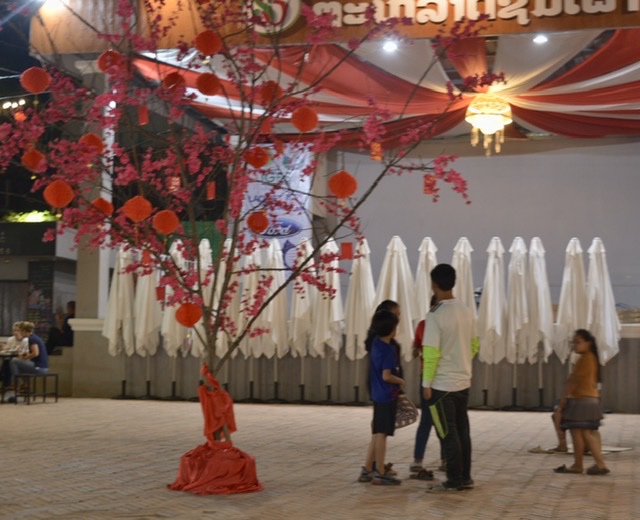
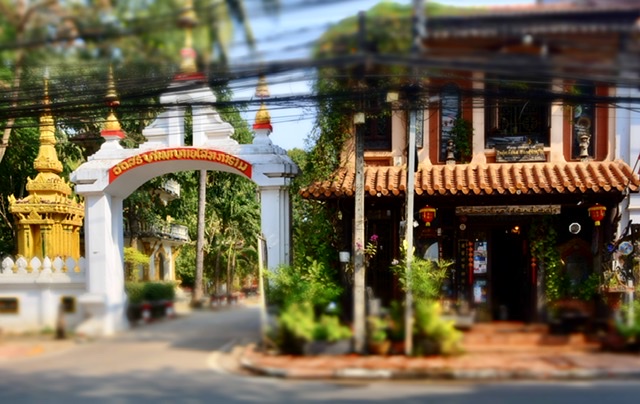
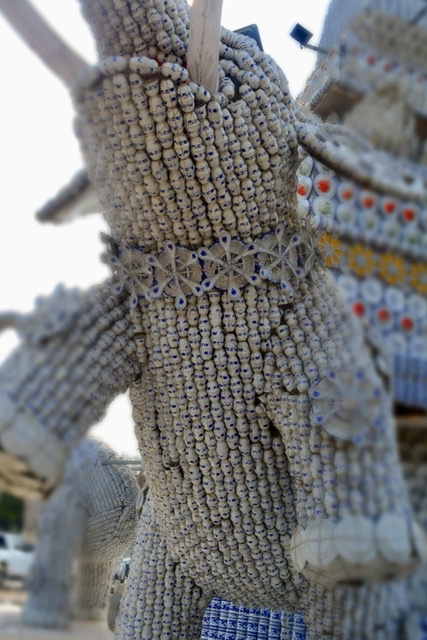
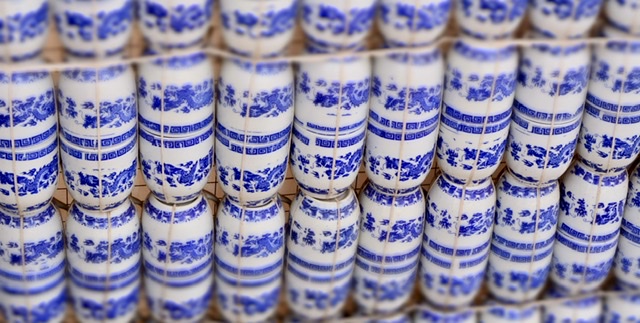
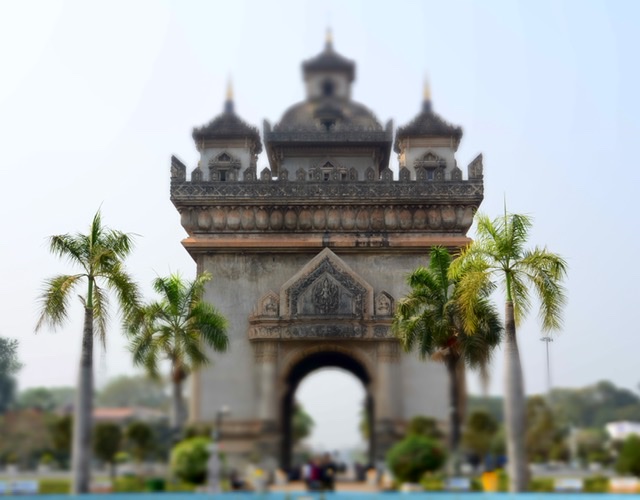
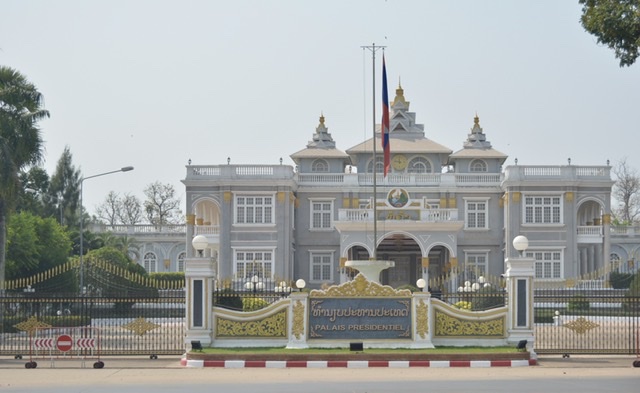
There are French architectural influences including a street compared to the Champs Élysées and an arch commemorating Independence. In front of the Arch is a remarkable sculpture made from blue and white porcelain cylinders. Until you are up close it’s hard to see how that is possible. At the opposite end of the street to the Arch is the Presidential Palace and in between the Morning Market is a great place to wander and see what’s for sale. The Lunar New Year was about to happen and signs of the upcoming celebration were everywhere.

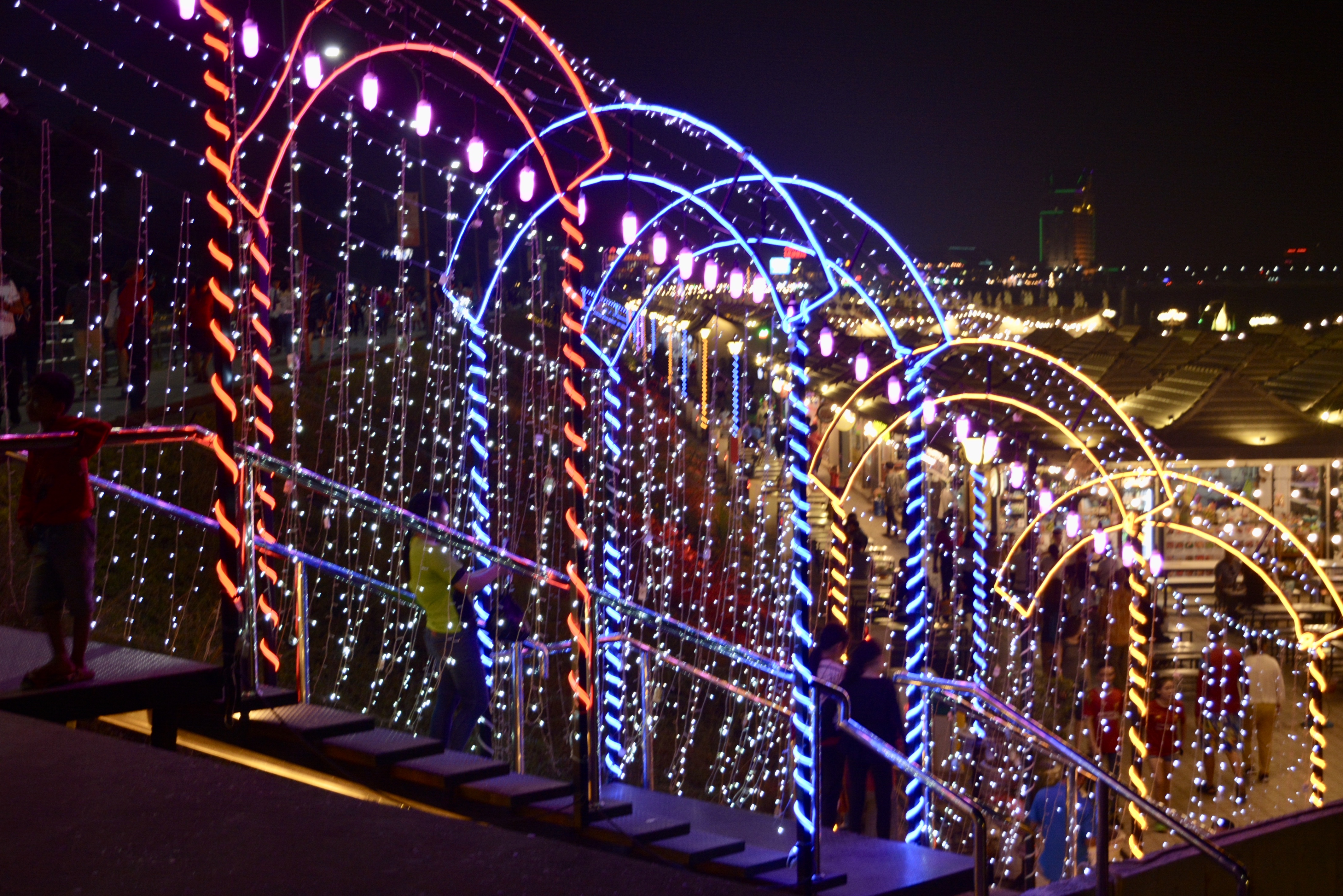
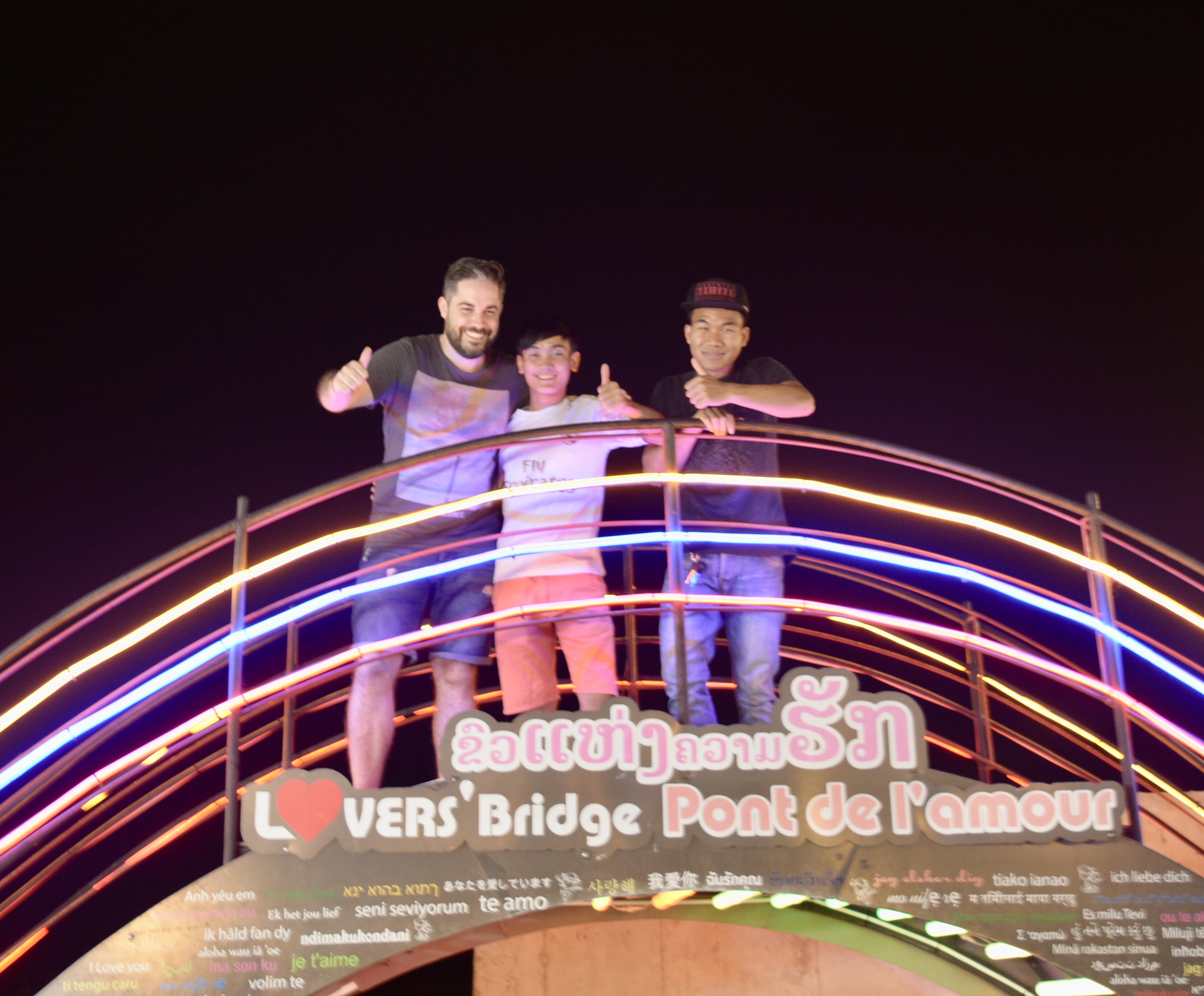
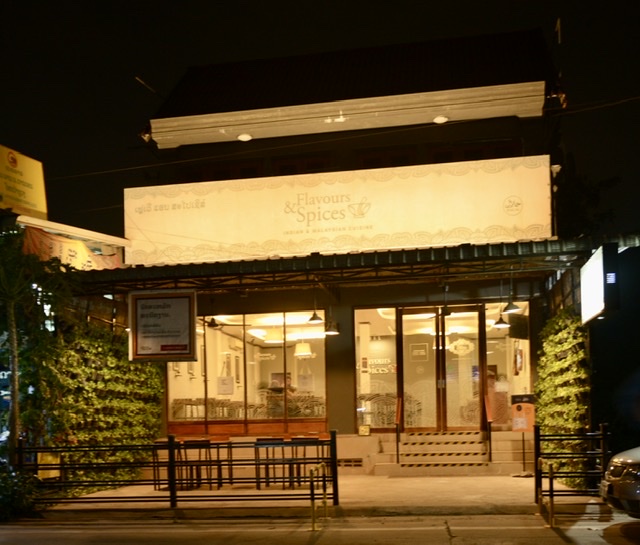
I made good use of my four days in Vientiane, catching up on laundry, correspondence and the last night I had dinner with some “Slow Boat” friends. We strolled along the riverfront, visited the a night market with plenty of things for sale and many food stalls. There were also a number of rides and games for the whole family. We had decided on a South Indian Restaurant listed as the number one choice in Trip Advisor. We were not disappointed at the Flavours & Spices.

Next stop Vietnam!

Chiang Mai Thailand

Chiang Mai the peaceful…a great place to regroup.

Joined Dawn and Craig, my travelling buddies at a air BnB condo in Chaingmai. The condo was the size of a postage stamp by Canadian standards we nonetheless had our own bedrooms and bathrooms. Nice building, with all the mod cons like a washing machine and with a roof top pool and lovely views of the city.

Chaing Mai is very big, our taxi driver told us it could take 5 hours to travel from the north end to the south end of the city. But the heart of Chaing Mai is the old walled city. A very large area, one can see ruins of the old wall and the moat is still there and makes for great strolling and people watching. You can enter the old city through some of the ancient gates, there are other entrances but not as romantic sounding.

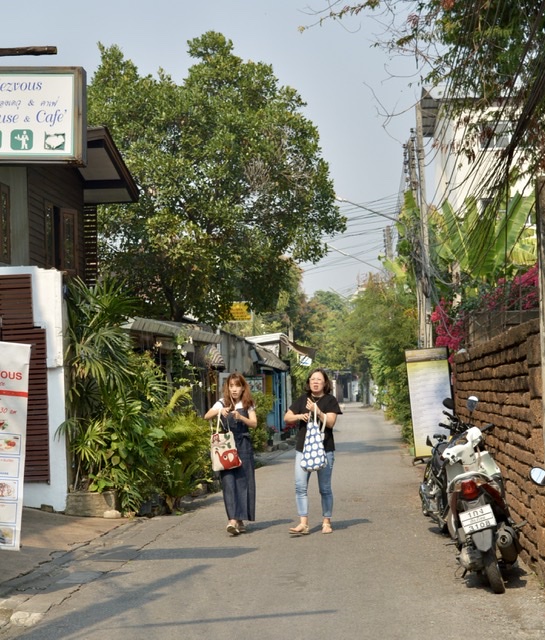
Inside the labyrinth that is the old city you will be accosted by the sights and sounds that are born out of the proximity of homes, hotels, inns, restaurants, bars, outdoor markets, tuktuks, motos, cars, temples, Wats etc., all zipped up together by narrow lanes and wider arteries that are not necessarily the fastest routes. A great walking space it doesn’t really matter if you are lost or which direction you head you can always google map your way out, but in the meantime you will be rewarded with something interesting at every turn.

Inside the walls we shopped, dined, wandered, people watched, visited temples and watts and rested our tired feet while sipping fresh fruit smoothies. Friends from Canada have Thai friends that own a restaurant called the Blue Diamond. A wonderful place and Nee gets up at 4:00 am to bake for the deli section of the bakery. It looks, smells and tastes wonderful. I had met Nee and Eed, her husband, in Nanaimo last summer and they were so gracious and warm when I visited the Blue Diamond. If I was staying in Chiang Mai this would definitely become a regular place for me.

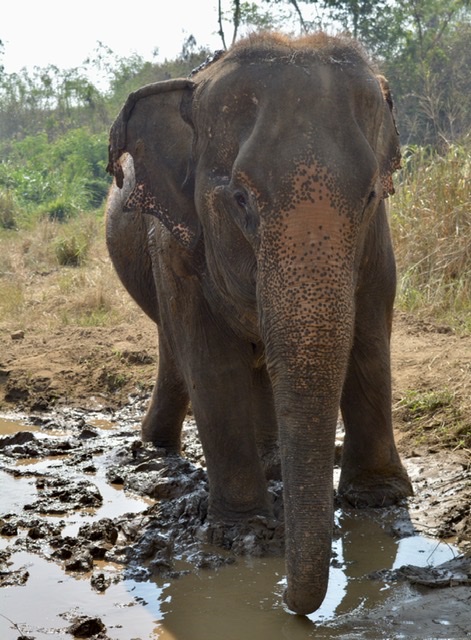
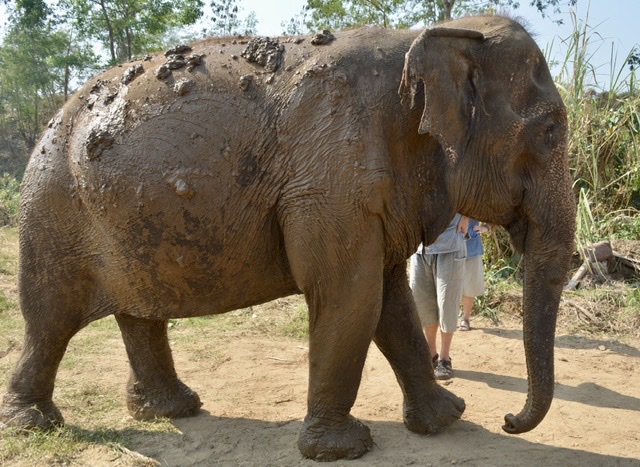
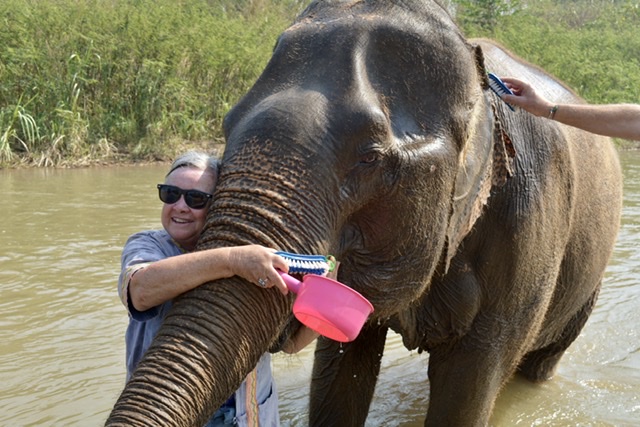
One day we hired a driver, Bon Bon, to take us to a few spots we wanted to visit outside of Chiang Mai. The first was the Kanjana Elephant Sanctuary (www.kajanaelephantsancuary.com) if you need to look it up. We chose this sanctuary because it is not a “riding” camp, which is now frowned upon and with good reason. The elephants at Kanjana are very used to people. There weren’t many, I think six, all female and all former “work” elephants with the exception of a two year old who was born in the sanctuary. After “suiting” us up in protective shirts and pants we were taken to prepare squash to feed the elephants, a little bribe to make them like us. Feeding them was quite an experience, for one thing you had to watch your toes, then you had to give them commands that indicated that they could take the food with their trunks or that you were going to insert the food right into their mouths so they would have to raise their trunks. The inside of an elephants mouth is an experience in itself. It is soft and made up of many lumpy large folds of tongue like flesh. They are sticky and damp and your hand comes out the same way.

They were so hungry and as the guide at the sanctuary said they like to poop, eat and bathe and it sounds like several of them deserve to do exactly that after hard lives in logging and farming. They have been replaced by machinery of course and were too much trouble and expense to keep as pets; that is why there are elephant camps all over Thailand, many with the best of intentions. None of the elephants will leave the sanctuary, they will spend the rest of their days there and one in particular with a broken leg was very sad and it was good to know she had a safe haven.

After feeding we walked with the elephants down to the river and gave them a good scrubbing with wire brushes. They loved it and rolled around in the water, between the people and the elephants spraying each other with water we were pretty wet by the end of bath time and we all walked back to the main camp. For $60 CAD it was well worth the experience and I like to think the elephants benefit.

After the elephant sanctuary we motored on to the “Sticky Falls” in Chet Si Fountain National Park. A beautiful forested park, with camp sites, hiking trails, picnic areas and of course the sticky falls, so named because you can actually walk up and down the falls without slipping (too much). The water was refreshing and not too cold and the falls were so steep in sections we had to use ropes to climb up or down.

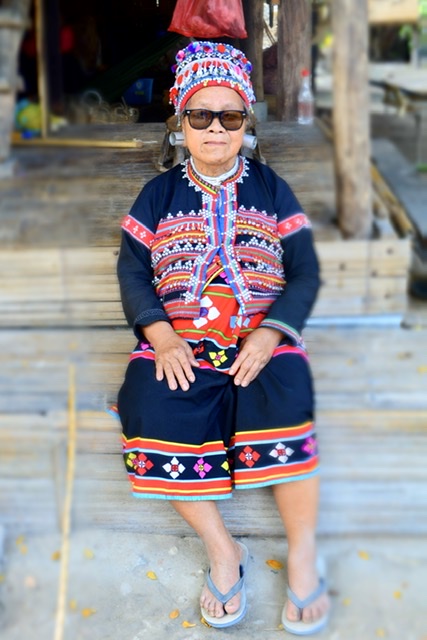
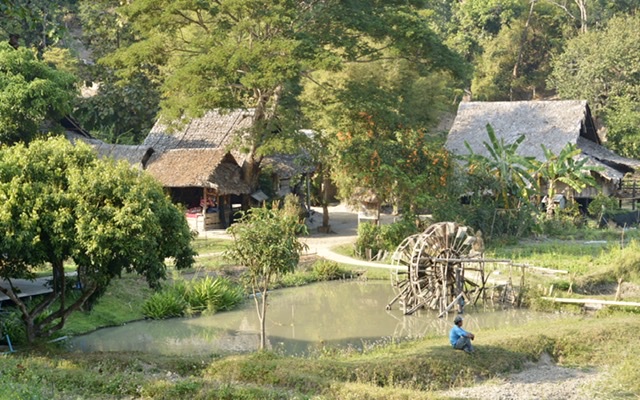
Feeling clean and refreshed we headed to Baan Tong Luang, an eco-agricultural hill tribes village. Many of the people who live here are refugees from Myanmar. To quote the brochure “ Baan Tong Luang hill tribes community has been founded since 2003. To preserve the traditional way of life of the tribes and help families and tribes who work for the Maesa Elephant Camp. To remain in its original life, which cannot be found in the present day.”

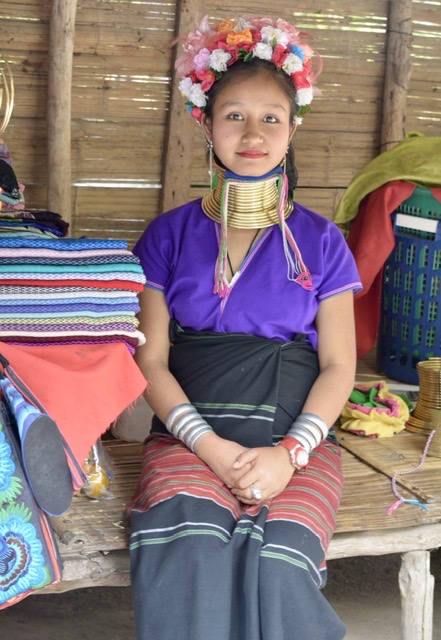
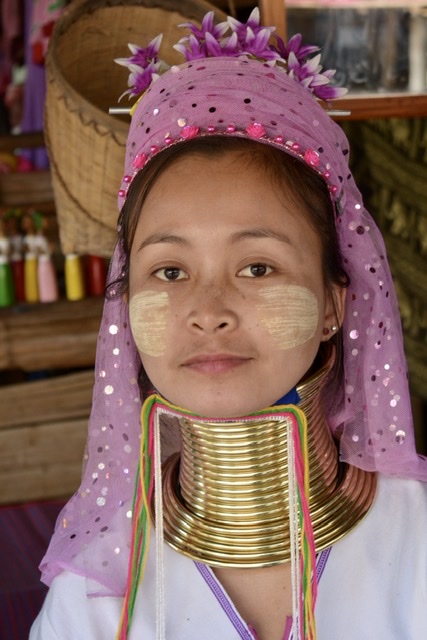
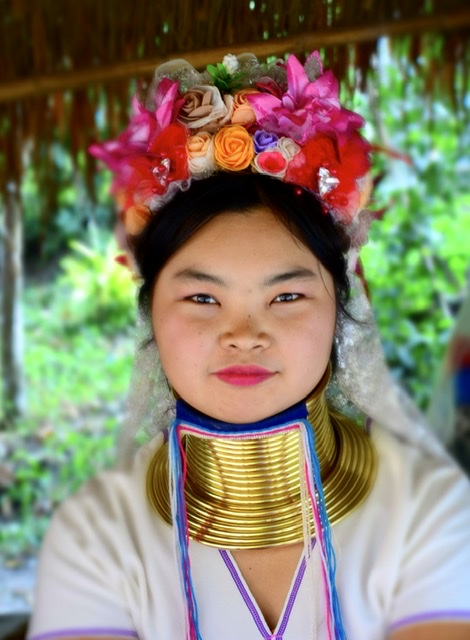
There are eight ethnic tribes living together in this community. They live in traditional style building, each according to their cultural practice and the arts and crafts that are mainly handmade are sold in their section of the village. Each tribe has very different characteristics in their work but all of it is colourful and beautiful from baskets to tapestries. One group is the long necked people called the Karens. Only the women wear the neck bracelets that weigh enough to force their rib cages down, giving their necks an elongated appearance.

For me the idea of an “indigenous” center made for tourists to come and see the culture and history of these different groups could be problematic but my sense here was that the people were safe and supported, living a peaceful existence quite different from the lives they had to flee in times of war and turmoil. Interestingly these tribes originated in many different places; Tibet, Myanmar, China with many migrating to Thailand in the 1980’s.

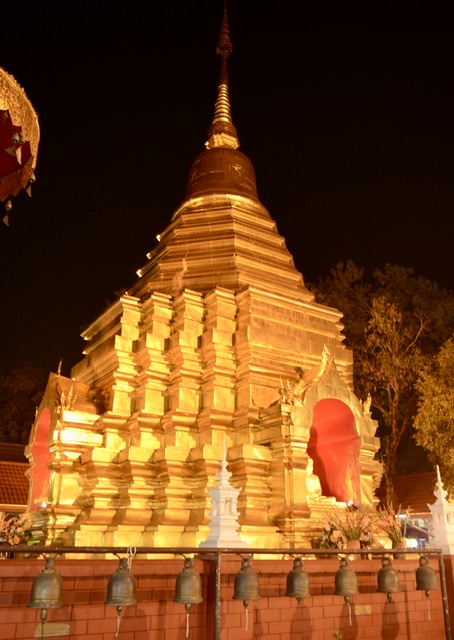
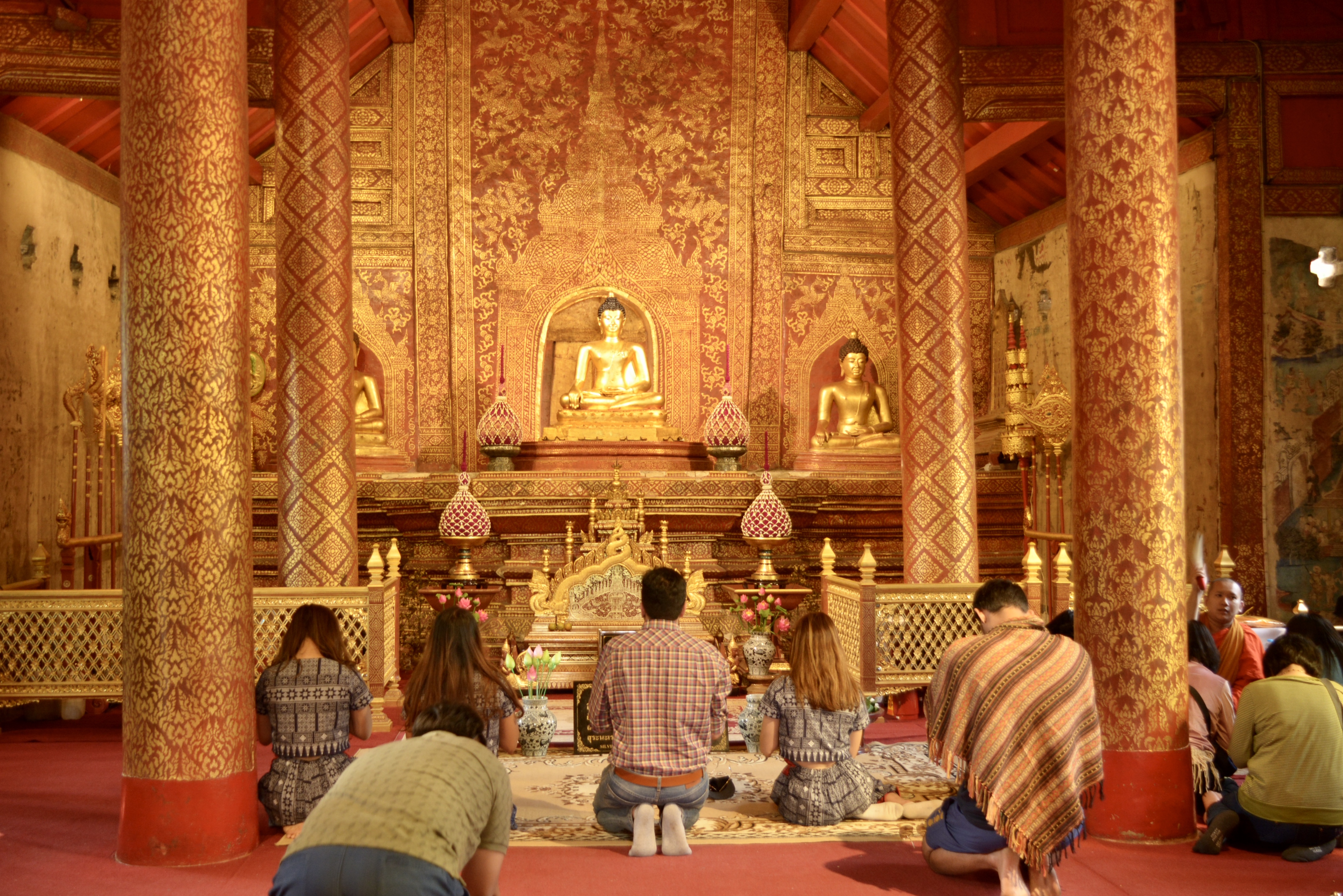
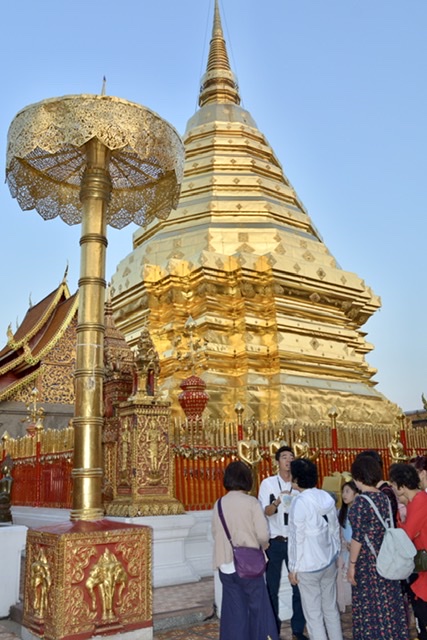
Bon Bon our driver spoke pretty good English and he answered our millions of questions about Thai society, daily life, military service, being a monk, the cost of living, etc etc. He was probably happy when the last stop of the day came and he let us lose at the Phra Borommathai Doi Suthep Temple on the top of a mountain above Chiang Mai. With a gondola to take us to the top, thank God, as we had walked and climbed a lot since morning, we were impressed enough with the Temple itself but there were also outstanding views of Chiang Mai in The Valley below.

The markets in Chiang Mai deserve a mention of their own. On Sunday evening there is a street market that goes on for blocks and blocks, selling handicrafts, art, clothing, food and household goods to mention a few things. There is also the Chiang Mai night market a permanent set-up with terrific street food and again blocks and blocks of stalls selling everything imaginable. The markets themselves are a work of colourful vibrant art. The atmosphere is upbeat and people go the markets to shop, dine and enjoy live music and people watching.
Our last night we took a dinner cruise on the Ping Mae River which was somewhat of a disappointment. We were picked up at the condo and drove around until the van was full of cruisers. At the river we were shepherded down to the boat and given dinner which was mediocre and then set off on the cruise. Since it was night time it was dark and the only time you could really see anything was when we passed a brightly lit restaurant or bar. There were some very nice homes along the river and some upscale restaurants. Not sorry I did it but wouldn’t do it again.

So arrangements have been made, Dawn and Craig leave for Krabi and Koh Lanta in the south of Thailand in the morning and I take a van north through Chiangrai to Chiangkhong where I will overnight before crossing over the Friendship bridge into Lao.

Solo Travel Inle Lake….More Myanmar

The beautiful countryside…

Inle Lake

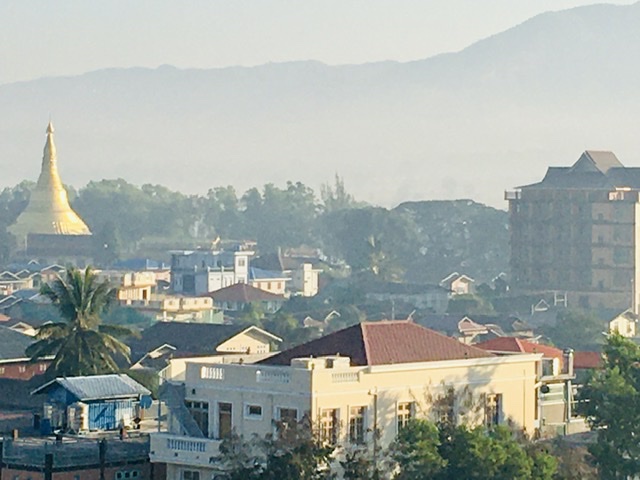
So so glad I made the decision to spend some time in his incredibly beautiful part of the world. To get to the lake I flew from Mandalay to Heho, and then by taxi to Nyuangshwe, the town where you can access boat trips to the lake. On the flight I realized that not all of Myanmar was flat like the Bagan Plains.

About an hours dive from the airport to Nyuangshwe, the views are are great. The nicely paved highway twists and turns its way up and then down the hills into The Inle Lake Valley.

I stayed at the Hotel Emperor Inle Lake, my favourite hotel thus far. Rock star service, free breakfasts and very helpful staff who helped me make arrangements to tour the lake with a fisherman. 

First day was a day of wandering the little town, pleasant enough with a lovely canal walk, some Wats and the usual shops and services.

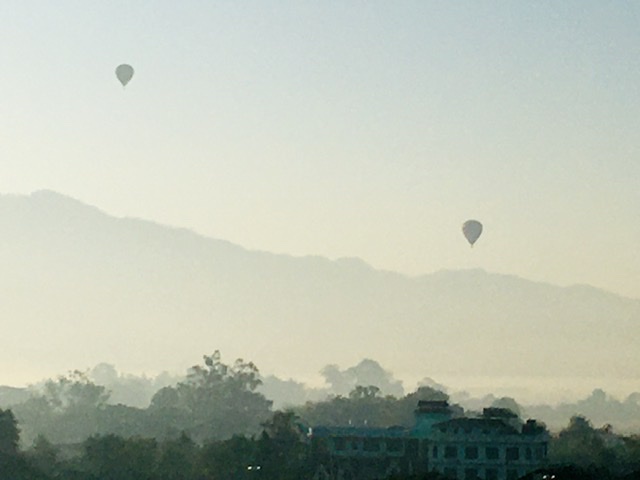
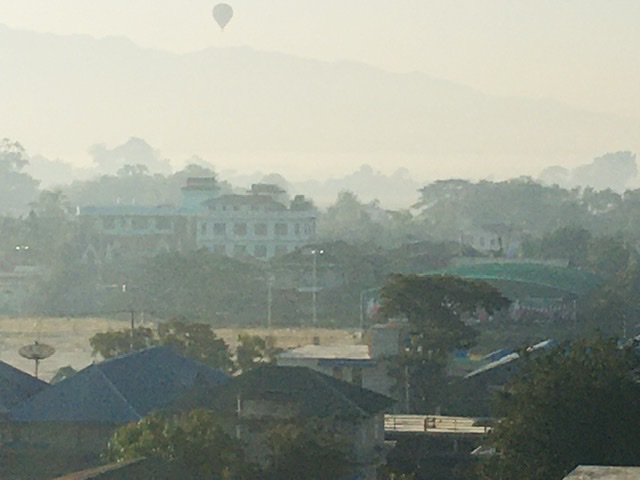
The area around Inle Lake is mainly agricultural land including sugar cane which is set fire to after the harvest and so there is a low lying smoke that settles over the town and the lake. At first I thought it was a mist but later realized it wasn’t quite so innocuous. Like Bagan, hot air ballooning is popular but oh so expensive.

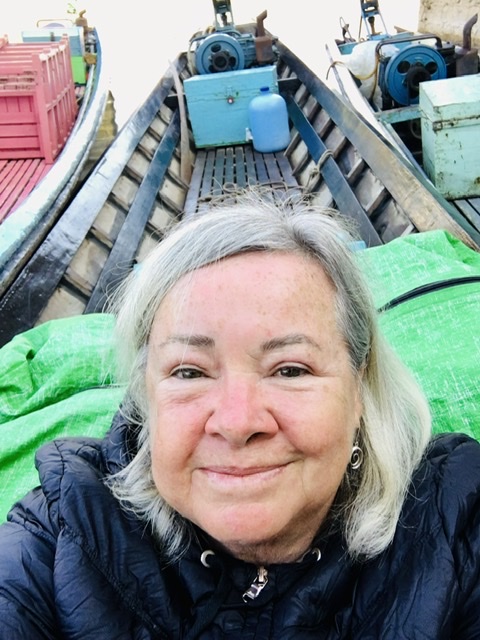
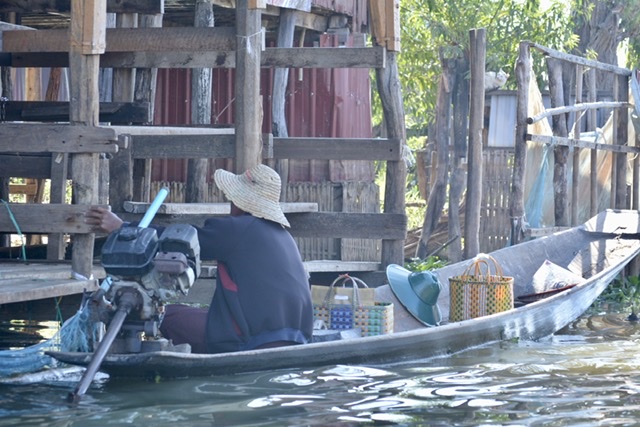
The next morning I was fetched at the Emperor by the fisherman who walked me a short distance to the canal where his longboat sat waiting. He wiped the morning dew off one of the two seats, retrieved a cushion from a plastic bag, gave me a bottle of water and we were on our way. It felt like the queens day out. 

The narrow canal leading to the lake buzzed with the diesel engines on the long tailed boats, coughing black smoke when started by a hand turned wheel. The churning waters were busy with people getting to and from work, home, school or whatever else occupied their days. 

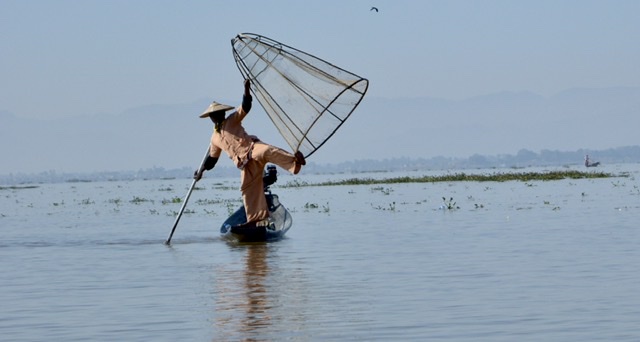
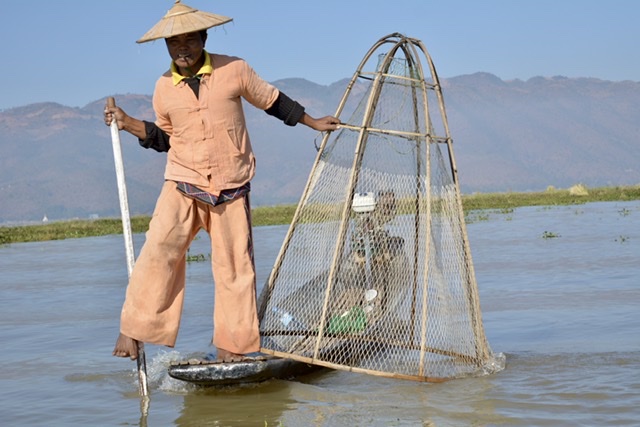
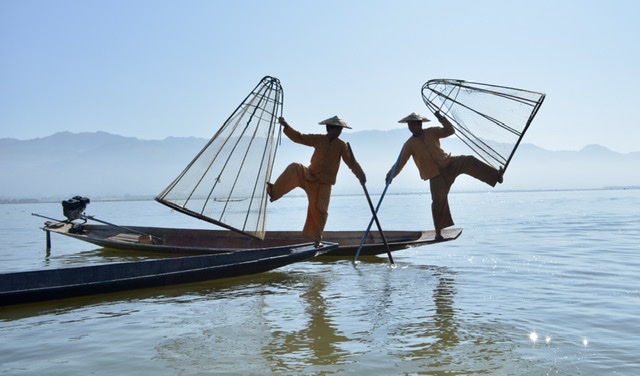
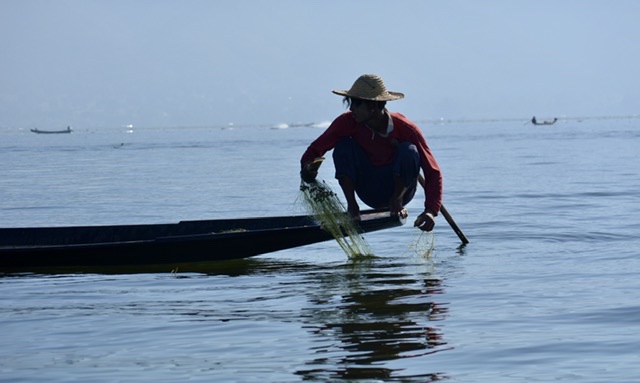
I had only hoped to see the Inle Lake long boat fisherman and it was my lucky day. These fellows perform the outstanding feat of paddling with one leg while using both hands for traps or nets and all the while balancing precariously on the narrow lip of the bow on the remainng leg. Like a dance they plunge their traps into the lake and pull them back to the surface as smoothly as ballet. Wow what a sight. 

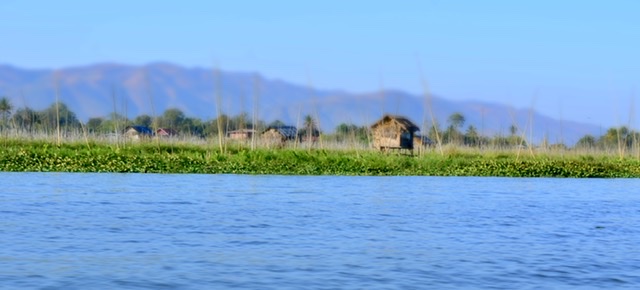
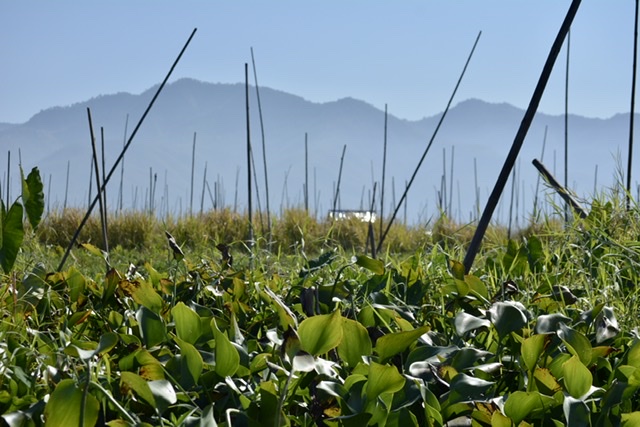
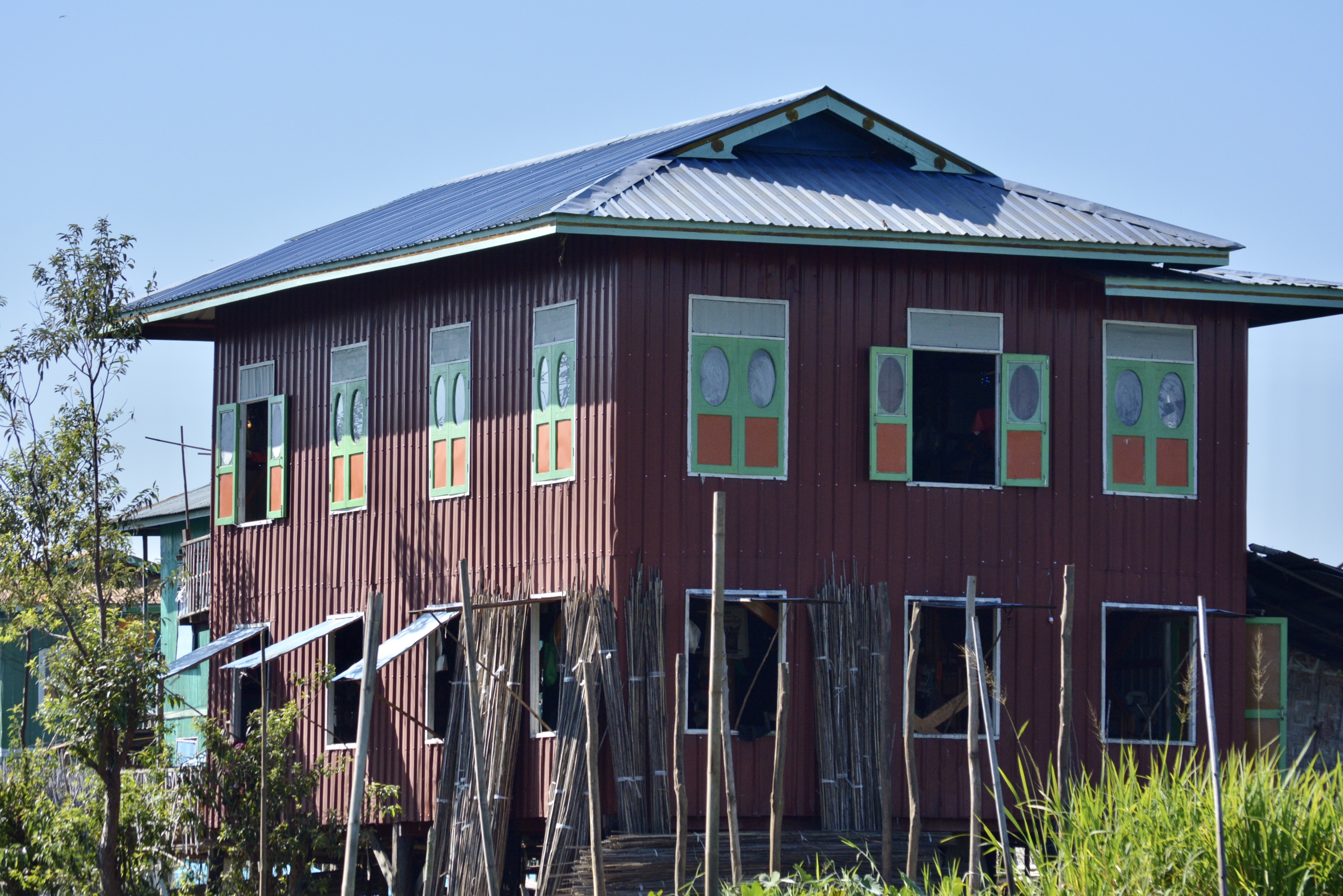
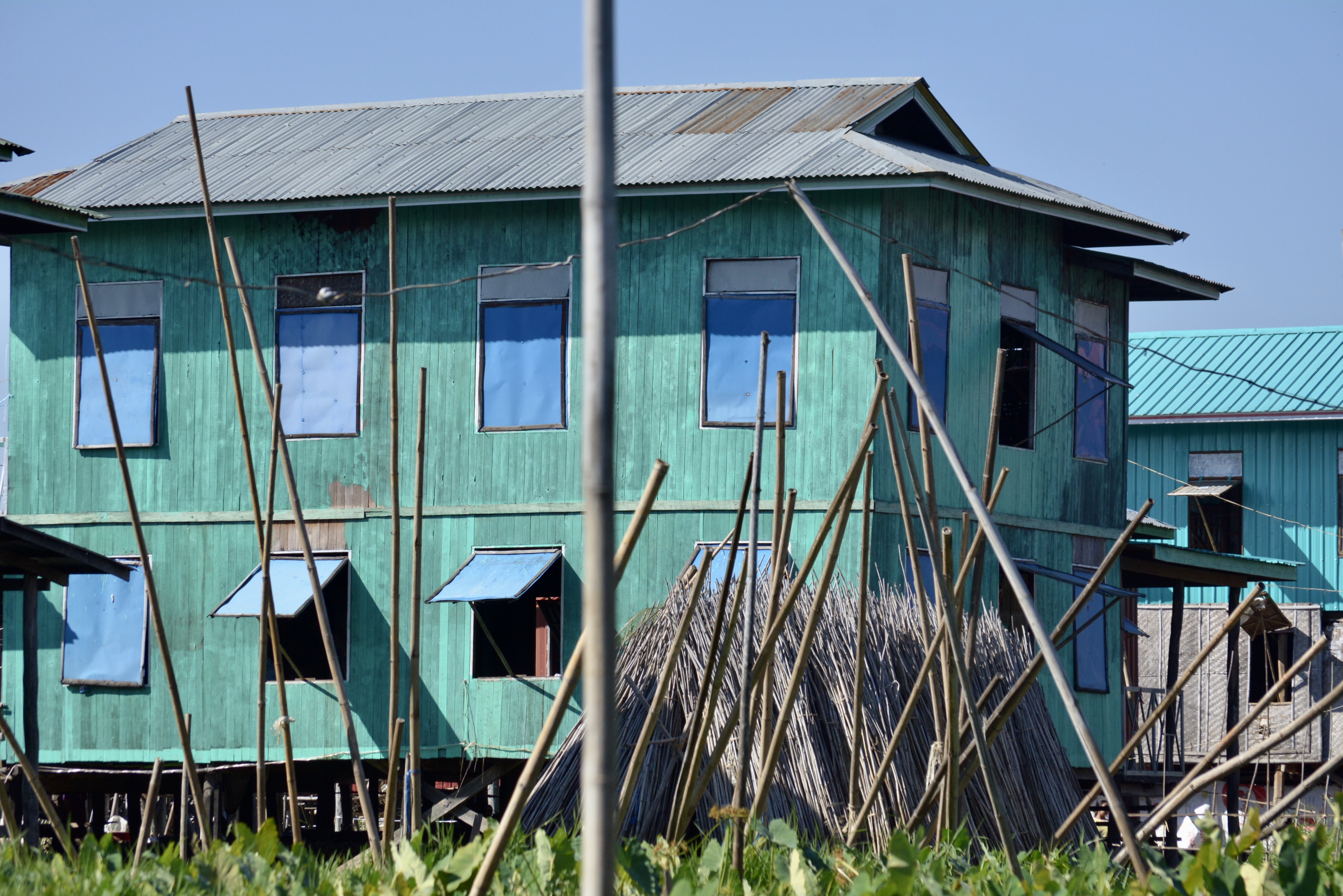
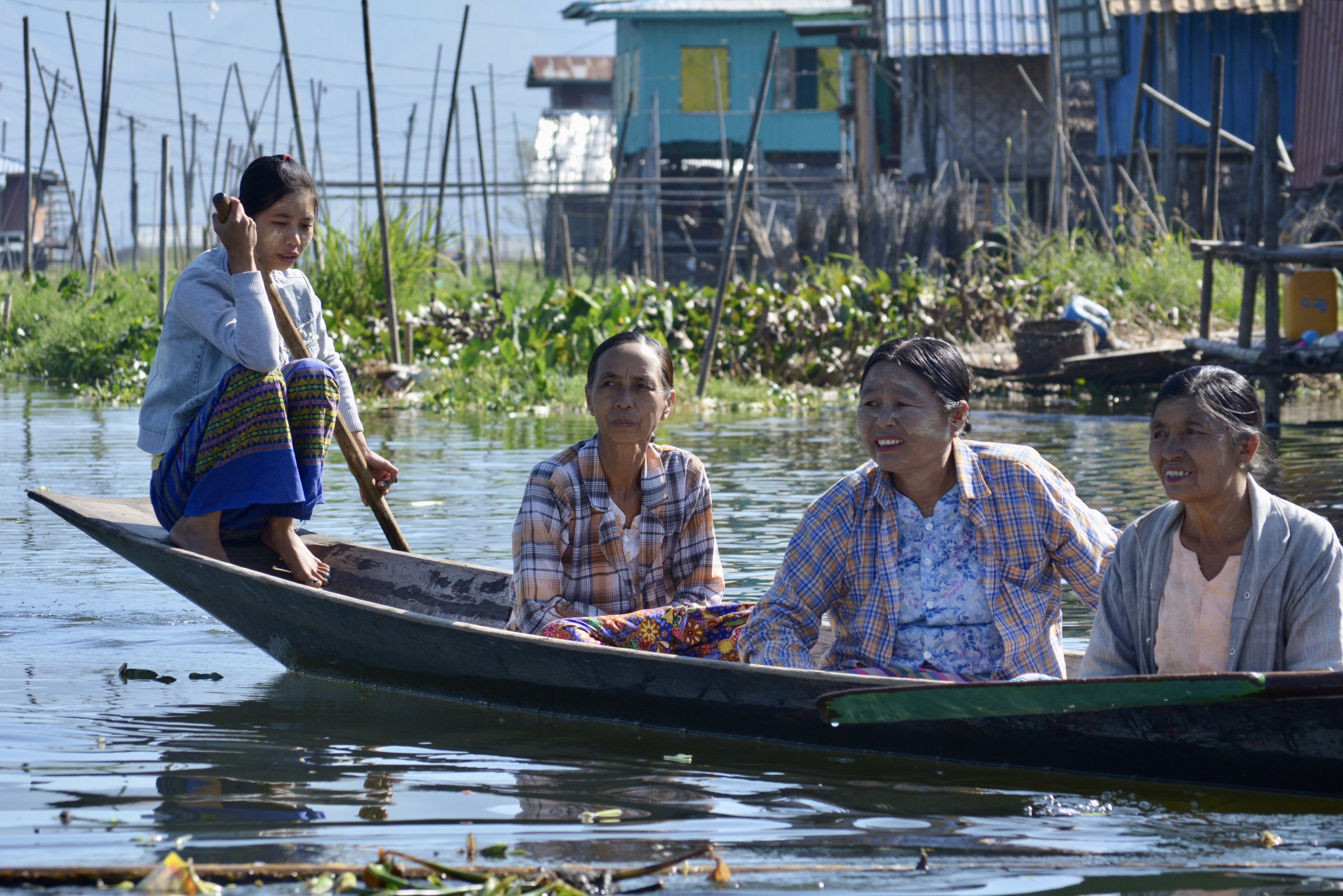
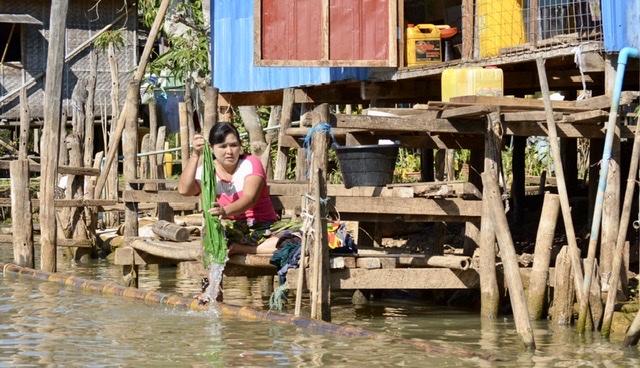
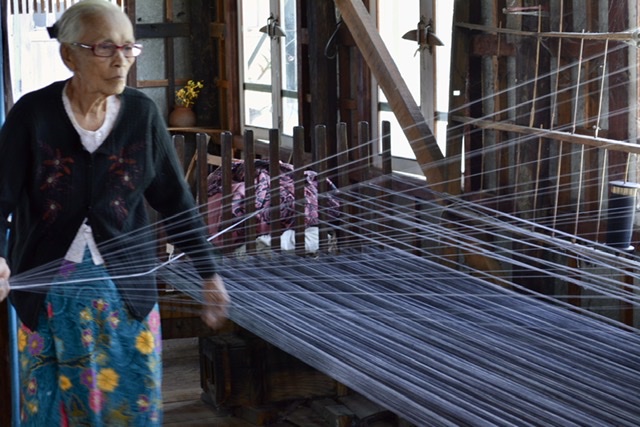
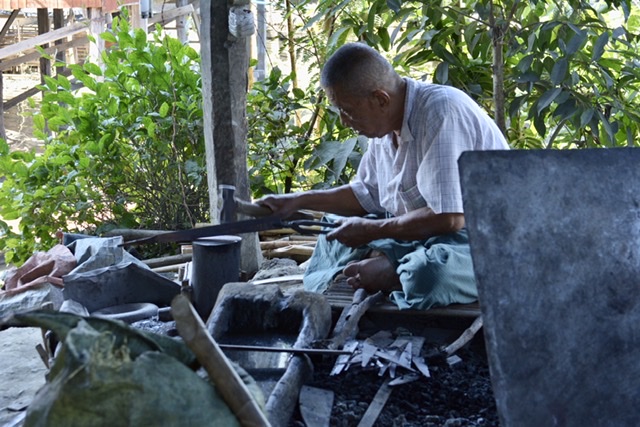
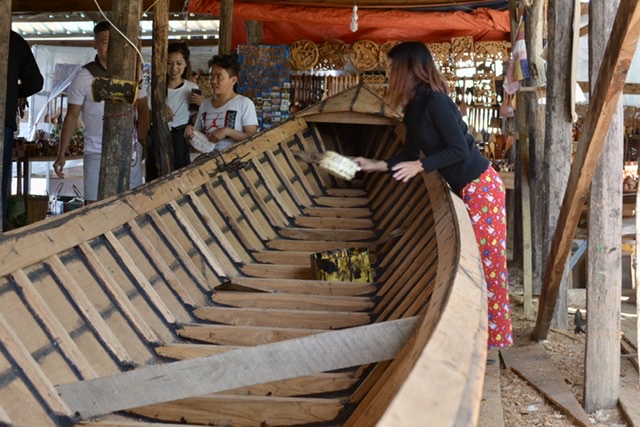
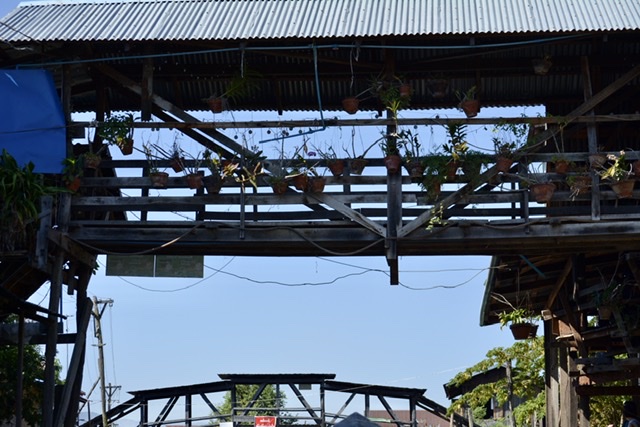
Turns out the boat tour with my fisherman, included stops at various arts and crafts cooperatives, where we would tie up to the docks in front of them. The cooperatives were in the hear today the communities entirely built on stilts including In Paw Khone, Nam Pan, Phangan Daw O Pagoda, Shwedagon in Dein Pagoda, Ywama Floating Market, and Nga Phe Kyaung Monastary, (difficult pronunciations for my English toungue). Hovering above the lake were schools, hospitals, temples, pagodas etc. In rustic buildings were mechanics, builders, boat makers, weavers etc., all busy at their trades, everyone moving about in longboats. 

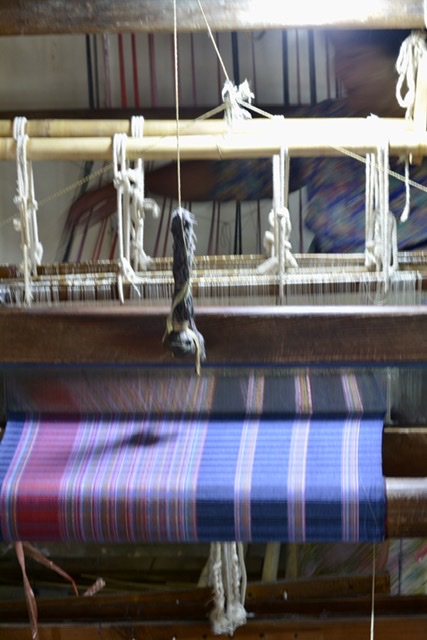
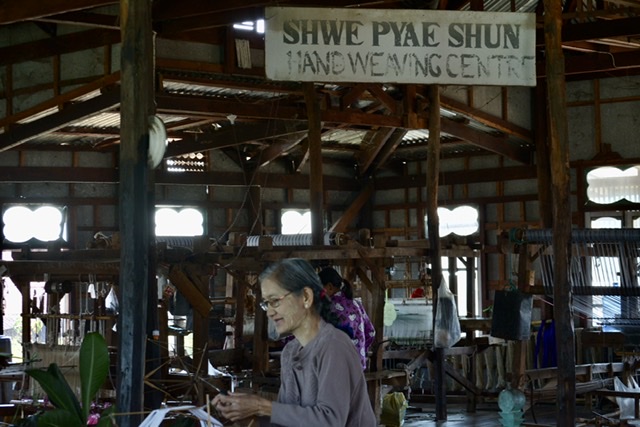
The weaving cooperatives were fascinating and the women used foot to pedal and back strap looms to make beautiful things in traditional colours and designs. I didn’t know that the lotus plant could be used to make a thread and we had passed huge nurseries of them on the way to the villages. I took a picture of a woman cutting the stems to reveal a long, fine, white thread which was then combined with other threads and spun into a larger thread used in weaving along with cotton and silk.

The tour lasted about seven hours, would have been longer but I declined the last stop where the women wear gold bands around their necks. I had read that they were often exploited by the tour guides and I did not want to contribute.

Back in Nyuangshwe I wandered the streets for awhile watching the hardworking people go about their business when suddenly there did appear a sign for dhosas, straight out of southern Indian cuisine! Hanit and Kunal who introduced me to dhosas would have been proud of my lack of hesitation. Sadly however these delicious pancakes were off the menu temporarily…plan b…samosas. 

Inle Lake is a beautiful place and has a quiet peaceful felling to it but it is close to some of the “trouble spots” in Myanmar and there is no doubt that the people have suffered at the hands of the political turmoil that has plagued Myanmar. I thought it was the most lovely of places and was so glad I went. A short flight and I was in Yangon, boarding a connecting flight to Bangkok, which in turn connected with a flight to Chaing Mai in northern Thailand.