Santiago and the Atacama Desert

The driest desert in the world…

Flying in South America is quite affordable given that there are many small budget airlines. We found a cheap flight from Montevideo back to Santiago Chile so we could complete our Chilean itinerary, our final week, before we fly back to Mexico City. 

Flying into Santiago on a clear day means great views of the beautiful snow-capped Andes and spending another night in Santiago before flying north to Antofagasta and the Atacama desert was a treat. Our hotel was in the Nunoa neighbourhood, a busy area close to City Hall and not far from a subway stop. A good location for enjoying a late supper, getting an early night and catching an eight AM flight to Antofagasta in Northern Chile.

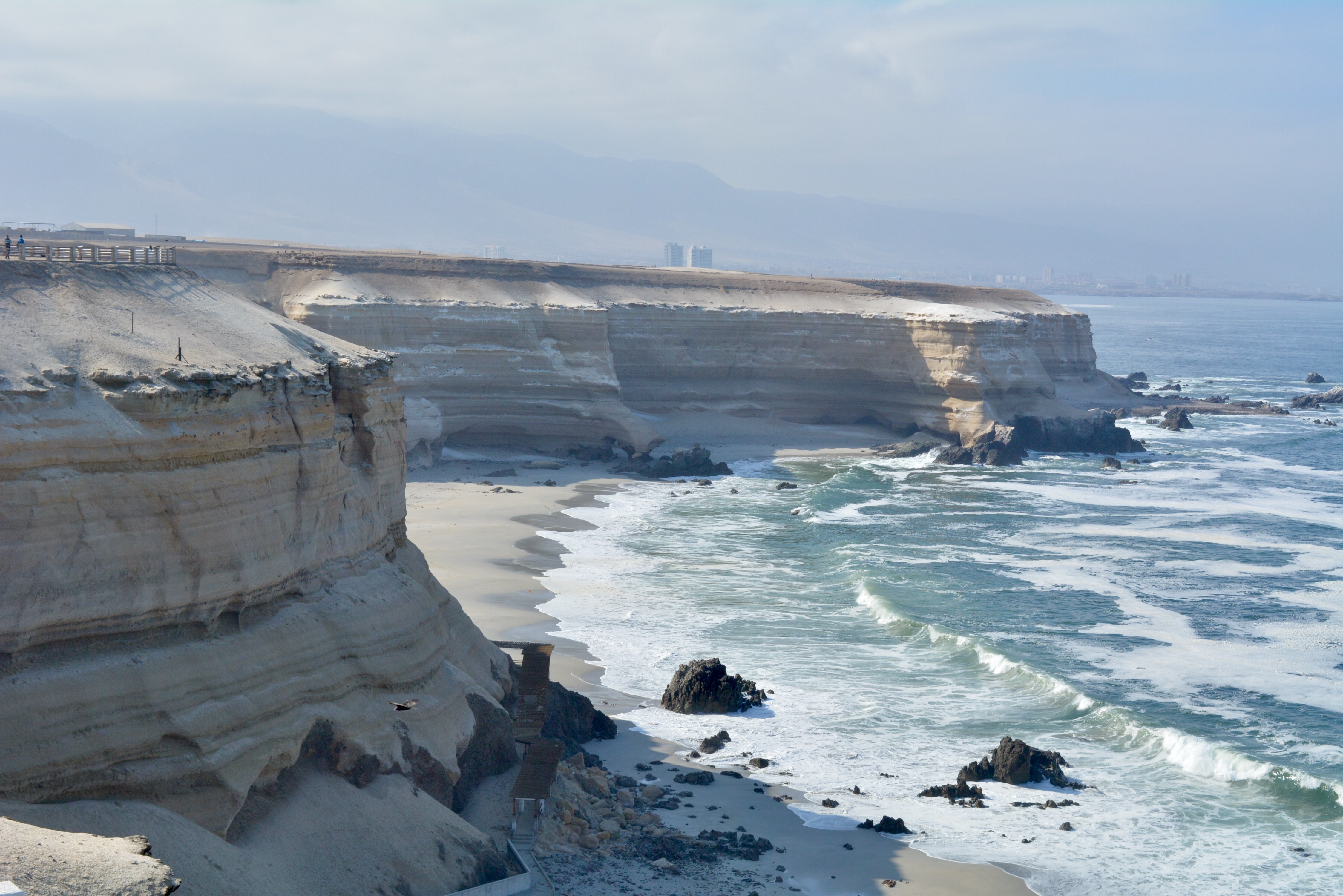
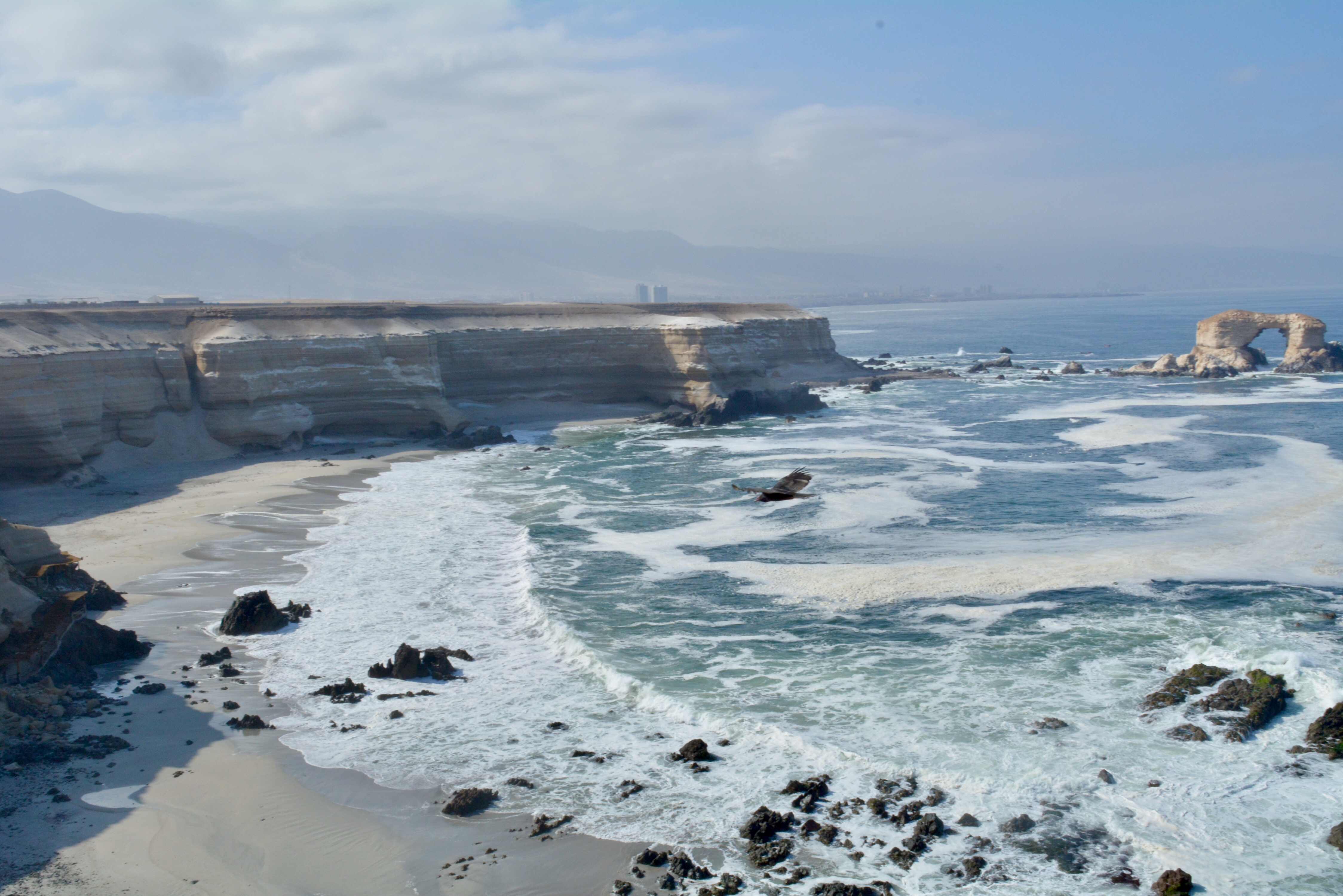
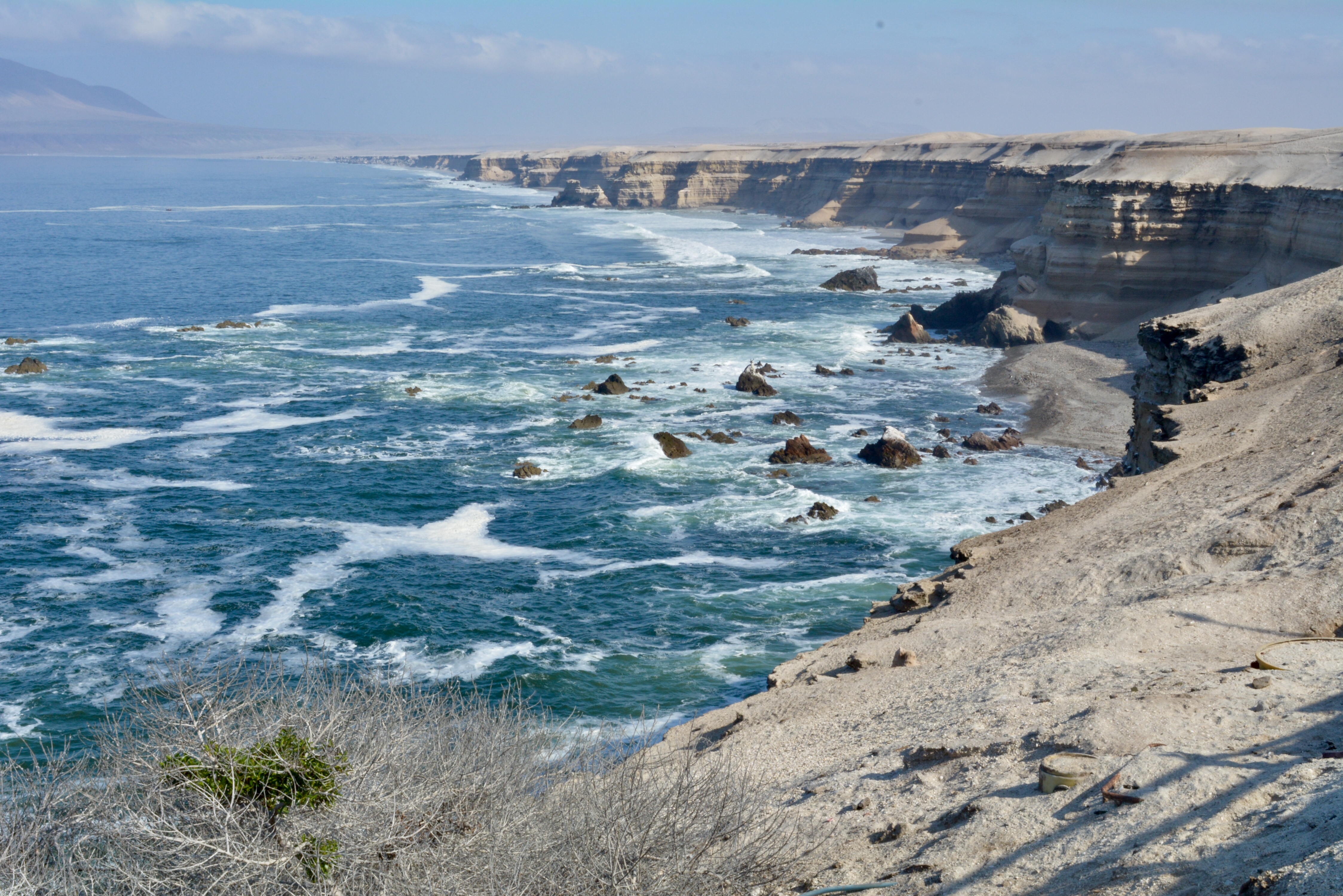
Antofagasta Chile is a striking place with a rugged coastline. For us, with limited time, it was the gateway to the Atacama desert. After deplaning and a quick stop in a taxi to see the famous sea arch “La Portado” and the beautiful ocean and dune cliffs that drop steeply to the sea, we were on our way to the bus station to catch a bus to Calama.

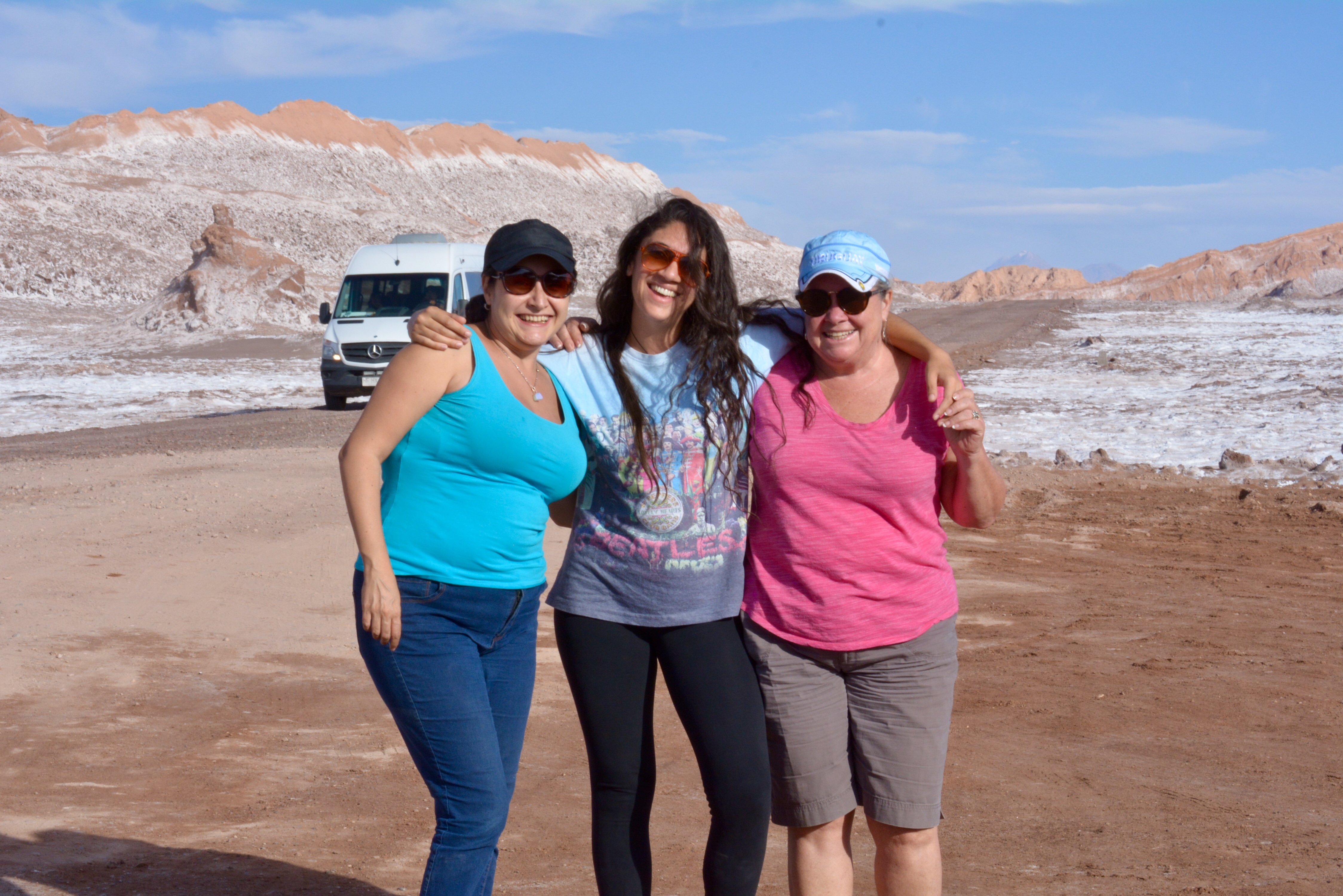
We had a choice of whether to stay in the city of Calama or the town of San Pedro which was closer to the sights we wanted to see in the desert. We opted for Calama. Calama is a mining town and is located close to the biggest open pit mine in the world, Chuquicamata. The town itself is not that pretty, but we stayed in a lovely hotel with a nice little pool that was a ways out of town which for us was not a problem. In Calama we located a private tour company and made arrangements to visit the area around San Pedro, about a hour and a half from our hotel in Calama. 

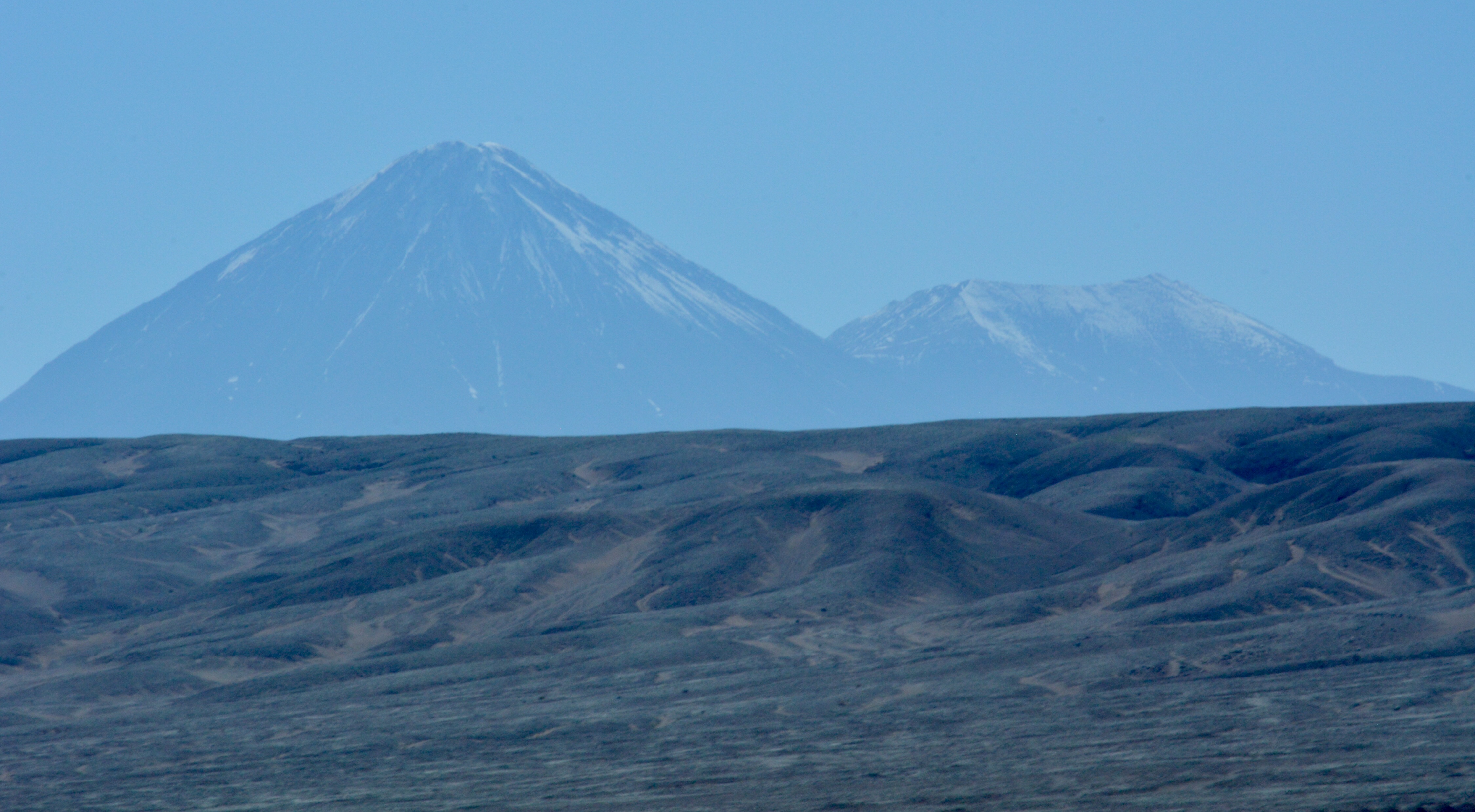
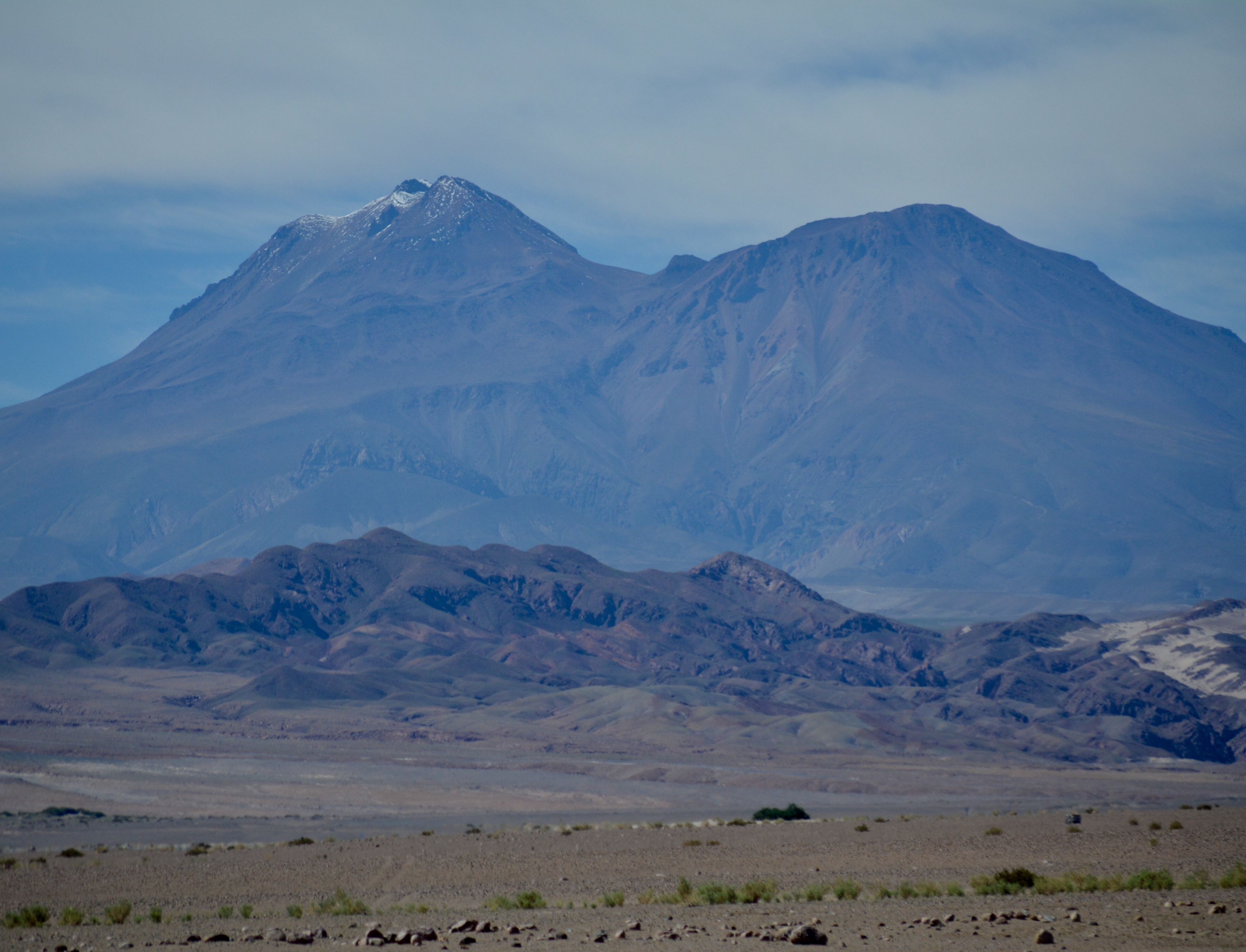
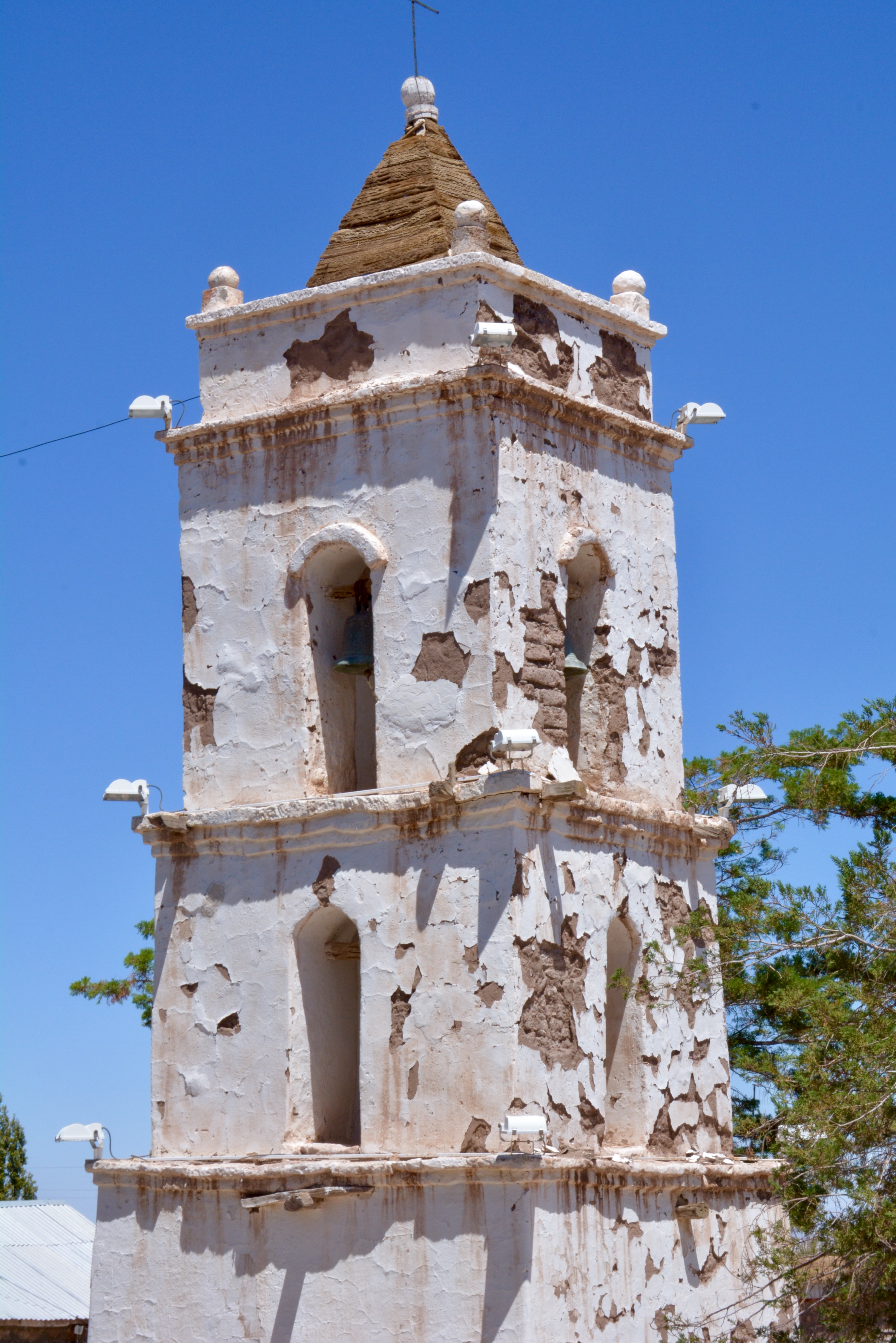
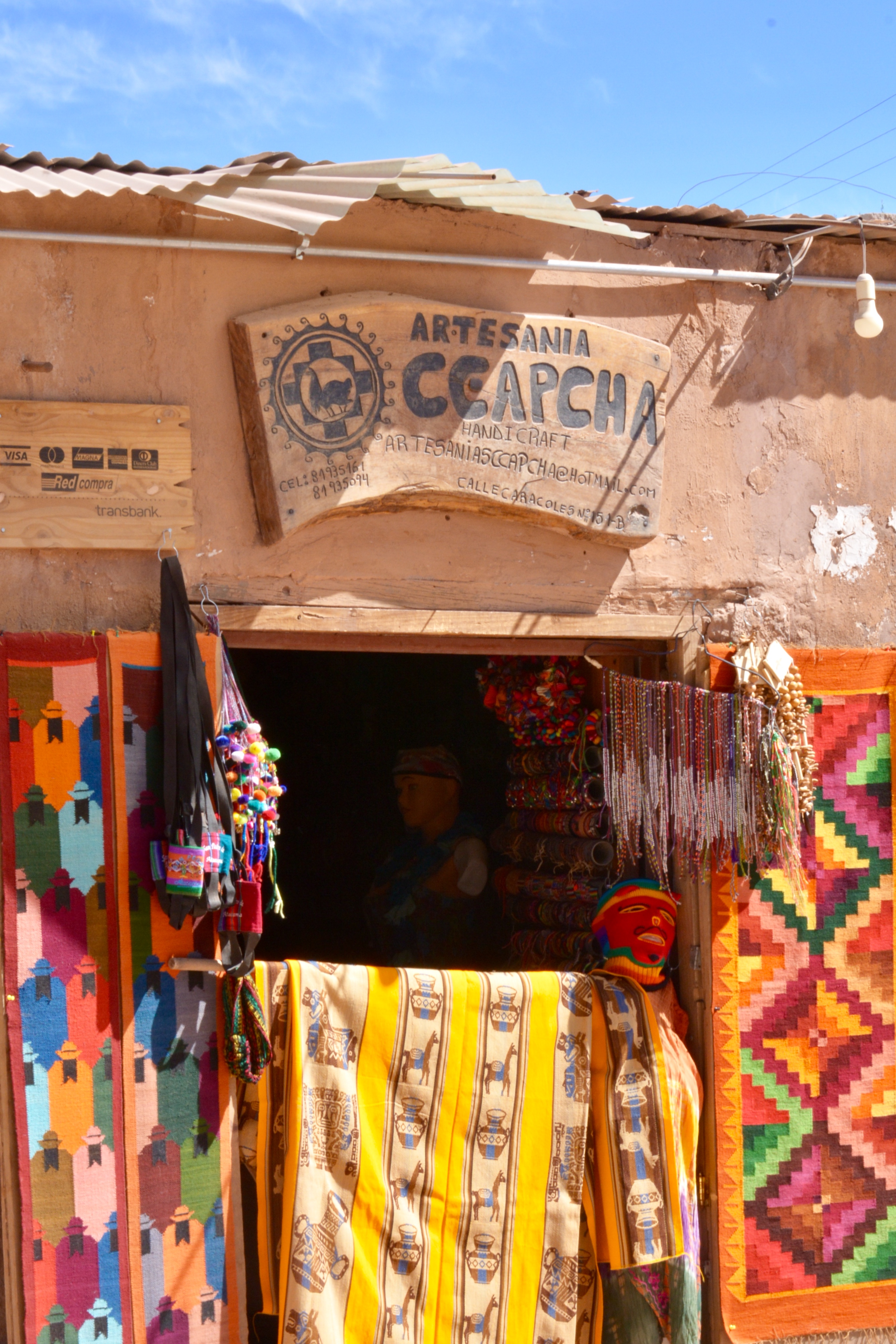
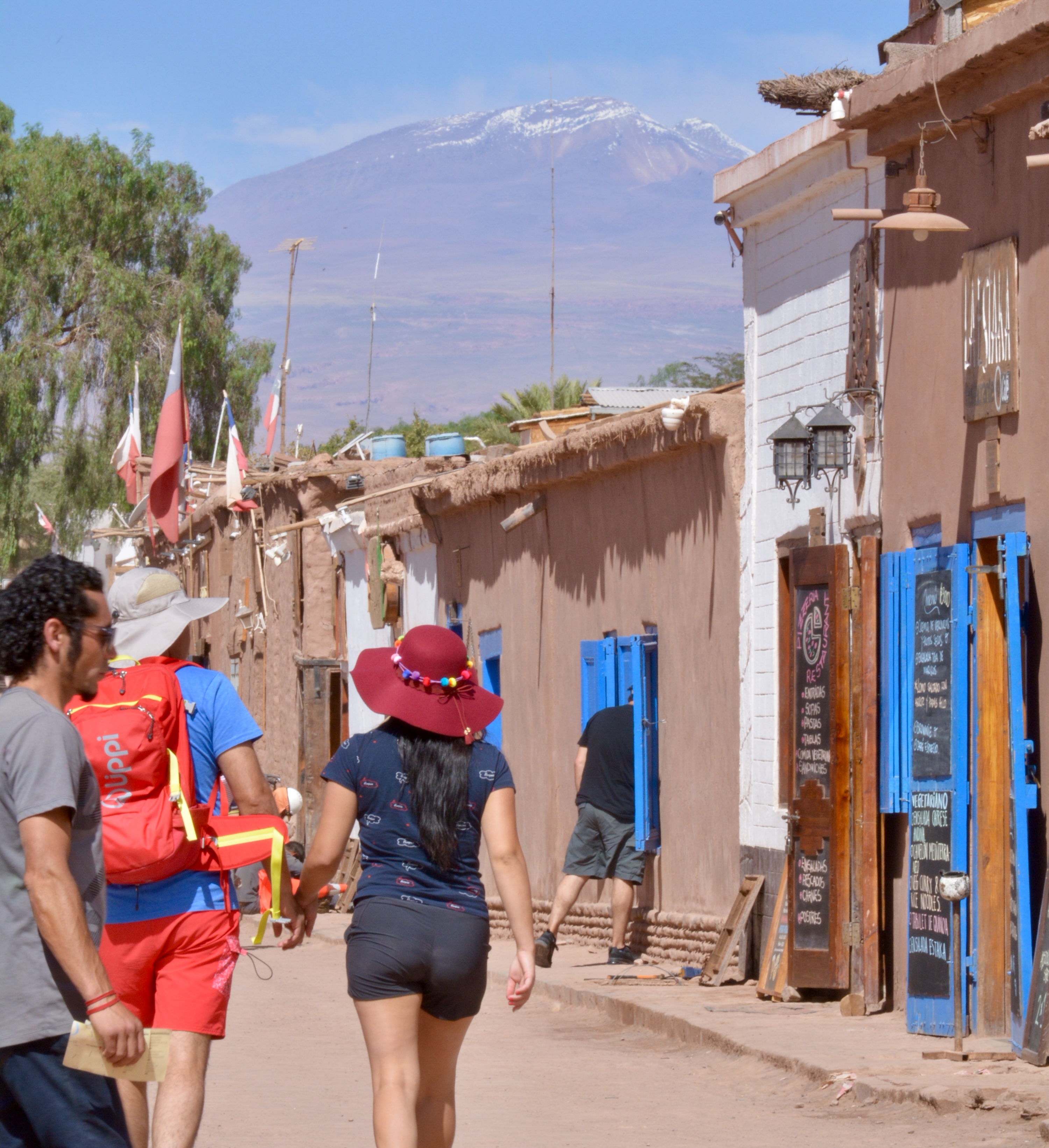
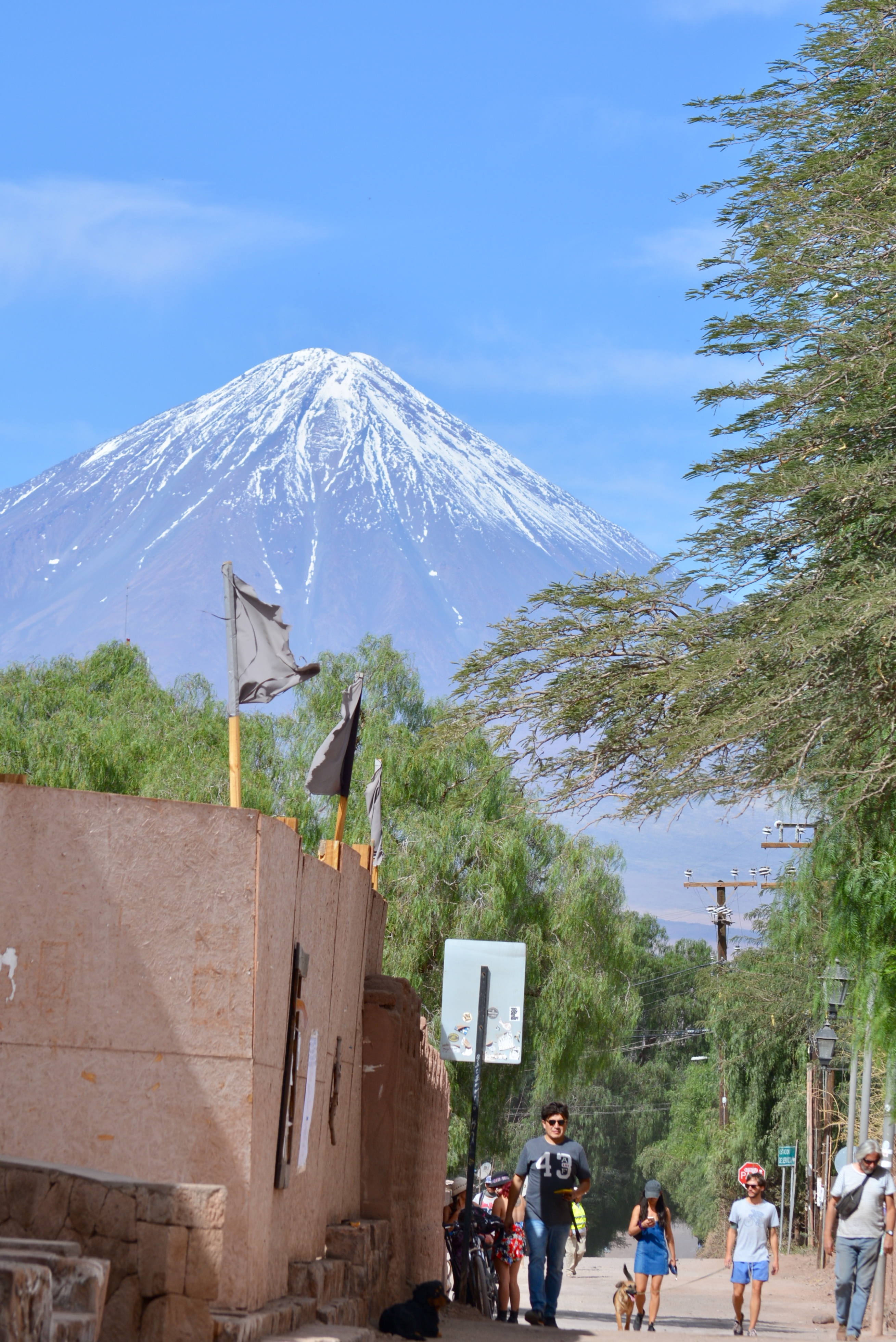
We opted not to stay in San Pedro, the tourist hub of the Atacama, and we were glad too have avoided what would have been a very touristy experience. Although we enjoyed our day visit there it was very crowded. It’s the kind of place that caters to adventurists who want to do high altitude climbing, sand-boarding and mountain climbing. For sight-seers like us the attraction is the volcano-lined horizons, the blue salt lakes and their resident flamingos, other birds and steaming geysers. There were far more tour companies than attractions and the town itself is a buzzing little place for artisans, chefs, travellers and hoteliers.

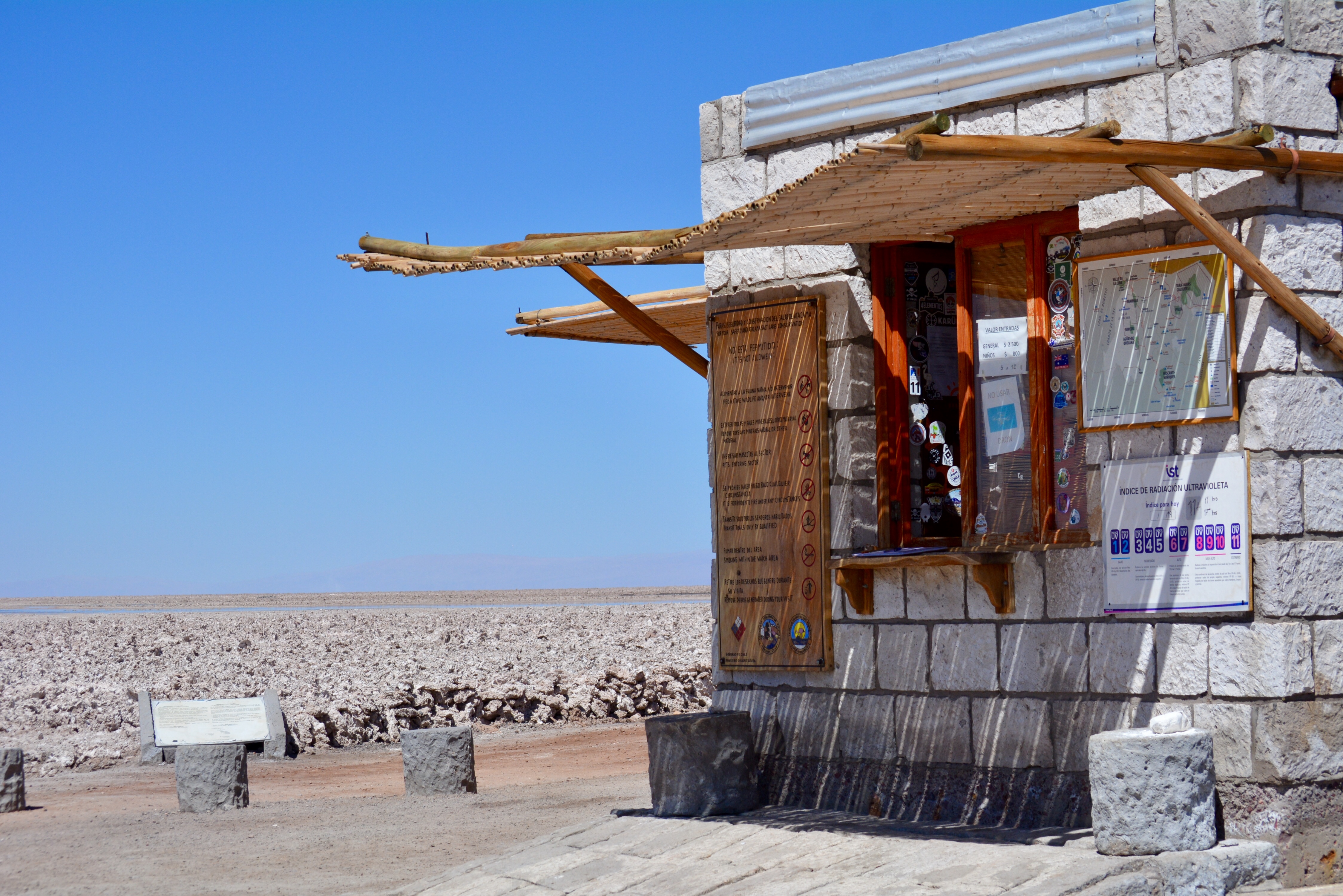
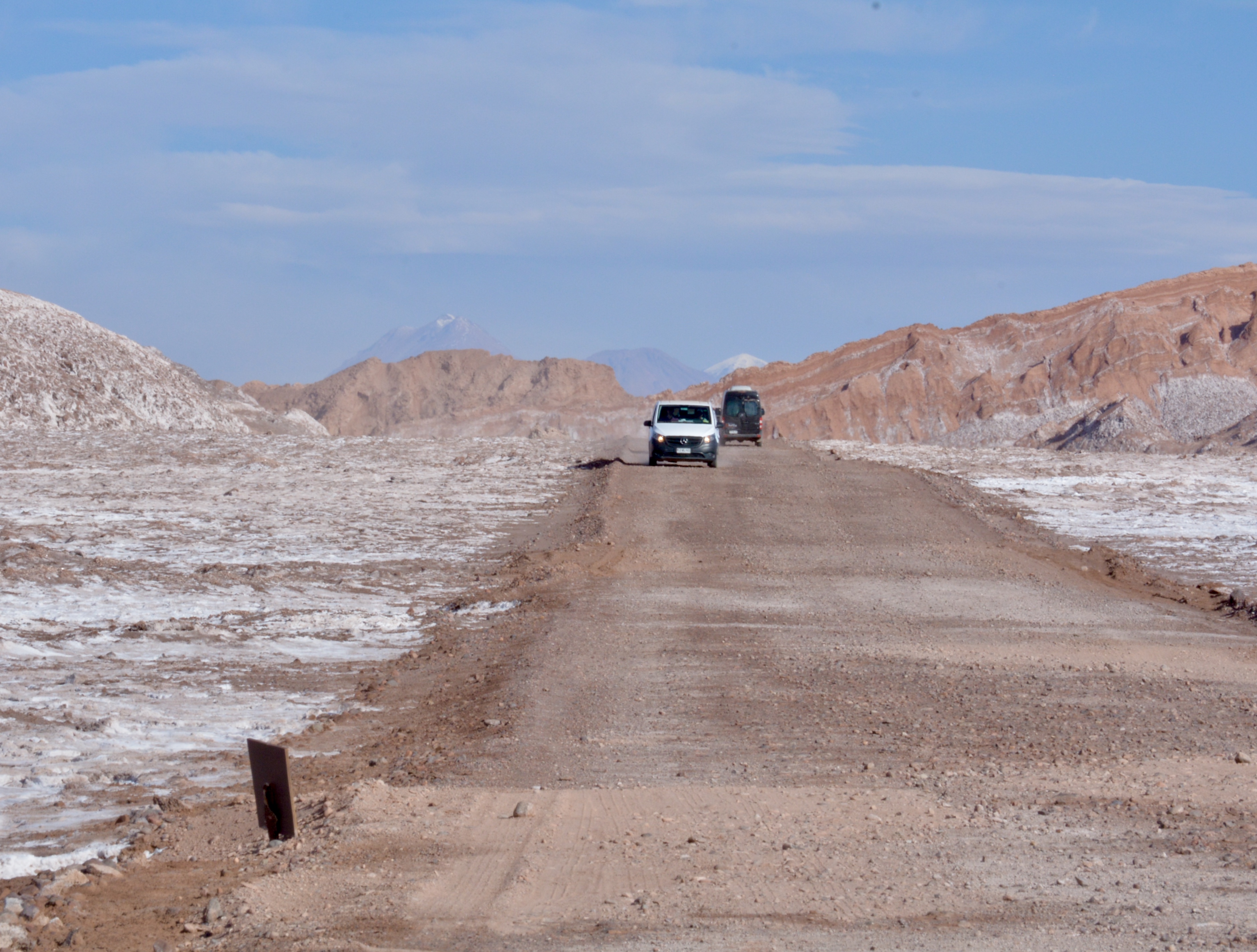
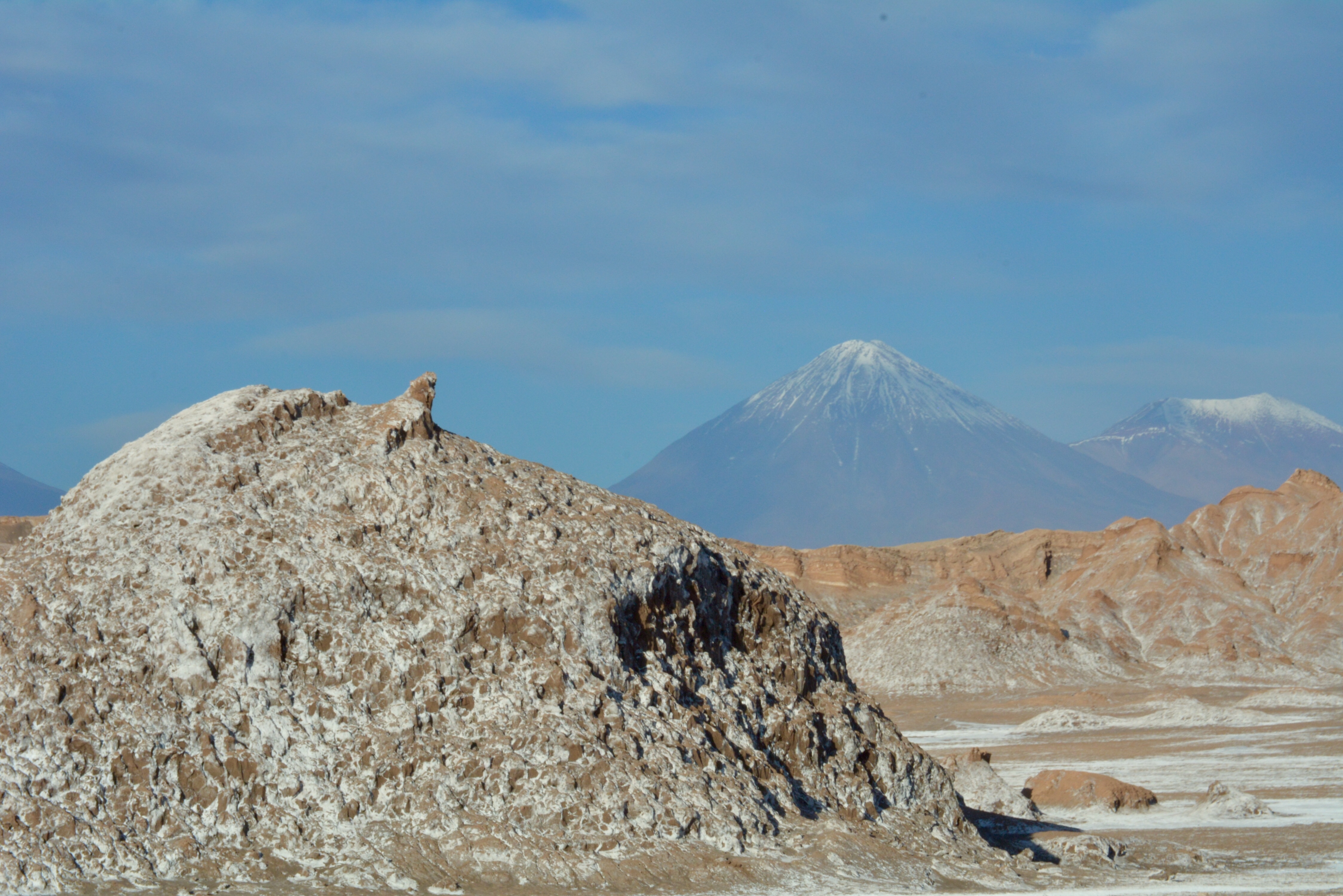
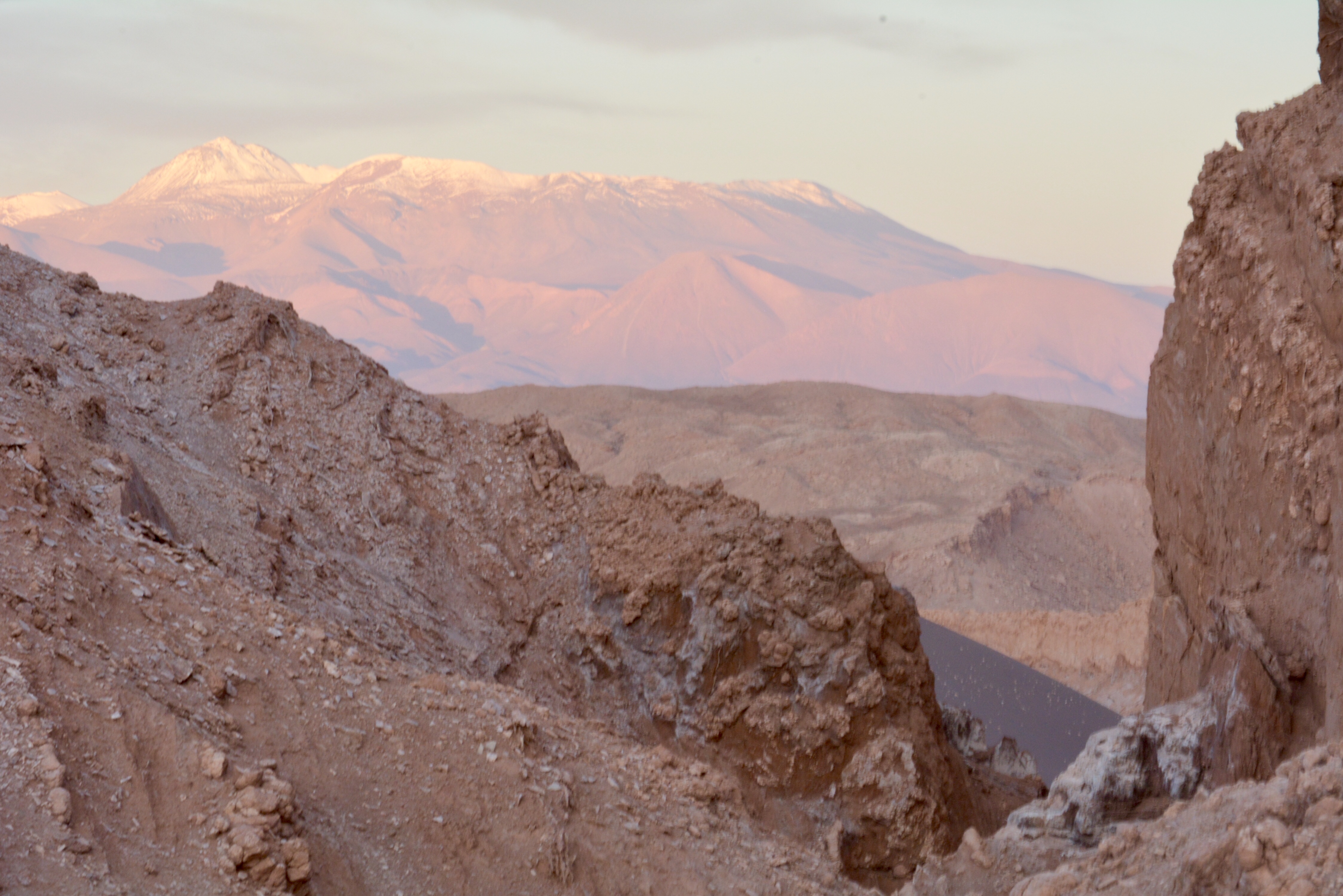
Our tour took us out into the desert where we were rewarded with “otherworldly” landscapes. Our first stop on our tour was the Reserva Nacional Los Flamencos located in the middle of one of the largest salt flats in the world. The flamingos differ from Mexican flamingos and all three types have a black band on the bottom edge of their wings that their Mexican counterparts don’t share.  The salt flats stretch on past the lagoons disappearing in the horizon with the volcanos behind. In the Reserva there are three lakes that are at more than 13000 ft above sea level. 
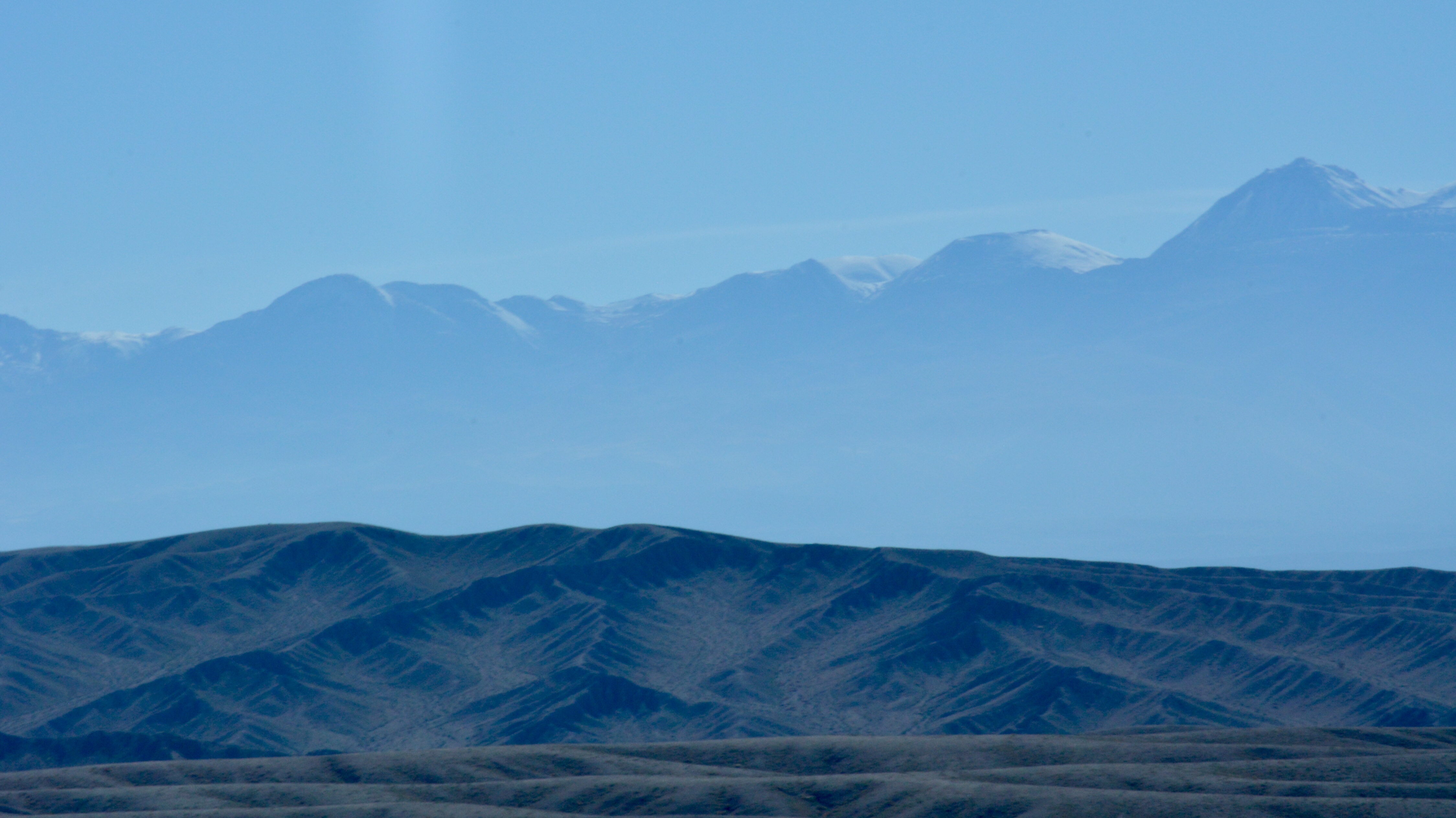
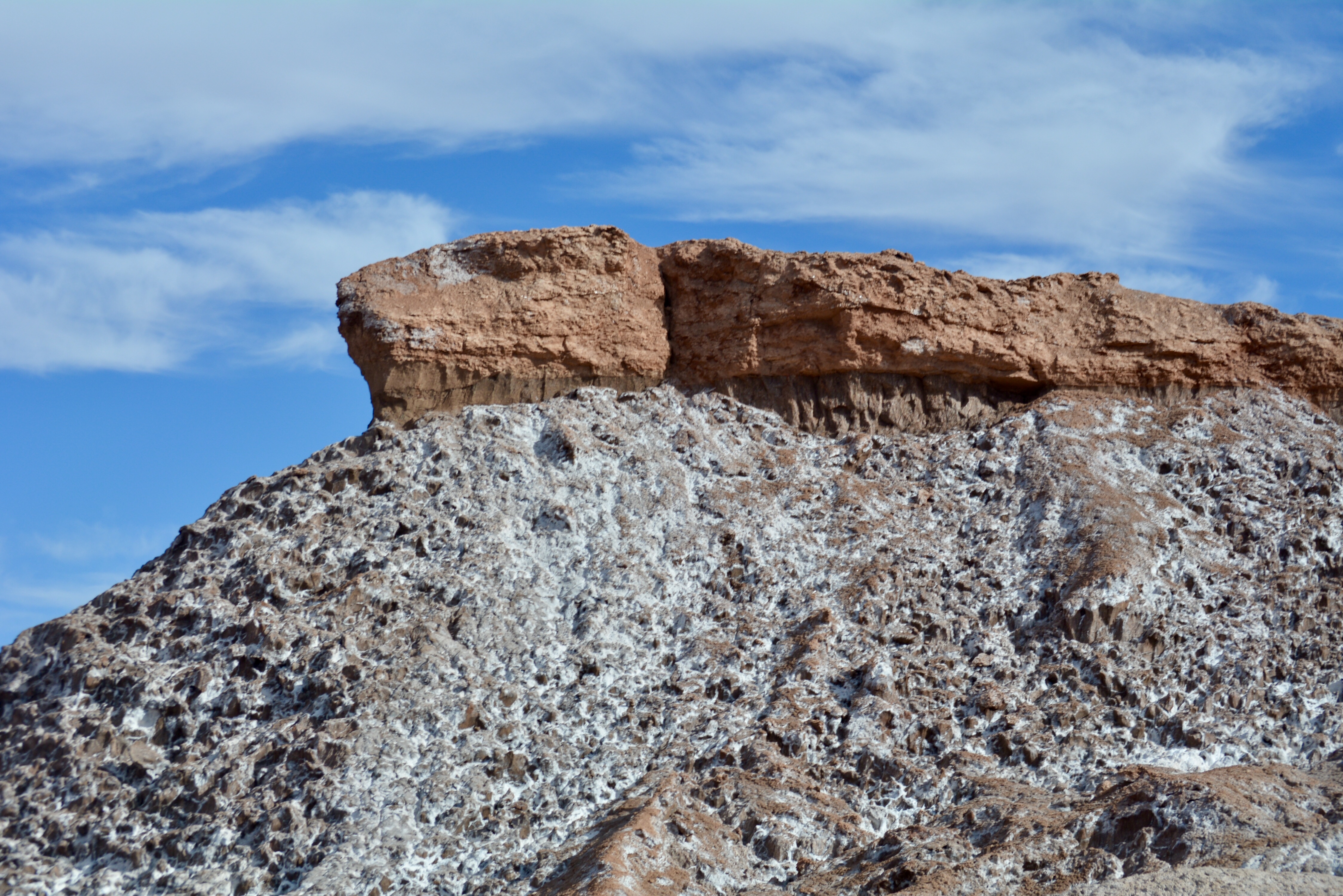
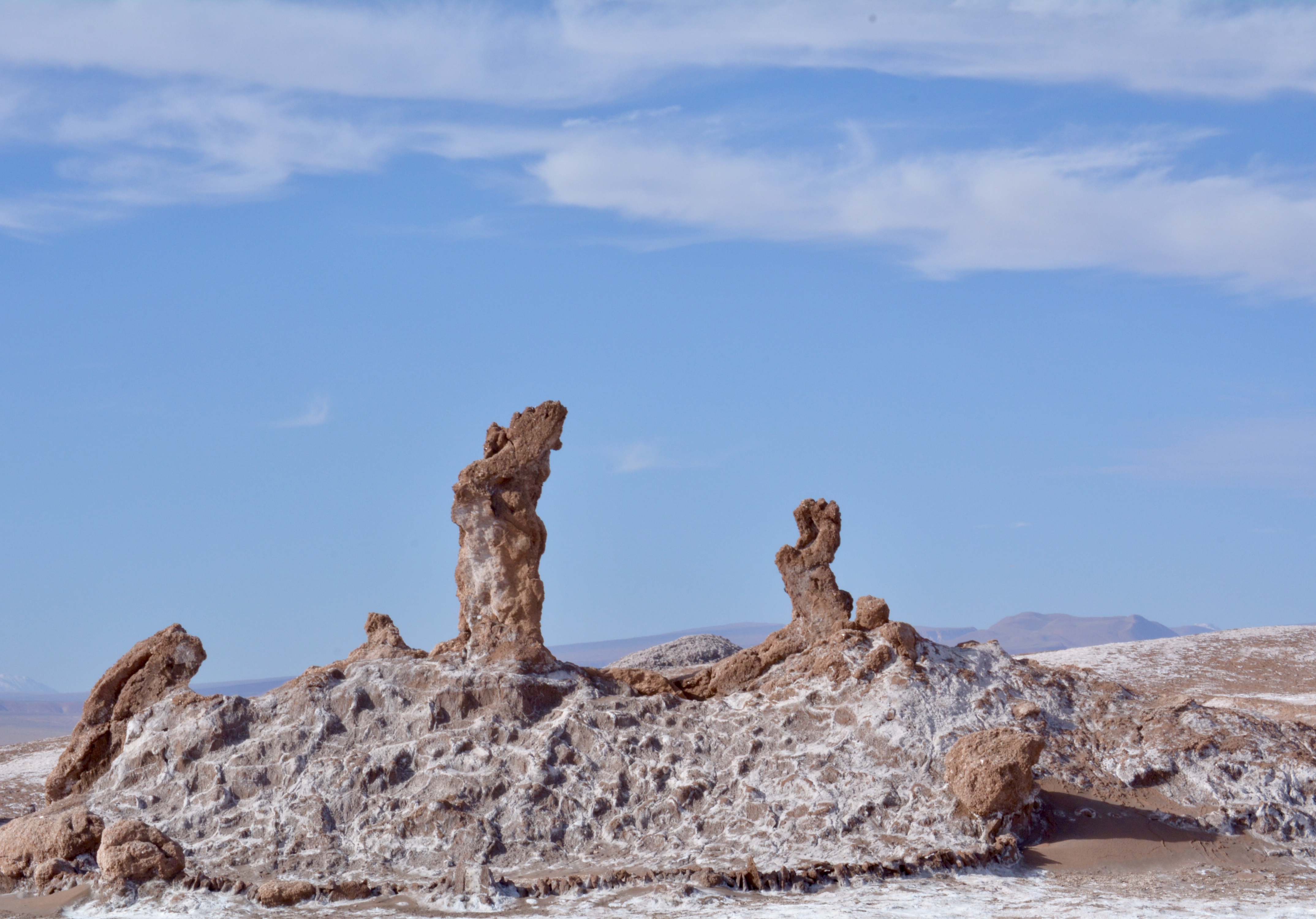
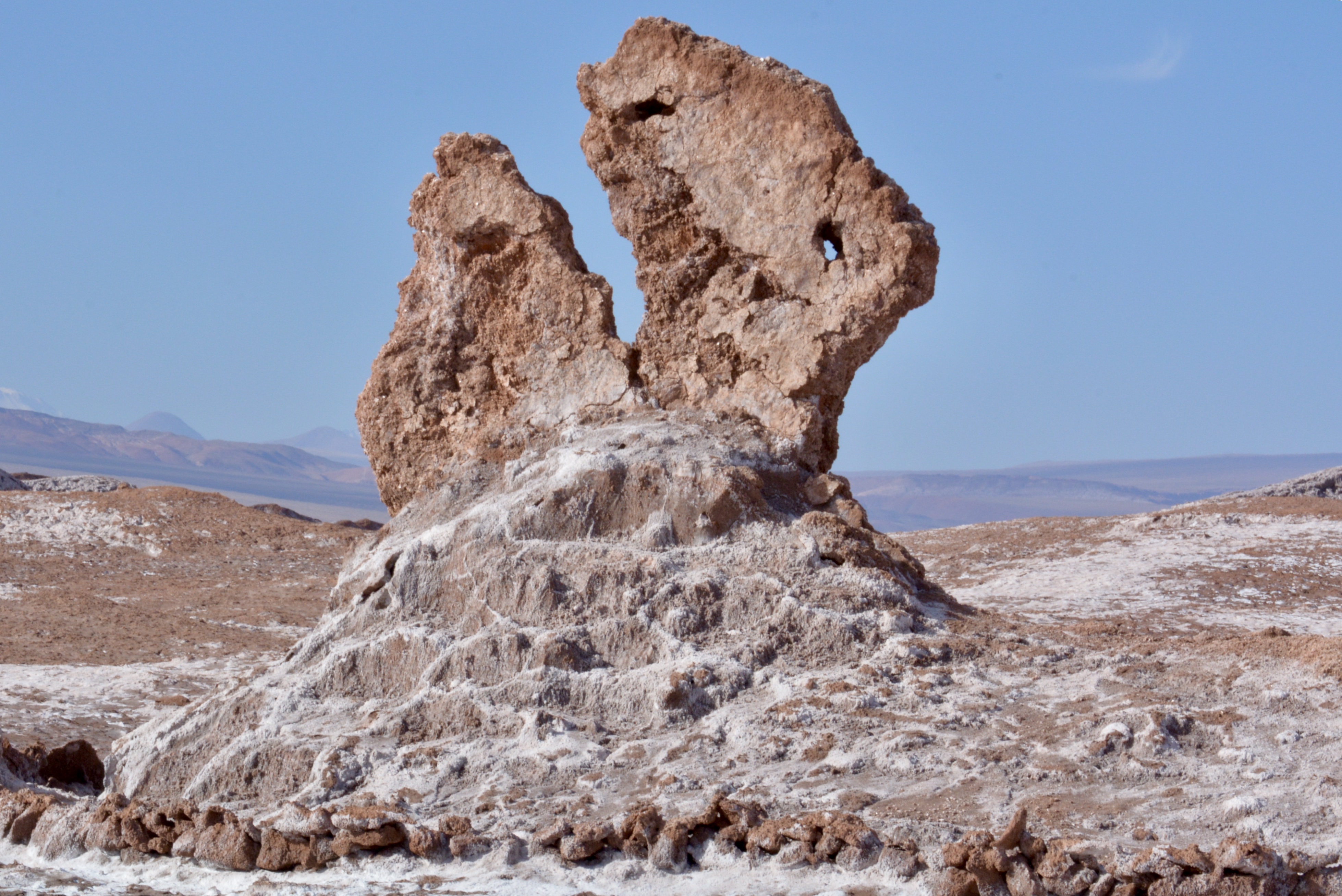
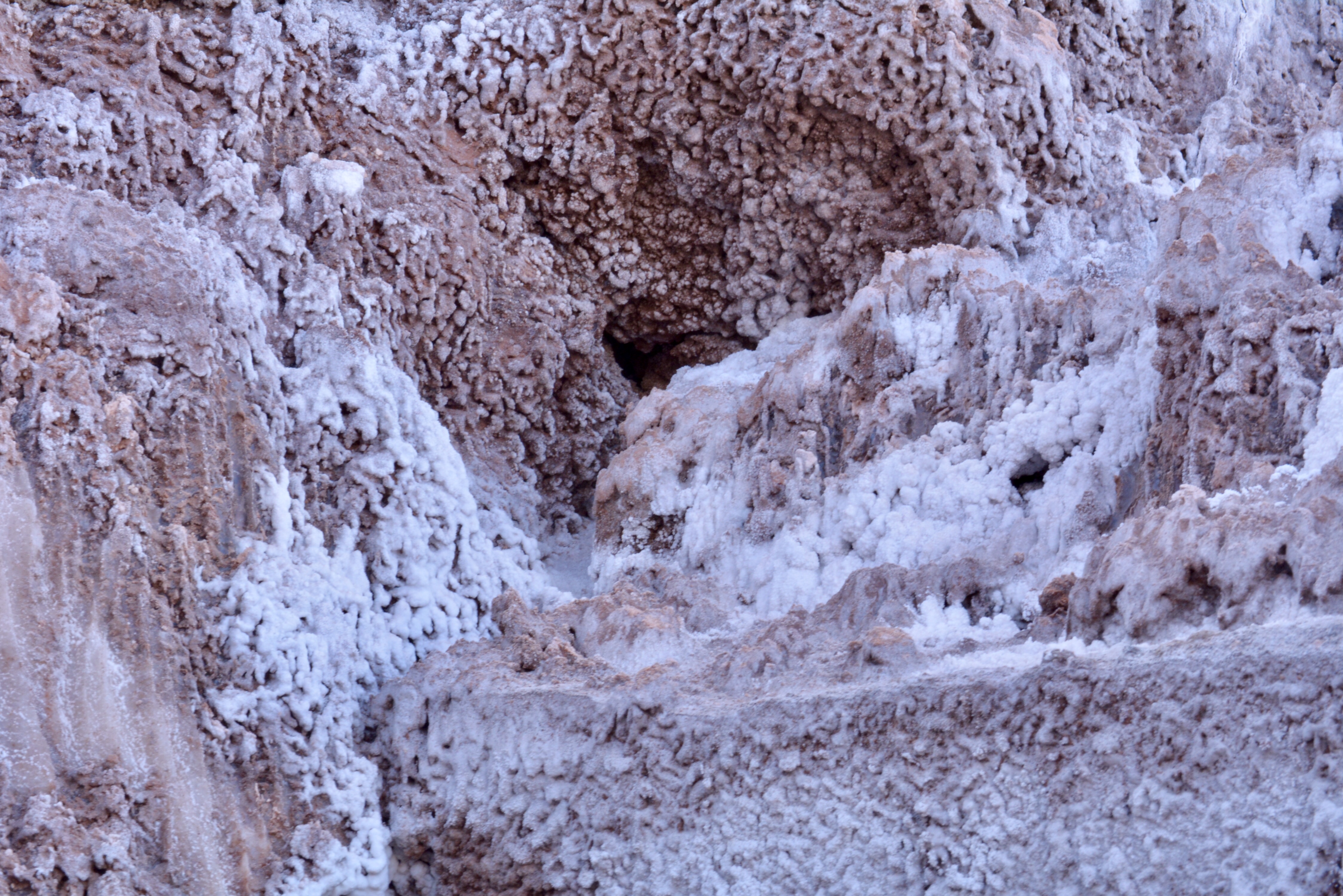
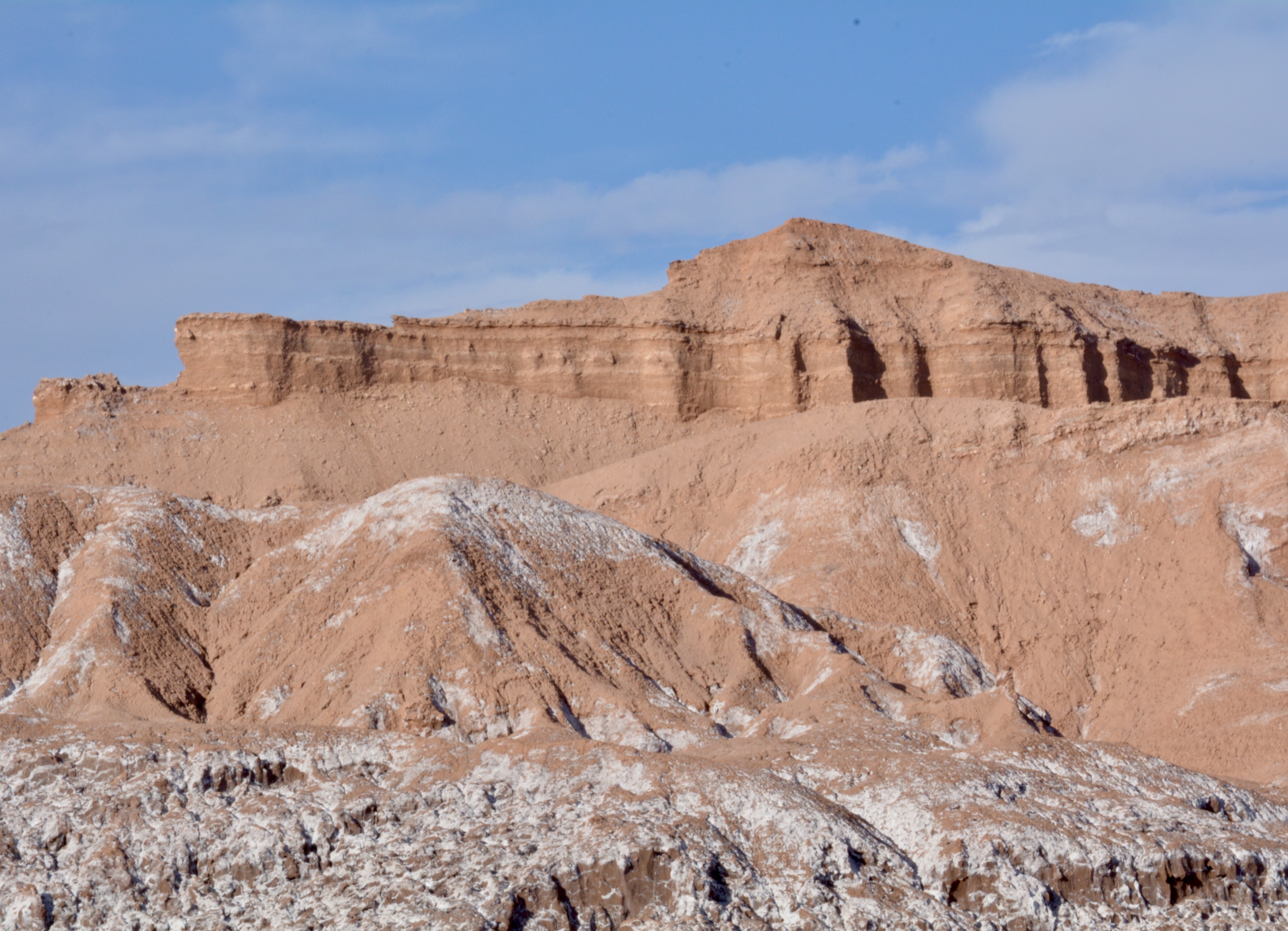
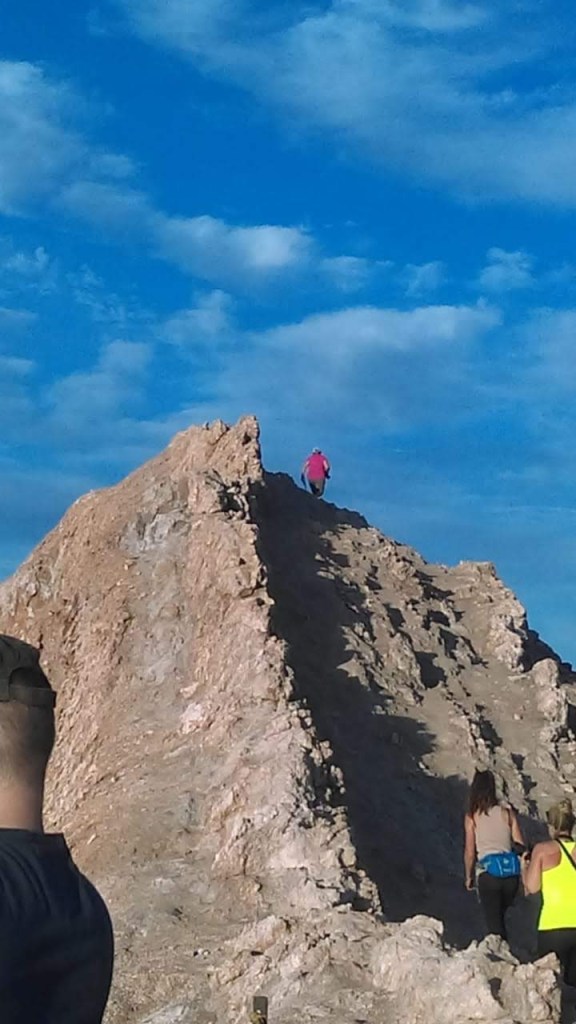
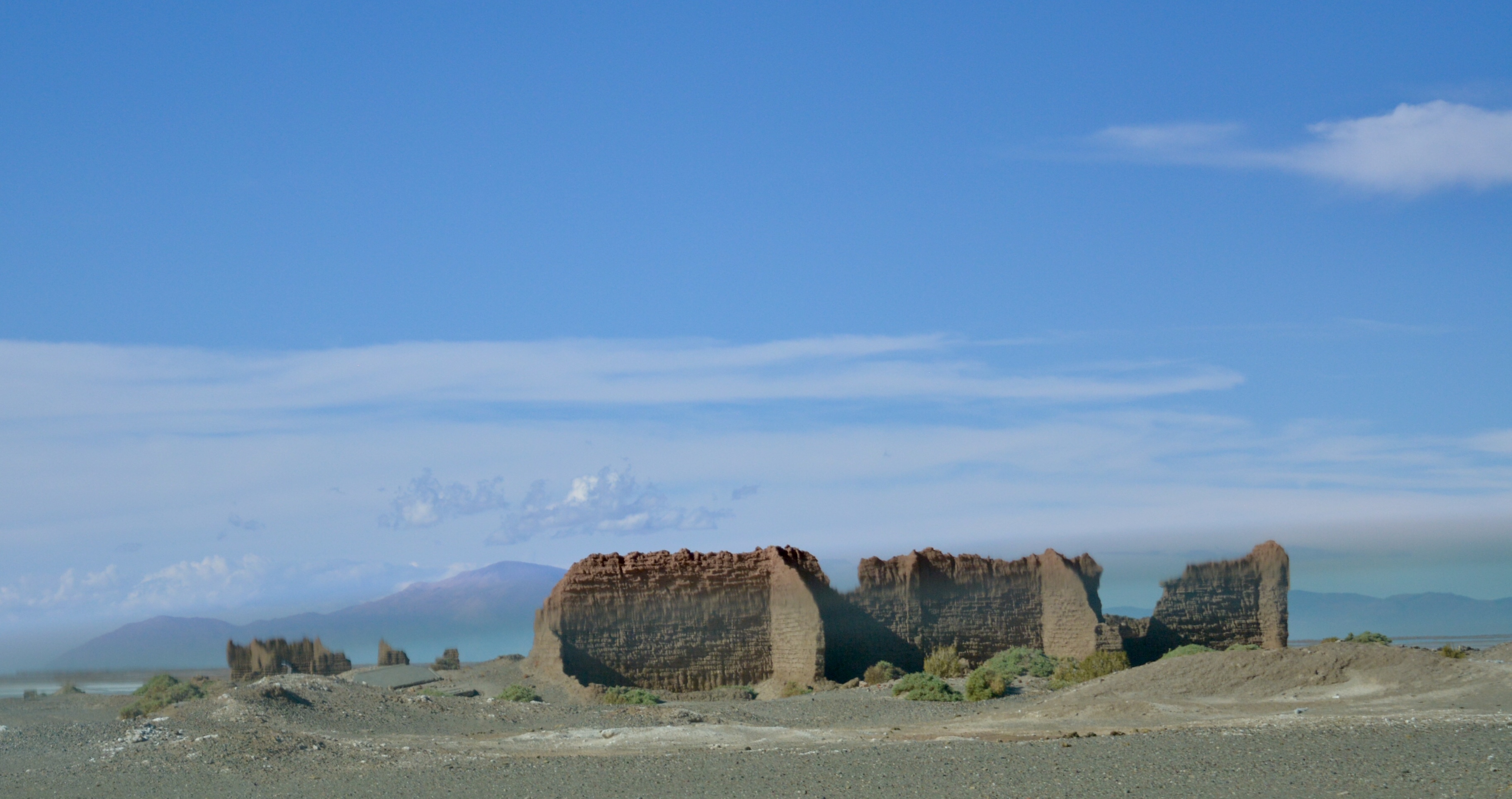
Second stop on the tour was the Valle de la Luna. A really eerie landscape where we spent several hours climbing up and down the pathways of the salt mountains to see such sights as abandoned nitrate mines from the late 1800’s to around 1925 which made Chile the king of production of the fertilizer sodium nitrate. Similar to the production of Henequen rope in the Yucatan which died our with the invention of nylon, sodium nitrate mining came to an end with the invention of synthetic nitrates. Close to the old “mines” are the townsites where the miners lived and in some places there is still machinery rusting and disintegrating in the desert weather. 

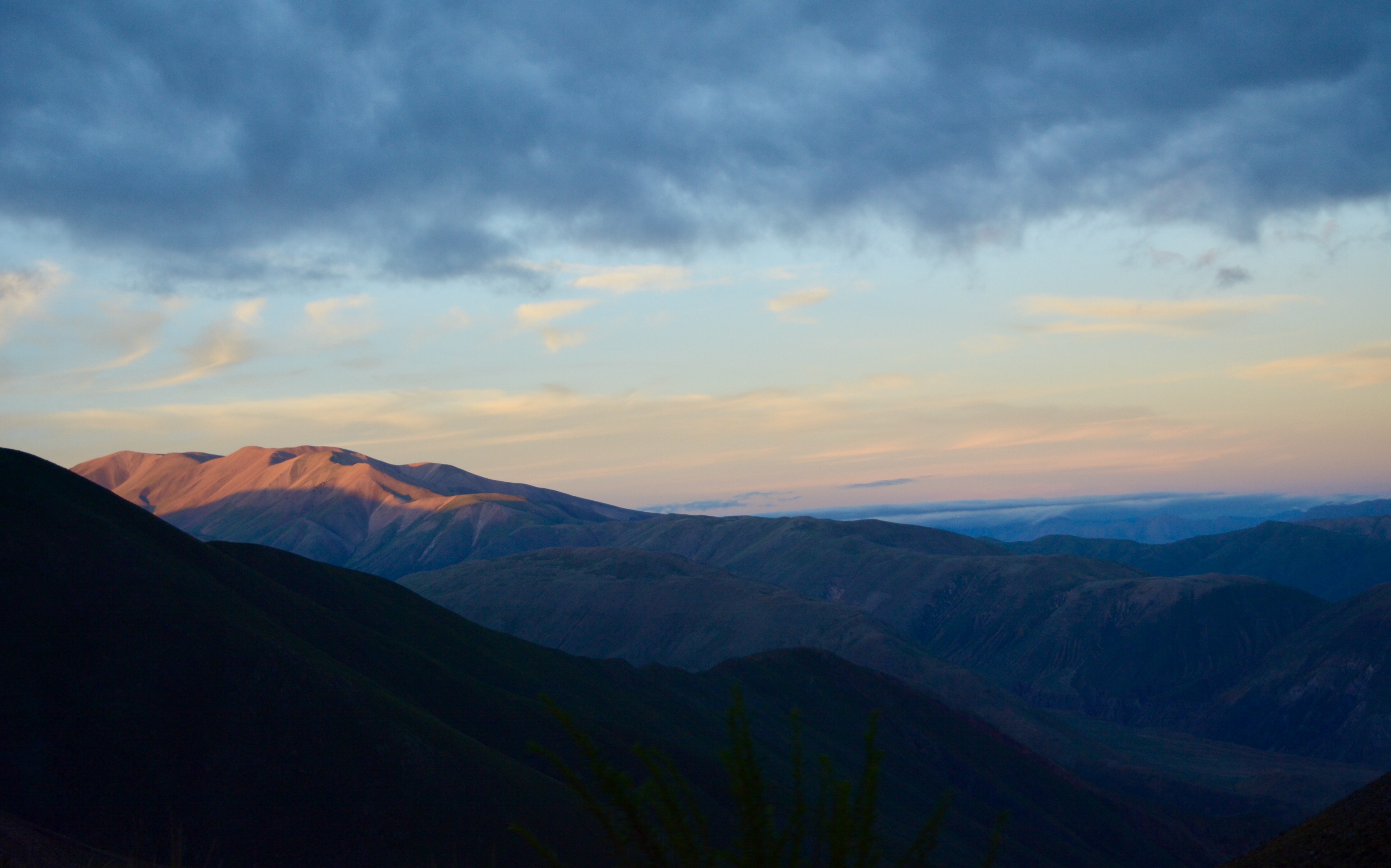
Three days to take tours to the Atacama was sufficient to get a sense of the beauty of this once-in-a-life-time destination. I haven’t been to any place quite Iike it, the driest desert in the world. A place where the landscape changes with the tilt of the sun, a kaleidoscope of shapes and colours. Deserts are funny places, at first glance they can seem dull and lifeless, but stand still long enough and you can see the tenacious life forms and the brilliant pallet of colours that accentuate the contours that make up the Atacama. In a place where change seems implausible, you can even imagine the different seasons and the beauty of the bloom that must come with the rains. 

We bookended our time in the Atacama with a final night in Santiago, returning to our lovely little Hotel Nunoa in time for dinner in our favourite restaurant and we even had a full day to spend in Santiago before we caught our red-eye to Mexico City.

Uruguay

Where the Rio Plata and the Atlantic Ocean meet.

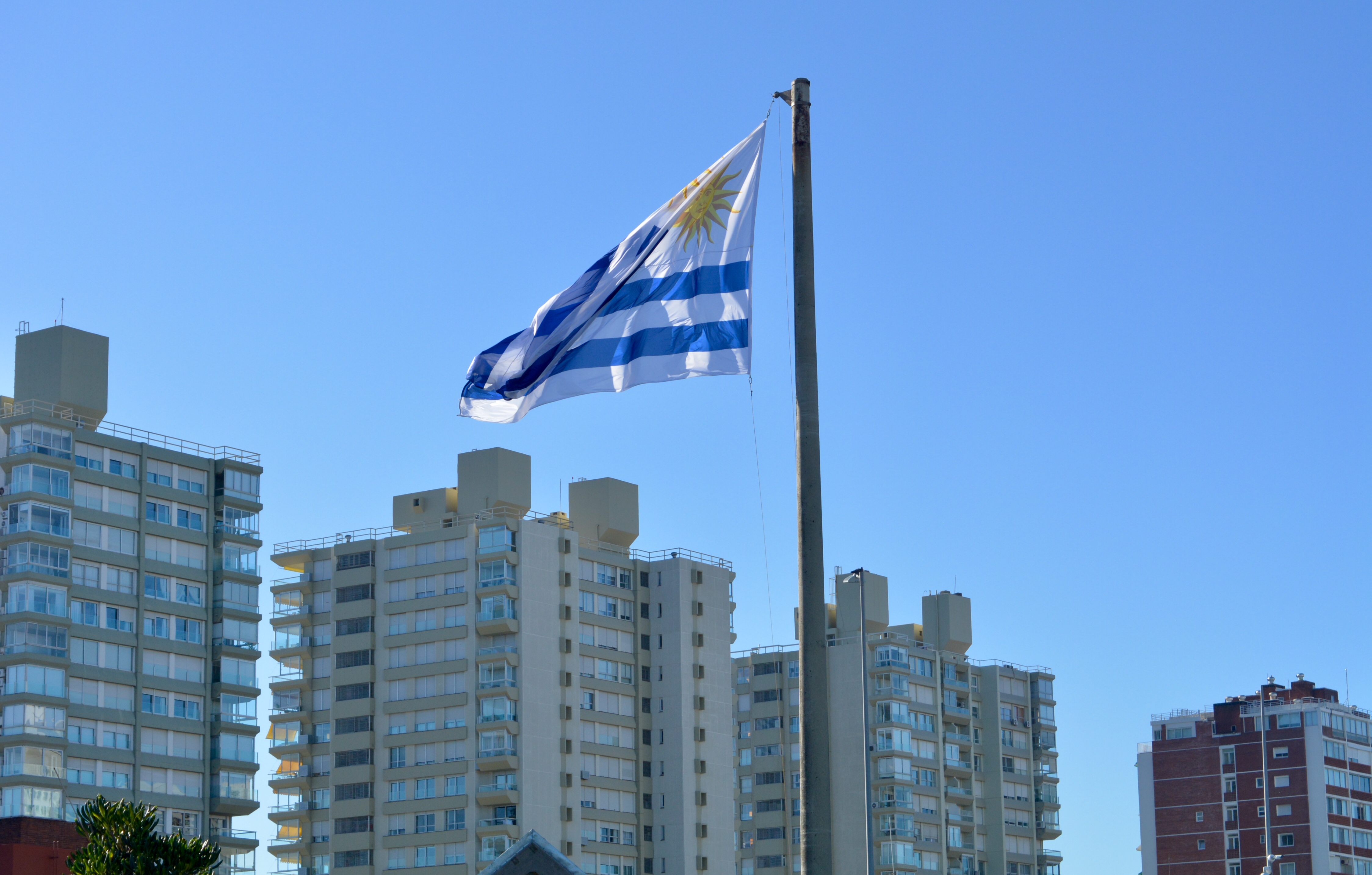
Uruguay is a place I’ve heard a lot about in recent times and certainly I wasn’t alone amongst my friends in wanting to find out more. Various TV programs have highlighted this little country squeezed between Brasil and Argentina, showing it to be the “latest” destination for paradise seeking expats. After much wondering I was finally able to visit and see the place for myself.

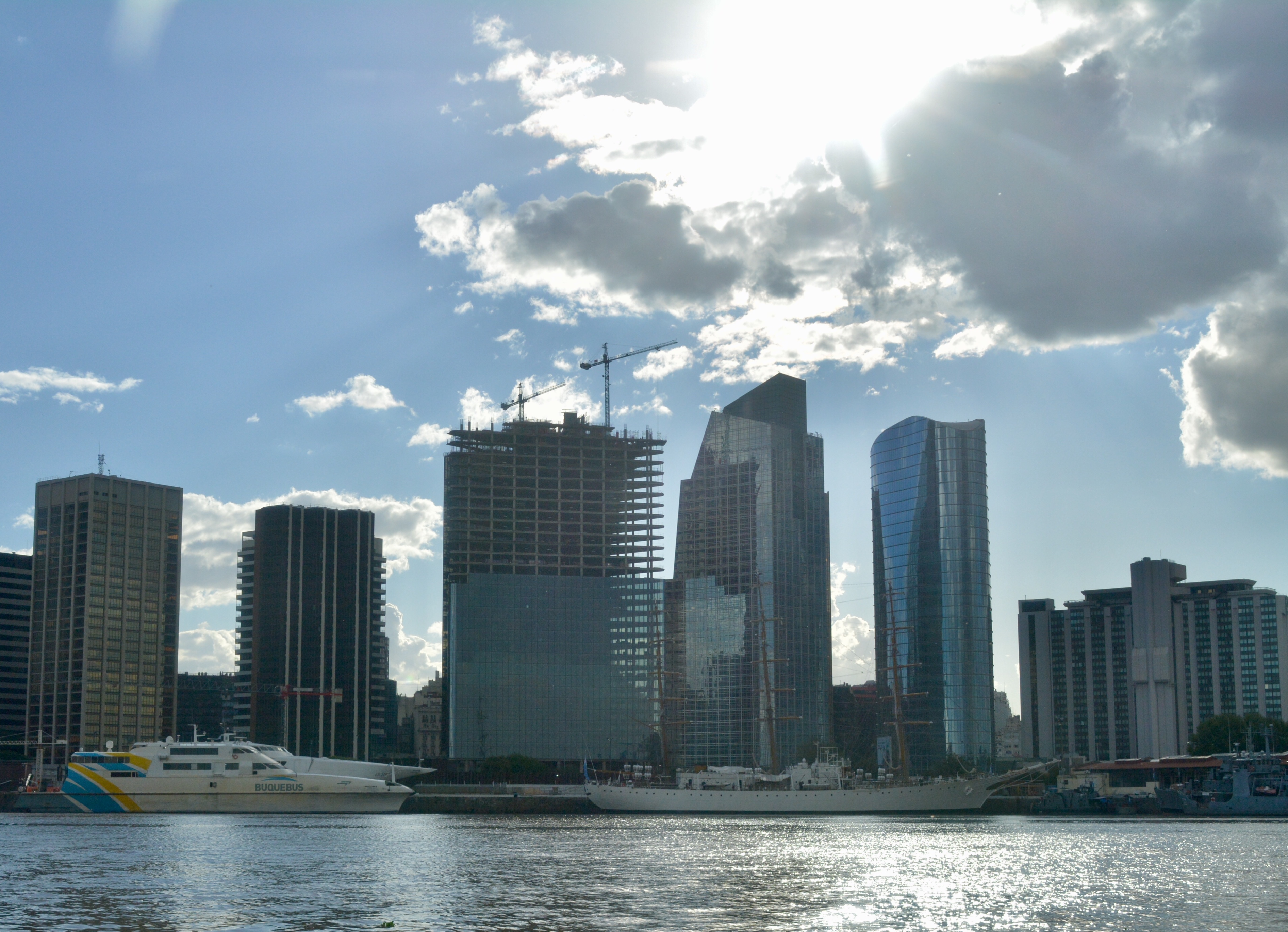
Our first stop in Uruguay was Colonia del Sacramento a short trip across the wide Rio del Plato on the Busquebus. The trip was lovely and we sat with a young couple from Brasil. I gave them one of my cards because they are very interested in moving to Canada. He manages a large number of malls throughout Brasil and she is a fashion designer. Really nice, smart, interesting people. She showed us photos of the dresses that she has designed and made by hand and they were impressive with lots of lacework. I hope I hear from them in the future.

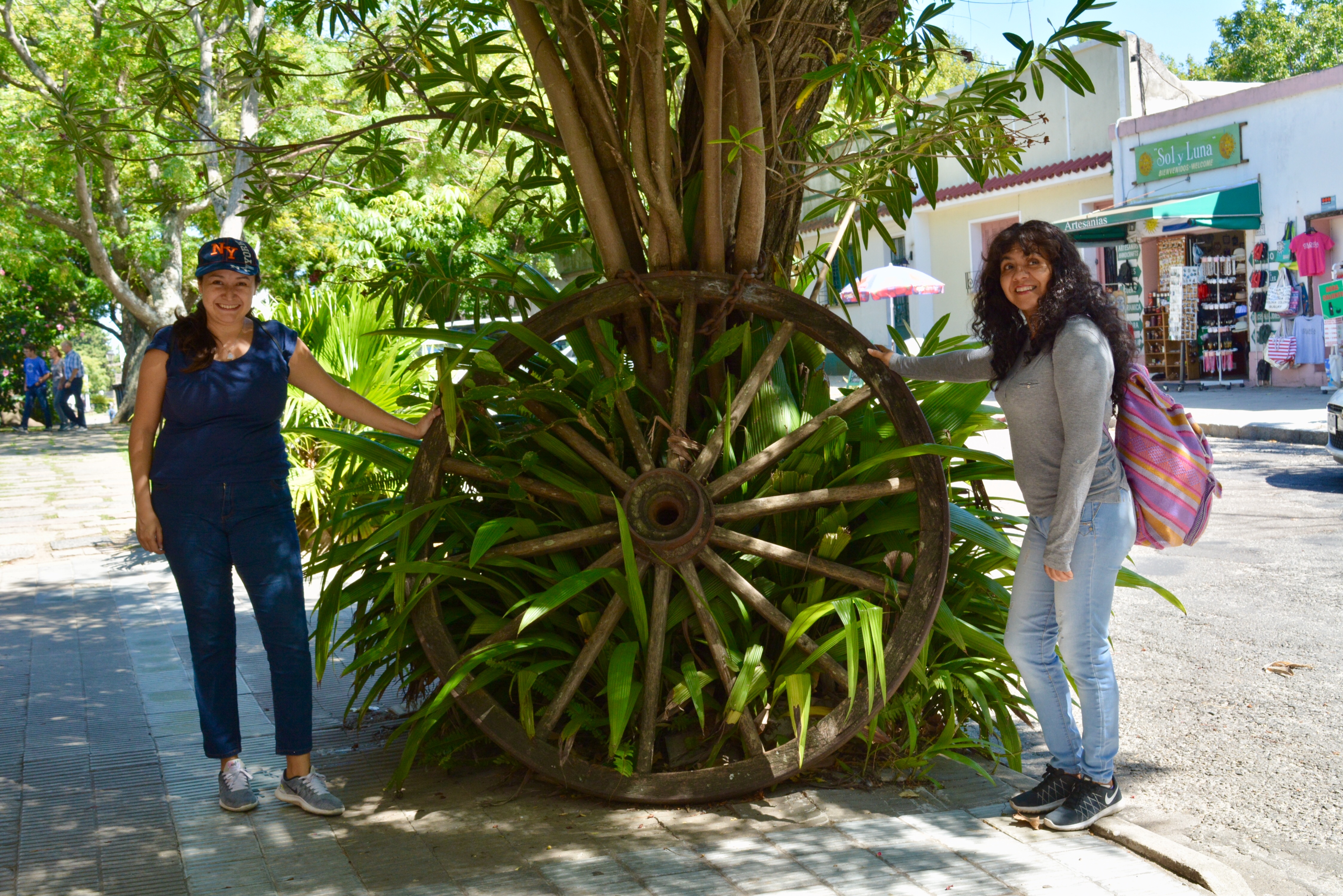
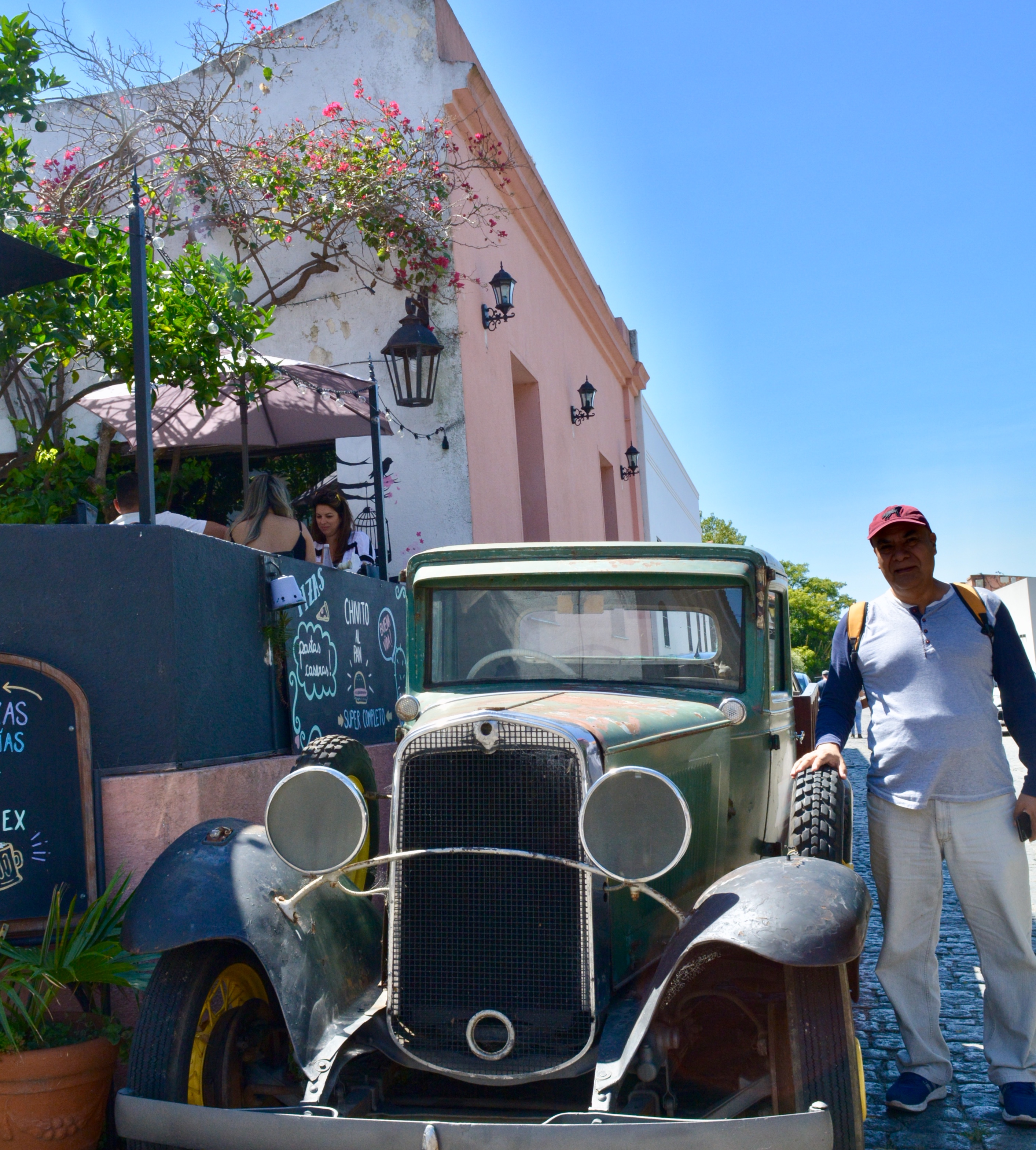
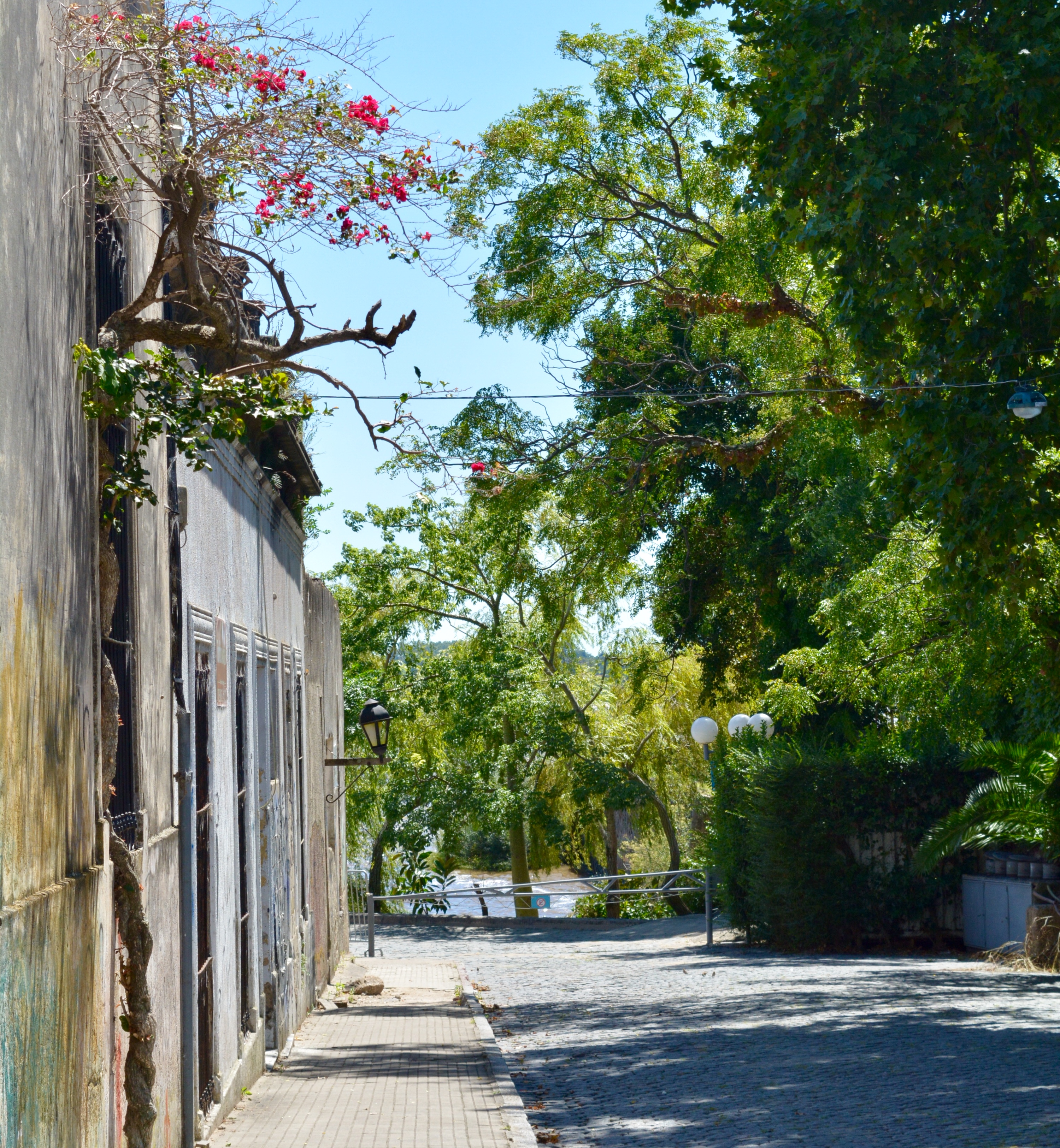
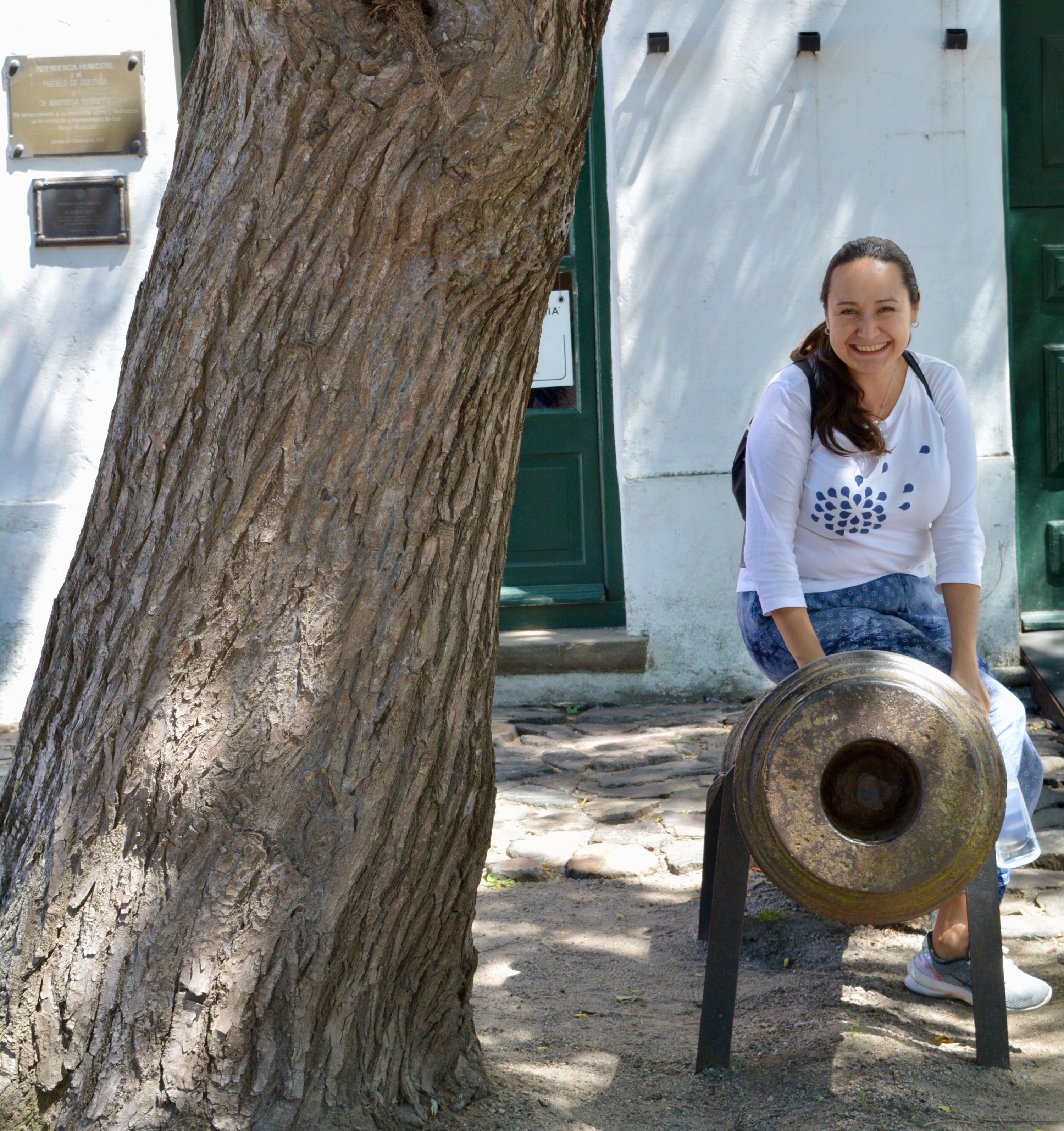
Colonia del Sacramento is a UNESCO world heritage site because in the “old quarter” there are historic remnants of the Portuguese and Spanish colonial days. Very pretty but touristy and expensive restaurants. Three days there were sufficient to get a sense of the history and to enjoy a decent hotel in a good location. Very walkable and safe and with a tourist map you can find all the highlights quite easily.

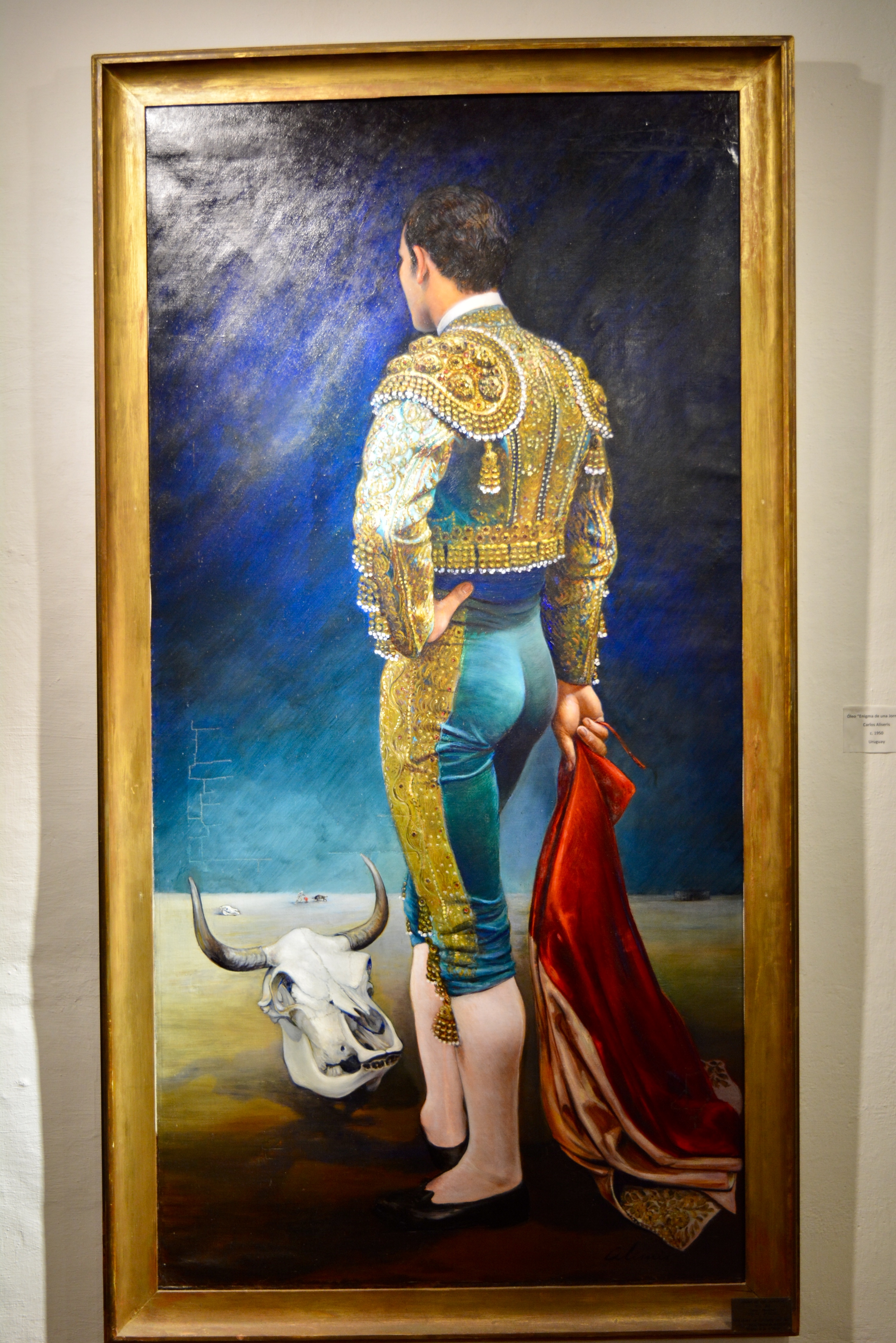
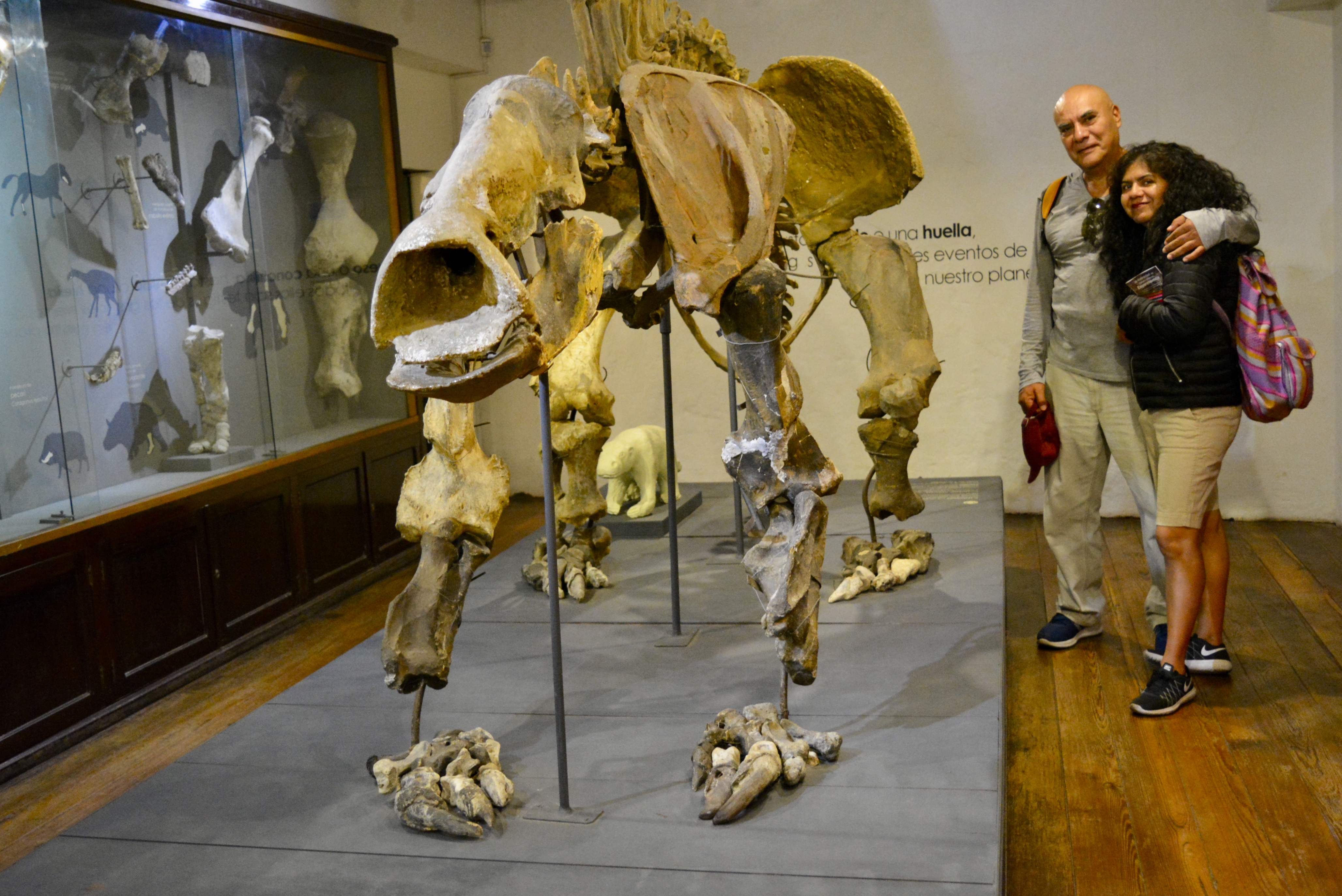
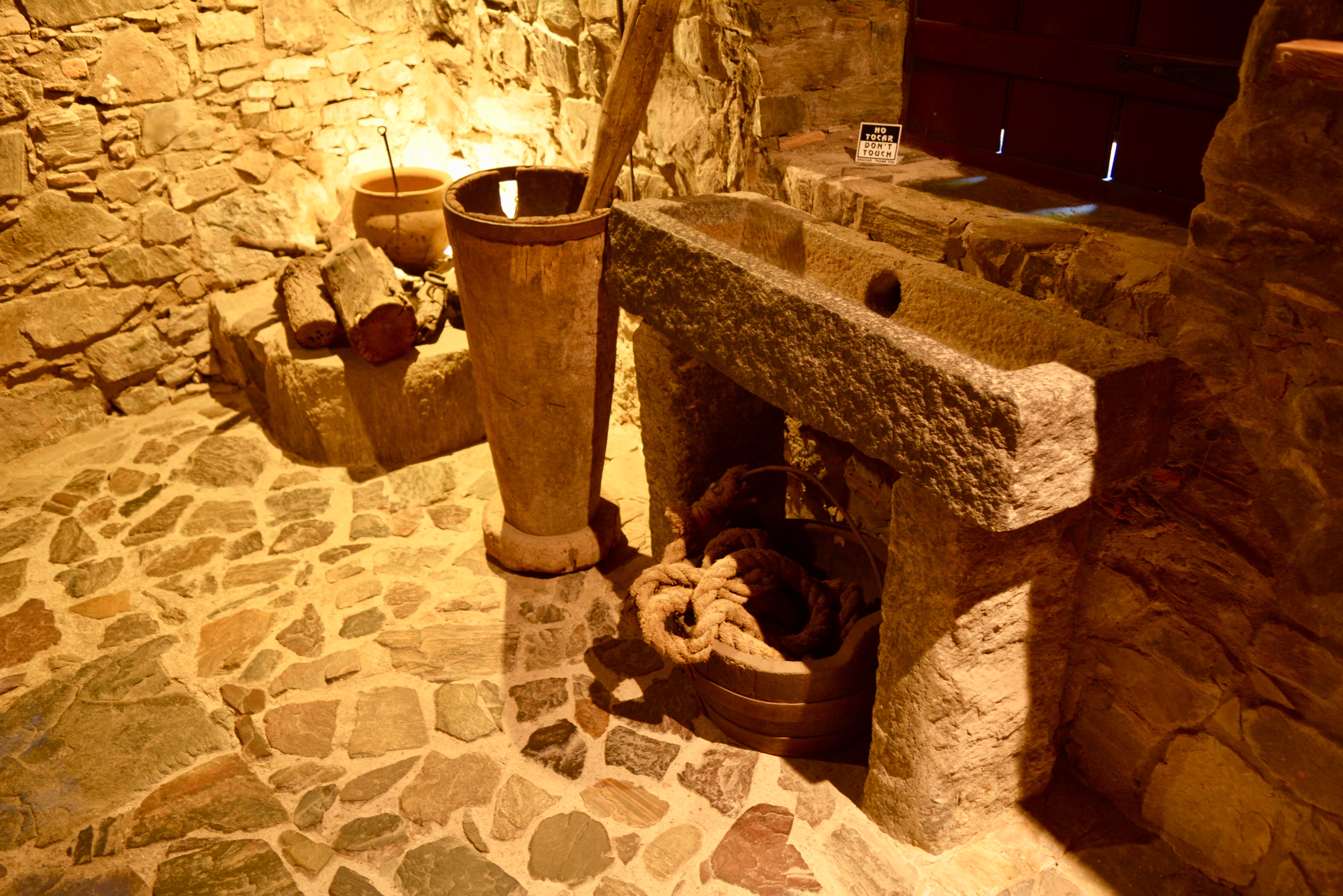
There are some interesting little museums in Colonia that give a glimpse into the maritime history of the place, the importance of it as a defence position for both the Spanish and the Portuguese and some that house artifacts from daily life as well as one that had great prehistoric fossils found locally.

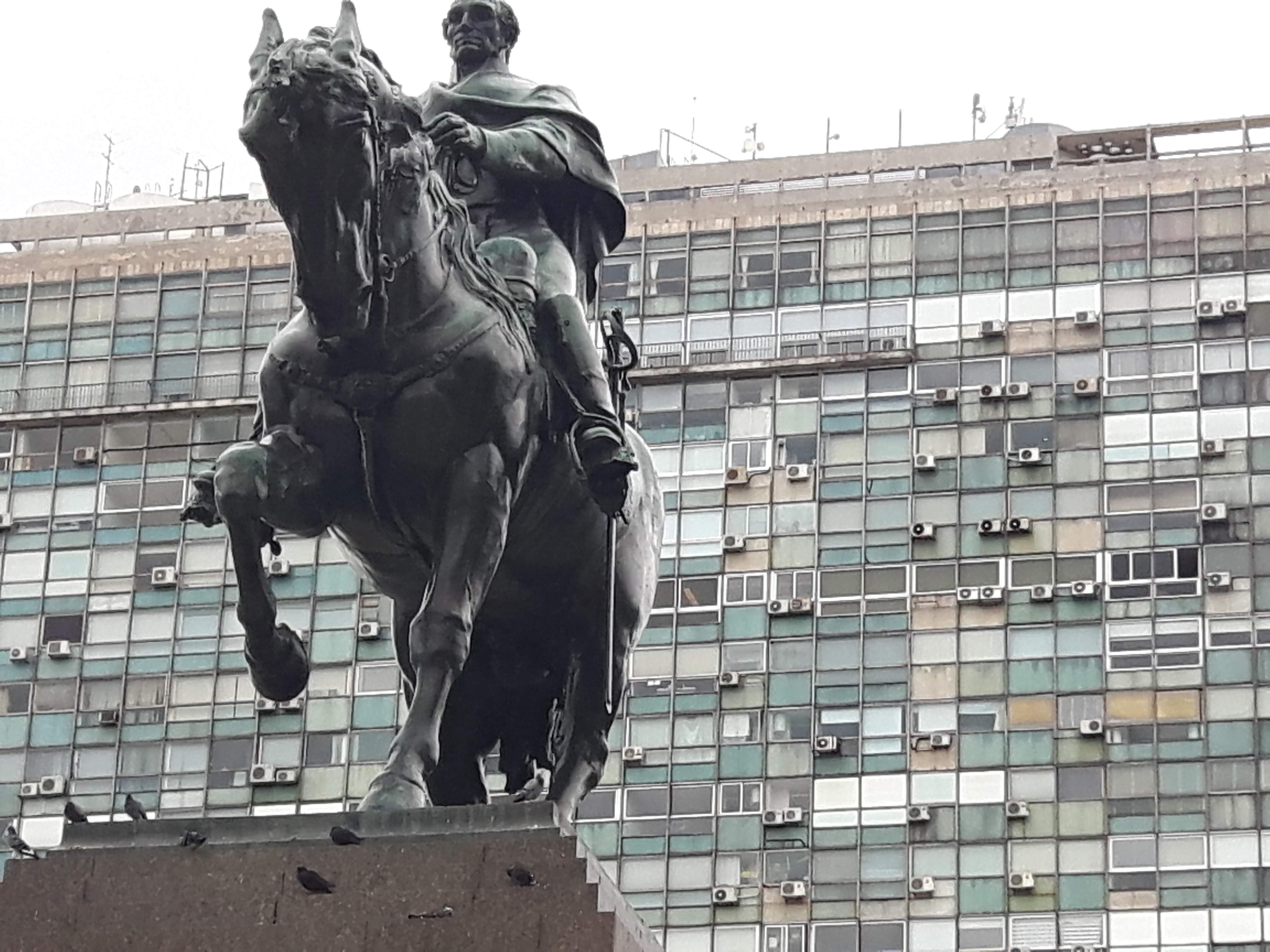
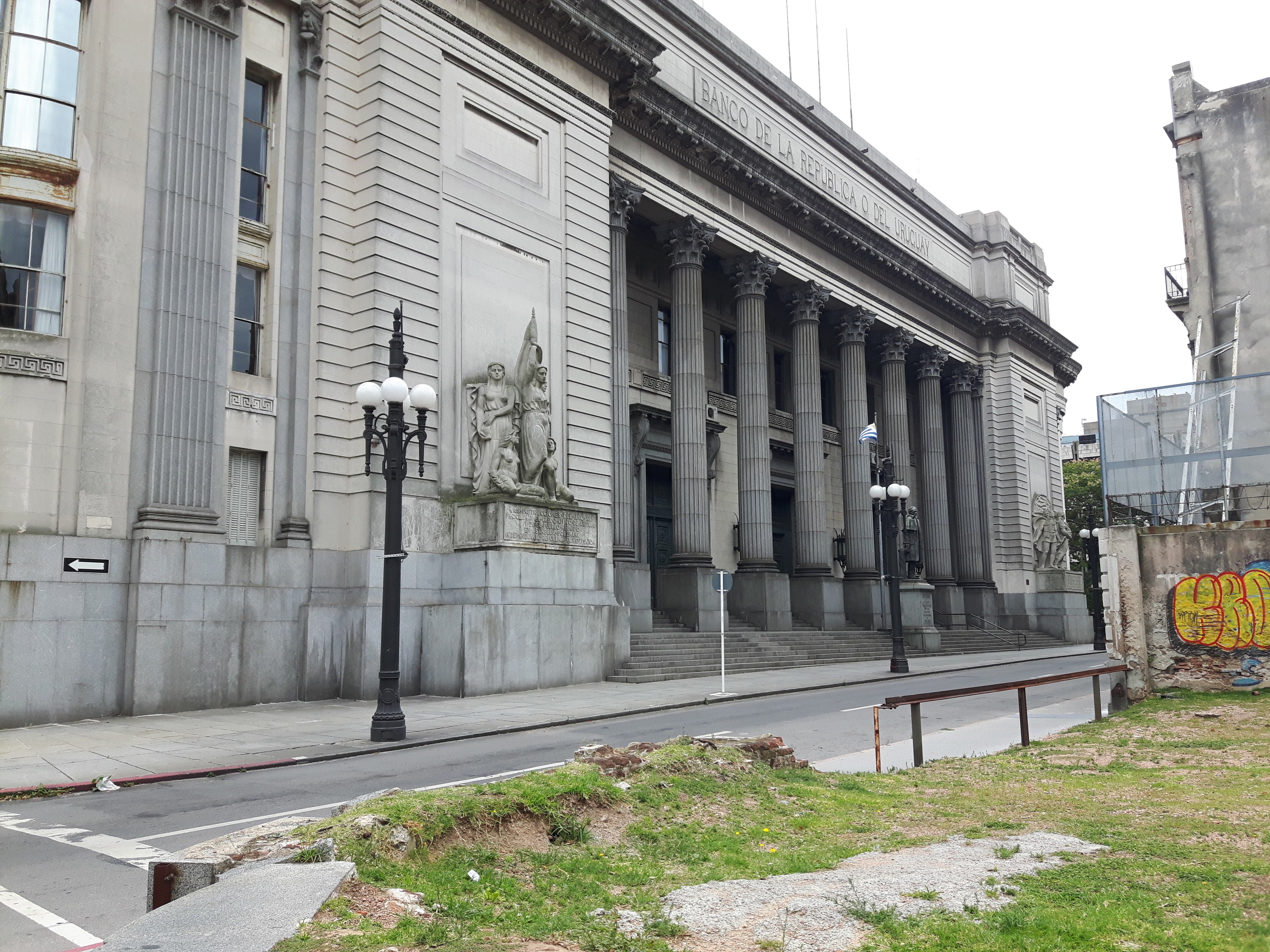
Shown on TV, Uruguay and ultimately the capital, Montevideo, glitters with modern buildings, beautiful beaches and relaxed life styles. At first, I was disappointed by Montevideo but solely, as it turned out, based on the area where we stayed. It was rough and dirty, never trust pictures of hotels on the internet. It was a dive and I changed rooms three times before I found something bearable. The area was not safe and there were many homeless druggie type people. The hotel was in the same price range as the ones we had in Chile and Argentina. Anything in Montevideo that was on a par with those was substantially more money. However, after a few days I came to a different conclusion. My view of Montevideo was definitely coloured by the hotel.

Day one we wandered, not really sure where to go or what to do to make the situation more likeable but eventually we found our way to a nice restaurant and discovered the warmth and friendliness of the Uruguanos. Like in Argentina and Brasil, they love Mexicans so we were a shoe in with my tres amigos who have consistently fallen into laughter riddled conversations with local people.

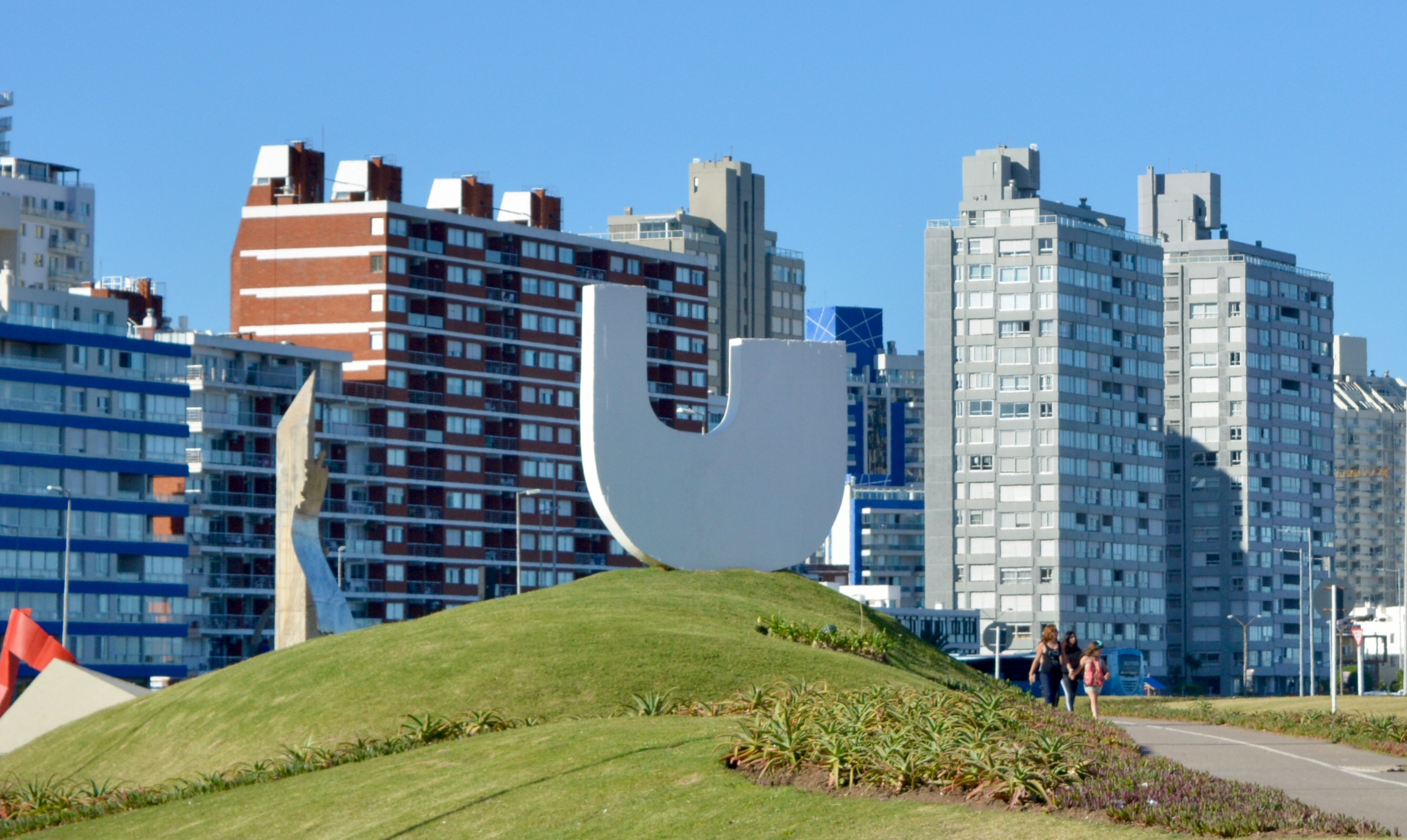
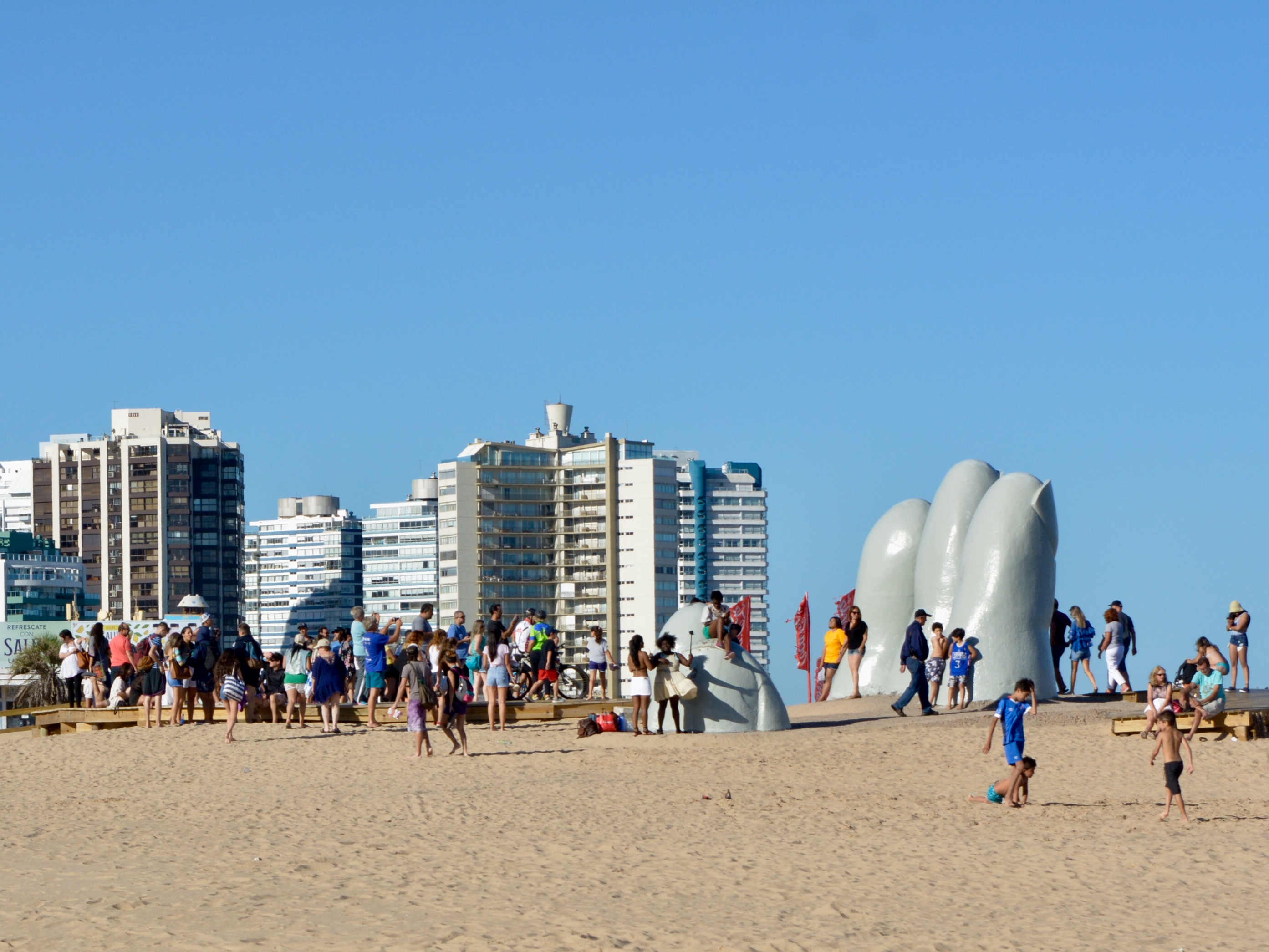
Since our view of the centre of Montevideo was dim, we decided a day trip was in order so day two saw us taking the bus from Montevideo to Punta del Este. Night and day to downtown Montevideo. Beautiful condos and very busy beaches and restaurants.

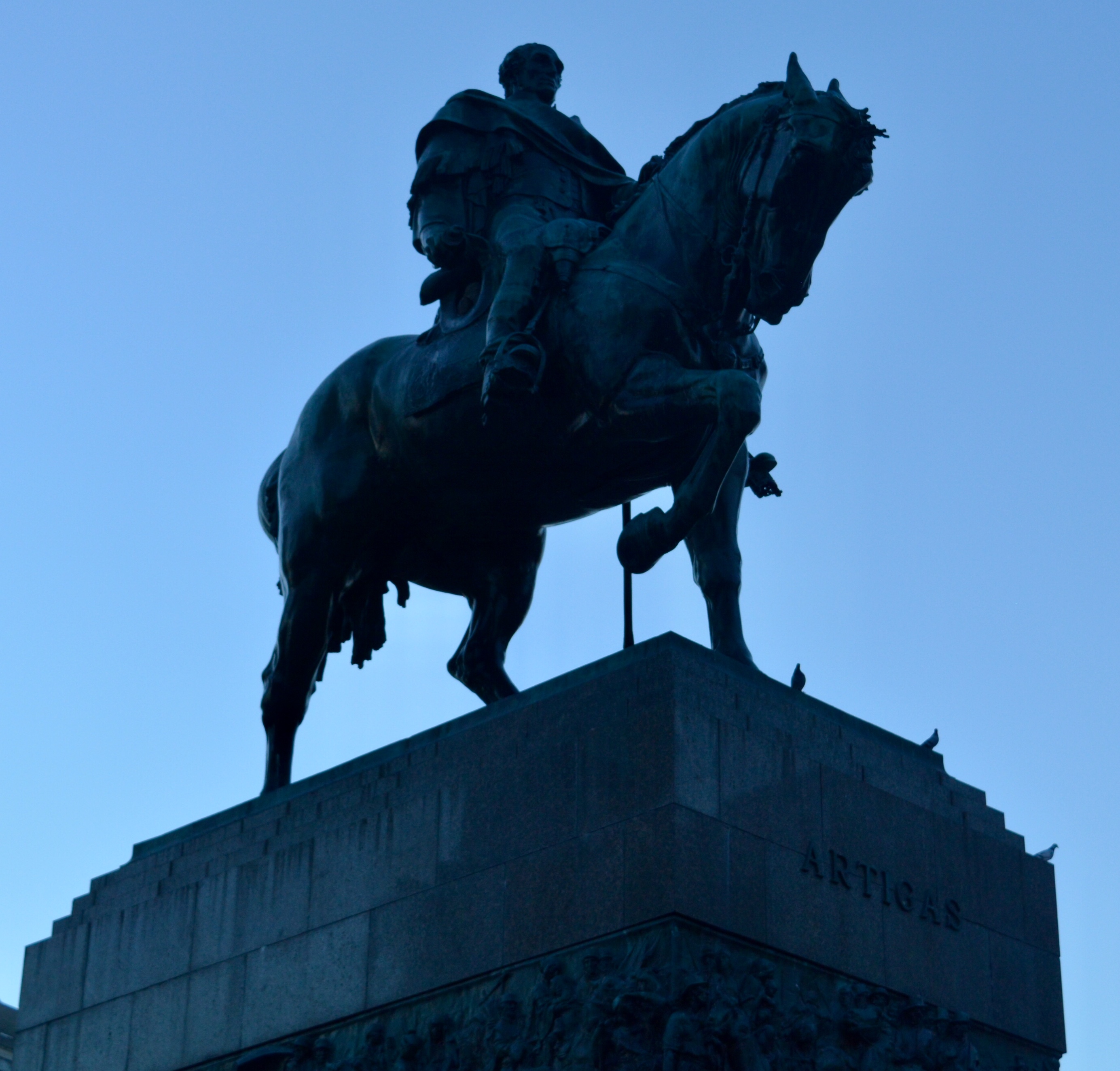
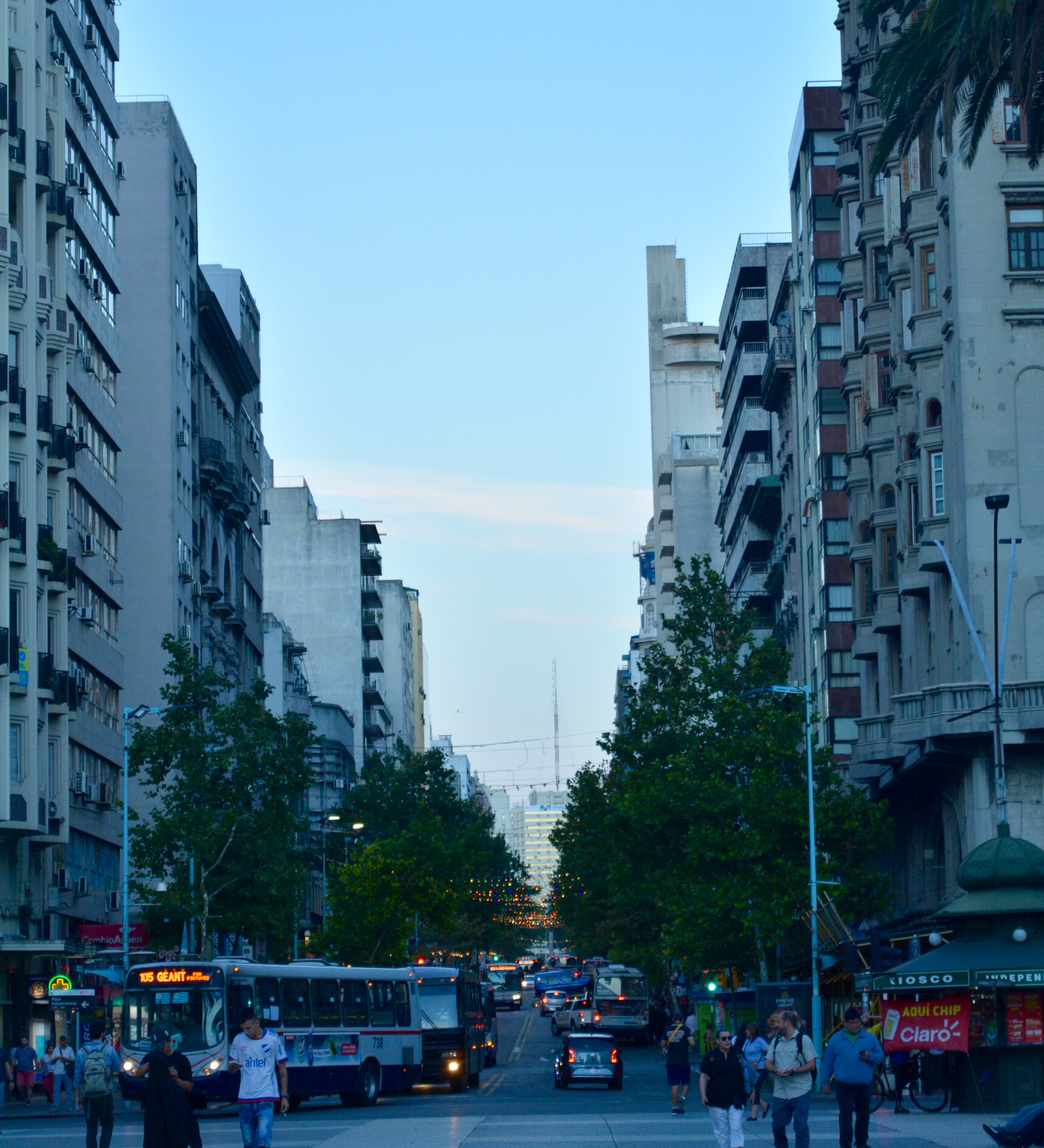
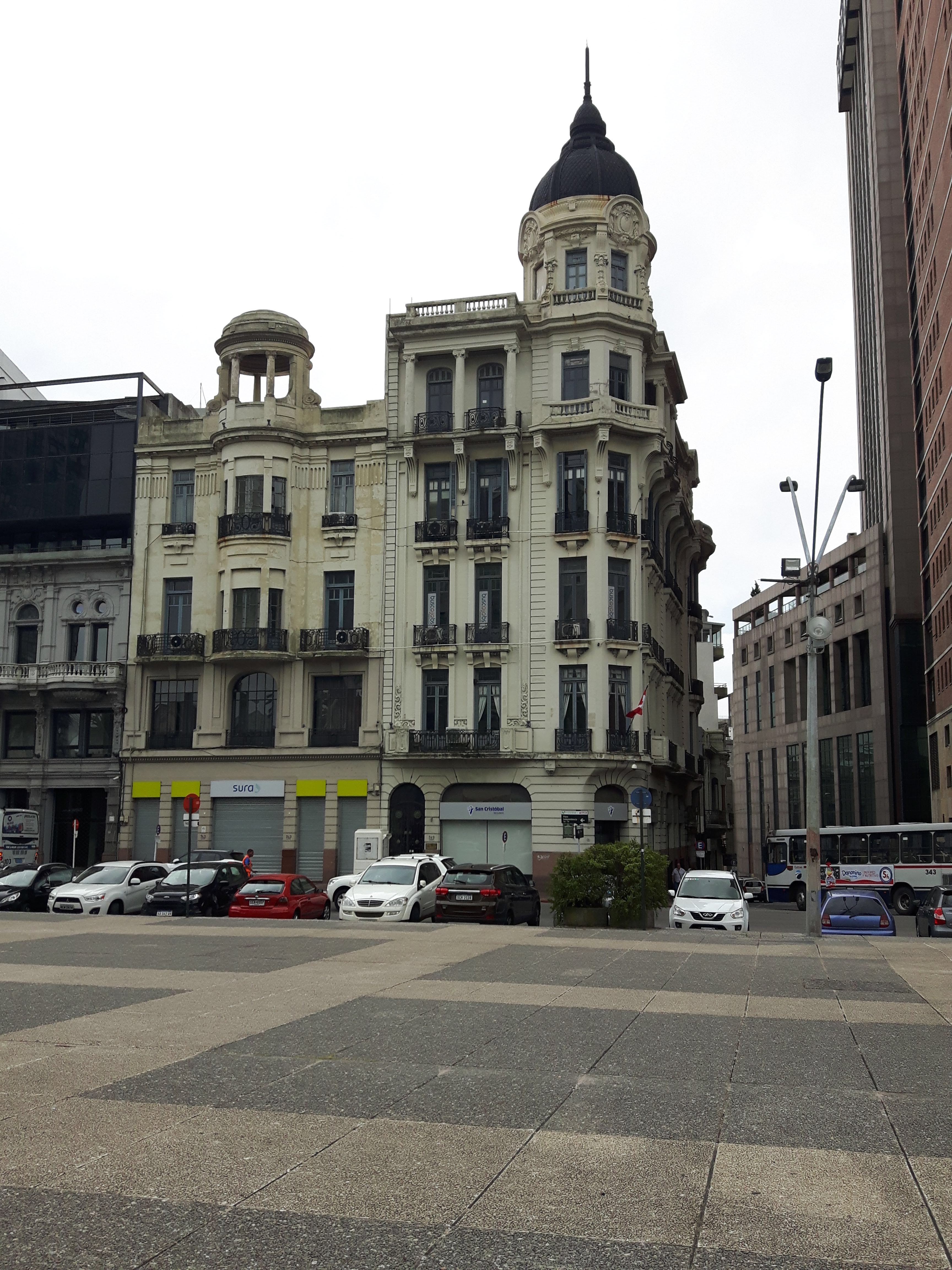
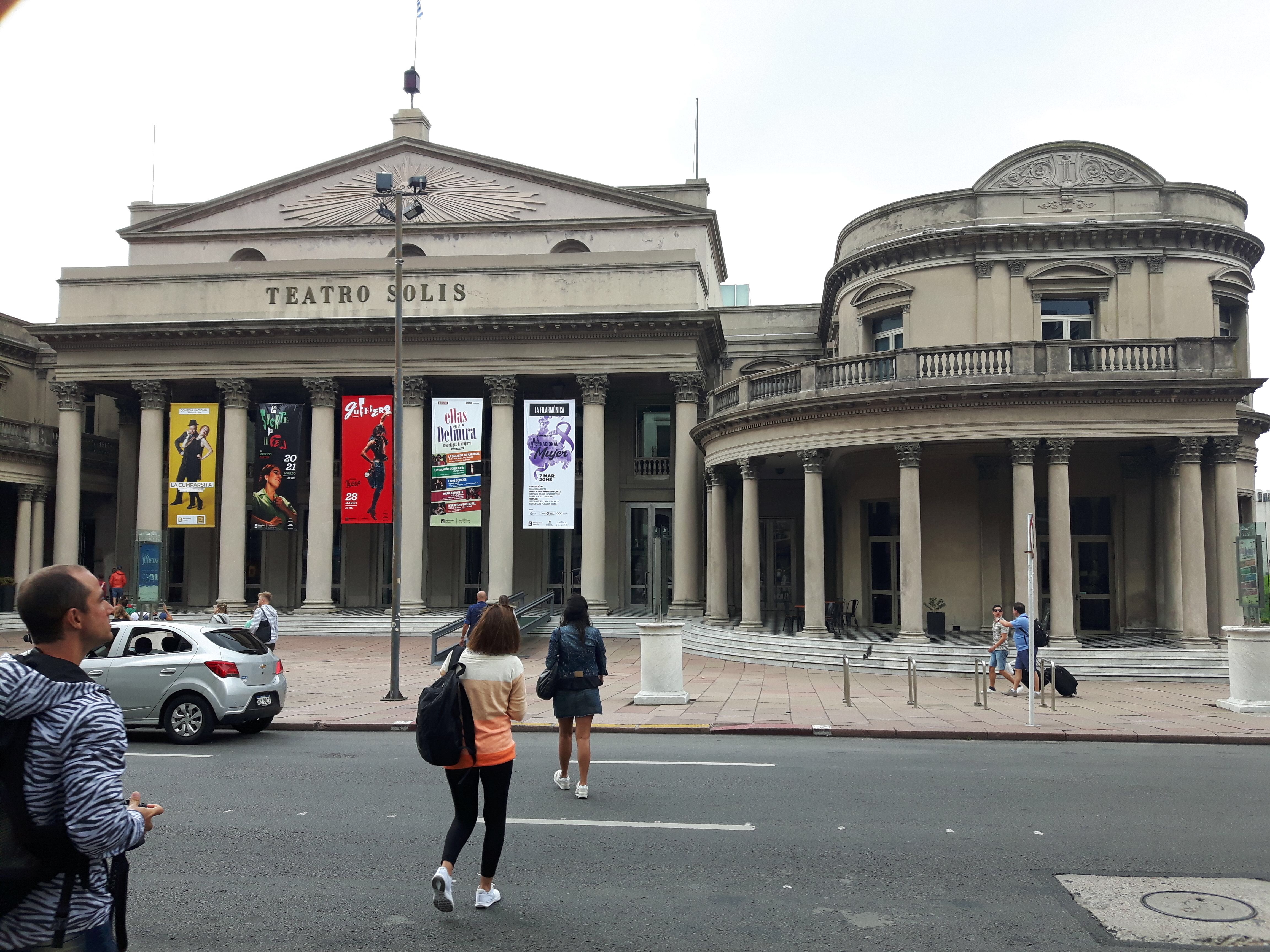
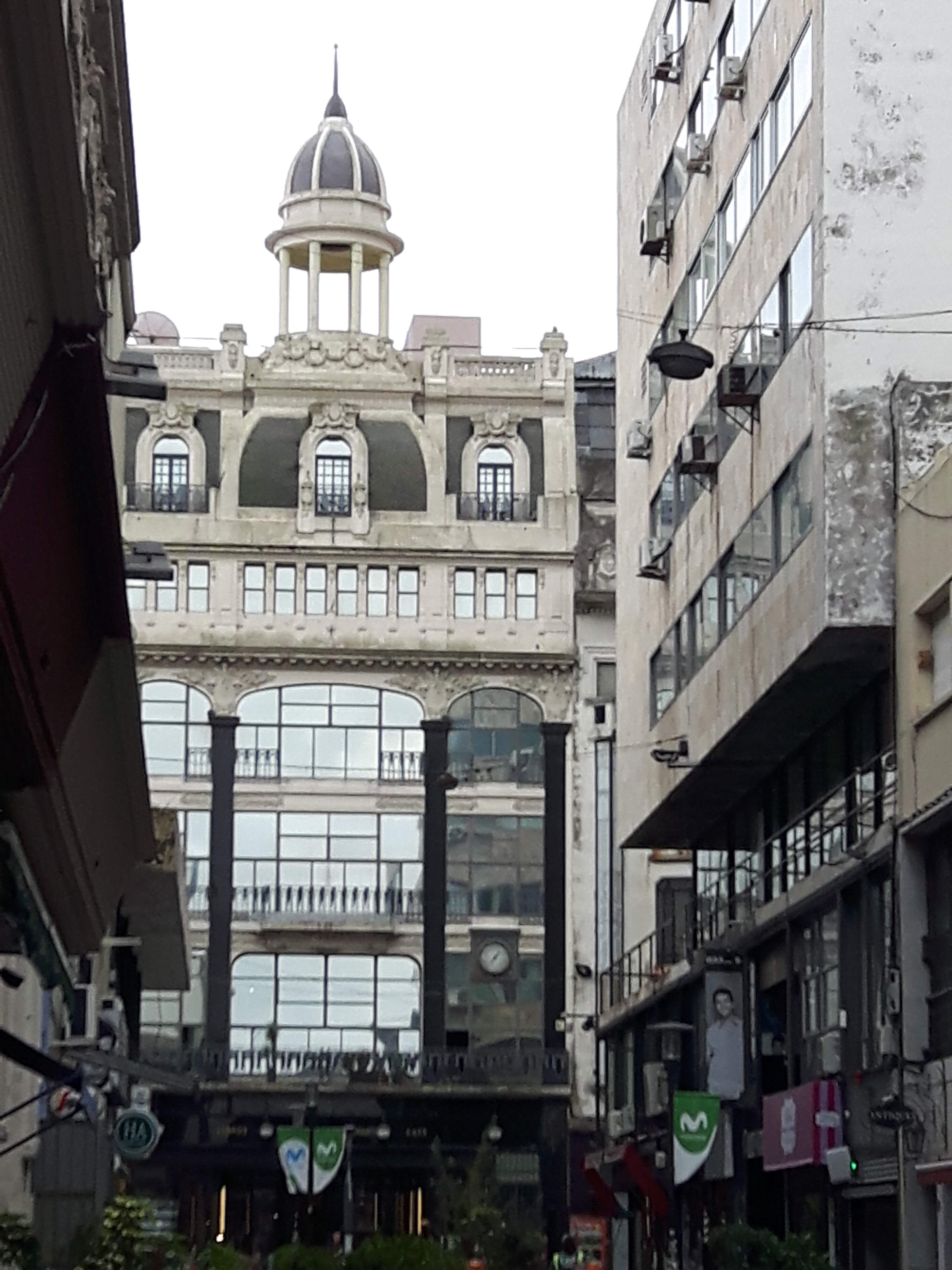
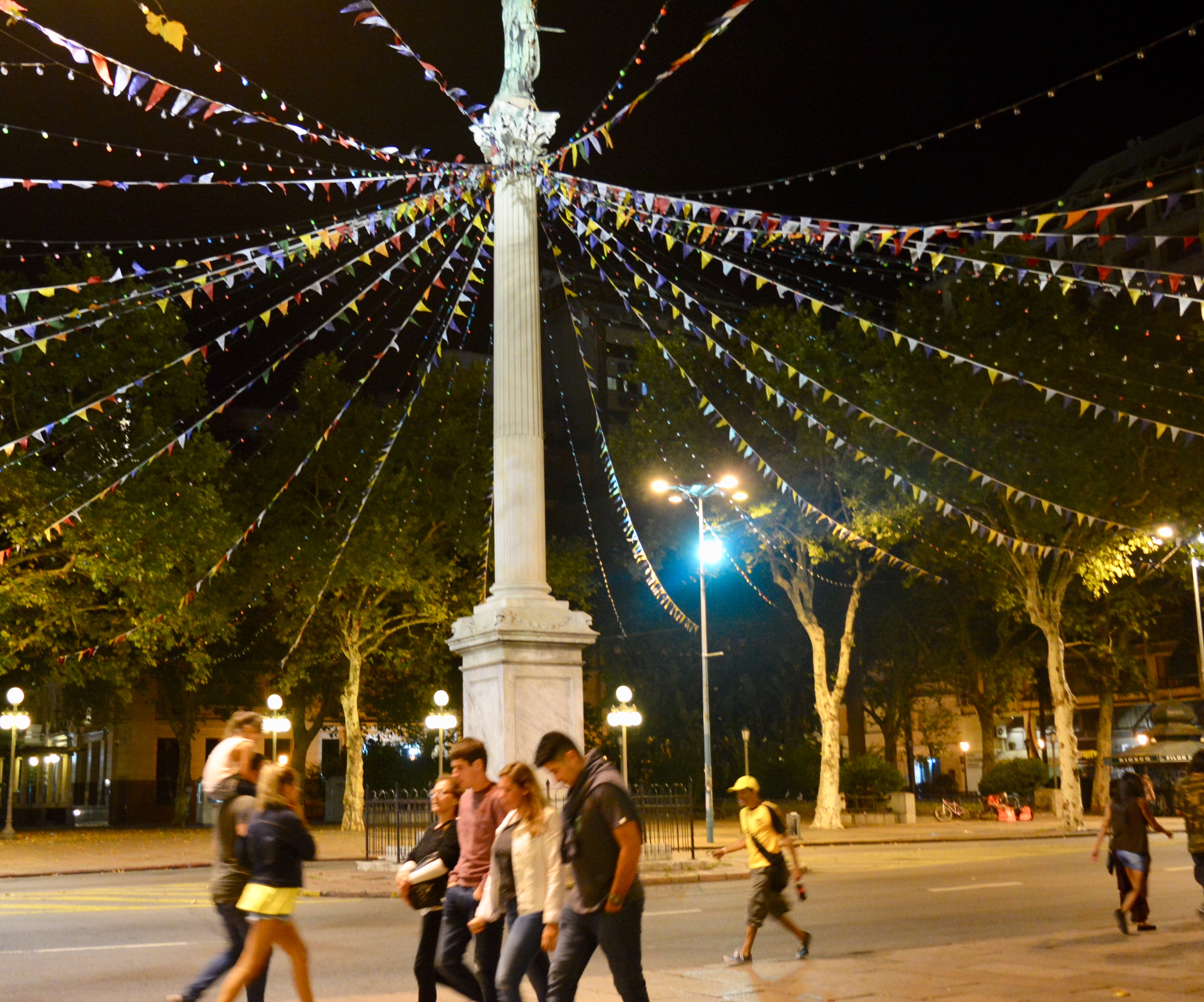
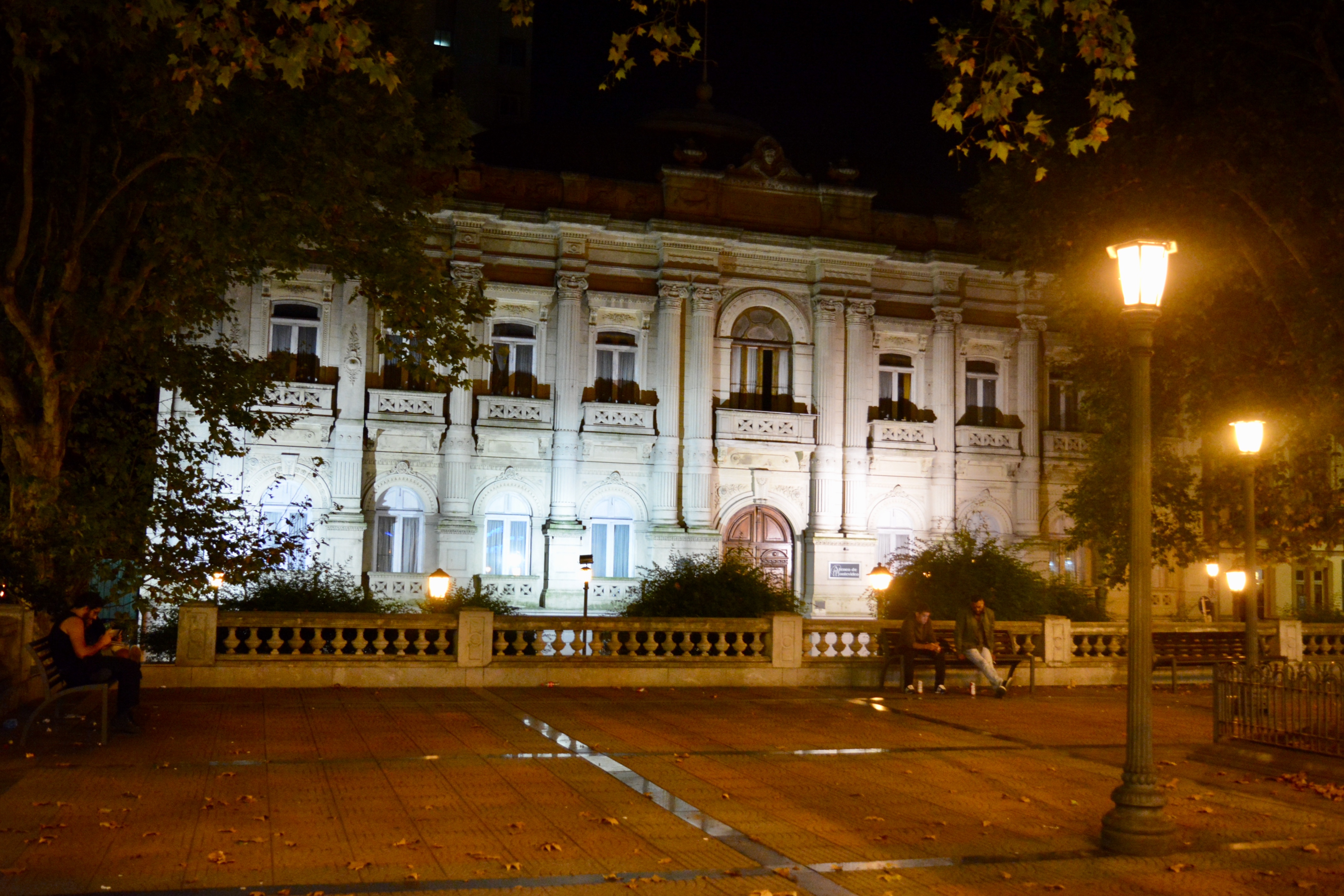
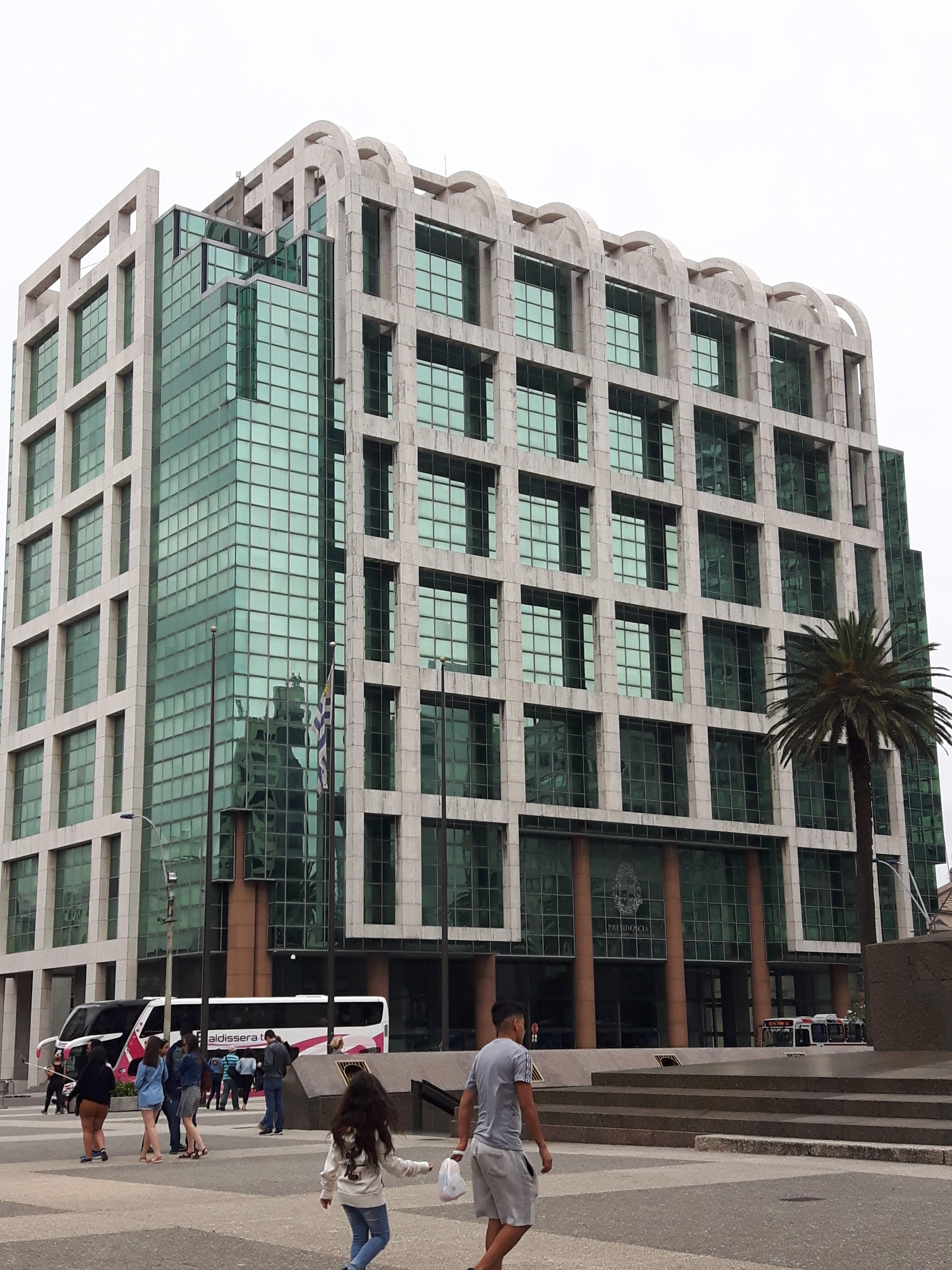
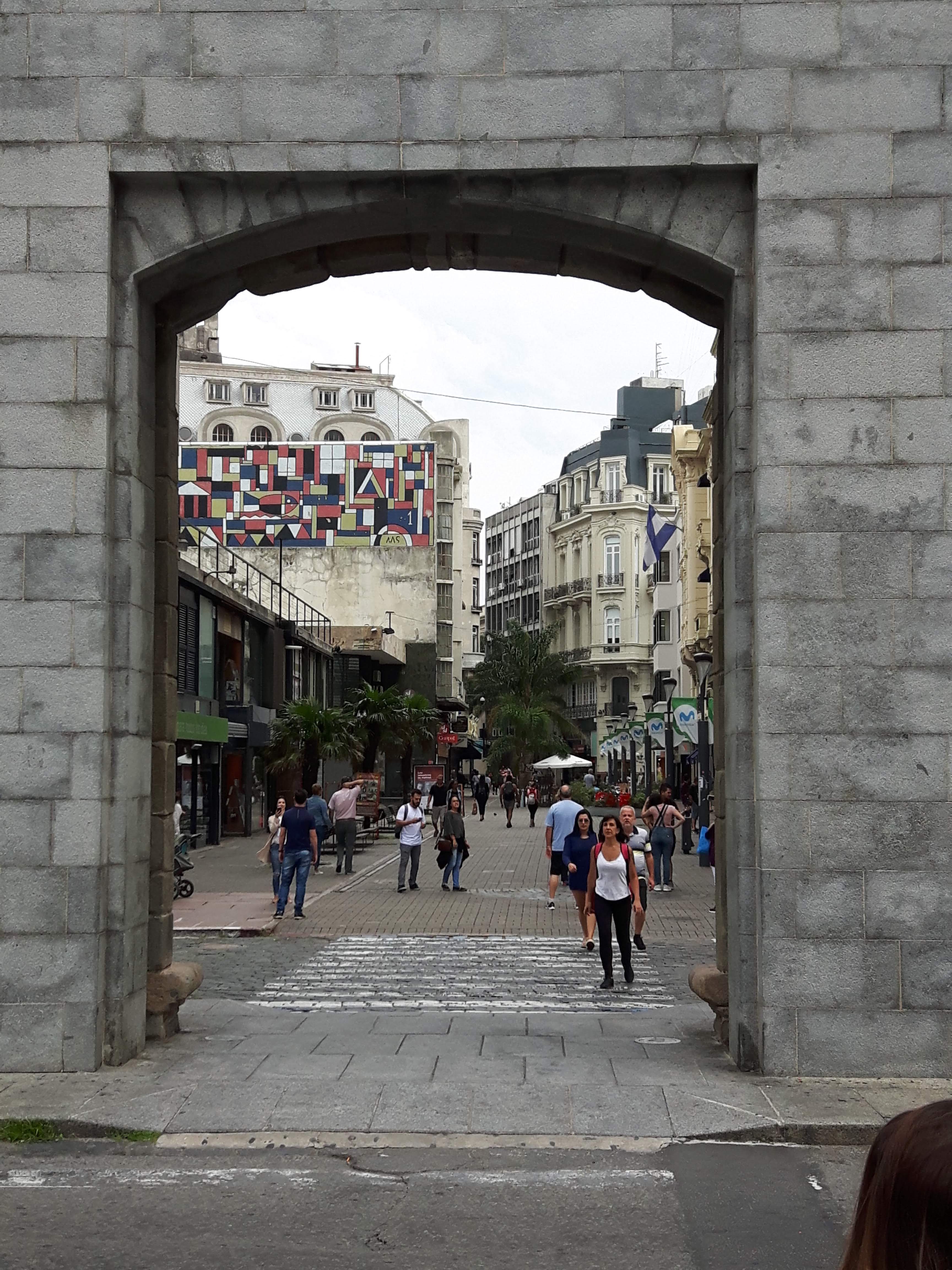
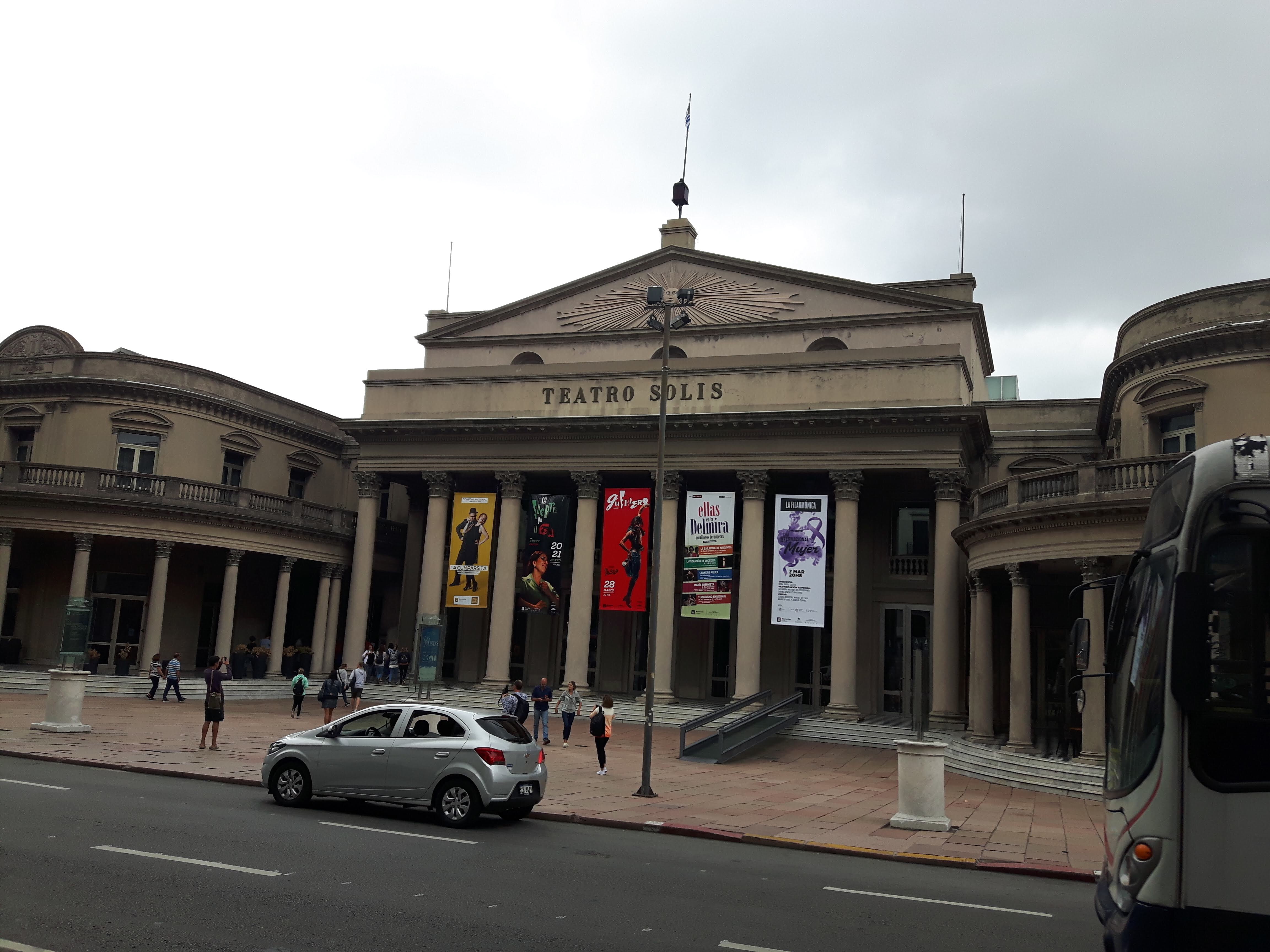
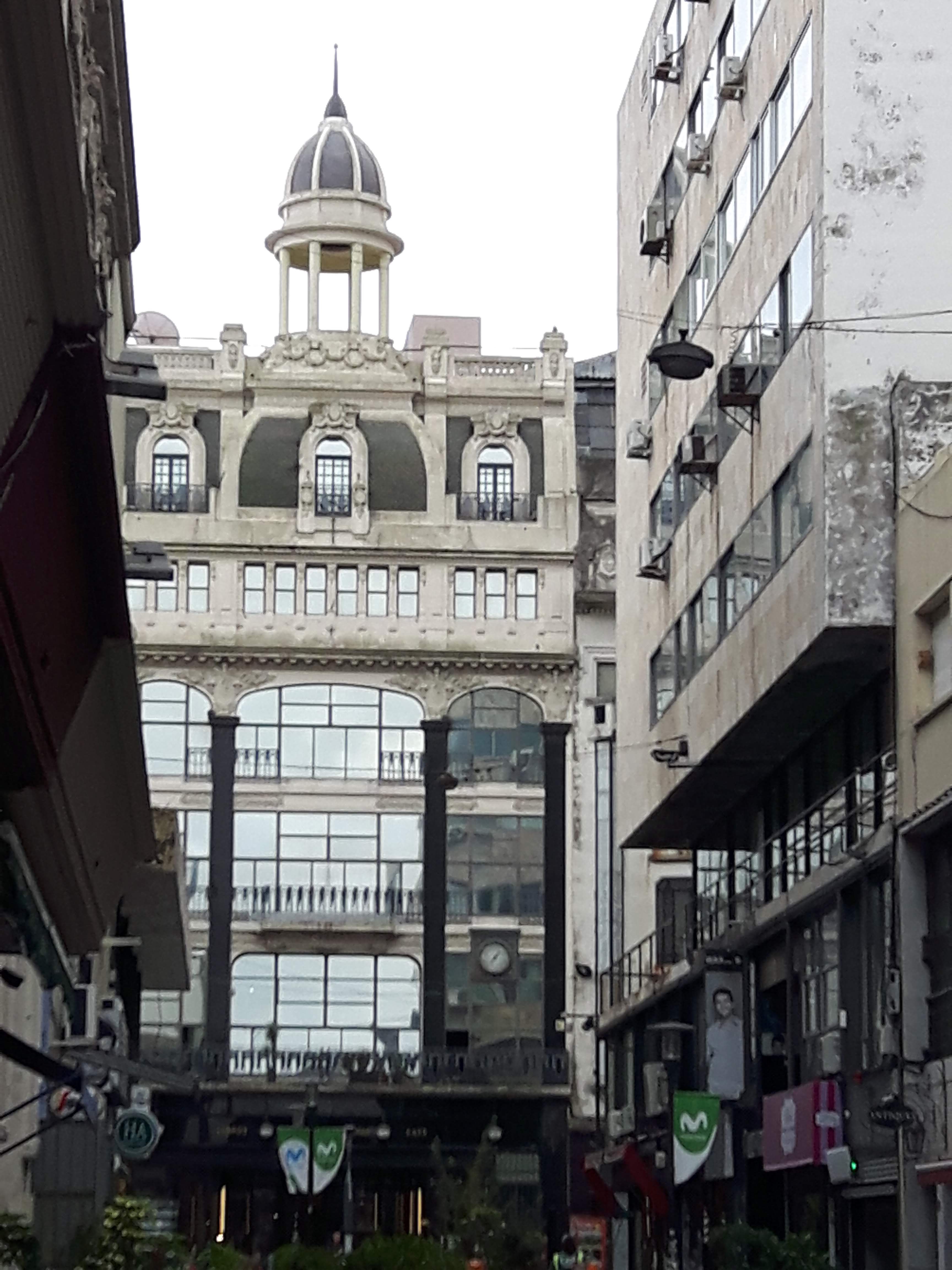
Day three in Montevideo we took a walking tour and although the weather was dull and gray the walk was interesting and we learned a great deal about the history of Uruguay. Some of the architecture is exemplary for its time but there is always an odd assortment of old and new, pretty and ugly, dirty and well dirty. Poor Montevideo needs a good scrub. There are may museums including one about the survivors or the famous plane crash in the Andes that resorted to cannabilism in order to stay alive before they were found. We were in Montevideo during Carnival and went to the museum of Carnival to see what it was all about. Costumes, masks, music, local traditions with a vaudeville touch seem to me to be the main elements of Carnival parades, performances and celebrations. Oddly we didn’t see much in the way of Carnival activities and our walking tour guide told us that Montevideo empties during Carnival as everyone heads to the beaches for one last summer fling before school starts. Another reason why Montevideo seemed lacklustre, lots of museums and businesses and of course offices and government were closed for Carnival. 

On our last day we got out of the “old quarter” of Montevideo and drove up the coast and for the first time we could see the attraction of Montevideo. Lots of new homes and condos, clean streets, wide boulevards and of course beaches and the ocean. Here we could see a different way of life, lots of walkers, joggers, beach goers, cafes etc, not like the sad area around our hotel.

I would give Montevideo another chance but I would stay far from the centre, have a car and explore along the coastal part of the city. A one day walking tour of old Montevideo and one day for the museums would be plenty for downtown. 

The Midnight Bus to Buenos Aires – Cama Bus

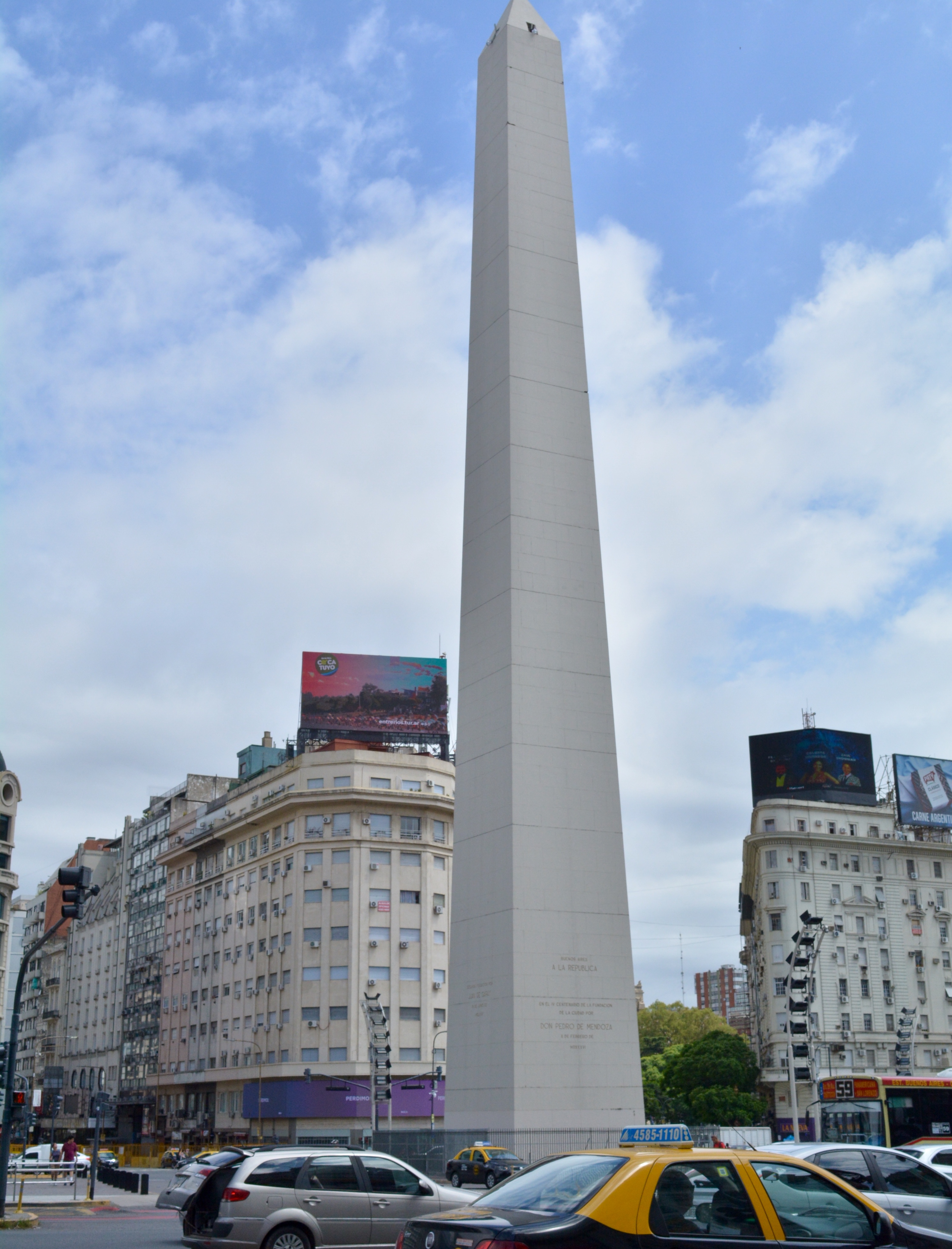
Buenos Aires…last stop in Argentina


After our marathon road trip through a good deal of the northern parts of Argentina, we managed to get the car back to the airport in Cordoba on time and in one piece. The circle complete, we opted for a cama bus to Buenos Aires. At the same time as Canada is reducing bus travel it is flourishing in Latin America. In the bus station in Cordoba a solid line of ticket kiosks stretches the length of the station, each kiosk representing a different company, classes, destinations and style of bus.   

The cama bus or bed bus offers the most comfortable means of overnight travel. Not knowing what to expect we were pleasantly surprised by our double decker complete with fully reclining seats, privacy curtains, attendants, meals, movies, blankets, pillows, etc.. Once asleep I stayed that way for six hours and woke only to find myself in Buenos Aires. You can’t beat that. The downside of bus travel is of course having to hang out in bus stations, never very safe of pleasant. 

For two nights we stayed in an Air BnB in the trendy neighbourhood of Recoleta. Our apartment on the 8th floor was large and well furnished and everyone had their own bedroom and bathroom. It had been very hot in BA just before our arrival and the old building where we stayed had stored the heat and it was nice to have AC even though the weather outside was cooling off. It seems like we’ve had to use the AC very infrequently on this trip as so many places have suffered a heat wave just before our arrival. 

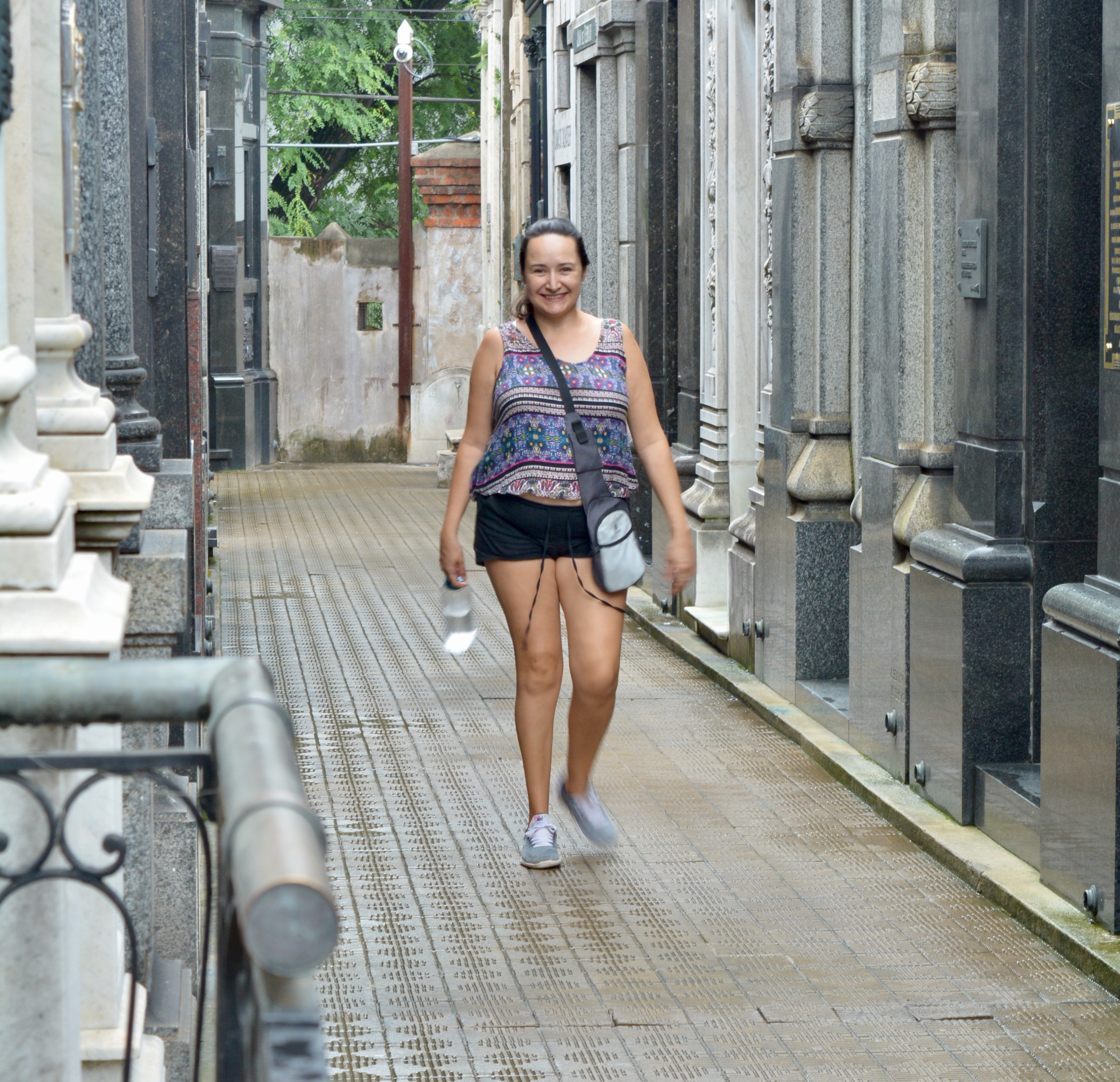
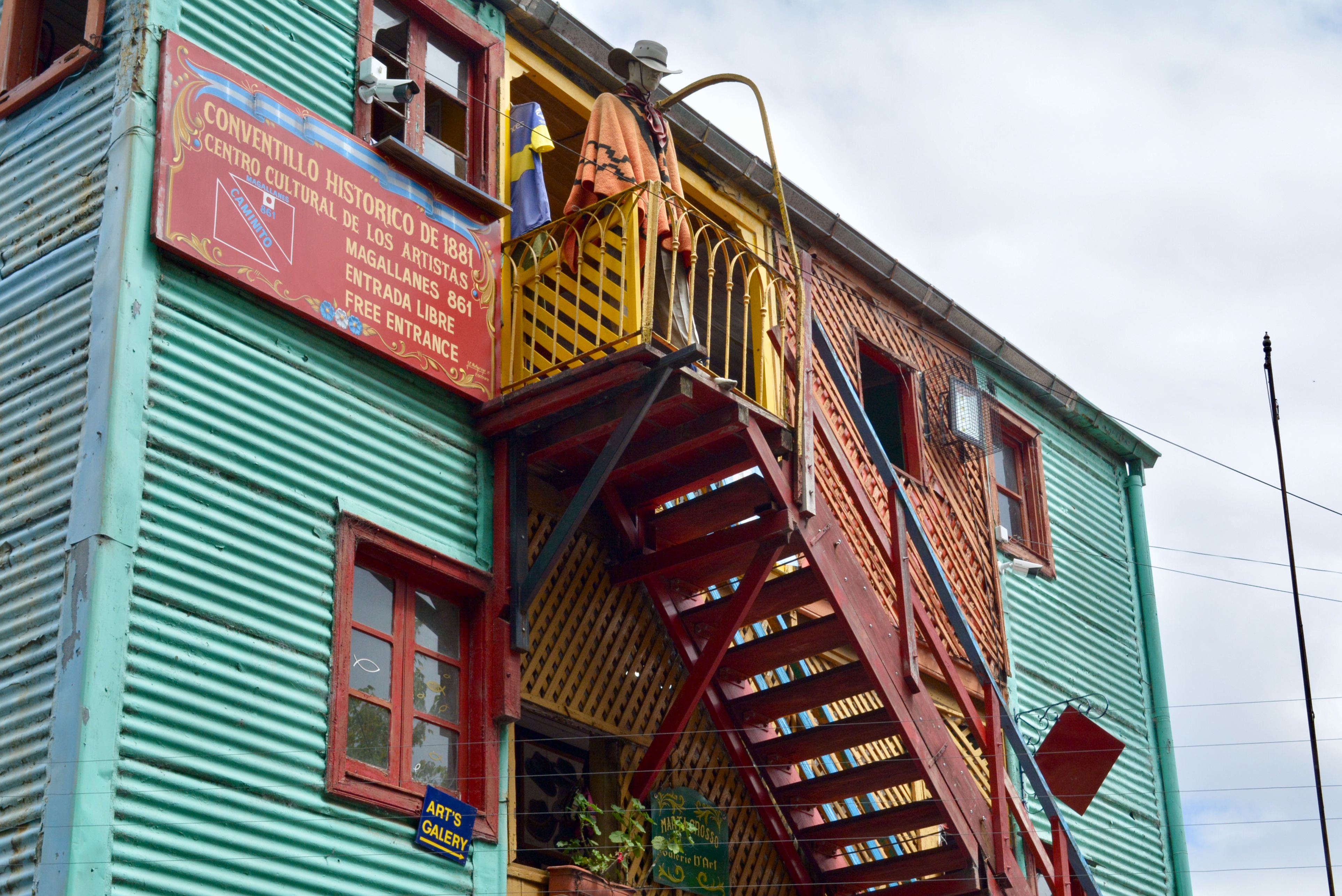
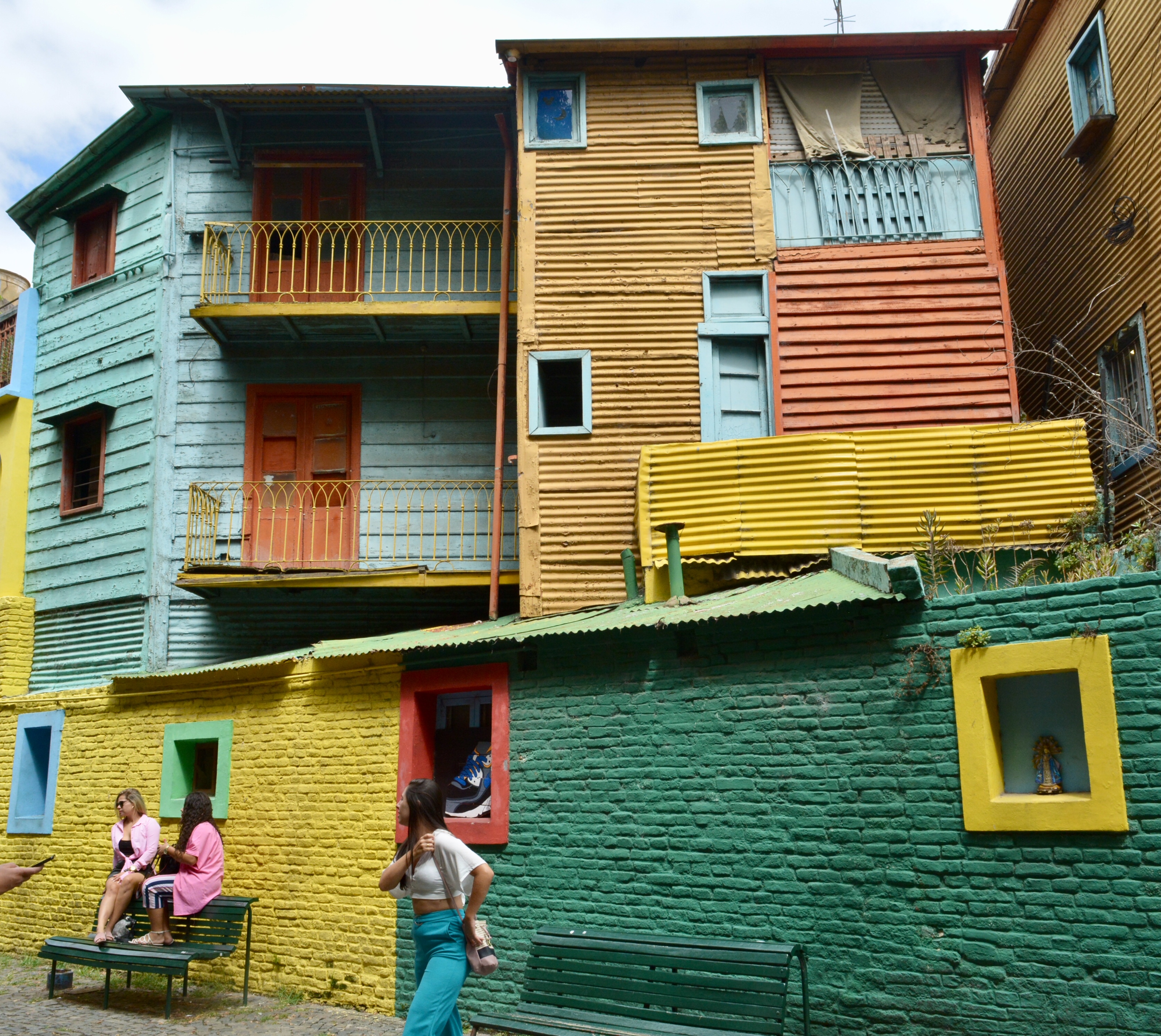
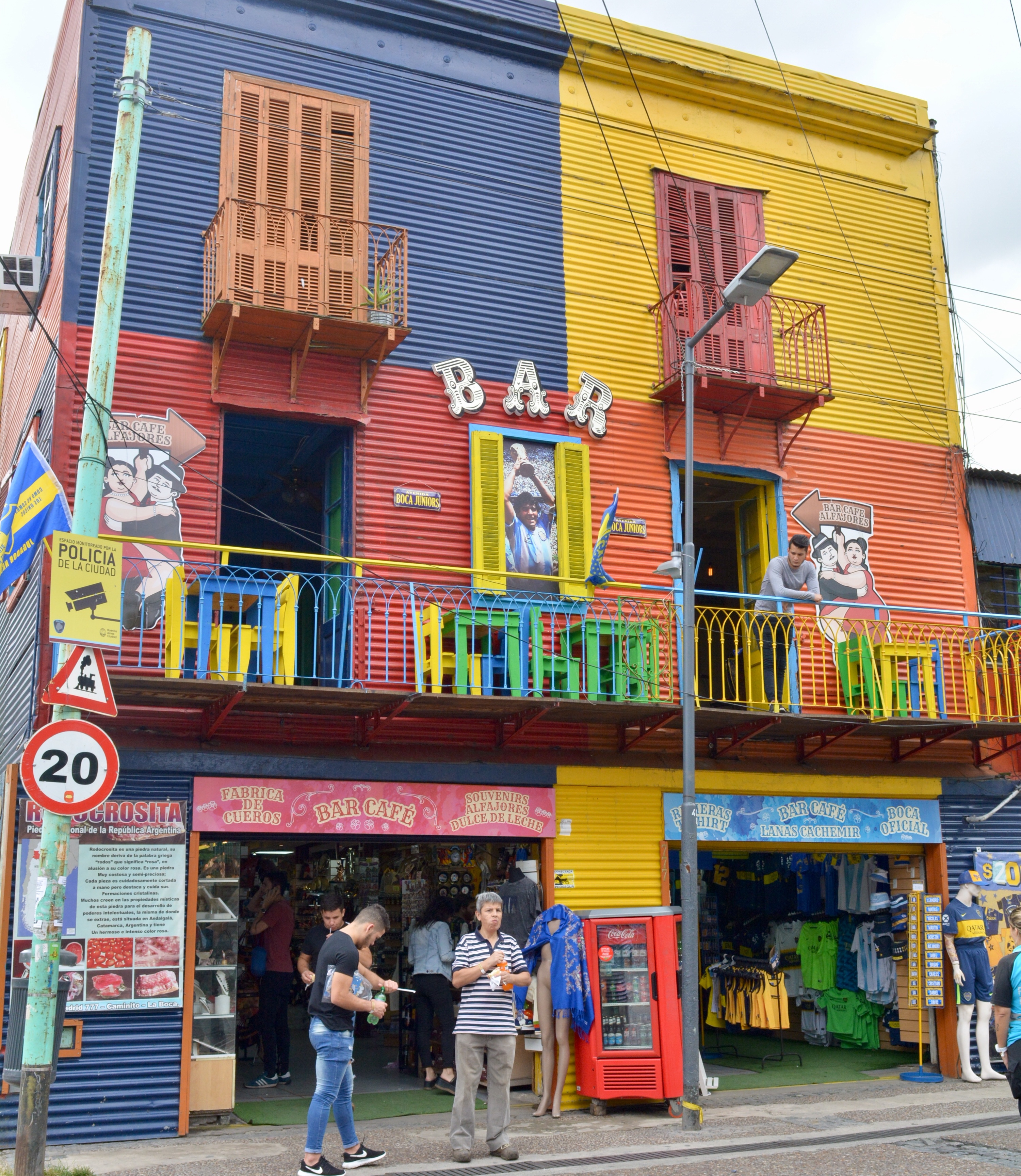
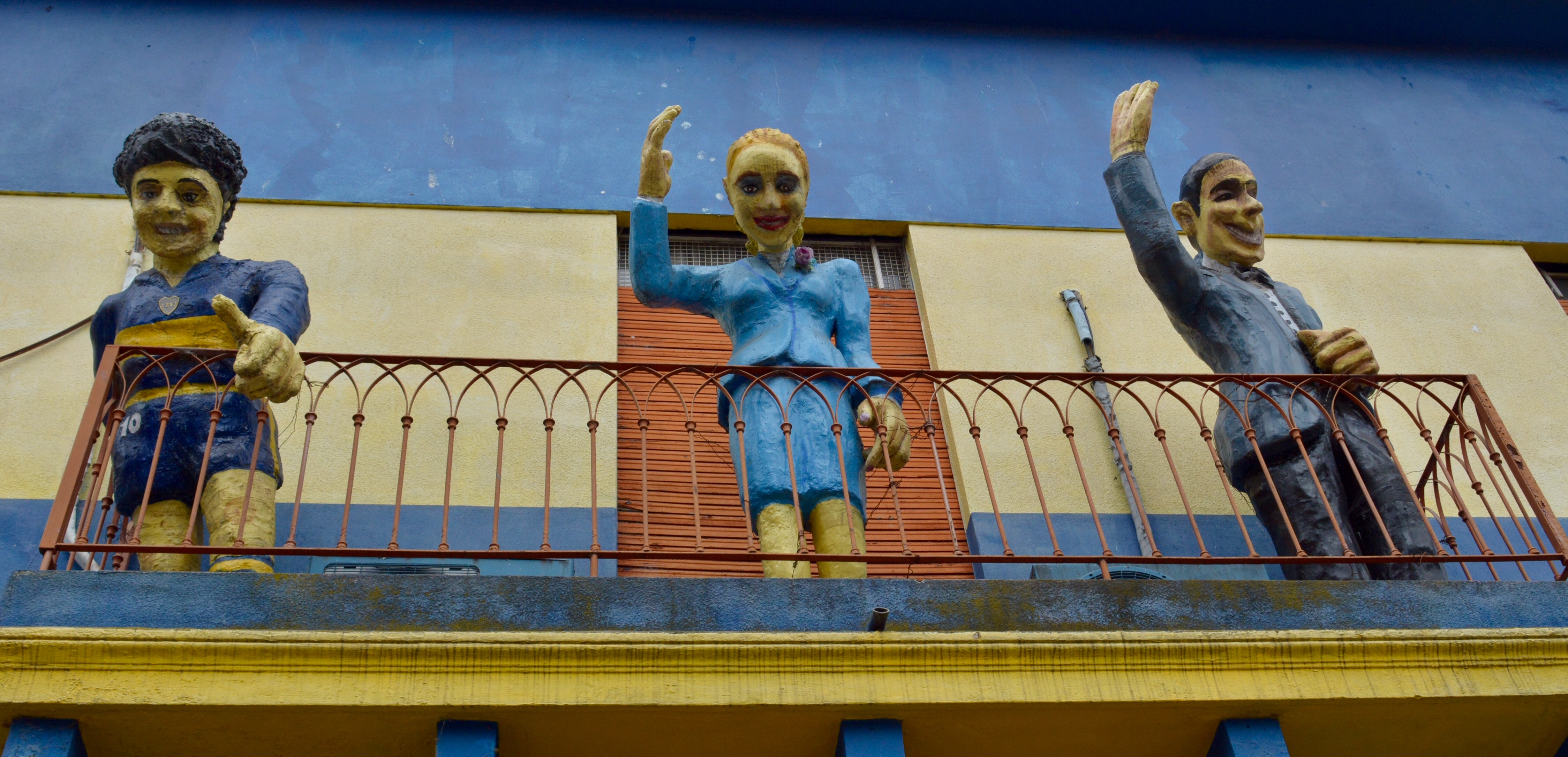
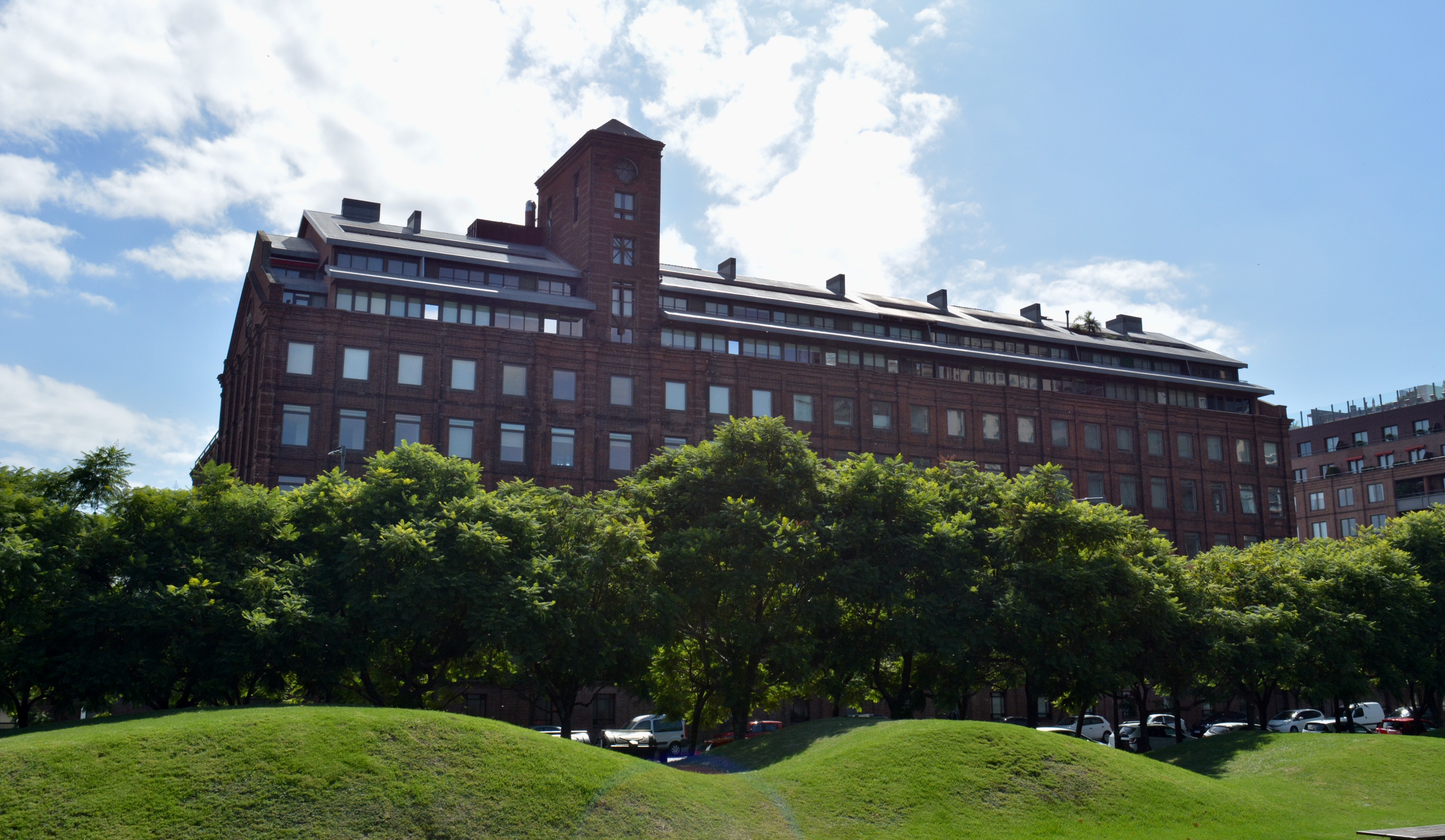
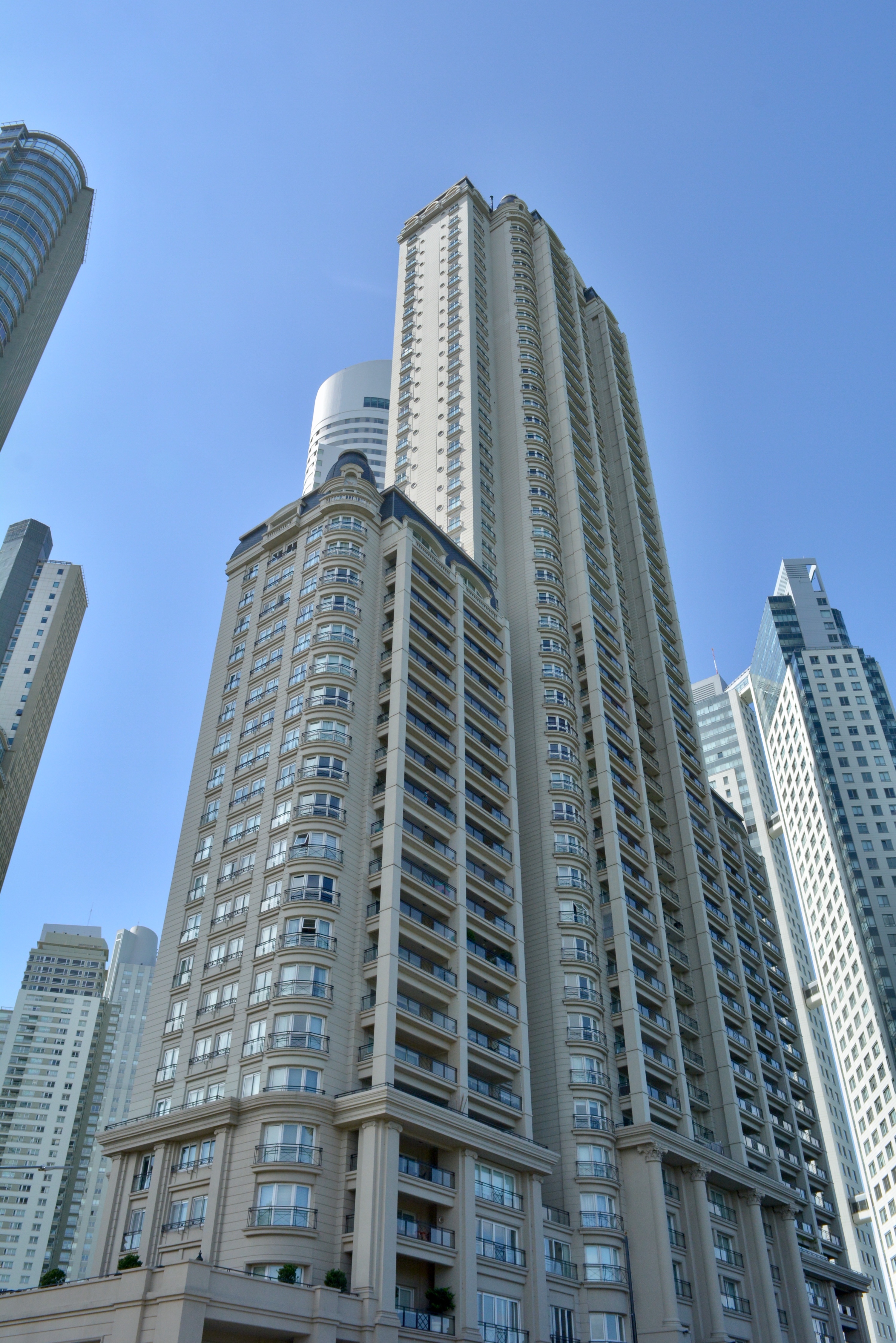
Recoleta is one of the trendier areas of Buenos Aires. It is said that the elite live, dine, shop and enjoy life on theses Paris inspired streets. The labrynthe that is Ricoleta, is lined with shops, bars, restaurants and plenty of services. In the larger streets there are big malls with every type of store imaginable, except one that sells a Fitbit charging cable. I found a great English book store but it was limited to browsing as I am carry-on only.  Another area that is very touristy but fun is the Boca where the labourers, mainly from Italy and Spain, and their families lived when they arrived in Buenos Airies.

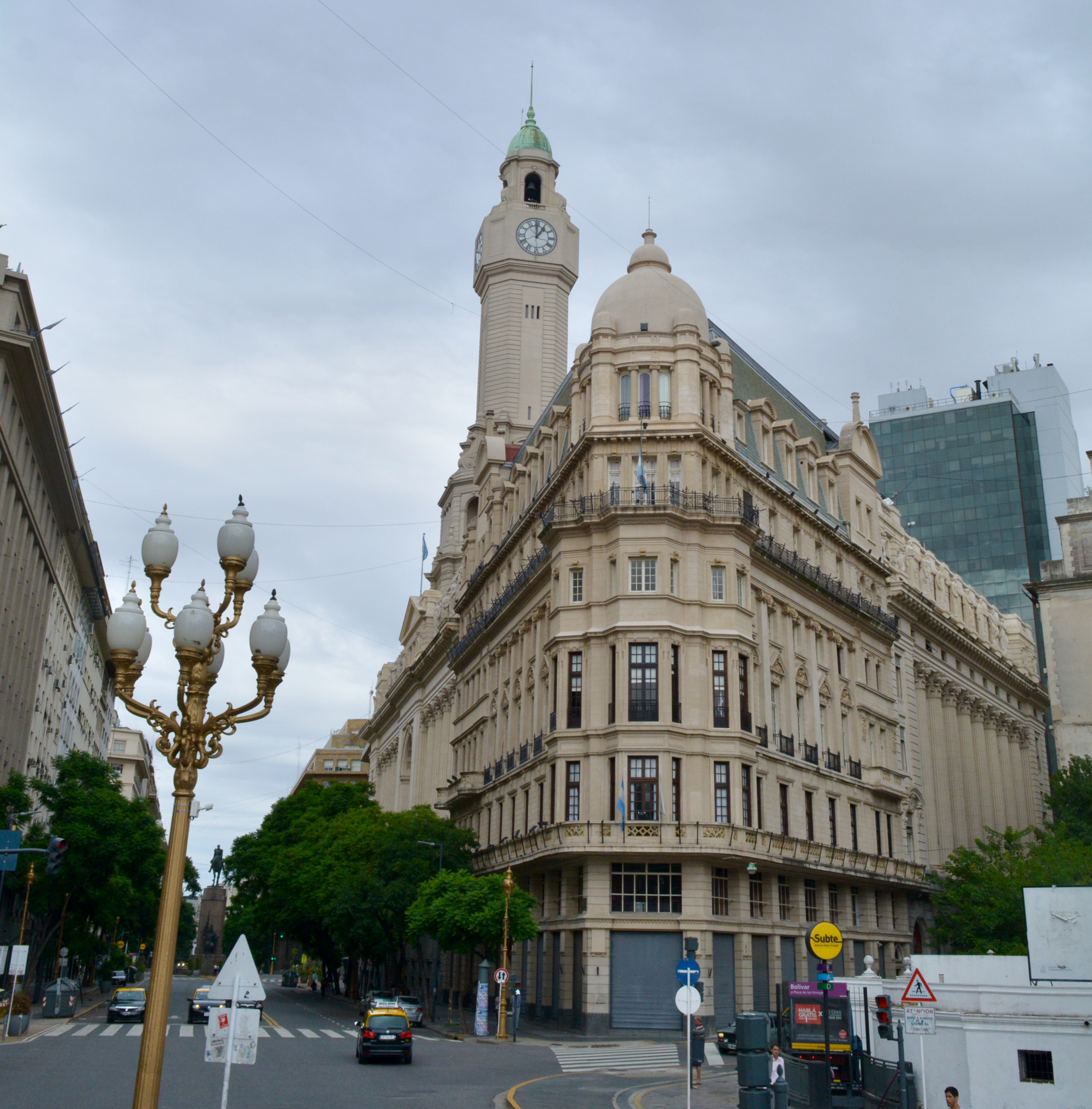
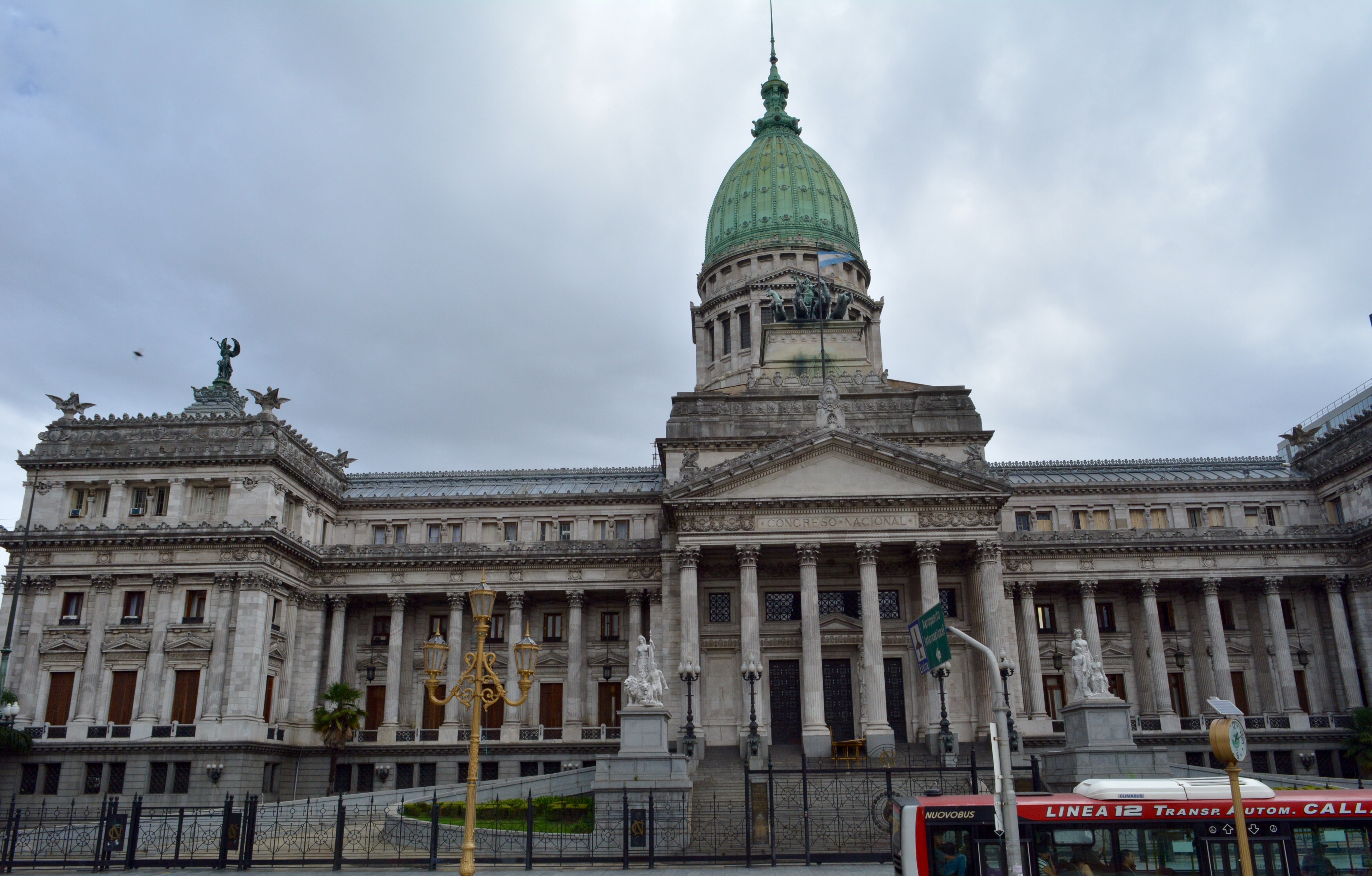
Recoleta is only one neighbourhood to explore but there is something to be said for getting to know your zona and what it has to offer. It’s easier to get a sense of daily life than if you stay el centro where everything is commercial and the touts are busy trying to pry you from your money. Nevertheless we opted for some time in el centro where the main sights and attractions are close together and this way we were able to see more without travel time to get there. 

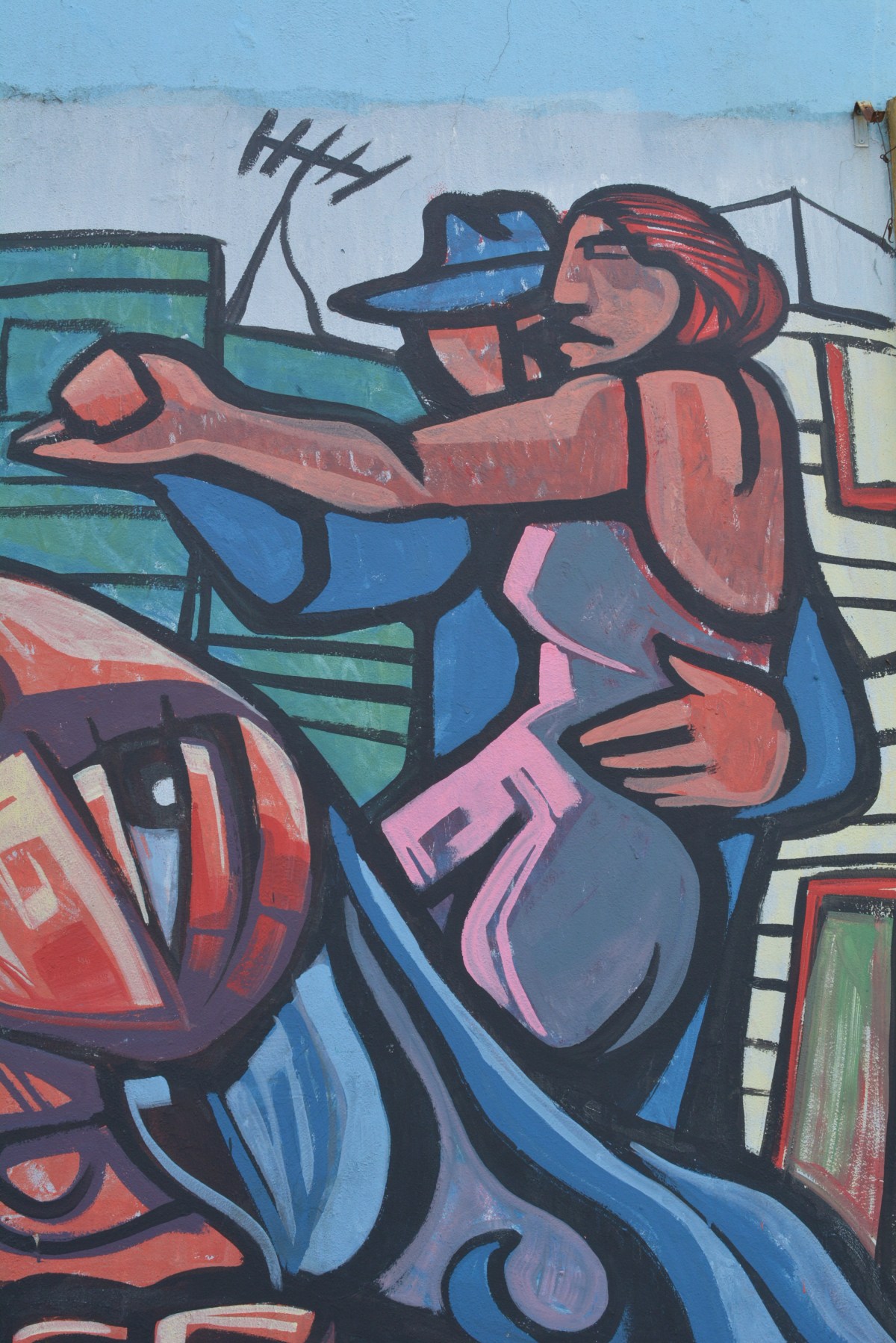
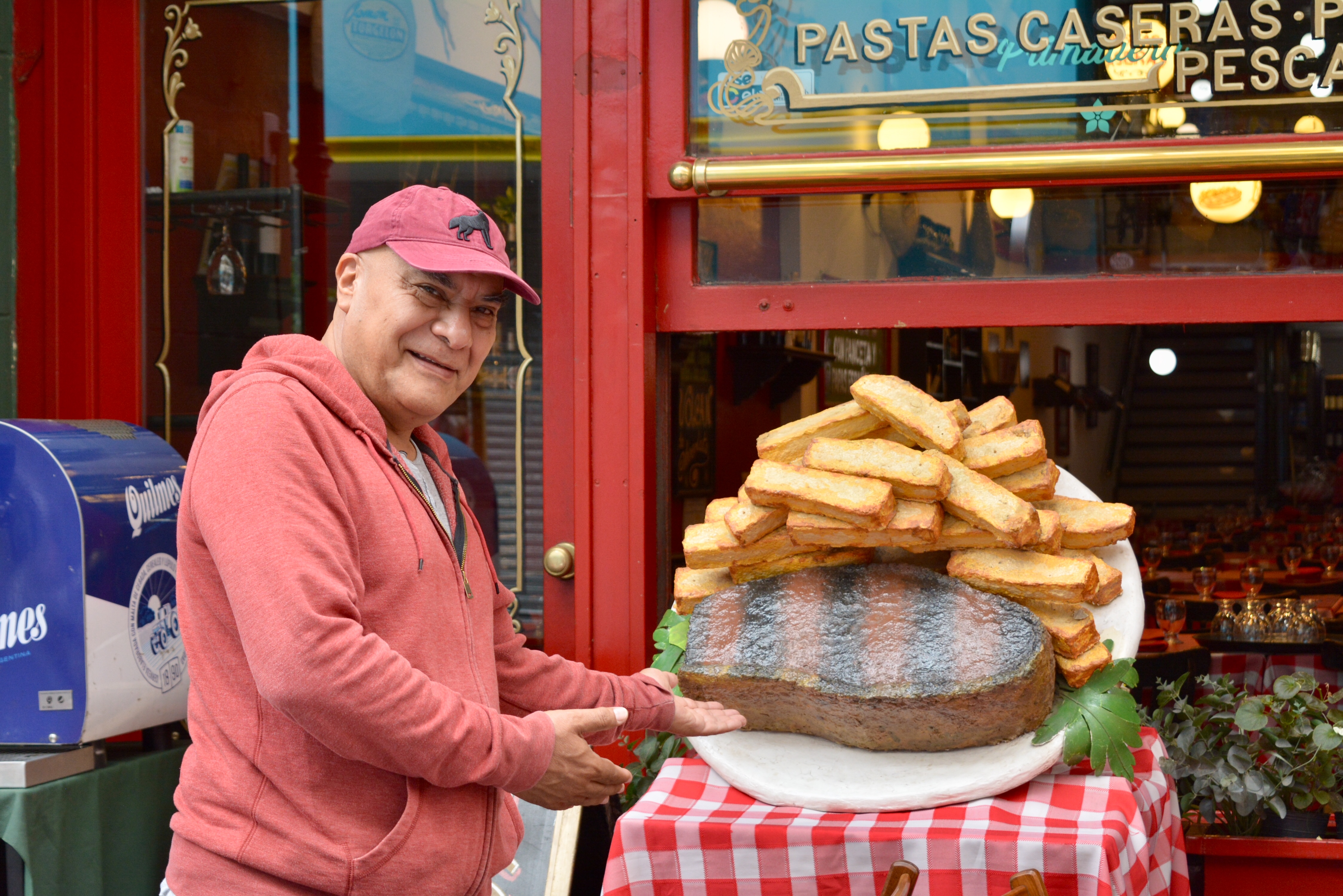
The tango, the most passionate of dances arose from the working class men who laboured on the docks etc.. in BA around the turn of the century. My impression is that it was almost a form of wrestling between men but of course a much more artistic and beautiful interpretation of physical contact. It wasn’t until later that women were brought into the tango picture. It is a focussed and serious dance, it has some characteristics that you might find in Tai Chi etc. We learned all this at one of the Tango shows, a very touristy, dinner style event that included 400 free pesos for gambling at a casino after the show. In spite of the touristy nature, I thought it was a great show, well produced, great costumes and dance and the food was good too, and we made new friends at our table from Columbia. Tango isn’t the only thing they take seriously in Buenos Aires….meat runs a close second. Jave was in heaven and as you can see in the photo below he finally found a portion size to his liking.

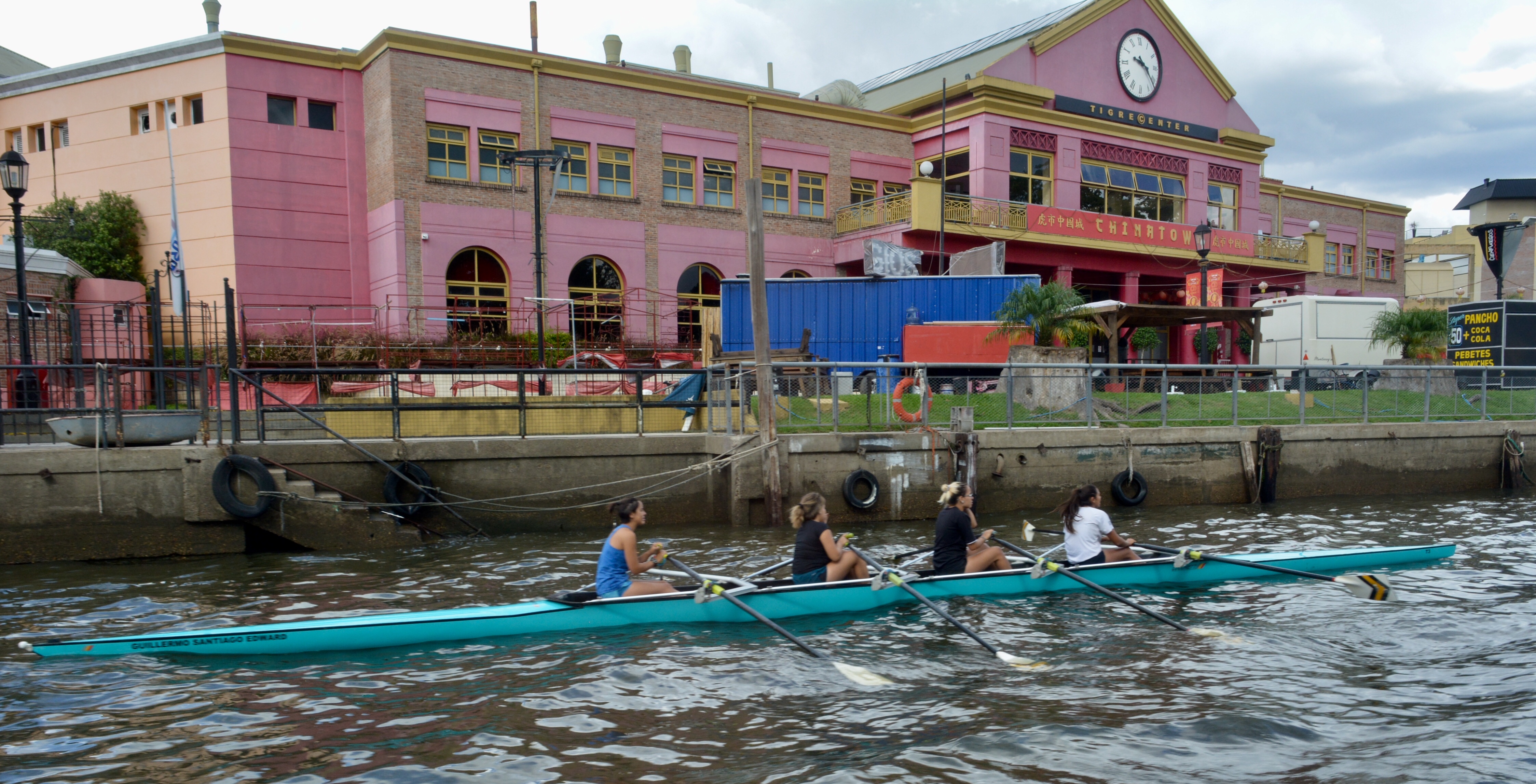
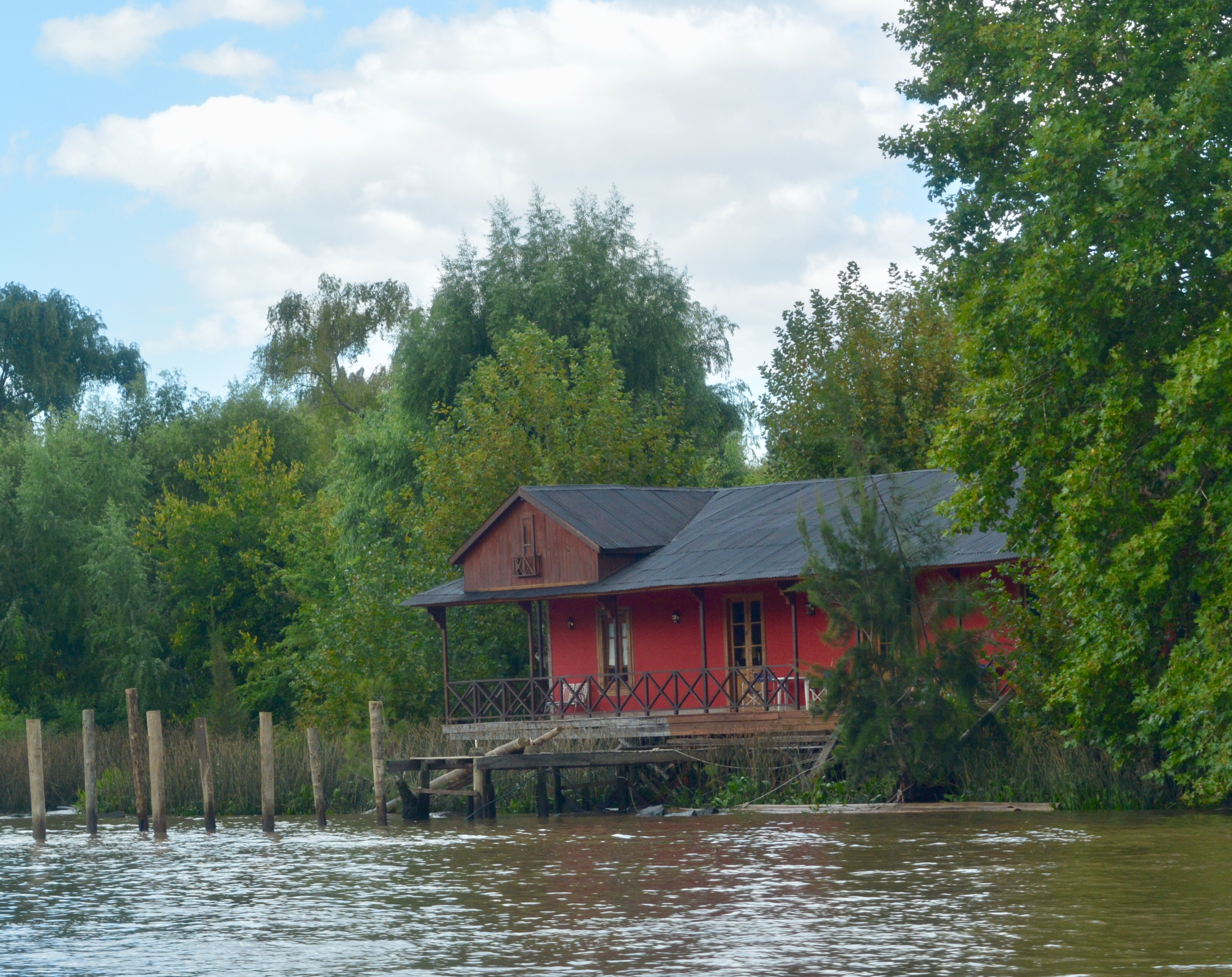
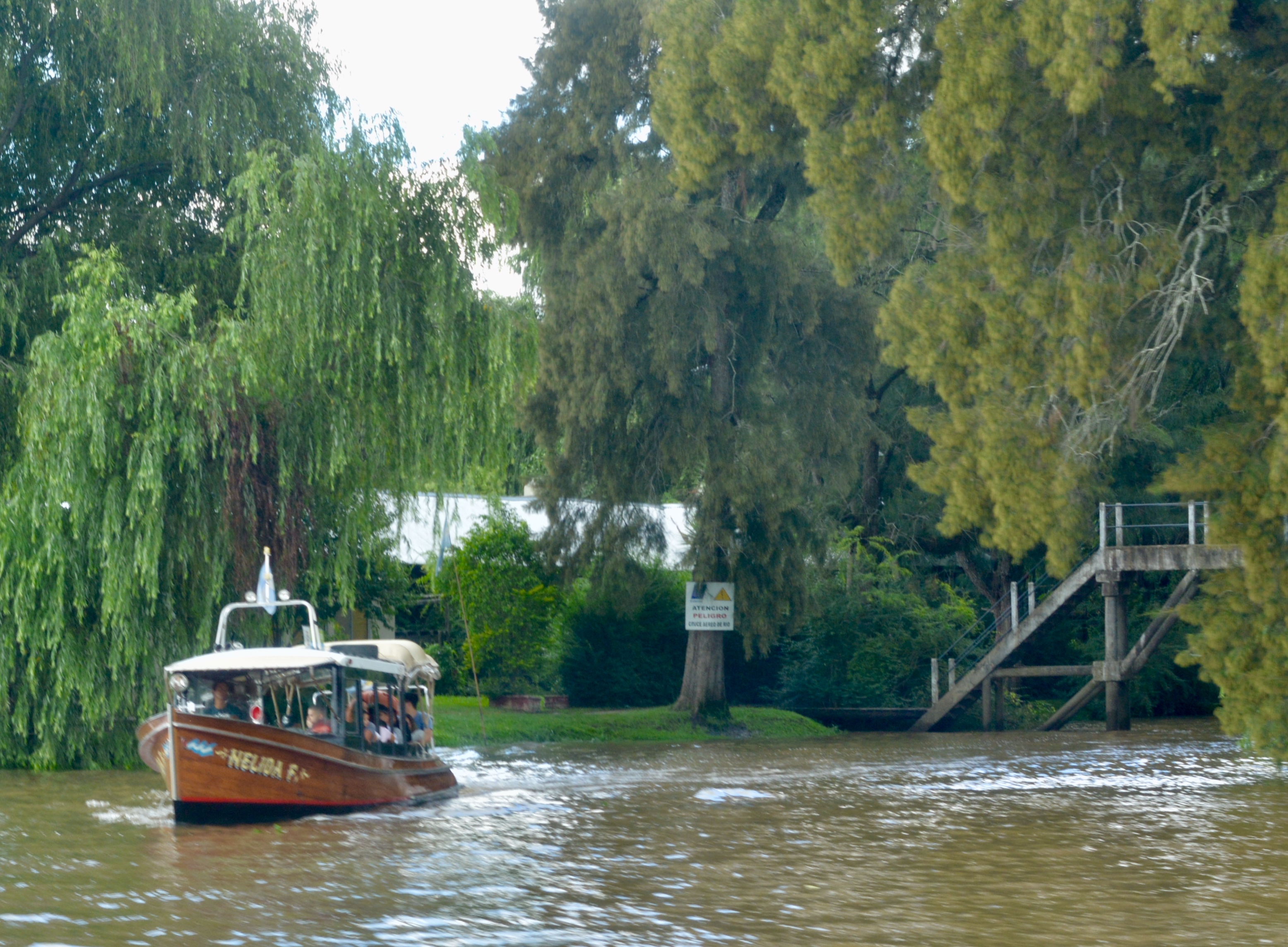
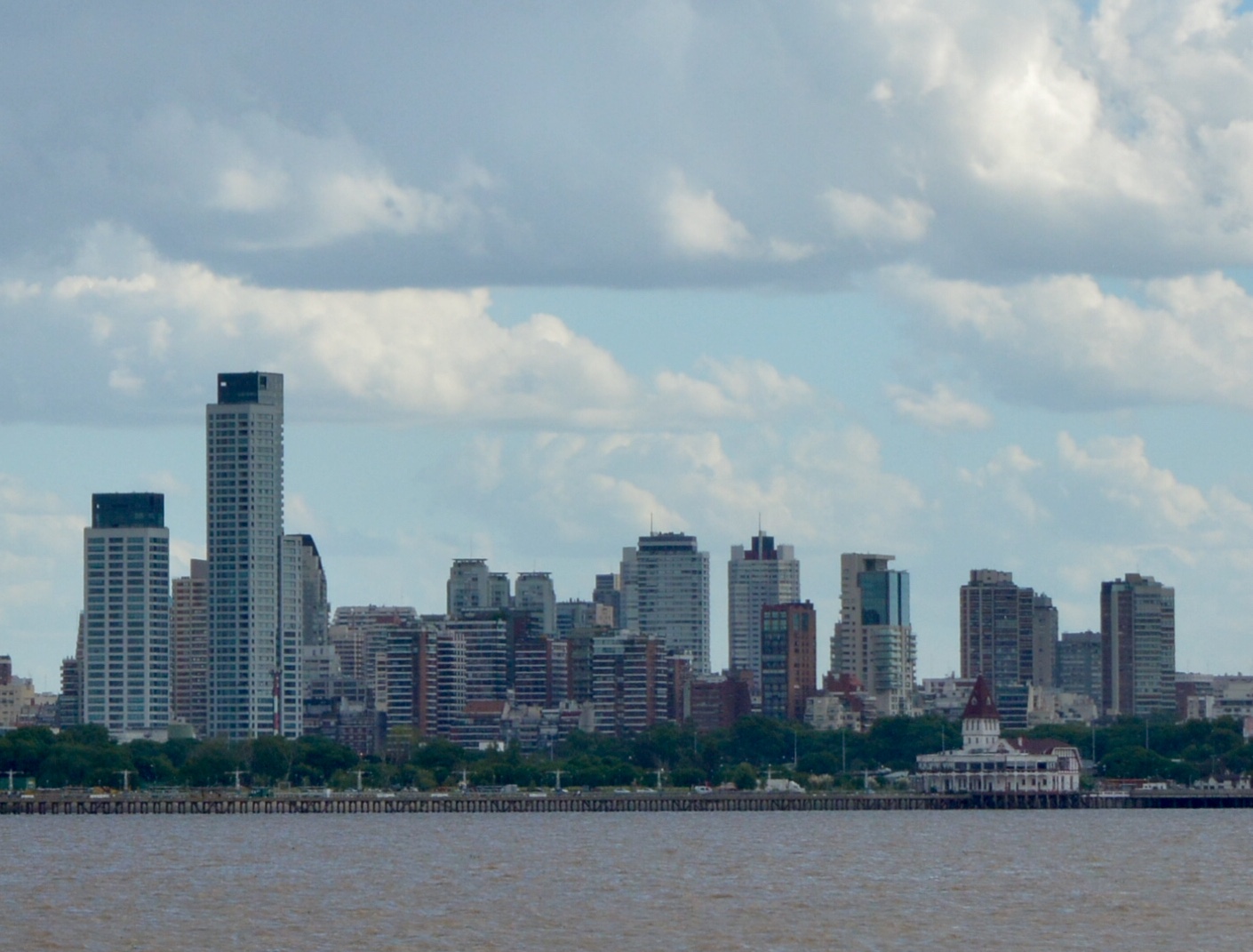
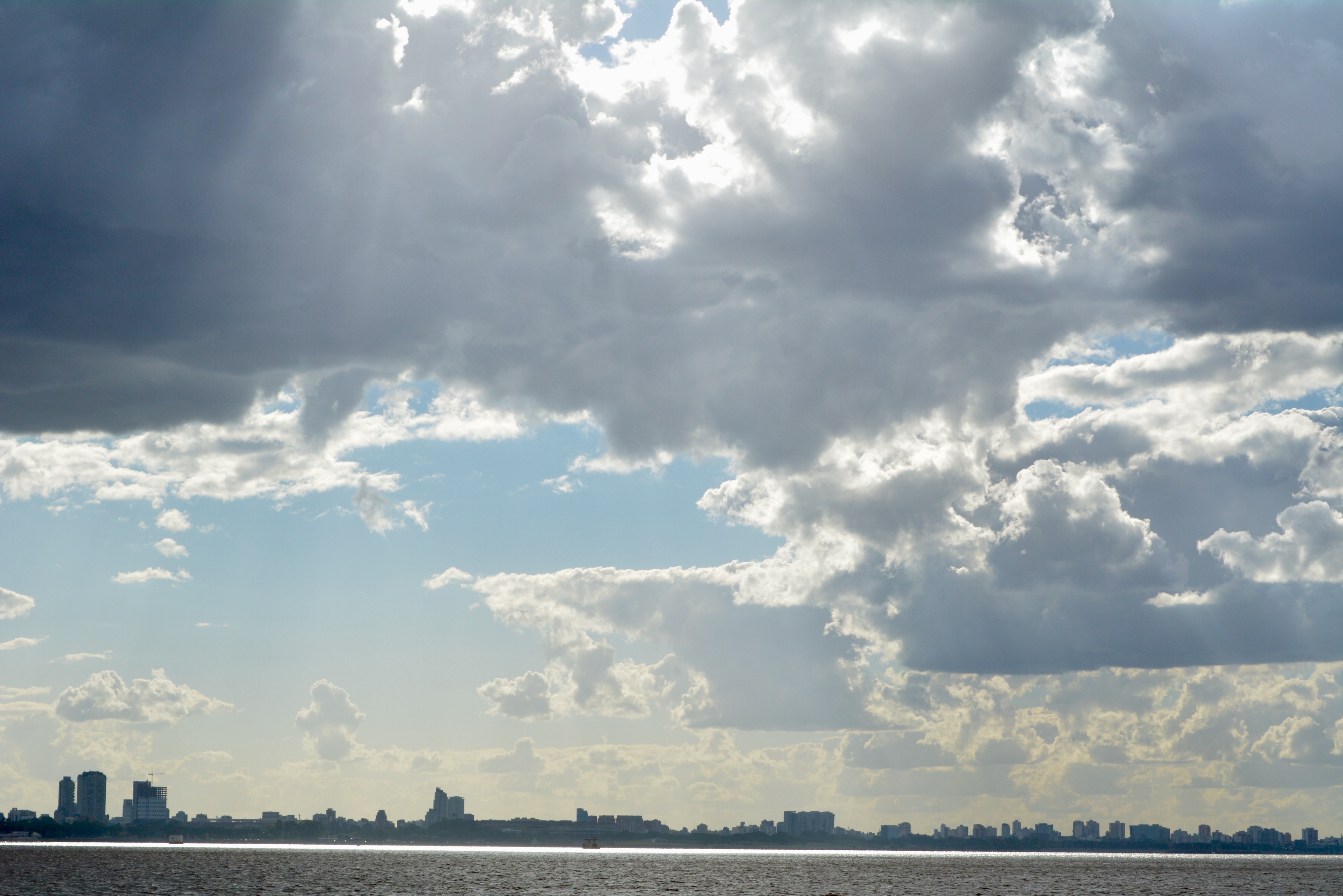
We also signed up for a day excursion to Tigre a small settlement at the mouth of the Rio Plata. The bus trip there was good and our guide gave a running commentary until we reached an “artisans market” where we had half an hour to look around. Based on what we saw of Tigre, I’d say it is a high end little town with many nice homes and shops to match, that belong to the more well-heeled folks of Buenos Aires. After “shopping” we were taken to our actual destination which was a boat that would return us along the canals of Tigre and then into the Rio Plata and finally home to Buenos Aires.

At one point we had hoped to have more time to spend in and around BA. We had wanted to rent a car and head for the beaches around Plata del Mar but we used up most of what we had left on our road trip. I don’t regret the road trip, it was wonderful to see so much of the “land” of Argentina, but given the distances between our destinations, it might be wiser to fly across Argentina. Next time!

And now, with a week remaining in Argentina, we have purchased tickets on the Buquebus catarman high speed ferry to Colonia del Sacramento across the Rio Plata in Uruguay. So excited to see Uruguay.

Brighton, Amsterdam, Cotswold’s & London

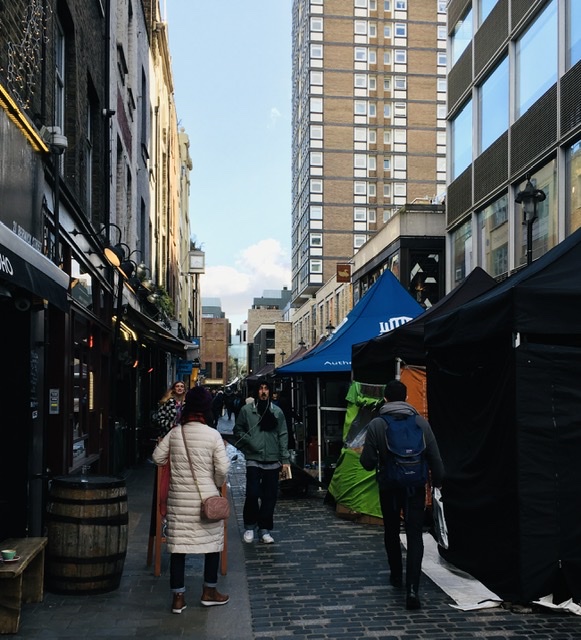
Soho in London

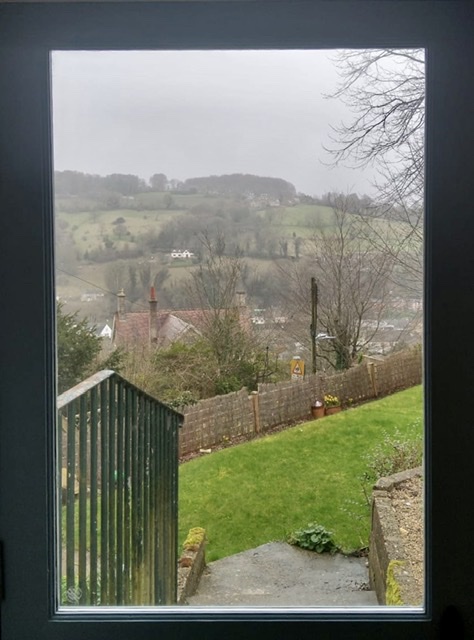
A long and the tedious flight from Bangkok to London ended with a bus ride to Brighton and a taxi ride to Heathers in Hove. Finally, at long last I arrived at Heather’s lovely flat in time to fall into bed and sleep off at least some of the jet lag. The windy wet weather in Brighton wasn’t very inspiring for walks along the sea wall, but finally there was a break on Saturday and off we went to do a little wandering. The Brighton sea wall is a beautiful place to walk, and the vastness of the English Channel never ceases to awe, and the bones of the old burned pier still stick up out of the water. Along the way the old structures charm; the change rooms, the restaurants etc., but suddenly the eye is drawn upward by a giant thing that looks like a donut on a stick but is in fact a ride that will take you skyward to survey Brighton and the English Channel. Brighton high street bustles on a Saturday and we finished our shopping quickly to get back outside into the sea air. Lucky for me there was a birthday celebration for a friend of Heather’s which to my delight meant a Sunday pub lunch.

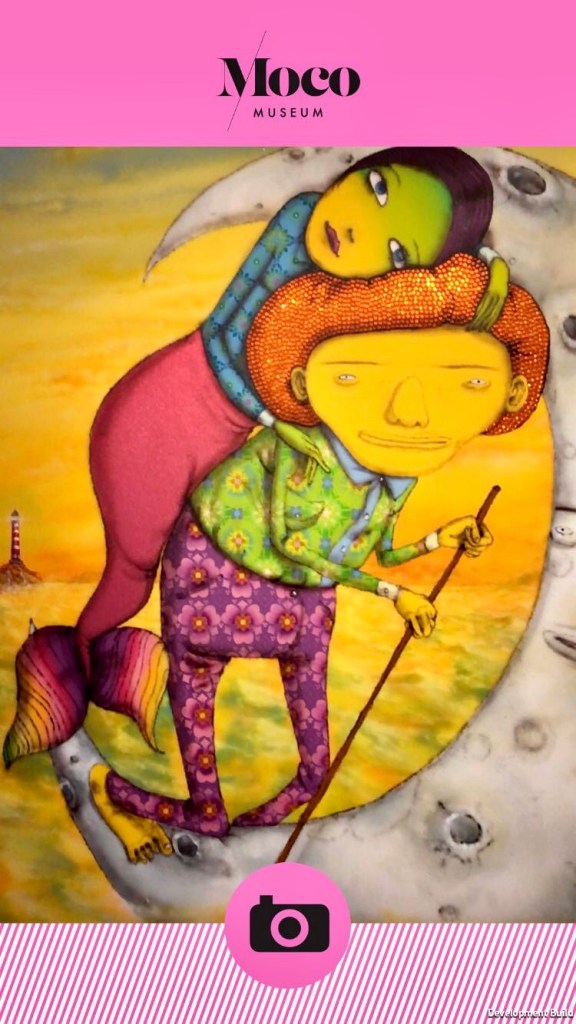
Since Heather was working during the week I decided to make a quick trip to Amsterdam. If you fly with a lost cost carrier like Easy Jet, don’t care where you sit and pack a small carry on it is a cheap trip and since I booked on Expedia I added a hotel for a reasonable price. I had not been to Amsterdam since the eighties and I really wanted to see the museums again. My hotel was just a few tram stops from the museum zone. As I was pressed for time I did little else and managed to squeeze in the Reijks Museum, the Van Gogh and the Moco which was featuring an exhibition by Banksy among others.

I only made one trip into the heart of Amsterdam and the rain was pouring down necessitating several hot coffees on my wander and saw some of the more famous sights at least from the outside.

I arrived back in Brighton in time to leave for a weekend in the Cotswolds where a group of us had rented a lovely Cotswold Cottage close to Stroud.

On Saturday, Heather and I enjoyed a long walk to Stroud where we met up with our friends at the Stroud market which dates back 100’s of years. The market had arts, crafts and food booths for blocks with some beautiful items from local artisans. We finished off with a visit to a Brewery on the way back to our cottage and once there we prepared a lovely meal of lamb and veg bought at the market.

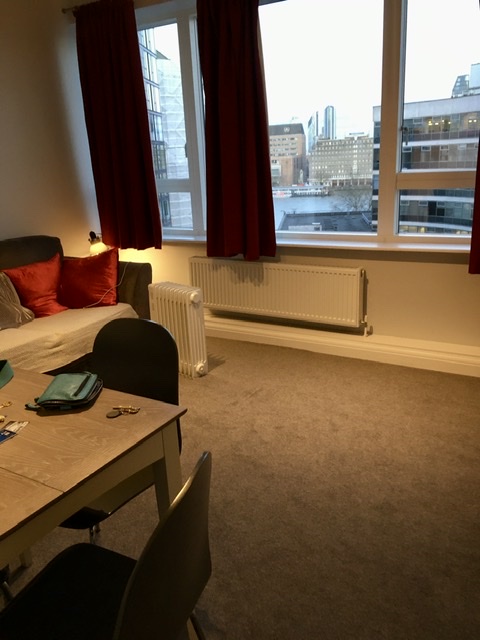
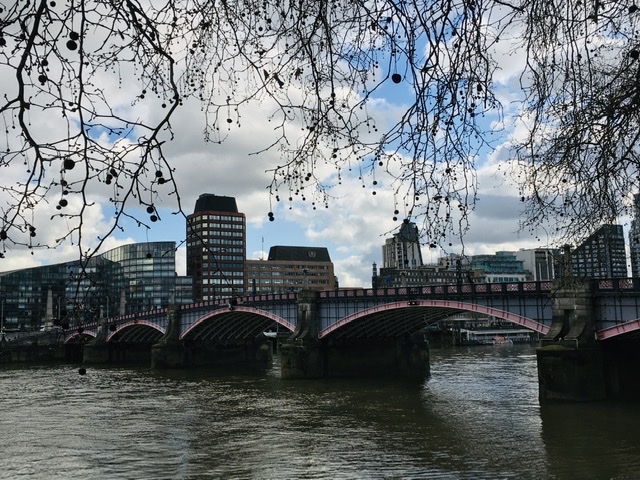
One of the party was returning to Milton Keynes and I was able to catch a ride to the train. Milton Keynes is interesting as it is one of the few modern day planned cities in England. The city was built in the middle of three small villages with long histories. A commercial & corporate centre, it is modern and spacious. I caught the train from there back to London Euston and the tube to the flat I rented close to the Tate Museum. A great little place, I had a view of the Thames, Vauxhall Bridge, M5 and the Tate.

Heather came to stay with me on the weekend and we had dinner out and visited a wine bar in a cellar that I had never been to before. Heather knows all the best places. Of course everyone is a nervous about the Covid virus that seemed to have originated in a wet market in China but people are still going about their business. My flight home is tomorrow and I look forward to getting home just in time for spring.

Iguazu Falls

Awesome experience.

Softly we floated down from Tilcara and watched the beautiful Andes retreat in the rear view mirror as we began our two day marathon drive across Argentina to see the fabled Iguazú Falls. Nine or so hours on the road through emerald green landscape, we ended our first marathon day in Corrientes. Not a great place and sadly for us, a Carnival meant that hotels were scarce and we passed an uneasy night in a sketchy pace. Next day was a repeat but eventually we began to skirt the border of Paraguay and we knew we were getting closer to our destination, Puerto Iguazú, the Argentine corner of this famous location. 

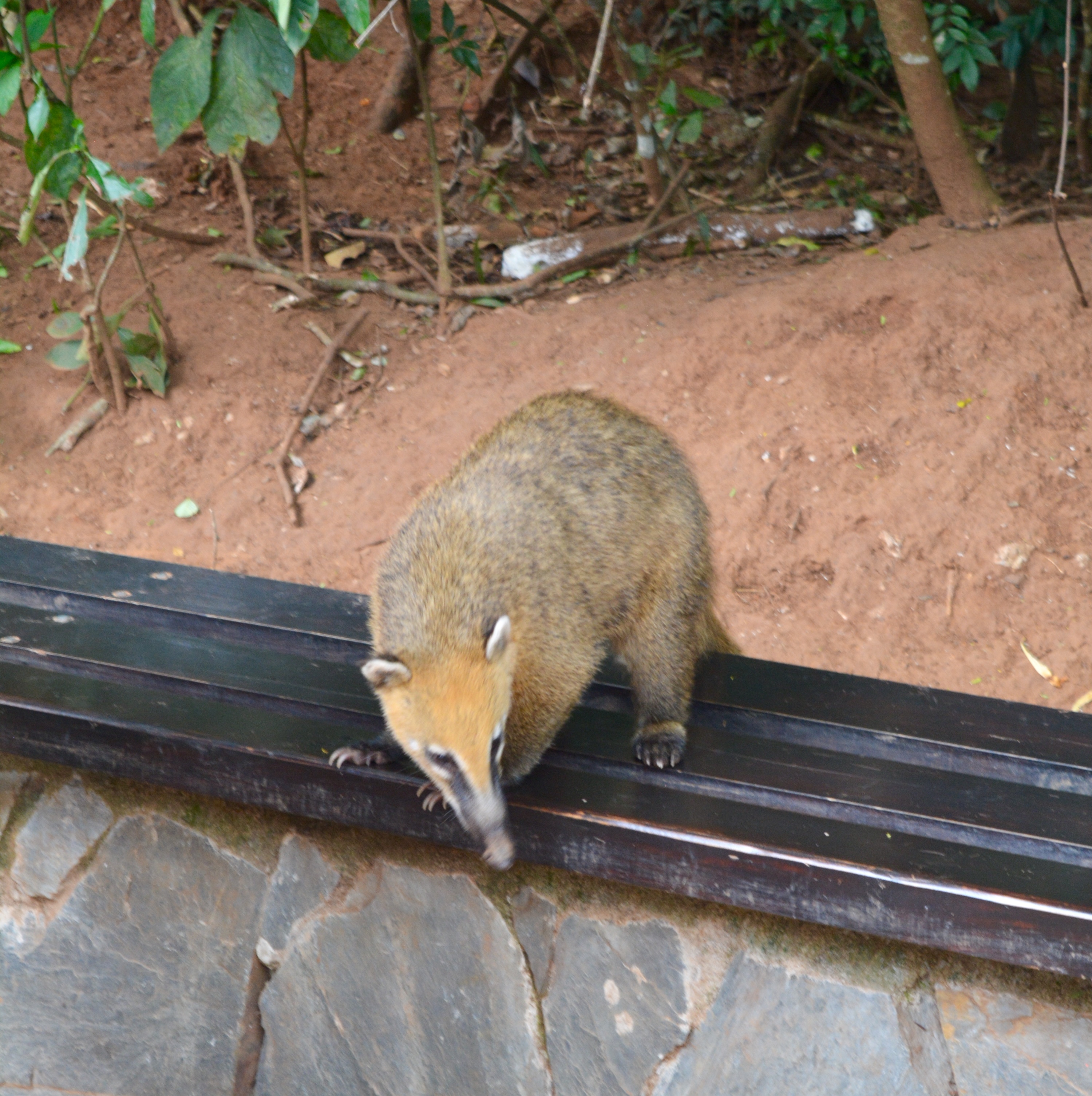
A tourist destination for sure, Puerto de Iguazu is in a sub-tropical rainforest and our hotel, a series of family style cabins in a garden with a pool and a huge courtyard cage for the pet ducks and chickens, was a welcome sight. The pool was a great cooling off area in the heat and intense humidity.

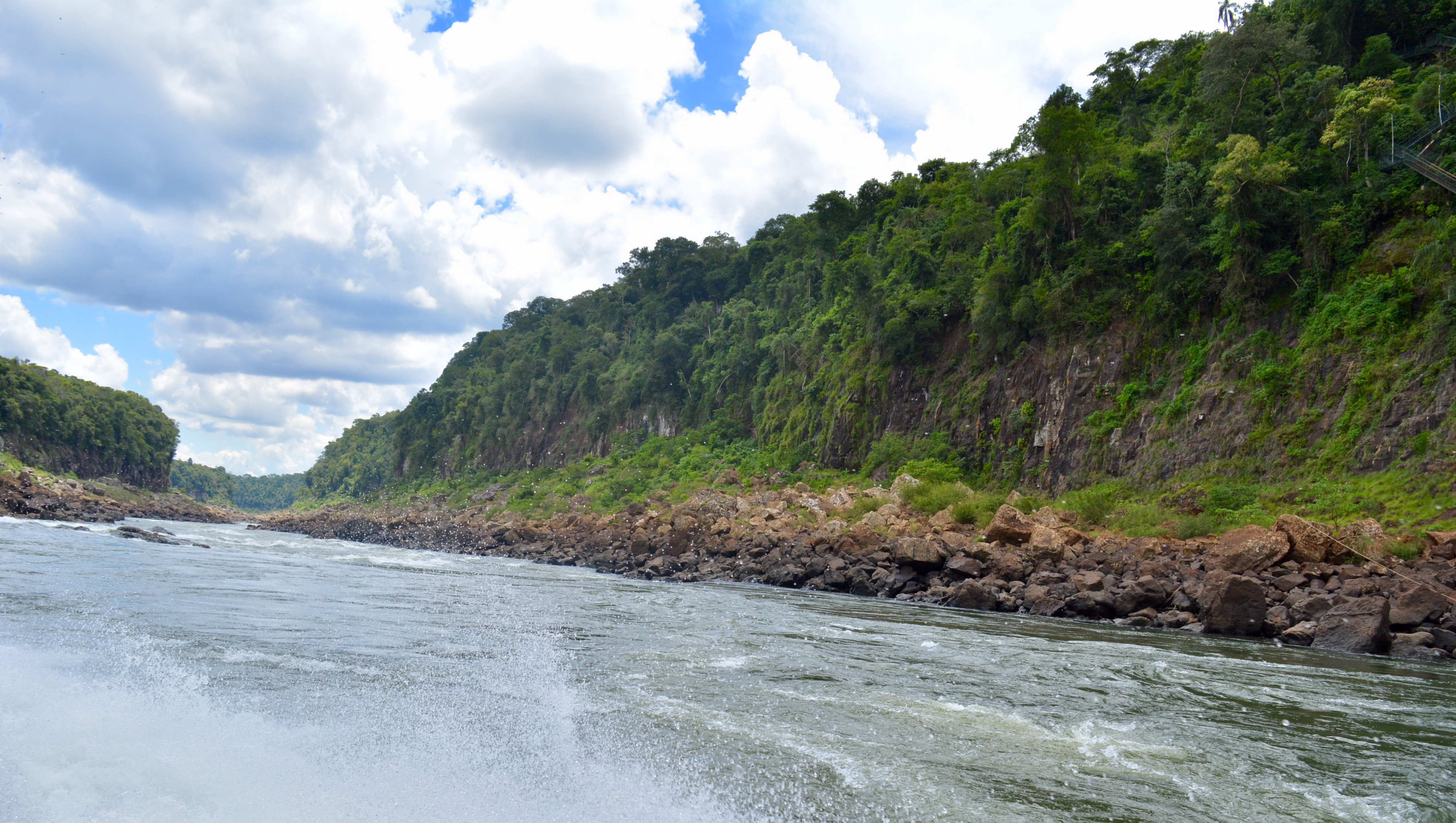
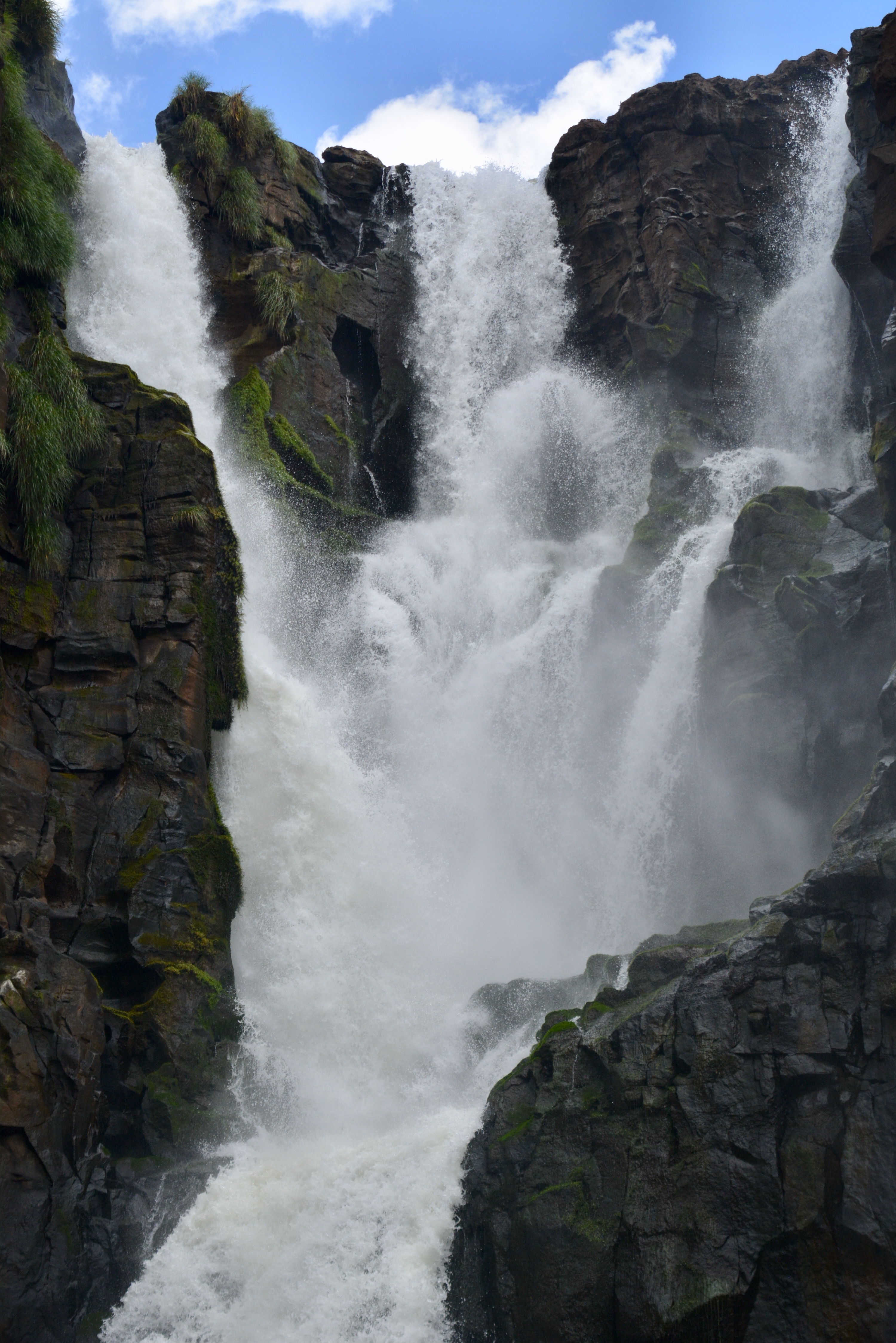
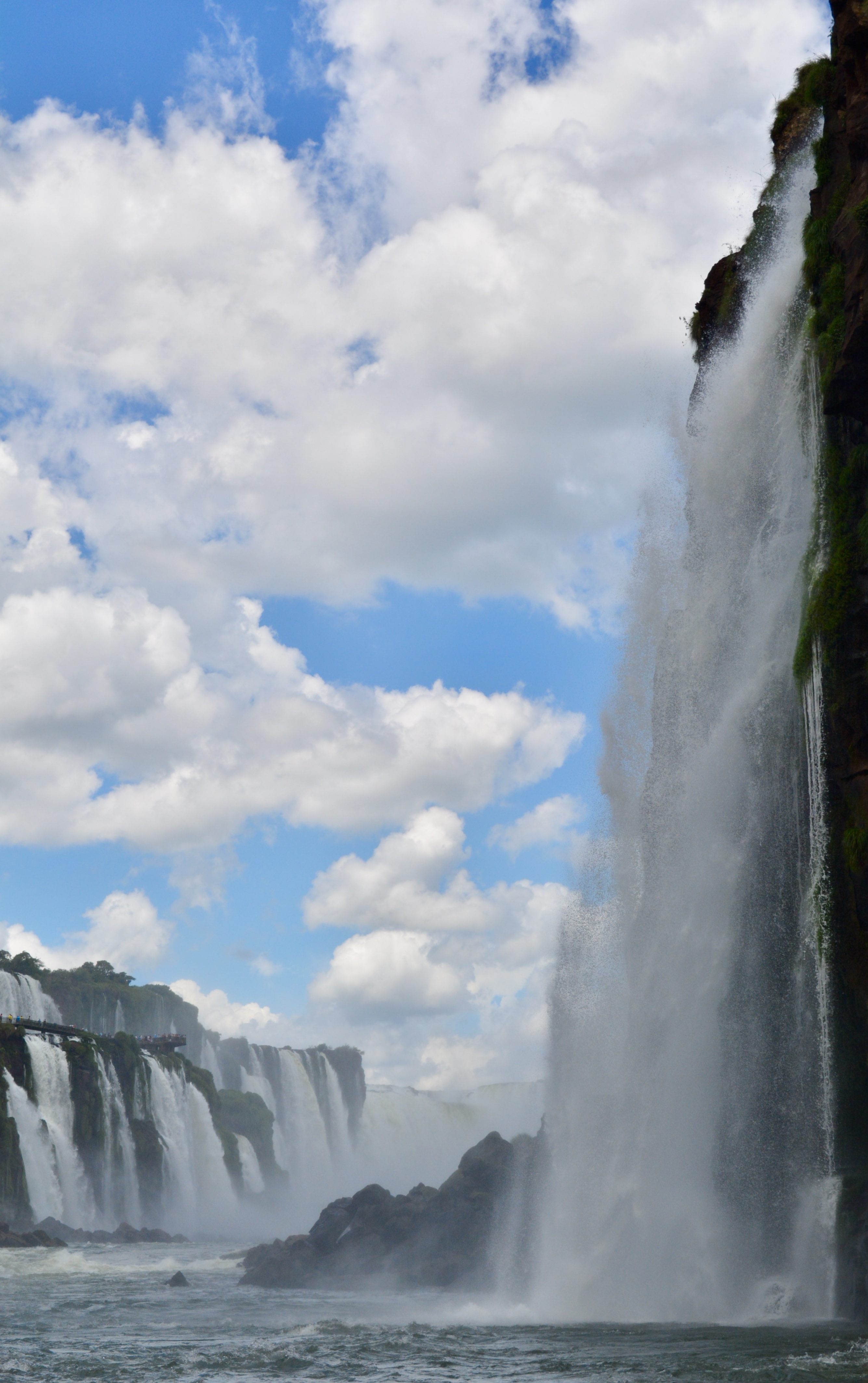
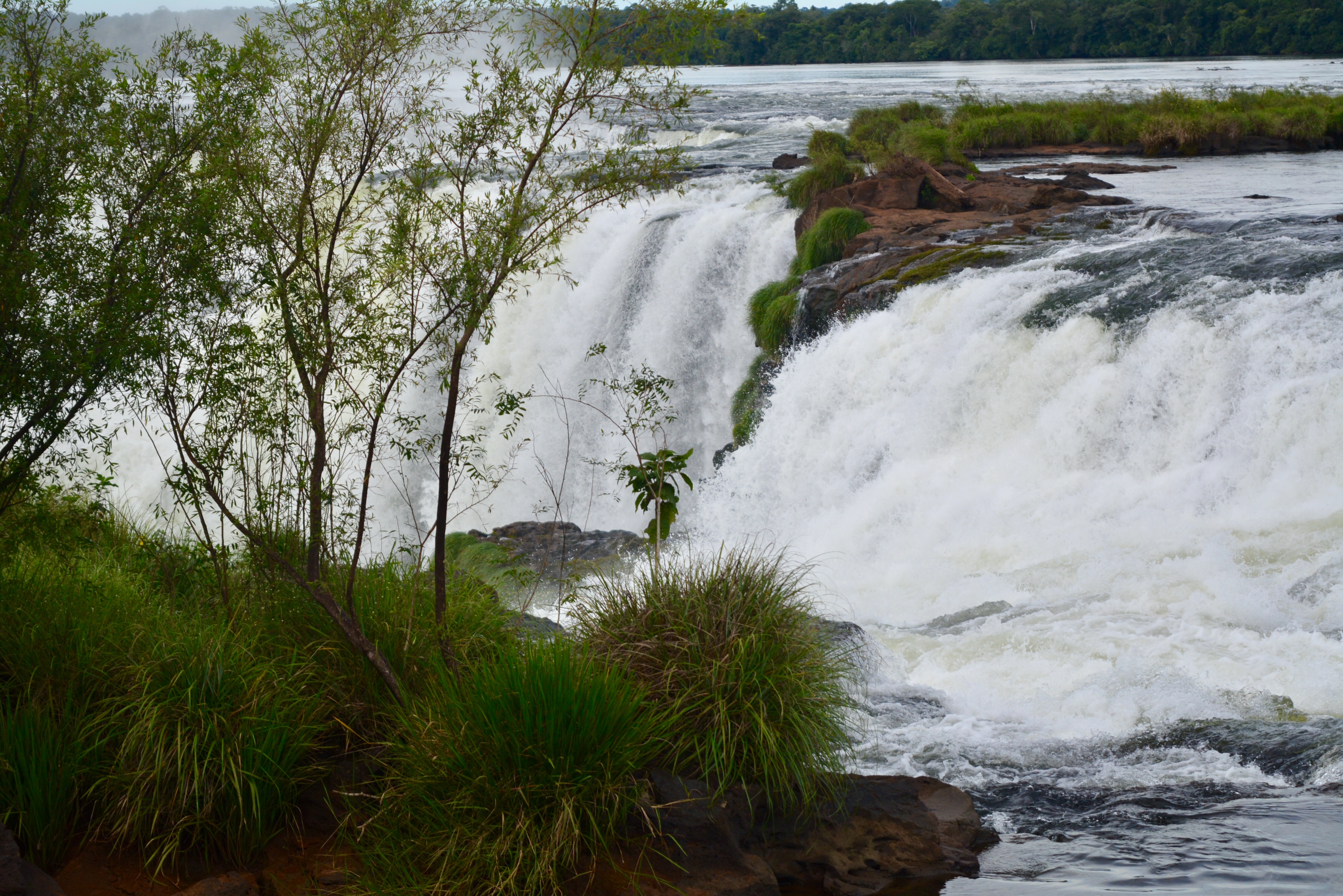
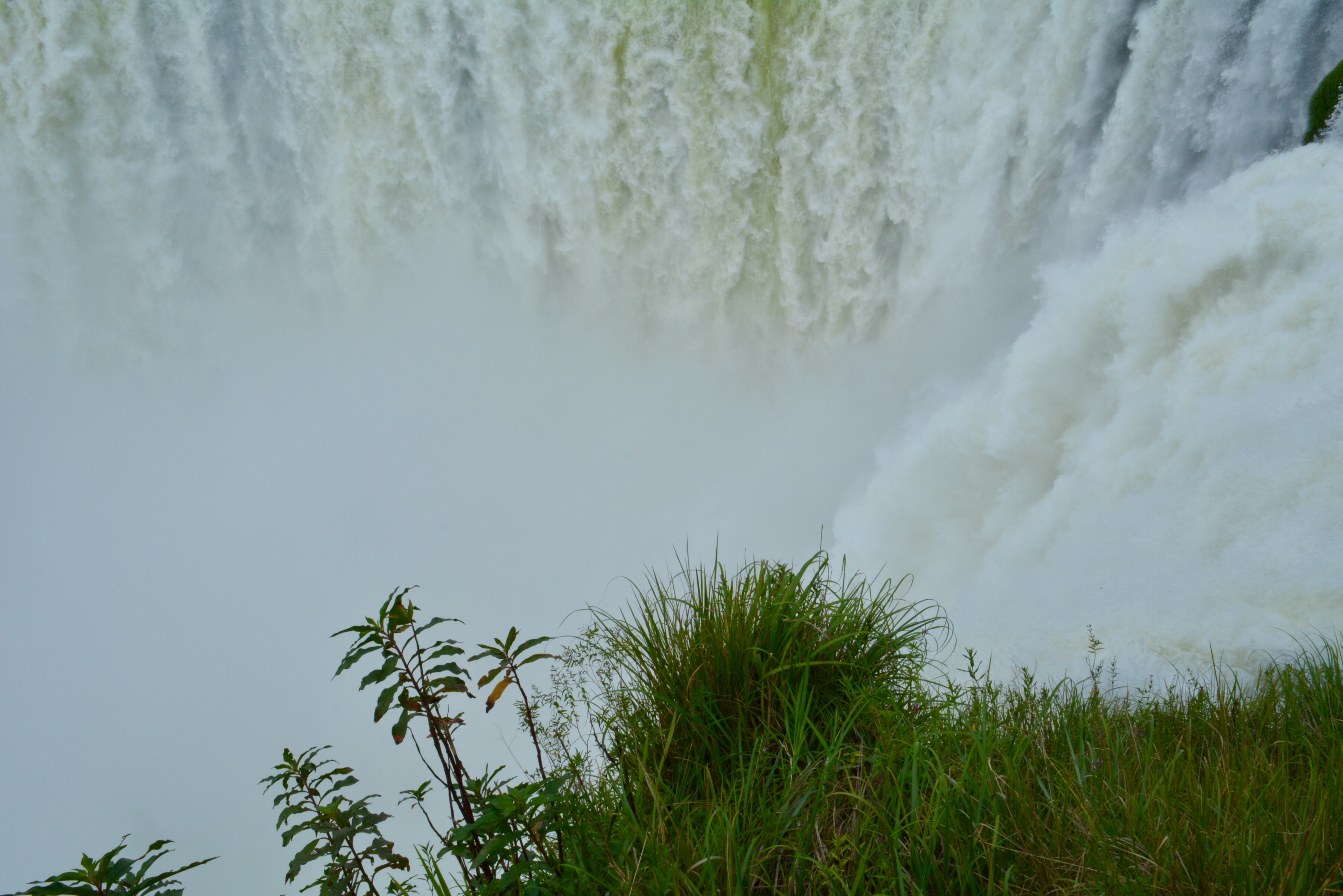
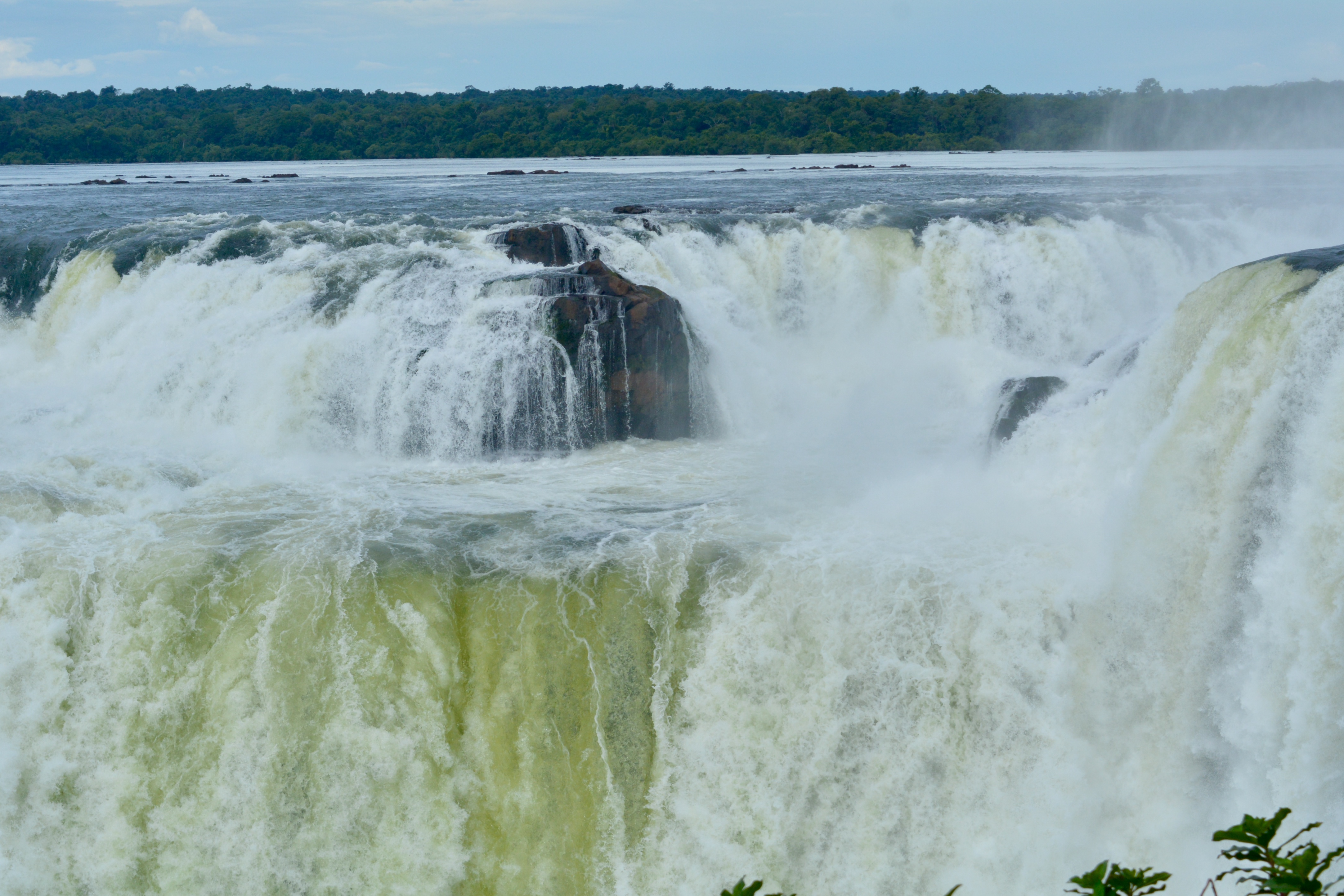
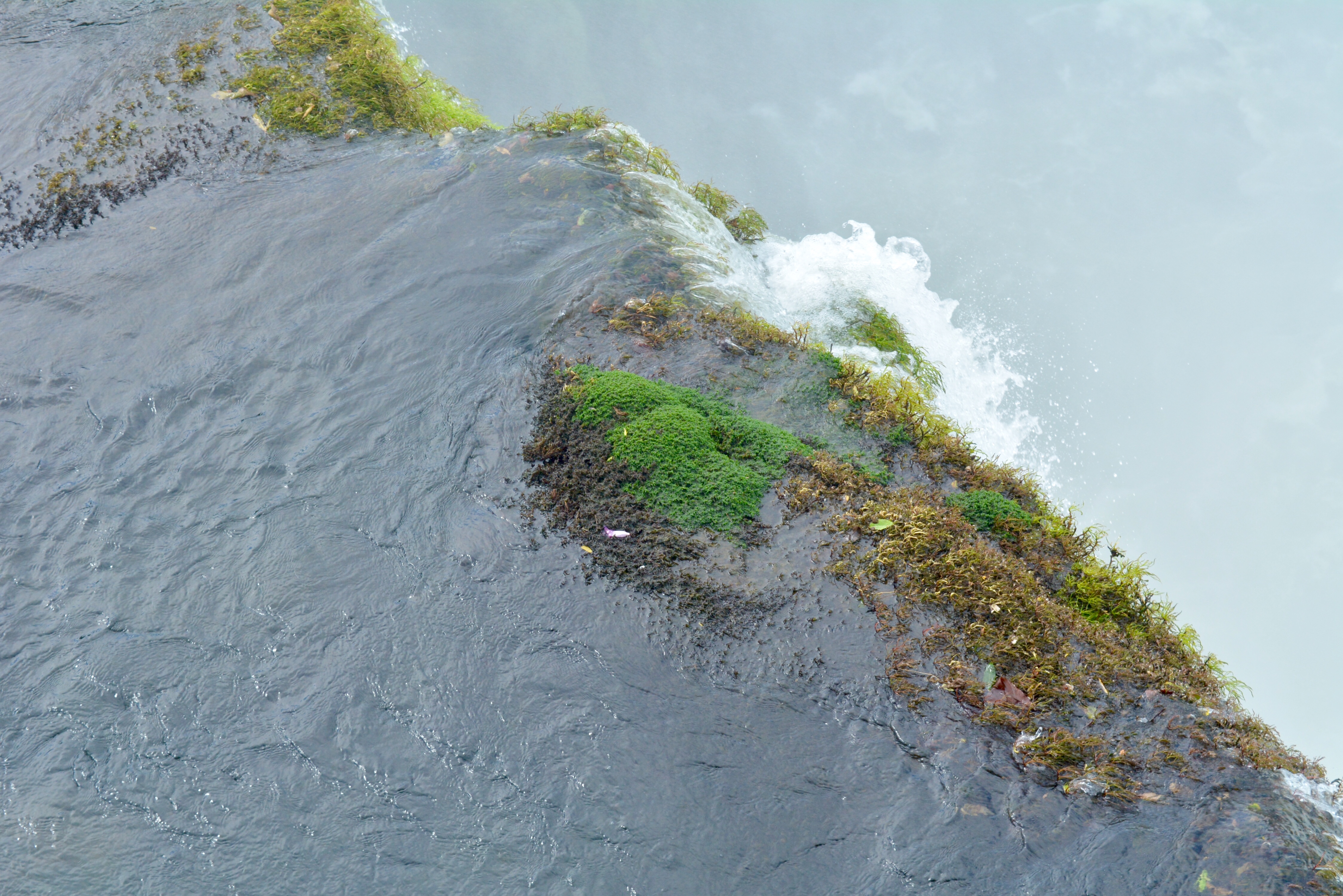
The National Parque de Iguazú Falls on the Argentine side is a huge expanse of tropical jungle where many feline species and birds make their home. There were of course hoards of people but it was fun and after paying for parking and an entrance fee to the park itself, we purchased tickets for a “jungle safari” that ended in a zodiac ride to the falls and in fact into the falls. We were warned that we were going to get very wet and so we did, but we were issued large green dry bags for our precious things and off we went. There was a group of young men from Israel and after the warning of showers to come they stripped down to their underwear, causing some titters from some English girls and a reprimand from their Australian companion to “put their eyes back in their heads.” Not to district from our main purpose of boarding the Zodiac, we headed up the Iguazú river to a stunning sight of 275 or more smaller waterfalls pounding over the 200 ft cliffs. The captain of our Zodiac delighted in backing in and out of several of these until we were very wet. At one point he gave us a “dry” break and out came the cameras for some up close shots, then having safely restored cameras we ventured close to the Devil’s Throat, the massive part of the falls, the part that a poet said was the “mirror of God”. Pretty much the kind of awesome experience you would expect and I was both happy and wet. After the boat tour and Jungle Safari we spent the remaining hours hiking through the park out to the edges of the falls. The paths to the falls are metal “boardwalks” that wend and wind their way across the river as it gathers volume and strength before racing to the falls and crashing to the river below. What a sight. 

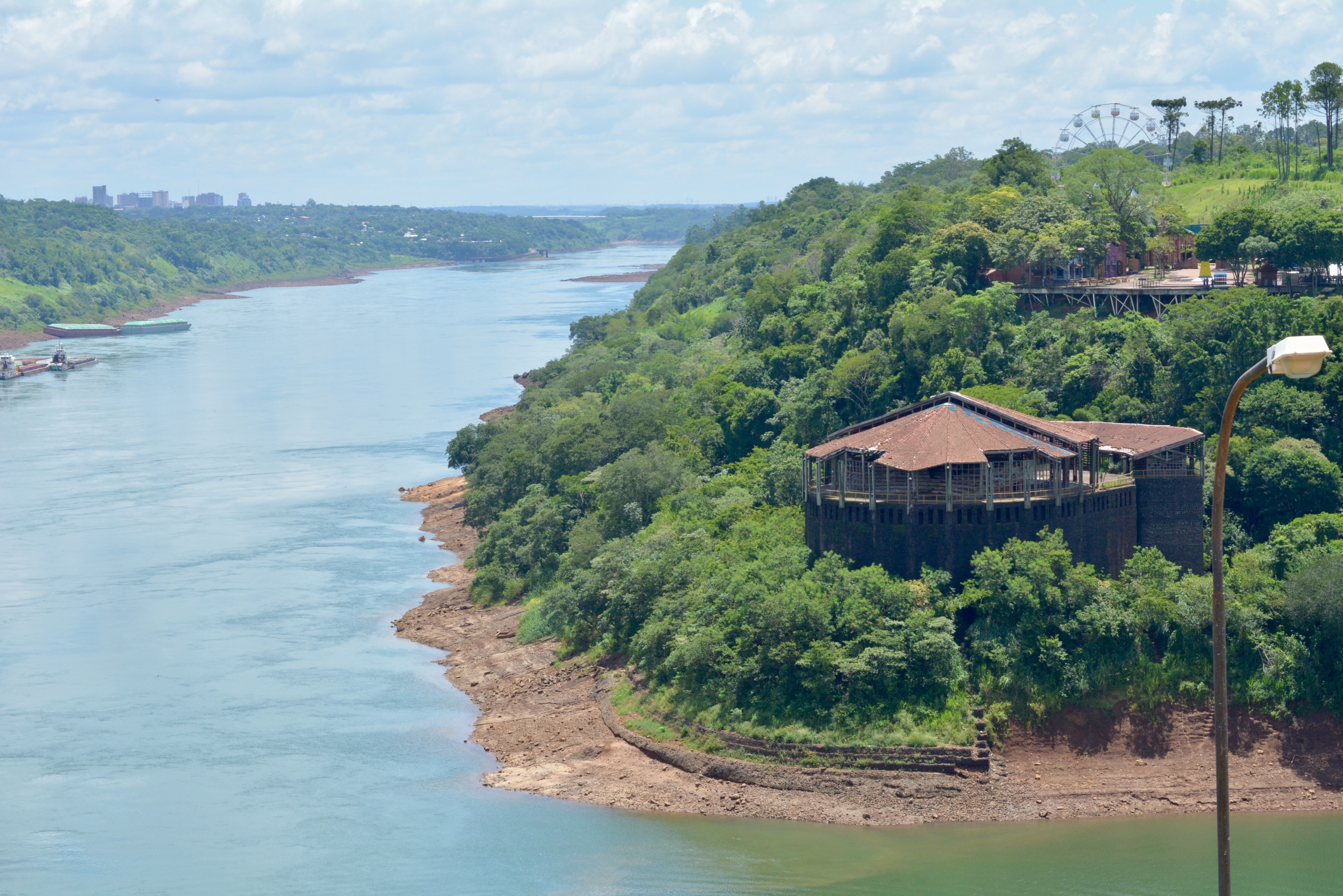
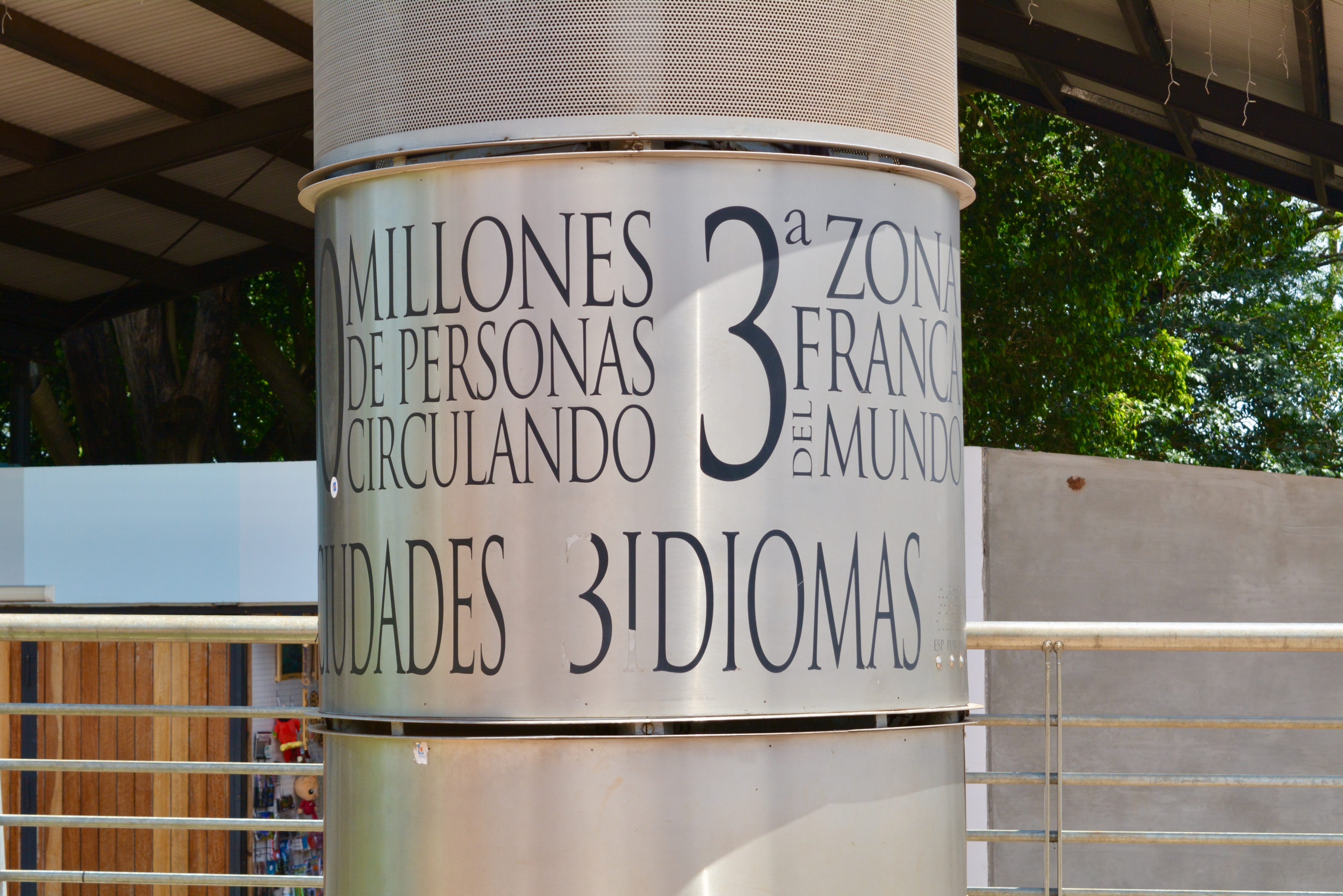
On day two, my Mexican friends signed up for a tour for the Brasil and Paraguay sides of the rivers and falls, which I was reluctant to try as I did not have a visa to visit Brasil. So I spent the day wandering in Puerto Iguazu and found myself at a park dedicated to the “three countries, three rivers, and three languages” of Iguazu, a confluence that is rare in the world. A unique and beautiful place, this place is almost haunting, one can picture the hot and steamy hardships of the early Argentinians as they fought to survive the heat, the humidity, the insects, the dangers and perils and the diseases. Kind of Mosquito Coasty.

See Ya Salta – Tilcara, Jujuy Here We Come

A Road to Remember


There are two roads to Tilcara from Salta. One is pretty and one is shorter. Based on this tiny tidbit of information from Geraldo, our Mexican hotelier, we launched early in our rental car, excited to see what lay ahead. Many people had told us we had to go to Tilcara, a small mountain town in the state of Jujuy (pronounced whowhoeee).

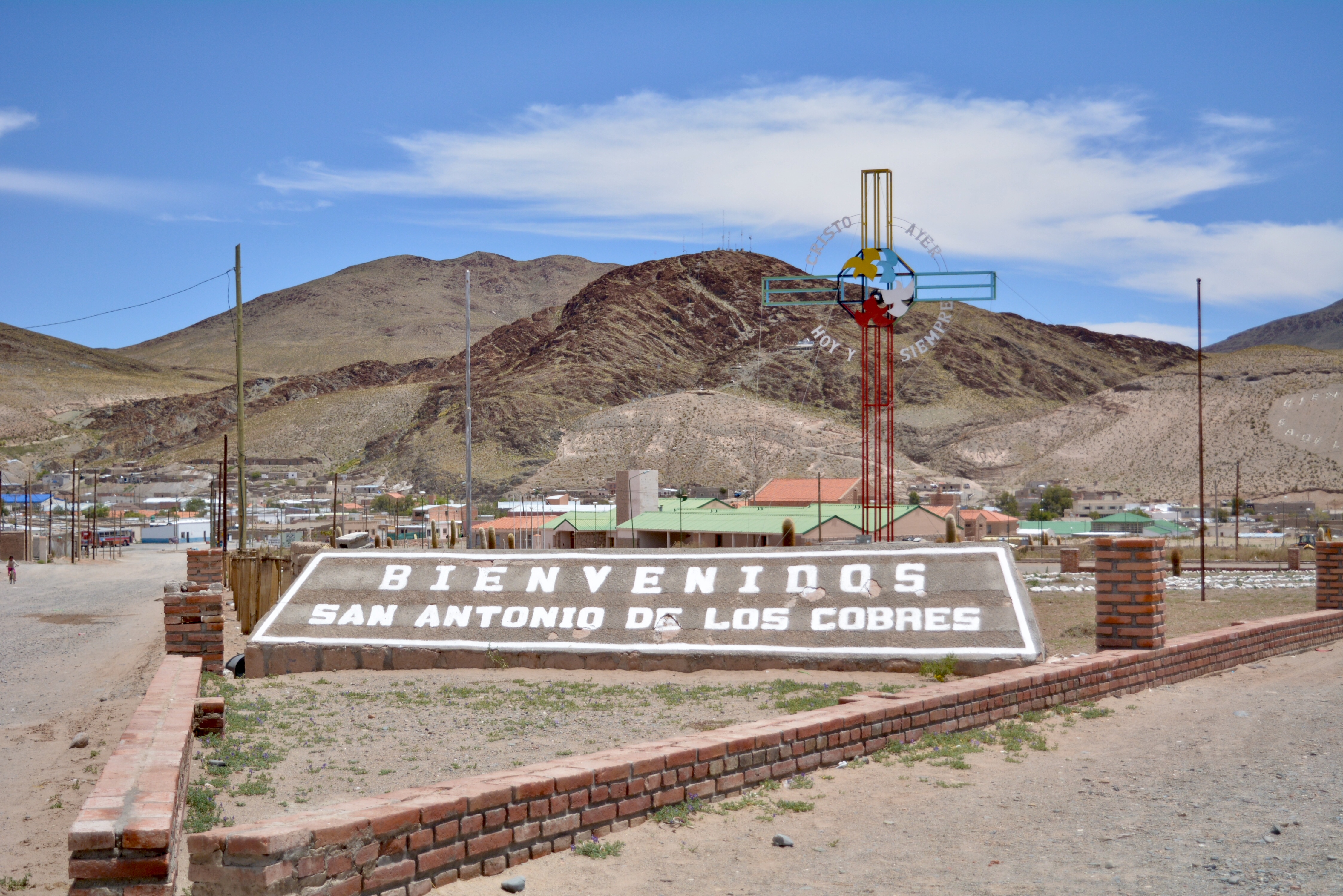
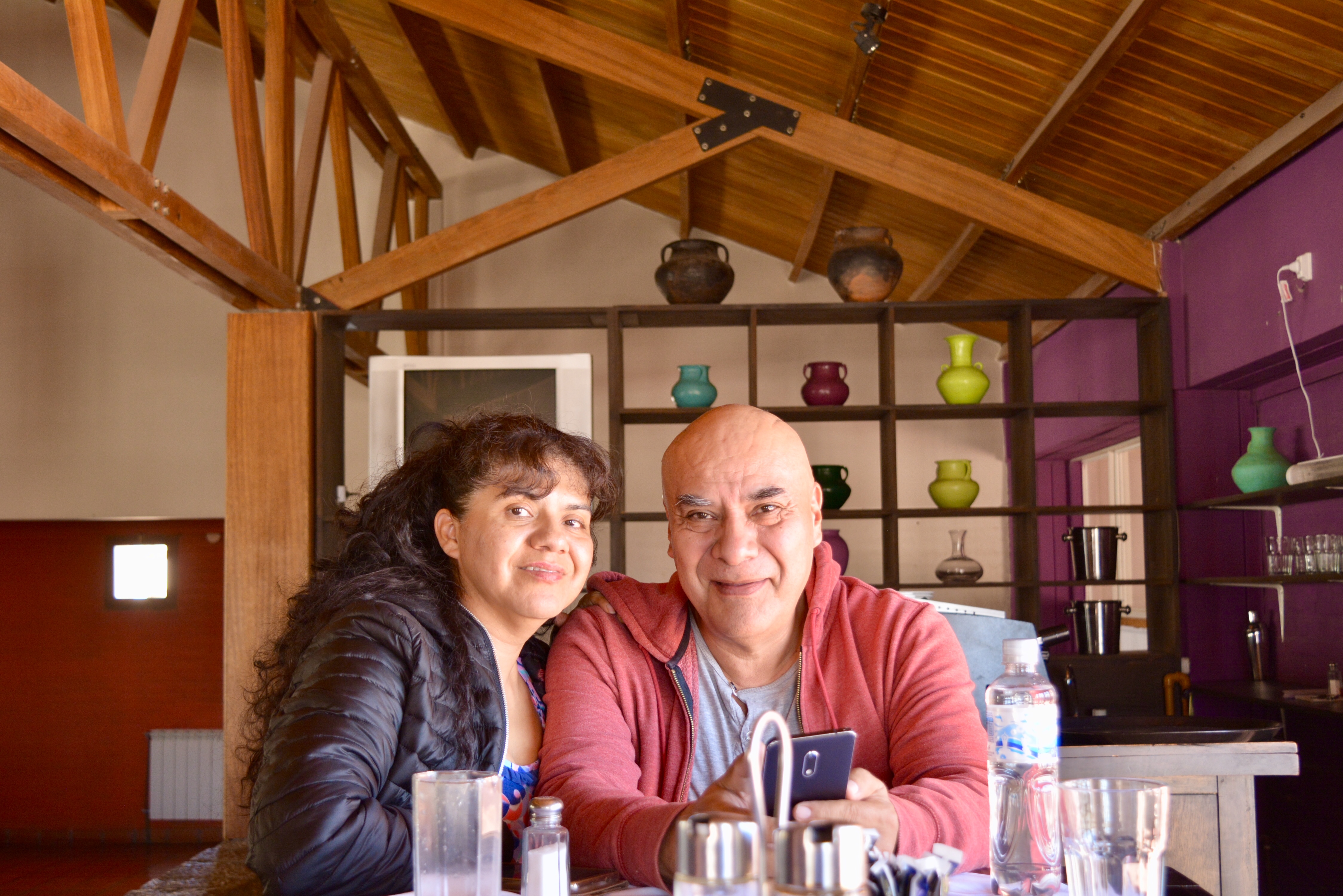
The first 7 hours of the drive from Salta to Tilcara were incredible the road was decent but of course winding and prone to erosion but the views were gobsmacking so we loved it. Still relatively “intact” we stopped for lunch in San Antonio de los Cobres, the highest city in Argentina. They say you shouldn’t go there without a hat, water, sunscreen and cocoa leaves to chew on for altitude sickness, a possibility as the town is a whopping 13,770 ft above sea level. We had a delicious meal at a chalet type resort run by the local people. Tourism is clearly an economic driver here, not much else seemed to be happening, but there are mines inn the area, so that may mean work for some. 

After lunch it was Javiers turn to drive and off we went on our merry way soon to discover that the next rather long and desolate part of the road was unpaved, full of deep potholes and at one point I had to exit the car and walk ahead through a small river to ascertain the depth and likelihood that the rental car would make it through. That accomplished, we bumped and thumped our way along the road, Javier, hitting the brakes often, to get us though the larger holes that seemed to come out of nowhere. 

Hours passed and finally in the distance we could see one of the main attractions to this area, (also accessible from Tilcara on the faster road), the Gran Salinas. It is a huge expanse of salt and is quite stunning, so white against the blue sky. Of course as a local attraction there are things to see beyond the great expanse. They have built small houses and other structures from blocks of salt which having turned brown from wind blown dust were not as grand as they might sound.
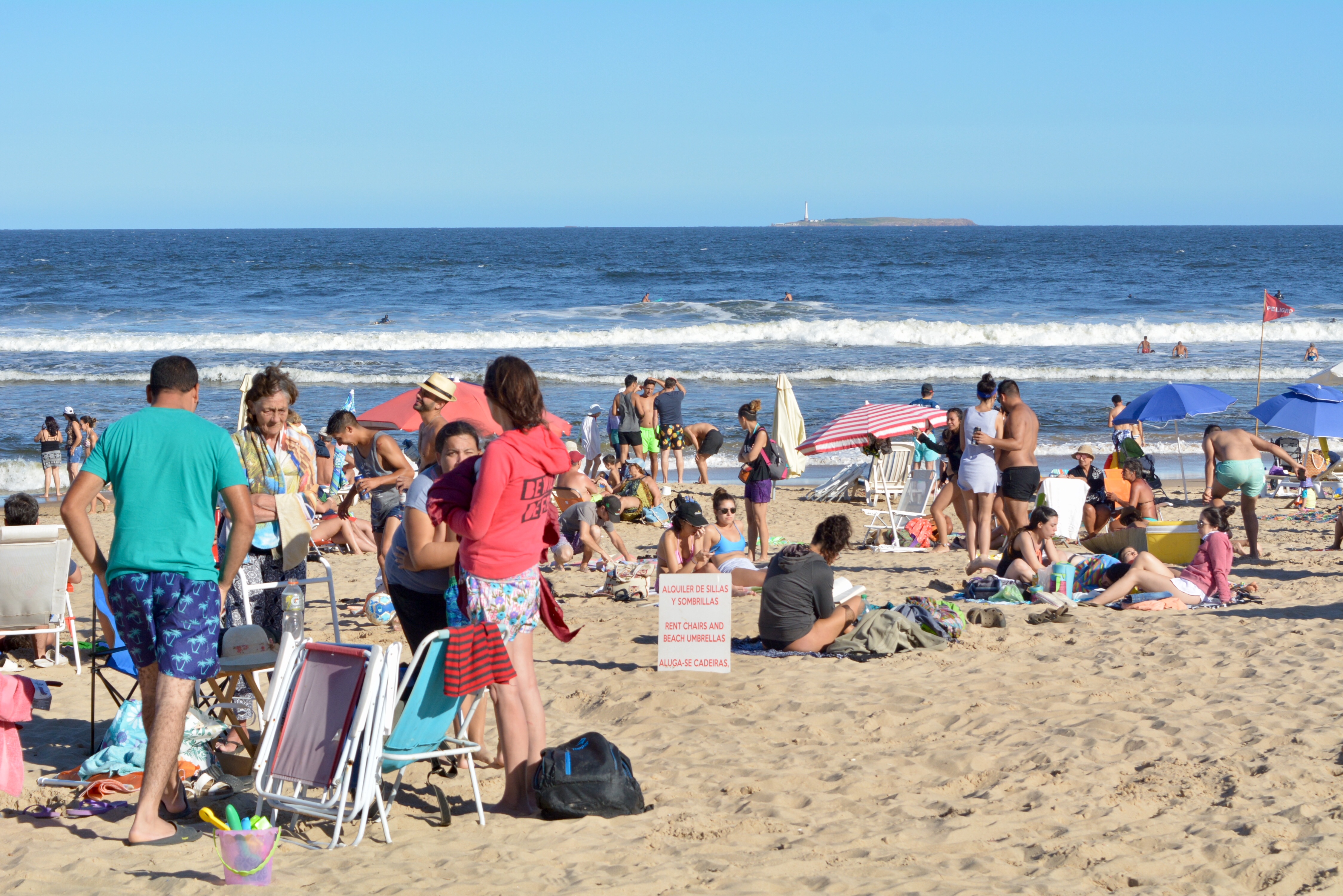
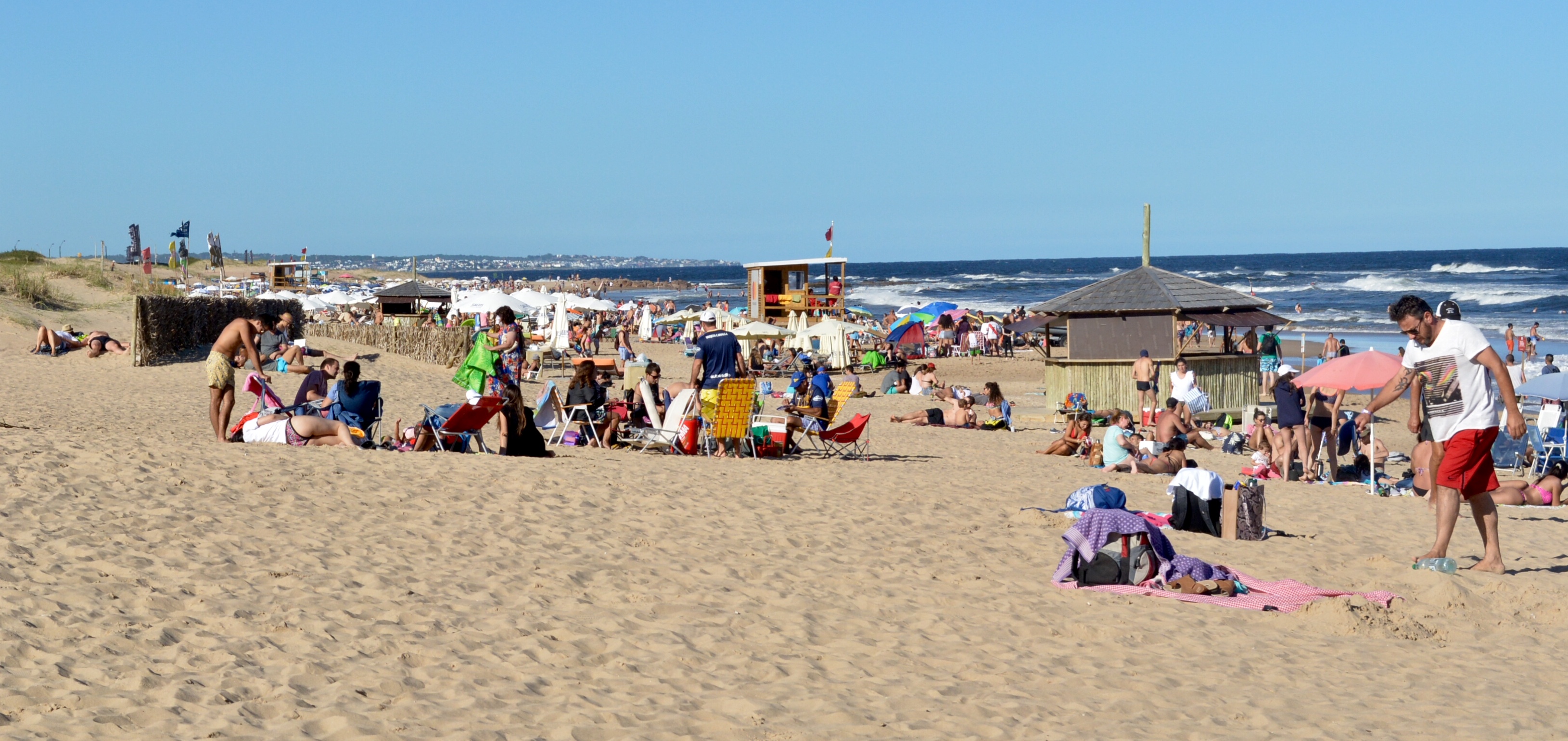
Once back on a paved road headed on the last stretch to Tilcara and just as nightfall approached, we came upon a line of traffic stopped dead. At first we thought there had been an accident but came to learn that it was a protest against a mine that was being planned for the area. I imagine this is an especially sensitive issue as at the moment in Brazil several towns have been devastated by erosion from mining.

A few hours later, with dark creeping ever closer, we were allowed to procede through the blockade and make our precipitous decent into The Valley below where bed and sleep awaited our weary bones. 

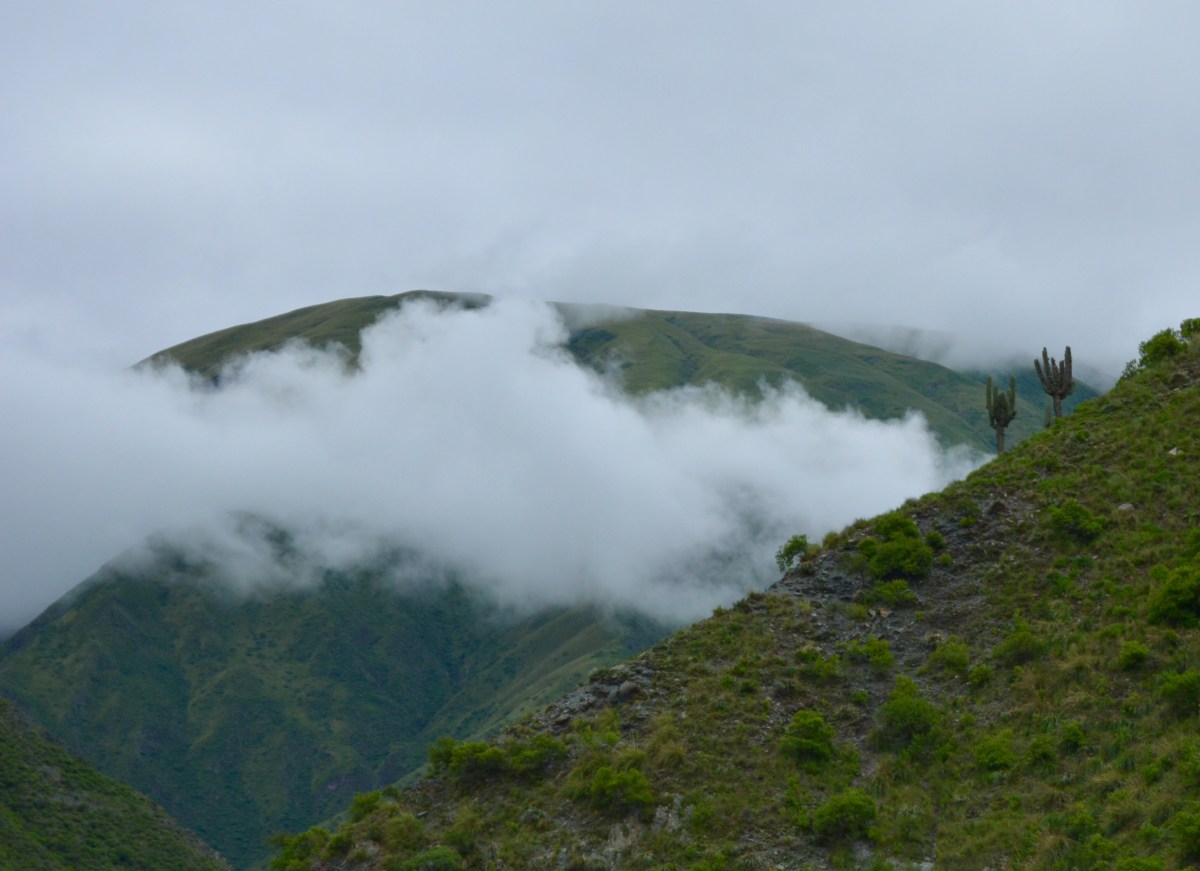
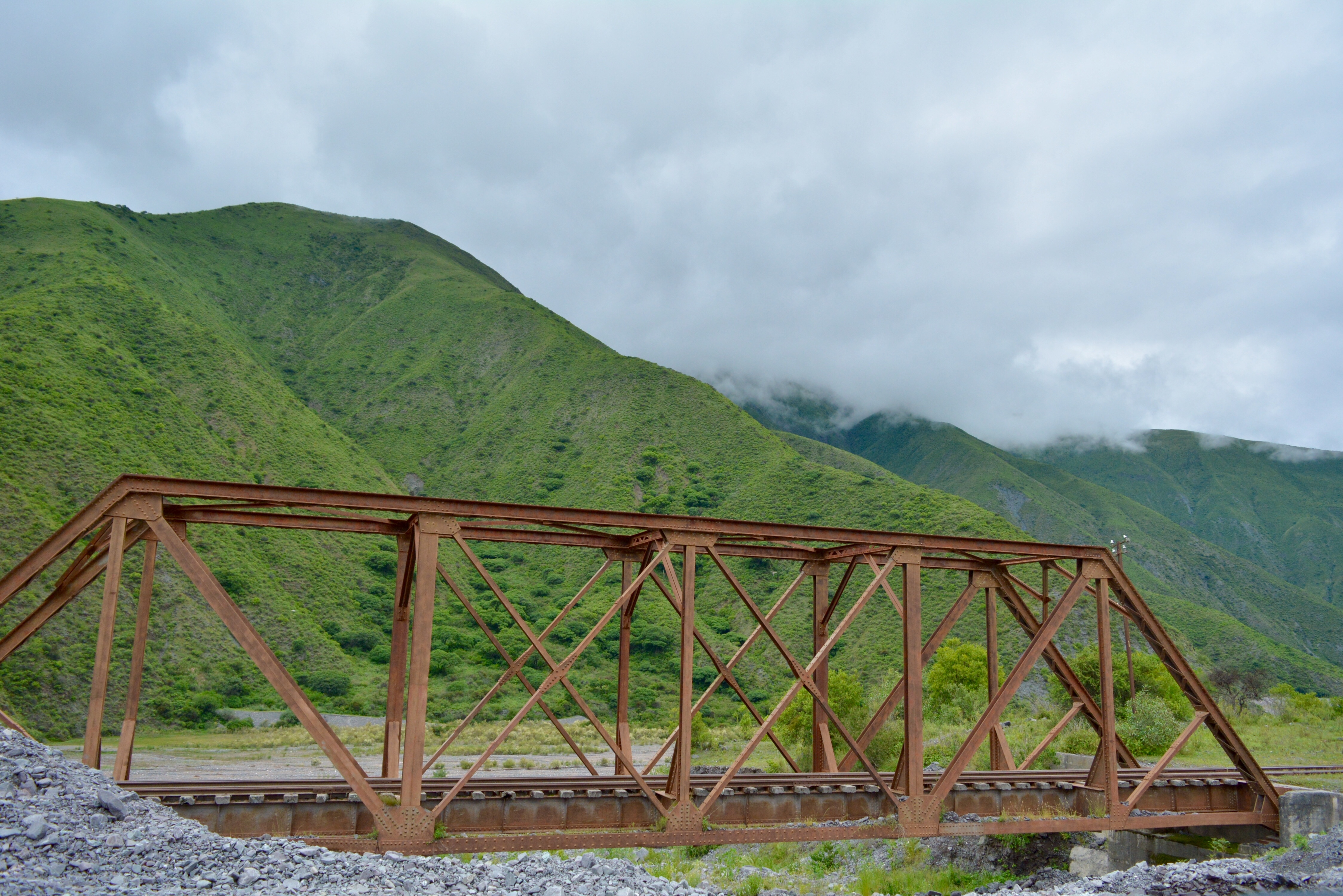
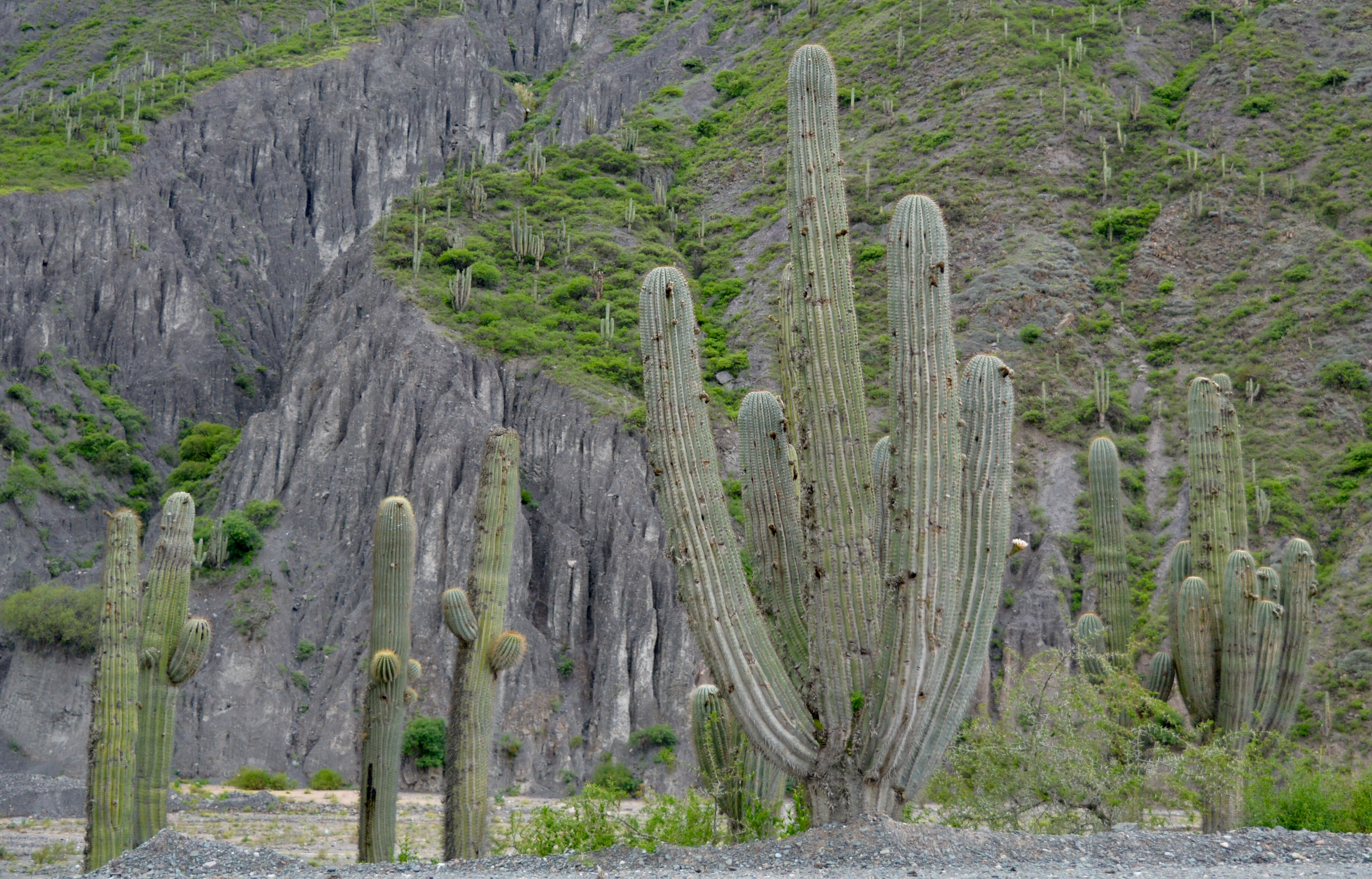
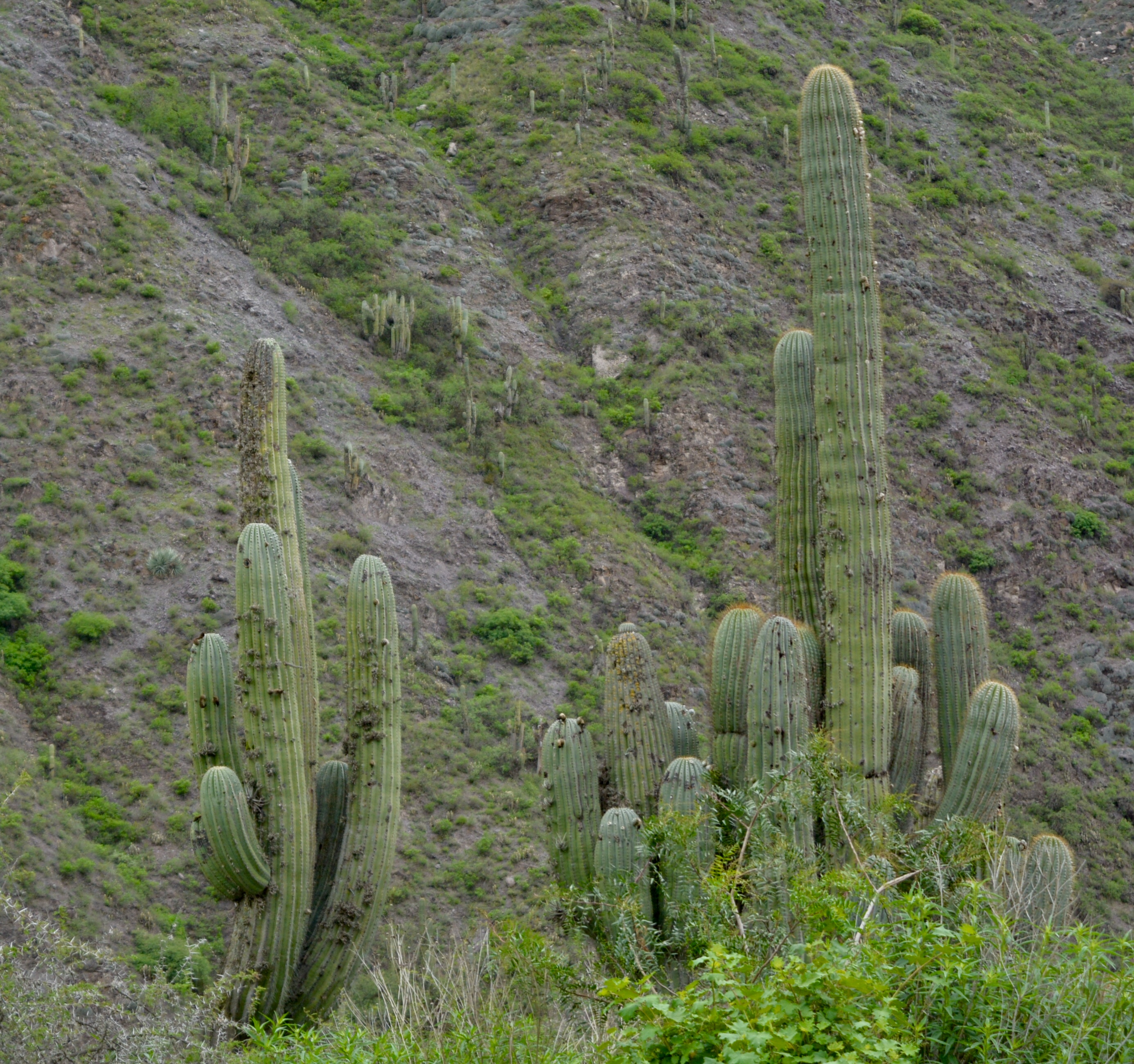
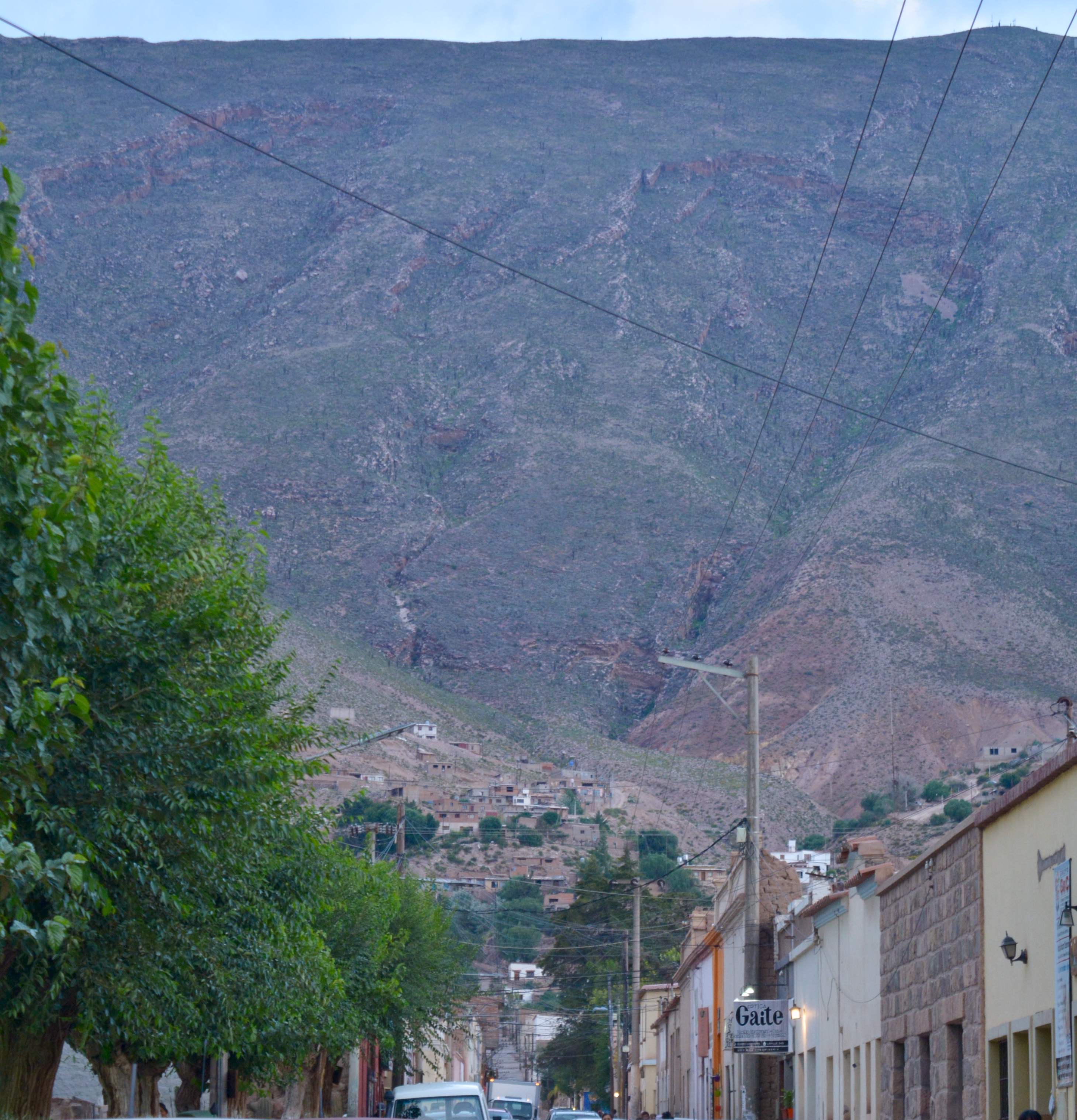
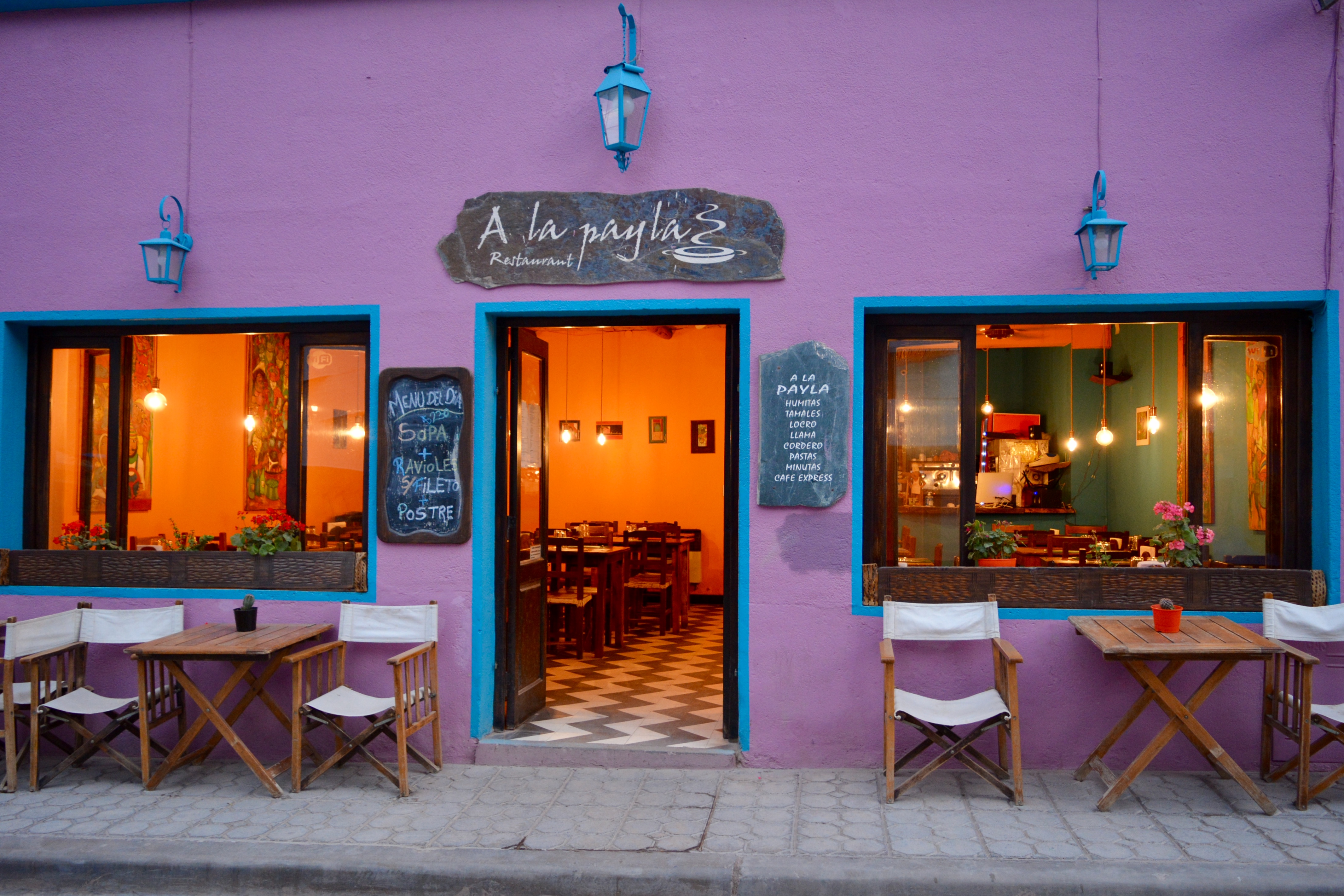
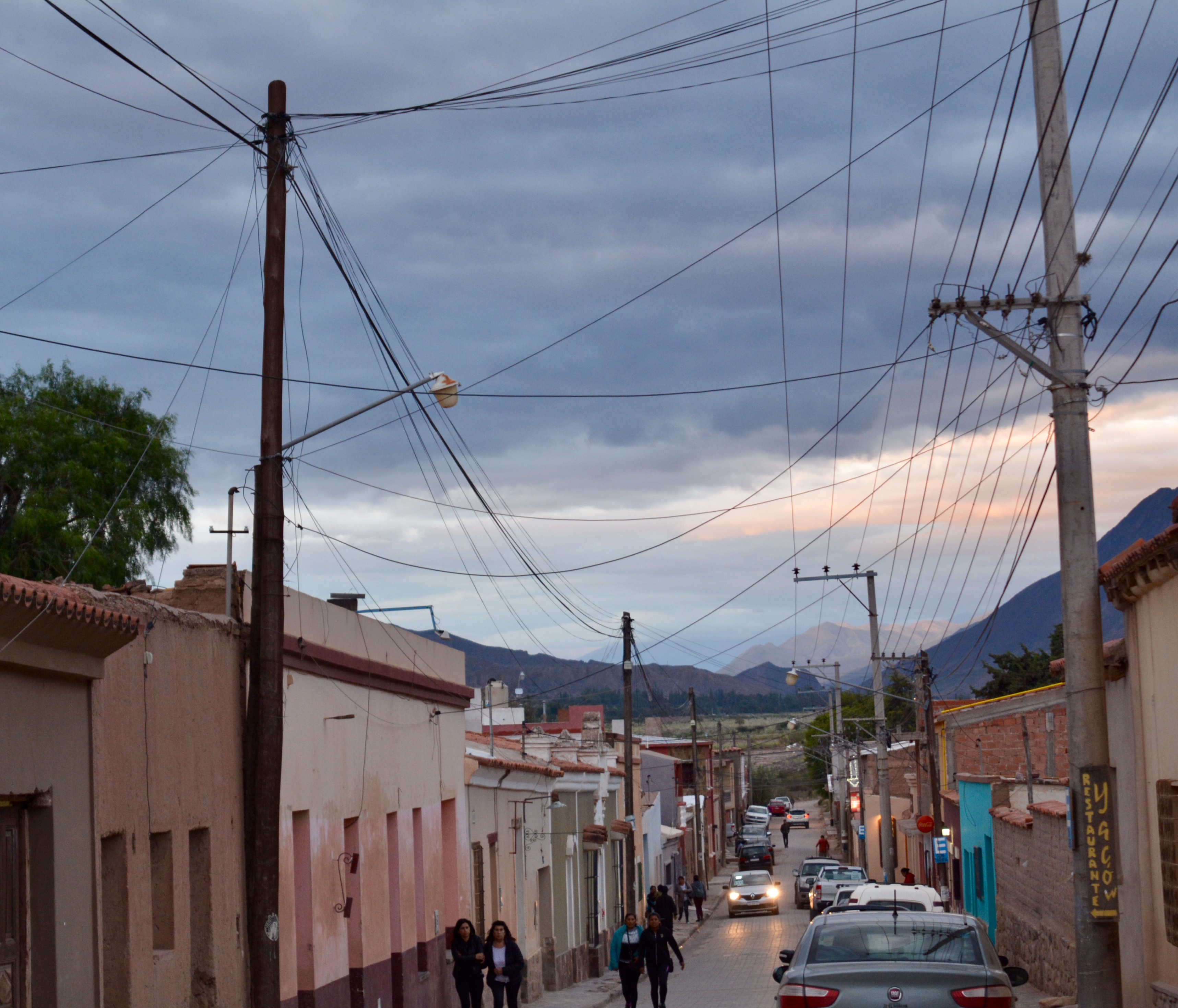
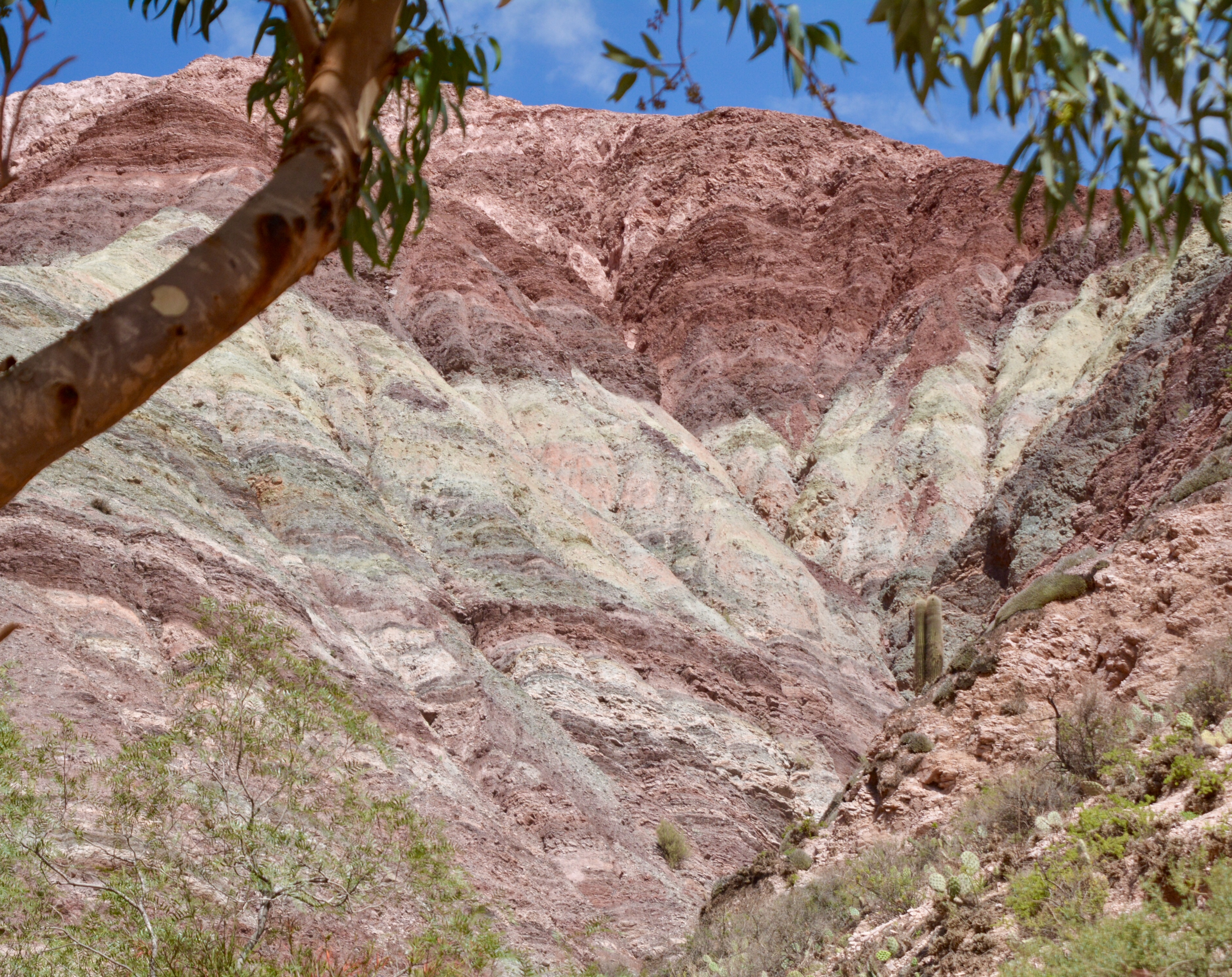
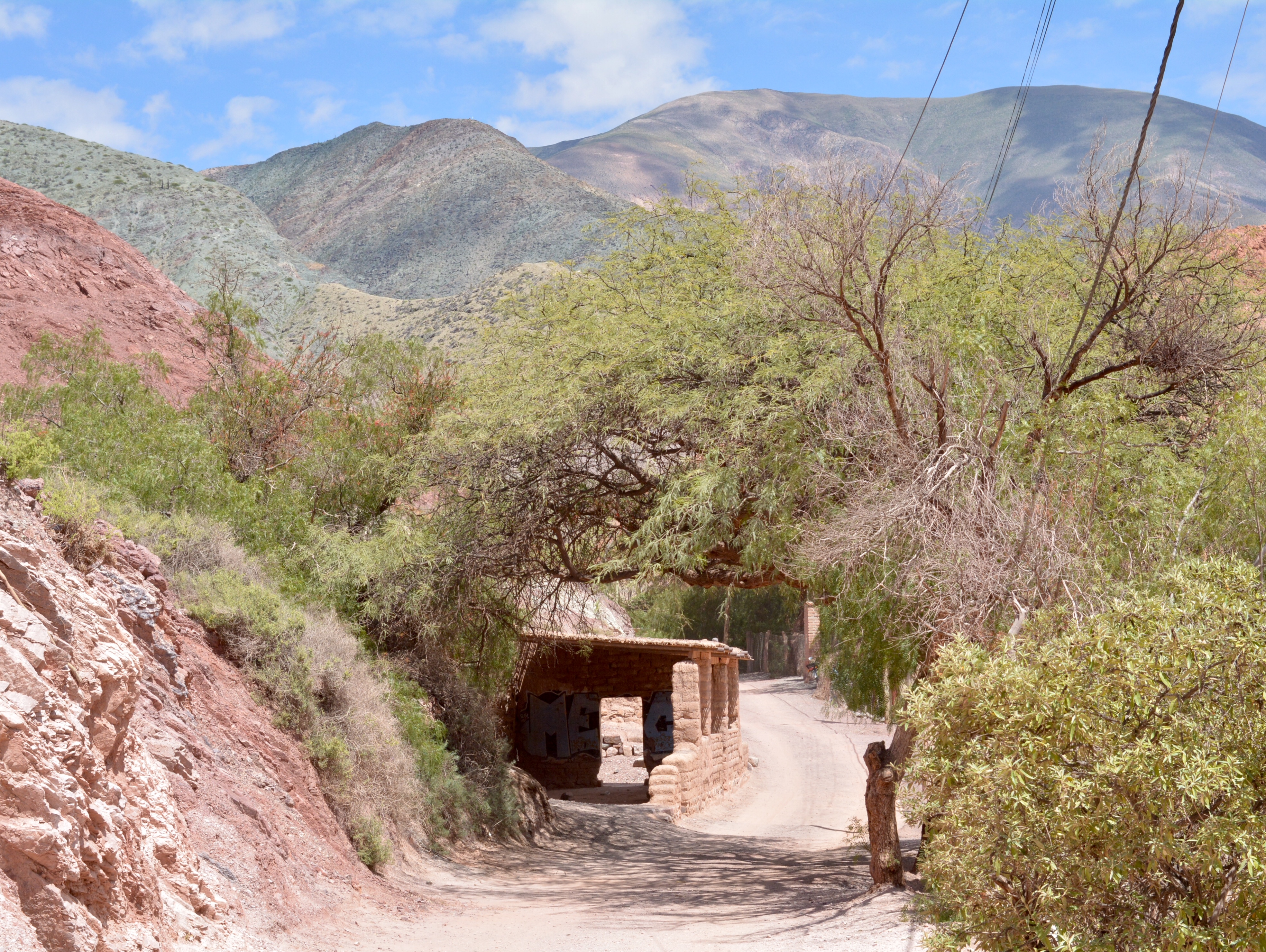
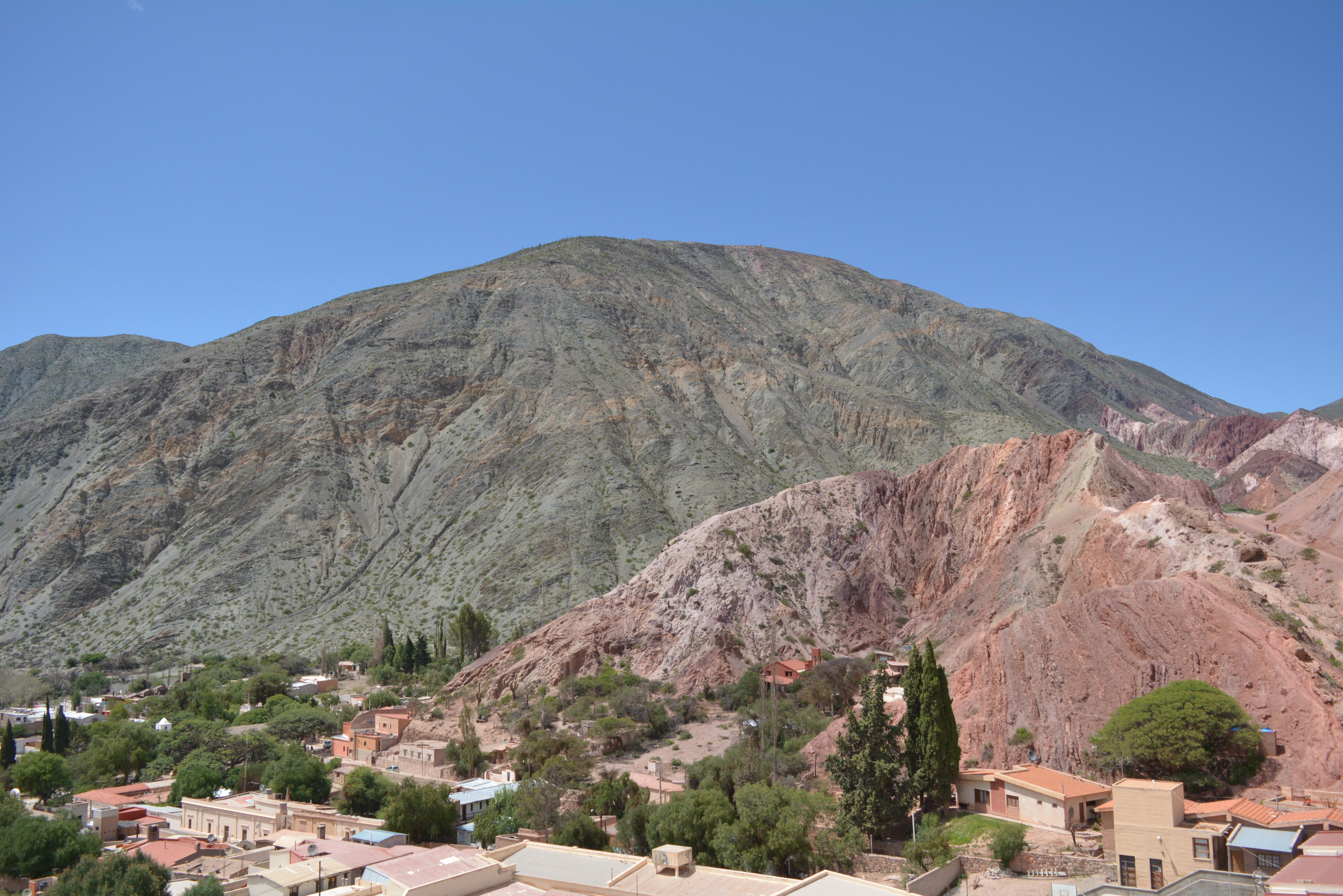
Tilcara, together with Pumamarca and Humahuaca are the main destinations for this northern part of Jujuy. As small mountain towns, they are all three very different and are positioned along the Quebra de Humahuaca, a 10,000 year old trade route that links Boliva with Argentina. The Quebra, or gorge, is phenomenal and the roads is full of twists and turns and beautiful vistas. Tilcara itself is beautiful but really the town is a launch pad for mountaineering type activities. It is full of young people, climbers, adventurers and the odd sophisticated types from Buenos Aires. Dinner that first evening was in one of several Argentinian style cafes where live music is the rule. It was interesting as the trio that was on stage played traditional music and instruments from Jujuy but everyone seemed to know the songs and there was a great deal of singing along and clapping of complicated rhythms. It was all taken very seriously and when one song would stop and before another would begin, the “lead” in the band would orate at great length about the songs and the traditions they represented. The diners gave their rapt attention, nodding in agreement, clapping at certain times and generally giving accord to the seriousness of the emotions being expressed.
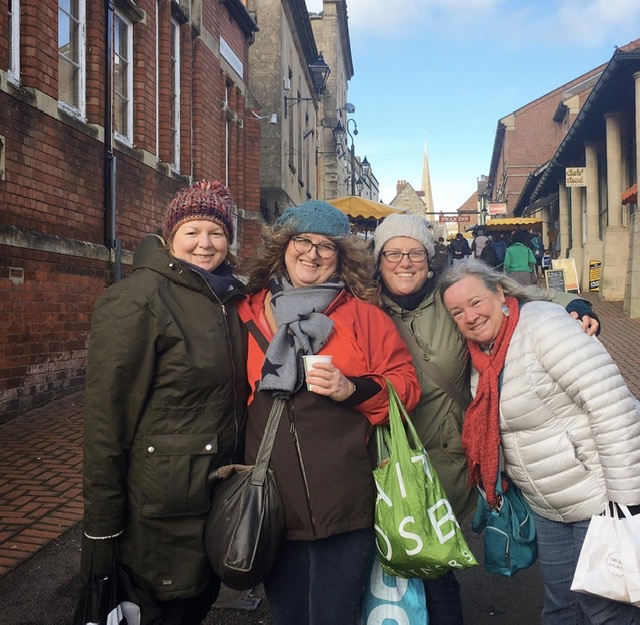
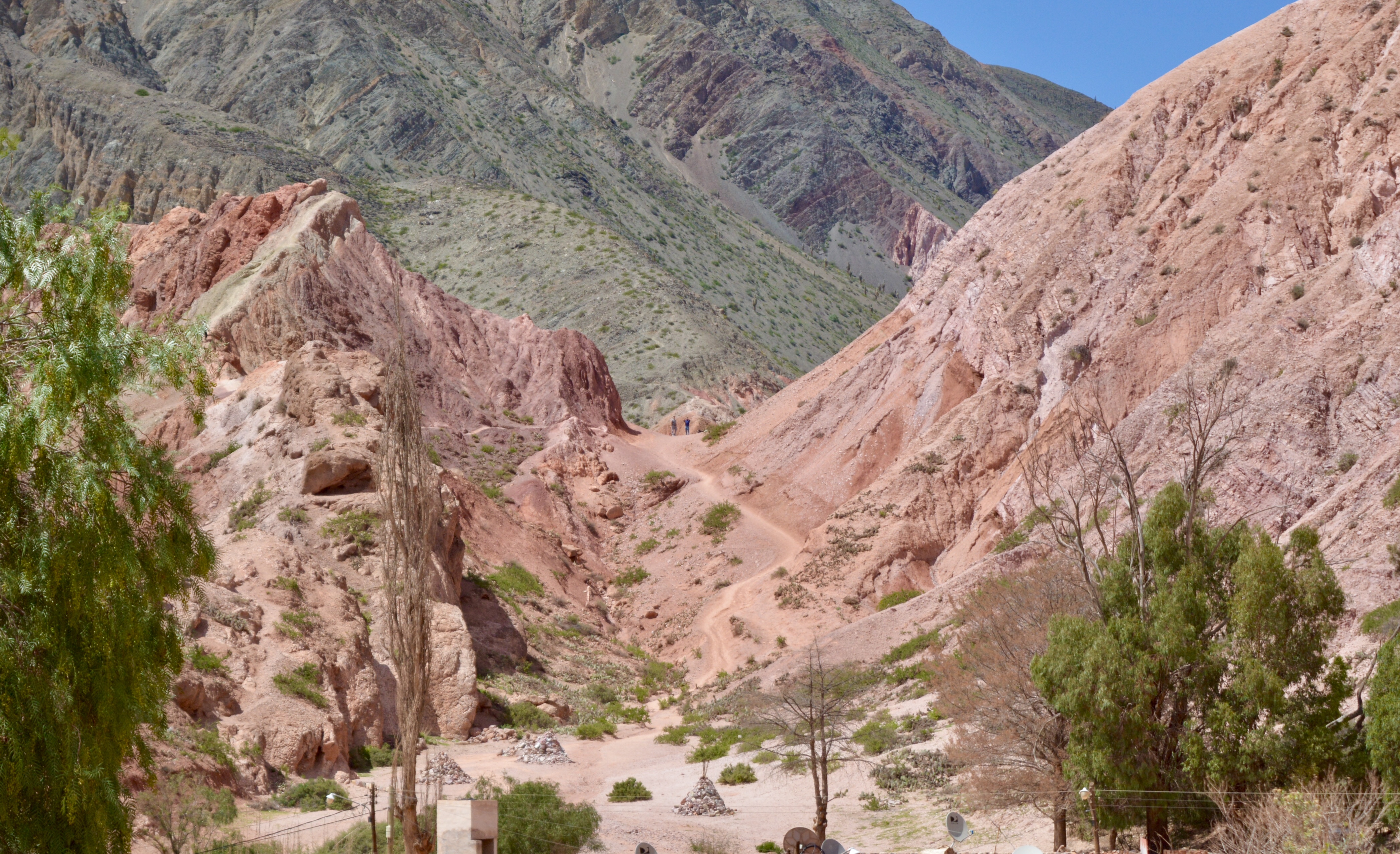
A late arrival led to a late breakfast and my Mexican friends decided they wanted a better look at the salt lake and I decided I would like to do some hiking in the local mountains. I shared a cab with them on their way back toward the Salt Flats, to the town of Pumamarca, where they would hire a guíde and I would spend the day solo, taking in the sites. I hiked up a hill in the middle of town to get a better view of the town and its beautiful mountain valley, from there I spotted another “easy” climb that was higher than the first.

It was great to have some solo time and to wander in the beautiful Andes in the incredible state of Jujuy. Even the name is inviting. Only two nights in Jujuy and it seemed like enough as we had spent so much of our time in the car seeing the sights as we approached Tilcara and the following day in Pumamarca. Sticking to our schedule of returning the car to Cordoba by the 21st of February, meant launching ourselves early from Tilcara and heading down the Queda de Humuhuaca and onto the flat plains of central Argentina.