Honduras – Lenca Trail

Oldest Living Greyhound
The Lenca Trail is a route that passes through the territory of the indigenous people of the same name who lived in this area and whose ancestors are still here today. It is some of the best of Honduras, beautiful mountains and small pueblos, national forests, hotsprings and fincas. Taking the bus from Copan de Ruinas is an adventure in itself and started with a ride on the oldest greyhound bus in existence. Remember the silver sided ones? In spite of its appearance, this bus had the most comfortable seats of any bus yet! Our trip to Entrada took us through several small towns full of people engaged in commerce, fruit selling, tortilla making and artisan sales. At Entrada we leapt off the oldest living greyhound bus on to a waiting chicken bus without comfy seats and the we were whisked to Santa Rosa where we ran to catch a crowded collectiva to Gracias, our destination on the Lenca trail.

Tortilla Conference
Gracias, shortened from Gracias de Dios (Thank God) is a little Honduran town that is the epicenter for the surrounding countryside. Our hotel was great and we were the only aliens in an other wise busy establishment, abuzz with a tortilla convention. The delegates, mainly sporting white cowboy hats, attended their sessions dutifully and met together for meals in the hotel’s cafe. At breakfast we sat amongst them and they were surprisingly silent throughout the meal. Very few words were spoken but lots of glances in our direction gave away their curiosity. In fact, Tom was in the pool one afternoon and several of them stopped to stare at him as if he were some strange exotic bird of an unknown species.

High Points and Danes
The staff at the hotel went out of their way to ensure our comfort and seemed to think we were great entertainment. We asked about a tour of the Celaque National Park and immediately they called a friend to take us to the park. Aside from being a beautiful Park, Celaque is the highest peak in Honduras, weighing in at 9350ft. or 2849m. It can be climbed but not by us as we chose to stay lower down and enjoy the incredible biodiversity of the flora and fauna. It was a great tour of the cloud forest with a young local guide, Angel Serrano, who spoke English and has great apirations of increasing tourism in Gracias. Apparently the president of Honduras is from Gracias and so the place is on the map for the first time, which could help. He led us up a steep trail through the cloud forest where we saw birds, butterflies and a dense forest boasting multilple species of trees and plants. Part way up the trail to a waterfall we stopped for a rest and along came a gaggle of Danes, Denmark being the home of some of Tom’s ancestors. Since he shares their DNA we took pictures of Tom with these young Danish specimens that go a long way to explaining Toms good looks, before they sped off up the trail of Honduras tallest mountain.

With Large You Get the Remote

We had a pizza one night at a restaurant which turned out to be someones house as we learned when we had to pass the bedroom on the way to the bathroom. We received such special treatment and the two girls who served us made sure that we felt welcomed and enjoyed the pizza. We were even given the remote for the TV! It was great. The cook seemed to live across the street, or at least that’s where he sat smoking as we entered and exited the restaurant, and So he had to be called in to service and of course to approve our order.

Cliffhangers
Another mention of a desire to see a unique little town called La Campa and suddently we had the bus driver himself making a personal appearance at the hotel to ensure that we knew how to make the trip and not only that when we arrived at the Terminale we got a grand reception. Rabin (the driver) was a close image of my nephew Kyle so it was spooky to have him as our driver on the bus to La Campa. He gave me the seat of honor at the front of the van beside the driver and off we went up and up and up to La Campa. The town is perched directly in the face of two great flat faced mountains with a deep gorge seperating them. On the rock face some brave soul had climbed up to paint a welcome to La Campa sign. The artist was not the only one who braved great heights as Tom and I stumbled across a man and his son propping a ladder against a hydro pole. Realizing that the young son was to hold the ladder steady, Tom stepped in and offered his assistance. We weren’t sure why a resident of the town would take it upon himself to make a “repair” to the hydro wires but he definitely rid the wires of some type of gizmo that he clutched on his way back to street level.
For a country that has such a bad reputation of violence and crime, the people of Honduras are warm and friendly. As we walked through this small village we were greeted over and over again by almost everyone we met. They all wanted to know where we were from and what we thought of Honduras. It was so nice. Two little girls giggled and wriggled as they practiced their one English work “hello”. A hotel owner introduced himself and his sister and neice and asked us all about our travels.

After wandering the town for an hour and a half or so there was the familiar rumble of the collectivo with the accompanying honking and we boarded our bus with Rabin and headed back to Gracias. The next morning we repeated our three bus routine back to Copan and readied ourselves for our next grueling leg. A two day trip to San Cristobal in Mexico. Sadly we have run out of time and will only dip our toes into Guatemala with an overnight stay in Antigua. We are saving our last two weeks for Mexico: Chiapas, Campeche and Yucatan.

,k
Y

Honduras Copan Ruinas

Getting There – A Real Work Out
An early morning start to travel long distances between Central American countries is part of the deal if you opt for a more comfortable and quicker mode of travel…the shuttle van. Run by tour operators, 15 passenger vans dart all over central america, more expensive that the chicken buses and not as many changes, they can offer more scentic route than the largerr tourist buses that stick to the main highways if there is one. Sometimes you get lucky and your fellow passengers are compatible or the van isn’t full and other times not so much. We left Leon, Nicaragua at 3:30 AM (I’m not kidding) with a load of backpackers and their surf boards, all of us headed for El Salvador.

Booking our ticket to Copan in Honduras on the shuttle meant traveling via the south western section of Honduras into El Salvador where we would overnight before continuing the next day through Guatemala and back into Honduras, apparently the shortest route. We arrived in El Salvador with plenty of daylight left to see such a concentration of poverty all along the way. Grinding poverty as I have seen it written. People bathing and laundering in brown creeks, dirt floored shacks of cinderblock, scrap materials and roofs of corrugated metal, all painting a grim picture of the economic status of El Salvador and the lives of the people who call it home. And many of them don’t, as there is a huge El Salvadoran population in North America.
We entered El Tunca (named for a giant pig shaped rock in the water at the main beach) via an armed gate and proceded to the hotel selected by the shuttle bus company. We had cute little cabanas right by a pool which sadly was overrun with partying backpackers from various countries. We walked through the town and down to the beach and clearly the place existed only as a beach vacation destination mainly for the budget crowd. Along the way, lots of shops selling beachwear and trinkets, restaurants and bars. The beach itself was beautiful and as evening approached it was good to see it being used by the locals and not just the tourists.
All in all El Salvador is a sad little place with a desperate countryside. We didn’t go to the capital so can’t comment but can only imagine that it is plagued by overcrowding, poverty, crime and slums, the common symptoms of urbanization in developing nations.
Cowboys and Leg Waxing
Day 2 of our shuttle saw us cross the borders of Guatemala and Honduras arriving in The hilly town of Copan de Ruinas by mid-afternoon. I had pre-booked a room on Hotels.com, seduced by the promise of a swimming pool and Tom stayed in the centre of town for much less.

Copan de Ruinas is a beautiful little town with cobble streets, a cosy central park and some really nice restaurants. It seems to be somewhat affluent judging by the vehicles and many of the houses.This is a beef region and so the town is dotted with white cowboy hats and real crocodile skin cowboy boots. Lots of cowboys in town with their families to shop, visit, or attend church while we were there. Generally people get around on mototaxis and the in-town fair is generally 10 Limperas, which I was happy to discover as my hotel was up a steep hill.
Staying somewhere for a couple of nights always offers an opportunity to get cleaned up. Laundry done, really long hot showers with shampoo and conditioner, suitcase emptied, shaken out and repacked are reasons enough to celebrate when you are on the road. But I had a special treat in store for me in Gracias. While walking along the street a sign caught my eye and I was lured in by a special on pedicures and manicures. Inside, I found a small crowd of friends who were definitely the glitterati of Gracias if not the entire county of Honduras. They were all gorgeous with sleek black hair, or slightly blonded by some artificial means. They were really sweet to me and I got the feeling they were perfomring somewhat for my benefit. Perhaps the most interesting client was a handsome young man in his late teens who was having full leg waxes and with every rip of the cloth and every application of the hot wax he winced and whined much to the delight of the girls in the shop. When he was all done, including having stray hairs pucked by the sharp eyed aesthetician he left the shop returning with a banana for each of us so obviously he didn’t mind the teasing, the photo taking or the threats to upload same to facebook. When I asked why he would subject himself to this generally female occupation(because I did wonder), he said he played soccer and needed the hair gone for the sports tape he wrapped his legs in.
Maya Ruinas – Copan

We spent two nights in Copan and spent the better part of one day visiting the Maya Ruinas just outside of town. At the site, I hired a guide named Victor, a sweet old guy, missing a few teeth, who had worked at the ruins for many years. He had been hired on various projects with universities from all over the world and is considered something of a celeb at the ruins. He was very informative and had a great sense of humor. When showed me the area where dancing took place he told me it was the Mayan disco. One of the toothless heads carved in rock, he said was his brother. It was very hot and and although it was interesting it was good to finish after two hours and to move inside to the museum and out of the sun.

Nicaragua – The Northwest Highlands

Happy to have spent nearly a month in Nicaragua and to have seen so many areas of the country, each one quite different from the other. The final area we explored was the northwest, a mountainous region full of fincas, nature reserves and small mountain towns connected by narrow roads that wind up and down through beautiful scenery. To get to this area we took a collective from Leon to the town of Esteli. The van was small and didn’t have a roof rack so we had to pay for an extra seat for our luggage. Traveling in close quarters with Nicaraguans is very comfortable as they are gentle quiet people with dynamite smiles. The slightest eye contact rewards you with with a beautiful and welcoming grin. For the most part Nicas, as they are known, have been helpful and kind and we have felt safe. In spite of its former reputation, Nicaragua is now one of the safest countries in Central America. Although not as openly gregarious as the Cubans and not as sophisticated as the Columbians, the Nicas, somewhat aloof at first blush, show genuine warmth and friendship once they get to know you. This is a people that you only hope the best for.

I guess I haven’t been paying attention so I was surprised to learn that Daniel Ortega and the Sandanista party are very much back in power after a hiatus of some decades. There are billboards along the highways declaring the good works Daniel is doing and throughout Nicaragua we have seen road and sewer repairs and it seems as if every city is having the cathedral and the Central Park restored. Tourism is on the rise as Nicaragua maintains a peaceful society and that combined with agriculture and the possibility of a canal, could spell hope for a brighter future for the more impoverished people of this country. Like its neighbours that we have visited, there seems to be some wealth available but it falls into the hands of the few.

The hills of the northwest are important to understanding Nicaragua history as they are the birthplace of the Sandanistas movement. In 1927, the left wing nationalist movement led by Sandino and his militia declared war on the United States. Since then the struggle continured to free Nicaragua from the imperialist grip of the United States right up until the Contra affair in the late 70’s.

The hills and mountains of Northwestern Nicaragua are full of small fincas, cooperatives, pueblos and each department or county has a larger centres such as the three we visited, Esteli, Matagalpa and Jinotepe. Esteli was the scene of a great deal of violence during the overthrow of the Somaza regine led by Daniel Ortega. Coffee fincas and cattle ranches, fruit and vegetable farms and close ties to the Sandanistina government have all benefited this region. In all three centres we saw prosperity amongst who we assumed would be the owners and managers of fincas but it seem that most people are still living at a subsistence level in tin roofed huts with dirt floors and no running water.

The hills are dotted with nature reserves that offer hiking trails leading to great views of the terraced coffee farms, water falls and cool rivers for swimming. Coffee fincas are starting to engage in argri-tourism and are opening their homes to travelers who want to see how a finca operates. Each of the three centres we visited had something to offer in terms of history, museums, a glimpse into local commerce and of course a bus terminale that got us from one place to another. Although the towns themselves were interesting, spreading up and across the hills that surrounded them it was the country in between that was really the attraction. The beautiful views of the emerald green fields and the mountain top coffee terraces were beautiful to see.

In Jinotepe we attempted a climb up a local hill that is climbed every year in May by the entire town. It was too hot and steep for me so I waited part way while Tom continued to the top. When he reached the top there was repair work being done on the shelter that stands next to the giant crucifix that can be seen clear down the valley. An armed guard told Tom he shouldn’t be walking in the hills alone and that there had been robberies. He walked Tom part way back down the hill as a precaution. There I had been sitting by myself enjoying the view, nursing a cold and thinking there were worsh places to feel sick than on a sunny mountainside in Nicaragua!


Nicaragua – Leon – Las Penitas

Chicken Buses – Only Five Hours to Go

Some years ago the US and Canada rounded up all their old school buses and herded them south of the border. For those of you who were wondering where old buses go, they are alive and thundering around in Panama and Nicaragua. They call them “chicken buses” probably because the name reflects some of the clientele. You might not even recognize them as the yellow school buses that you once rode because they have undergone major fashion overhauls. Bright colors, glossy fabrics, dingle balls and home-made speaker surrounds add to the excitement of riding these not so comfortable and very crowded buses.

Drivers range from good to bad to indifferent and they are alway accompanied by a muchacho whose job it is to keep order, stow items and collect the fares. Often the muchacho is your only contact with the “bus company” and they can be very helpful regarding schedules and directions. Terminals are like rodeo corrals, wild and dingy places and once you’re off your ride you just want to clear out, and there are plenty of clowns who want to help. If that’s not possible you will find a collection of restaurants with dirt floors and few if any amenities but as we discovered they can have good food.

Leaving San Marco – Leon Here We Come

The 8:00 AM bus from San Marcos to Leon was nearly full when we arrived at the station. Davie hurried aboard the bus and claimed the last two seats for us at at the very back of the bus which sadly were above the motor. Hot doesn’t begin to describe the six hours in the sauna that is a chicken bus with not a spare inch in which to stretch and my legs dangling from the too high long bench of seats that make up the back row.

With only five hours to go, we were grateful to have gotten the last of the seats as there was standing room only by the time we were an hour out of San Marcos. Shortly after getting underway I noticed a middle aged woman dressed in a dark business suit standing in the aisle. She had impossibly large and well coifed hair and seemed to play an official role of an indeterminate nature. At first we thought she worked on the bus and that her job was ensuring that seniors had seats given up by recalcitrant youth. But then, in the kind of voice that soars above an aging engine and for the longest period of time humanly possible, she proceded with a lecture that included, amongst other things, medical and beauty tips. Finally her speech over, she squeezed her way up and down the crowded aisles selling books, the source of her lecture topics. What was really impressive is that she could expend so much energy in such unforgiving heat for such a long time and not drop one bead of sweat, managing to keep her hair very much intact while mine dripped and clung to my scalp, losing all sense of decorum.

Las Penitas

A good place to stay in Leon is not in Leon at all as it turns out, but some 20 kms west of Leon in the beach town of Las Penitas. A quiet fishing village we were lucky enough to decide on while we had six long hours on the chicken bus to read about and to reflect on how hot the city of Leon might be without the advantage of an ocean breeze. Chester the cab driver took us from the terminal in Leon out to Las Penitas and patiently waited while Tom jumped in and out of his cab several times before deciding on a suitable hotel. As usual Tom picked a winner and we each had a bamboo cabana at the beach front Boca de Oro hotel for 25 USD.

One of the highlights of our stay in Las Penitas was a kayak trip up the narrow channel of water along the inside of the Isla Juan Venado. The tidal bay of Las Penitas provided enough water at low tide for us to paddle out and up the channel and past the mangroves. The Isla is 22 kms long and has some of the most pristine deserted beaches on the outside that we have encountered. Although a little rough for swimming we enjoyed playing in the waves before paddling back. The hotel had packed us a lunch and we enjoyed a picnic on the sands with not another person in sight. The area is a sanctuary for turtles and is protected and watched over by the people of Las Penitas. In order to visit you must stop at the reserve office and pay a small fee that helps support the program. Mangroves are astounding things and they look well poised to take over the world if the need arises.
Leon
We didn’t eschew Leon altogether and we spent a day exploring the city and making arrangements for onward travel to Honduras. Leon is a pretty city and was once in competition with Granada to be the capital of Nicaragua. But since an agreement couldn’t be reached both cities lost out and the honor went to Managua, which strangely is the least appealing of the three major cities in Nicaragua. A colonial town full of monuments and churchces, some of which are busily being restored, it has long been the stronghold area for the Sandanista party and President Daniel Ortega. Also the intellectual and artistic capital it is home to several universities and the city is adorned with murals that reflect political events and ideology. It has the largest cathedral in central america and as impressive as it is outside it is even more so inside.
Just the trip itself to Leon is worth it. It is the city at the end of the “ring of fire” a series of volcanos that line the route from Managu. Cities can loose their appeal after a time, even beautiful colonial cities don’t outshine the beauty of the countryside in the area around Leon with mountains, volcanos and fertile valleys.

Nicaragua – San Juan River

Leaving Ometepe

Sad to leave Ometepe, we had two choices on how to reach our next destination of San Marcos. We could either sit up most of the night on the long ferry ride across the rest of Lake Nicaragua or we could fly for $73. USD. We said our said goodbyes to our friends at the Hotel Finca Santo Domingo hotel and set off by taxi to the airport for our twenty minute flight which took us over the Concepcion Volcan and alongside the Marineras Volcan. Our last views of the beauiful Ometepe were from the air. A bit bumpy heading into the constant head wind off Lake Nicaragua but we soon found oursleves in San Carlos where we were picked up at the dock by Davie from our Fish Camp, La Esquina de La Lagua (The Corner of the Lake).

At the Corner of the Lake Nicaragua

When two rivers share a corner of a lake in the south east corner of Nicaragua magic is born. A place of transience like no other, the San Juan River flows 192 kima from Lake Nicaraugra into the Caribbean and right next to the San Juan is the Rio Frio which flows from Costa Rica to Lake Nicaragua. Once waterways for pirates and gold seekers, the corner of the lake still has that frontier feeling, a place that time forgot. Not many tourists make it to this area which make the Biological and Wildlife Reserves in this area even more inviting.

The air is hot and humid and when it rains, which it did most days, the skies open and the downpour on the tin roof of my habitacion could be deafening. Fortunately it would only rain for a short time and luckily each time we were indoors. Soon the rain would stop and quiet was restored, broken only by the call of birds, the lapping of the river and the distance thrum of outboard motors. Tom being a bird watcher was in heaven and spent his time photographing and rhapsodizing over the host of species he enjoyed every day.

French Cooking at a Nicaraguan Fish Camp

The fish camp is owned by a French ex-pat Fillipe who settled in the Caribbean and eventually moved to Nicaragua. Not short of opinions Fillipe offered his ideas on the most recent canal proposal that would see digging along the Rio Gordo. This latest route takes canal plans away from Rio San Juan which is much wider and deeper but is subject to seasonal low waters and a few rapids. Canal talk has been just that since well before the Panama Canal and a number of routes have been proposed. This latest proposal is backed by China with Russian investment and will belong to China until the investors are repaid. At least fifty years. Fillipe says he will not live to see the canal built (he looks to be about 75). Opinion about the canal is said to be strong and divided amoungst the Nicaraguans, with of course some doubting that it will even happen, although roads have been built to bring in the machinary to dig the canal. Let’s hope if it does happen that a more equitable distribution of the resultant wealth helps all of the Nicaraguan people and not just some like you see in Panama.

To Fillipe’s credit, the staff at the “Esquina” are all Nicaraguans. In addition to room and board, our $50 USD a night bought us unlimited kayak, guide and motor launch time. The night of our arrival we took a night cruise up the Rio Frio in the launch, on the hunt for caymens. We spotted several but they were quick to dive as soon as our spotlight picked up their gleaming eyes beneath the jungle overhang. Our guide Davie, born and raised on the river had a knack for spotting them that only someone of the river could. At one point he pulled up to the shore, reached over the bow and extracted a baby caymen from the muddy water. It was brilliant to see one up close and he held it long enough for us to pet it and examine its scaly skin and pointy features. He actually called it to the boat by imitating the sound of its mother which is what brought it to the surface long enough for him to make the grab. We weren’t the only boats out skimming the river on this dark night and occassionaly we would see other motor launches slipping by, or dark figures paddling dug out canoes silently into the night.

Meals at the camp were made by local women and served by the camp muchacha who was a dwarf and who made us feel very welcome in spite of language differences. He was enthusiatic and knowledgeable about his river home and several times he called us to the deck rails to see a bird or a reptile. Fillipe trained the women in French cookery and we had meals of roasted potatoes and steak with buttery sauces. It was very nice. My room had screened windows on three sides and being on the second floor of the floating camp which meant the night breeze made sleep possible. It was impossible to sleep late as the birds were up and squawking by 5:30 which had Tom leaping from his bed and me pulling the sheet over my head.

Birds Galore

Tropical Rain Forest & Cattle Fincas

Day two at the camp saw us touring far up the Rio Frio on the camp launch with our guide Davie. We slid past fincas with cattle and assorted crops that gave way to tropical rain forest with more birds than you could name. Parrots, herons, egrets, fly catchers, king fishers, not to mention other creatures like a lime green gila monster and a number of monkeys. I am certainly getting my education on bird life. The fincas along the river are very rustic and the families live in relative isolation with the river being their only means of transport in or out of San Carlos the major center on the San Juan

Heart of Darkness

On day three Davie took us by launch to San Carlos and helped us to find tickets up the river to El Castillo a Spanish fortress built to hold back the British backed pirates that were regularly ransacking Granada. They would travel up the Rio San Juan and then across Lake Nicaragua. We opted for the fast boat which would take us up the Rio San Juan to El Castillo in 1.5 hours. Little did we know that the wake of the bow of the fast boat would provide us with showers when the captain turned the boat in or out of the shallow channels of the river. Photography was out of the question.

El Castillo is a beautiful little town on the river, complete with stilted buildings hanging out over the river and quaint artisitic touches on clapboard buildings and of course a resident rooster who keeps his eye on vistors. Tom made a terrible pun with his foot resting on a downed palm about “winning palms down.”

The town reaches right up a hill from the river banks and at the top of the hightest knoll is the ruin of the Spanish Fortress that dates back to 1675. Horatio Nelson himself attacked the fort at one time and nealry died of dysentery in the jungles of Nicaragua. Thank God he survived to be glorified and preside over Trafalgar Square. One of the assaults by the British was repelled by a young Castillo girl, still just a teenager, but who had been schooled in the “arts of men”. The fort looks down on rapids that make navigation difficult in the dry season.

Having asked a succession of people when the boat returned to San Marcos from Castillo we took ourselves down to the dock at 2:00 only to find that we were alone in what should have been a throng of would-be passengers. Of course, in spite of what we were told by several different people, there was no 2:00 boat and we seemed to be the only two passengers not in the loop.

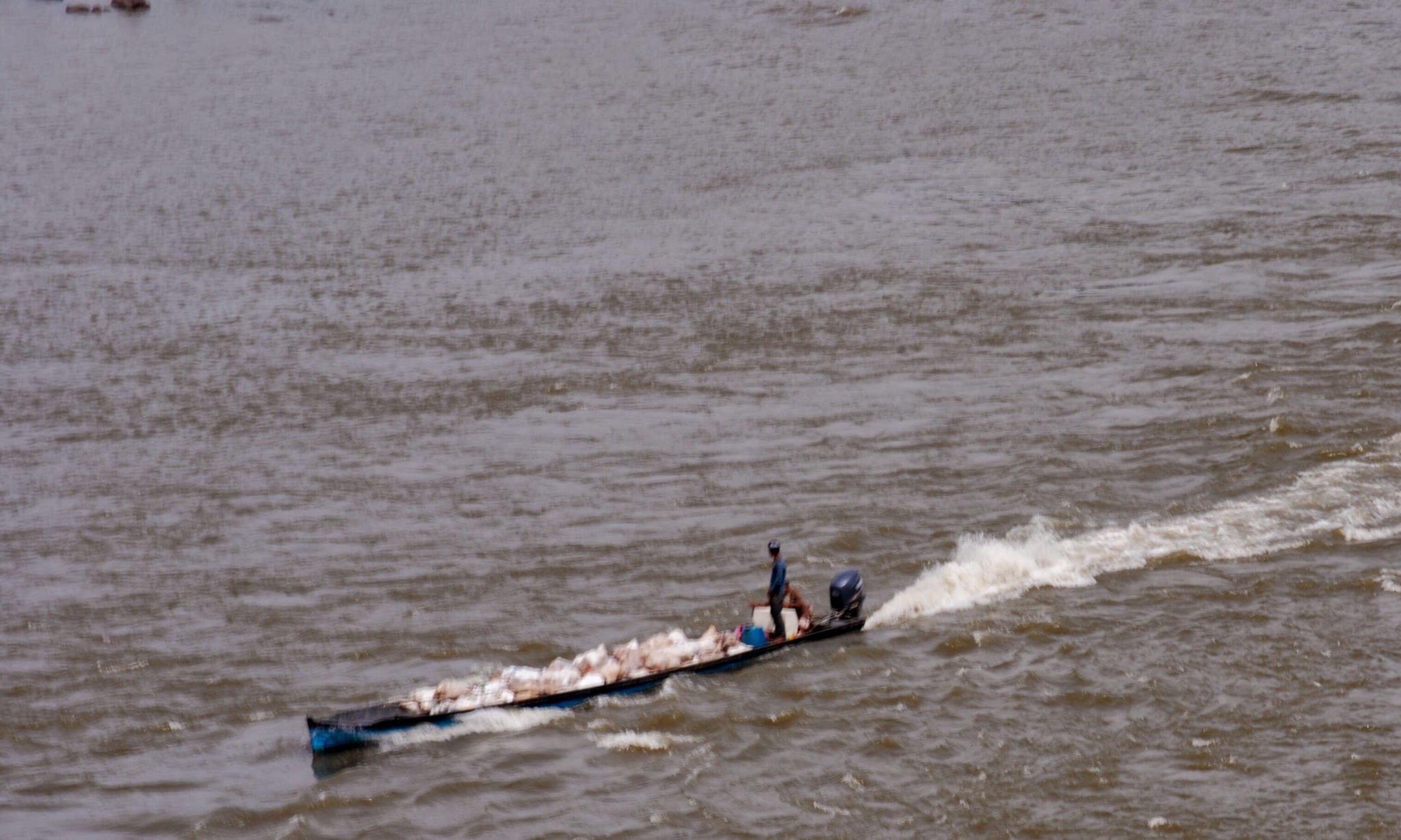
Just as we were resigning ourseves to staying the night in Castillo, and having watched a coconut boat pull away (potential ride) along came a long skinny launch, clearly a working boat of some type, and we negotiated a ride to Boca De Sabalos, another small settlement back up the river, where, the boatsman told us we could catch the last bus back to San Marcos. I bought a round of cokes at the dockside tienda and we left satisfied that we would be able to stick to our schedule of departing San Marcos for Leon on Wednesday.

Once in the boat and underway, Tom remarked how great it was because we would have the photo opportunities that we had missed on the way up the river but I told him to hold on to that thought because just as he said it I spotted something by my right foot. A great spray of water poured in from a hole in the fiberglass. We turned back toward the captain with what were probably looks of alarm and he calmly pointed to plastic liter bottles which we were to use to bail our way along the river. Dutifully we took up the task and before long we were safely in Sabalos, having enjoyed a most unique adventure. There on the bank of the river was the chicken bus to San Marcos. It turns out the hole in the boat was made by a cow which the ranchero regularly transports along the river. Can’t imagine the boat not tipping with the weight of a distraught cow-but then maybe they like their boat rides.

After paying the boatman considerably more than what we thought he had set as the price we had a quick clamber up the muddy bank and we were enjoying the throbbing base of mega speakers blasting salsa music from the overhead racks on the chicken bus on the bumpy road back to San Marcos. At one point we hit a hole so deep I did about a foot and a half of air time, crashing back down onto the not so padded old school bus seat.

On to Leon

Our adventure made a good story back at the fish camp and everyone there was just as puzzled as we were by the absence of a return boat. Although the river was beautiful, three nights was enough to see what we had come to see so we were glad to pack up the next morning to catch the chicken bus to Leon.


Nicaragua – Ometepe

Volcanos’s in a Lake

The island of Ometepe is in the middle of Lake Nicaragua. To get to Ometepe you can take one of three ferries which leave from Granada, Rivas and San Carlos on the opposite side of the lake from Granada. We took the four hour ferry ride from Granada to Ometepe and Tom smartly chose the perfect spot to sit which gave us great leaving and arriving views. The ferry is a double decker and foreigners are given a first class ticket and are made to sit up top which is great but leaves the bottom deck for the Nica’s as they call themselves. The top deck is open at the stern and we paid a few dollars more for a deck chair that we were glad to have as the crossing is long and a little on the rough side. The wind whipped up as we crossed between Granada and Ometepe and occasionally a wave would crash against the bow and furl around, up and over the top deck rail. There were several squeals out of the young backpacker crowd as they watched their gear get wet. We had smartly stowed our suitcases inside the sitting area so we were spared the soaking.

Ferry to Ometepe

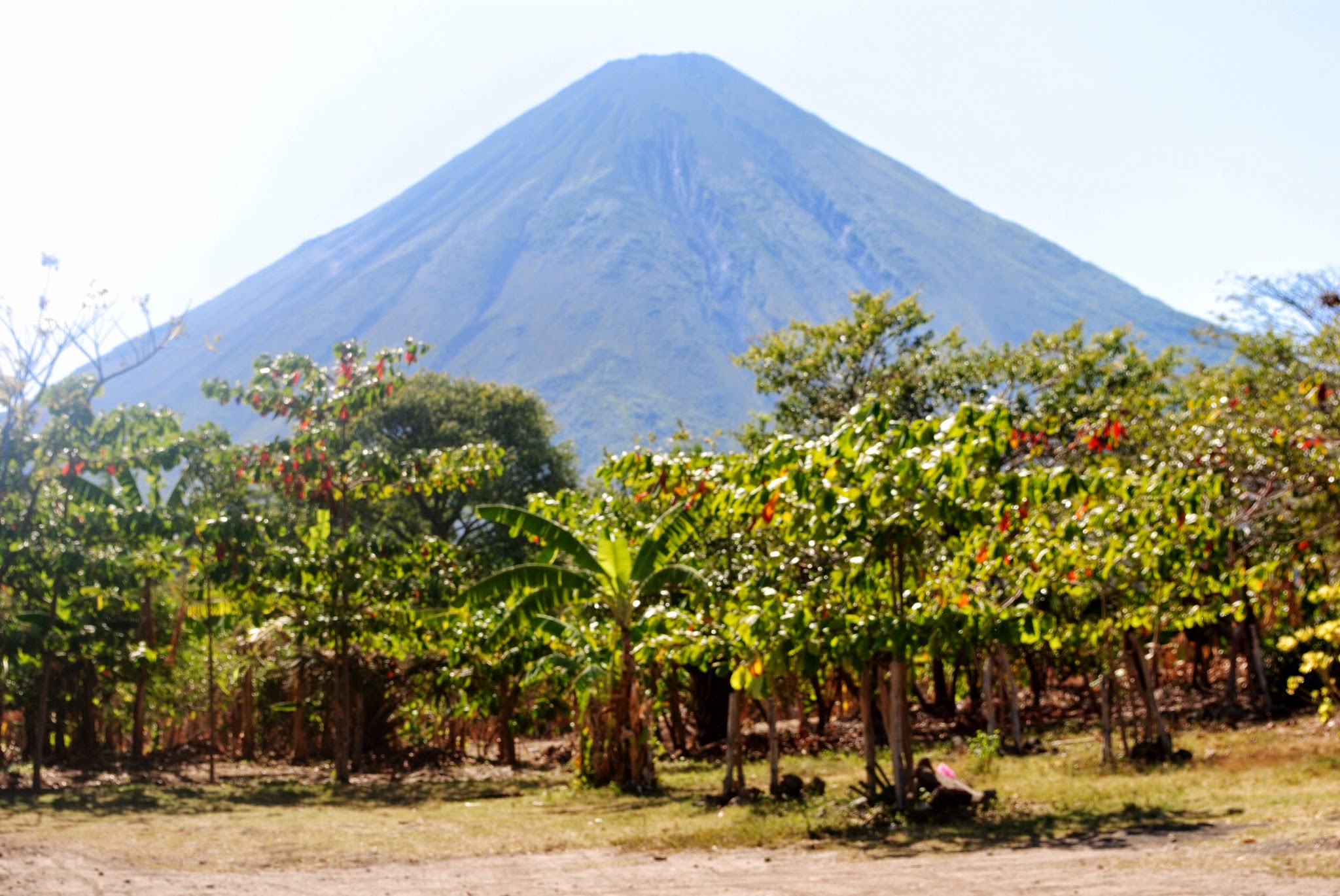
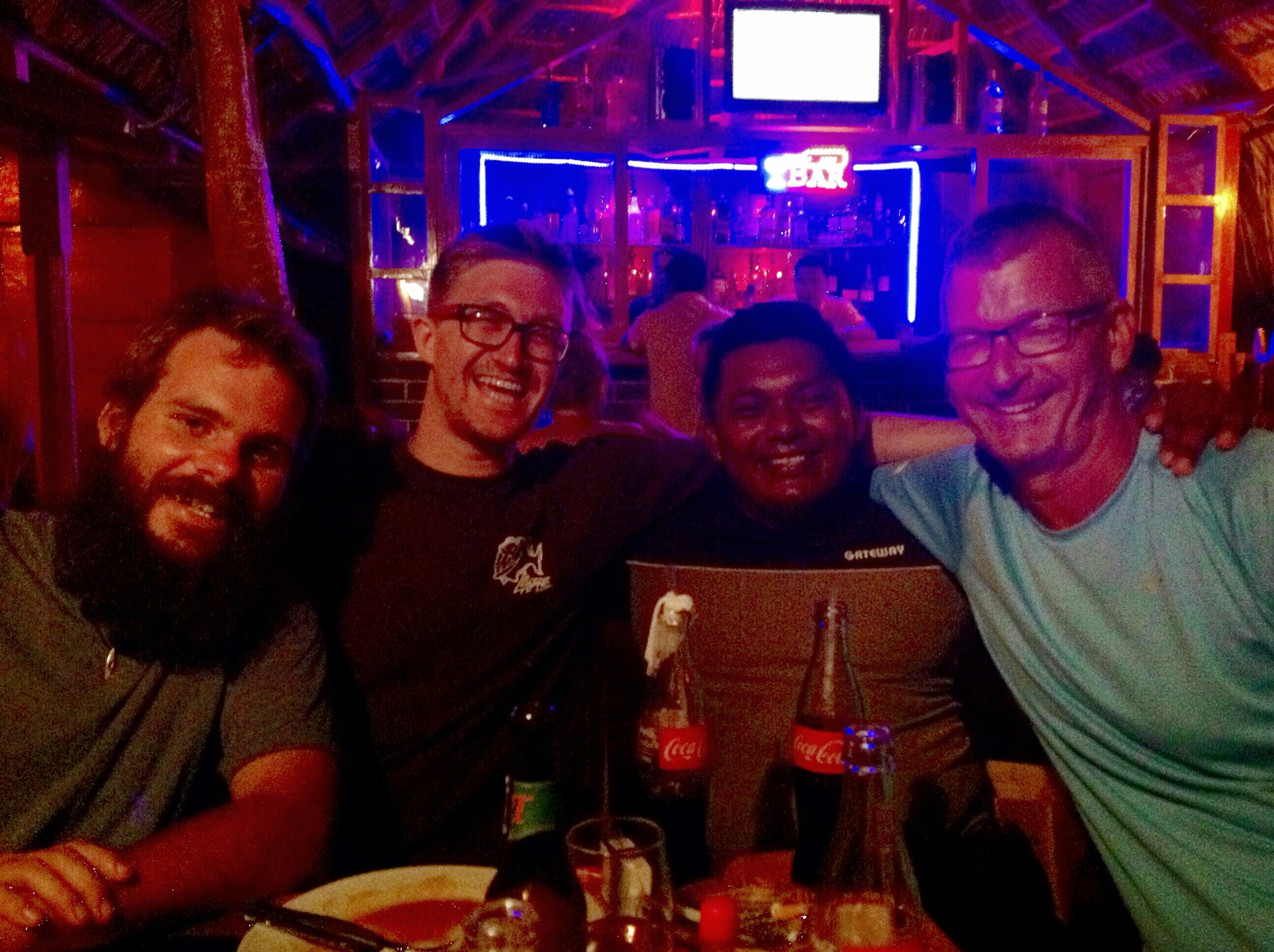
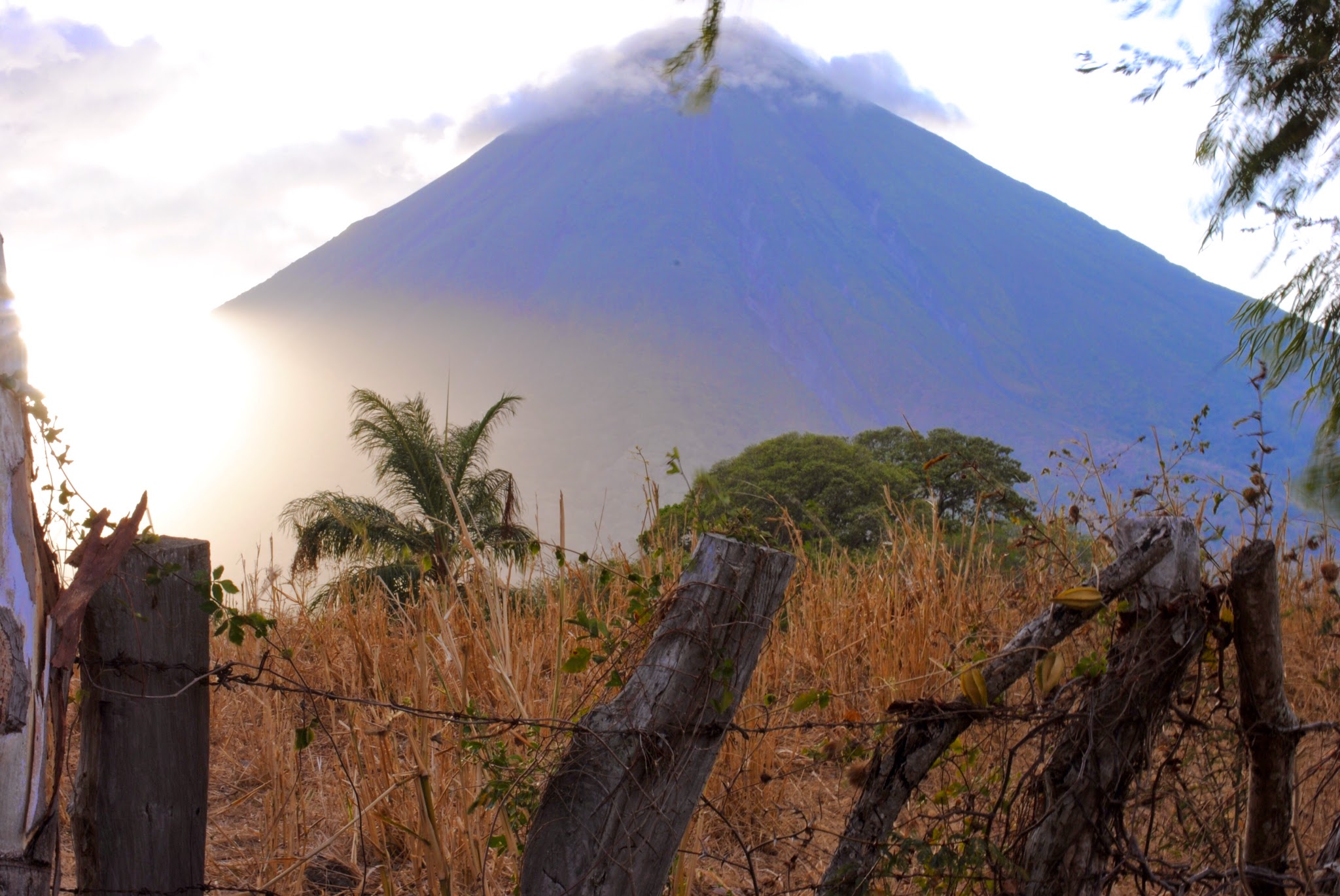
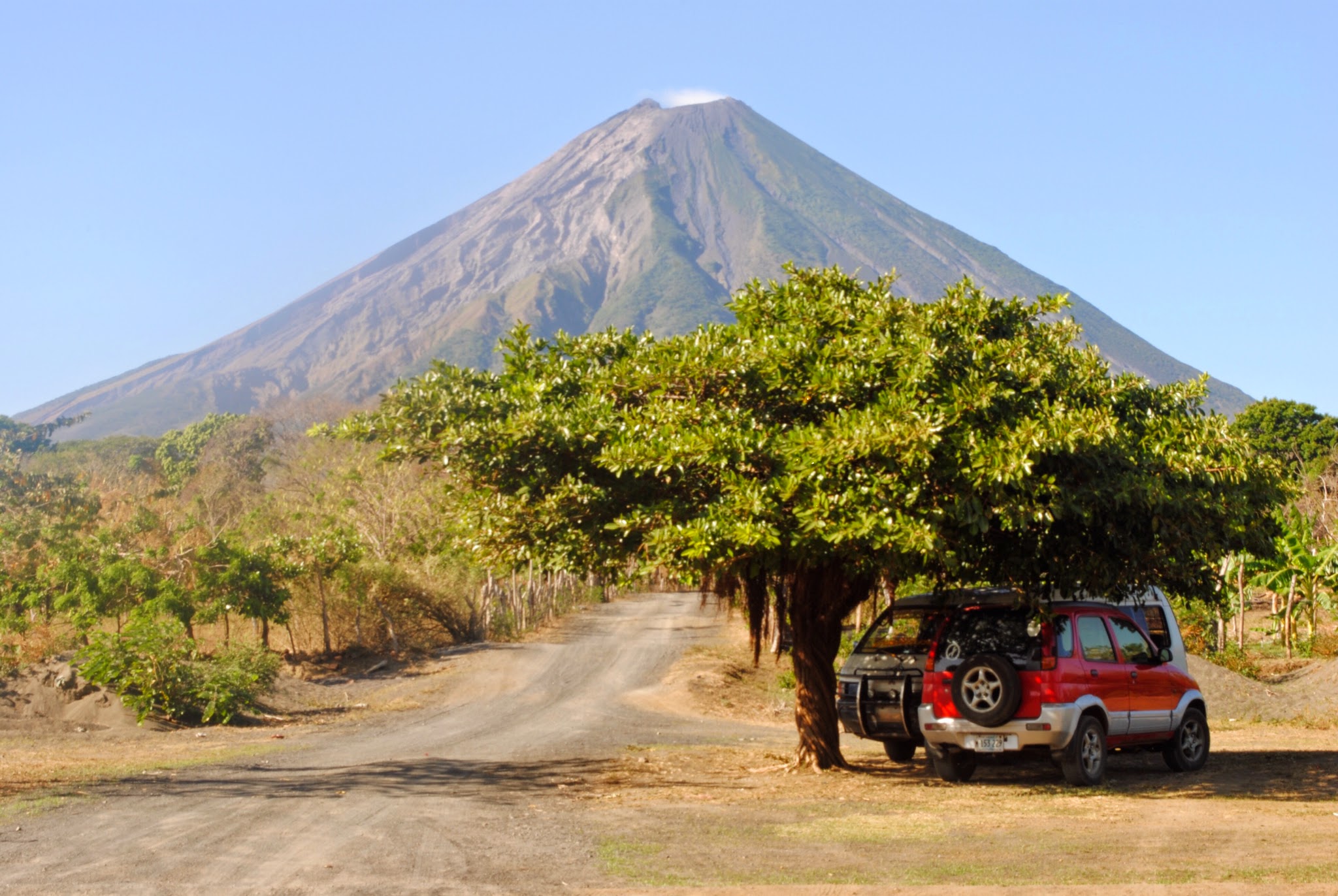
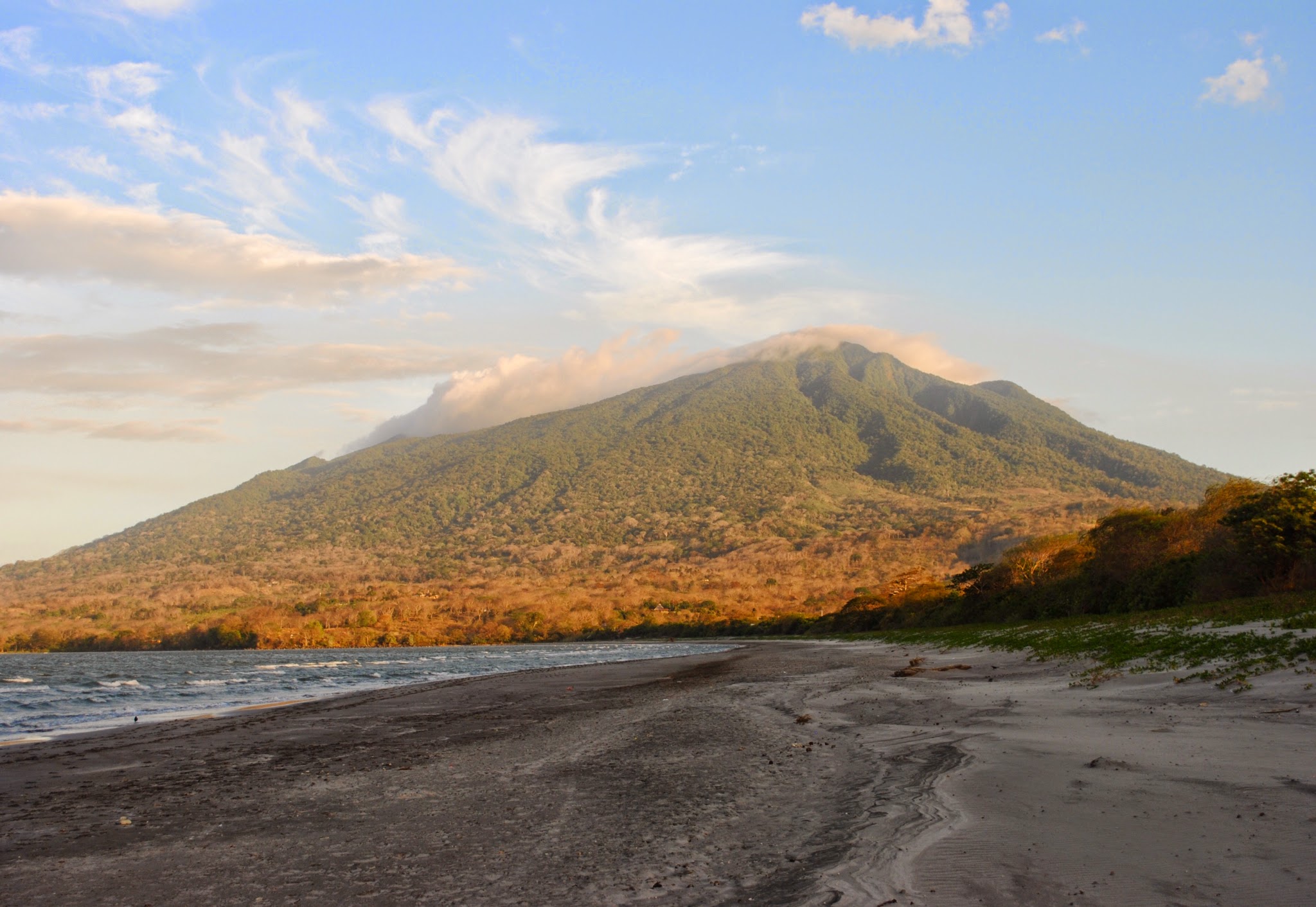
Approaching Ometepe from the north end of the island meant seeing Conception Volcano first and what a gorgeous sight. A perfect cone shape the volcano is still active and manages to produce clouds of smoke on a regular basis. In 2000, increased activity from Conception forced the volcano to be evacuated. It is 5282 feet high and offers the more intrepid traveler a change to climb to the rim and stare down at the lava below. We left that to the young Italian man, Simon, that we met in Altagracia on the first two nights of our stay. He arranged to climb the volcano the day we left for Playa Santa Domingo, he was leaving just before dark and reaching the summit some four hours later, he and his local guide would spend the night on the mountain before descending in the early hours of the morning. We’re still wondering how he made out. We also met a nice young man from Costa Rica who had been in Managua training to be a knife maker. His dream is to return to Costa Rica and be the first to make hand-made knives in his country. He spoke perfect English and had a heavy beard and you would never know that he was a central american from his appearance or accent. Also in our company for dinner one evening was Willie, a sales rep for our hotel (tout) who was in a joyous mood because his wife had just had a baby by Caesarian in the Rivas hospital on the mainland. He had sent his sister and mother along to be with her!

We stayed two nights in Altagracia and rented scooters (from Willie) to explore the island and find more permanent quarters more to our liking. The island roads are made of paving bricks and they make a figure eight around Conception and Maderas, the other but inactive volcano at the other end of the island. They say that the Maderas climb is just as challenging as climbing Conception but since it is dormant most people climb it to be safe and to see the crater lake inside the rim. We wouldn’t know as we had neither proper climbing boots nor long pants! (Excuses, excuses) Leaving the climbing to others, we covered most of the territory possible on a scooter and in so doing so found ourselves an ideal hotel for the remaining four nights of our Ometepe stay in Playa Santa Domingo.


On route we stopped for a refreshment and bathroom break at a rustic restaurant/home and met a lovely woman and her granddaughter that was home sick from school. The granddaughter was getting ready to go somewhere with her grandmother (possibly the clinic) and she was dressed in a beautiful little white dress with matching white shoes which the grandmother touched up with white shoe polish before they left. I can’t imagine what a white dress would have looked like on me at the end of a day on a tropical island where most roads and floors are dirt!

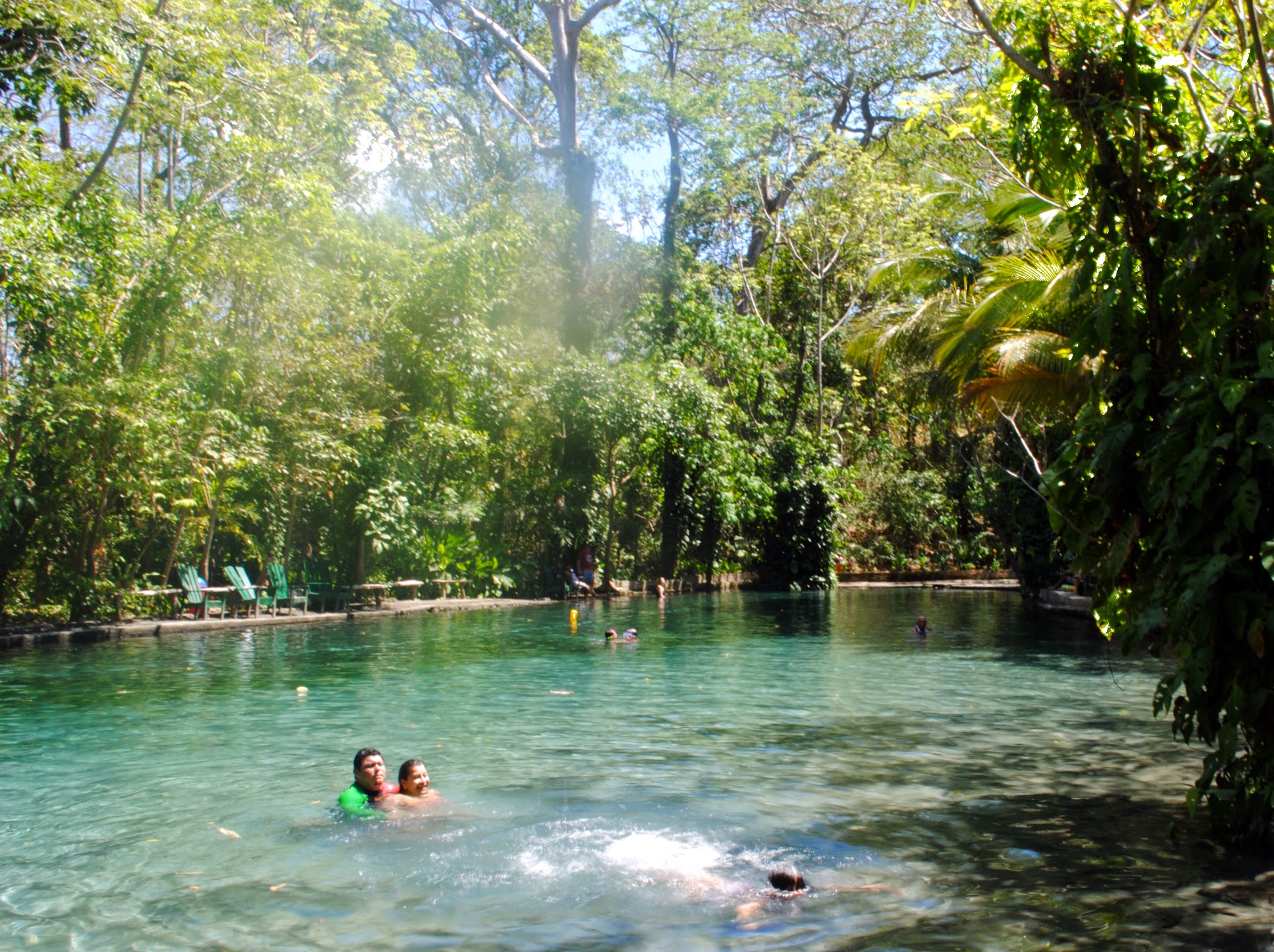
Our scooters took us to the other side of the island and the other ferry town Moyogalpa which is the largest town on the island. Before setting off in that direction we discovered the Olo del Agua, a developed thermal spring. After swimming, a swing in the hammock was followed by lunch overlooking the tropical garden and the pool and more great views of Conception having a puff.

Life On Ometepe

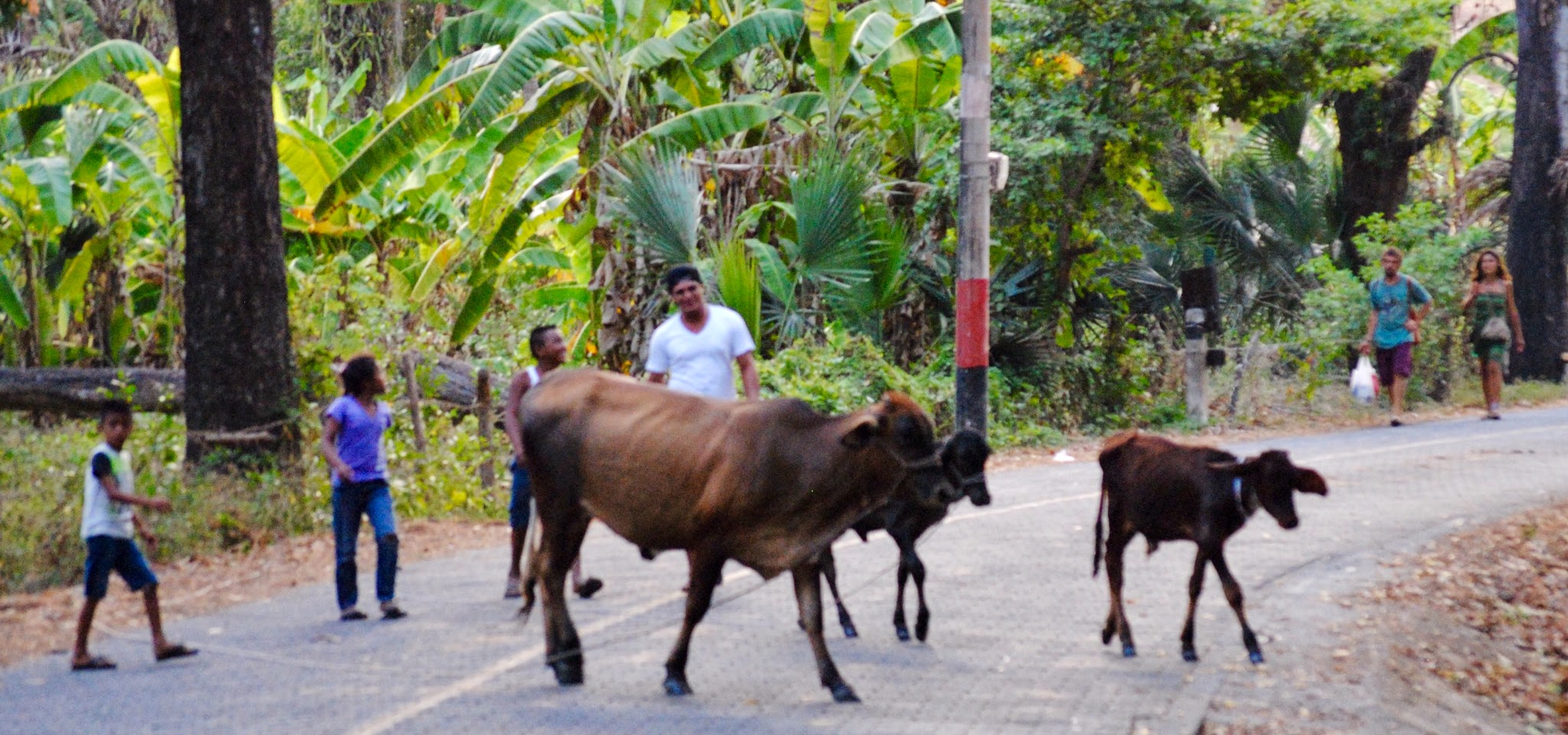
Tourism is important on Ometepe and agriculture enjoys the benefit of volcano rich soil. There are coffee, pineapple, banana, plantain, mango and other types of fincas all throughout the island and families live in dirt floored thatched huts with their livestock and crops close by. One finca we passed had dyed their new chicks bright pink for Semana Santa! There are also more expensive looking houses with four walls and a roof that are likely summer homes for well to do city dwellers. Small tiendas (stores) are often the front of a home and keep the locals supplied with what they don’t grow or produce for themselves.

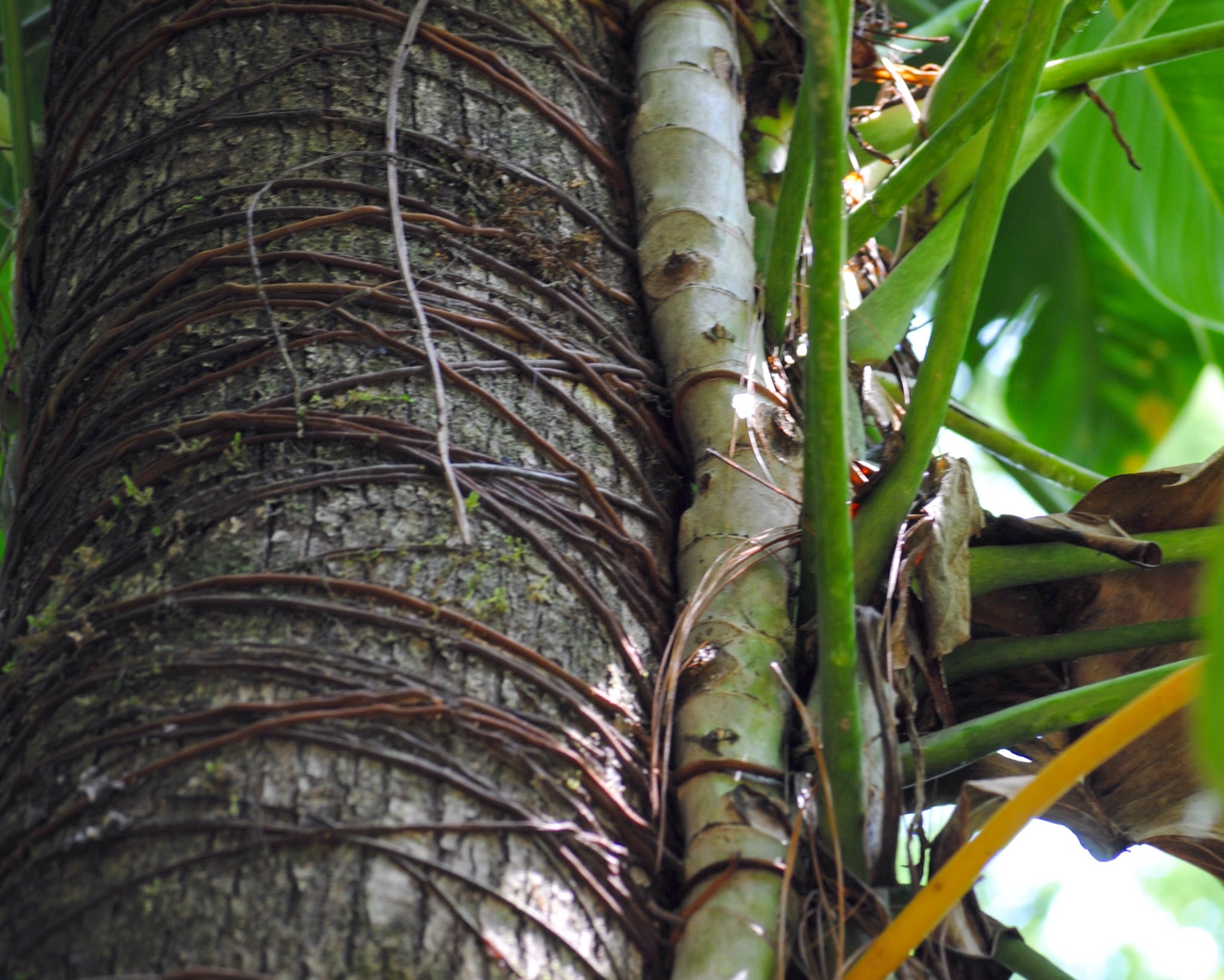
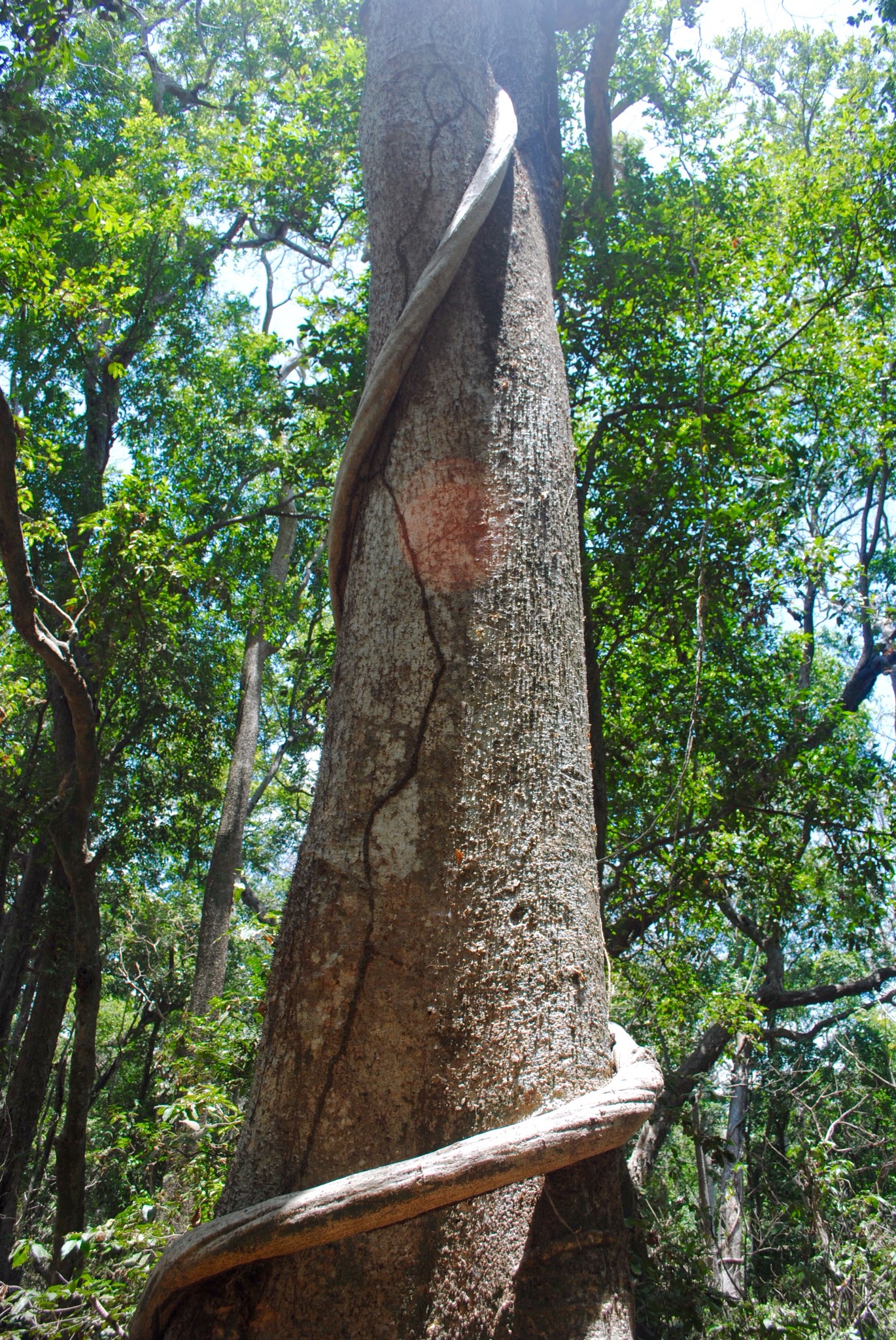
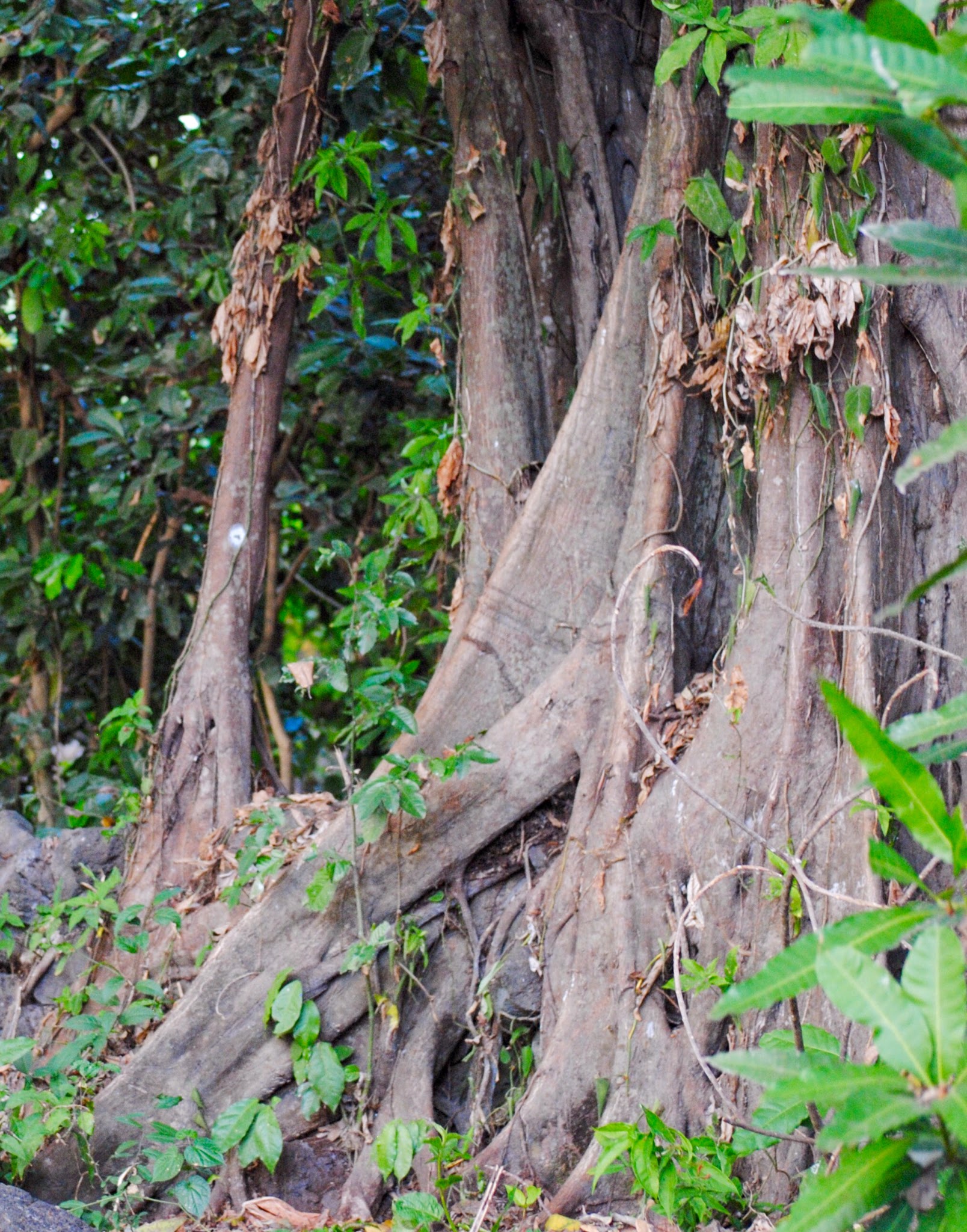
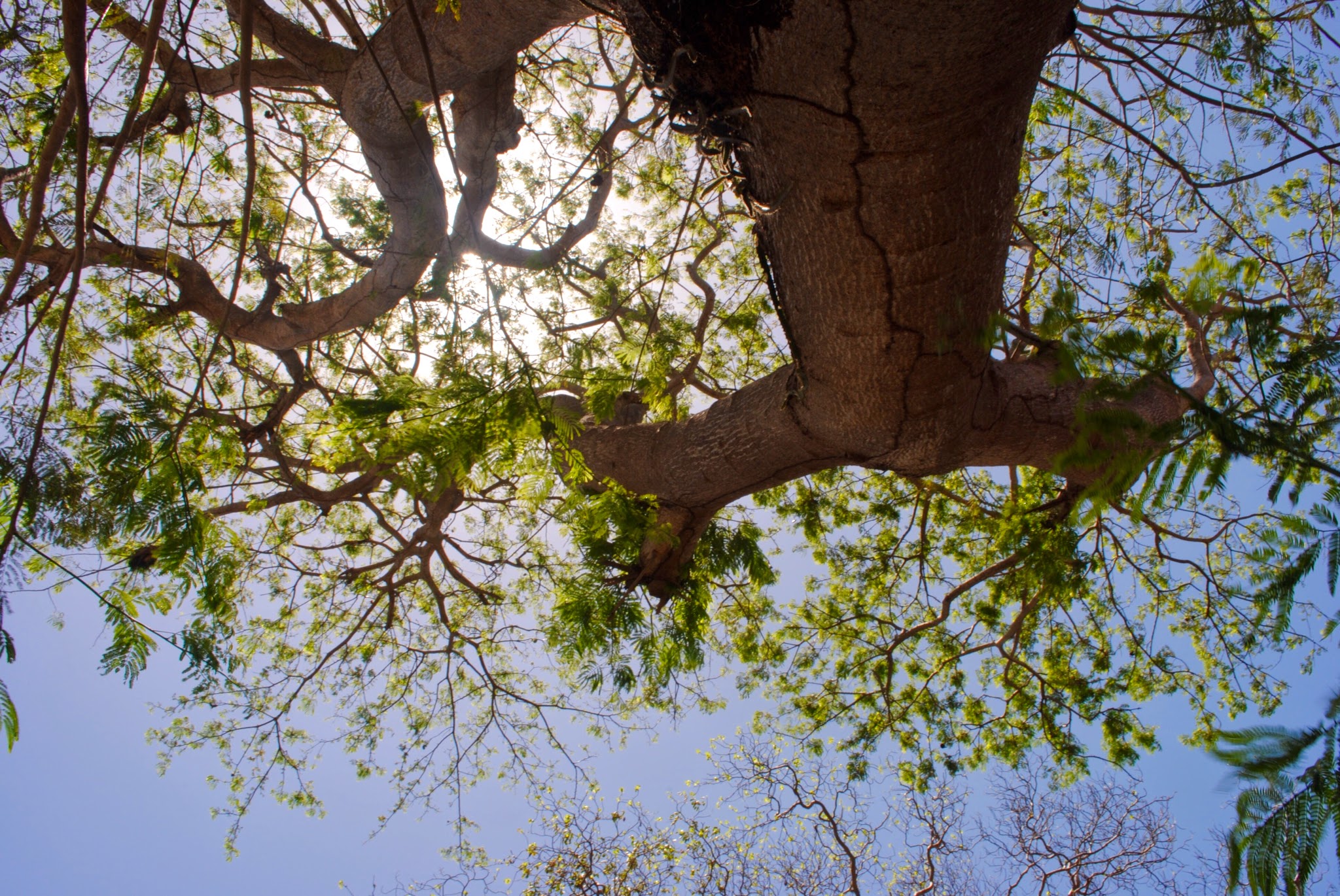
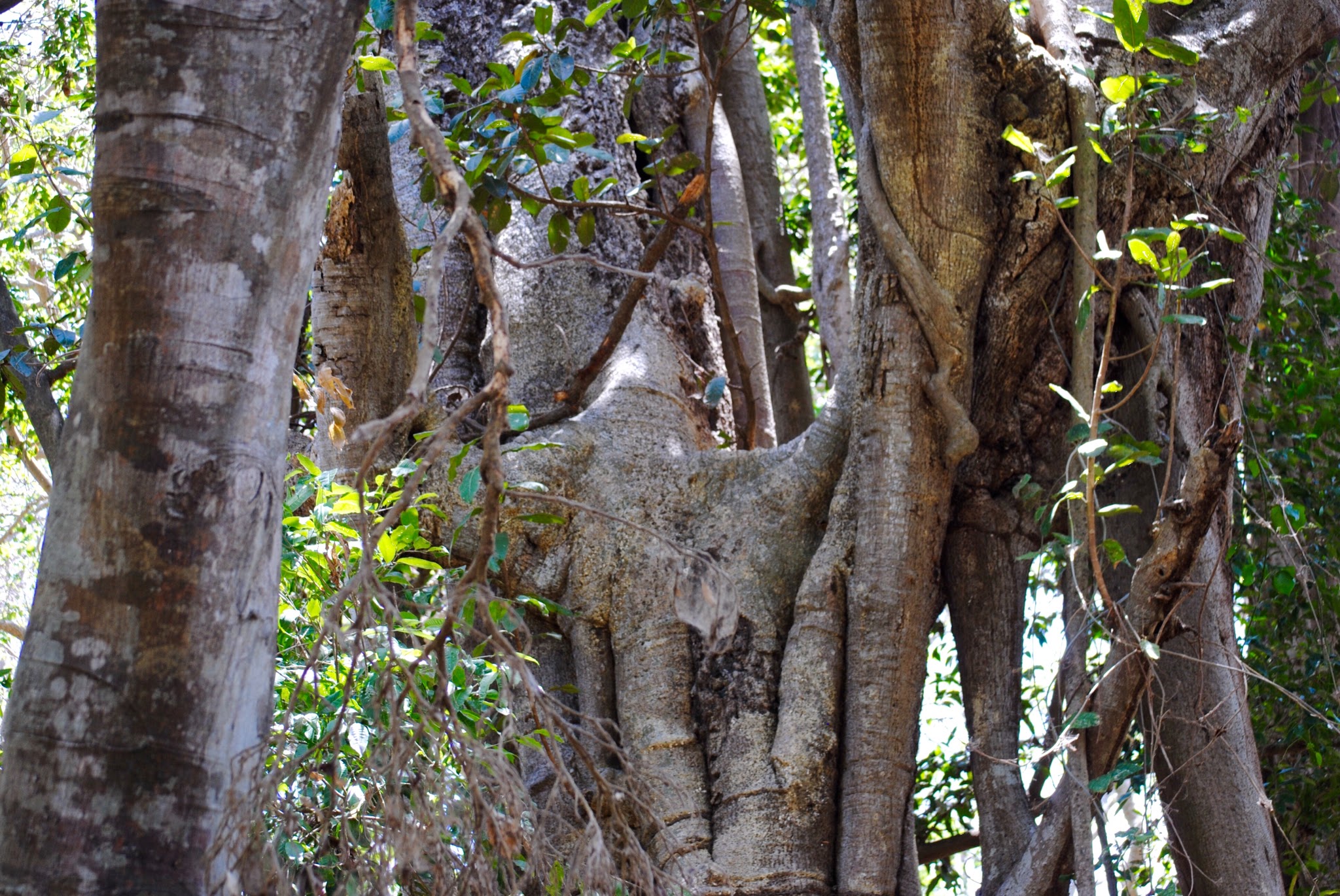
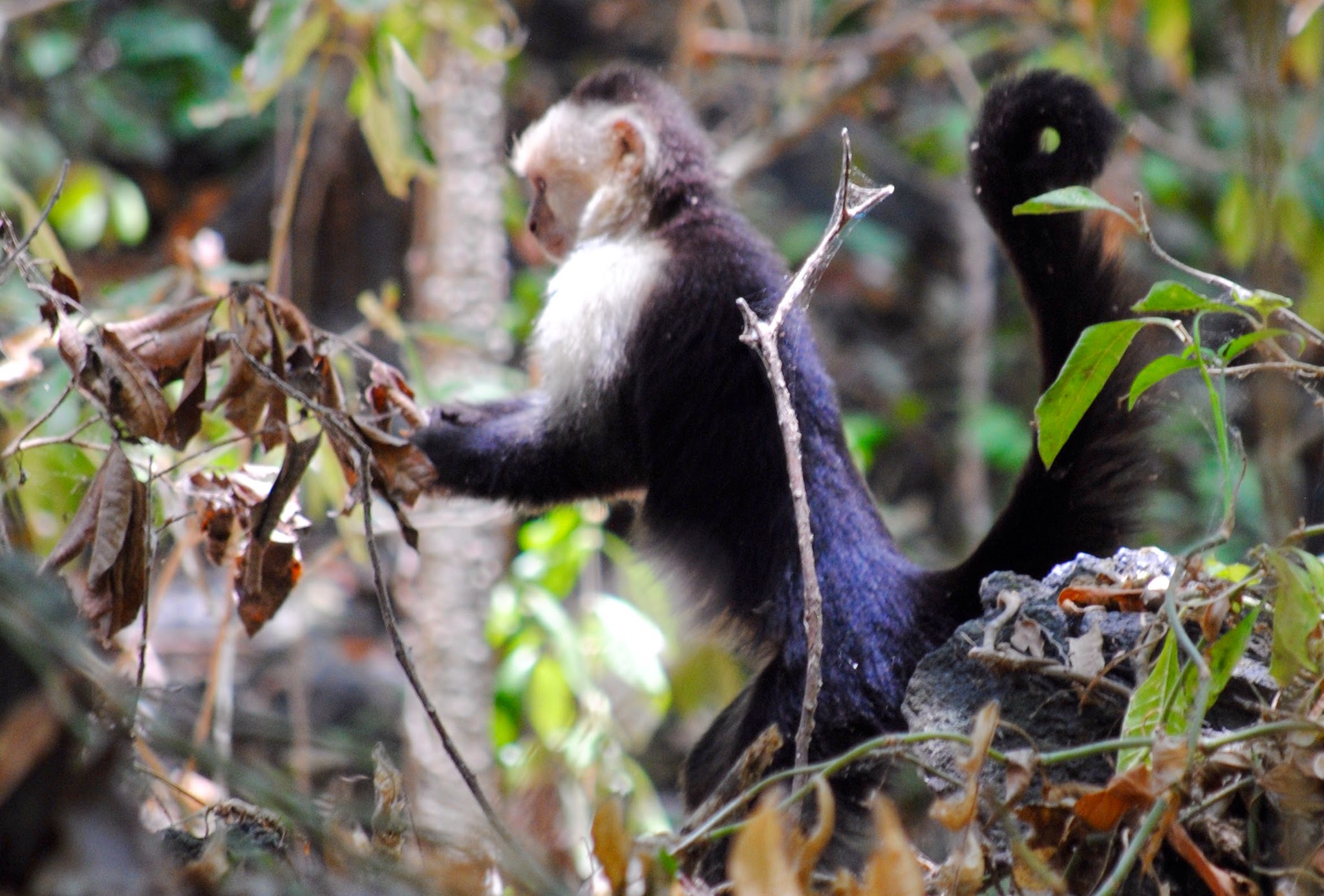
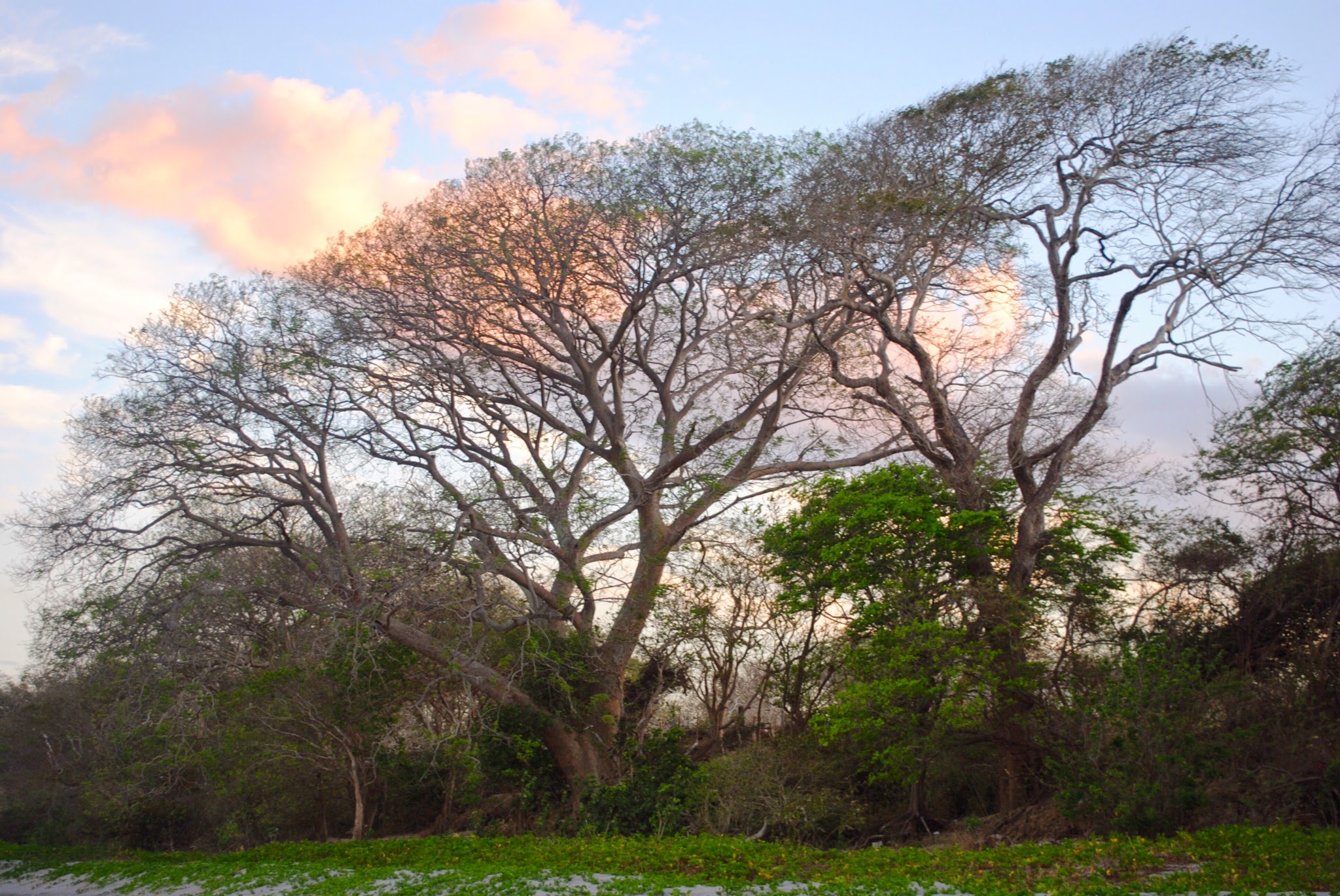
We spent our mornings exploring the trails in Maderas Volcan National Park and were lucky to see monkeys and birds in amongst the thick jungle forest. The trail is well maintained with black lava rock edges and the young man in the entrance hut was knowledgable and enthusiatic and took the time to inspect our shoes, making sure they were adequate for the hike. Giant ceiba trees stand next to Panamas with their thick tri-pod legs, and it is not ong before you see a strangler fig or a “naked Indian”. Trees are wrapped in ivy and vines hang from great heights reaching to the ground, Tom could not resist a tarzan type swing from one of them. The jungle is thick and the parks people work hard to keep up the trails. This time of the year, things are very dry and it looks like it has been some time since it has rained. We crossed over what looked like a dry creek bed and there are signs that some of the trees are just coming into leaf. It is amazing the lengths to which jungle plants will go to establish roots for water, reach high for their share of the sun or protect themselves like the thorny bark of the ceiba trees.

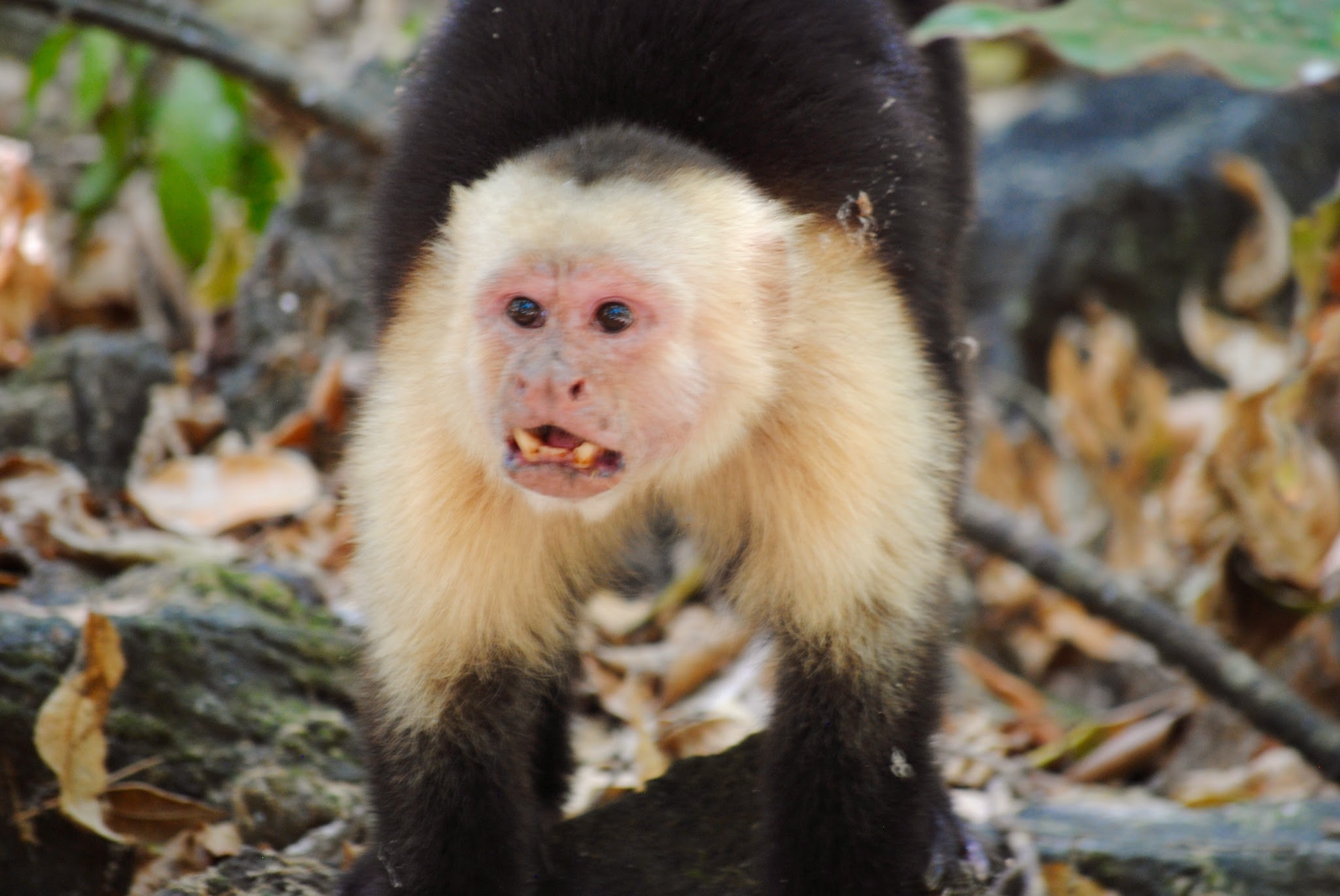
At the start of the trail, right above our heads in a giant ceiba tree was a family of coco blanco monkeys whose actual size is small in comparison to the deep rumbling growls they make. You’d think they were the size of gorillas! Later we came across some on the trail feeding on ground foilage and one of them thought I got too close and decided to make a few charges in my direction with teeth bared and hissing growls.

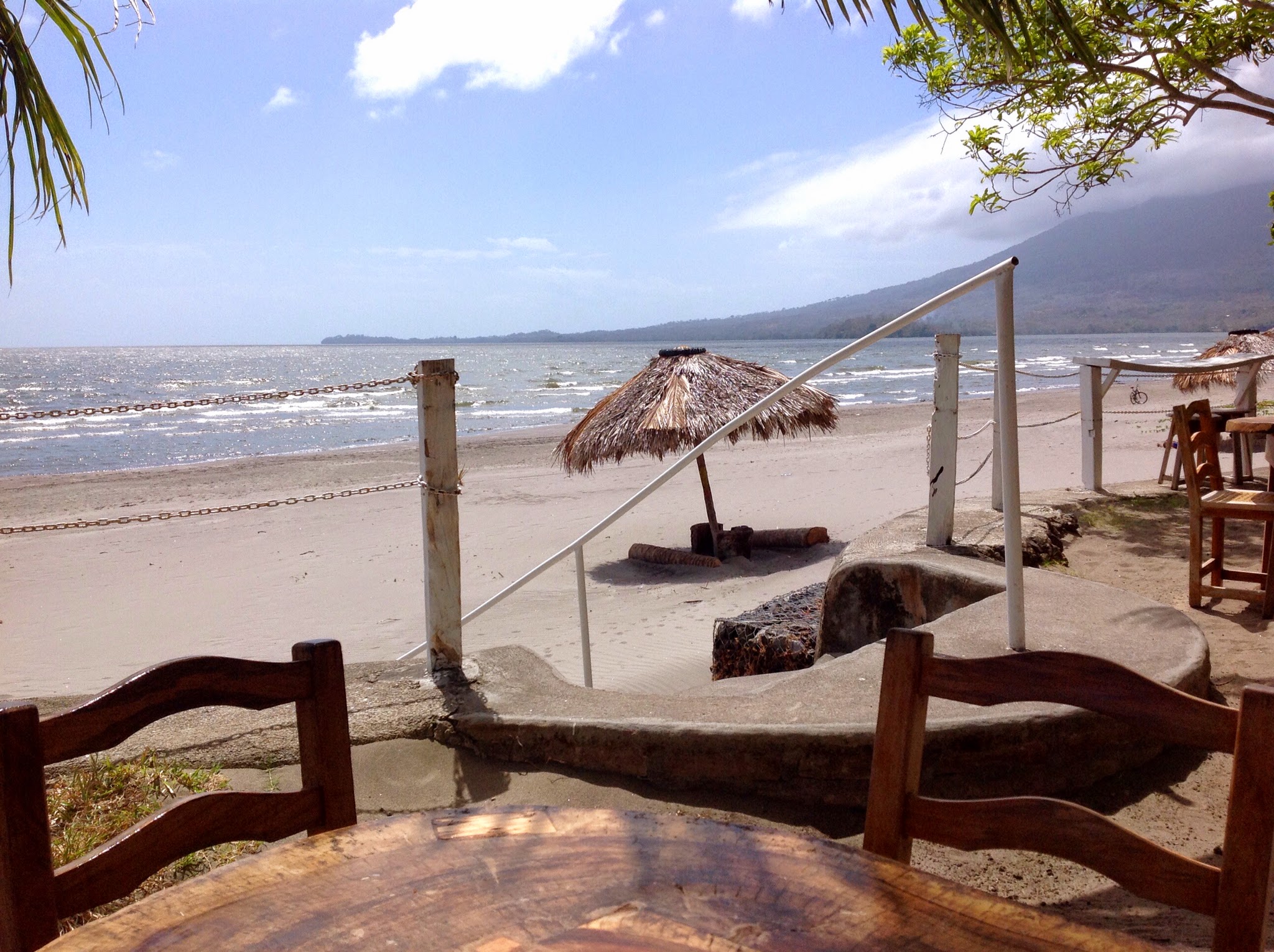
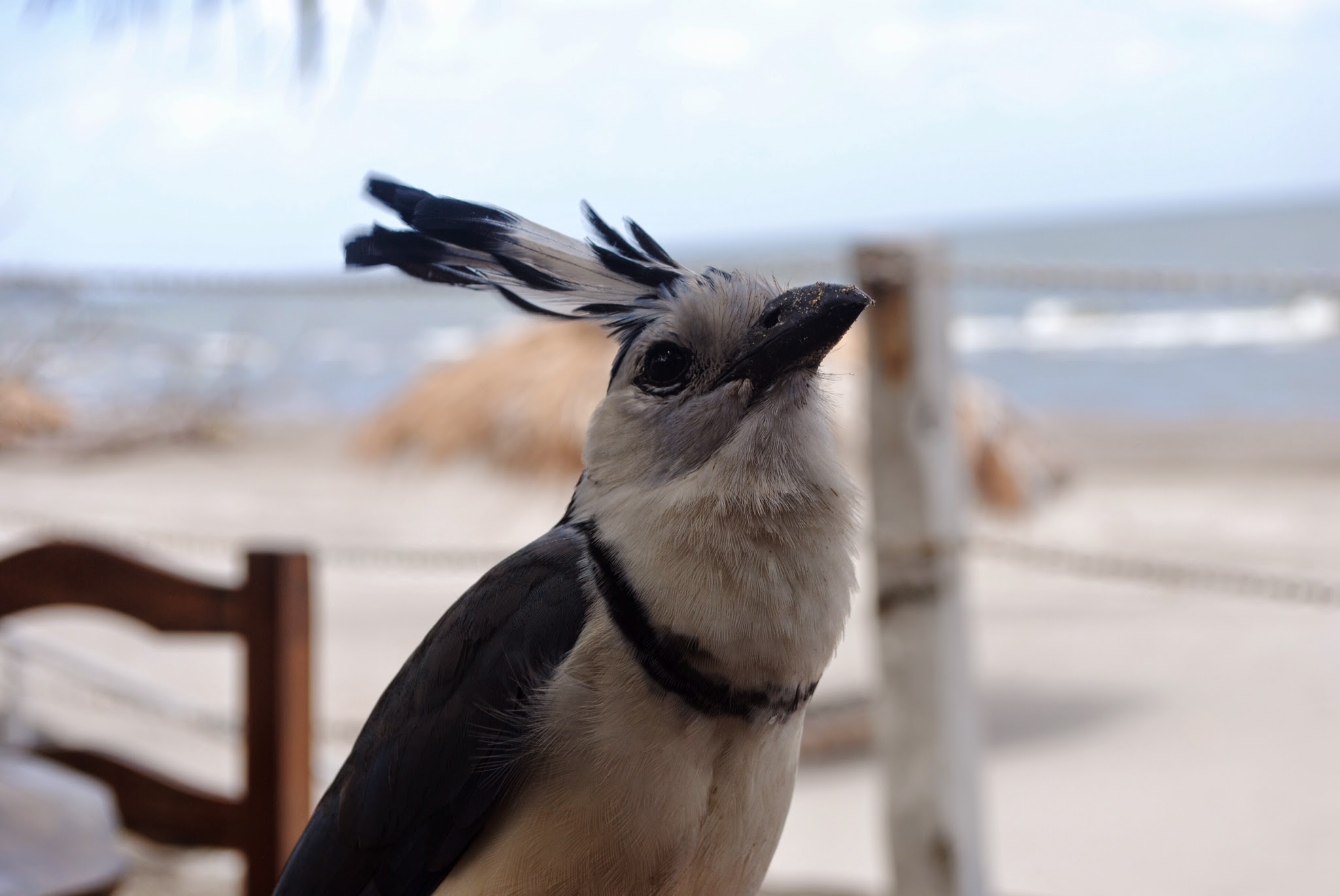
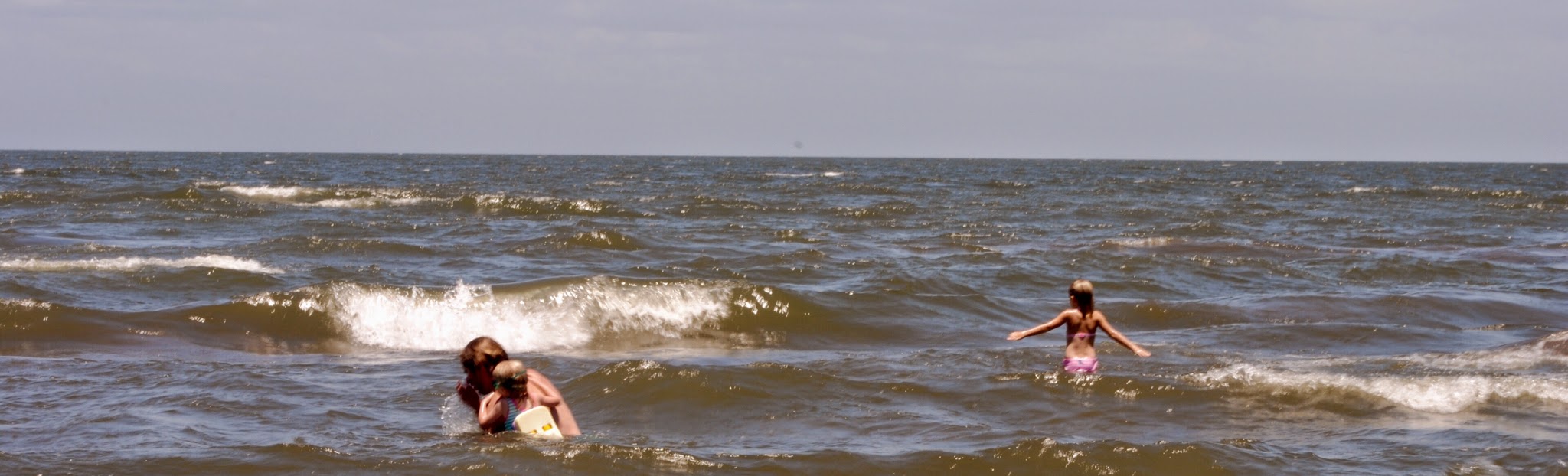
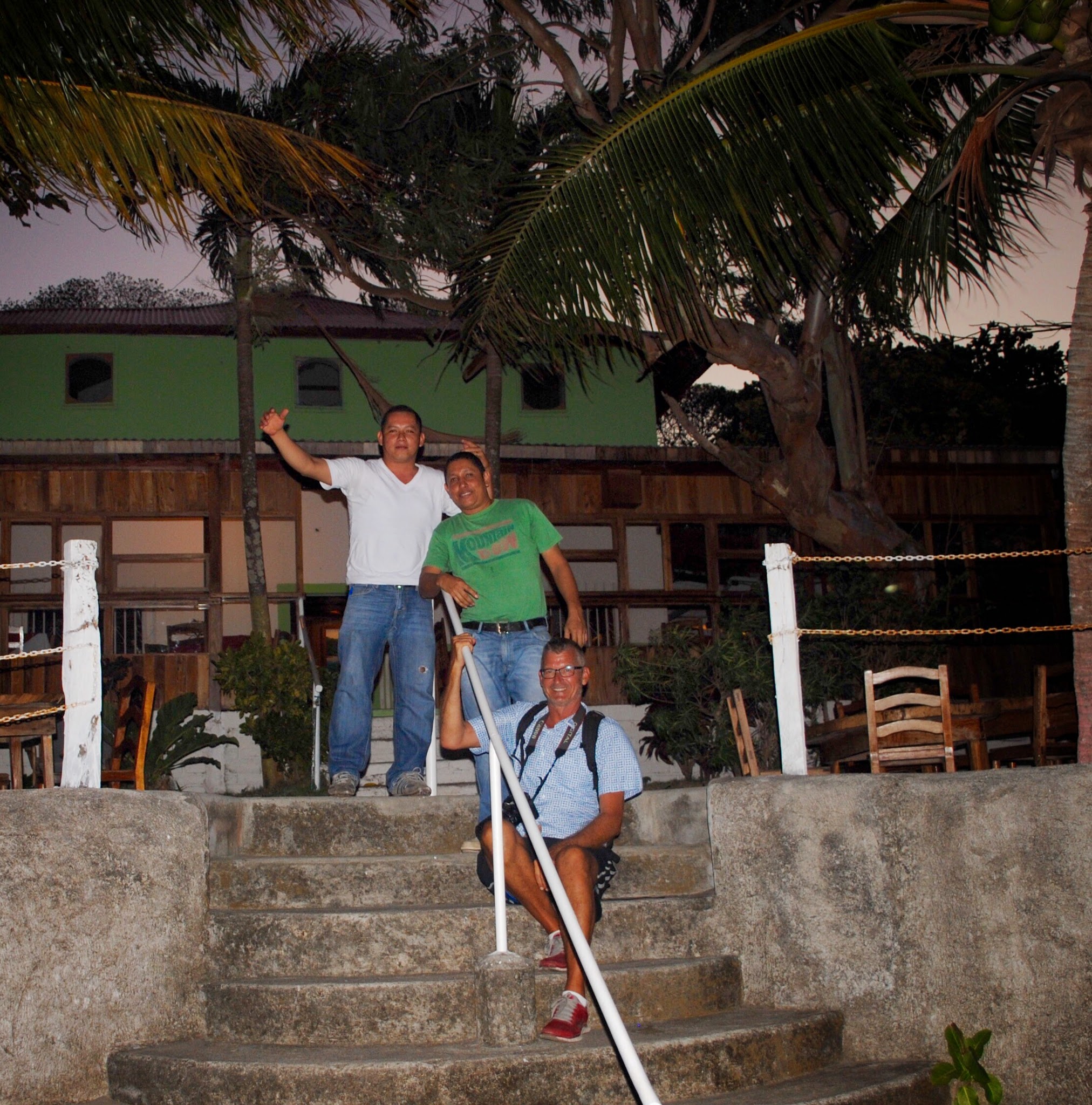
In the heat of the afternoons we spent our time at the hotel and on the beach. The lake is shallow for some distance and the wind blows every day, some days harder than others, and there are always waves to play in before retiring to deck chairs in the sand. The hotel Finca Santa Domingo where we are staying is very nice and right on the beach. They have a chef who makes delicious meals from local produce and everything we have tried has been delicious, in fact we have been eating our way through both sides of the menu. Not something we expected here on Ometepe. Tonight we had filet mignon with a mushroom sauce, that was outstanding. Even the uninvited dinner guests have been entertaining (a type of magpie with fancy hats). Around the hotel are the most mellow dogs we have encountered, no begging, barking, licking or scratching. The rooms are 25 USD a night and mine is tucked underneatch the second story with a hobbit door, a stone walled bathroom and a few resident ghekkos who keep the bugs down.

Ometepe we’ll be back!